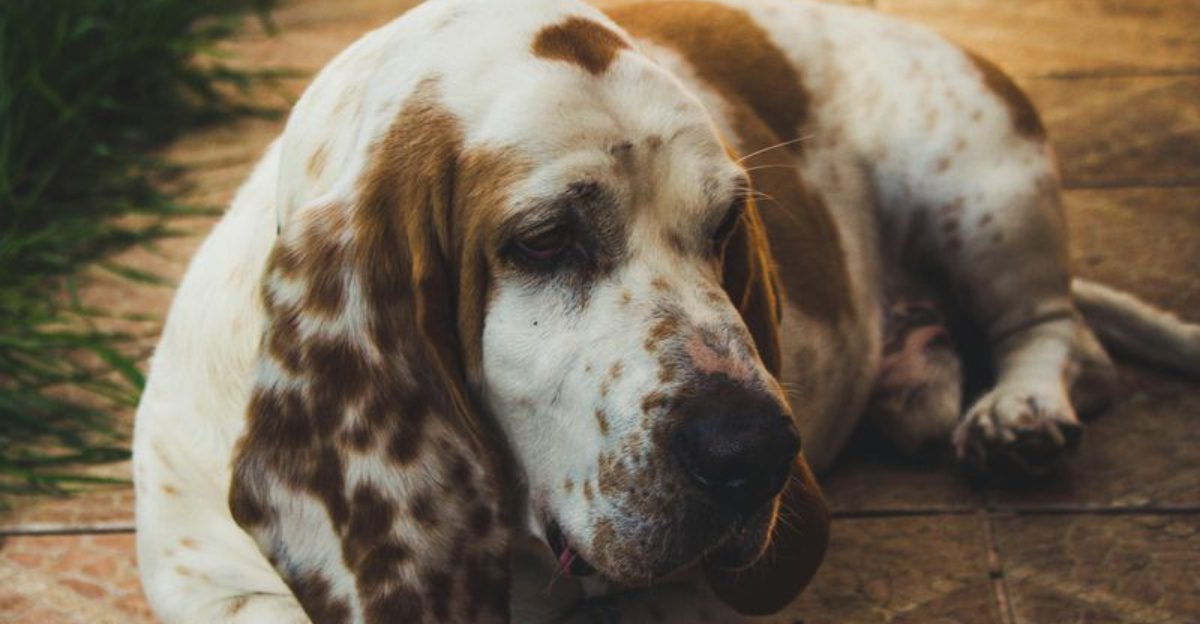
Some dogs seem to unlock a secret level the moment a second pup trots through the door. Suddenly the shy wallflower becomes a social butterfly, or the bossy solo act discovers the joy of teamwork.
If you have ever wondered how adding another dog might change your current dog’s vibe, you are in the right place. Let’s peek at breeds famous for surprising glow ups when a new canine roommate arrives.
American Eskimo Dog
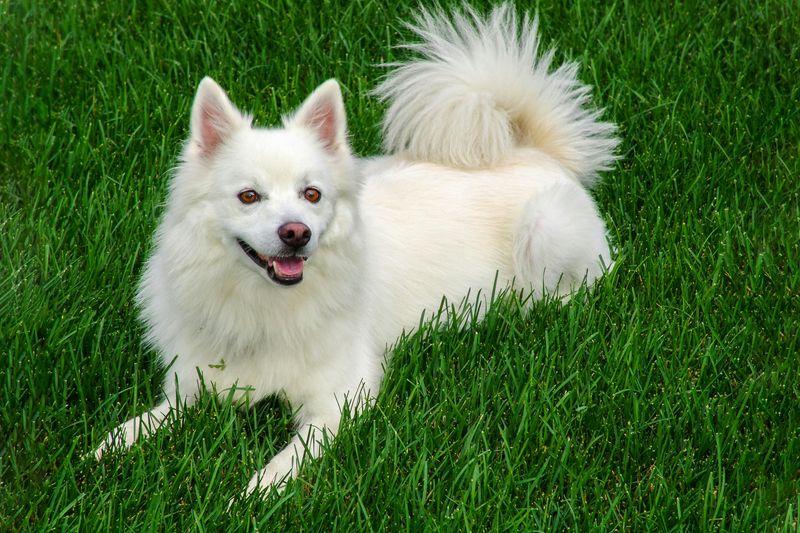
With one American Eskimo Dog, you get a charming, clever companion who sometimes guards resources and routines. Add a second dog, and that same fluffball often flips into camp counselor mode, organizing play, sharing toys, and showing off tricks like a show host.
You will notice more smiles, prancing, and confident tail flags.
The newcomer becomes a social catalyst, easing separation stress and redirecting brainy energy into friendly games. Suddenly, puzzle toys turn into team projects, and walks become parade routes.
Training also gets a boost because competition and mimicry sharpen focus.
Still, keep boundaries fair. Guard against overexcitement with decompression breaks and supervised greetings.
Offer dual chew zones and parallel play. Your Eskie thrives when structure meets joyful company.
Schipperke
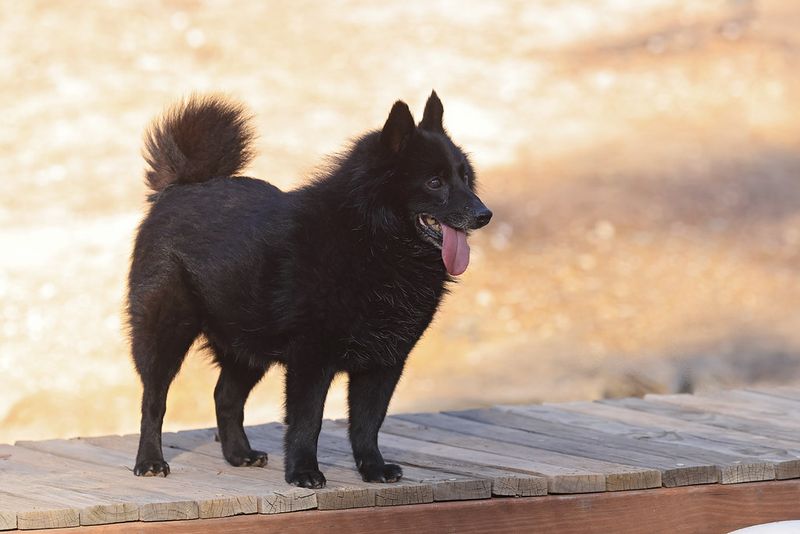
Solo Schipperkes can be tiny detectives, patrolling windows and obsessing over every squeak. Introduce a second dog, and their energy often funnels into cooperative play and tag-team adventures.
They become bolder outside, less barky indoors, and more generous with toys than you expected.
The new friend gives them a job they love: supervising but also joining the chase. Training becomes a duet, where the Schipperke copies calm manners or shows the new dog fun recall zoomies.
Watch for mischievous plots, because two clever minds invent games quickly.
Balance freedom with structure. Rotate enrichment, split high-value chews, and keep doorways calm.
With fair rules and outlets, the Schipperke shifts from solo sentry to cheerful co-captain.
Norwich Terrier
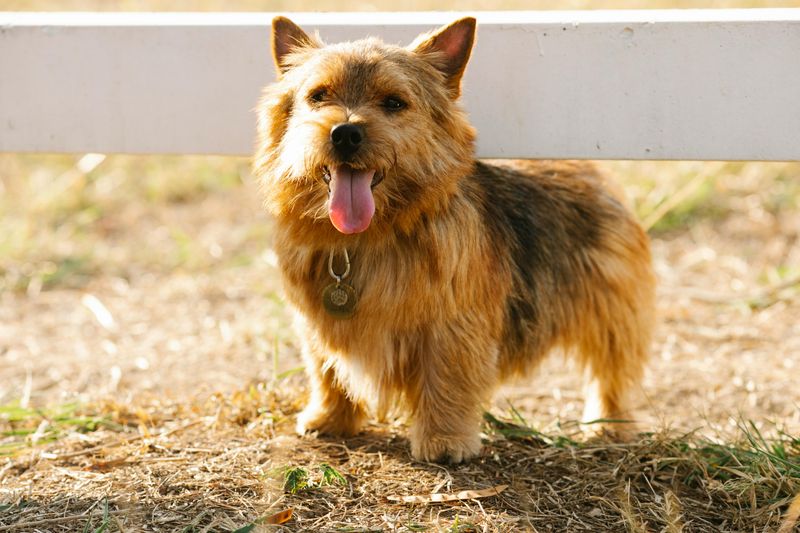
Norwich Terriers pack courage in a small, happy frame. Alone, they are spirited yet sometimes stubborn about sharing laps and squeakers.
When a second dog moves in, many Norwich switch from hoarding attention to hosting inclusive play, swapping solo zooms for tandem sprints.
They learn social timing quickly, mirroring the newcomer’s calm or excitement. Resource guarding often softens as the routine adds predictability.
Even grooming time becomes less dramatic when they see a buddy getting brushed first.
Set success with side-by-side walks and twin treat lines. Keep tug games short and sweet, and use place mats for cooldowns.
You will likely see a braver, friendlier Norwich, proudly guiding the household fun without losing that spark.
Norfolk Terrier
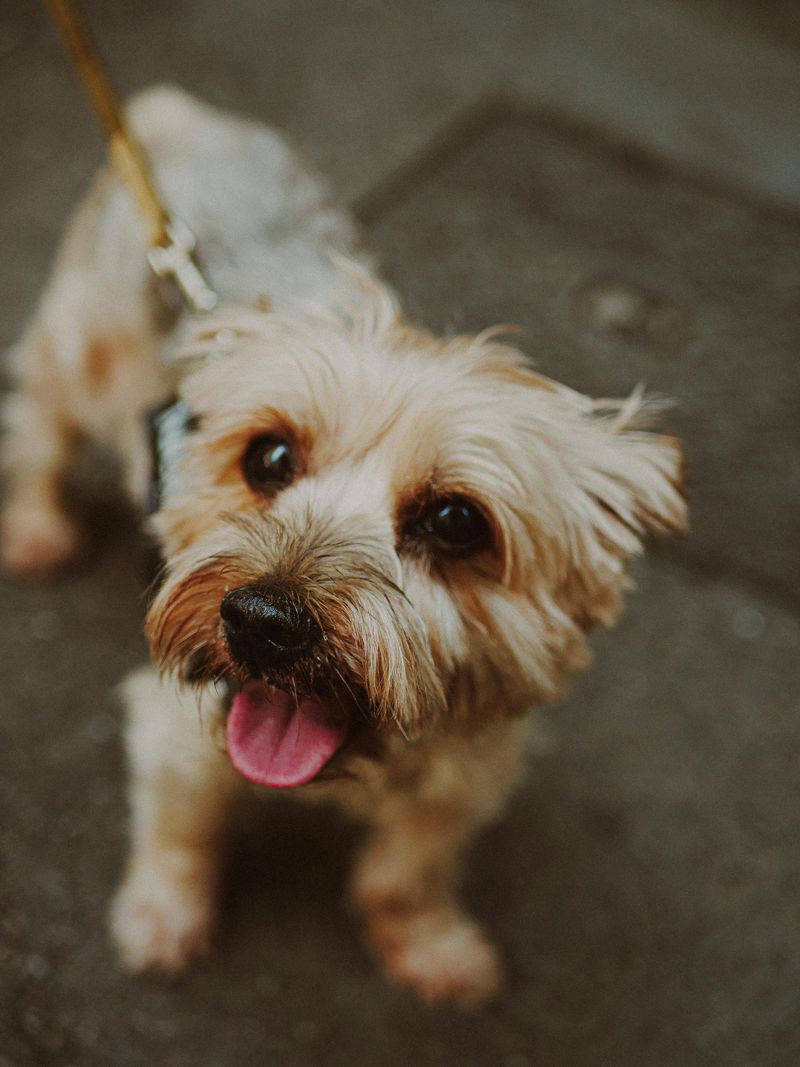
Norfolk Terriers can be snuggly opportunists who love people time but play it cool with other dogs. Add a second dog, and many reveal their hidden comedian.
They trade reserved glances for boisterous play bows, invent chase circuits, and share sun patches like old friends.
Confidence grows as they practice canine conversation daily. The Norfolk often becomes the peacemaker, nudging breaks when play gets spicy.
Walks shift from scanning for squirrels to sharing sniff news together.
Guide the glow up with toy rotations and short training bursts for both dogs. Reinforce quiet settles, and feed separately to protect peace.
Before long, your Norfolk may surprise you by leading cuddle piles and modeling polite door manners.
Cairn Terrier
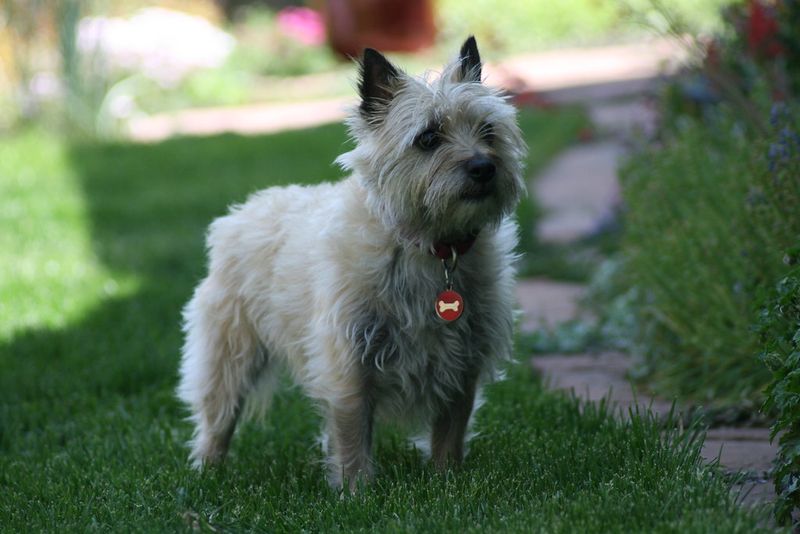
Cairn Terriers are bold explorers, sometimes bossy about toys or garden patrols when solo. Bring in a second dog, and many Cairns pivot from micromanager to adventure buddy.
They split sniffing missions, share dig sites, and nap closer than you might expect.
That new companion channels the Cairn’s big feelings into healthier play. Barking lessens when there is a teammate to check the fence line.
Training gains momentum as they compete for fun rewards while copying each other’s cues.
Keep success rolling with dig boxes, parallel fetch, and clear start-stop signals. Separate high-value treats and praise calm swaps.
With structure, the Cairn reveals a generous, comedic side and becomes the yard’s cheerful co-foreman.
West Highland White Terrier
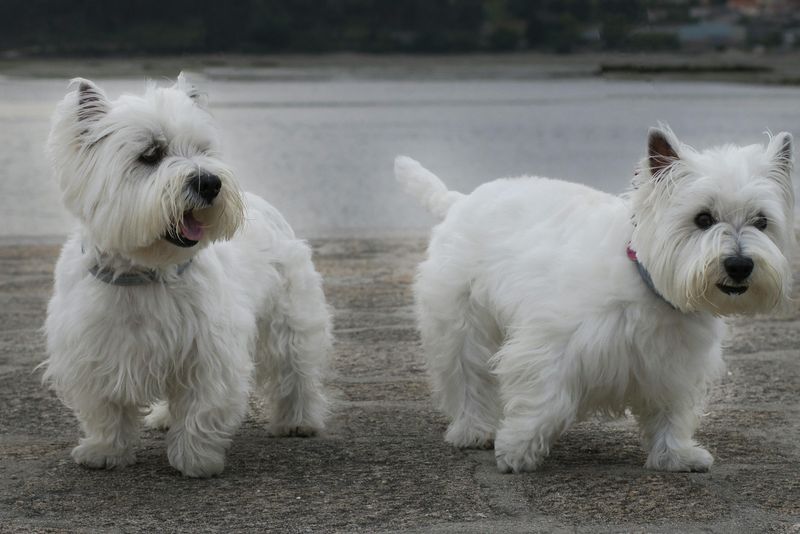
Westies shine as independent charmers, yet they can guard favorite perches when alone. When a second dog arrives, many Westies switch to party host, ushering play sessions and gently policing rules.
You will see more tail swishes, toy sharing, and mutual window watching.
The new buddy reduces FOMO and turns bark alerts into brief check-ins. Westies love demonstrating tricks for a mini audience, which lifts training reliability.
Cooperative walks help them pace excitement and build social rhythm.
Support balance with clear rest spots and short, supervised tug. Feed in separate zones and celebrate calm trading.
With routine and respect, your Westie becomes a confident ambassador, mixing signature sass with genuine generosity.
Border Terrier
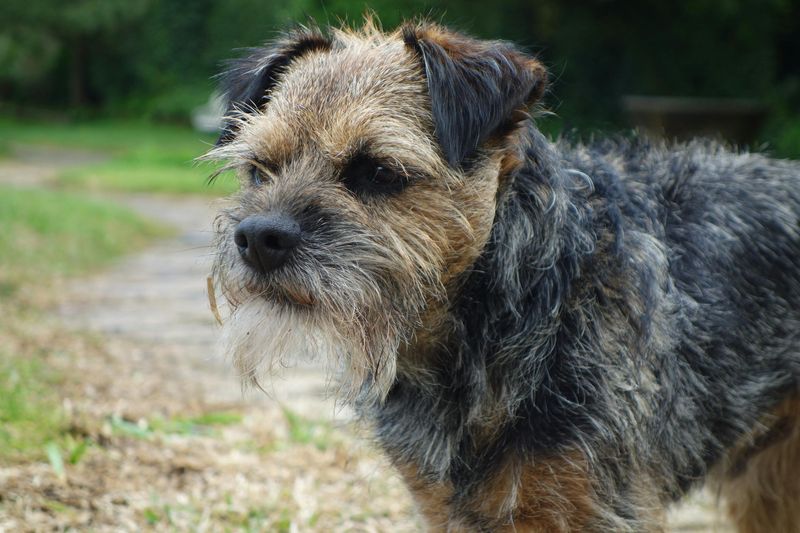
Border Terriers are steady-hearted workers who sometimes keep feelings tucked away when solo. Add a second dog, and many Borders unfurl goofy, affectionate sides.
They trade quiet observation for playful wrestling and synchronized sniffing.
Companionship gently lowers vigilance, so they check in with you more and bark less at passing noises. Training becomes smoother because they learn by example and relax faster after exercise.
Their famous cuddle mode often doubles when they have a pal to anchor naps.
Encourage success with trail adventures, shared snuffle mats, and predictable routines. Protect harmony by splitting chews and giving separate settle spots.
Soon your Border blends grit with warmth, becoming a loyal teammate and surprisingly silly play partner.
Manchester Terrier
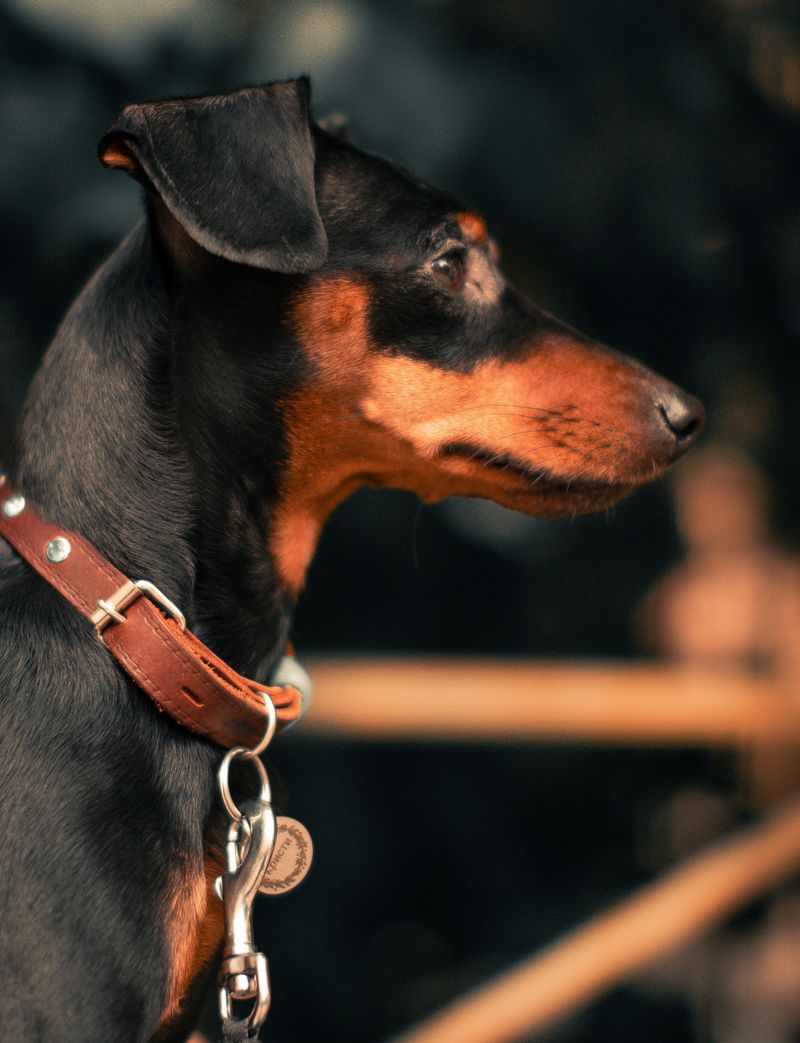
Manchester Terriers can be poised, almost reserved sophisticates when alone. Introduce a second dog, and many reveal hidden clown energy.
They dart, bow, and invent hallway races, then lounge together like old pros.
Social modeling helps them soften around visitors and settle quicker after walks. Their sleek confidence grows as they coordinate games and copy calm door manners.
You may also notice fewer solo zooms and more cooperative toy exchanges.
Keep momentum with impulse-control games played in pairs. Alternate training reps, reward turn-taking, and create quiet dens for decompression.
With thoughtful structure, the Manchester blends elegance with playful warmth, trading aloof moments for cheerful camaraderie that brightens daily life.
Silky Terrier
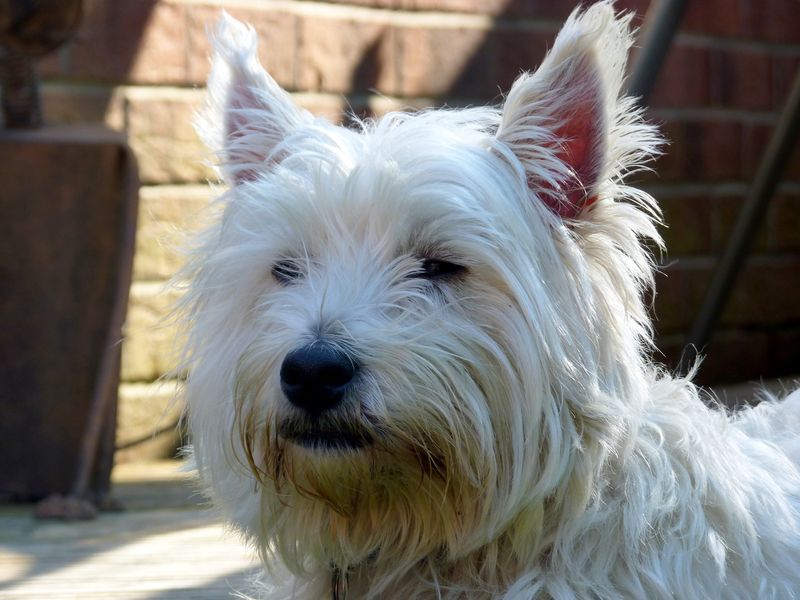
Silky Terriers adore attention and can act like tiny divas when solo. When a second dog arrives, many pivot to collaborative entertainers.
They share center stage, take turns with toys, and show gentler greetings at the door.
With a buddy, their curiosity blossoms into duet adventures, from window-bird commentary to synchronized couch sprints. Training improves because they echo cues and compete kindly for praise.
Grooming nerves also ease as they watch the other dog enjoy brushing.
Support peace with designated beauty breaks, split chew times, and calm mat training. Rotate high-value toys and keep play brief but frequent.
The Silky’s sparkle remains, but now it beams through teamwork and surprisingly patient manners.
Miniature Schnauzer
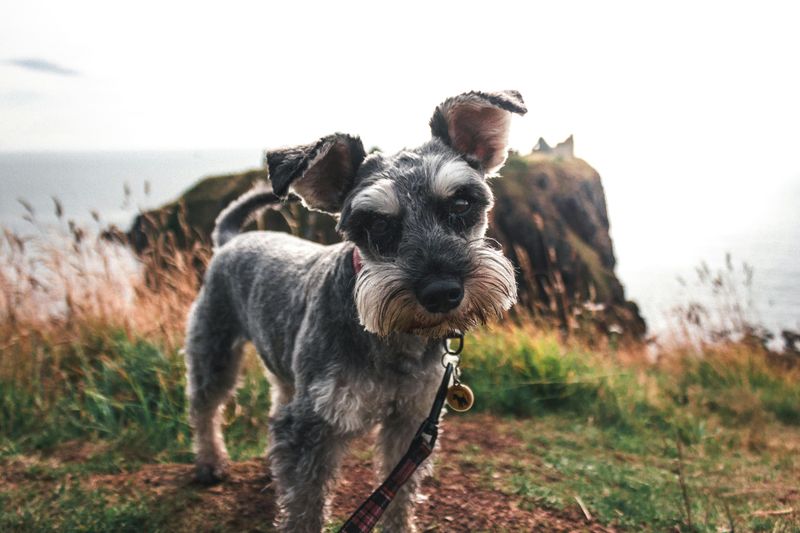
Miniature Schnauzers are witty watchdogs who take schedules seriously. Alone, they can overmanage guests and doorbells.
Add a second dog, and that energy often redirects into playful patrols, co-naps, and cooperative fetch.
They love mentoring, showing the newcomer sit-stays and recall, which paradoxically calms their own arousal. Barking trims down as they feel supported.
Training becomes a fun relay where each dog takes a turn and nails cues faster.
Set boundaries with place training, scent games, and two identical chew options. Keep greetings structured and reward quiet.
Soon your Schnauzer shifts from solo supervisor to spirited teammate, keeping the house humming with cheerful, organized fun.
Beagle
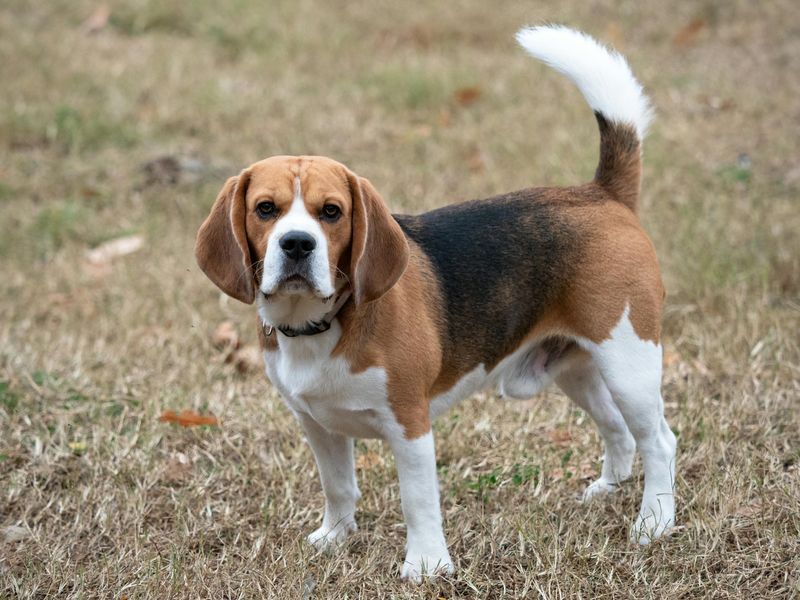
Beagles thrive on community and scent stories. Alone, some get vocal or mischievous when bored.
Bring in a second dog, and suddenly the Beagle channels that energy into pack walks, duet sniffing, and calmer home vibes.
Hunting heritage makes teamwork feel natural. The newcomer encourages longer focus on enrichment like snuffle mats and nosework.
Howling often shifts to brief check-ins because the Beagle feels understood and engaged.
Keep harmony with structured foraging, shared decompression strolls, and rotating toy access. Feed separately to avoid food debates.
With these supports, your Beagle blossoms into a sociable sleuth, happier to nap after adventures and far less likely to redecorate the trash.
Cocker Spaniel
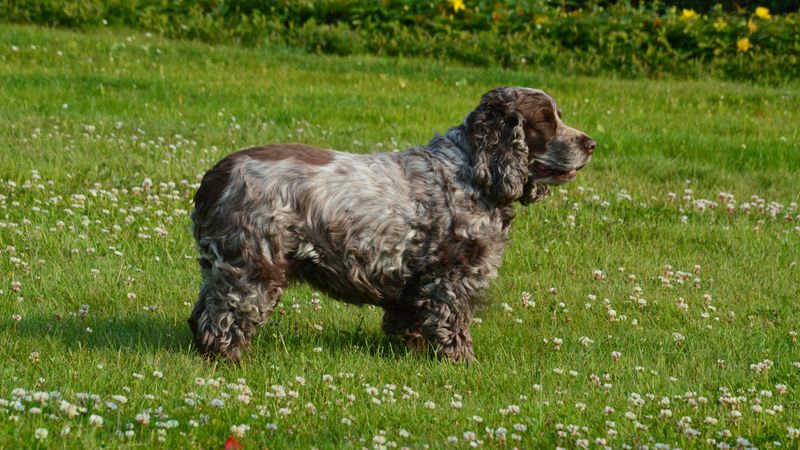
Cocker Spaniels crave connection and can grow clingy with solo attention. When a second dog arrives, many Cockers relax, sharing affection and playtime like gracious hosts.
They swap anxious pacing for synchronized naps and more patient greetings.
Seeing a buddy model calm behaviors reduces startle responses and increases confidence on walks. Training blossoms because Cockers love pleasing both you and their friend.
Play becomes gentle and sustained, with soft toys and fair turns.
Encourage balance with calm mats, ear-care desensitization done in pairs, and short decompression breaks. Offer duplicate resources and praise polite sharing.
Soon your Cocker’s sweetness magnifies, wrapped in steady companionship that soothes sensitive hearts.
Basset Hound
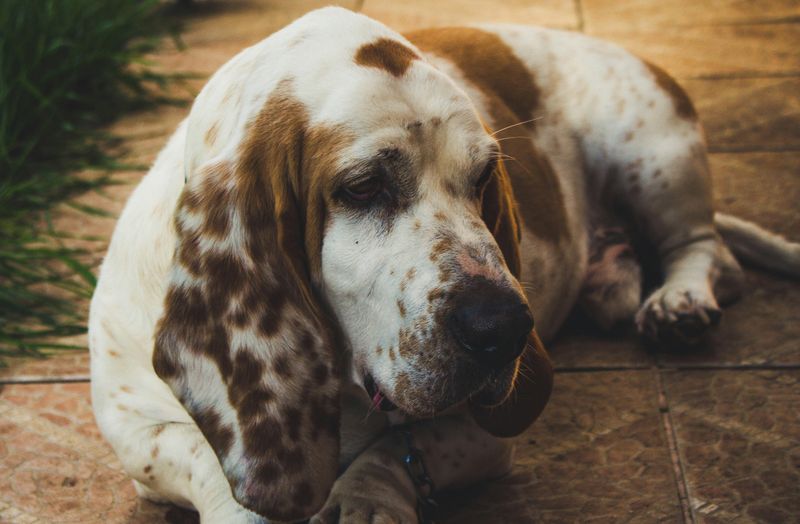
Basset Hounds can be soulful loungers who resist new schedules when solo. Bring in a second dog, and the Basset often perks up, joining slow-play bows and neighborhood scent tours.
Their humor surfaces, with shared sunbathing and goofy chorus howls trimmed to brief duets.
Companionship lowers stubborn moments because momentum comes from the friend. Training warms up as they follow the other dog’s enthusiasm for treats.
Walks lengthen naturally, trading dawdles for steady ambling side by side.
Protect harmony with low, soft beds, split chew stations, and gentle leash couplers for practice. Keep food separate and praise small efforts.
With thoughtful routines, your Basset becomes a mellow comedian, happiest when friendship sets the pace.