
Some dogs greet every passerby like an old friend, but these fourteen prefer a respectful hello and a little personal space. If you value independence wrapped in loyalty, you are in the right place.
Get to know breeds that watch first, decide second, and love their people fiercely. By the end, you will spot the difference between dignified distance and true devotion.
Shar Pei
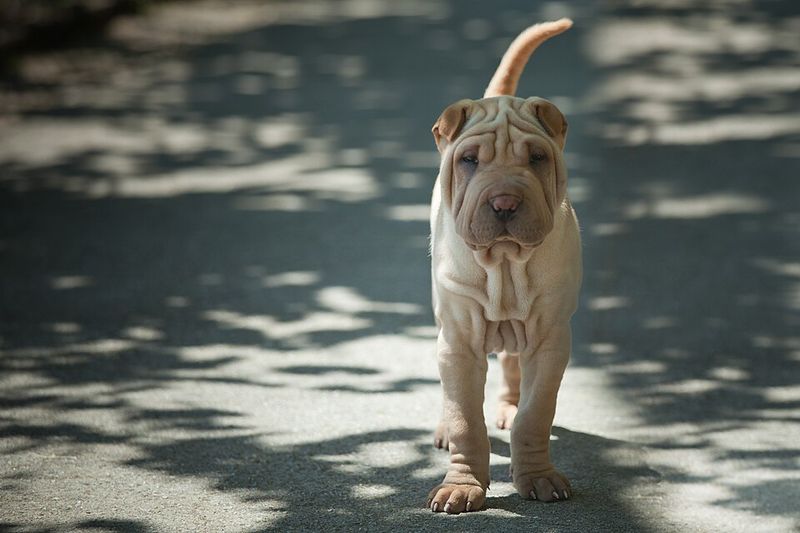
The Shar Pei is that stoic neighbor who nods politely yet keeps the gate closed. Calm, catlike, and deeply loyal to family, this breed often treats strangers as background noise.
Expect quiet confidence rather than cuddly enthusiasm, especially in busy places.
Early socialization matters, because an independent mind can misread pushy greetings. You set the tone, teaching polite boundaries and rewarding relaxed choices.
They respond well to short, purposeful training that respects their dignity.
Daily walks and puzzle games keep that thoughtful brain satisfied. A consistent routine builds trust, while visitors should offer space and patience.
When the Shar Pei chooses you, the bond runs deep, but casual acquaintances stay at arm’s length.
Chow Chow
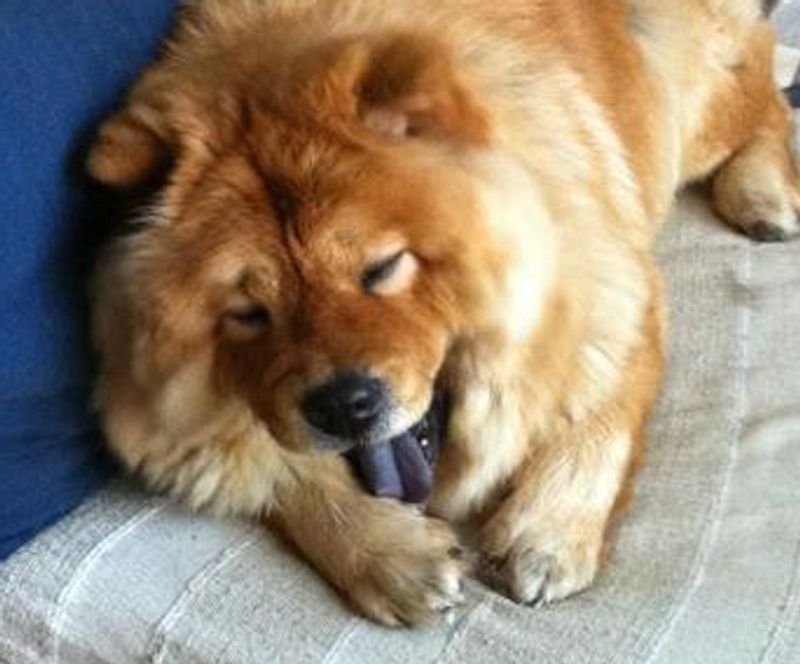
The Chow Chow moves through life like royalty on a quiet tour. Aloof, mannerly, and devoted to a chosen circle, this breed does not hand out free friendship bracelets.
Strangers may get a side glance, nothing more.
Structure and respect are the keys. Socialize early so curiosity beats suspicion, and keep greetings low pressure.
Chows prefer predictability, so teach guests to let the dog come to them.
Short, positive training sessions suit their thoughtful style. They love routine walks, tidy boundaries, and a calm household.
When bonded, they shadow you with silent loyalty, but to outsiders, they remain that politely distant monarch behind velvet ropes.
Akita
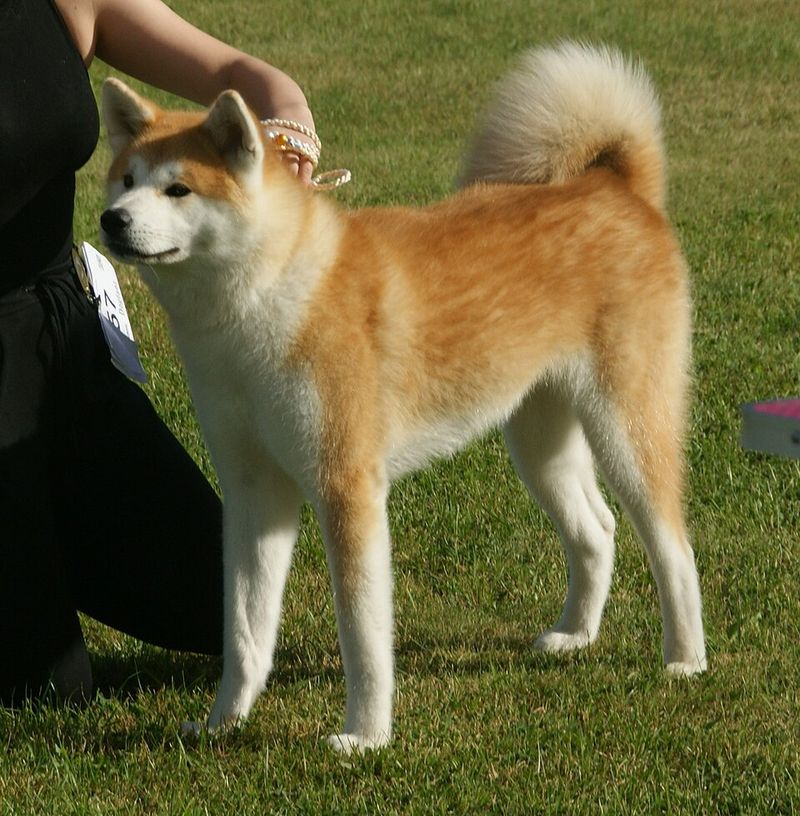
The Akita is a guardian soul wrapped in calm thunder. Loyal to family yet unimpressed by unfamiliar faces, this breed watches first and decides later.
Expect quiet scrutiny when guests arrive, not immediate tail wags.
Early, thoughtful socialization prevents overprotective habits. Reward neutral behavior around strangers, and coach visitors to ignore until invited.
Clear rules, consistent training, and steady leadership make this dignified dog shine.
Daily exercise and mental jobs soften that serious edge. Think structured walks, nose games, and confident handling.
The Akita will laugh at sloppy boundaries, so be fair and firm. To you, they are steadfast.
To strangers, they are a locked door with one careful key.
Shiba Inu
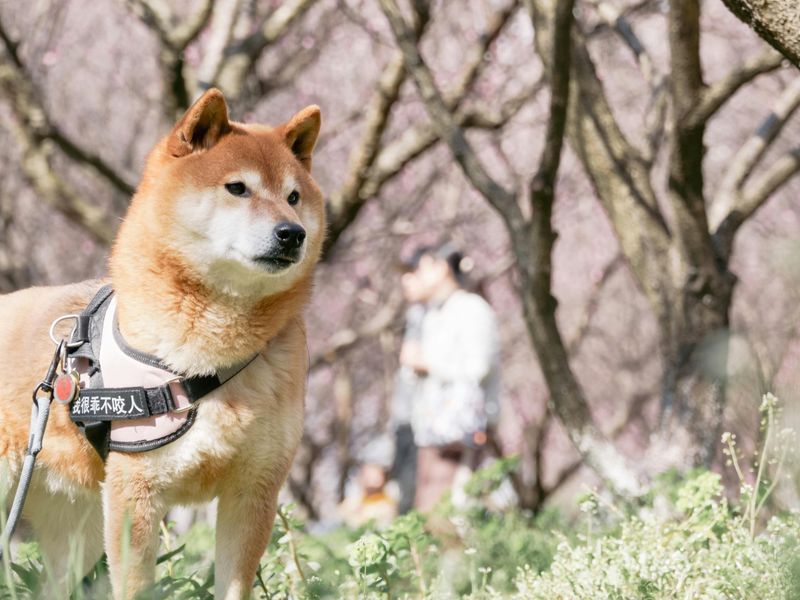
The Shiba Inu is the cool coworker who likes you but still eats lunch alone. Independent, witty, and quick, this breed treats strangers like optional notifications.
They will assess, then decide whether a greeting is worth their energy.
Socialization should be steady and positive, never forced. Reward calm curiosity and give escape routes during crowded moments.
Harness that sharp mind with clicker games and scent puzzles.
Shibas appreciate respectful handling and consistent routines. They are clean, agile walkers who love choice in their environment.
With you, they become expressive comedians. With strangers, they keep it professional, a polite nod from a fox disguised as a dog.
Basenji
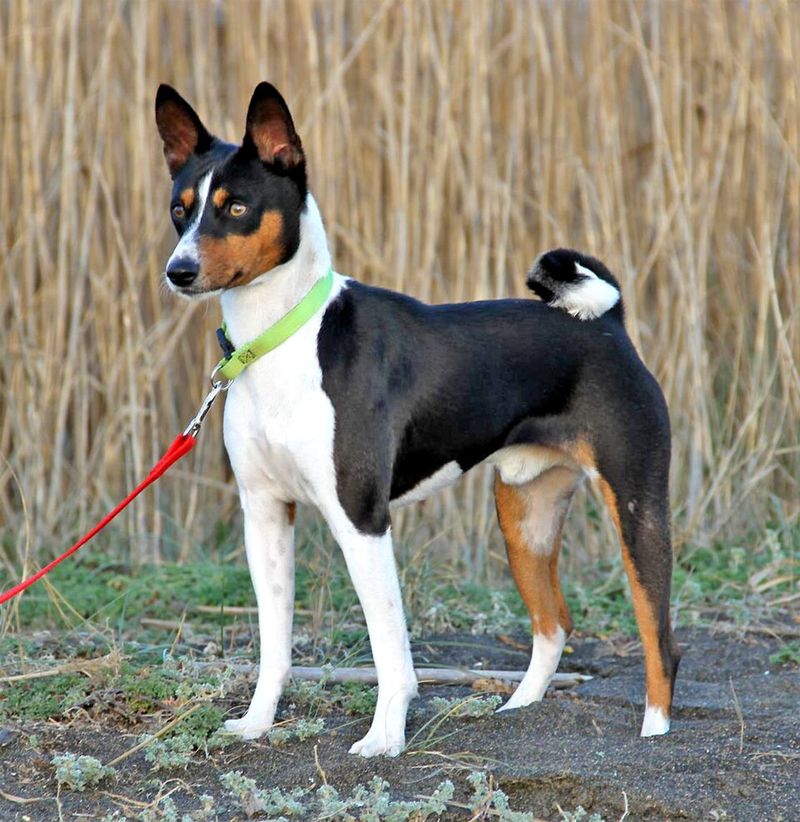
The Basenji carries old-world elegance with a side of mystery. Known as the barkless dog, it speaks in looks and small chuffs, especially around strangers.
Curiosity is there, but so is distance, like a traveler minding their passport.
Socialize early, mixing calm people, varied surfaces, and short sessions. Reward approach-and-retreat patterns to build confidence.
Keep training playful and brisk, or they will clock out.
Basenjis thrive on movement and brain work, from lure coursing to scent games. They like autonomy, so let them choose when to say hello.
For you, they unfold like a well-read book. For strangers, they remain an intriguing unopened chapter.
Thai Ridgeback
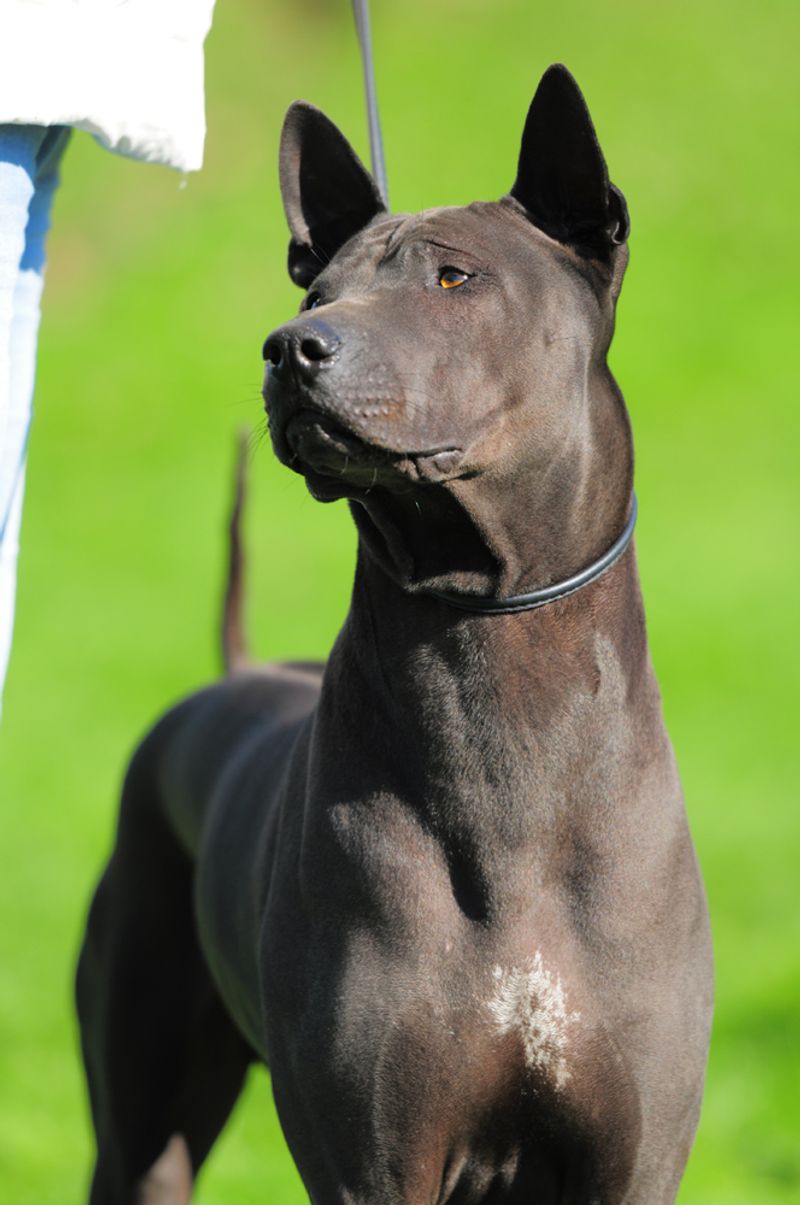
The Thai Ridgeback feels like a sentinel from another era. Keen, agile, and independent, this breed keeps strangers at a formal distance.
They notice everything, logging details before granting any social credit.
Early exposure to people and places is essential to avoid defensive habits. Keep greetings structured and low key, rewarding neutrality rather than forced affection.
Clear, confident handling builds trust and reduces guesswork.
Daily exercise should be purposeful, from long hikes to controlled agility. Mental tasks, such as tracking games, help channel vigilance.
With family, warmth emerges in quiet moments. With outsiders, the Ridgeback holds the line, a respectful no thanks unless invited.
Korean Jindo
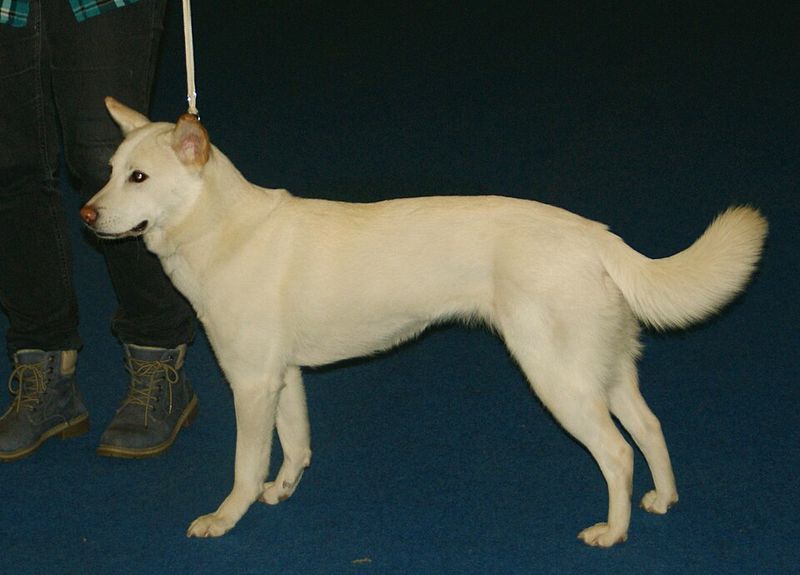
The Korean Jindo blends tenderness at home with cool reserve in public. Loyal to a fault, this breed forms tight bonds and rarely spreads affection casually.
Strangers are observed with thoughtful eyes, not welcomed with bouncing paws.
Socialize broadly and gently, prioritizing choice and distance. Reinforce calm scanning rather than alarmed reactions.
Training should be fair, consistent, and brief, because Jindos dislike micromanagement.
They thrive on purposeful walks, scent trails, and clear routines. Family earns devotion through trust and predictability.
Guests who ignore the dog at first tend to win quiet acceptance sooner. The Jindo prefers meaningful relationships over small talk, and that is their charm.
Kai Ken
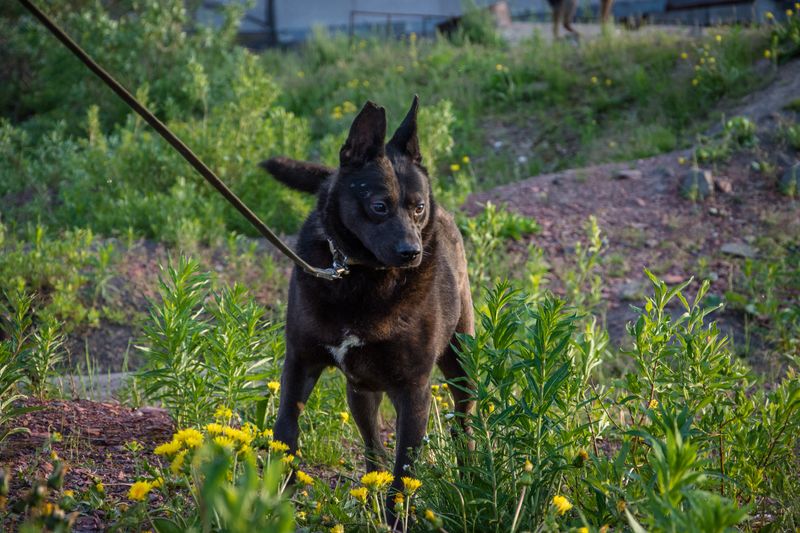
The Kai Ken is a mountain poet wrapped in brindle. Wary by instinct yet steady with guidance, this breed treats strangers like echoes through trees.
They read body language carefully, choosing stillness over sloppy greetings.
Socialization should be layered and slow, pairing distance with rewards. Encourage investigation without pressure, and use calm games to build confidence.
They learn quickly when training respects their thoughtful pace.
Hikes, tracking, and problem solving keep that hunter brain happy. At home, they bond with quiet intensity, preferring a small trusted circle.
Visitors who give space earn credibility. To you, the Kai Ken is a whisper of loyalty.
To strangers, a respectful silhouette.
Kishu Ken
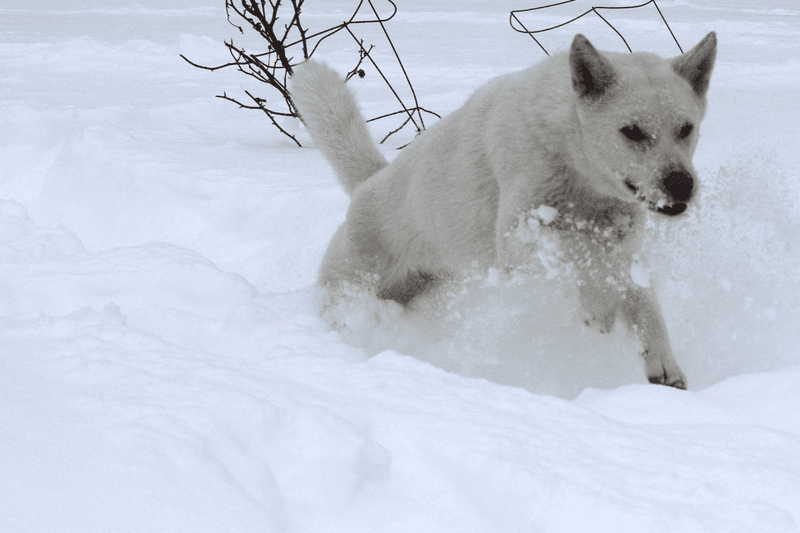
The Kishu Ken brings understated courage and a steady heart. Devoted to family yet selective with new people, this breed prefers quiet assessments.
They are not rude, simply reserved, like a skilled guide who speaks when it matters.
Gently expand their world with early socialization. Reinforce neutral observation and loose-leash walking past strangers.
Short, purposeful training prevents boredom and highlights their problem solving.
They enjoy structured exercise and scent work that taps ancestral instincts. Predictable routines and respectful handling deepen trust.
Guests should let the Kishu choose the moment to connect. Inside the circle, you get unwavering loyalty.
Outside, others meet a calm, distant professional.
Shikoku
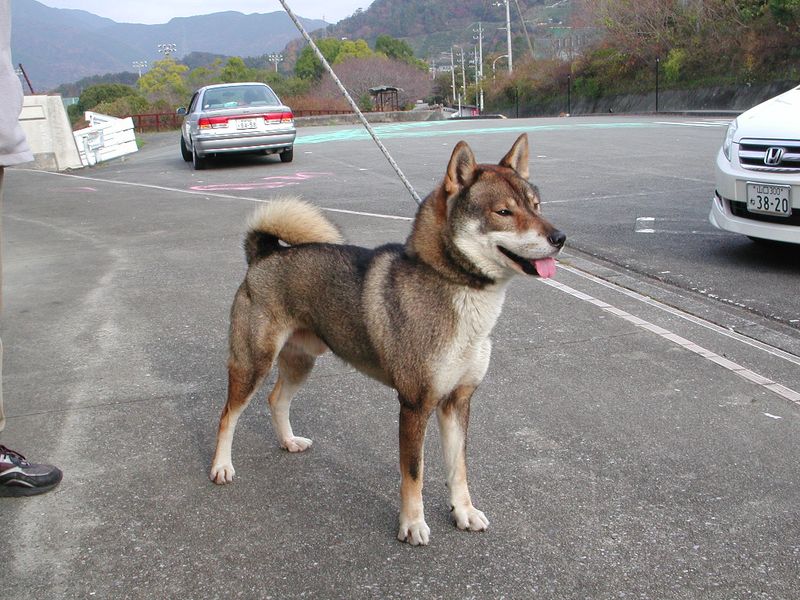
The Shikoku feels carved from wind and stone. Agile, alert, and independent, this breed weighs strangers like shifting trail markers.
They are polite but measured, saving enthusiasm for the inner circle.
Socialization must be broad and steady, emphasizing choice and decompression. Reward calm passes around people and practice relaxed check-ins.
Training stays upbeat and clear, avoiding nagging or chaos.
Hardy exercise suits them, from trail runs to tracking games. Predictable structure and fair rules create a confident partner.
Visitors who ignore the dog at first often earn a respectful nod later. For you, the Shikoku becomes a steadfast hiking friend.
For strangers, a distant horizon.
Hokkaido
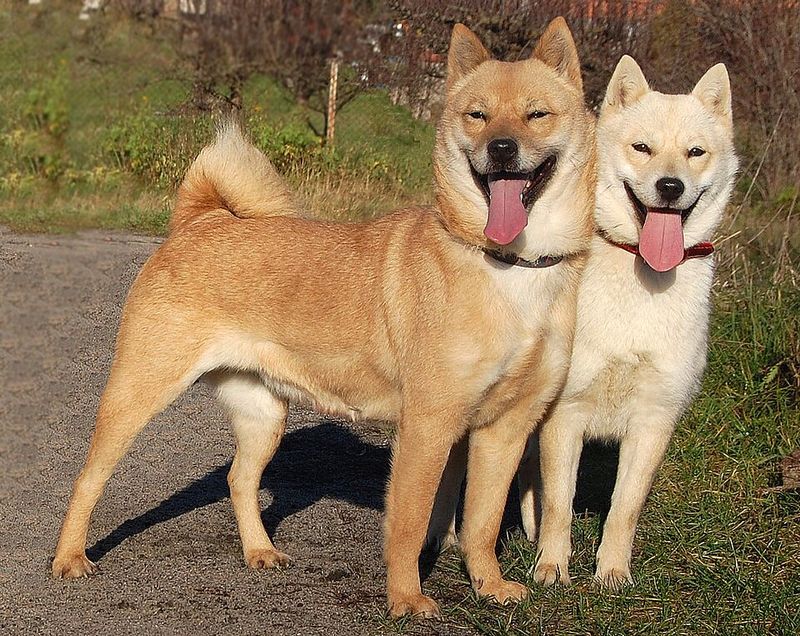
The Hokkaido carries quiet grit and homing-beacon loyalty. Around strangers, they remain measured, scanning the scene before engaging.
You will see commitment to family paired with cool distance toward unfamiliar hands.
Give them early, diverse socialization with emphasis on calm neutrality. Pay for polite choices with treats and space.
Keep training concise and consistent, because they value clarity over chatter.
They thrive on challenging walks, nose work, and routines that channel their endurance. Respect their sensitivity by avoiding chaotic greetings.
With time and trust, they reveal warmth like a fire under snow. To outsiders, they stay composed guardians of your circle.
Canaan Dog
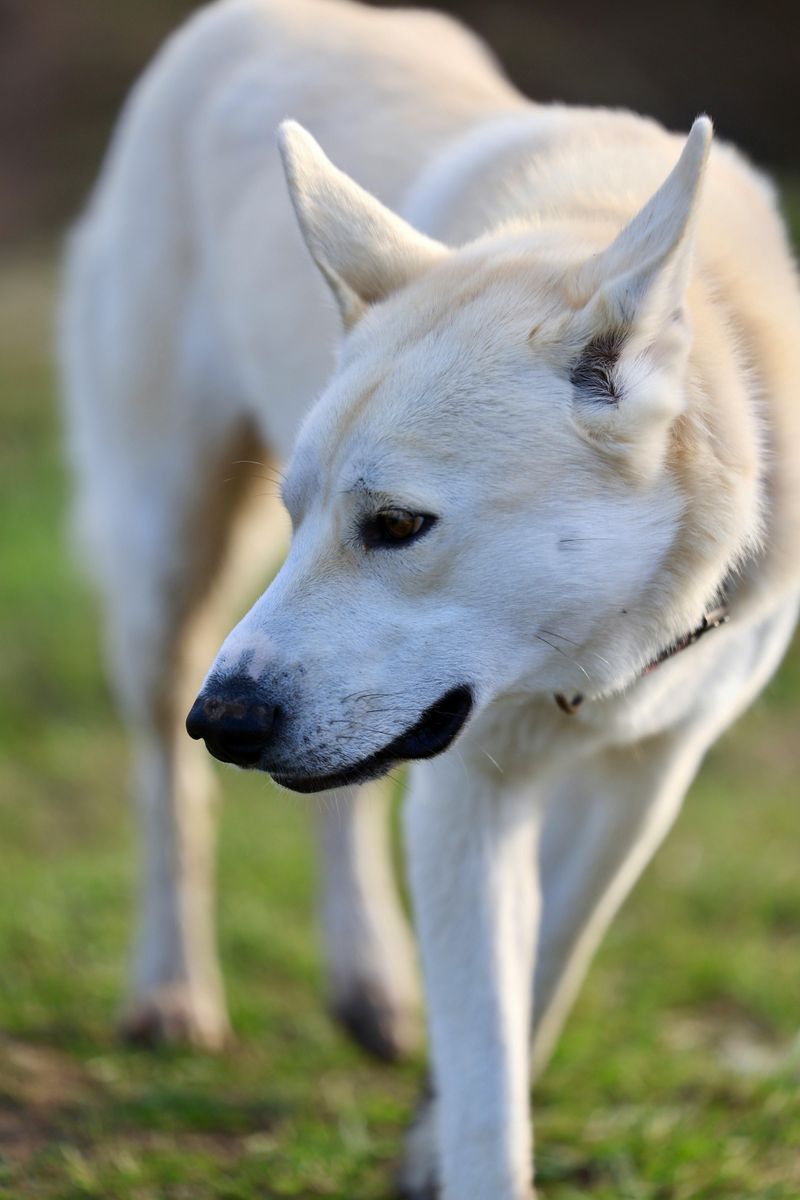
The Canaan Dog is a desert sentinel with modern manners. Natural wariness keeps strangers at a polite arm’s length, while devotion anchors them to family.
Expect thoughtful scanning and tidy boundaries in new spaces.
Purposeful socialization reduces suspicion without dulling instincts. Reinforce calm watchfulness and allow distance during greetings.
Clear, reward based training builds trust and keeps that bright mind engaged.
They enjoy structured hikes, obedience games, and predictable routines. Visitors should skip eye contact and let curiosity grow naturally.
With you, the Canaan becomes affectionate and witty. With outsiders, they remain composed professionals, guarding comfort zones without fuss.
Carolina Dog
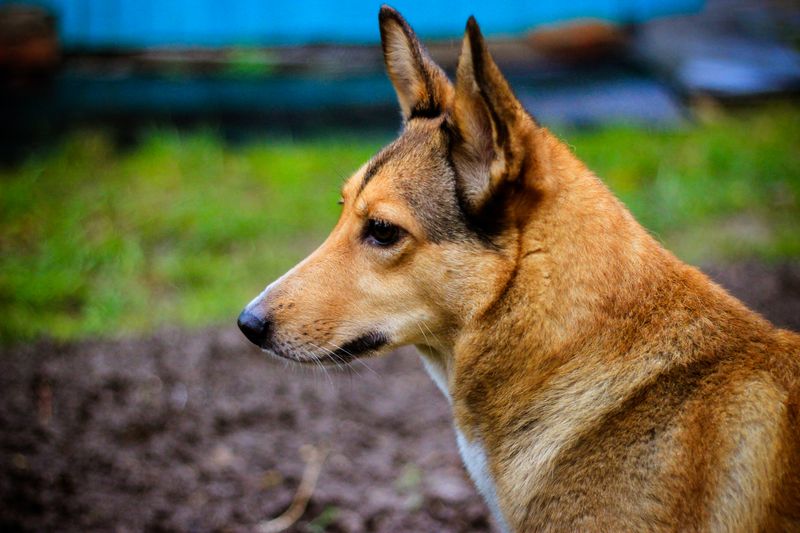
The Carolina Dog carries a free ranging spirit. Sensitive and observant, this breed treats strangers like shifting weather, best handled with patience.
You will see caution first, then gradual curiosity once safety is confirmed.
Socialization should be gentle and choice driven, avoiding forced petting. Reinforce calm glances and relaxed body language.
Training thrives on clear patterns, quiet praise, and consistent routines.
They excel with nature walks, scent games, and enrichment that mimics foraging. Guests who ignore and toss treats earn trust faster.
Inside the circle, affection flows easy. Outside, the Carolina Dog keeps distance, balanced between instinct and learned confidence.
Xoloitzcuintli
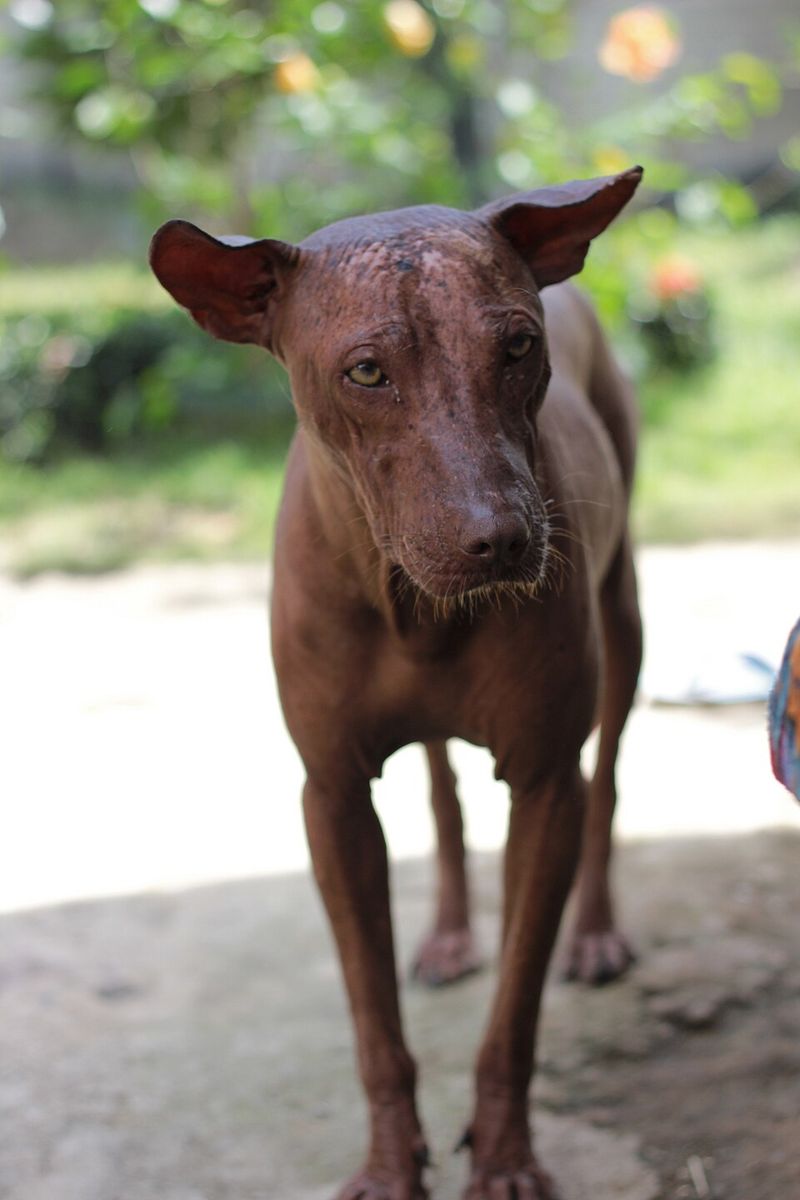
The Xoloitzcuintli wears history like fine jewelry. Calm, sensitive, and deeply tuned to their people, they do not rush into stranger cuddles.
Expect poised observation and a deliberate pace during introductions.
Prioritize positive socialization with gentle handling, varied surfaces, and low pressure encounters. Reward neutral behavior and let the dog choose proximity.
Training should be kind, clear, and brief to respect sensitivity.
They enjoy warm naps, mindful walks, and enrichment that exercises body awareness. Visitors can win points with stillness and treats offered low.
With family, the Xolo glows with ancient warmth. With outsiders, they remain a dignified silhouette until trust clicks.