
Some dogs accept closed doors. Others treat them like personal insults and launch a full scale protest with paws, whines, and soulful stares.
If you live with a velcro pup, you know the soundtrack of scratches and sighs all too well. Let’s meet the breeds most likely to demand an open door policy in your home.
Vizsla
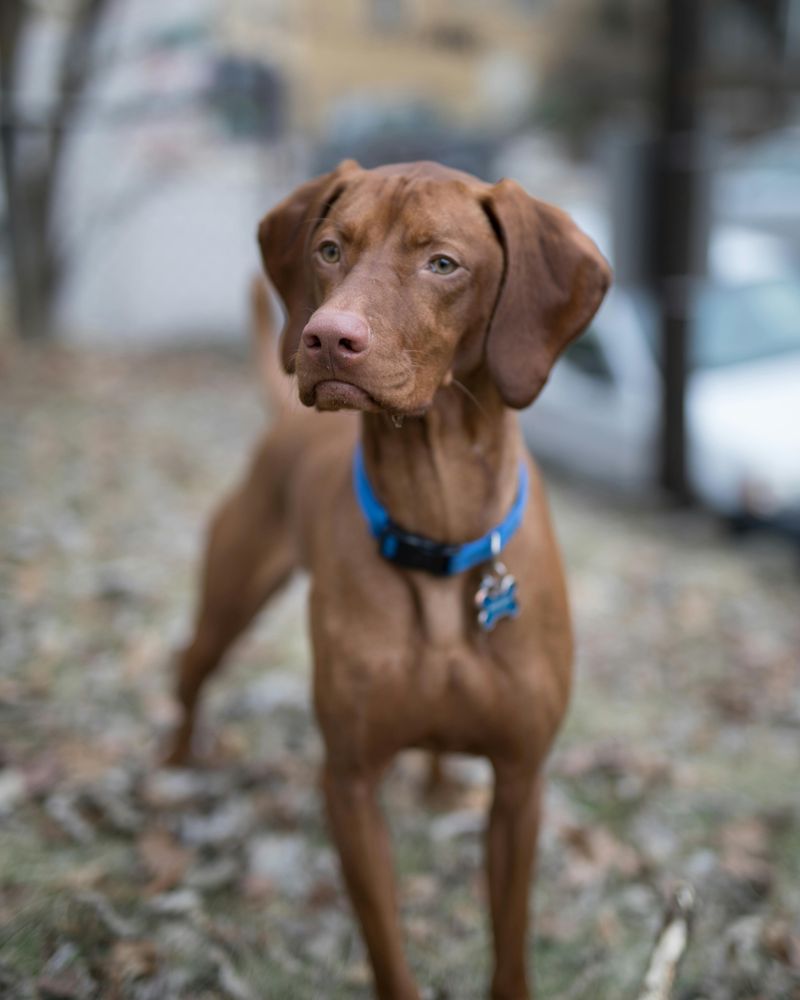
Vizslas are famously called velcro dogs for good reason. Close a door and you will hear gentle whining, rhythmic paw taps, and see an orange shadow materialize at your heels the moment it opens.
These athletic companions bond intensely and dislike barriers between them and their chosen person.
Give them an outlet through scent games and long runs, and the door drama eases. Teach a settle cue, reward calm on a nearby mat, and use baby gates with visibility instead of solid doors.
They simply want proximity, eyes on you, and reassurance that the team is intact.
With predictable routines and mental challenges, their protests turn into patient waiting. Still, expect the occasional nose nudge every time privacy looks suspicious.
Weimaraner
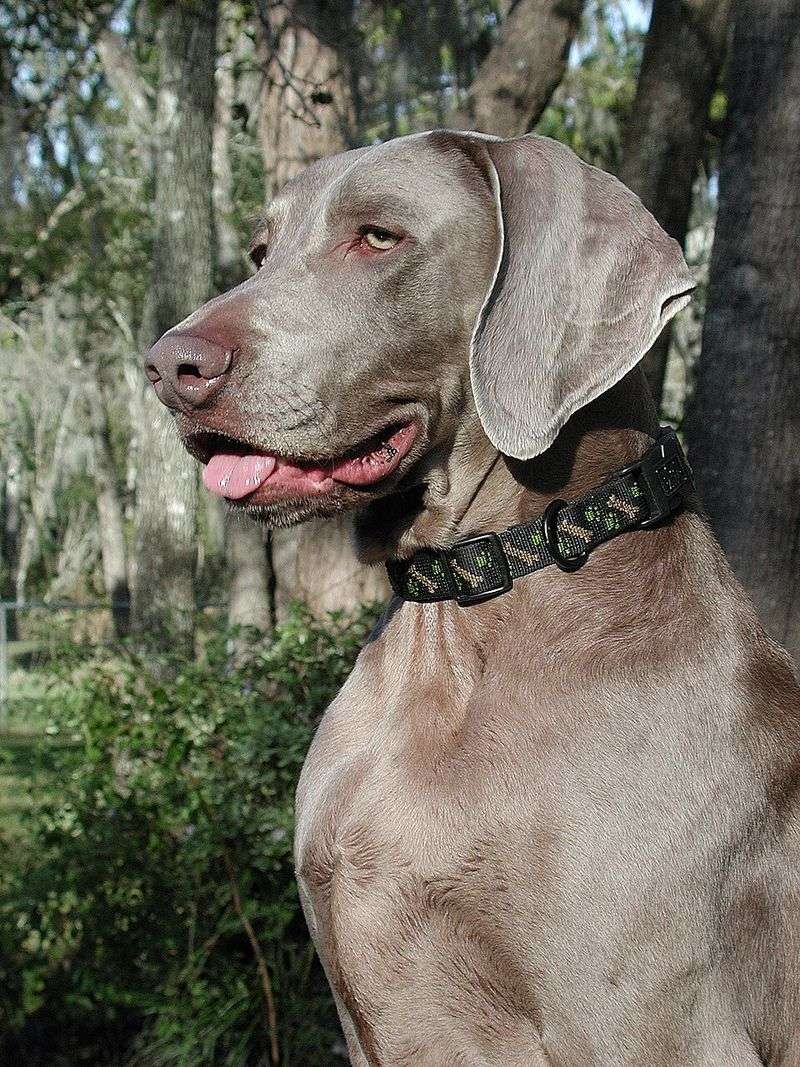
Weimaraners crave constant connection and action. Shut a door and they switch to detective mode, inspecting hinges, handles, and any gap where a whisker might fit.
Their protest is purposeful, a reminder that you and your shadow belong in the same room always.
Enrichment is essential. Rotate puzzle feeders, obedience drills, and field-style retrieves to satisfy their smart, driven minds.
Practice gradual departures with a stationing mat outside the bathroom, reinforcing stillness and eye contact before opening.
Frost a window film for privacy while preserving light so they do not feel banished. With structure and mileage, they relax.
But be warned: those luminous eyes at door level are engineered to melt resolve faster than any latch can hold.
German Shorthaired Pointer
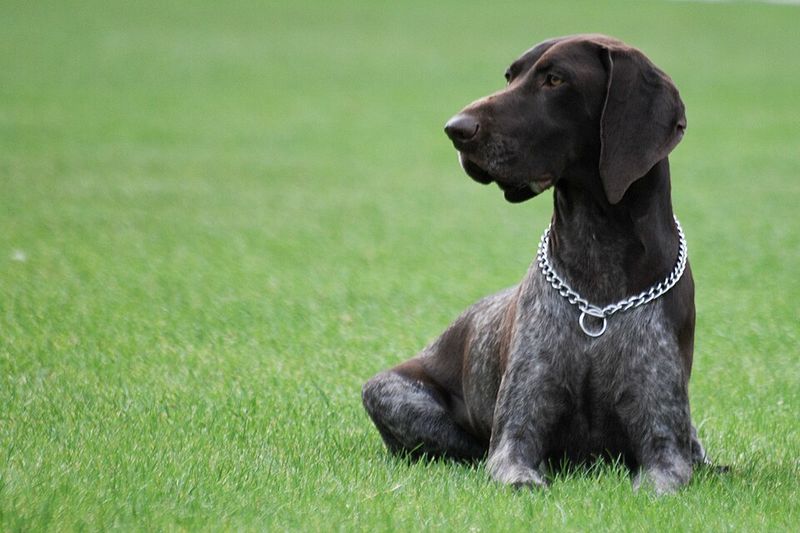
German Shorthaired Pointers are adventure co-pilots who cannot fathom being sidelined. Close a door and you will hear impatient snorts followed by strategic pacing.
Their brains run hot, mapping the fastest route to rejoin the action, even if it involves learning to nudge handles.
Channel that energy with tracking games, place training, and interval fetch sessions. Reinforce calm by opening the door only when they are lying down, not when they are vocalizing.
Clear expectations help them switch from frantic to focused.
They thrive on jobs, eye contact, and cues. Give them a purpose near you, like holding a down-stay on a mat as you move room to room.
With consistency, protests soften into hopeful, waggy patience.
Brittany
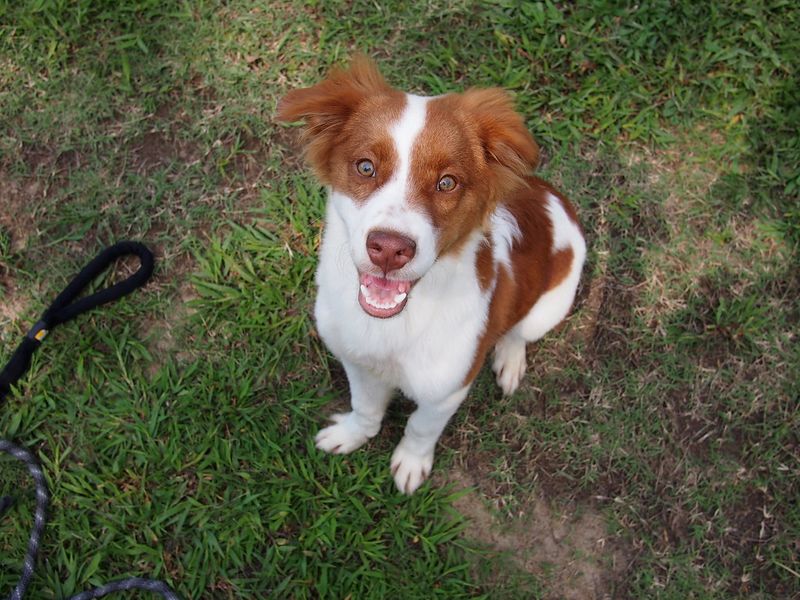
Brittanys are cheerful dynamos who believe the party is wherever you are. A closed door feels like missing the punchline, so they announce their disappointment with chirpy whines and hopeful paw taps.
Sensitive and people-focused, they rebound fastest with upbeat structure.
Use short training sprints, scent work, and happy recalls between rooms. Reward relaxed behavior near barriers, and add a cozy bed parked just inside your view when the door opens.
Portable gates with slats help them feel included while you protect your tasks.
They read your tone like sheet music. Keep calm, keep it fun, and they will hum along.
Expect occasional encore performances when the bathroom becomes VIP only and they did not get a wristband.
Doberman Pinscher
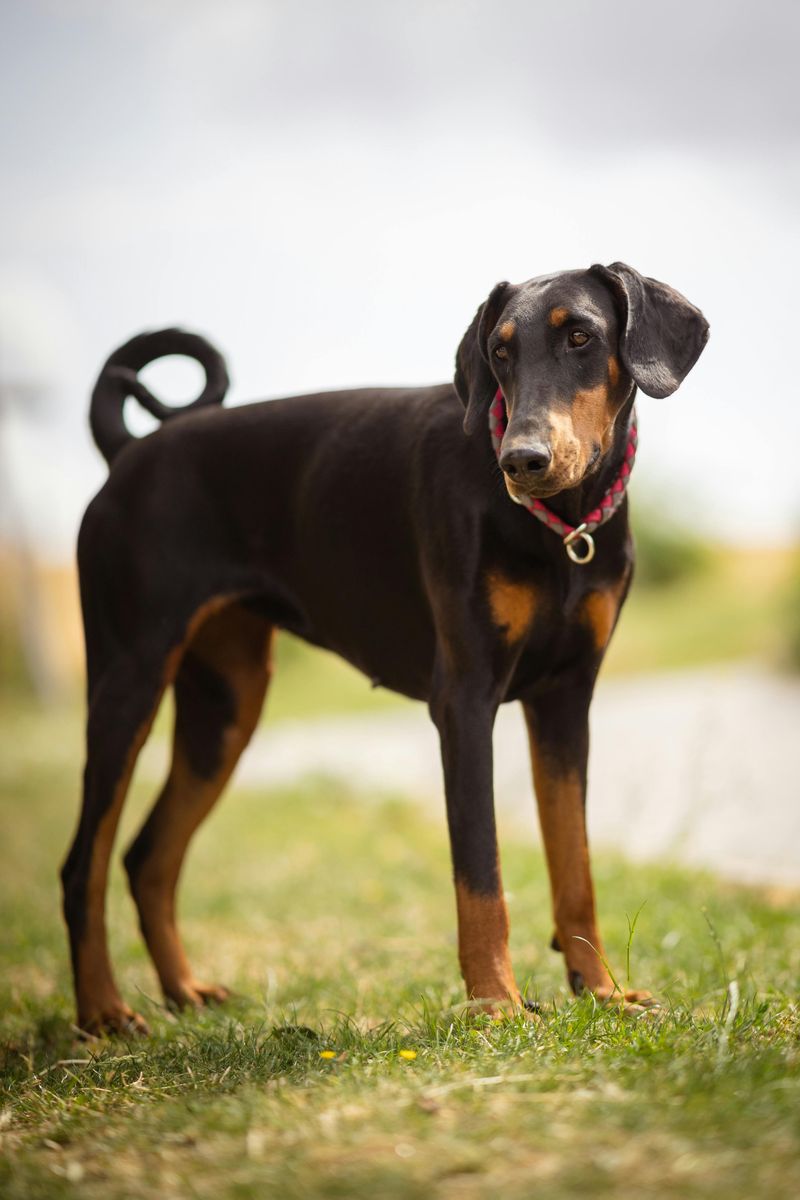
Dobermans are guardians first and foremost, and closed doors feel like breaches in security protocol. If they cannot see you, how can they protect you.
Expect a firm nose push at the latch and a quiet, watchful vigil until access is restored.
Provide clarity with boundary training and door manners. Practice sending to a bed across the room, then release calmly.
Keep sessions short, precise, and confident, which reassures their working brain.
Use glass panels or baby gates for line-of-sight without full access when needed. Satisfy their need to do with obedience circuits and tug.
They settle when they know the plan, but expect a periodic audit tap on the door to confirm operational readiness.
Border Collie
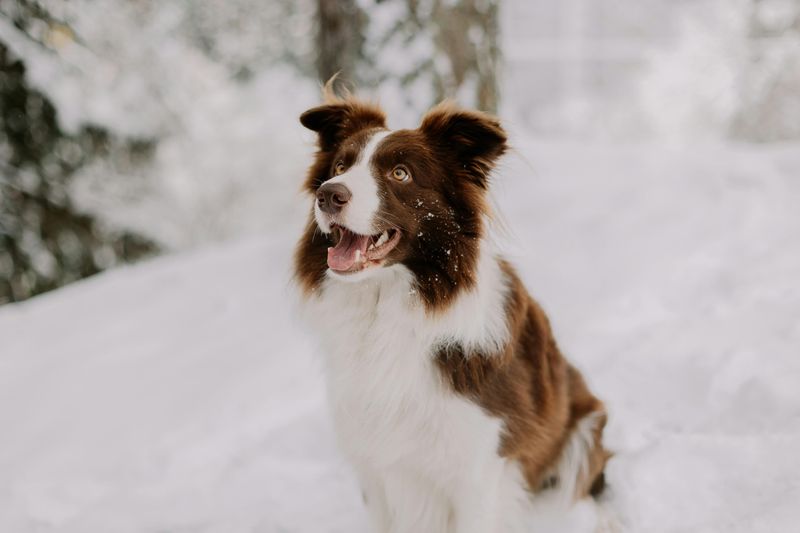
Border Collies consider closed doors logistical errors. Their working minds want visibility on the flock, and you are the flock.
Expect silent stares that bore through panels, followed by swift compliance the second you crack it open.
Give them jobs: retrieve laundry, target light switches, or park on a mat by command. Reinforce down-stays while you step through thresholds, building duration and distance gradually.
Mental tasks drain that buzzing energy better than miles alone.
Use frosted glass or open slats so they can monitor, then close if they spiral. They do not need constant access, just information.
Deliver predictable routines and their protests become polite check-ins rather than high-pressure herding of your bathroom schedule.
Australian Shepherd
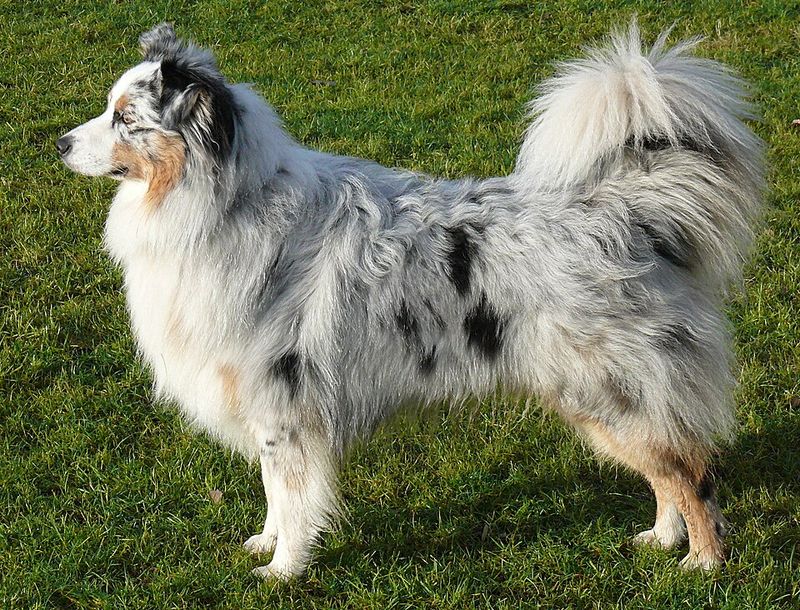
Australian Shepherds are pattern machines who track your steps like calendar reminders. A closed door disrupts the schedule, so they ping you with paw taps and expressive head tilts.
They are affectionate problem solvers who prefer open sightlines and clear assignments.
Teach a go to place near each doorway and pay generously for chill. Mix in trick training and sniffaris to meet their mental quota.
If they can anticipate when access returns, they will trade protests for patient watches.
Gates with visibility help when privacy matters. Keep cues consistent and routines predictable, and they will relax into their job of supervising calmly.
Still, expect a soft woof if you exceed the agreed upon bathroom intermission.
Shetland Sheepdog
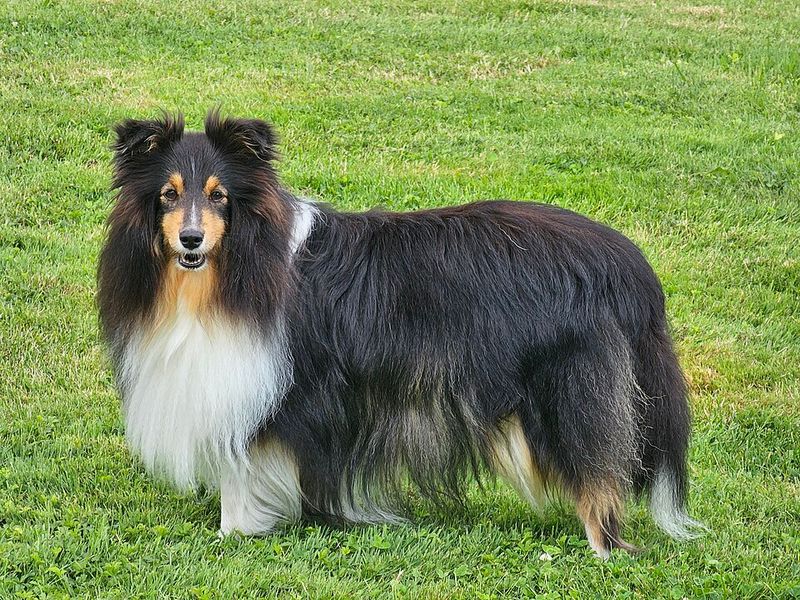
Shetland Sheepdogs are sensitive observers who take closed doors personally. They prefer to track your movements for quality control.
When blocked, they switch to polite alerts: soft barks, elegant pacing, and a poised sit with hopeful eyes.
Support them with routine and clear door manners. Teach a quiet cue and reward sustained calm from a mat.
Brainy games like shell finds and hand targets channel their mental energy into something productive.
They thrive on gentle reassurance more than high-octane exercise. Transparent barriers give them line-of-sight comfort without chaos.
With consistency, their protests become subtle reminders rather than dramatic scenes, though you will still notice a silky nose appearing the moment a latch whispers open.
Papillon
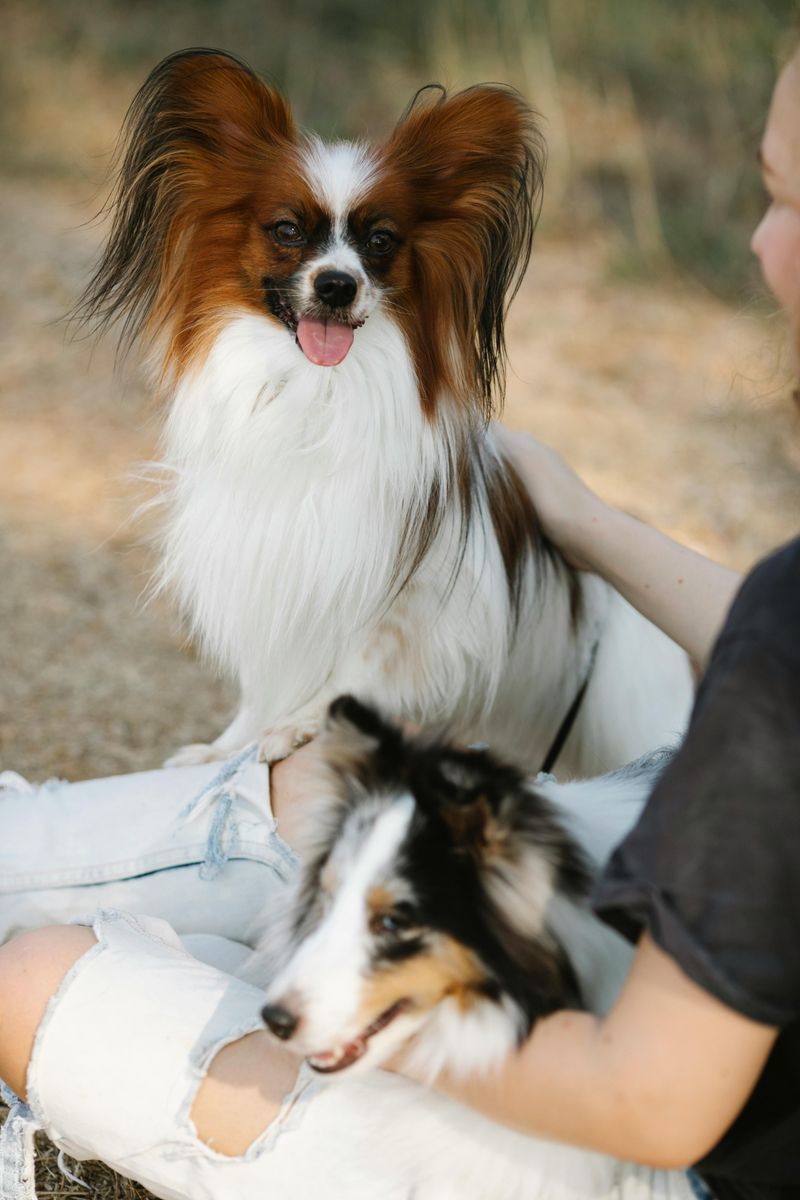
Papillons may be tiny, but their protests are artful and determined. Close a door and you will hear tap tap diplomacy followed by soulful ear flutters.
They bond hard and prefer to supervise everything from grooming to typing.
Use micro training bursts, trick routines, and food puzzles to meet their curiosity. Reward quiet sits away from the threshold, only opening when calm has settled.
A perch or window hammock nearby lets them monitor without micromanaging.
Because they are sensitive, keep corrections gentle. Consistency turns door drama into dainty patience.
Still, prepare for a feathered silhouette appearing under the gap like a living draft stopper, just to confirm you did not evaporate mid email.
Cavalier King Charles Spaniel
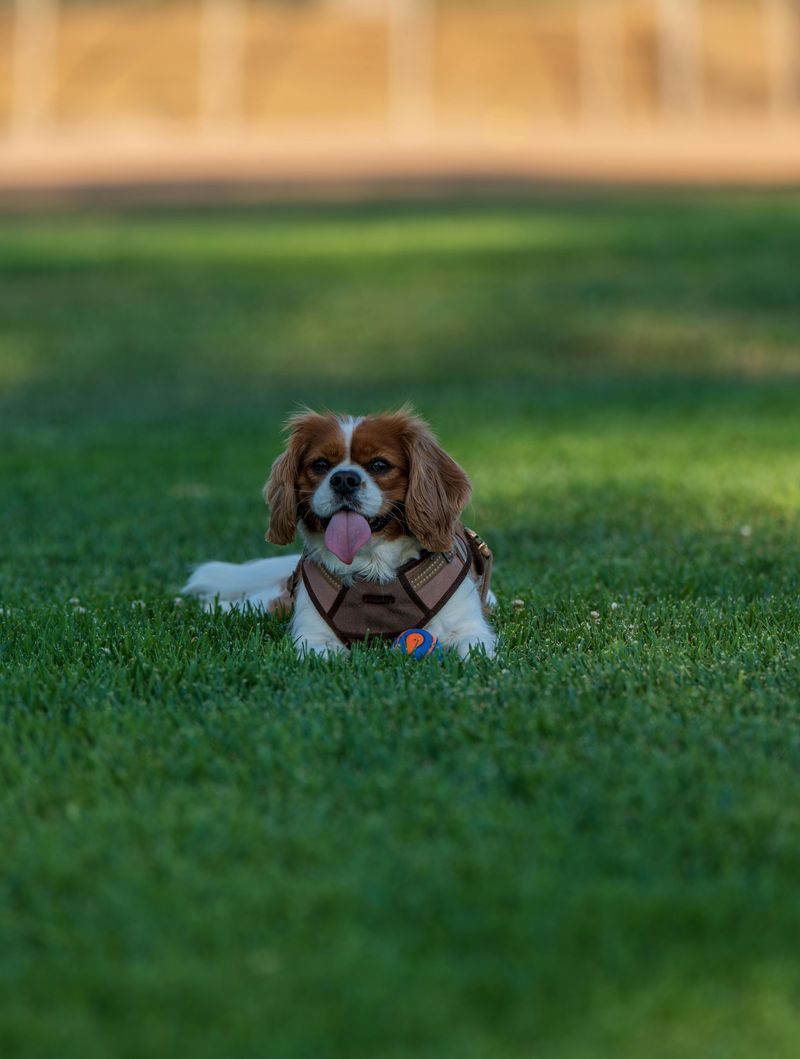
Cavaliers are affection connoisseurs who dislike barriers between hearts. A closed door invites gentle whimpers and nose nudges that say please hurry.
They prefer laps over lonely rooms and will follow like a warm, silky comet.
Support them with calm routines, chew stations, and place training near thresholds. Open the door only when quiet arrives to prevent negotiating via cuteness.
Short absence drills help build confidence without flooding their feelings.
Visibility matters for these tender souls. Use baby gates when you need space yet want them near.
With kindness and structure, their protests soften into patient sighs. But yes, expect sparkling eyes peeking the second the handle twitches, radiating hopeful love.
Havanese
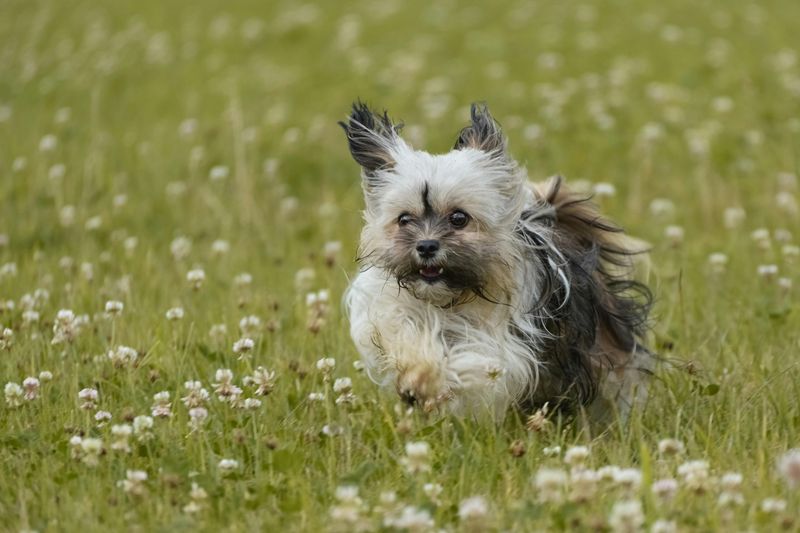
Havanese are social butterflies who hate missing the fun. When a door shuts, they deploy a friendly picket line of soft barks and charming spins.
Their people focus is intense, but they respond beautifully to positive guidance.
Build independence with mat training and relaxed tether time while you move about. Introduce gentle door protocols: sit, breathe, open.
Food puzzles and sniff games cut down on door-related theatrics by engaging their clever brains.
They thrive on togetherness, not chaos. Transparent gates and predictable returns reassure them.
Before long, the protest becomes a polite sit-in. Still, the moment you reach for the knob, expect a fluffy escort determined to clock back in as your shadow.
Bichon Frise
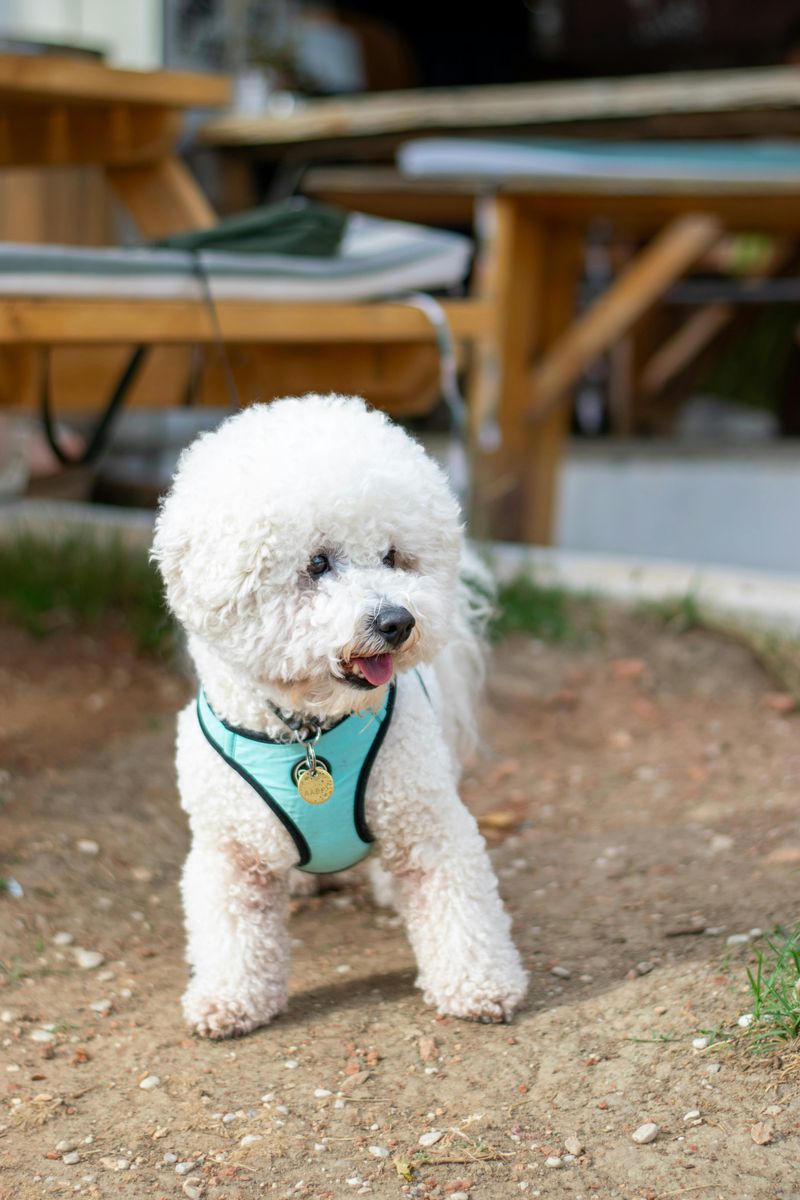
Bichons are comedians who live for audience participation. A closed door removes their stage, so they improvise with tiny chirps, polite scratches, and hopeful pirouettes.
They are sensitive, people-centered dogs who do best with gentle structure and plenty of engagement.
Teach a calm routine: sit, wait, door opens only when quiet. Rotate toys and puzzle feeders to keep their minds busy while you vanish briefly.
Practice short separations that end before worry spikes, building resilience steadily.
They are velcro without the drama when expectations are clear. Visibility through gates helps, as does a snuggly bed parked where you will reliably reappear.
Nevertheless, prepare for a cloud-shaped silhouette stationed faithfully at every closed portal.
Dachshund
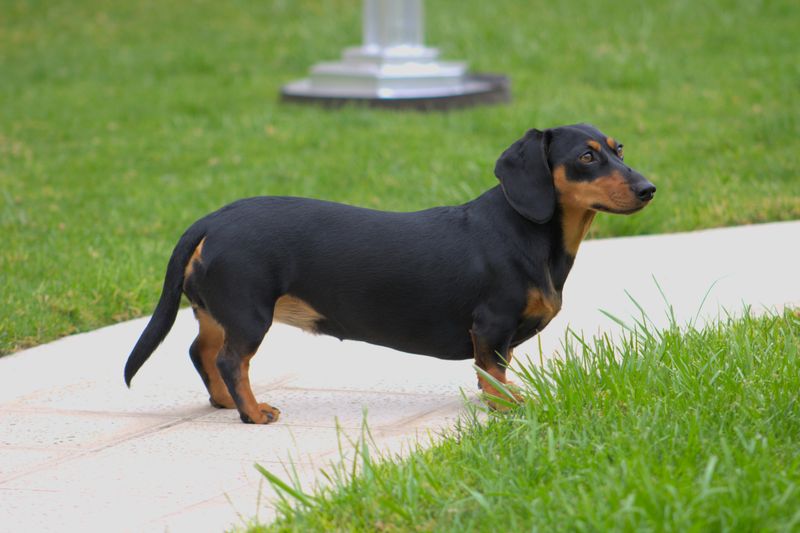
Dachshunds were bred to pursue what lies behind barriers, so a closed door is basically a dare. They will sniff every molecule at the threshold and attempt a low-level excavation.
Their protests are persistent, clever, and often successful if you are inconsistent.
Prevent door dashes with solid impulse control. Practice wait at thresholds, reward calm, and use management like latches or baby gates.
Enrichment such as nosework and food-stuffed chews satisfies the hunter brain without encouraging jailbreaks.
They appreciate routines and clear rules. Keep it light, keep it steady, and they will trade digging for dozing near you.
Still, expect a sausage-shaped inspector general to audit the gap anytime you vanish for suspiciously long minutes.
French Bulldog
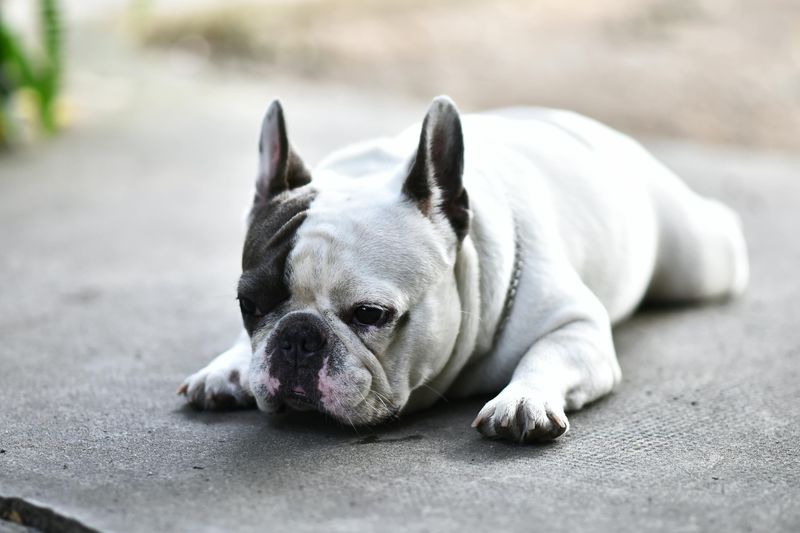
French Bulldogs are professional companions who expect open access to their favorite human. Close a door and you get expressive snorts, theatrical sighs, and a determined sit-in.
They are sensitive clowns, so heavy pressure backfires.
Focus on calm rituals: sit, quiet, open, then praise. Offer chews or snuffle mats to occupy them during brief absences.
Because many struggle with heat or stress, keep sessions short and gentle, celebrating small wins.
They love routine and cozy proximity. Use a baby gate or pen for line-of-sight if privacy is needed.
Soon, protests fade into patient snorts. Yet do not be surprised if a compact shadow teleports behind you the second the latch clicks.
Chihuahua
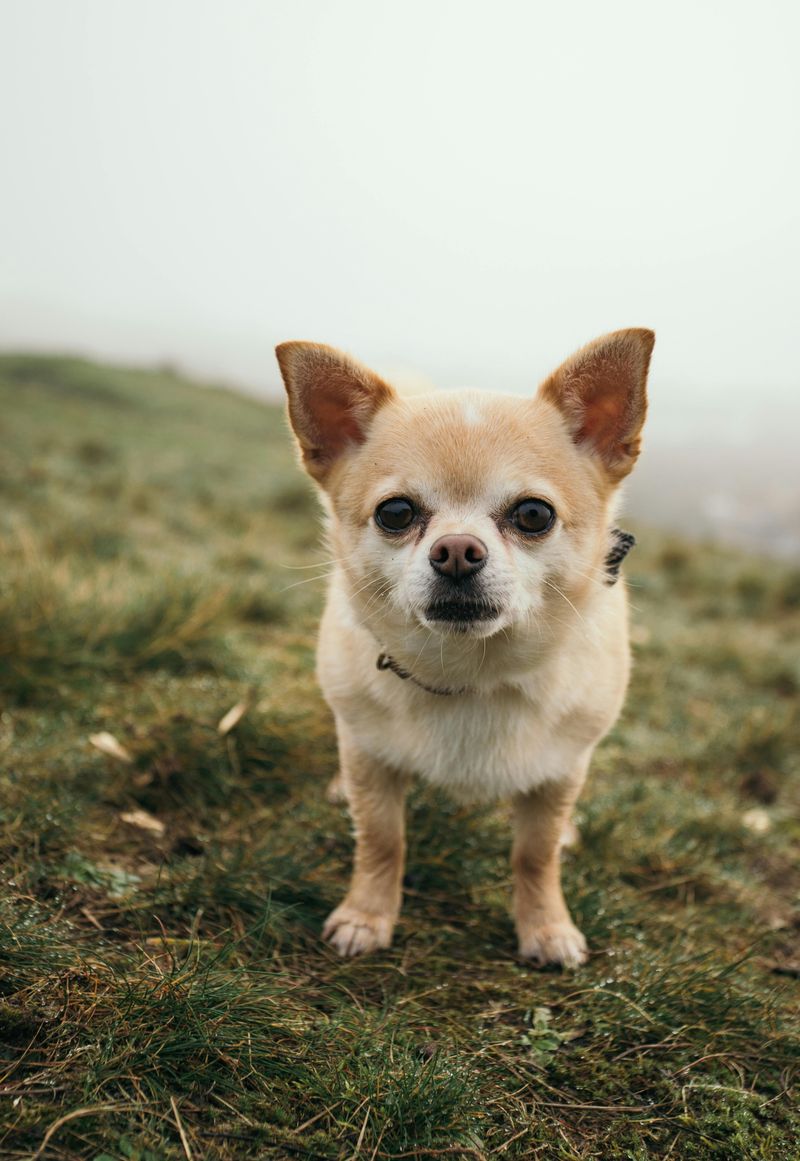
Chihuahuas pack skyscraper loyalty into pocket size. A closed door feels like exile, prompting squeaky commentary and tiptoe scratches.
They thrive on closeness and clear boundaries, not scolding.
Teach a parking spot with a warm blanket near the threshold. Reinforce quiet waiting, then open, praise, and reset.
Keep sessions brief and frequent so confidence grows faster than frustration. Mental games with tiny treats help redirect big feelings.
Because they are small, avoid practices that startle. Predictable routines and soft guidance transform protests into poised patience.
Still, expect a miniature sentinel posted wherever you disappear, ready to escort you like a four-pound head of security the moment permission returns.