
Some dog behaviors look adorable at first glance, but they can quietly signal stress bubbling under the surface. When you recognize these signs early, you can step in before worry turns into bigger problems.
This guide breaks down common cute quirks that may actually be anxiety talking and shows you what to watch for. Keep reading to learn how to spot the difference and help your dog feel safe and calm.
Excessive yawning
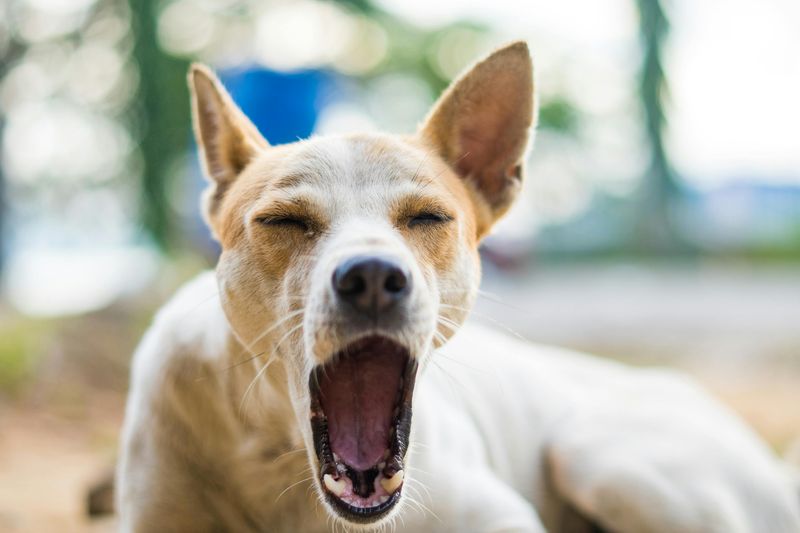
Yawning can look charming, like your dog is just sleepy. But frequent yawns in non-sleepy moments often signal social stress or uncertainty.
You might notice it during greetings, vet visits, training sessions, or when new people enter the room.
Watch the context. If yawns come in clusters alongside lip licking, head turns, or a stiff body, it is likely anxiety.
Reduce pressure by giving space, slowing interactions, and rewarding calm choices.
Lower the stakes with shorter training reps, gentle praise, and predictable routines. Offer a quiet retreat zone and avoid crowding.
If yawning persists across settings, talk with your vet or a certified trainer about desensitization and enrichment to build confidence.
Lip licking
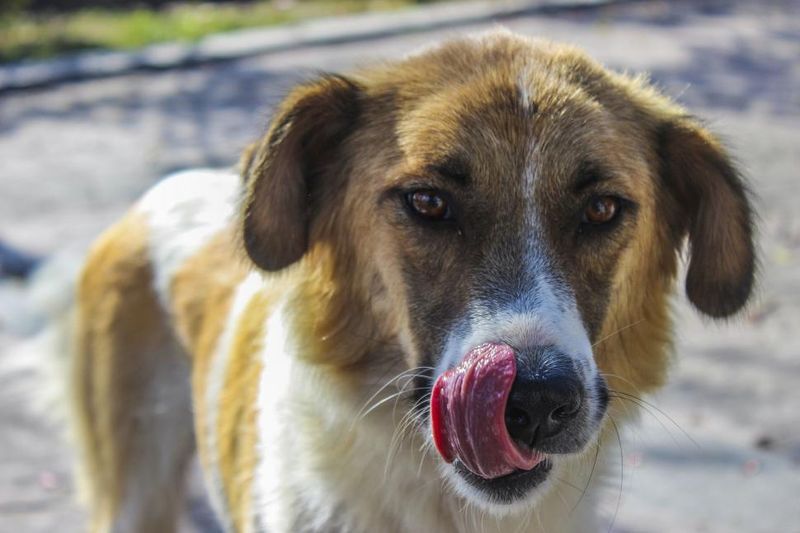
Lip licking can be cute, but quick, repeated licks often signal discomfort. You might see them during grooming, when a stranger leans in, or if voices get loud.
It is a classic calming signal that says, Please back off a little.
Pair it with other clues like whale eye, pinned ears, or a tucked tail to confirm stress. Ease the moment by softening your voice, turning your body sideways, and giving space.
Reward calm behavior when your dog chooses to disengage.
Build resilience with gradual exposure to triggers and lots of positive reinforcement. Keep sessions short and end on a win.
If lip licking starts to escalate into avoidance or growling, consult a qualified behavior professional promptly.
Pacing around the house
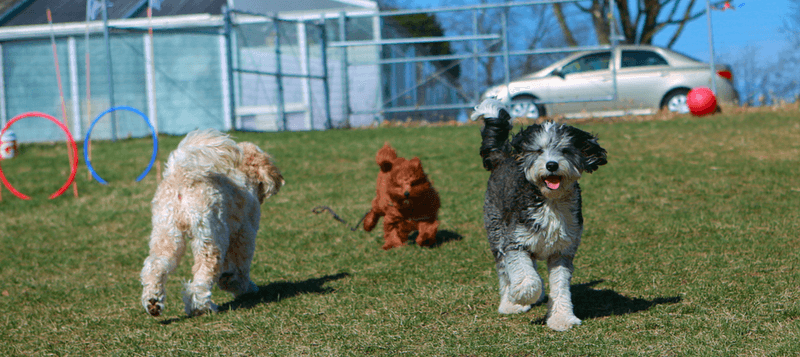
Pacing looks busy and purposeful, but it can be a sign your dog cannot settle. Anxiety-driven pacing often follows predictable routes along hallways or doorways.
It may spike during storms, before you leave, or when routines change suddenly.
First, rule out pain or medical issues. Then help your dog decompress with sniffing walks, food puzzles, and chew sessions.
Provide a designated rest spot with a comfy bed and white noise.
Teach a settle cue on a mat and reward stillness. Use baby gates to reduce pacing loops and offer gentle guidance rather than scolding.
If pacing increases or is paired with whining, panting, or drooling, consider a vet visit and a behavior plan including counterconditioning.
Following you constantly
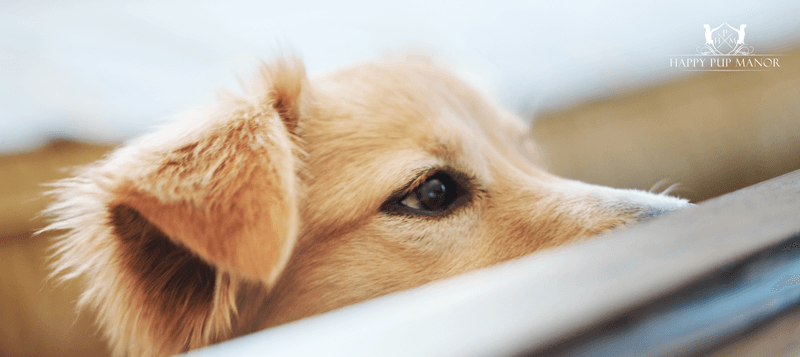
Shadowing can feel sweet, but glued-to-you behavior may reveal separation concerns. Constant following is often worse when departure cues appear, like grabbing keys or shoes.
Some dogs also refuse to rest unless you sit down nearby.
Encourage independence with short, positive absences. Scatter-feed or use a stuffed puzzle toy when you step out briefly.
Return calmly so departures and arrivals feel low stakes.
Teach go-to-place with rewards and gradually increase distance. Rotate enrichment activities and give choices about where to relax.
If clinginess includes distress vocalizing or destructive behavior when alone, talk to your vet and a trainer about a structured separation anxiety protocol.
Sudden scratching
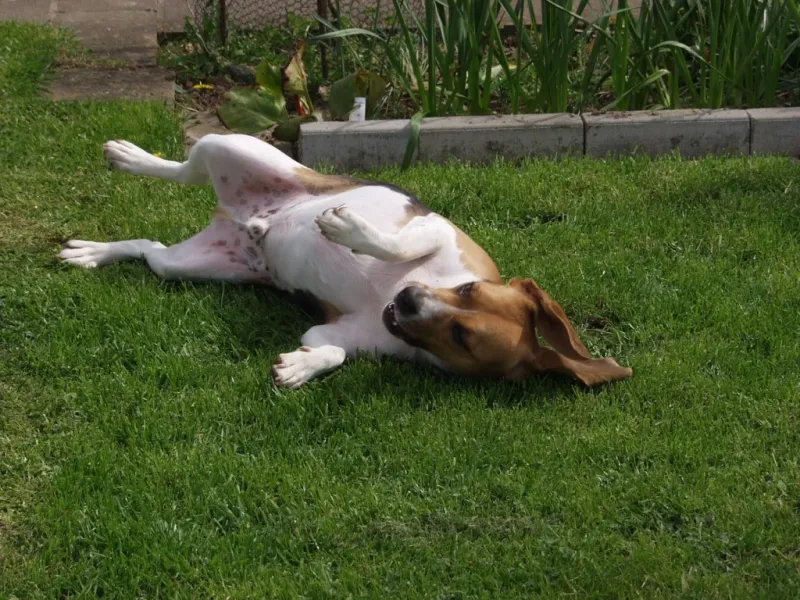
Random, intense scratching can be a displacement behavior, not just an itch. Dogs sometimes scratch when feeling conflicted, like during awkward greetings or tense training moments.
It is a pressure release that looks normal but signals discomfort.
Check skin health first to rule out allergies or parasites. If the vet clears it, observe when scratching appears.
Reduce stressors, lower training difficulty, and offer brief breaks.
Use scatter feeding, sniff breaks, and simple cue-response games to restore confidence. If scratching clusters with yawning, lip licking, or freezing, pause the interaction.
Help your dog choose calmer options and reinforce them generously to reshape the emotional response.
Tail tucked low
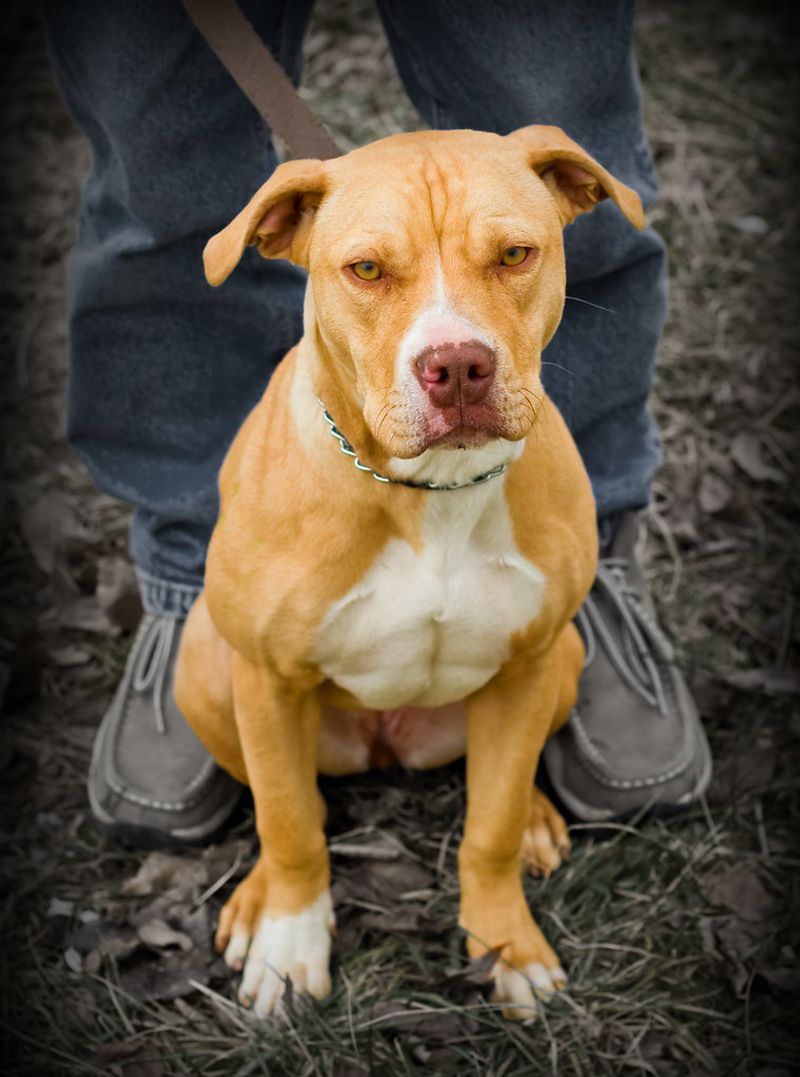
A tucked tail often reads as shy-cute, but it is a strong fear signal. You may see it around unfamiliar dogs, loud noises, or scolding.
The rest of the body usually looks smaller, with bent knees and weight shifted back.
Do not force greetings. Add distance from the trigger and give a predictable escape route.
Sprinkle treats away from the stressor to create positive associations at a safe threshold.
Build confidence through slow socialization, consent-based handling, and choice-rich training. Celebrate small wins when the tail rises slightly.
If the tuck persists in daily life, consult a trainer who uses positive methods and consider a vet check to rule out pain.
Whale eye (showing the whites)
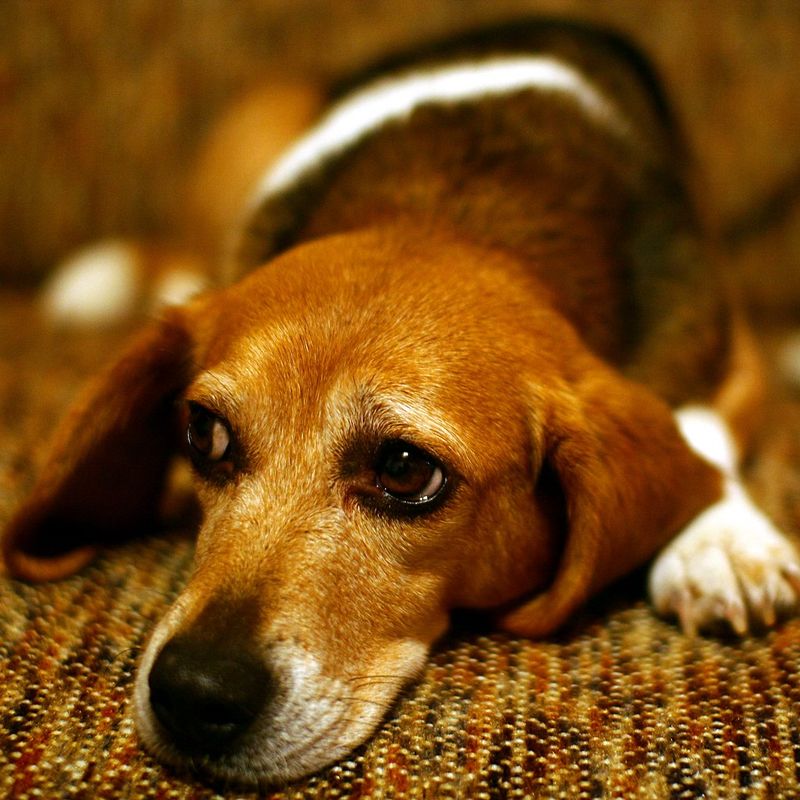
Whale eye happens when a dog turns the head but keeps eyes on something worrisome, exposing the whites. It can look funny in photos, yet it signals fear or tension.
Common during hugging, resource guarding, or crowded spaces.
Respect the warning. Loosen pressure by turning sideways, avoiding looming, and giving room to retreat.
Pair the trigger with treats at a comfortable distance so the dog can reappraise safely.
Teach a watch-me cue and reinforce voluntary check-ins. Keep sessions brief and end while your dog still feels successful.
If whale eye appears alongside growling or stiff stillness, it is time for professional guidance to prevent escalation.
Freezing in place
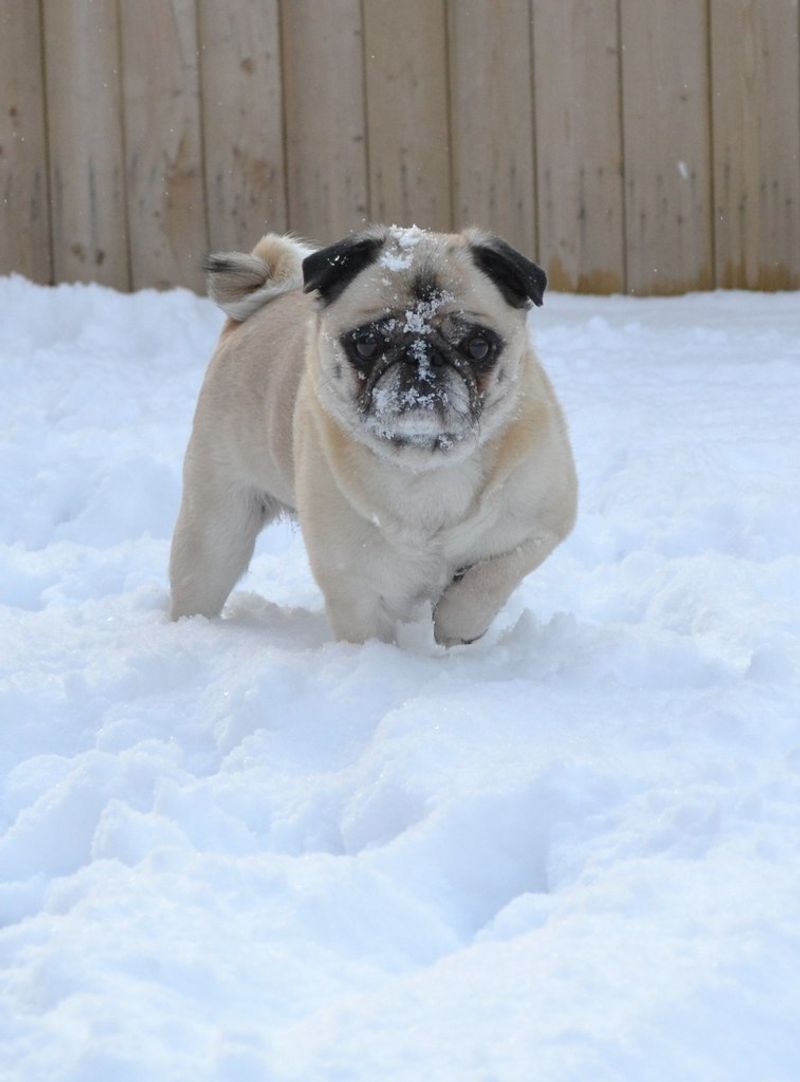
Freezing can be mistaken for patience, but it often reflects panic. The body goes still, breathing shallow, eyes wide or averted.
Dogs may freeze during unwanted petting, nail trims, or when cornered.
Give an exit option and stop the interaction immediately. Reinforce consent by letting your dog approach and leave at will.
Use cooperative care techniques so handling becomes predictable and choice-based.
Build trust with gentle desensitization and counterconditioning. Mark tiny relaxations, like a soft blink or weight shift, and reward generously.
If freezing recurs daily or precedes snapping, bring in a positive reinforcement professional and consult your vet about underlying pain.
Excessive panting indoors
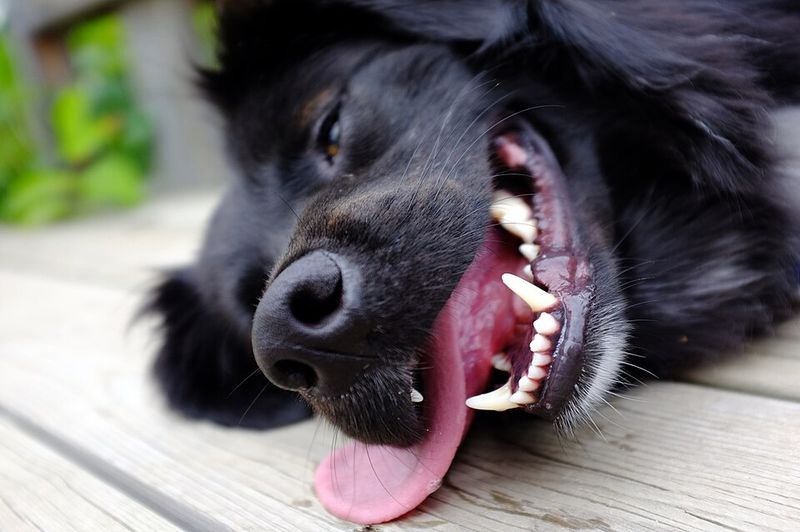
Panting indoors when it is not hot can hint at stress or pain. Anxiety panting often pairs with pacing, clinginess, or trembling.
You might notice it during storms, arguments, or after startling noises.
Check the environment for heat first, then consider emotional triggers. Offer a quiet den-like space, calming music, and long-lasting chews.
Record patterns to share with your vet, especially if panting appears at night.
Practice relaxation on a mat, rewarding slow breaths and soft body language. Introduce predictable routines and low-pressure training games.
Persistent panting deserves a medical workup to rule out pain, respiratory issues, or endocrine disorders.
Shaking off when not wet
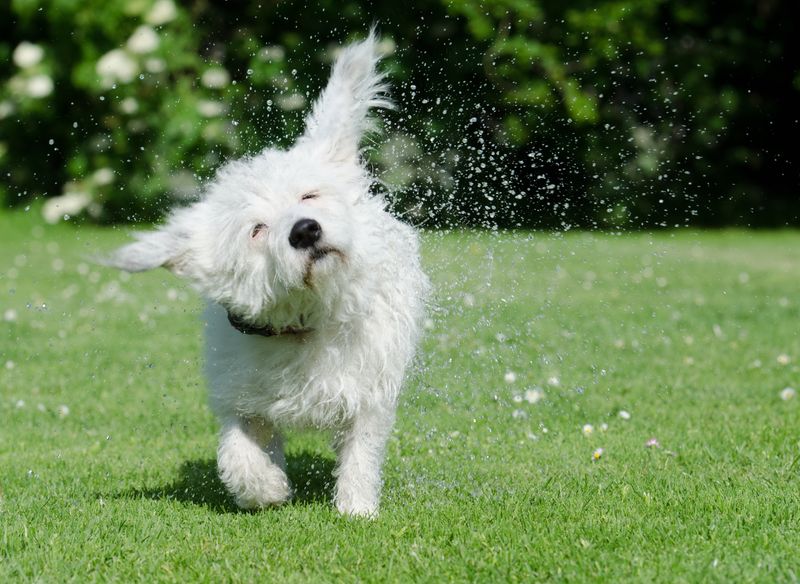
A dry shake-off looks amusing, but it can be a reset after stress. Dogs often shake after an uncomfortable interaction, vet handling, or tense play.
It is the body clearing adrenaline and returning to baseline.
Notice what happened right before the shake. Then lower intensity next time by adding breaks, space, and softer handling.
Reinforce calm choices and end sessions while the dog still feels confident.
Use decompression walks, sniffing, and gentle massage to help recovery. If shake-offs cluster with other stress signs like whale eye or yawning, reduce pressure.
Track frequency to see whether your adjustments are helping over time.
Hiding under furniture
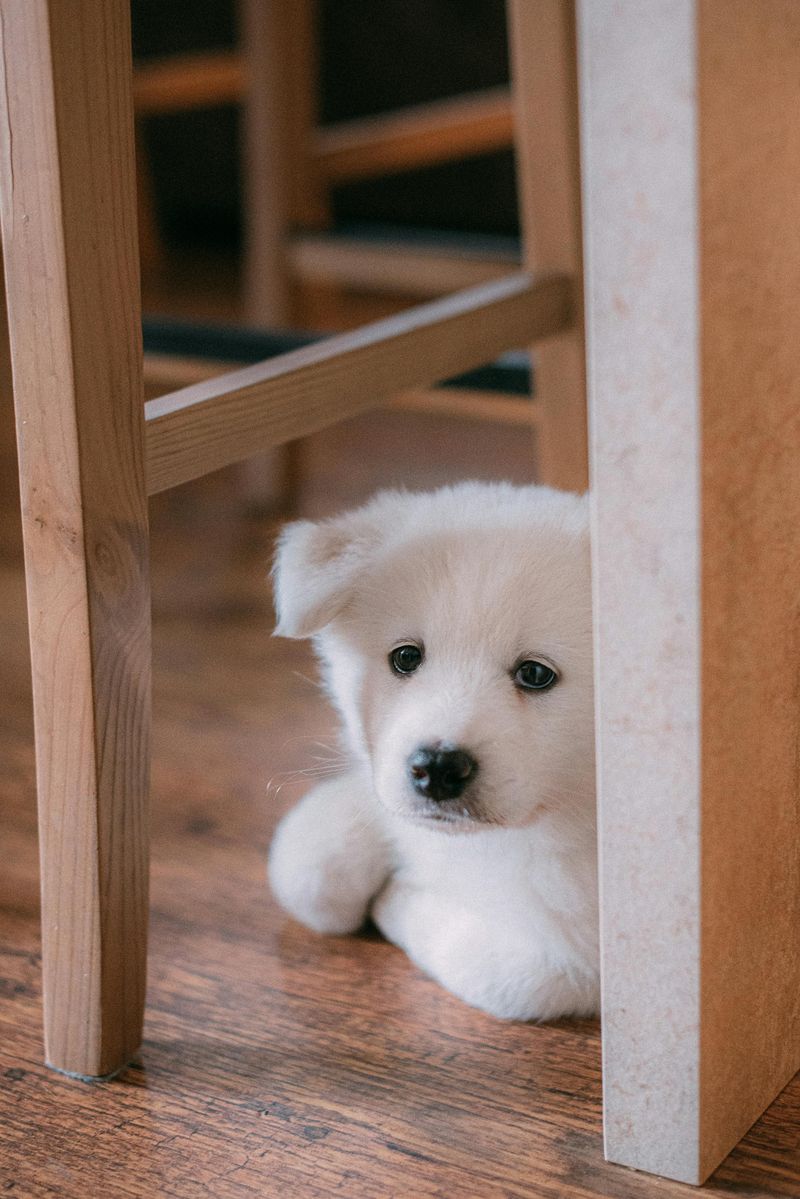
Hiding seems cute when a snout peeks out, but it often means your dog feels unsafe. Common triggers include visitors, vacuum noise, or household conflict.
Some dogs choose tight spaces because they control access and feel protected.
Create a designated safe zone with a covered crate or bed away from traffic. Do not drag them out.
Instead, scatter treats nearby and let them emerge on their terms.
Reduce trigger intensity and offer gentle, structured exposure paired with rewards. Build predictability in daily routines and limit surprise handling.
If hiding escalates or lasts long periods, consult your vet and a force-free trainer to address underlying fears.
Obsessive paw licking
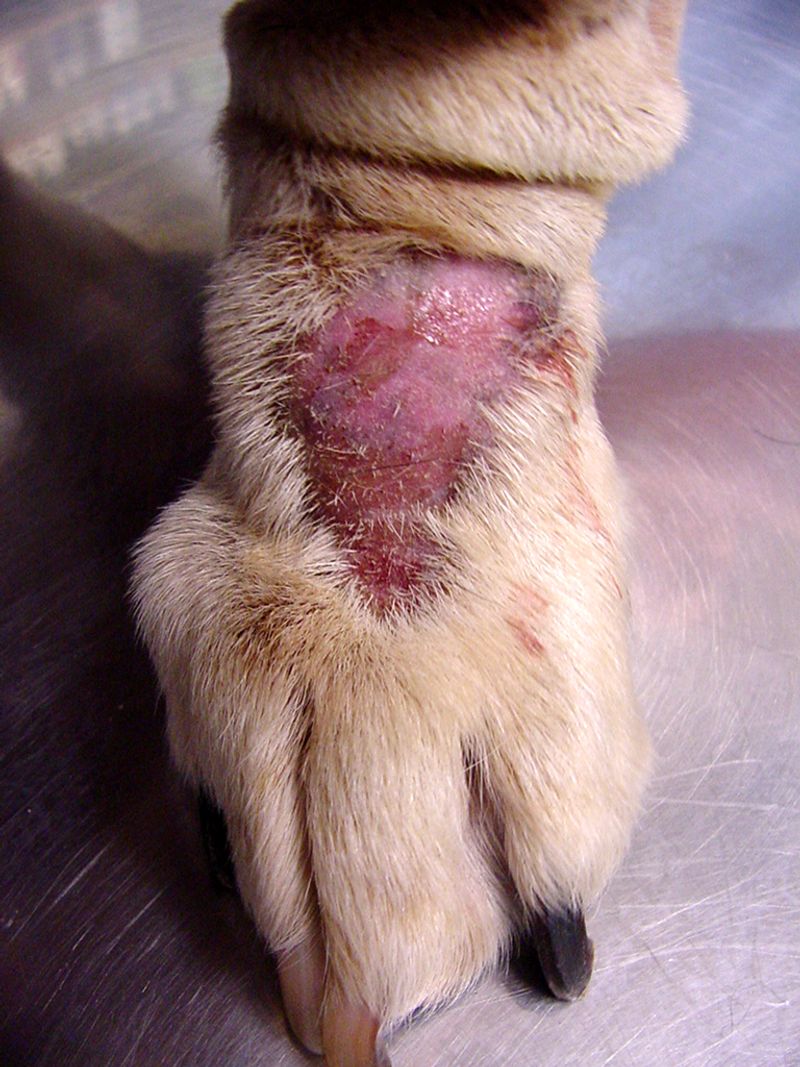
Paw licking can soothe, but obsessive licking often signals stress or discomfort. It may create red, damp fur and even sores.
Anxiety, boredom, allergies, or pain can all contribute, so a vet check is smart.
Boost enrichment with sniffing games, chew time, and training puzzles. Use lick mats for healthy redirection, not punishment.
Keep nails trimmed and surfaces comfortable.
Track when licking peaks to spot triggers like loneliness or evening restlessness. Reward calm moments and teach alternate behaviors like resting on a mat.
If the habit persists or worsens, work with your vet and trainer to address both medical and emotional causes.
Chewing furniture suddenly

Sudden furniture chewing is not just naughty behavior. It can be anxiety relief, especially during alone time or after stressful events.
Chewing releases tension and delivers sensory feedback that calms the nervous system.
Provide appropriate outlets like sturdy chews, stuffed Kongs, and supervised shred boxes. Puppy-proof rooms and limit access when you are out.
Return calmly and avoid scolding after the fact.
Increase exercise and mental work through sniffy walks and training games. Practice short, successful absences and gradually extend them.
If destruction targets exit points or occurs only when alone, explore a separation anxiety plan with professional support.
Refusing treats
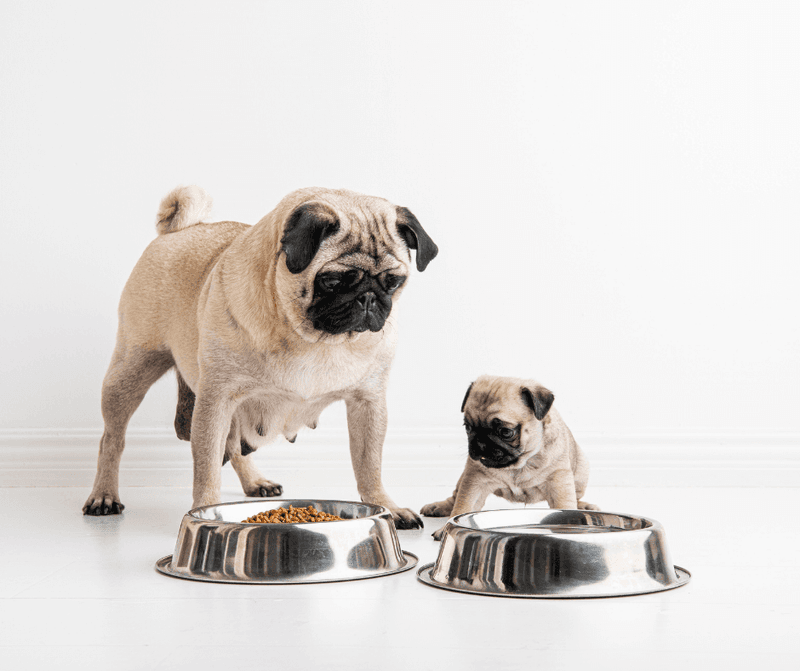
Turning down favorite treats can look polite, but it often screams stress. Anxious dogs struggle to eat when adrenaline is high.
You might see this during storms, car rides, or near unfamiliar dogs.
Increase distance from the trigger until your dog can nibble again. Switch to higher-value soft treats and offer them gently on the ground.
Keep sessions short and end before appetite disappears.
Track thresholds so you can work just below them in training. If your dog regularly refuses food in everyday settings, contact your vet to rule out nausea or pain.
Then design a gradual counterconditioning plan that restores a relaxed appetite.
Ears pinned back
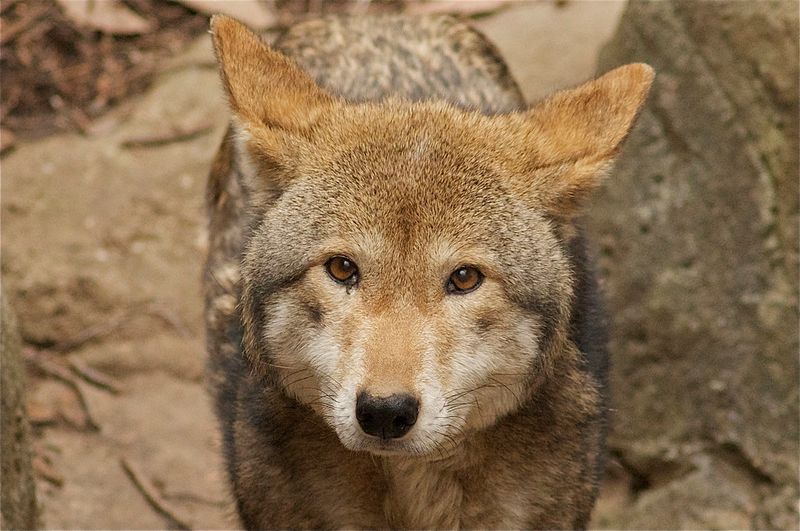
Pinned ears can look endearing, but they often indicate fear or appeasement. Combined with lowered posture or a tucked tail, the message is clear: I am uneasy.
You may notice this during scolding, fast approaches, or tight spaces.
Soften your body language, crouch sideways, and invite approach rather than reaching. Pair potentially scary moments with treats at a safe distance.
Teach consent cues so your dog predicts what comes next.
Track improvements by watching ear carriage relax over sessions. Celebrate tiny wins like ears moving to neutral.
If pinned ears persist or escalate with growling, get help from a positive reinforcement professional and check for ear pain.
Leaning heavily on you
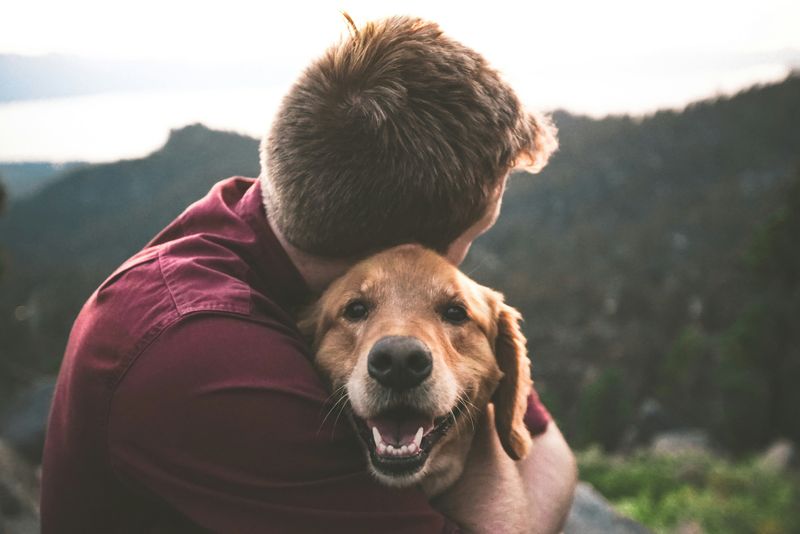
Leaning can feel cuddly, but excessive weight may signal seeking safety. Dogs often press in during loud events, crowded rooms, or unfamiliar environments.
It is a request for support and distance from the stressor.
Offer calm contact if your dog wants it, but also create space from triggers. Provide a secure mat spot where comfort is predictable.
Reinforce settling there with treats and quiet praise.
Build confidence by letting your dog choose the level of closeness. Gradually add mild versions of triggers paired with rewards.
If leaning turns into blocking exits or constant contact, explore anxiety management with your vet and trainer.
Sudden zoomies after stress
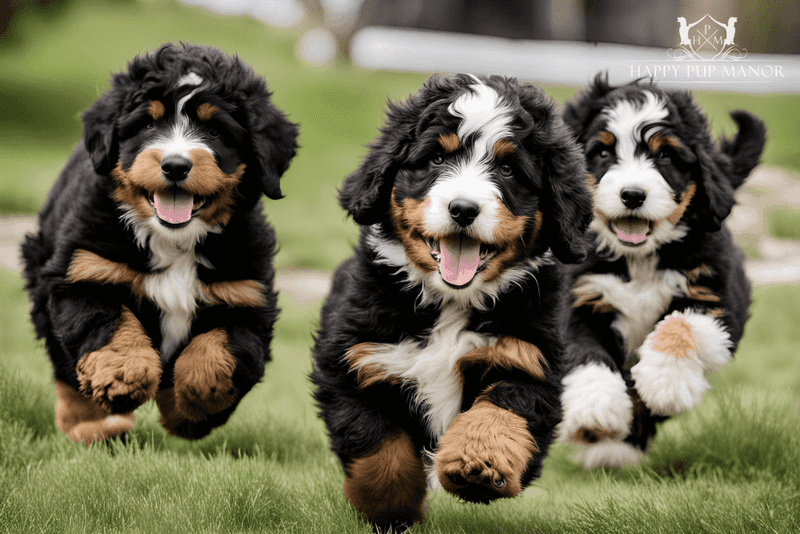
Zoomies look hilarious, but a sudden burst right after stress can be anxiety discharge. The body dumps built-up energy through frantic running.
You might see it after grooming, vet visits, or tense greetings.
Keep the environment safe by clearing obstacles and avoiding chasing. Offer a soft toy to bite and then guide into a decompression activity like sniffing or licking.
Reinforce calmer movements as arousal drops.
Predict and prevent by adding breaks during stressful events. Use calming routines afterward, like scatter feeding on a mat.
If post-stress zoomies escalate into nipping or collisions, consult a trainer to adjust arousal management strategies.
Avoiding eye contact
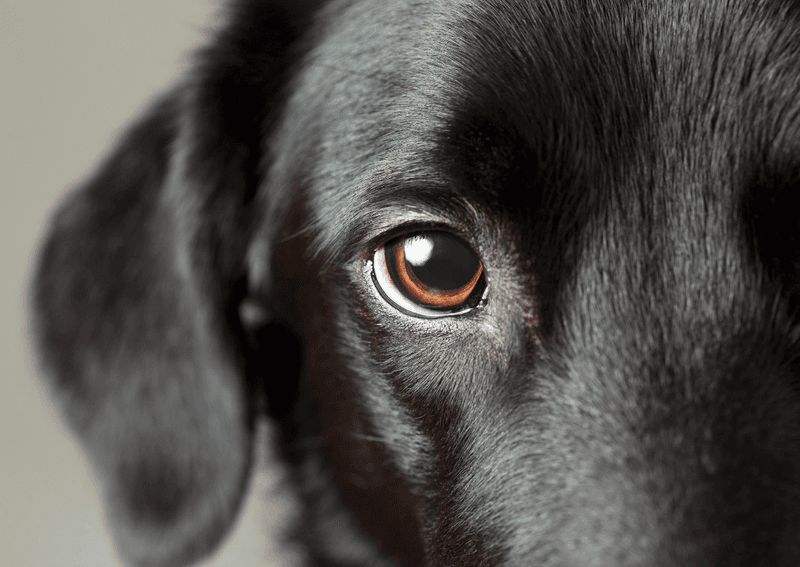
Avoiding eye contact can seem polite, but it often communicates discomfort. Dogs use gaze aversion to de-escalate.
You might notice it during scolding, crowded spaces, or when a stranger leans in.
Respect the message and reduce pressure. Turn your body sideways, blink softly, and speak in a low, friendly tone.
Reward voluntary check-ins rather than demanding focus.
Practice choice-based training with easy wins, building eye contact at the dog’s pace. Pair brief glances with treats, then let the dog disengage.
If avoidance persists across daily life, look for triggers and craft a gentle desensitization plan with professional support.
Repeated stretching when not tired
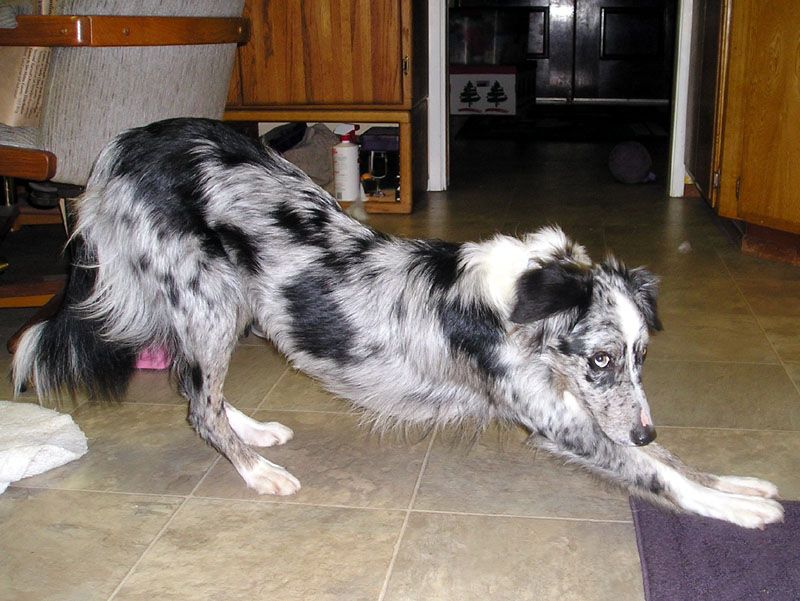
Stretching is normal after naps, but repeated, context-free stretches can be displacement. Dogs may stretch when conflicted, unsure, or trying to diffuse tension.
Look for it during awkward greetings or before doing something scary.
Note patterns and reduce decision pressure. Break tasks into tiny steps and reinforce each success.
Add sniff breaks so your dog can reset without social pressure.
Use predictable routines and cooperative care for handling. When stretching clusters with yawning or scratching, pause and reassess difficulty.
If the behavior grows frequent or rigid, consult your vet to exclude pain and refine your behavior plan.