
Some dogs bounce through life unfazed, but others flinch at sudden sounds, quick movements, or chaotic routines. If your home is calm and your schedule predictable, these sensitive souls can absolutely thrive.
Understanding who they are and what helps them feel safe turns worry into confidence. Let’s explore the breeds that do best with gentle handling, steady rhythms, and lots of reassurance.
Chihuahua
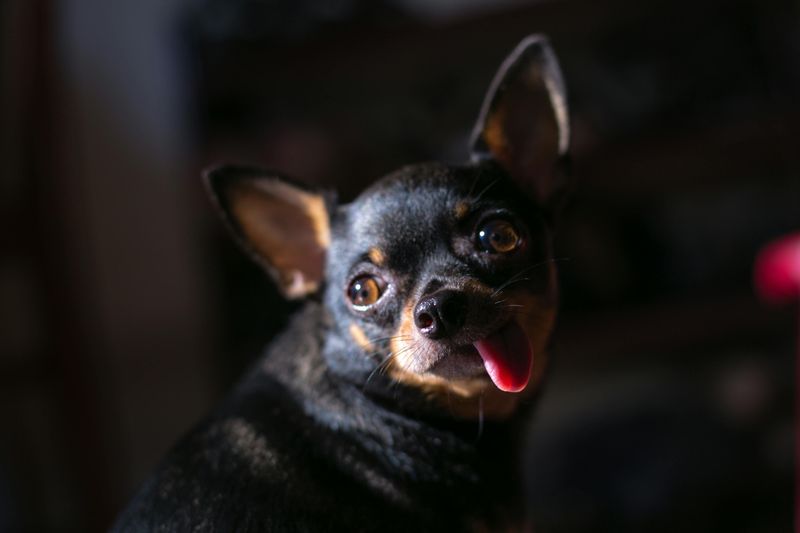
Small bodies can hold big feelings, and the Chihuahua proves it. Quick footsteps, clattering dishes, or strangers at the door may send this tiny companion running for cover.
A stable routine, gradual introductions, and quiet cuddle spots help the Chihuahua relax and gain confidence.
Use calm voices and reward gentle curiosity when something new appears. Short, positive training sessions teach coping skills and build trust.
Provide secure hides like covered beds, and avoid rough play that startles or overwhelms these sensitive dogs.
Daily structure works wonders. Predictable mealtimes, gentle walks, and cozy naps reduce anxiety and barking.
With patience and steady reassurance, a Chihuahua blossoms into a devoted, surprisingly brave buddy in a peaceful home.
Papillon
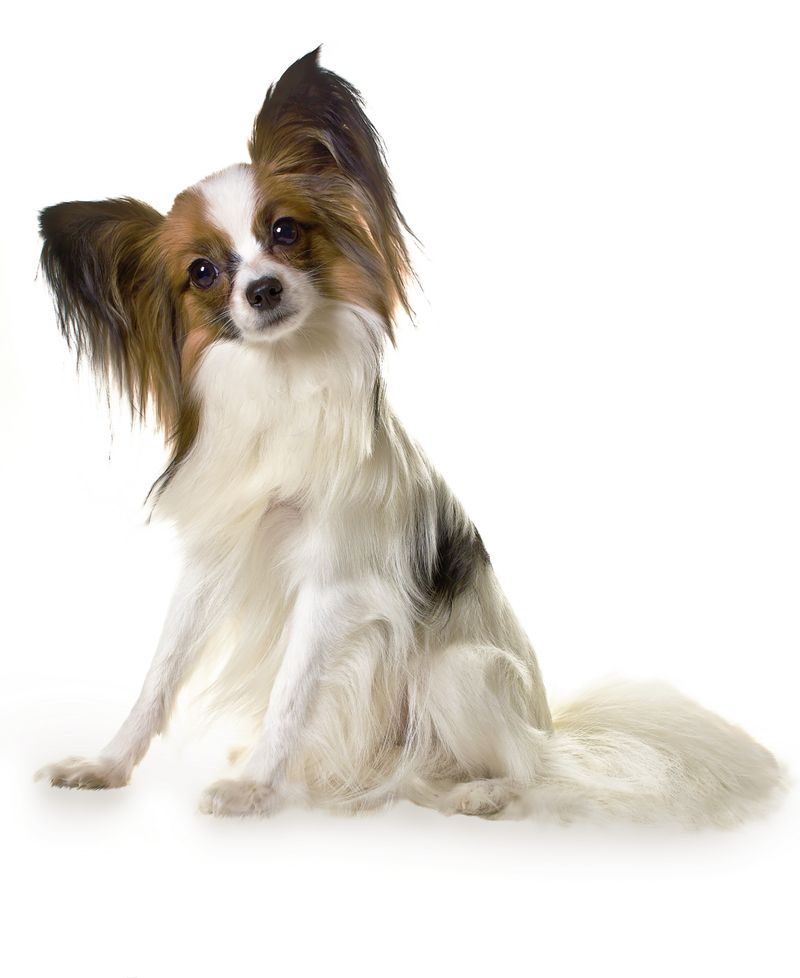
The Papillon is bright, alert, and sensitive to sudden changes. Slamming doors or unexpected visitors can cause trembling or darting away.
Gentle handling, predictable routines, and gradual exposure to new experiences let this butterfly-eared companion feel secure.
Enrichment should be thoughtful instead of loud. Soft puzzle toys, scent games, and calm training with high-value treats encourage confidence.
Avoid chaotic dog parks and opt for controlled meetups where the Papillon can observe before engaging.
Teach a safe place cue so your dog can retreat to a bed or crate when overwhelmed. Keep grooming steady and unhurried.
With consistent kindness and structure, the Papillon’s sparkle shines without tipping into nervous energy.
Italian Greyhound
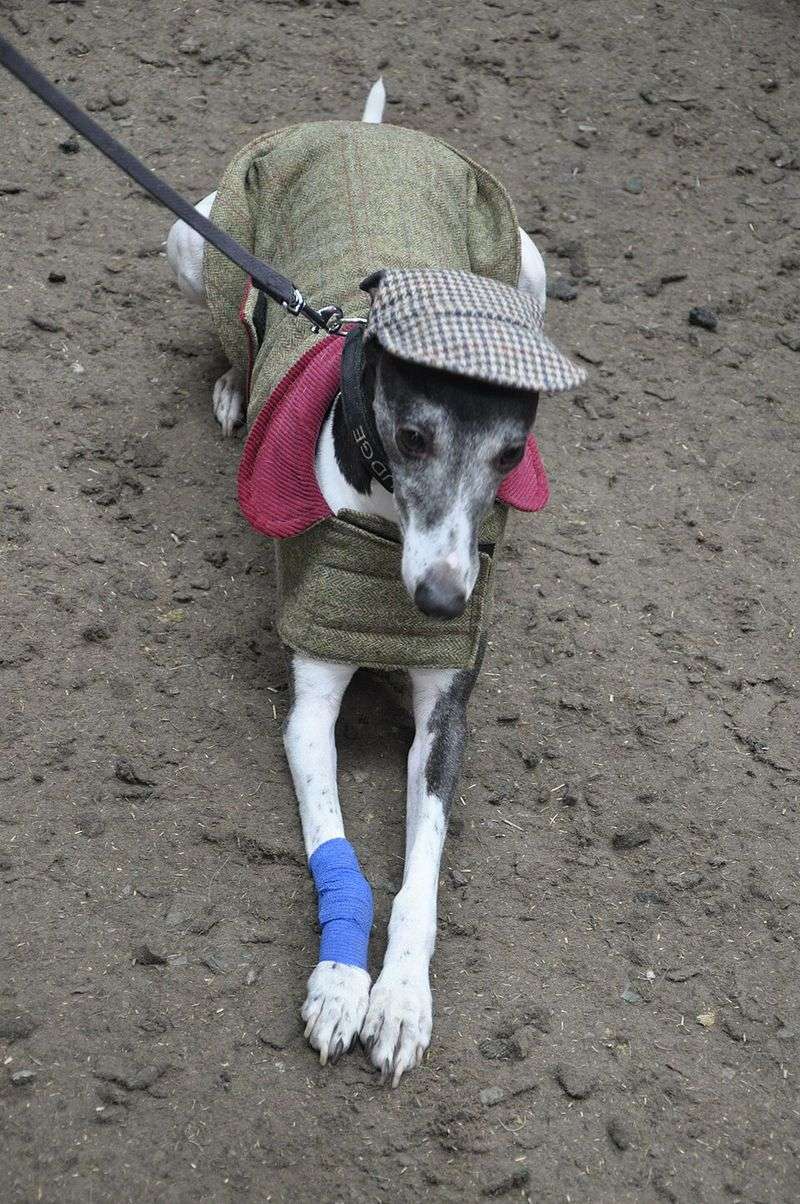
Italian Greyhounds are gentle, affectionate, and easily startled by noise or fast movement. Slick floors, clanging pans, or roughhousing can rattle their nerves.
A quiet environment with warm resting spots and non-slip rugs creates instant comfort and security.
Use low-pressure training with tiny steps and generous rewards. Keep outings brief at first, allowing distance from busy sidewalks or playgrounds.
Layer in cozy sweaters and soft bedding to help relieve tension often linked with being cold.
Predictability matters. Feed, walk, and rest at similar times each day so nothing feels surprising.
Offer quiet companionship and avoid forcing interactions. In a peaceful routine, this sensitive sprinter blossoms into a devoted, graceful shadow.
Whippet
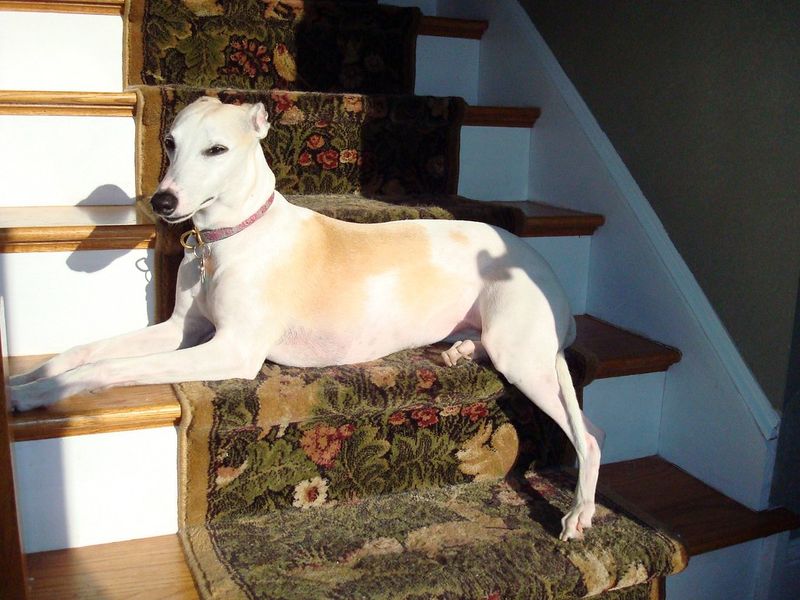
Whippets crave softness and calm, and abrupt commotion can make them startle. Loud televisions, children rushing by, or a dropped pan may cause sudden flinches.
Create a low-traffic resting zone where your Whippet can decompress without interruption.
Training should be upbeat and short. Use quiet markers, gentle praise, and tasty rewards to reinforce bravery around new sights and sounds.
Skip chaotic dog parks and select open, quiet spaces where the Whippet can observe and gradually engage.
Keep a predictable schedule for walks and naps. Provide warm blankets and supportive beds to ease tension in lean bodies.
With steadiness and kindness, a Whippet reveals calm confidence and sweet affection in a peaceful home.
Cavalier King Charles Spaniel
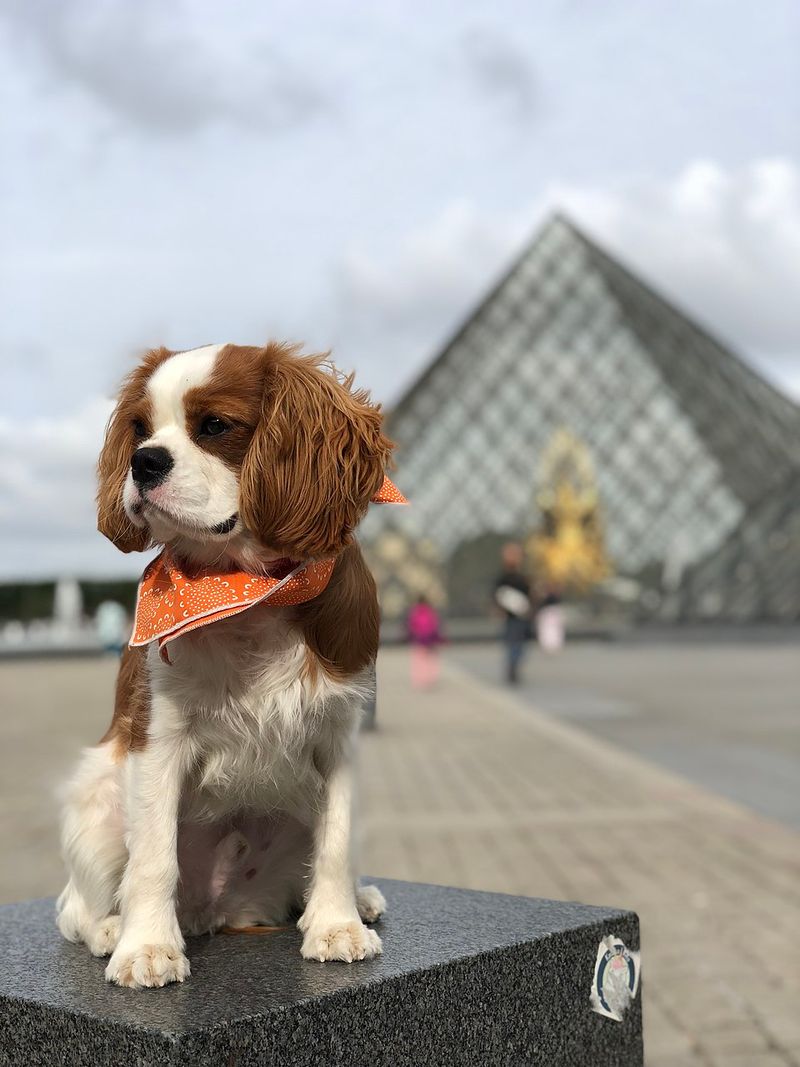
The Cavalier is tender-hearted and thrives on predictable, loving routines. Startling sounds or hurried handling can worry this breed, leading to clinginess or trembling.
Slow introductions to visitors and careful grooming keep stress low and trust high.
Use soft voices and positive reinforcement to reinforce calm behaviors. Offer a quiet corner with a plush bed where your Cavalier can retreat.
Daily, unhurried walks and low-key play preserve their gentle nature without sensory overload.
Prevent surprises by signaling transitions, like saying “all done” before ending snuggles. Keep schedules steady and avoid chaotic environments.
In a serene household, the Cavalier’s affectionate spirit shines, making them a devoted companion who feels safe and understood.
Havanese
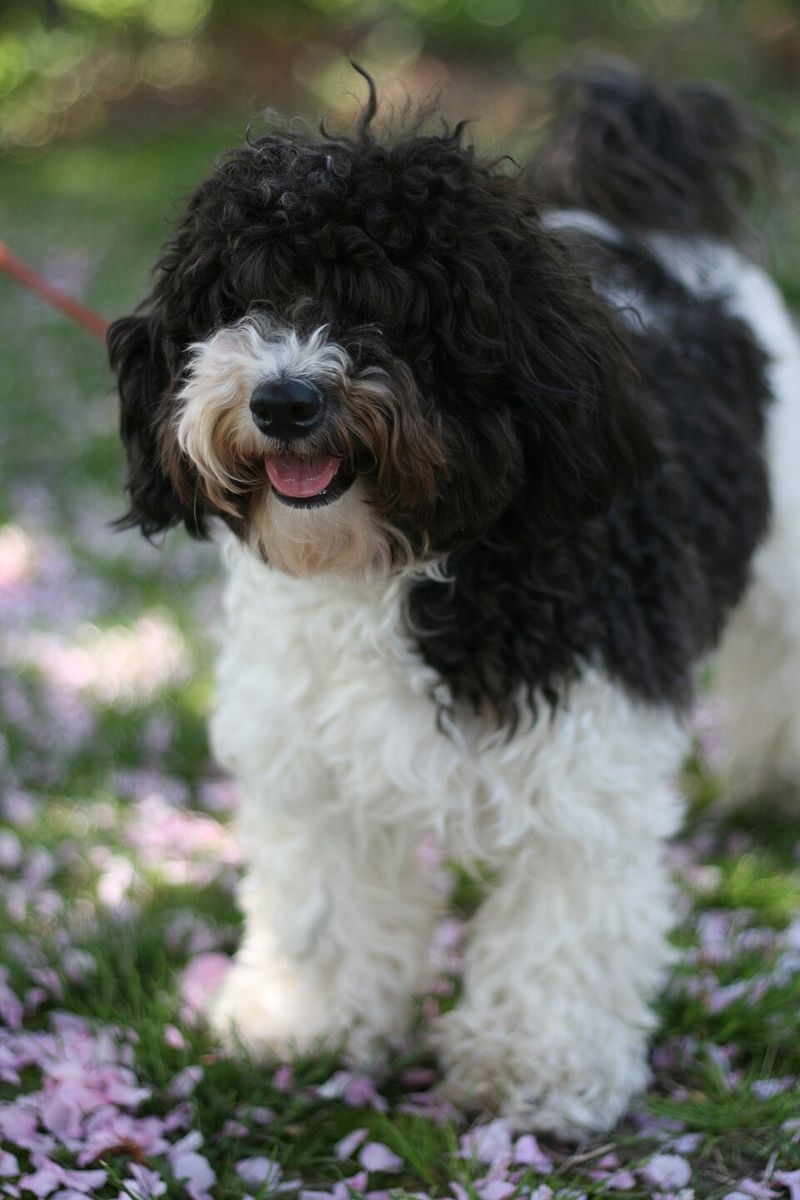
Havanese are sociable yet sensitive to abrupt noises and fast changes. They want closeness but can spook when chaos erupts.
Offer a predictable rhythm with regular play, potty breaks, and downtime to balance their cheerful energy.
Training should be gentle and game-like. Use tiny steps, upbeat cues, and soft toys to boost confidence around new sights and sounds.
Encourage voluntary approaches rather than forced interactions, and allow safe observation from a distance.
Designate a cozy rest zone with comfy bedding and chew options. Keep grooming sessions brief and positive, pairing with treats.
In a peaceful home filled with reassurance, a Havanese blossoms into a brave, affectionate shadow that loves to make you smile.
Maltese
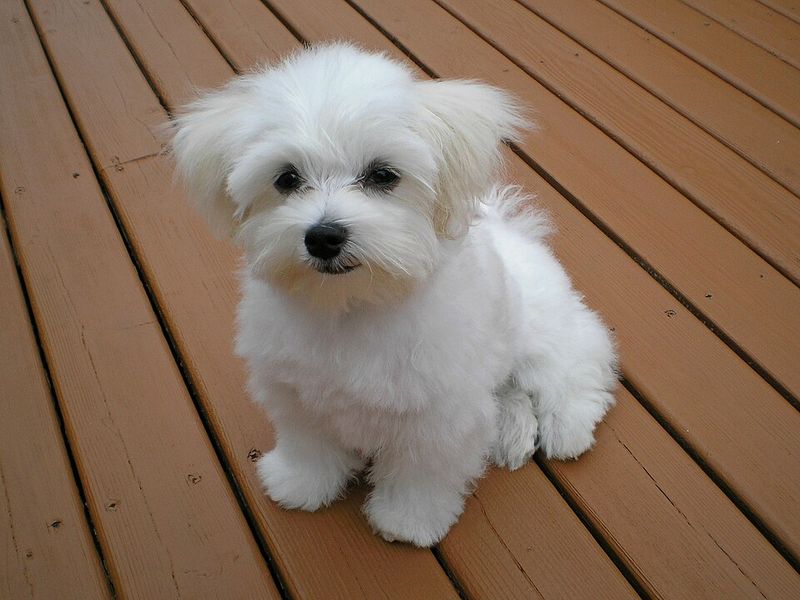
The Maltese is delicate and people-oriented, often startled by loud clatter or sudden movement. A tidy, quiet environment helps prevent overwhelm.
Keep routines steady and transitions slow so nothing feels jarring or unpredictable.
Training works best with soft encouragement and frequent rewards. Use gentle grooming and introduce tools gradually to avoid fear.
Offer puzzle feeders and slow-paced walks to satisfy curiosity without stress, prioritizing calm neighborhoods over busy streets.
Provide a warm, cushioned bed for naps and a retreat space during visitors. Celebrate small wins when bravery shows.
With consistency and patience, the Maltese relaxes into a confident, cuddly companion who thrives on peaceful togetherness.
Shih Tzu
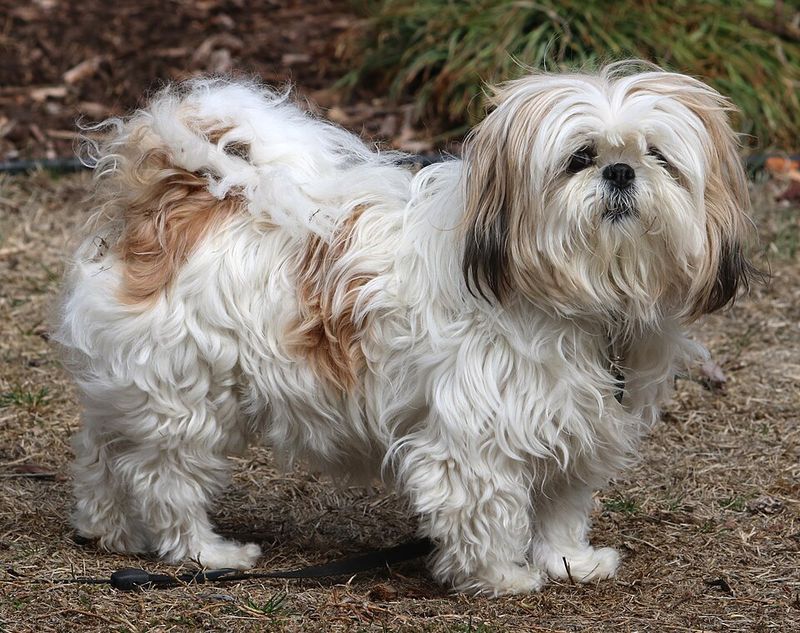
Shih Tzus love comfort and routine, and they can startle with door slams or bustling activity. Their best life includes steady schedules, gentle voices, and low-key social time.
Offer clear signals before picking up or grooming to prevent surprises.
Use reward-based training that is short, sweet, and calm. Break grooming into tiny steps, pairing each with treats and praise.
Choose mellow walks during quieter hours to avoid sensory overload from crowds or heavy traffic.
Set up a dedicated relaxation zone with a supportive bed and favorite chews. Encourage quiet games that build confidence, like nose work.
With predictable care and kindness, a Shih Tzu becomes a serene, affectionate presence in your home.
Toy Poodle
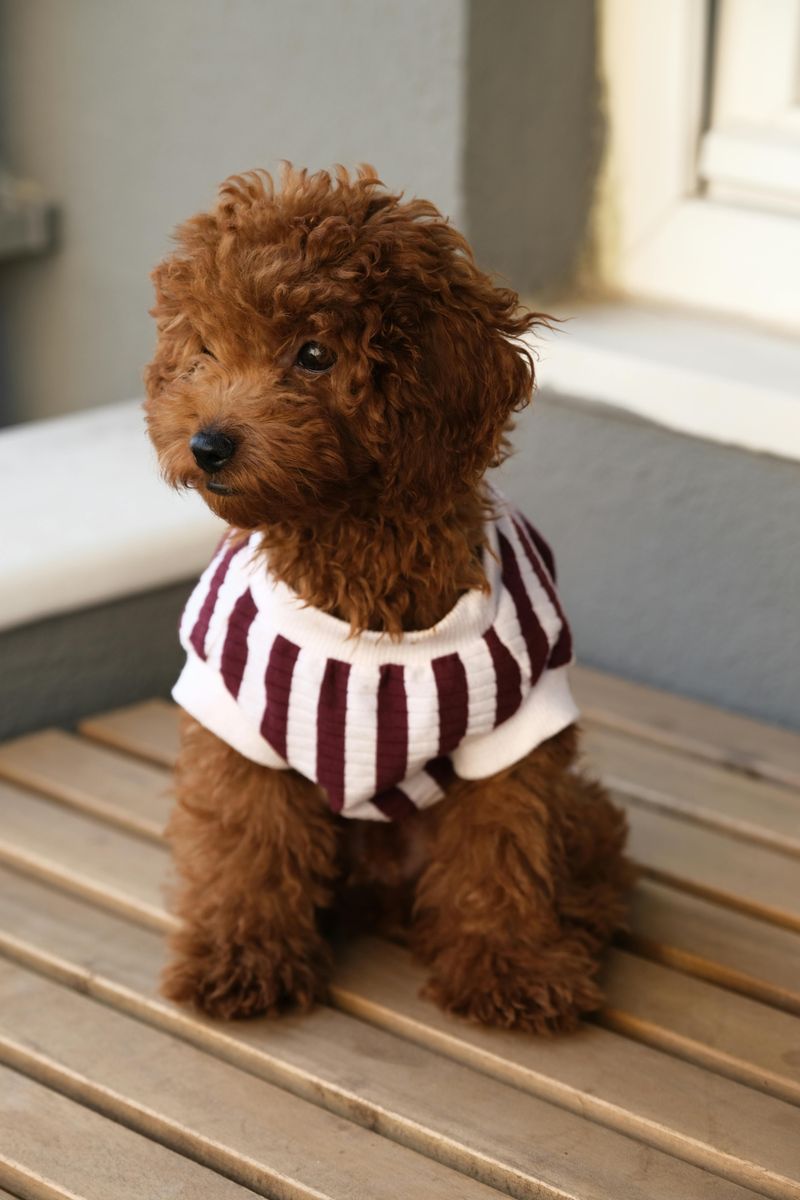
Toy Poodles are brilliant and attentive, which can mean sensitivity to sudden sounds or changes. Mental stimulation is vital but should be calm and structured.
Keep training sessions brief, positive, and predictable to reduce startle responses.
Introduce novelty in small doses. Soft puzzle toys, scent games, and low-distraction practice build steady confidence.
Avoid loud dog areas in favor of quieter spaces where your Poodle can focus and feel safe while learning.
Maintain routine grooming with gentle desensitization. Provide a cozy retreat and signal transitions, like ending play with a consistent cue.
With patience and regular reassurance, a Toy Poodle channels sensitivity into sharp learning and loyal companionship in a peaceful home.
Collie
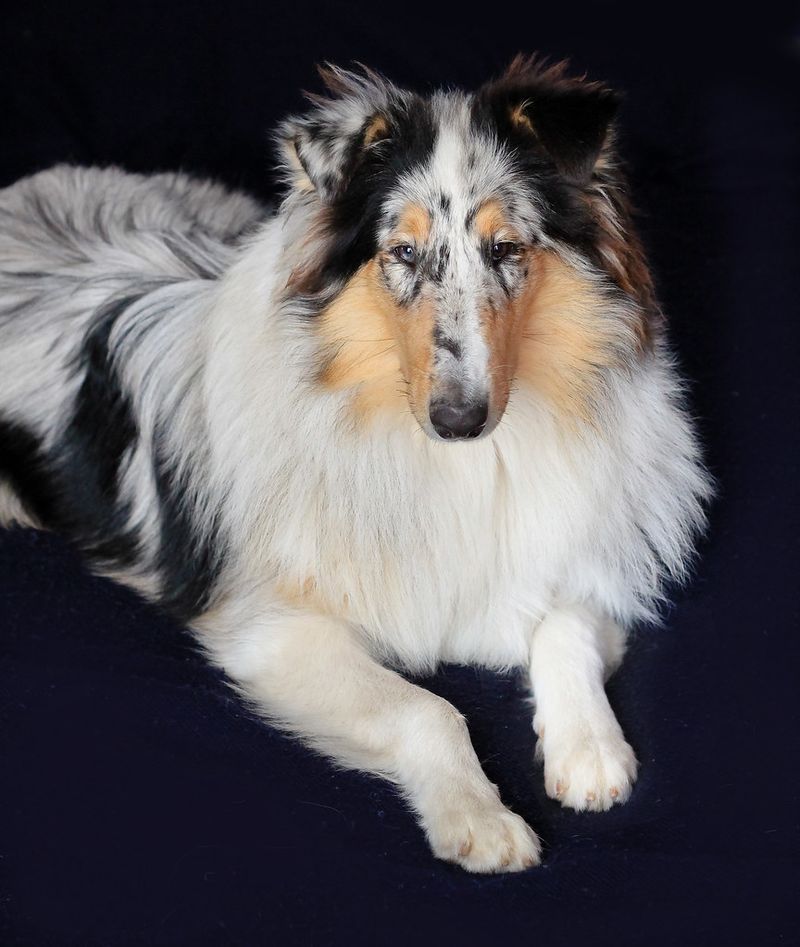
Collies are perceptive herders who notice everything, which can lead to startle reactions. Unexpected noises or quick movements may set them on edge.
Provide a structured day, clear routines, and gentle guidance so sensitivity turns into attentiveness, not anxiety.
Training should focus on calm impulse control. Use place mats, quiet settle cues, and soft praise to shape relaxed behavior.
Choose peaceful walking routes and avoid chaotic play that spikes arousal or stress.
Offer mental work like scent tasks or simple jobs around the house to channel instincts. Keep grooming unhurried and predictable.
In a quiet, consistent home, a Collie’s sensitivity becomes a gift, revealing loyalty, grace, and remarkable responsiveness.
Shetland Sheepdog
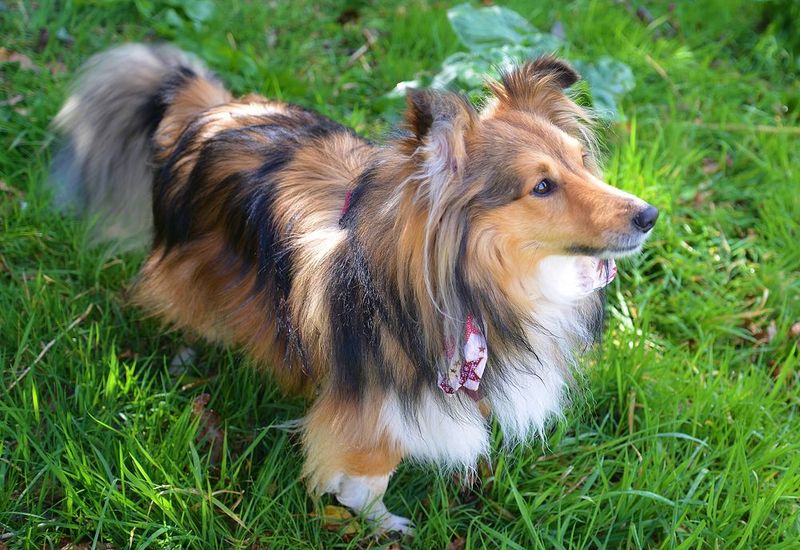
Shetland Sheepdogs are intelligent and reactive, quick to notice sudden changes. Loud knocks, scooters zipping by, or chaotic rooms can spark startle responses.
A predictable schedule and quiet retreat space help this sensitive herder feel safe.
Use positive reinforcement with calm delivery. Teach settle on a mat and reinforce relaxed body language.
Introduce new people or environments gradually, letting your Sheltie watch before engaging.
Enrichment should be thoughtful: nose work, gentle fetch, and low-distraction training. Keep grooming kind and consistent to avoid stress.
With patience, structure, and soft encouragement, a Shetland Sheepdog learns to trust the world and offers steadfast devotion in return.
Greyhound
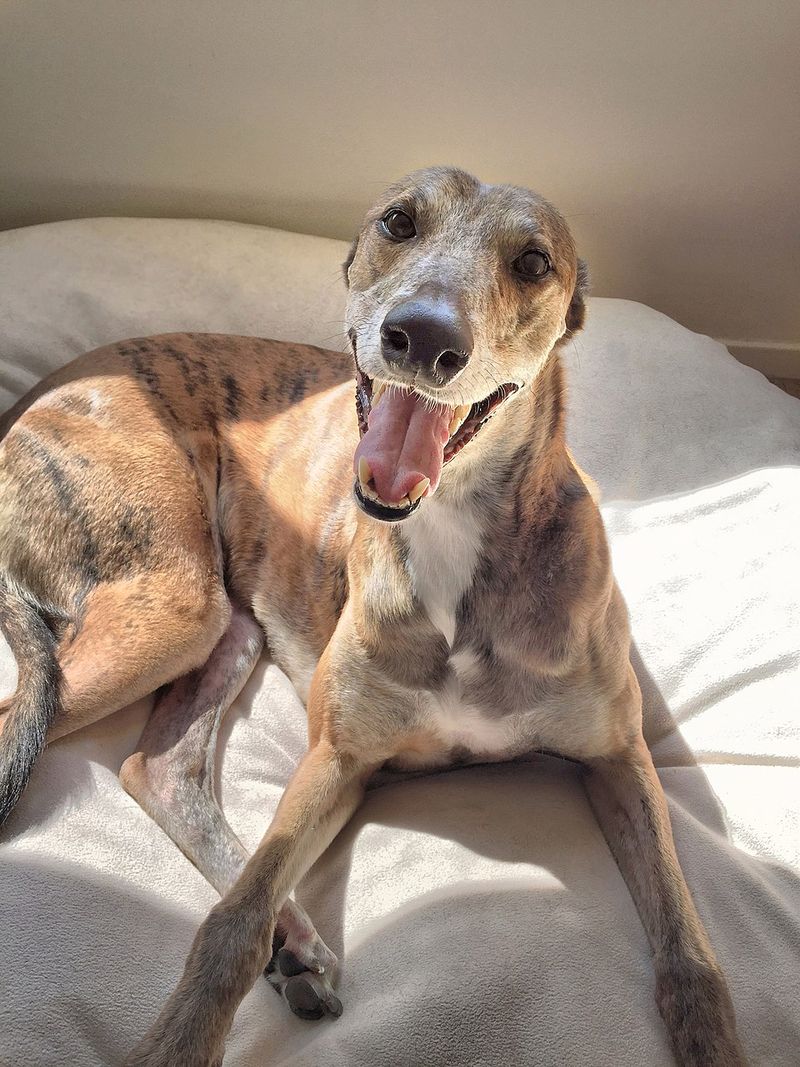
Greyhounds are sensitive athletes who appreciate silence and softness. Sudden clatter or crowded spaces can make them flinch or withdraw.
Provide a restful den-like bed and keep household traffic gentle to protect their calm.
Training should be low-pressure and reward-based. Introduce stairs, slick floors, and new noises with patience and treats.
Choose peaceful walking times, giving space from busy streets while confidence builds.
Warmth and comfort matter for these lean bodies. Offer soft blankets and predictable routines for meals and naps.
With steady reassurance, a Greyhound transforms sensitivity into serene companionship, showing sweetness and grace in a tranquil home.
Bichon Frise
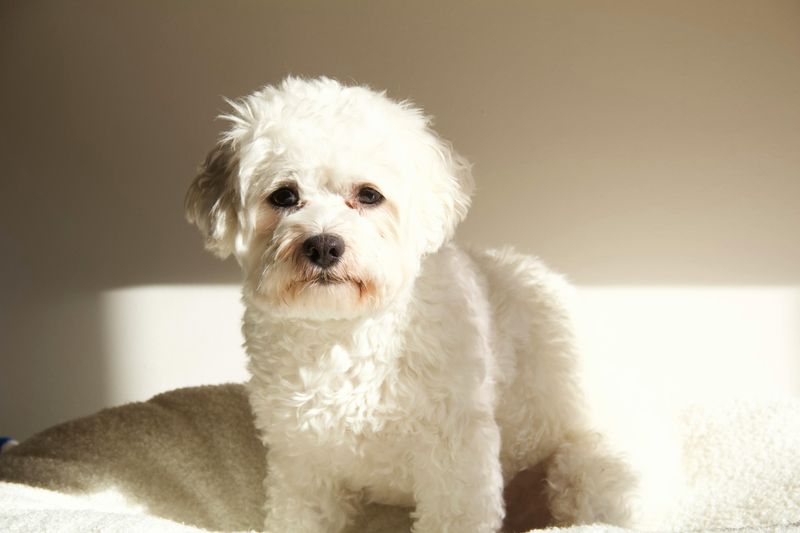
The Bichon Frise is buoyant yet easily startled by sudden bangs or busy environments. Keep life predictable with regular outings, playtimes, and quiet breaks.
Gentle guidance and soft voices help this cheerful fluff feel safe and secure.
Training should be fun and calm. Use treats and praise to reinforce bravery during gradual exposure to sounds.
Plan socialization thoughtfully, choosing mellow dogs and friendly people who move slowly and respectfully.
Provide a plush rest area and soothing chews. Keep grooming steady with positive associations.
In a peaceful home, the Bichon’s sparkle remains while sensitivity eases, revealing a cuddly, upbeat companion who thrives on affection and structure.
Pekingese
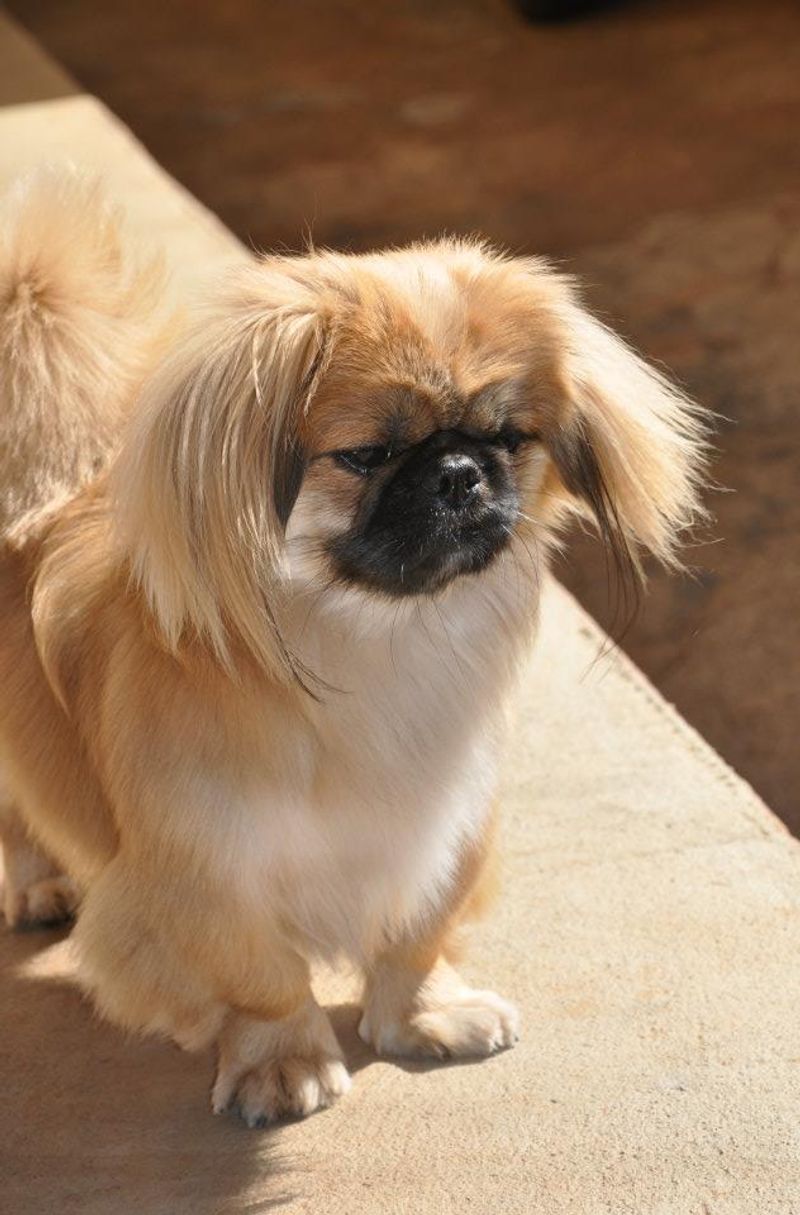
Pekingese are proud, sensitive companions who prefer predictable routines. Sudden grabs, loud voices, or bustling halls can make them bristle or retreat.
Offer slow introductions, gentle touch, and a calm environment that respects their personal space.
Training should be patient and dignified. Use calm praise and tasty rewards to encourage cooperation during grooming and handling.
Keep sessions short, and avoid noisy settings where a Pekingese might feel overwhelmed.
Provide a plush resting area away from foot traffic. Signal transitions so nothing feels abrupt.
With consistent kindness and boundaries, this regal breed settles into tranquil companionship, rewarding you with steady affection and quiet loyalty.