
Some dogs do not just hear you. They read your tone like a flashing alert, picking up on stress, calm, and everything in between.
If your voice tightens, they respond quickly, often before you even realize you changed. Meet the breeds that treat tone of voice like a true warning signal and adjust in a heartbeat.
Golden Retriever

Golden Retrievers lean into voice like a compass. Speak with calm confidence and you will watch their body soften, tail flowing like a golden flag.
Let your tone sharpen, and they quickly pause, eyes checking for guidance before taking another step.
This breed thrives on cooperative cues. A cheerful marker word can power up recalls and settles, while a low, firm tone halts door dashes instantly.
Pair tone with consistent rewards for a golden feedback loop.
They are sensitive but not fragile, so keep instructions upbeat and clear. Avoid shouting because it can freeze their enthusiasm.
Use rising tones for engagement, steady tones for stay, and warm praise to refill their emotional bank.
Labrador Retriever
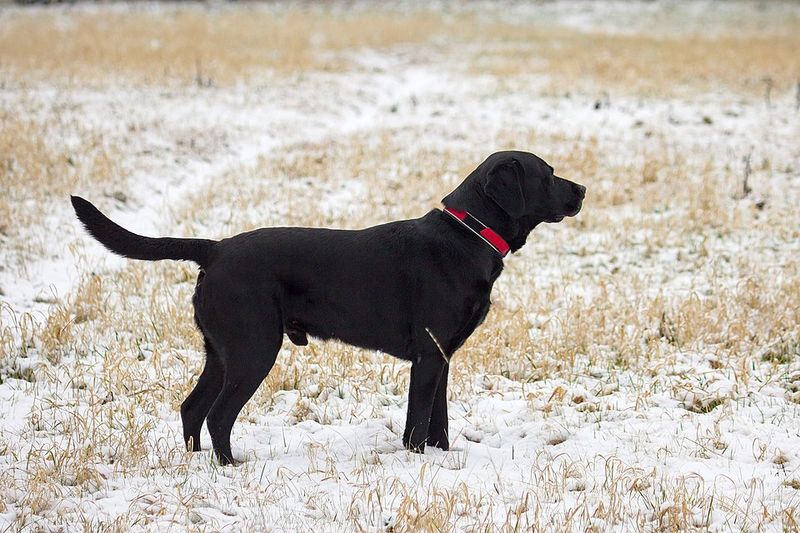
Labradors are tone decoders with a playful filter. A brisk, happy voice lights their rocket boosters, making retrieves snap into place.
Shift to a low, steady command and you will see an instant brake tap, posture firming as they prepare to listen harder.
Because Labs are enthusiastic, tone becomes your throttle. Short, crisp signals cut through excitement around water, birds, and balls.
Gentle praise prevents over-arousal, especially during heel and steadiness drills.
They respond best when tone and timing match the task. Use upbeat markers for momentum, calm tones for impulse control.
Avoid sing-song cues in high-distraction zones. Clear, sincere voice plus consistent consequences channels their generous heart into reliable choices.
Poodle
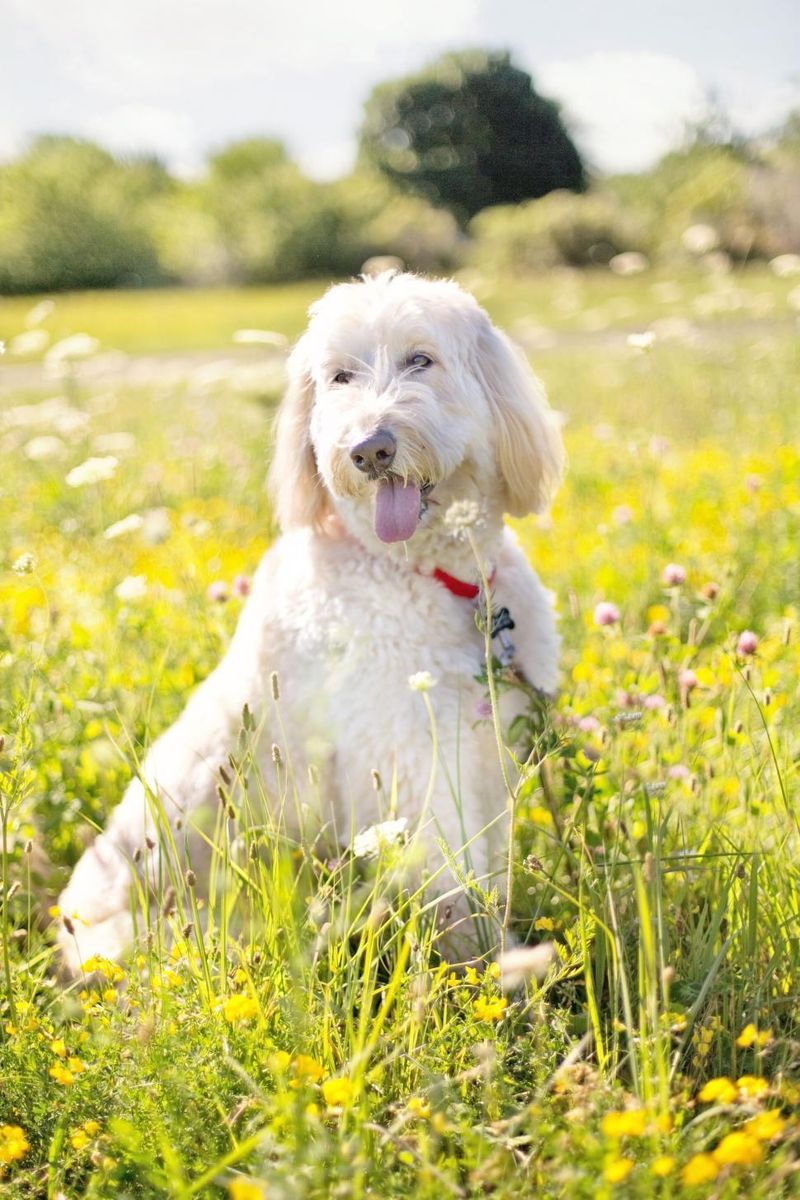
Poodles read nuance like sheet music. A slight rise in pitch draws their eyes, a soft drop steadies their paws.
They notice tiny vocal differences, so your consistency becomes the rhythm section of training.
Their quick minds love patterns. Pair a bright, clear marker word with rewards to make learning sparkle.
When focus scatters, a low, even tone acts like a grounding weight, helping them reset without pressure.
Because they can be sensitive, harshness backfires. Use confident, conversational cues that respect their intelligence.
Poodles excel when your voice invites collaboration, not compliance. Keep sessions short, tone purposeful, and praise precise.
The result is crisp obedience with joyful flair.
Border Collie
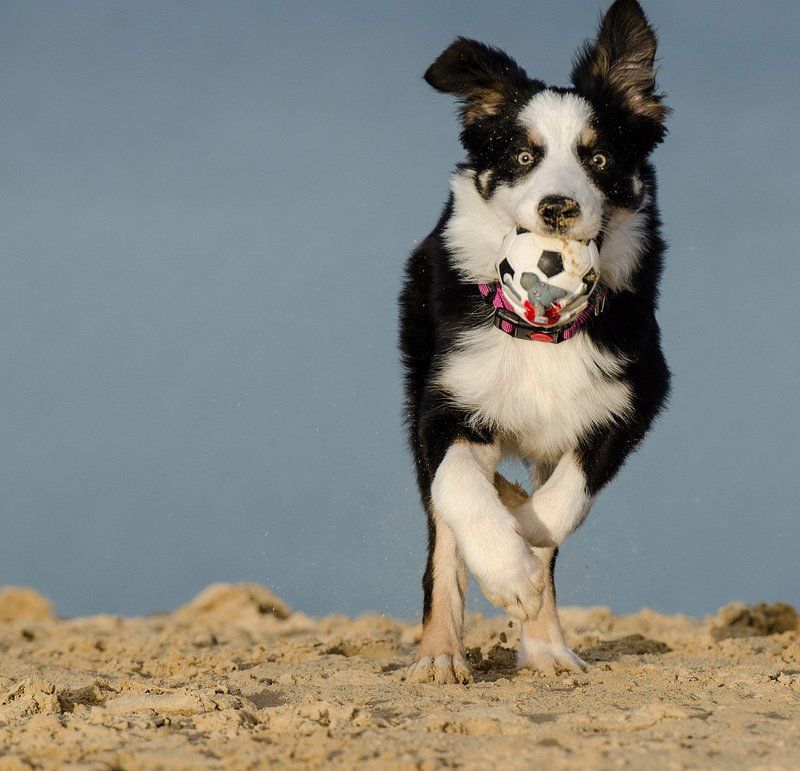
Border Collies treat tone like mission control. A clipped cue slices through wind and distractions, while a mellow voice releases tension between tasks.
They map your emotion and speed to decide whether to sprint, stalk, or settle.
In agility and herding, tone becomes directional energy. Bright highs send, firm lows collect, and neutral tones hold.
They hear the space between words, so sloppy vocals create sloppy lines.
Because they overthink, avoid frantic chatter. Deliver minimal, intentional cues aligned with body language.
Praise in a controlled, sincere way to prevent over-arousal. Use tone to balance drive and clarity, and you will unlock precision that feels almost telepathic.
Shetland Sheepdog
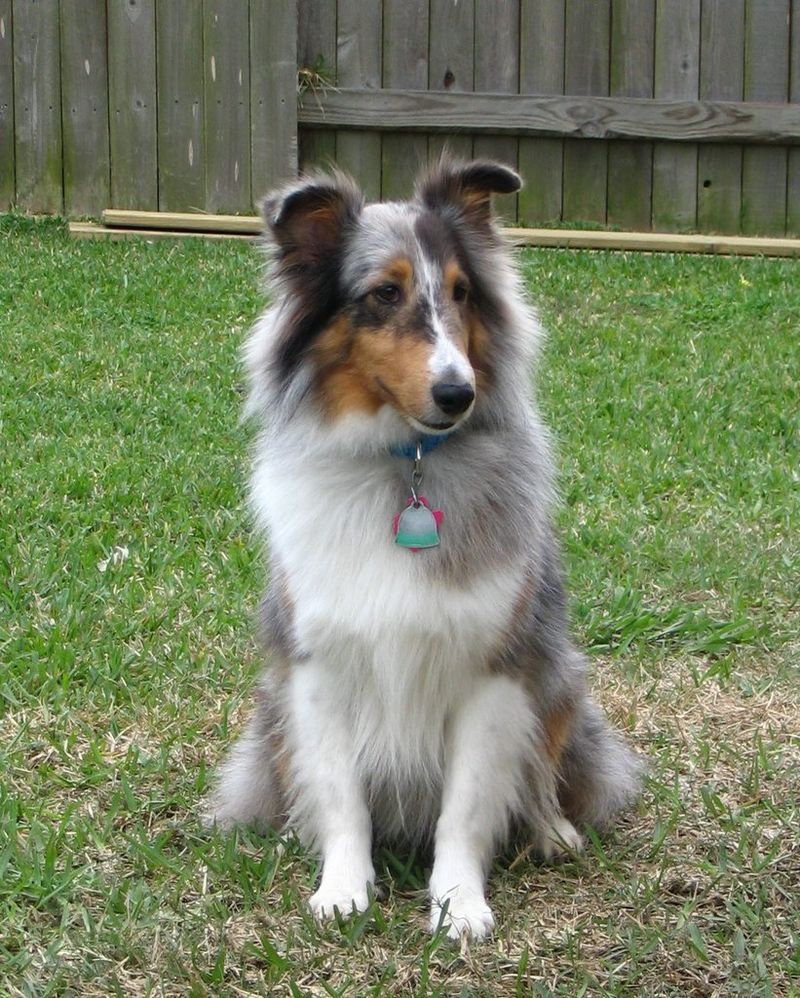
Shetland Sheepdogs are exquisitely tone sensitive. A bright chirp sparks prancy enthusiasm, while a quiet, even voice reassures when the world feels too loud.
They often check your face and pitch before committing to a move.
Because they can be sound reactive, tone becomes emotional ballast. Use warm, predictable phrasing to anchor confidence around bikes, kids, and traffic.
A crisp marker word clarifies success without amping them up.
Shouting erodes trust, so choose calm clarity. Celebrate small wins with soft praise and treats.
When asking for steadiness, keep pitch low and cadence slow. With tone as your lighthouse, a Sheltie will navigate distractions and stay eager to collaborate.
German Shepherd
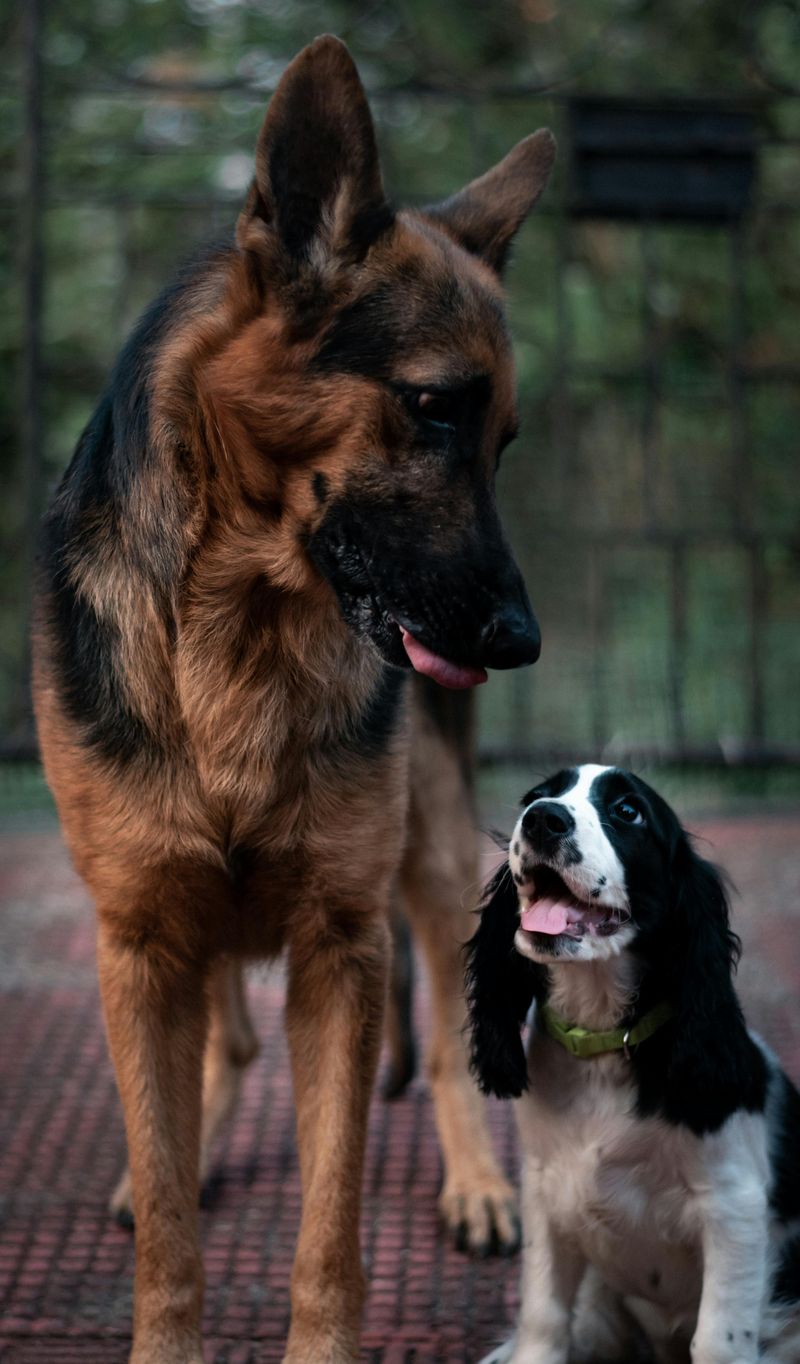
German Shepherds read authority in cadence, not volume. A firm, even tone unlocks respect and precision, while yelling muddies the message.
They synchronize with your emotional state, adopting your steadiness or your stress within seconds.
For obedience and protection sports, tone separates drive from discipline. Use a neutral command voice for positions, a low collect cue for control, and upbeat praise to release pressure.
Consistency builds reliable thresholds.
Because they are loyal and intense, over-harshness can sour motivation. Keep instructions concise, confident, and fair.
Mark correct choices clearly, then relax your tone to celebrate. When your voice signals clarity and safety, a Shepherd delivers power with remarkable restraint.
Vizsla
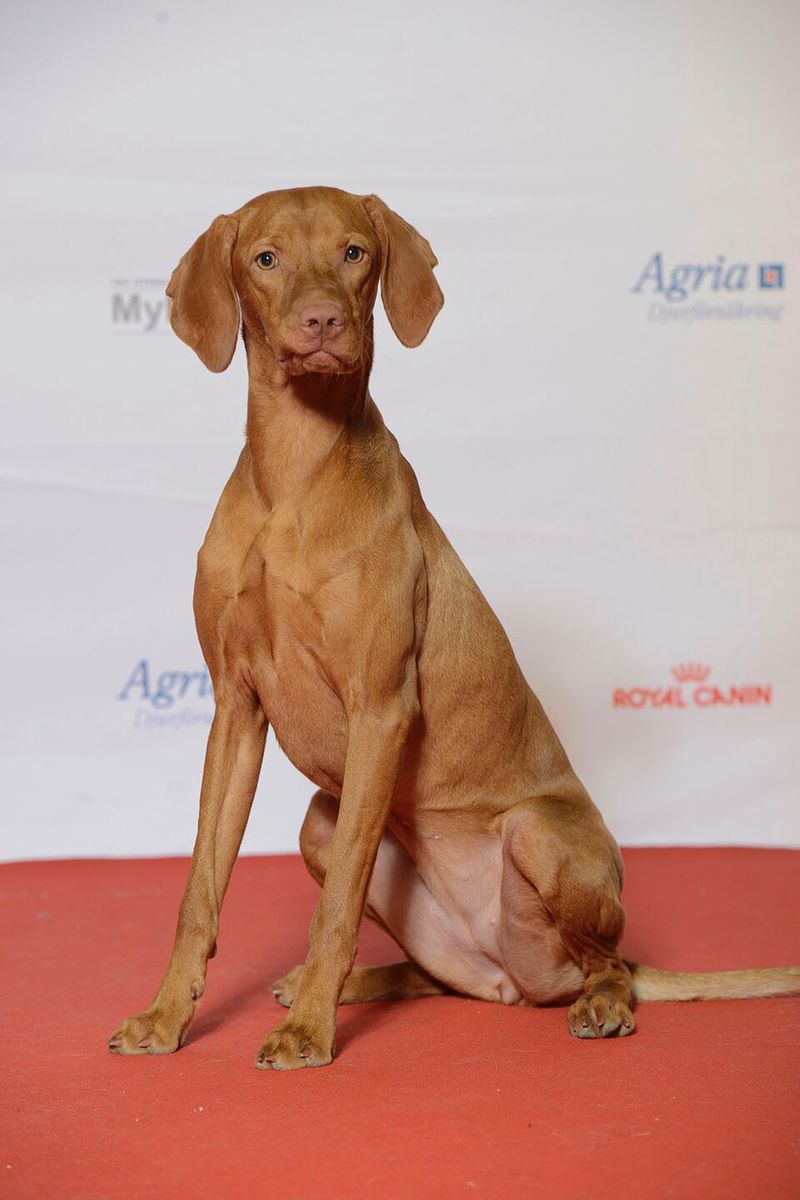
Vizslas wear their hearts on their sleeves and ears. A gentle, encouraging tone wraps them in security, while sharpness can deflate their confidence.
They love relational training where your voice feels like a hug.
Use melodic praise to reinforce recalls and check-ins on trails. When excitement spikes, a calm, low cue helps them breathe and reorient.
Clear markers paired with food or play keep learning buoyant without overwhelming their sensitivity.
Avoid abrupt corrections. Instead, guide with consistent phrasing and soft accountability.
Short sessions, steady tone, and frequent connection breaks make progress stick. Treat your voice like a safety line, and a Vizsla will float back to you every time.
Collie
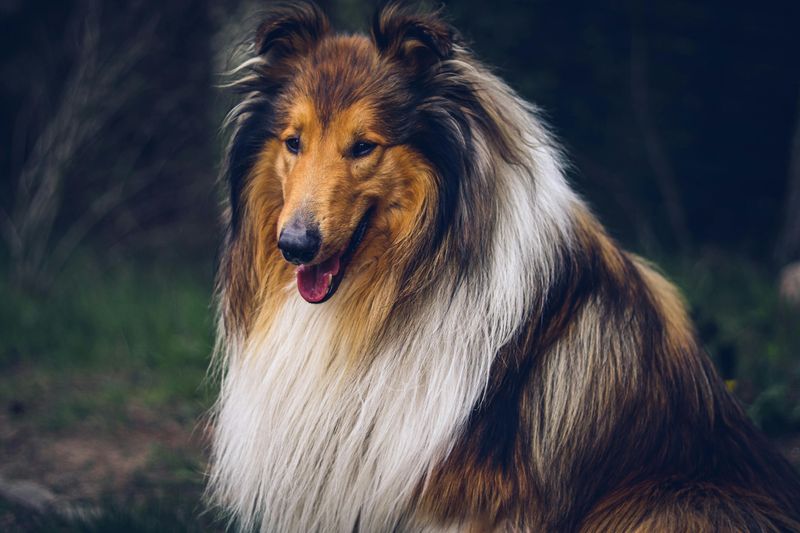
Collies hear intention behind words. A grounded, steady tone signals responsibility and steadiness, while a playful lilt unlocks graceful enthusiasm.
They check your mood, then carry it like a banner into the next behavior.
Because they are thoughtful, rushed chatter confuses them. Offer clean cues with soft praise to reward correct choices.
A low, reassuring voice is perfect for stays and calm greetings around strangers.
They can be sensitive to conflict. Avoid harsh reprimands that erode confidence.
Instead, use tone to model composure and fairness. When your voice is trustworthy and consistent, a Collie becomes a poised partner who reads the room and responds beautifully.
Havanese
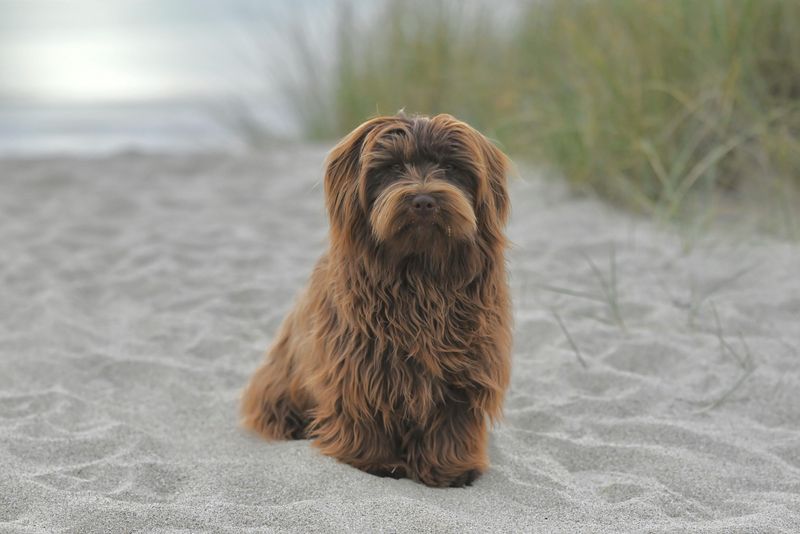
Havanese thrive on conversational cues. A light, happy tone draws them in for tricks and rallies, while a gentle, low voice helps during grooming or crate time.
They bond closely and mirror your mood quickly.
Use upbeat praise to keep training zippy without overstimulation. Short verbal markers paired with tiny treats create clarity.
When they get fizzy, shift to slower cadence and calm words to reset.
Harshness can make them appease or shut down. Choose kind, consistent phrasing and celebrate small focus moments.
Your tone teaches them when to giggle and when to breathe. With that guidance, a Havanese becomes a charming, responsive companion at home and in public.
English Cocker Spaniel
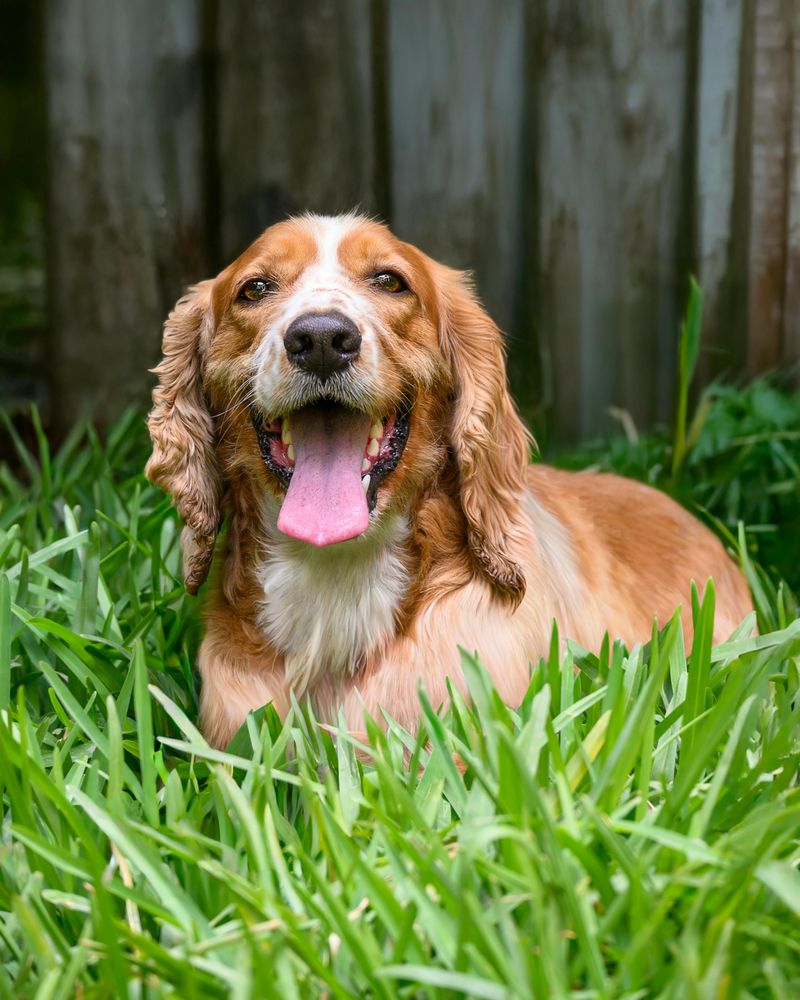
English Cockers are joyful hunters with tender hearts. A bright, crisp tone keeps their nose working while their brain stays with you.
When excitement surges, a low, even command gathers them without dampening spirits.
Use whistle plus verbal markers for clarity at distance. Celebrate returns with cheerful praise, then settle them with soft talk before the next cast.
Their sensitivity rewards fairness and rhythm.
Avoid scolding spirals. Instead, keep instructions short and sincere.
Your tone should switch between spark and soothe depending on the task. Do that well, and you will have a spaniel who works eagerly yet checks back often, guided by the music of your voice.
Belgian Tervuren
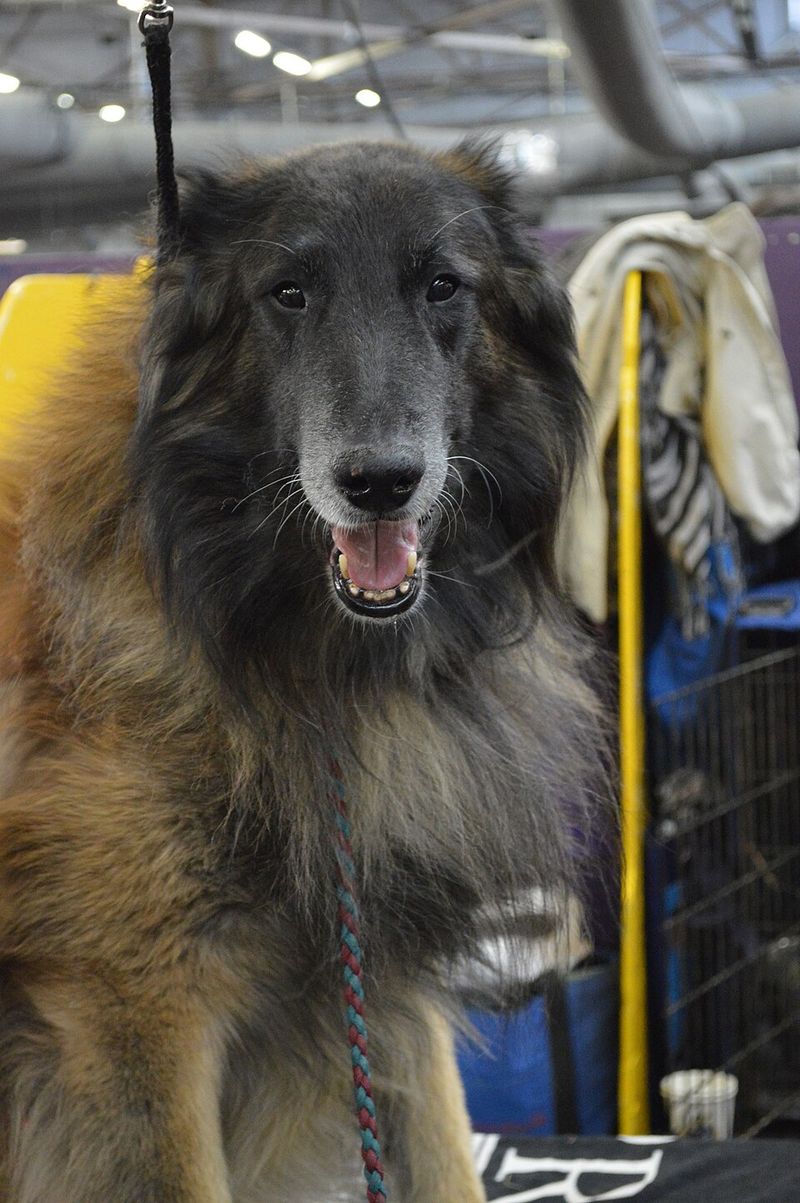
Belgian Tervuren read micro-shifts in tone and posture like code. A measured, confident voice unlocks laser focus, while inconsistent pitch fragments communication.
They thrive on purpose and fairness.
Use neutral commands for positions, a quiet collect cue for heelwork, and a bright release to unleash drive. Keep chatter minimal so each syllable matters.
Pair tone with clean body language for surgical clarity.
Harshness can spark resistance or anxiety. Instead, deliver balanced expectations and immediate, sincere praise.
Rotate between intensity and calm using your voice as a metronome. When tone becomes predictable, a Tervuren channels brilliance into crisp, reliable performance.
Brittany Spaniel
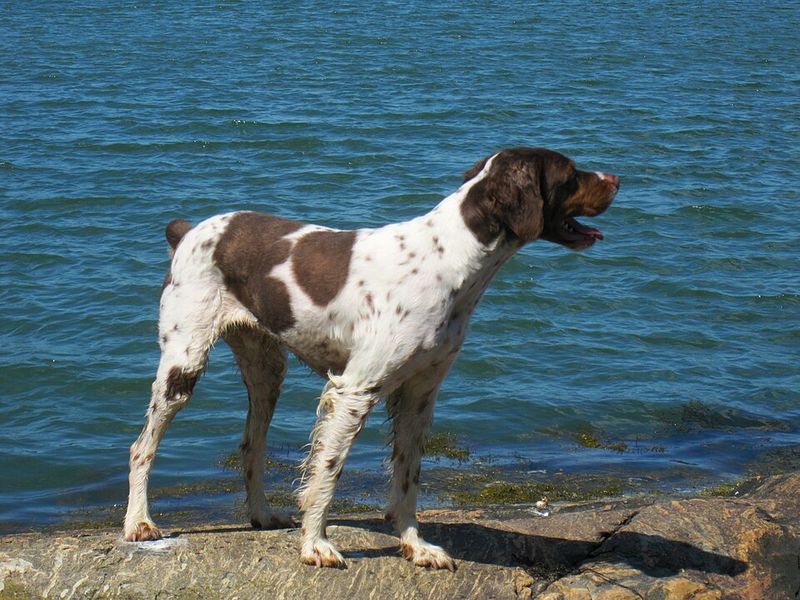
Brittanys are merry athletes who track tone like a compass in tall grass. A bright, snappy voice keeps them connected during quartering patterns.
When birds or scent surge, a low, steady cue reins in the bounce without crushing joy.
They flourish with rhythmic training: send, hunt, recall, praise. Use clean markers and brief celebrations to maintain momentum.
If they fizz, soften cadence and breathe stability into your words.
Harsh tone scatters their focus. Be clear, upbeat, and fair, and they will orbit within range willingly.
Your voice becomes the bell on their collar, guiding flow and restraint. Do that, and you will have a Brittany who hunts happy and returns fast.