
Some dogs greet everyone like long lost friends, while others keep their circle tight. If you have ever wondered which breeds adore strangers and which prefer a respectful distance, this guide makes it crystal clear.
You will get friendly favorites and devoted guardians, plus tips to read their signals. Keep scrolling to find the perfect match for your lifestyle and social calendar.
Labrador Retriever
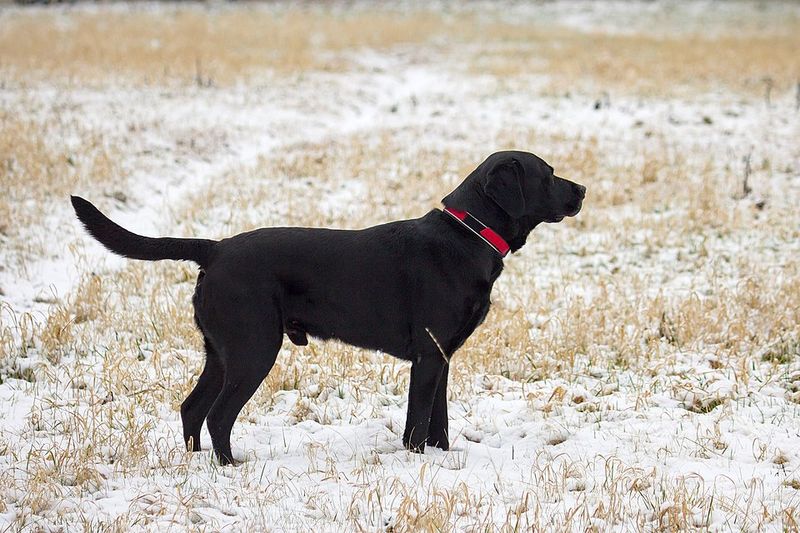
Labradors are the classic welcome committee, charming strangers with enthusiastic wags and soft eyes. They often assume every person carries treats and belly rubs, which makes them natural icebreakers in public.
You will notice that Labs rarely hesitate at the door, eager to say hello.
This friendliness is not just sweetness. Bred for cooperation and field work, they thrive on human interaction and praise.
Early socialization cements that easygoing openness with new people.
Of course, manners matter. Training helps channel their excitement into polite greetings rather than bowling people over.
With enough exercise and structure, a Lab becomes that perfect companion who brightens neighbors days and makes guests feel instantly at home.
Golden Retriever
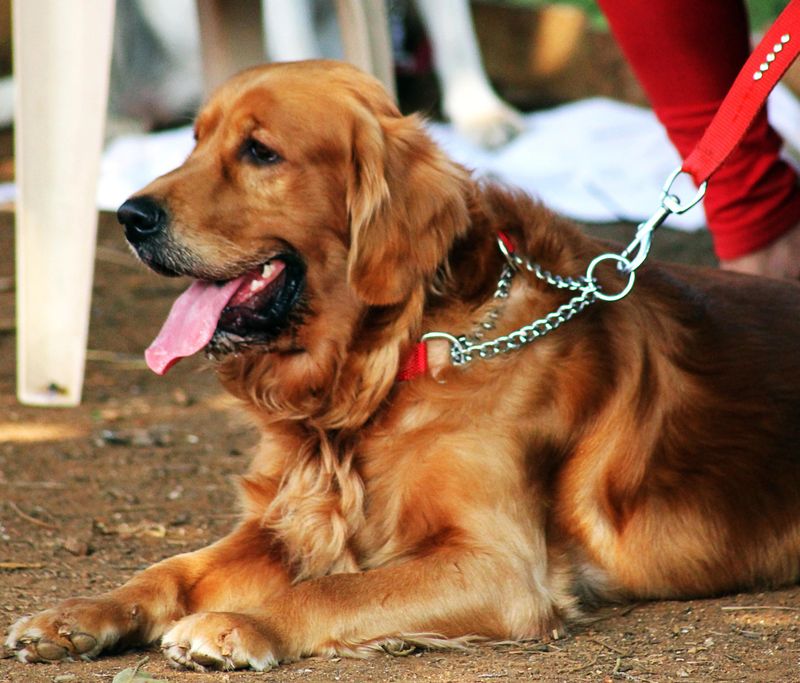
Goldens win hearts in seconds. Their hallmark soft expression and feathered tails say You are safe here to almost everyone.
They tend to greet newcomers with calm curiosity, then ease into affectionate nudges.
Bred as cooperative gundogs, Goldens read human cues and aim to please. That mix makes them superb therapy dogs, especially in hospitals or schools where meeting strangers is constant.
They usually accept pats from kids politely when trained well.
Still, structure keeps their sunshine balanced. Teach sit for greetings and give outlets for energy through retrieves or scent games.
With routine and consistent reinforcement, your Golden becomes a gracious host who treats each visitor like a dear friend while remaining gentle and under control.
Boxer
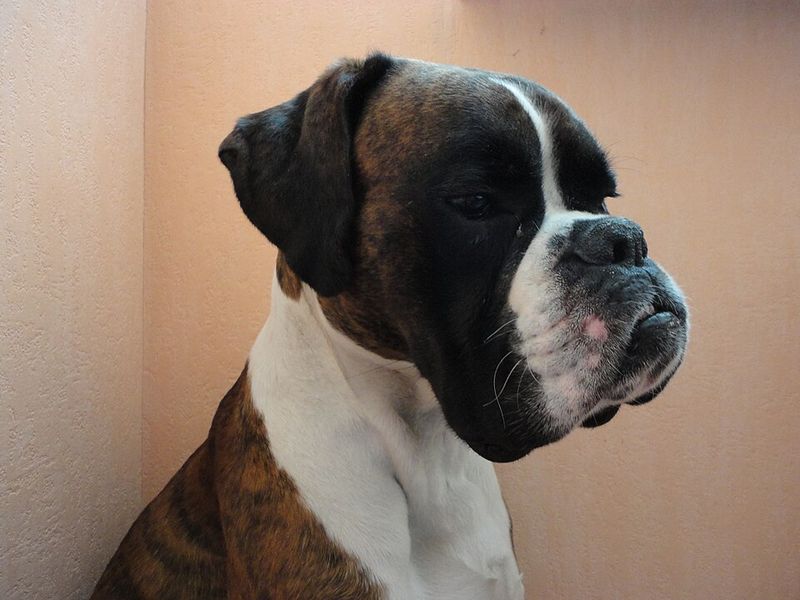
Boxers are clownish socialites that usually love meeting new people. Expect kidney bean wiggles and bright, curious eyes when guests arrive.
Their playful bravado can be charming, sometimes a bit overwhelming without guidance.
Historically guardians, Boxers keep a watchful streak, yet most are quick to switch from alert to goofy when you welcome someone. Early exposure to varied people helps them interpret social settings accurately.
Reward calm sits before petting to build manners.
Exercise is the secret sauce. A well worked Boxer greets politely rather than springing like a pogo stick.
Provide mental games and structured play to take the edge off. With consistent boundaries, your Boxer becomes a reliable, affectionate greeter who makes strangers feel like teammates.
Irish Setter
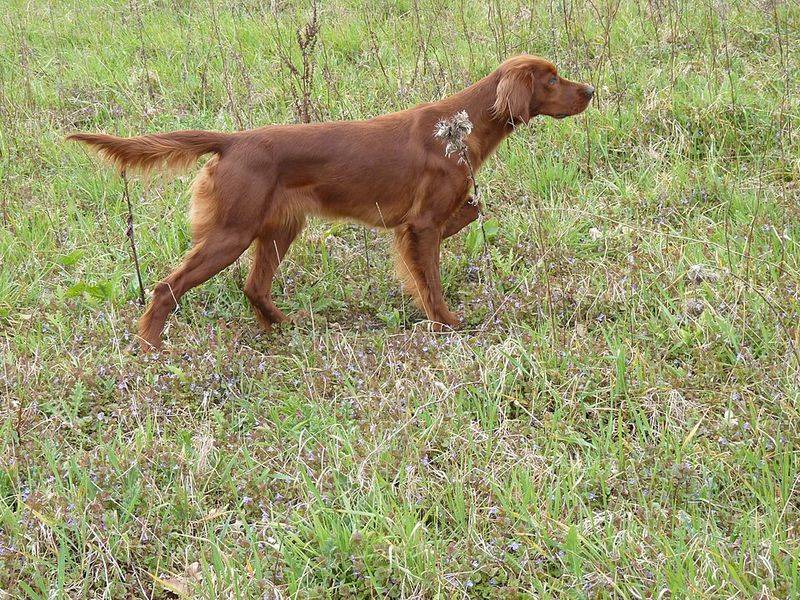
Irish Setters are exuberant charmers. Their glossy red coats and prancing steps draw attention, and they usually soak it up.
Most welcome new faces with open enthusiasm, especially when exercise and adventure are part of the day.
Bred to range and work with hunters, they are tuned to human partnership. That translates to friendly curiosity toward strangers in parks, cafes, and neighborhoods.
Social walks and positive greetings maintain their happy outlook.
Because they run hot on energy, impulse control training matters. Practice stays and polite sits before attention.
Give them enough running room and scent work to satisfy their brain. Balanced like this, your Setter becomes the sparkling extrovert who makes outings feel lively and warm.
Beagle
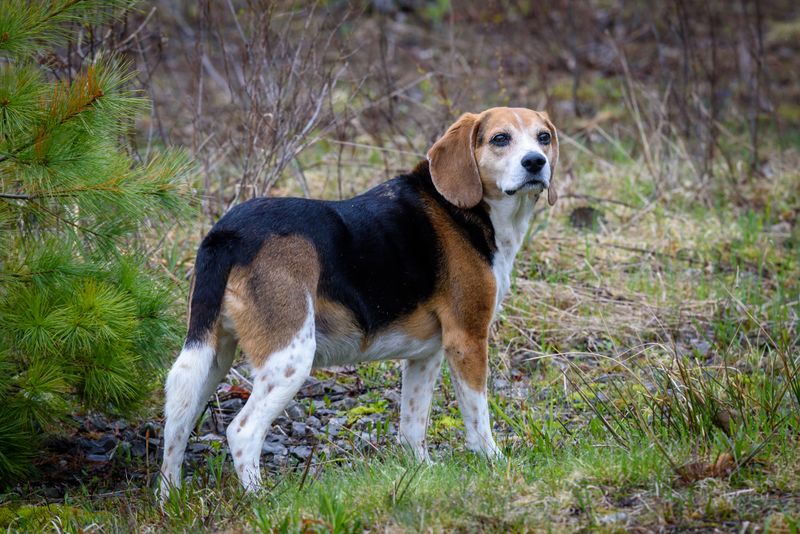
Beagles greet the world nose first, and new people are simply new scent stories. Many are cheerful with strangers, especially if snacks are involved.
Their musical voices may announce arrivals, then soften into friendly snuffles.
Because Beagles were bred for pack work, they tend to enjoy social scenes. Dog parks, sidewalks, and kids playgrounds often bring out their curious charm.
Good handling teaches them not to jump or pull toward every potential treat dispenser.
Motivation is easy. Use food rewards for calm sits and stays during introductions.
Enrichment like sniffy walks and puzzle feeders keeps them focused. Guided this way, your Beagle becomes a welcoming buddy who brightens meetups without turning introductions into a snack heist.
Bichon Frise
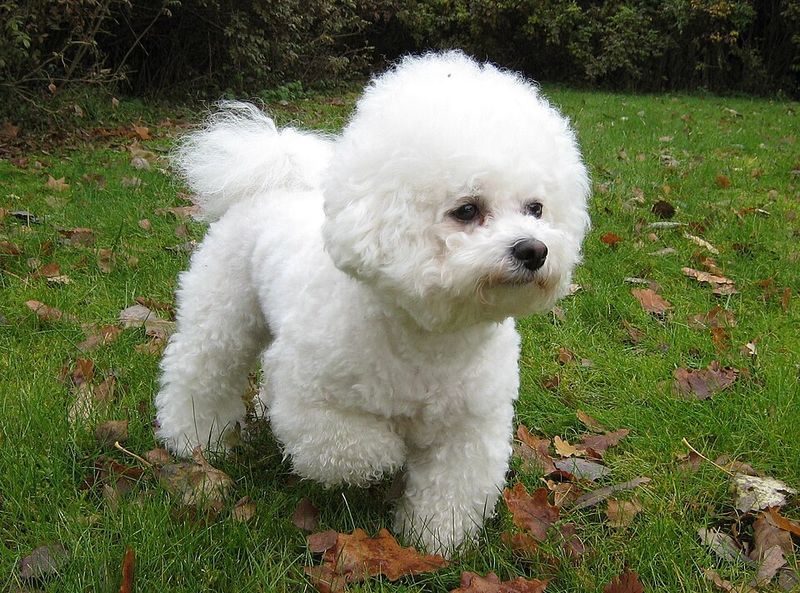
The Bichon Frise often treats guests like VIPs. Their bright, twinkly eyes and buoyant gait radiate cheer, and many adore gentle attention from strangers.
Think lap ready charm with a comedian streak.
Originally companions and performers, Bichons thrive on social engagement. Frequent positive encounters help them remain confident in busy spaces like cafes or grooming salons.
Keep introductions low key if they are tiny and excitable.
Training for polite sits prevents jumpy greetings. Regular coat care also matters, since comfortable grooming improves mood around new hands.
Pair calm handling with tiny treats to reinforce poise. Meet their exercise and play needs, and your Bichon becomes that delightful host who sprinkles lightness across every visit.
Cocker Spaniel
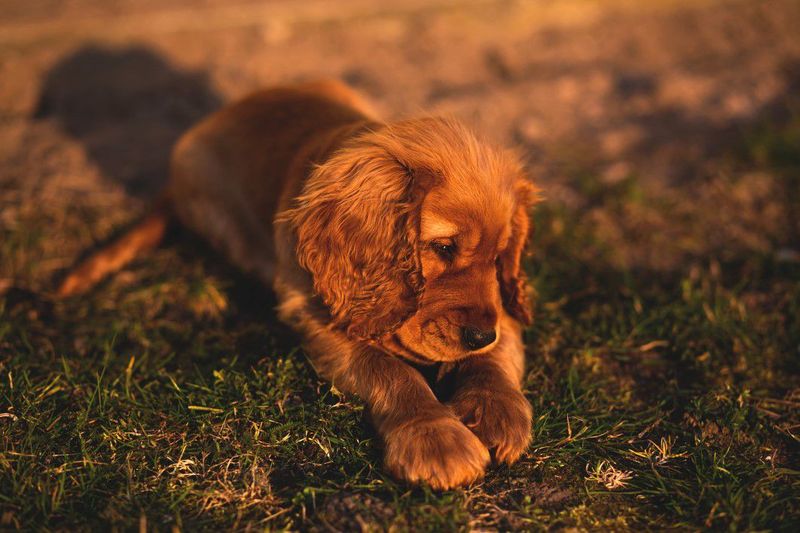
Cocker Spaniels often greet strangers with softness and eagerness. Those soulful eyes and silky ears invite pats, and many settle quickly into polite affection.
Expect a gentle wag and close sit once they feel safe.
As former bird dogs, Cockers bond closely with people and read moods well. Socialization helps distinguish between friendly visitors and moments to stay calm.
Consistent handling prevents overexcitement or timid reactions.
Grooming comfort is key. Positive brushing sessions teach acceptance of new hands.
Combine that with reward based training for sits at the door, and you shape sweet, steady greetings. With needs met, your Cocker becomes the courteous friend who offers warmth without crowding, a balanced greeter for family heavy households.
Samoyed
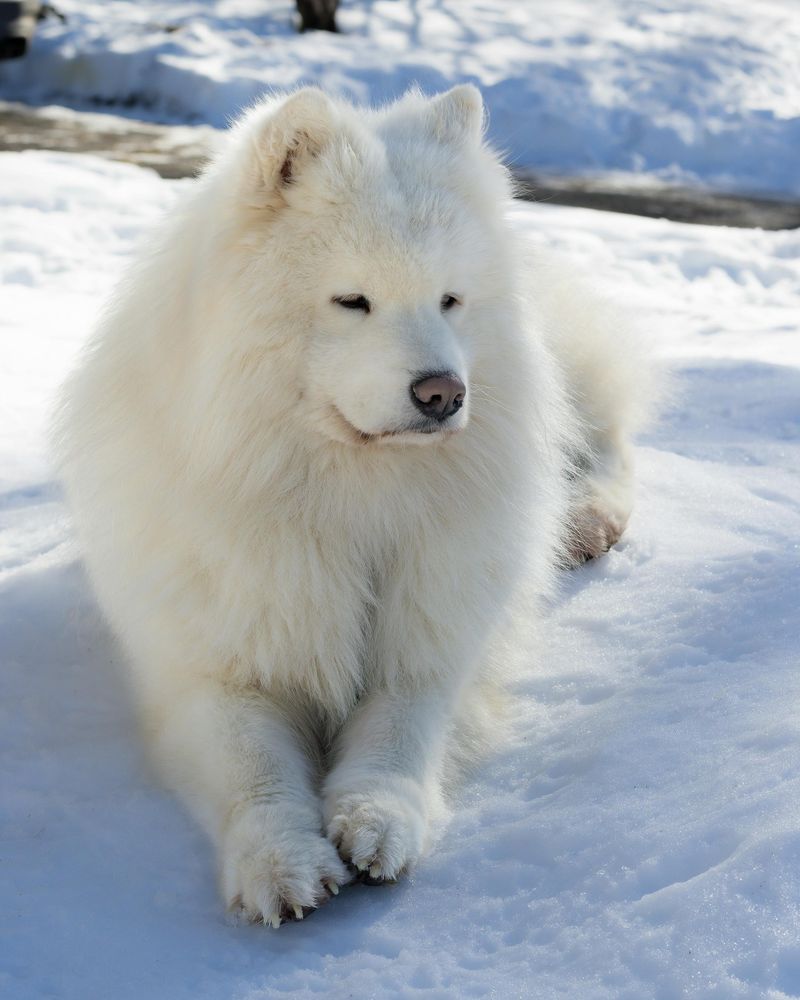
Samoyeds wear a permanent smile and frequently treat strangers like future friends. Their cloud like coats and bright demeanor draw people in, and most Sammies welcome the attention.
Expect cheerful approaches, especially outdoors.
Bred as versatile Arctic helpers, they enjoy teamwork and social participation. That history supports an open, community oriented vibe today.
Early exposure to diverse people lets them stay confident in crowds and travel settings.
They are energetic and vocal, so channel excitement. Teach quiet cues and sit before greeting, reinforcing with treats and praise.
Provide ample exercise to keep exuberance manageable. With structure and daily engagement, your Samoyed becomes the snow white ambassador who spreads good cheer without steamrolling personal space.
Havanese
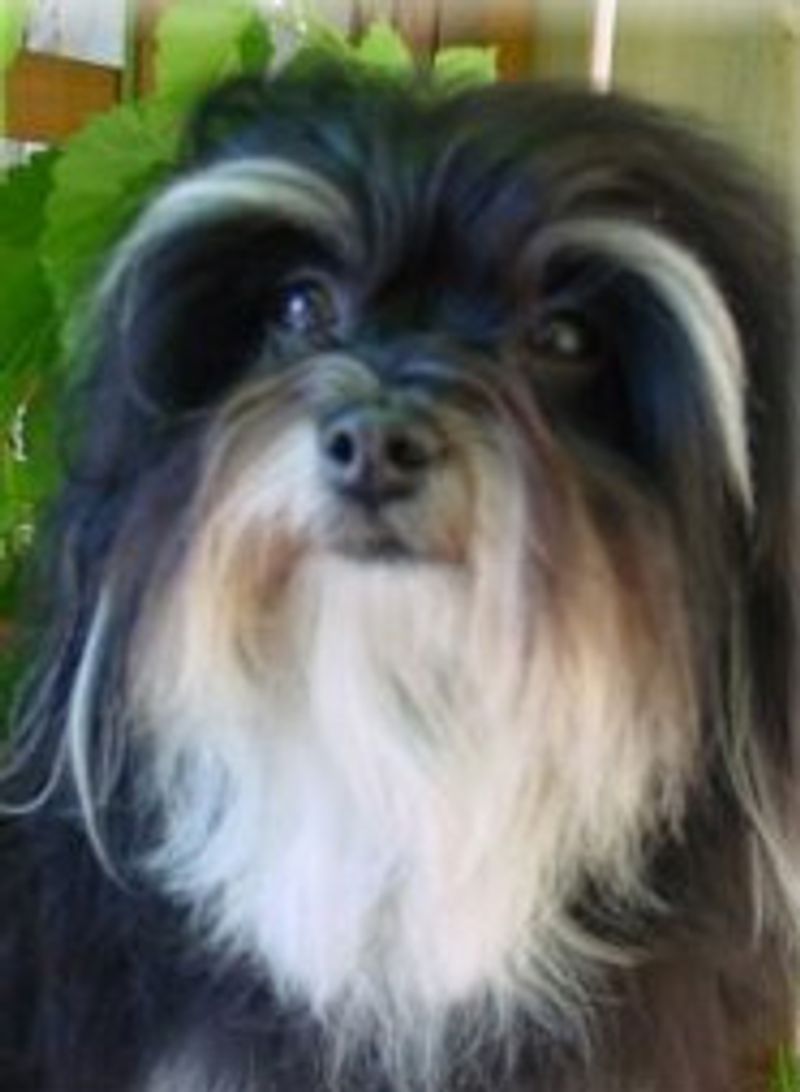
Havanese are social butterflies that often adore meeting new people. Small yet sturdy, they trot up with a bright expression and soft tail swishes.
Many happily soak up gentle attention on walks and patio hangs.
Bred as companion dogs in bustling city life, they handle urban greetings gracefully. Regular, positive exposures to different ages and outfits maintain that easy charm.
Keep experiences short and sweet if your pup is still building confidence.
Training for calm sits keeps greetings tidy. Because they are smart and sensitive, reward tiny wins generously.
Mix in play, tricks, and rest to avoid overstimulation. Guided kindly, your Havanese becomes the sunny greeter who makes neighbors smile and strangers feel like friends.
Papillon
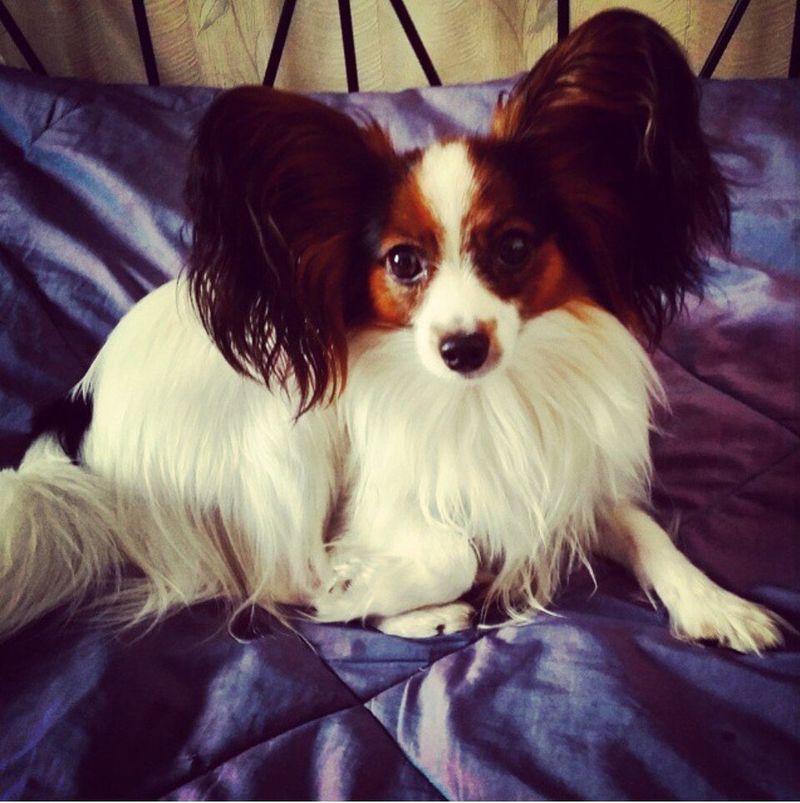
Papillons are tiny extroverts with big, butterfly ears and confident strides. Many enjoy meeting new people, especially when approached calmly at their level.
Expect curious sniffs, light paws, and a quick sit for treats.
As agile toy companions, they thrive on training games and human attention. Early, gentle handling keeps their enthusiasm balanced rather than yappy.
Social walks and obedience practice help them navigate busy sidewalks with grace.
Because they are small, protect their space from rough greetings. Teach children to offer hands slowly and reward calm behavior.
When supported like this, your Papillon becomes a poised charmer who sprinkles sparkle on everyday errands while maintaining polite boundaries around strangers.
Akita
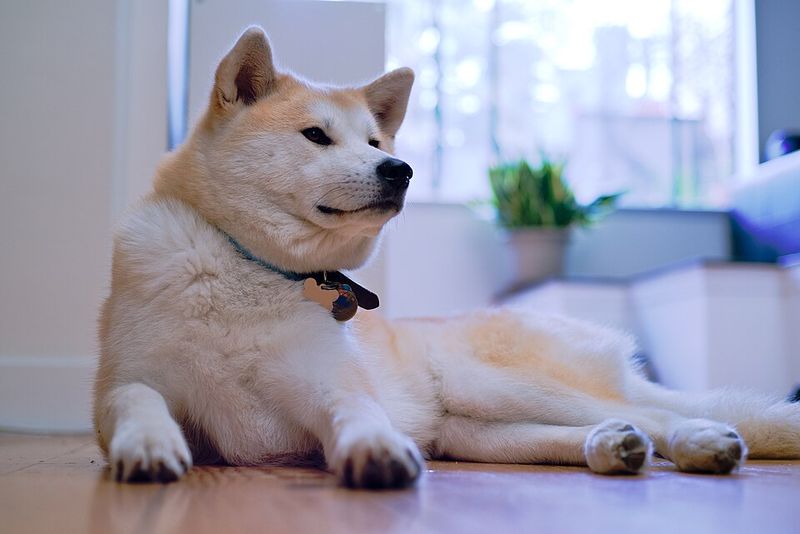
Akitas are loyal and discerning, typically reserved with strangers. They are not aggressive by default, but they assess quietly and prefer distance until trust forms.
Expect dignified stillness rather than overt friendliness.
Bred as guardians and hunters, Akitas value clarity and consistency. Early, careful socialization expands their comfort zone without forcing interaction.
Neutral exposure and obedience foundations help them navigate public life politely.
Respect their boundaries. Avoid unsolicited petting and teach visitors to let the dog initiate.
With leadership, structure, and fair expectations, your Akita becomes a steady companion who coexists peacefully with strangers while saving true affection for family. Think respectful acquaintance rather than social butterfly.
Chow Chow
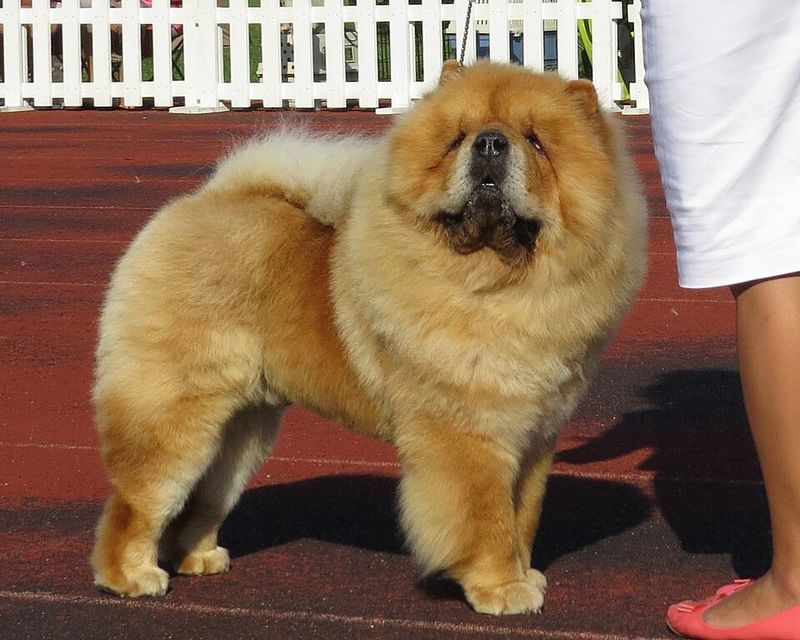
Chow Chows often keep strangers at arm’s length, favoring their inner circle. Aloofness is typical, not rudeness.
They prefer quiet observation and dislike pushy introductions.
Historically multipurpose dogs, Chows blend independence with territorial awareness. Early socialization and handling around grooming help them accept necessary contact.
Still, most will not gush over visitors and that is okay.
Advocate for their comfort. Ask people to admire from a distance and let the Chow approach if curious.
Reinforce calm behavior and provide structured routines. With respect and boundaries, your Chow becomes a composed, reliable presence who navigates public spaces politely without seeking attention from every passerby.
Shiba Inu
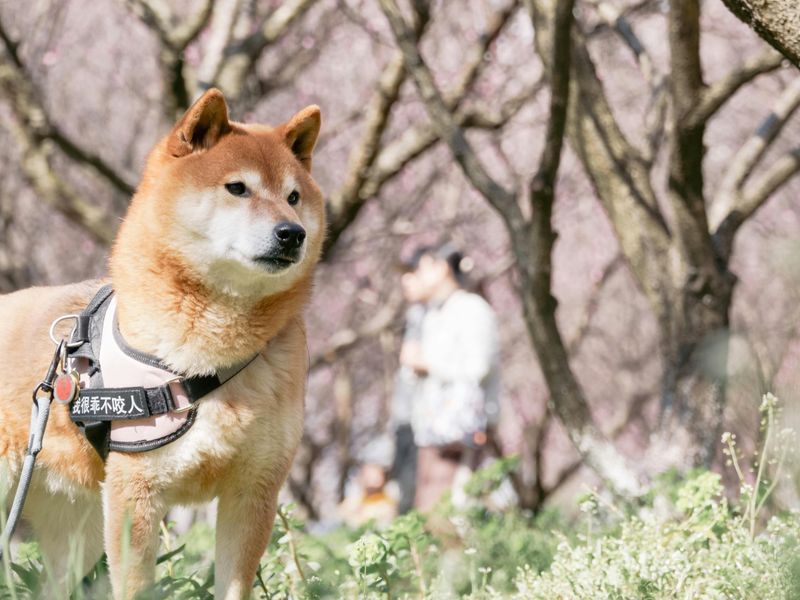
Shiba Inus are famously independent and often indifferent to strangers. They do not typically crave attention outside the family.
Expect polite distance, quick assessments, and a preference to move on.
Bred as agile hunters, Shibas prize autonomy and clear boundaries. Overhandling can backfire, so socialization should focus on neutrality rather than forced friendliness.
Reward calm coexistence in crowds and teach a strong recall.
Respect their choices. Ask people to avoid looming over or scooping them up.
With patient training and predictable routines, your Shiba will share space comfortably, offering occasional sniffs without committing to cuddles. Think courteous roommate with a sense of humor, not a meet and greet host.
Basenji
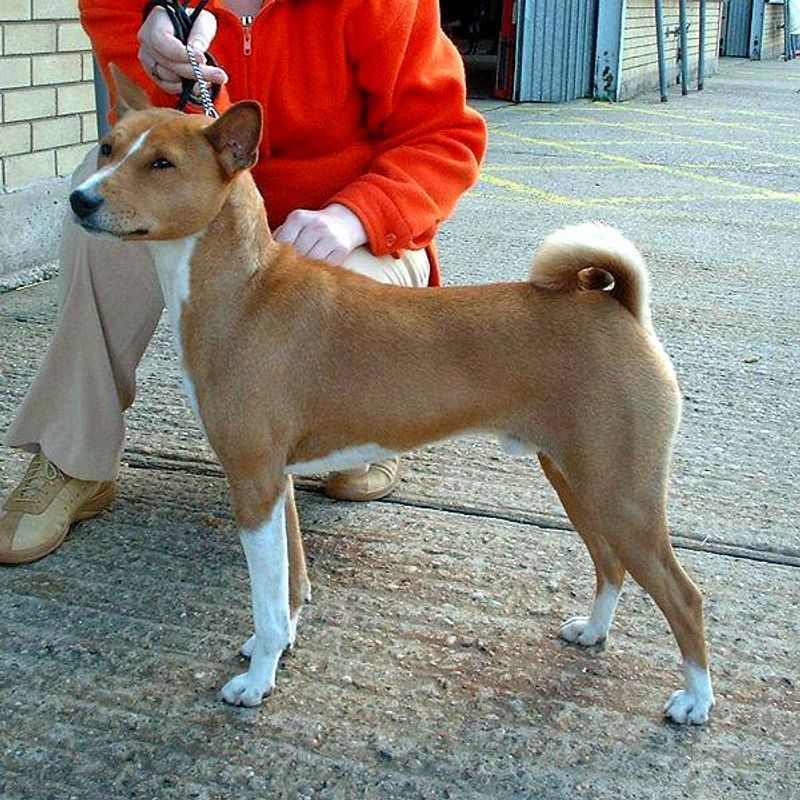
Basenjis are catlike and selective with strangers. Many prefer to watch quietly rather than engage.
They bond deeply with their people but conserve social energy for outsiders.
As ancient hunting dogs, they are tuned to subtle cues and environment changes. Socialization should emphasize steady exposure and choice, not pressure.
Neutral greetings with treats placed on the ground work better than direct petting.
Channel their curiosity through nose work and puzzle games before visitors arrive. That mental outlet reduces tension.
When respected, your Basenji will coexist gracefully, maybe offering a cautious sniff or two. They may not host the party, but they will keep calm and carry on without drama.
Caucasian Shepherd Dog
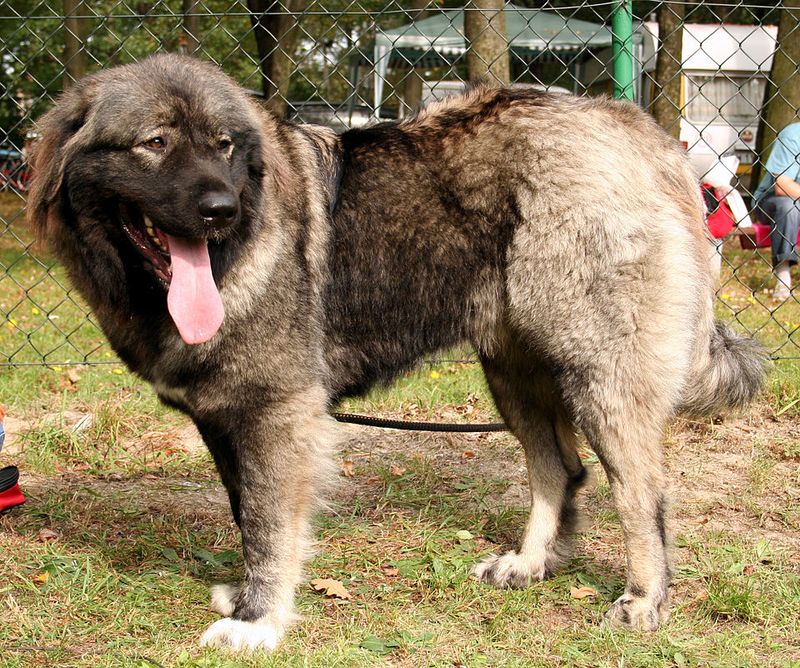
Caucasian Shepherds are serious guardians who seldom welcome strangers. Their instinct is to assess potential threats first and ask questions later.
Expect watchfulness, deep bark warnings, and strong boundaries.
Bred to protect flocks against predators, they are loyal and protective with family. Socialization is essential yet must be careful and ongoing.
Clear leadership, secure containment, and professional guidance are non negotiable with this powerhouse.
Visitors should follow your rules strictly. No sudden approaches, no casual petting, and no testing of limits.
With firm structure and purposeful work, your Caucasian Shepherd becomes a dependable protector who coexists with strangers only when you say it is safe. Affection remains a private, family only privilege.
Shar Pei
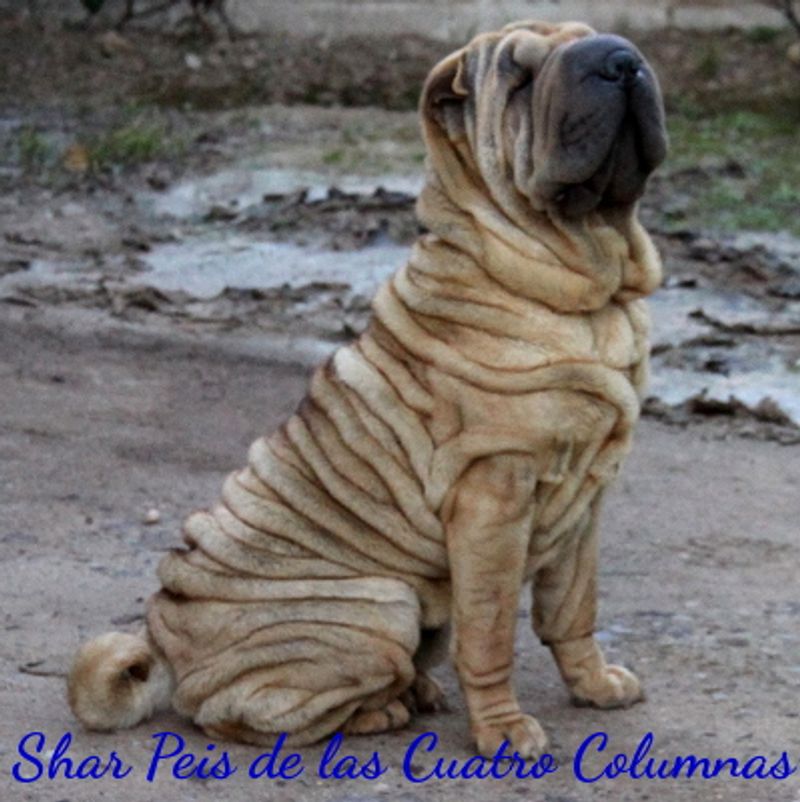
Shar Pei dogs tend to be reserved, even skeptical, with strangers. Their thoughtful gaze and dignified posture say let us keep it formal.
Many prefer a slow introduction and will not solicit petting.
Originally farm and guardian dogs, they value boundaries and clarity. Early socialization and handling reduce suspicion without diluting their calm confidence.
Focus on neutrality, leash manners, and impulse control.
Advocate and educate visitors to ignore until invited. Reinforce relaxed body language with treats placed nearby, not from hands.
When honored, your Shar Pei becomes an even tempered companion who navigates public spaces politely while saving real affection for the inner circle.
Thai Ridgeback
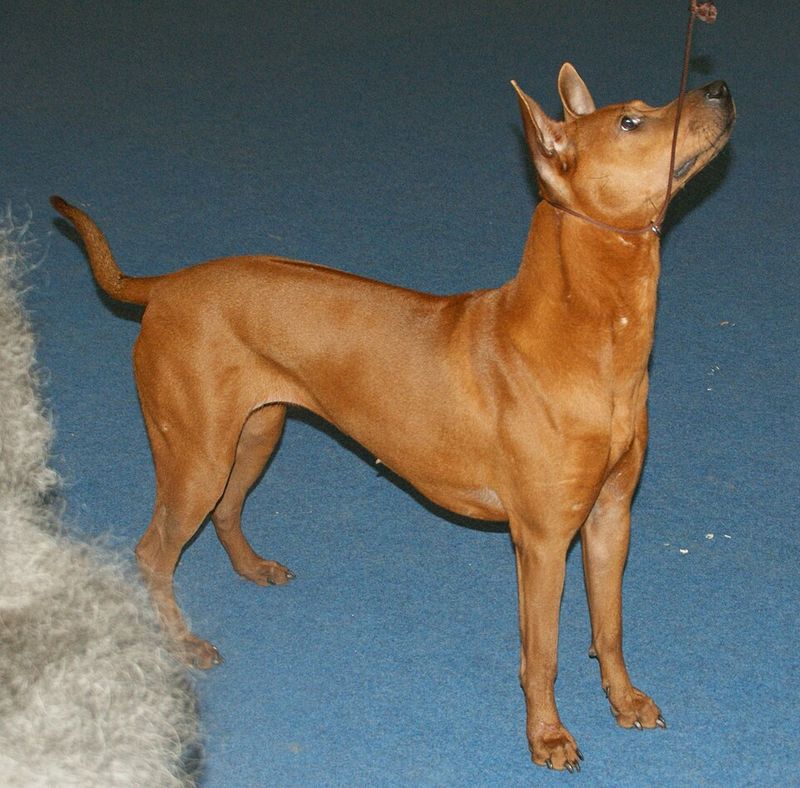
Thai Ridgebacks are independent and typically wary of strangers. They bond strongly to their person and appreciate predictable routines.
Expect a measured gaze rather than a wagging rush to greet.
As primitive type dogs, they prize self preservation and clear signals. Socialization should build confidence through controlled exposure and choice.
Reward calm observation and gradual approaches instead of forced interactions.
They need consistent leadership, exercise, and mental work. Teach a solid settle on mat for visitor times.
When guided thoughtfully, your Thai Ridgeback will coexist near strangers without fuss, but heartfelt affection remains a family only benefit. Think respectful distance over friendly fanfare.
Anatolian Shepherd
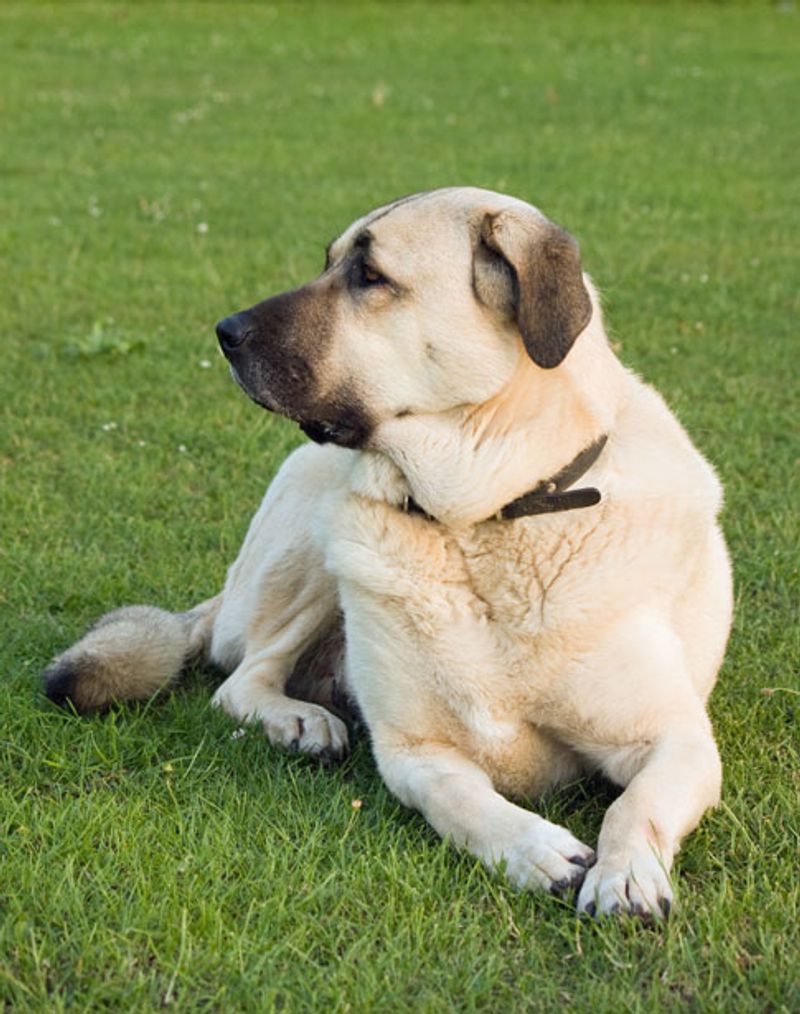
Anatolian Shepherds are devoted livestock guardians who rarely embrace strangers. Their default setting is watchful neutrality, escalating only if boundaries are crossed.
Expect calm scrutiny and measured responses rather than cuddly welcomes.
They were bred to make independent decisions in vast fields, so they need confident leadership and clear routines. Early, ongoing socialization teaches them how to move through modern life while retaining good judgment.
Obedience and place training are essential.
Manage greetings carefully. Visitors should ignore until you release.
With consistent structure and purpose, your Anatolian becomes a reliable protector who coexists around strangers when you say it is appropriate, keeping true affection for trusted family members.