
Some dogs seem to have a sixth sense for your moods, showing up right when you need a warm nuzzle most. When stress rises, these affectionate breeds often become extra cuddly, shadowing you from room to room.
If you have ever felt a soft head press into your palm during a rough day, you know how comforting that can be. Let’s explore the pups who instinctively lean in when life gets overwhelming.
Golden Retriever
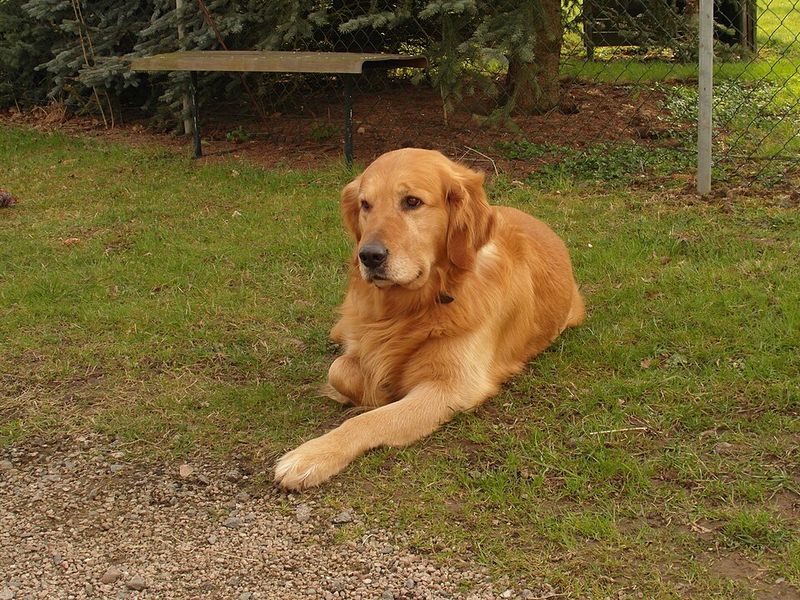
Golden Retrievers are famous for their intuitive, people-pleasing nature. When you feel stressed, they tend to station themselves nearby, leaning against your legs or resting a head on your knee.
That gentle pressure feels like a grounding hug, reminding you to breathe.
Goldens read micro-cues beautifully and adjust their energy to yours. If you are anxious, they often go calm and still, matching your pace and sticking close.
Their love of routine also helps stabilize tense moments, offering predictable, soothing companionship.
Daily mental activity and exercise keep them balanced, so your stress does not amplify theirs. Teach a settle cue for quiet cuddles.
With a Golden, support shows up as warm fur, soft eyes, and steady presence.
Labrador Retriever
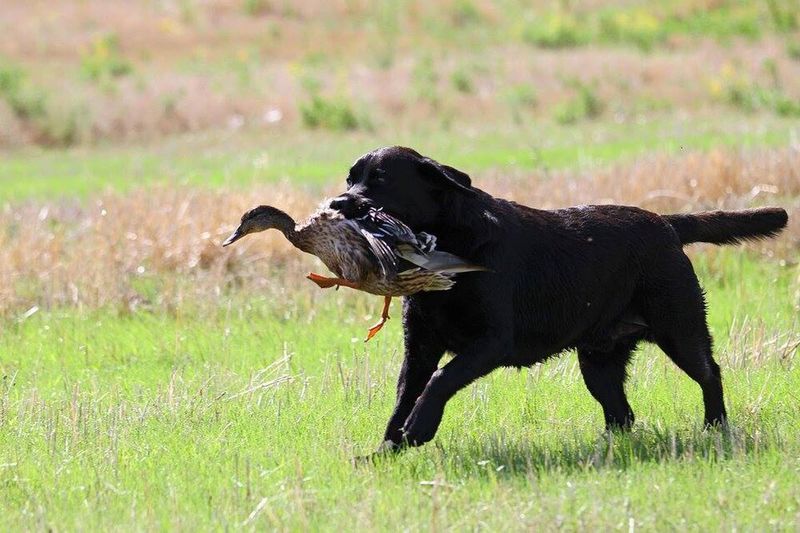
Labrador Retrievers thrive on connection and pick up on tension quickly. When stress hits, a Lab may follow you from room to room, nudging your hand for reassurance.
That gentle persistence is their way of saying, I am here, you are not alone.
Labs often mirror your emotional state, dialing back their playfulness to offer calmer companionship. They like physical contact, so expect sprawling across your feet or a chin on your lap.
The weight and warmth provide instant comfort.
Structured fetch sessions and puzzle feeders help drain their big energy, preventing anxious escalation. Use deep, steady voice tones and slow petting to reinforce relaxation.
With a Lab, affection arrives in wagging tails, soft eyes, and steadfast loyalty.
Border Collie
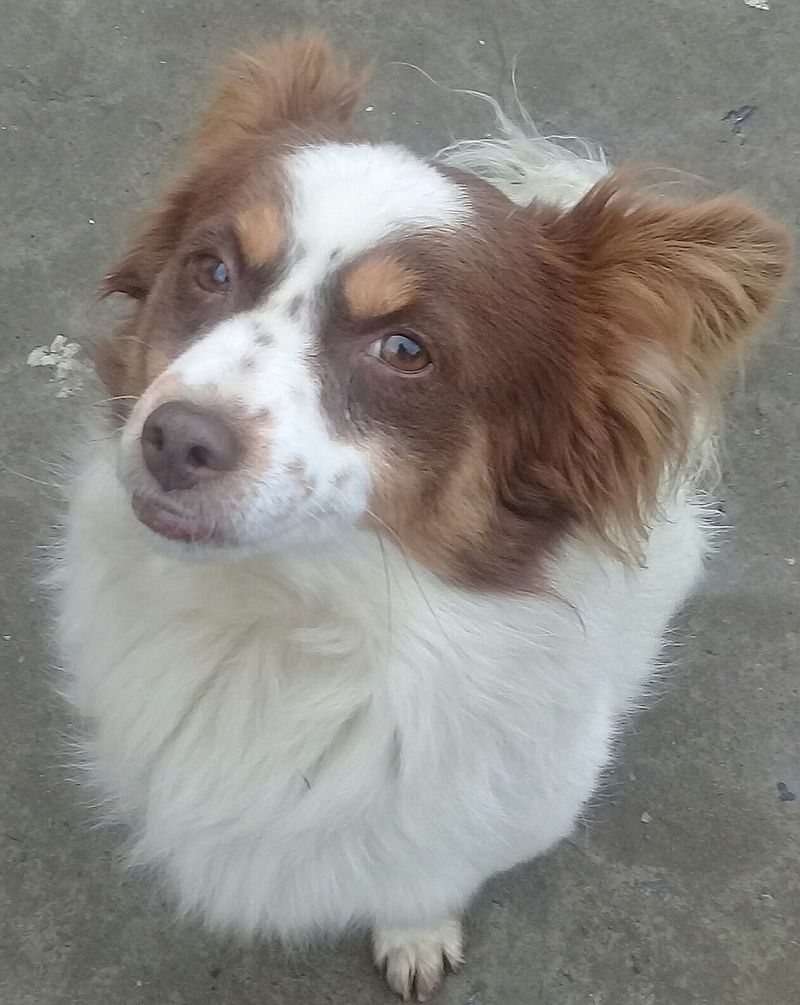
Border Collies are hyper-aware, scanning your body language and tone for tiny changes. Under stress, their herding instincts may kick in, and they keep you within sight at all times.
Expect a shadow at your heel, ready to intervene with a nudge or stare.
Because they are sensitive, your anxiety can become theirs without proper outlets. Mental work like scent games or trick training channels that awareness positively.
After a brain workout, they relax and often settle intimately close.
Teach a mat cue and reward calm, sustained contact. Soft, consistent routines help them feel secure and less reactive to your mood waves.
With a Border Collie, support feels focused, attentive, and incredibly tuned to your every move.
Vizsla
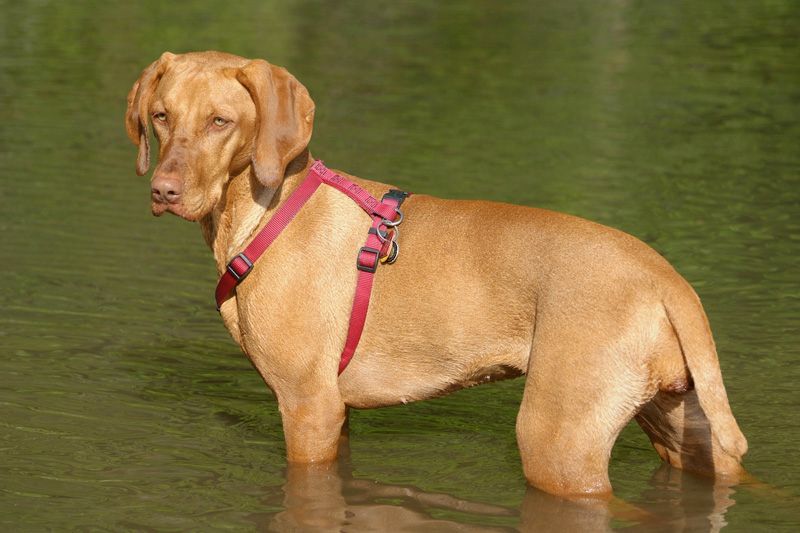
Vizslas are famously called velcro dogs for a reason. When stress builds, they practically glue themselves to you, sharing warmth and steady eye contact.
Their silky bodies mold into your side, offering companionship that feels like a living blanket.
Highly sensitive, Vizslas respond to tone and routine shifts, often becoming clingier to stabilize the bond. A quick run or field game soothes their minds, letting them snuggle deeper afterward.
They flourish with gentle guidance and consistent schedules.
Teach place to encourage calm cuddles on a bed or blanket beside you. Reinforce quiet, prolonged relaxation with slow strokes.
With a Vizsla, the message is simple and constant: I am close, you are safe, we breathe together.
Weimaraner
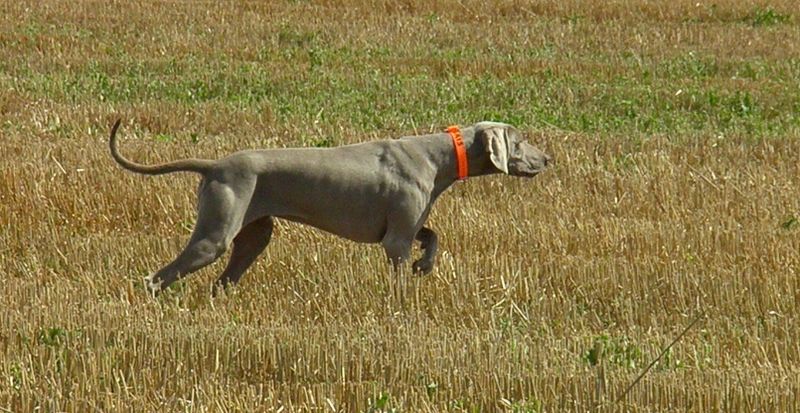
Weimaraners bond intensely and notice emotional turbulence fast. When stress rises, they shadow you everywhere, sometimes pawing gently to initiate contact.
That closeness calms their big feelings and offers you a tangible anchor.
They are athletic and bright, so without exercise and engagement, anxiety can amplify. A brisk hike or scent work session helps them settle into therapeutic cuddles after.
Consistency, soft voices, and predictable rhythms reduce clingy restlessness.
Teach a relax on mat behavior for nearby, soothing presence. Reward stillness and eye softening with quiet praise.
With a Weimaraner, loyalty arrives with silver grace, a warm lean against your legs, and a promise to stay by your side.
Cavalier King Charles Spaniel
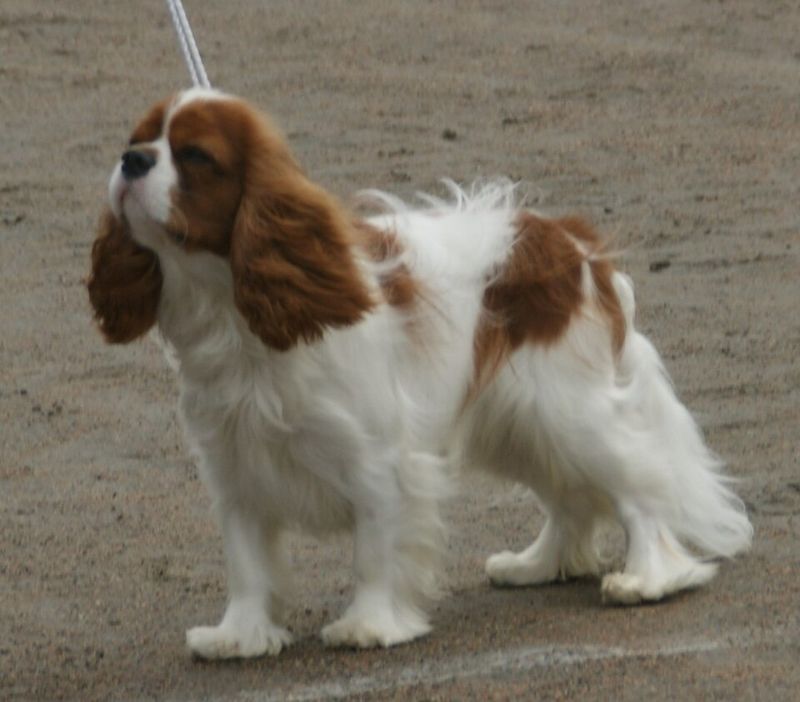
Cavaliers were bred for companionship, so they naturally lean in when you feel off. Under stress, expect gentle cuddles, constant shadowing, and comforting eye contact.
Their silky ears brushing your hand can feel like therapy.
They are sensitive to tension and respond best to quiet routines and soft reassurance. Short play bursts and sniffy walks help them decompress, then they tuck in close.
Their size makes lap time easy and incredibly soothing.
Teach a cuddle cue to invite closeness without demanding it. Reward calm, slow breathing together.
With a Cavalier, care looks like tiny paws on your knee, a soft sigh on your chest, and unwavering, tender presence through hard days.
Italian Greyhound
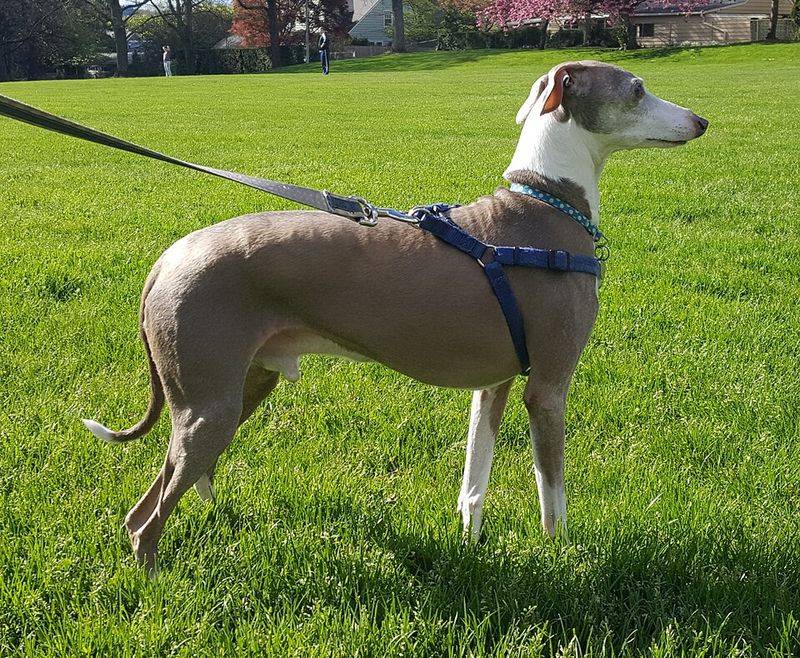
Italian Greyhounds are delicate, affectionate souls that read your mood instantly. When stress spikes, they burrow under blankets and press into you with gentle warmth.
Their fine-boned stillness invites you to slow down and exhale.
Because they can be sensitive to changes, calm environments and consistent routines matter. A brief zoom of play followed by a cozy nest suits them perfectly.
They are champions of quiet companionship and will follow you like a shadow.
Teach a nest cue with a soft bed by your side to encourage grounded cuddles. Reward soft eye blinks and relaxed posture.
With an Iggy, comfort arrives as whisper-light touch, shared warmth, and peaceful, steady closeness.
Havanese
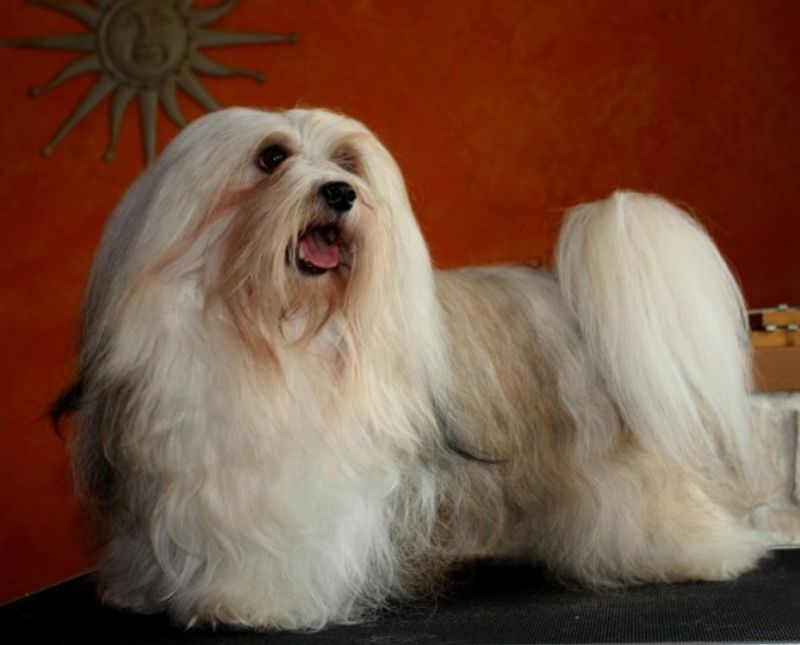
Havanese thrive on proximity and social connection. When you are stressed, they hover nearby, offering soft paws and earnest eyes.
Their cheerful nature gently lifts the mood while their closeness grounds your nervous system.
Though playful, they readily switch to calm snuggles, especially after short training games. A few minutes of tricks or nosework lets them settle against you with contented sighs.
They are tuned to your tone and routines.
Teach a lap or side cue so they can comfort without crowding. Reward quiet settling and rhythmic breathing.
With a Havanese, comfort feels light, fluffy, and sincerely affectionate, as if they were born to brighten stormy moments with effortless charm.
Maltese
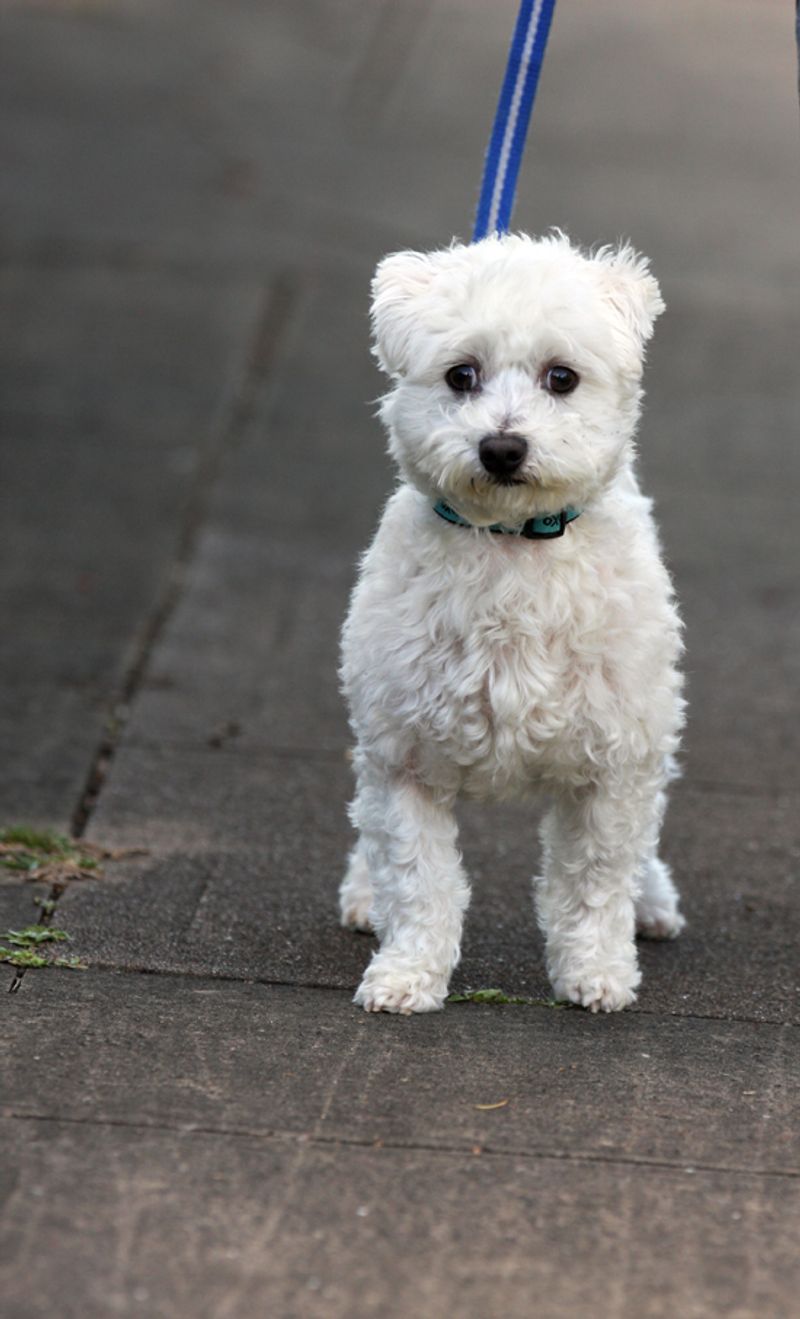
Maltese dogs adore close contact and quickly sense when you are unsettled. During stressful times, they become velcro companions, choosing laps and tight snuggles over distance.
Their calm presence and steady gaze can feel like a soothing balm.
They respond well to quiet routines and gentle praise. After a short play or obedience session, they happily curl up next to you, regulating with your breath.
Consistency keeps them relaxed rather than anxious.
Teach settle on cue and reward soft stillness. Keep grooming gentle, as tactile care becomes bonding.
With a Maltese, comfort is a white cloud at your side, a tiny heartbeat pressed to yours, and a promise to stay close.
English Springer Spaniel
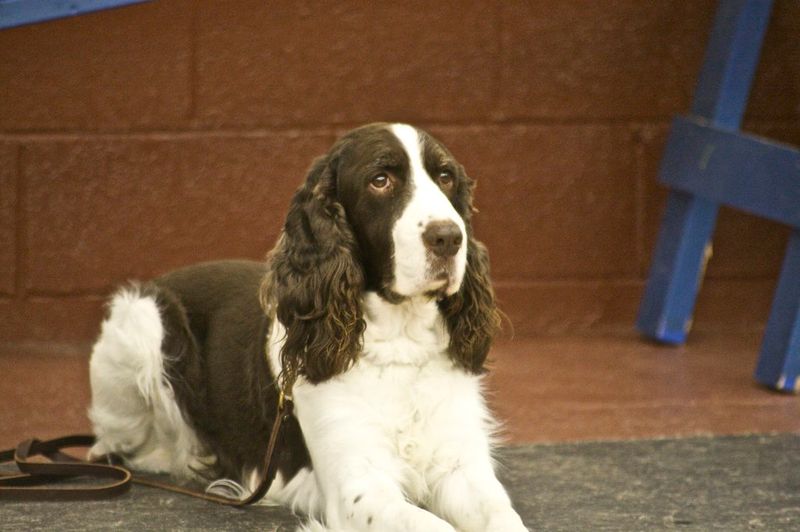
English Springers are affectionate workers who read human emotion well. In stressful moments, they tend to hover close, leaning for reassurance and watching your face.
Their eagerness to please transforms into steady companionship.
Because they are active, daily outlets reduce anxious clinginess. Field games, retrieval, and scent work fatigue the mind, making cuddles deeper and calmer.
Afterward, they settle at your feet or share the couch contentedly.
Teach a place cue for predictable relaxation nearby. Use calm praise and long strokes along their sides to signal safety.
With a Springer, support feels like feathered ears, soft eyes, and a gentle lean that says, I have you, no matter what.
Shetland Sheepdog
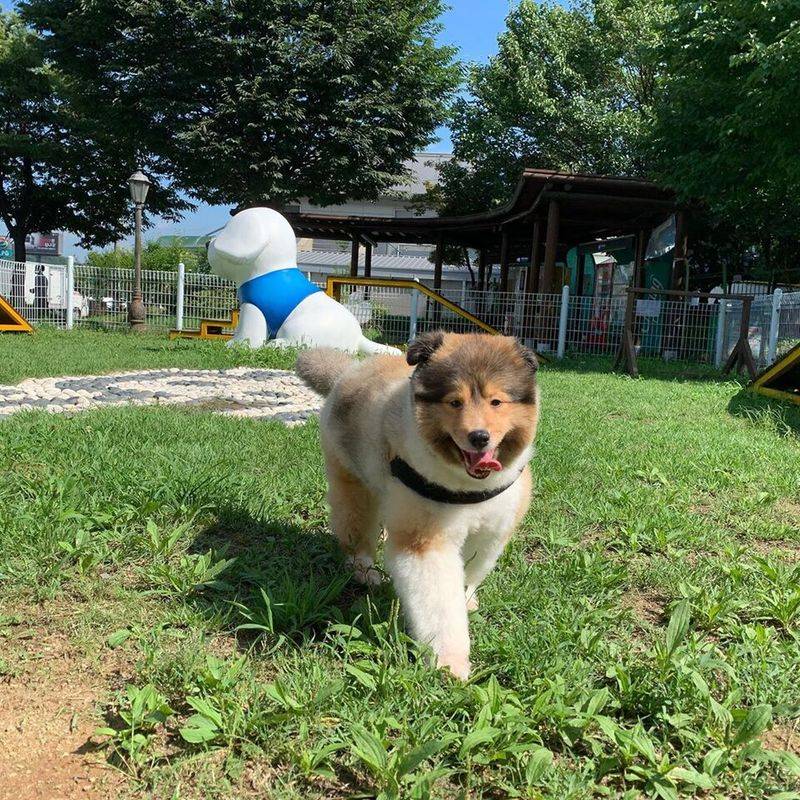
Shetland Sheepdogs are perceptive and devoted, often shadowing you when stress surfaces. Their herding heritage fuels watchfulness, so they keep you within a safe bubble.
Expect soft nudges, comforting eye contact, and quiet following.
They can absorb your tension, so balanced routines and enrichment are crucial. A few rounds of obedience or trick training, then a calm settle, works beautifully.
They love structure and respond to gentle, consistent cues.
Teach a station near your chair to invite closeness without crowding. Reward relaxed postures and slow blinks.
With a Sheltie, care is a silky coat brushing your calf, a careful watch, and a faithful presence that steadies anxious moments gracefully.
Australian Shepherd
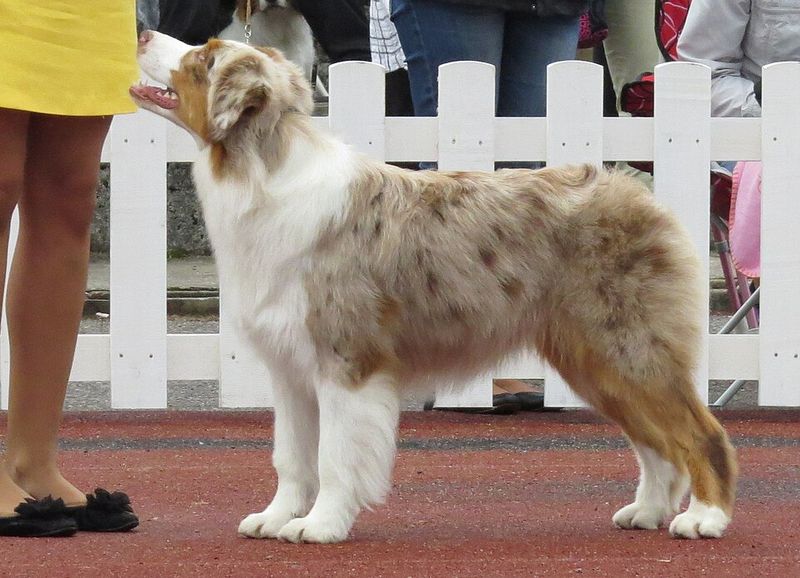
Australian Shepherds are brilliant and bond-driven, tuned to tiny emotional cues. When stress climbs, they close ranks, staying within arm’s reach and checking your face often.
That nearness is their protective love in action.
Because they are high energy, thoughtful exercise and brain games prevent anxious over-involvement. After work, they excel at deep, quiet settles beside you.
Many learn a chin rest to request gentle contact.
Teach place and reinforce long durations of calm with quiet rewards. Keep your voice low and predictable to reduce arousal.
With an Aussie, stability shows up as a steady presence at your side, a soft sigh, and eyes that say, I have your back.
American Staffordshire Terrier
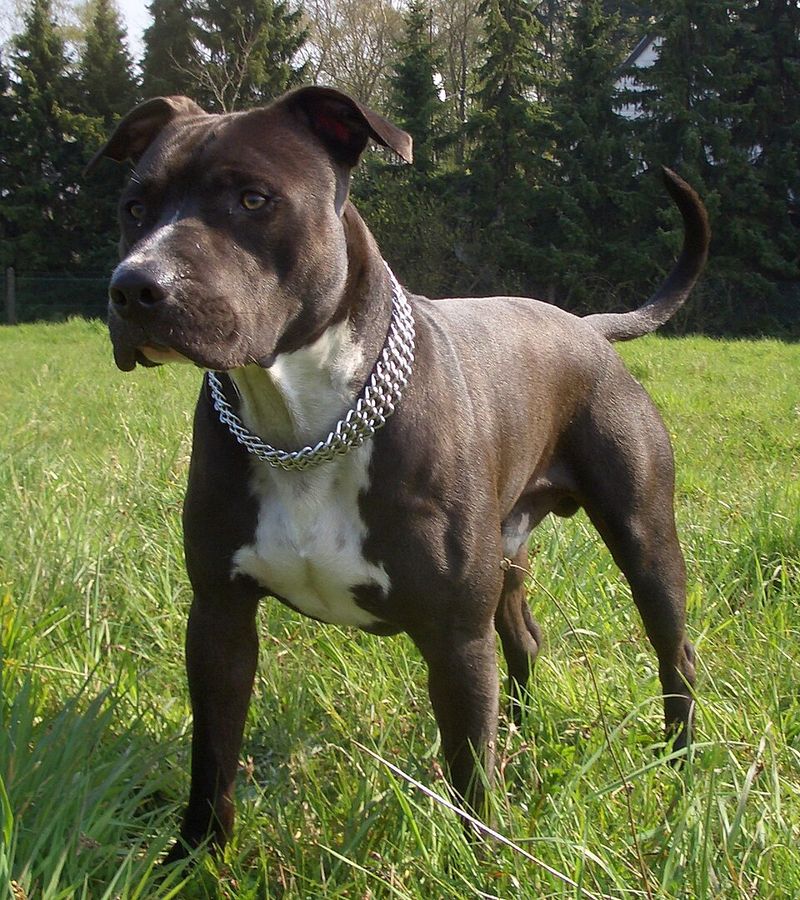
American Staffordshire Terriers are affectionate and people focused. When you are stressed, they become your shadow, offering solid, comforting weight against your legs or lap.
Their loyal gaze and warm presence bring quick reassurance.
These dogs thrive on structure and kind, confident guidance. Short training sessions and sniff walks help them decompress so they can settle calmly beside you.
They read tone well and respond to steady, loving routines.
Teach a relax cue and reinforce gentle stillness. Slow petting along the chest helps soften their posture.
With an AmStaff, comfort arrives as a sturdy cuddle, an earnest face looking up, and steadfast devotion that steadies your toughest days.
Great Dane
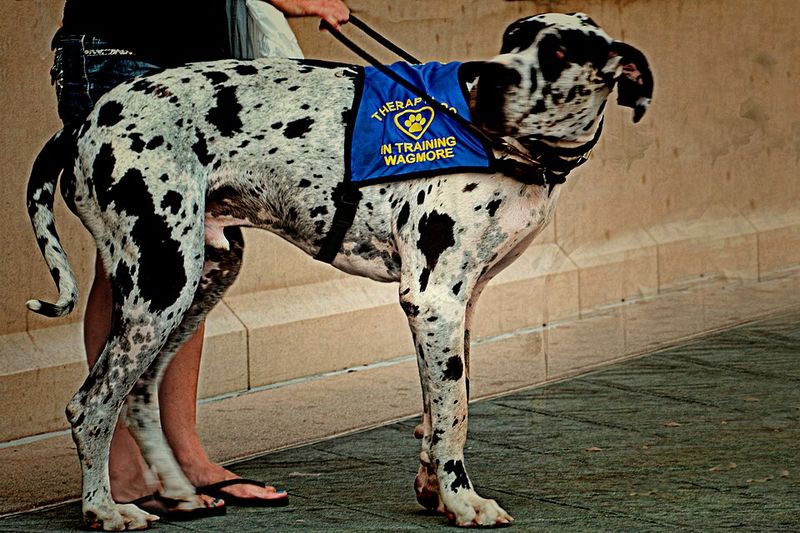
Great Danes are gentle giants that respond tenderly to your emotional shifts. Under stress, they lean with reassuring weight, creating a full-body hug.
Their calm presence slows everything down and makes space to breathe.
Despite size, they are sensitive and appreciate soft cues. Moderate exercise and consistent routines prevent anxious clinginess from becoming restlessness.
After movement, they love sprawling near you like a protective blanket.
Teach place with a roomy bed so closeness stays comfortable. Reward quiet eye softening and relaxed sighs.
With a Great Dane, comfort is massive, warm, and kind, the kind of companionship that turns chaos into calm with one gentle, towering lean.
Bernese Mountain Dog
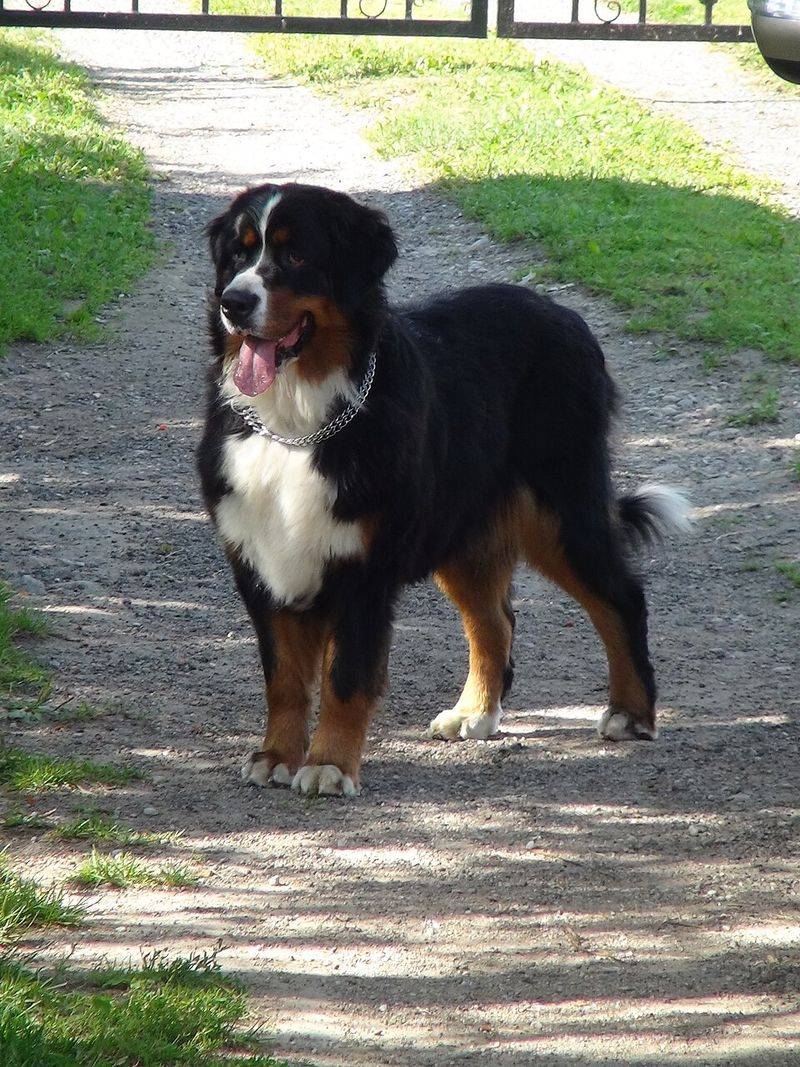
Bernese Mountain Dogs are affectionate guardians who sense stress quickly. They often settle close, offering warmth and steady contact.
Their mellow energy and soulful eyes feel like a safe harbor when life gets intense.
Because they are large and sensitive, balanced exercise and gentle confidence matter. A calm walk and light training prime them for peaceful cuddles.
They adore routine and thrive on predictable, loving attention.
Teach a chin rest and relax on mat to invite soothing closeness. Reward heavy, contented sighs and softened posture.
With a Berner, support is a heavy head on your knee, a deep breath syncing with yours, and quiet loyalty that steadies storms.
Flat-Coated Retriever
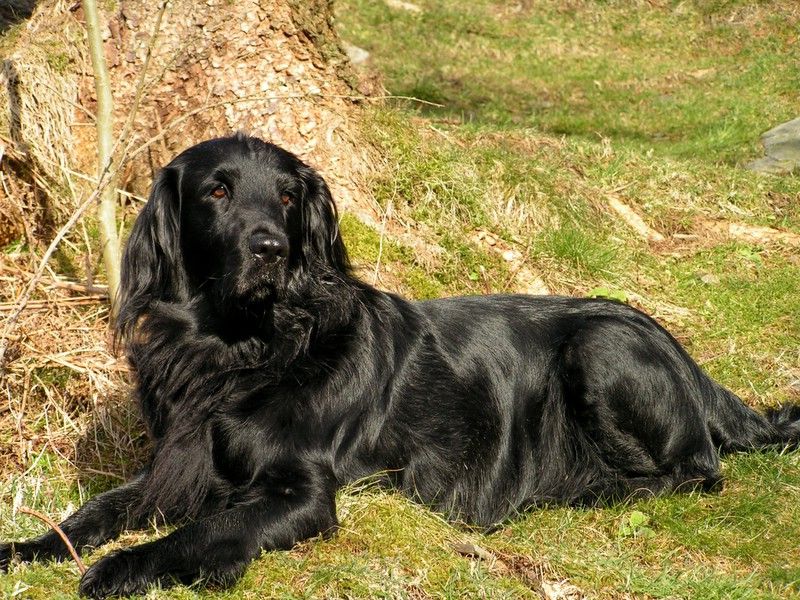
Flat-Coated Retrievers are joyous companions with big hearts. When stress shows, they shift from playful to attentive, tucking themselves close and seeking gentle touch.
Their optimism feels contagious, helping tension melt naturally.
They are energetic, so thoughtful activity keeps emotions balanced. After fetch or scent games, they love quiet settling near you, often draping a paw for contact.
That light pressure reassures both of you.
Teach settle and reward long, calm durations. Use slow breathing and quiet praise to shape tranquil cuddles.
With a Flat-Coat, comfort sparkles through soft eyes, silky fur, and unwavering closeness that says, we are in this together, every single time.
Nova Scotia Duck Tolling Retriever
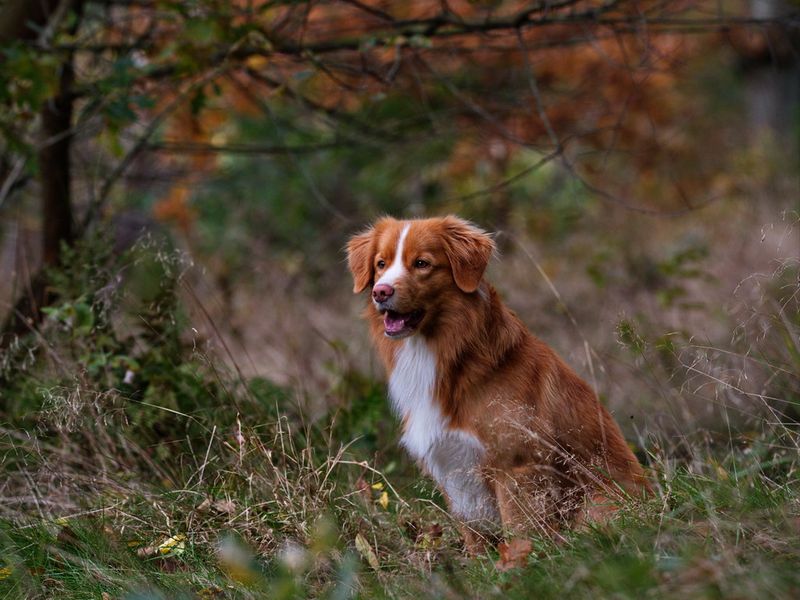
Tollers are sensitive and clever, tuned to your feelings and routines. When stress creeps in, they draw close, watching your face and seeking gentle contact.
Their alert presence becomes a soothing, fiery red shadow.
Because they are energetic, purposeful games and training help them release tension. After engagement, they settle beautifully, often curling at your side.
Consistency and kind guidance keep clinginess comforting rather than restless.
Teach a quiet place near your chair and reward relaxed posture. Slow strokes along their chest encourage deep breathing.
With a Toller, comfort feels like focused attention, a warm curl against your leg, and eyes that mirror your heartbeat.
Papillon
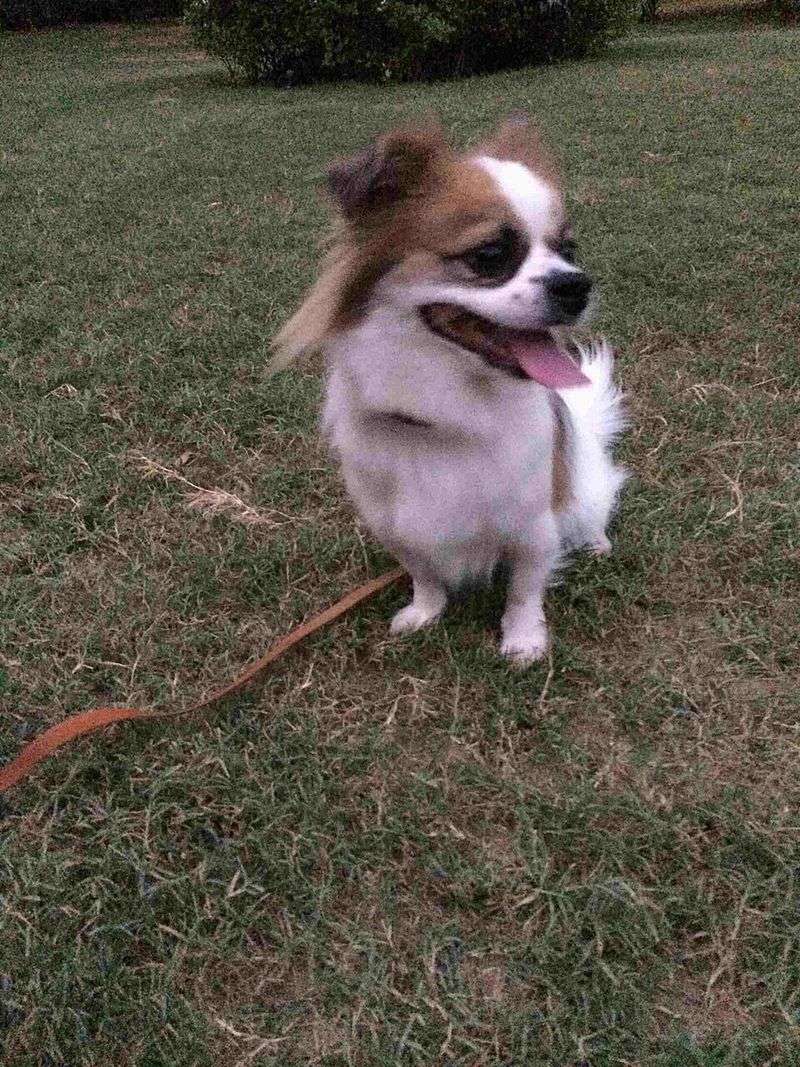
Papillons are bright, affectionate companions who clock your mood instantly. When stress rises, they move closer, perching near your shoulder or curling into your lap.
Their light touch and alert eyes offer comforting presence without heaviness.
They love learning, so quick training bursts help them relax into sweet cuddles after. Consistent routines and calm tones prevent nervous fussing.
They read your face and adjust beautifully.
Teach a perch or settle cue beside you to create reliable closeness. Reward soft stillness and slow breaths.
With a Papillon, comfort is feather-light and attentive, a tiny heartbeat near your own, reassuring you that everything will smooth out soon.