
Some dogs do their best thinking when you give them a little room. If you have been hovering, micromanaging every step, you might be accidentally feeding their jitters.
Step back, breathe, and watch how confidence blooms in small, steady moments. Ready to see which breeds relax most when you loosen the leash a bit?
Eurasier
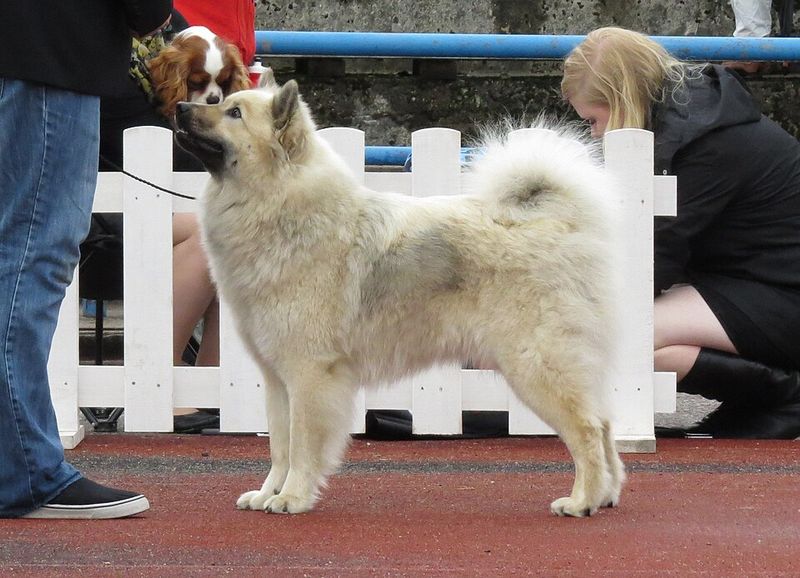
Eurasiers tend to settle beautifully when you stop narrating their every move. Offer a predictable routine, a comfy resting spot, and calm energy, and you will see quieter behavior follow.
Instead of constant petting or eye contact, invite independence with puzzle feeders and short decompression walks.
These dogs read your mood, so steady breathing and unhurried cues help them trust the environment. Step back during greetings and avoid crowding when they rest.
Reward check-ins without demanding them.
Daily enrichment plus brief training sessions strengthens their sense of control. Avoid overstimulation from back-to-back activities.
You will notice softer expressions, slower tail movement, and longer naps once you stop hovering. That measured quiet is their true happy place.
Keeshond
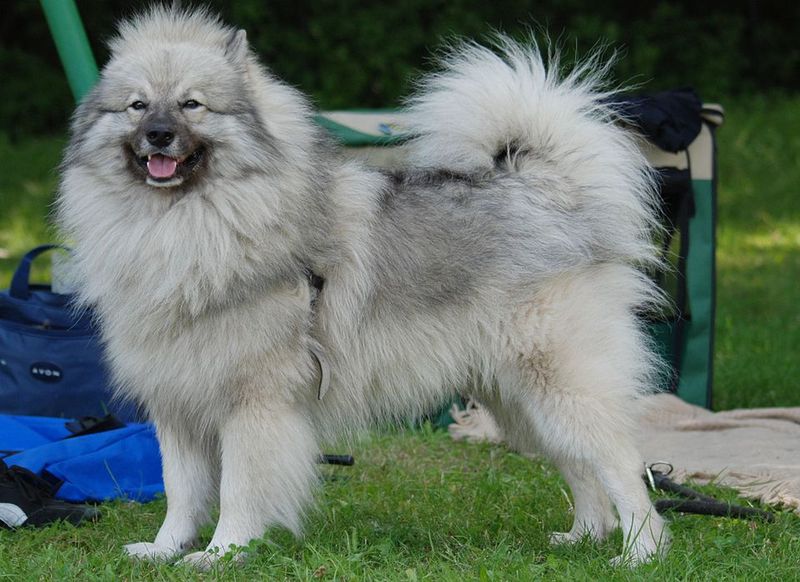
Keeshonden thrive on companionship but do not need constant direction. If you hover, they can become hypervigilant, reading every twitch as a cue.
Back off gently and let them choose a comfy perch where they can observe without pressure.
Structured routines plus quiet downtime curb overexcitement. Cue calmness by moving slowly, speaking softly, and keeping sessions short.
Offer sniffy walks and scatter feeding to channel curiosity without amping arousal.
Allow guests to ignore the dog initially, then reward polite approaches. When you stop narrating and over-praising, they settle faster between activities.
Watch for longer sighs, relaxed ears, and unforced check-ins. The Keeshond’s natural balance returns when you stop over-helping.
Shikoku
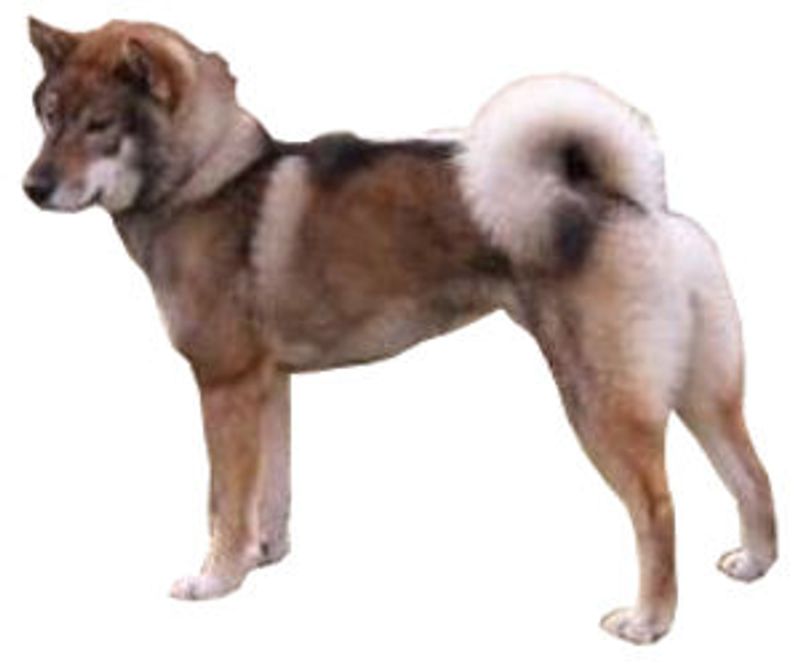
The Shikoku is thoughtful and independent, which can be misread as aloofness. Hovering crowds their decision-making and can spark reactivity.
Step back and present simple, clear choices, then let them think.
Use calm pattern games, like walking predictable routes and rewarding disengagement from triggers. Keep training crisp, then allow decompression time in quiet spaces.
Confidence grows when they learn their calm choices make the world predictable.
Skip frantic reassurance. Instead, model steadiness: slow movements, neutral voice, and consistent boundaries.
When pressure drops, you will see softer eyes, slower breathing, and more voluntary check-ins. The Shikoku settles best when trusted to manage space without constant prompts.
Kai ken
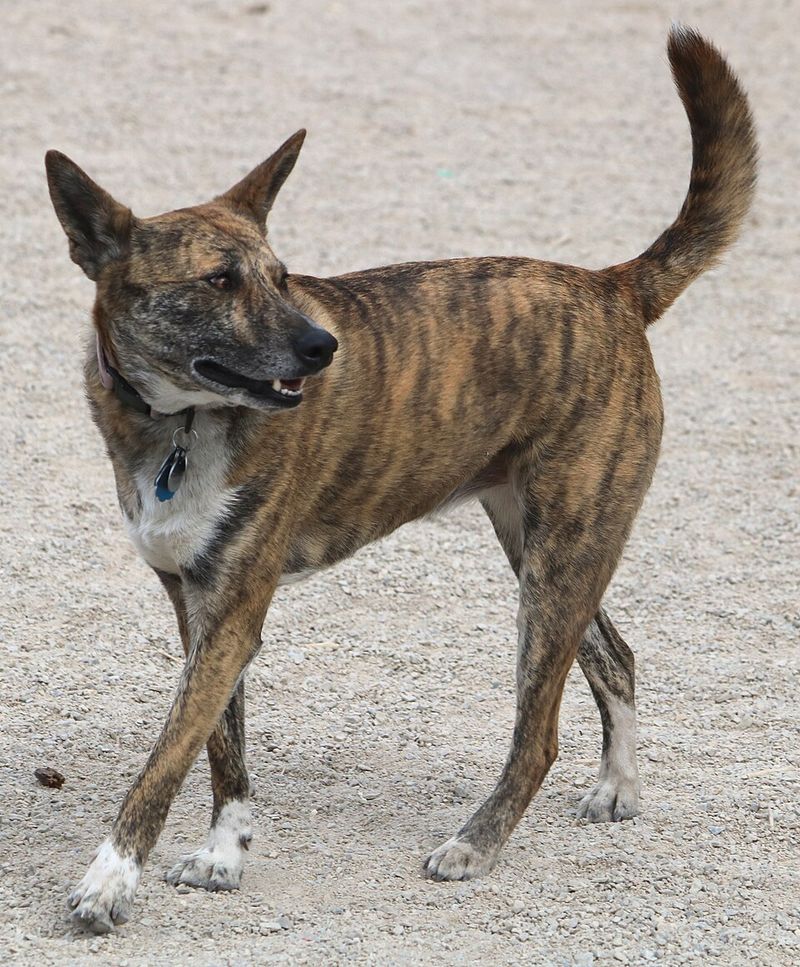
Kai ken dogs are observant problem-solvers that relax when granted autonomy. Micromanaging can turn their focus anxious, scanning for the next instruction.
Give them a stable routine, quiet sniffing time, and a safe place to retreat.
Practice calm check-ins on long lines rather than tight, constant control. Reinforce disengagement and loose-leash walking with slow, steady rewards.
Keep sessions brief and purposeful, then let them rest.
Guests should ignore the dog first so curiosity can unfold naturally. When you stop hovering, watch posture lengthen and breathing even out.
The Kai becomes more responsive precisely because pressure fades. Less noise, more choice, and suddenly their natural calm appears right on cue.
Kishu ken
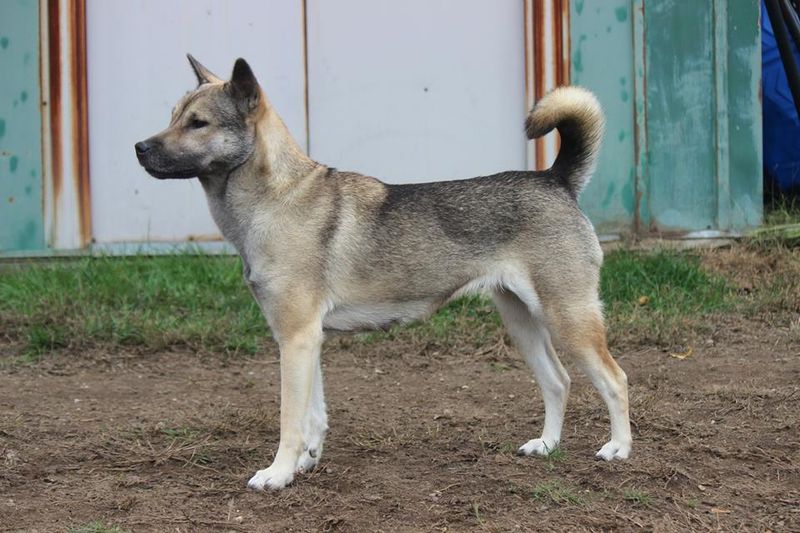
The Kishu ken appreciates clarity without chatter. Hovering can feel like static, keeping them on edge.
Set expectations, then give space for them to try. Silence between cues builds confidence and calm.
Daily sniff walks and controlled freedom on a long line help them practice self-regulation. Keep greetings low-key and allow them to opt in.
Reward pauses, not just action, so they learn relaxation is valuable.
Reduce busy body language and keep hands off unless invited. As pressure eases, you will notice fewer startles and more deliberate movement.
The Kishu’s calm presence emerges when you trust their thoughtful nature and stop over-directing every moment.
Hokkaido
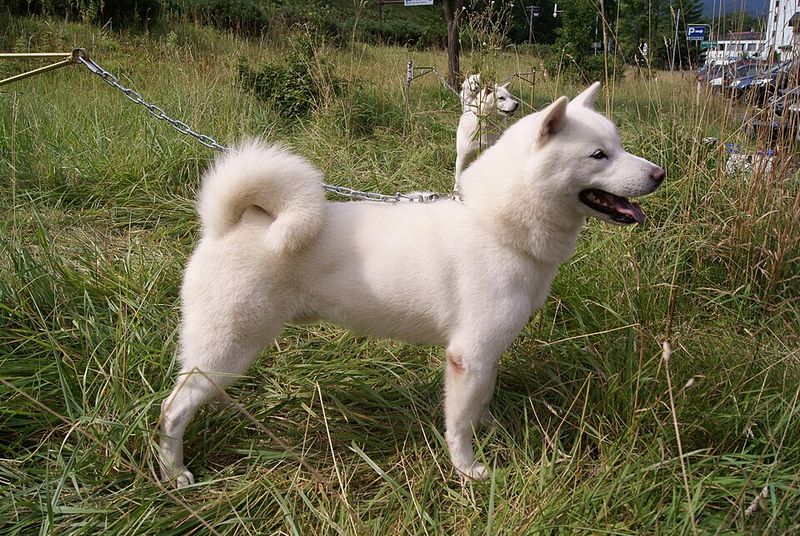
Hokkaido dogs can look intense, but they settle when interactions are predictable. Hovering raises arousal and invites push-pull battles.
Instead, use quiet routines, clear boundaries, and restful spaces to dial down noise.
Focus on decompression hikes, sniffing, and low-stakes training like touch and settle. Keep leashes loose and voices calm.
Build trust with consistent patterns rather than constant praise.
Ignore attention-seeking fidgets and reward genuine relaxation. When you step back, the Hokkaido’s steady core shines through: slower blinks, looser tails, and longer nap windows.
Calm leadership is not micromanagement, and this breed shows its best when you give it room to breathe.
Korean jindo
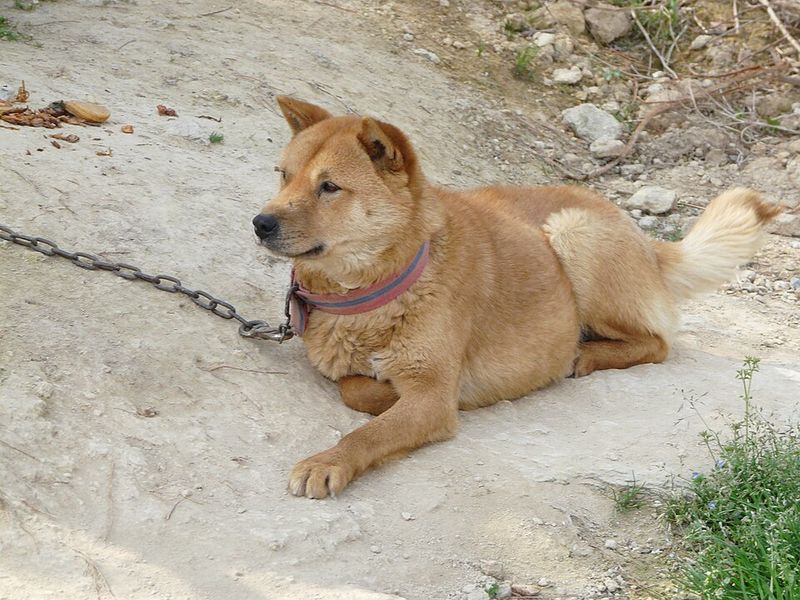
Jindos bond deeply yet prefer autonomy. When owners hover, these perceptive dogs mirror the tension.
Offer quiet consistency: same walk time, same resting nook, and simple cues. Then wait.
Teach settle on a mat and pay for stillness. Use long-line exploration so they can investigate without feeling trapped.
Keep visitors low-key and avoid crowding doorways.
As you reduce interference, you will see voluntary check-ins, softer faces, and longer relaxation after exercise. Do less, but do it reliably.
The Jindo becomes calmer not from constant soothing, but from space to choose good behavior and discover it pays.
Canaan dog
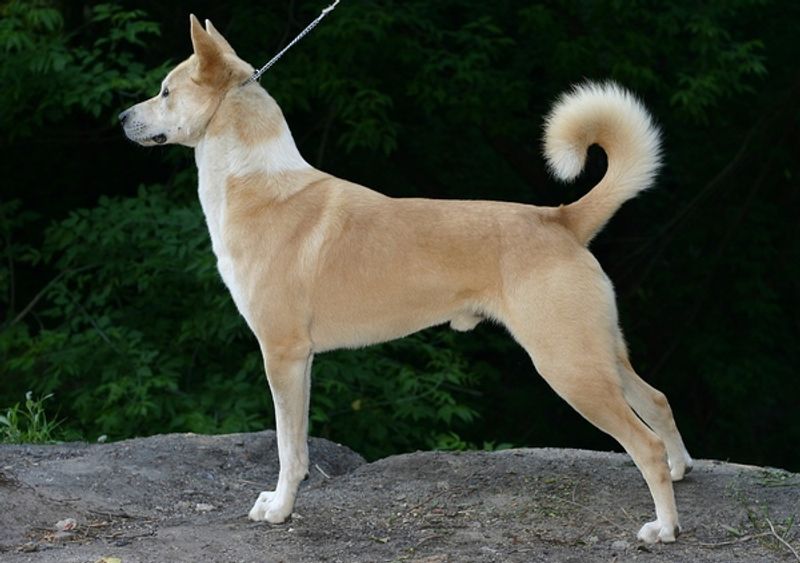
The Canaan dog is vigilant by heritage. Hovering can amplify that watchfulness into fussiness.
Instead, anchor them with predictable rituals, limited chatter, and slow movements. Provide a vantage point and a calm mat zone.
Reinforce quiet observation with occasional, thoughtful rewards. Use decompression walks at off-peak times, letting them sniff and survey.
Keep training crisp and end on success, then disengage.
With pressure removed, their natural steadiness surfaces. You will notice fewer startle responses and easier recoveries after surprises.
The Canaan dog relaxes when you treat calm as a skill worth paying, not a state to micromanage constantly.
Carolina dog
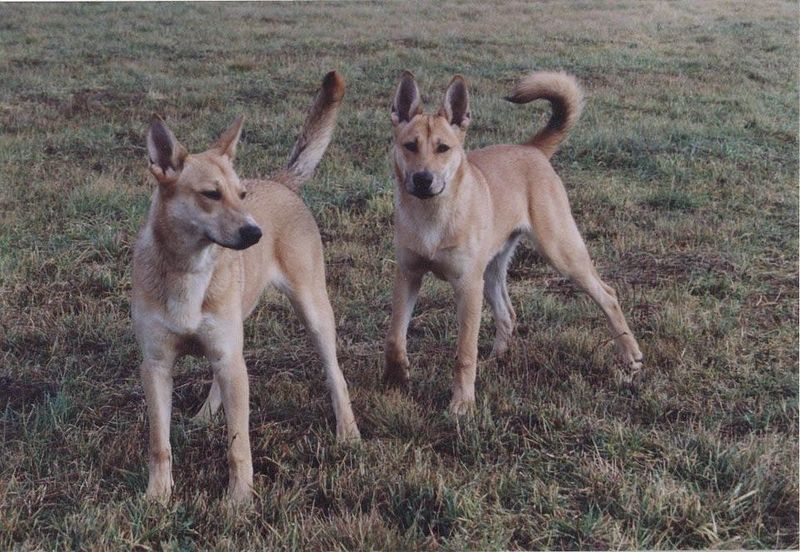
Carolina dogs are thoughtful and sensitive to human energy. Hovering can keep them keyed up, waiting for the next cue.
Provide structure, then let routine carry the day. Calmness grows in the gaps between instructions.
Use scent games, slow neighborhood loops, and a predictable settle spot at home. Reinforce voluntary check-ins without demanding them.
Keep greetings minimal and let curiosity lead.
As you step back, you will see softer ears, longer exhales, and an easier tempo overall. Confidence thrives when you resist over-helping.
The Carolina dog often becomes steady and centered once you trade micromanagement for trust and consistency.
Thai ridgeback
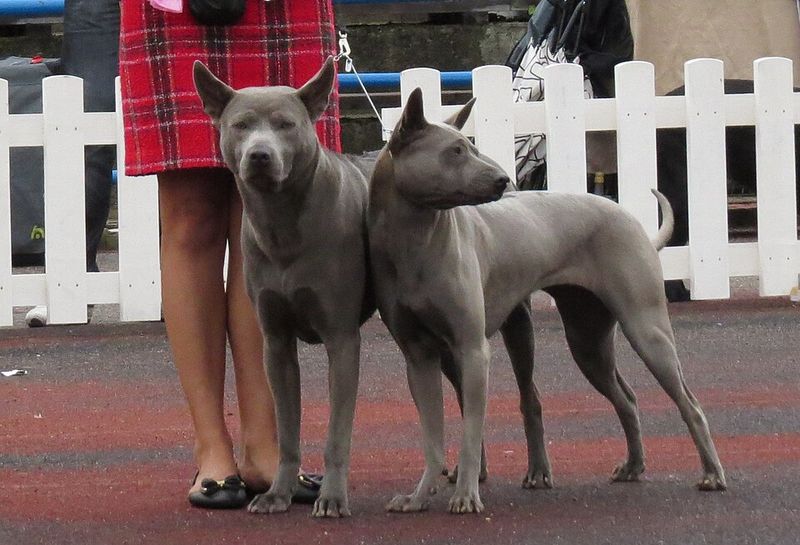
Thai ridgebacks are athletic and sharp, but too much control can fray their nerves. Step back and keep communication simple: one cue, then quiet.
Provide shaded rest areas and regular low-arousal walks.
Teach place work and reinforce stillness. Use long lines for exploration rather than tight leashes.
Guests should ignore on entry so the dog can choose polite engagement.
When hovering stops, watch tension melt from the shoulders and the ridge smooth slightly as breathing slows. Calmness is not inactivity, it is comfort in choice.
This breed shows its poise when you give space and keep the environment predictable.
Basenji
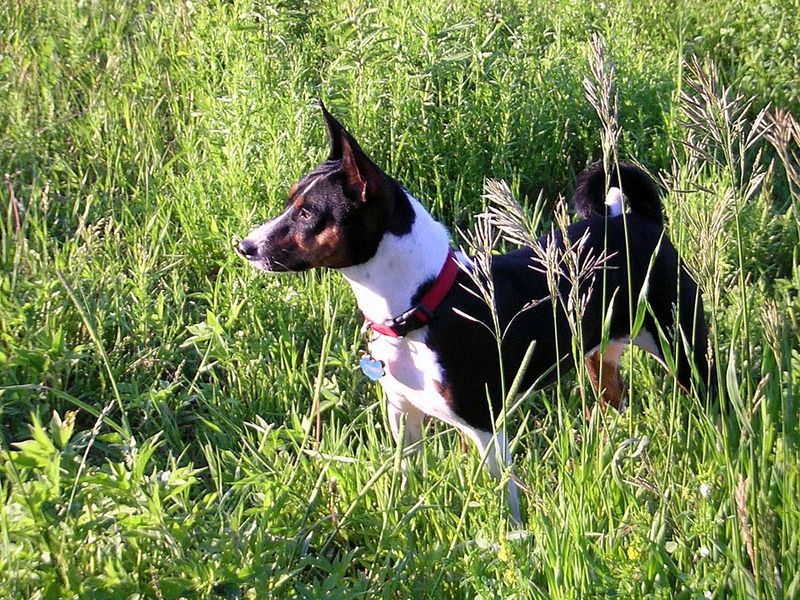
Basenjis are independent thinkers who dislike fuss. Hovering can push them into restless antics.
Offer a calm routine, sun patches for naps, and puzzle feeders that let them work quietly. Fewer words, more structure.
Short training bursts with clear criteria beat long lectures. Reward stillness and disengagement from stimuli.
Allow them to observe before engaging so curiosity does not spike arousal.
As you back off, you will see longer stretches of lounging and fewer zoomy outbursts. The Basenji’s calm grows when you guide, then get out of the way.
Respect their autonomy and they will meet you with steady, thoughtful behavior.
Shar pei
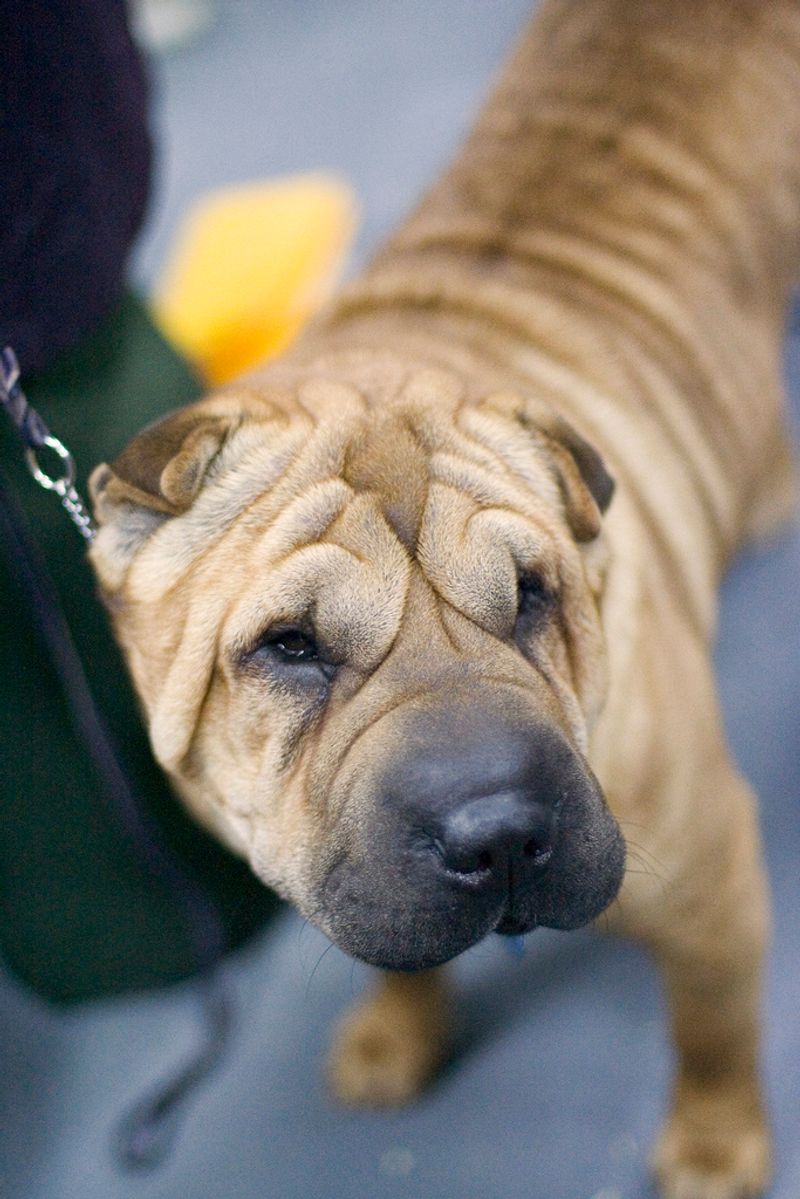
Shar peis read pressure quickly and may stiffen if you crowd them. Hovering can make minor choices feel consequential.
Keep interactions measured: give a cue, wait, then reinforce calm compliance. Provide a quiet bed and regular decompression walks.
Focus on place training and low-key greetings. Avoid constant petting; allow consent-based contact.
Reward loose, soft body language and quiet settling.
With less micromanagement, they often display quiet affection and contentment. You will notice slower movements, gentle blinks, and a relaxed tail.
The Shar pei becomes easier to live with when you replace over-attention with reliable structure and space.
Akita
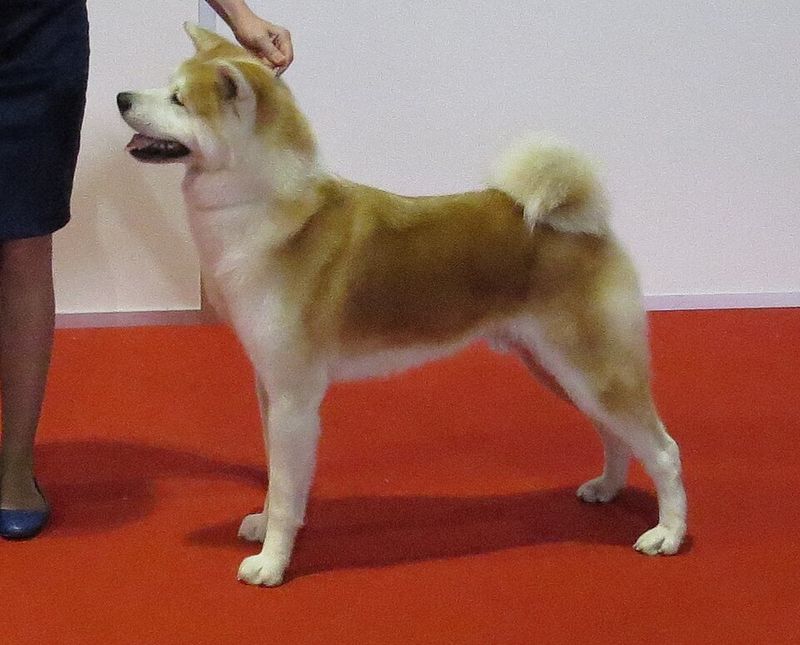
Akitas are dignified and steady when not over-managed. Hovering can challenge their independence and create friction.
Offer clarity, then let stillness do the work. Keep training focused and brief, followed by quiet time.
Provide predictable routines, slow walks, and clear boundaries. Practice neutral greetings and reward disengagement.
A calm environment communicates safety better than chatter.
As you step back, the Akita shows softer eyes, quieter shifts, and longer restful periods. Confidence appears when they are not policed every second.
Reduce pressure and you reveal the breed’s true calm core.
Chow chow
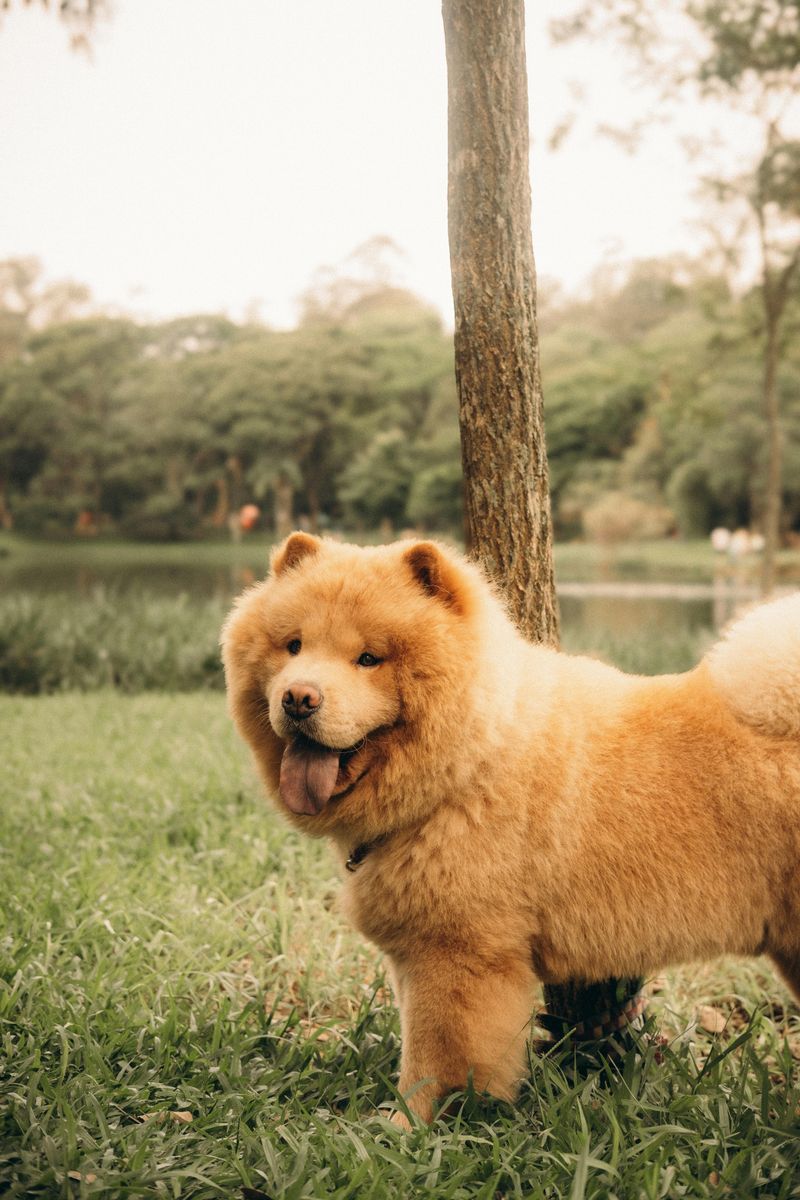
Chows value space and predictability. Hovering can feel intrusive, prompting stiff or aloof behavior.
Offer routines, soft resting areas, and simple, consistent cues. Let them approach on their terms.
Train in short, respectful bursts and reward calm choices. Encourage quiet enrichment like lick mats and scent games.
Keep greetings low-pressure and avoid crowding.
When you step back, the Chow’s serenity surfaces: slow blinks, relaxed paws, and unhurried movement. Affection grows when trust is not forced.
The result is a calmer companion who chooses connection rather than tolerating it.