
Some foods get labeled as off limits for dogs, but many are actually safe when served the right way. Knowing the difference saves you worry and gives your pup more healthy options.
You will discover simple, vet-friendly guidelines that make mealtimes easier. Let’s clear up the confusion so you can share with confidence.
Carrots
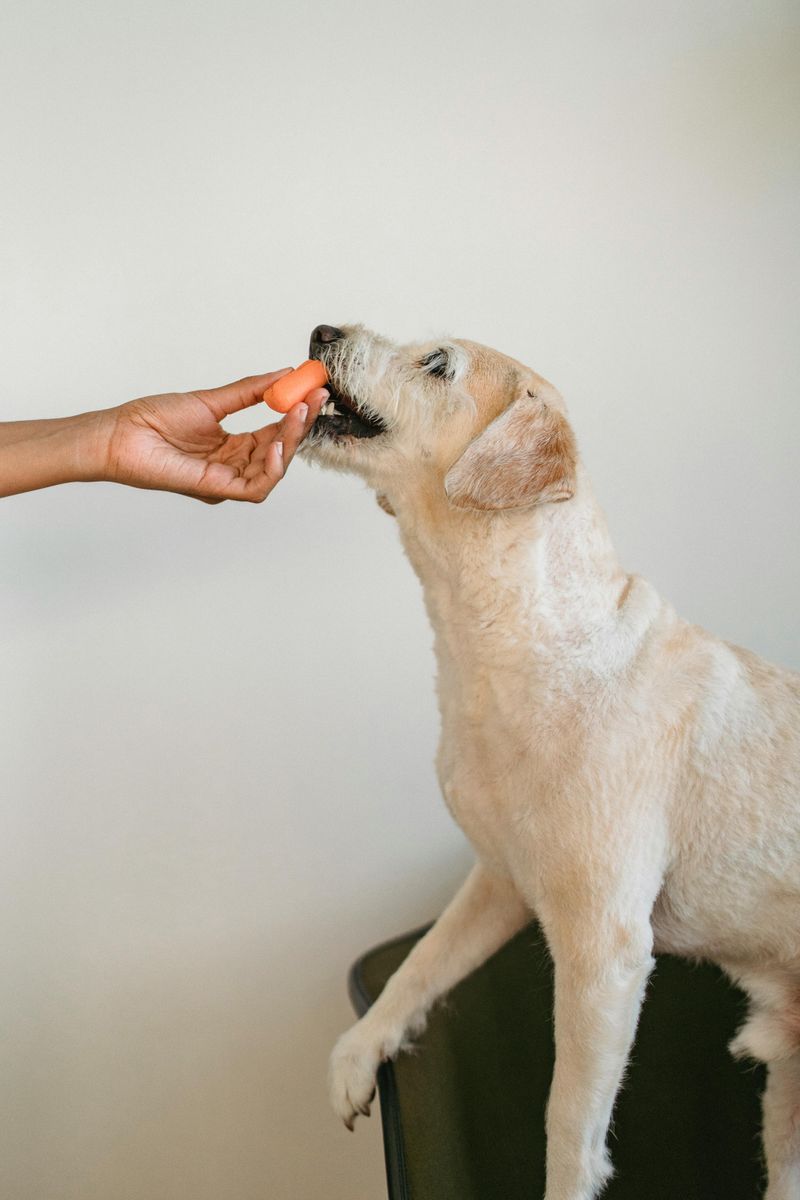
Carrots are a crunchy, low-calorie treat dogs usually adore. They are rich in beta carotene, which supports eye health, and provide fiber that helps digestion.
Offer them raw for a satisfying chew or lightly steamed if your dog prefers softer textures.
Chop carrots into small pieces to avoid choking, especially for small dogs or gulpers. Introduce slowly if your pup is new to raw veggies to prevent tummy upset.
Skip any dips, oils, or seasoning, and keep portions modest.
Frozen carrot coins can soothe teething puppies while keeping them busy. Always supervise if your dog chews aggressively.
If your pet has diabetes or special dietary needs, check with your vet first, but for most dogs, carrots are a safe, vibrant win.
Blueberries
Blueberries look tiny, but they pack antioxidants that support immune health and may benefit brain function. Most dogs tolerate them well, and their natural sweetness makes training treats easy.
Serve them fresh, rinsed, and in moderation to avoid extra sugar intake.
For small dogs, crush or halve the berries to prevent gulping. If your dog has a sensitive stomach, start with a few and watch for loose stools.
Skip blueberry muffins, syrups, or yogurt coatings since added sugar and fats are not dog friendly.
Frozen blueberries are a fun, cooling summer snack. Mix a few into regular kibble or use during enrichment games.
As always, moderation and observation are the keys to turning this superfood into a safe, joyful reward.
Pumpkin (plain)
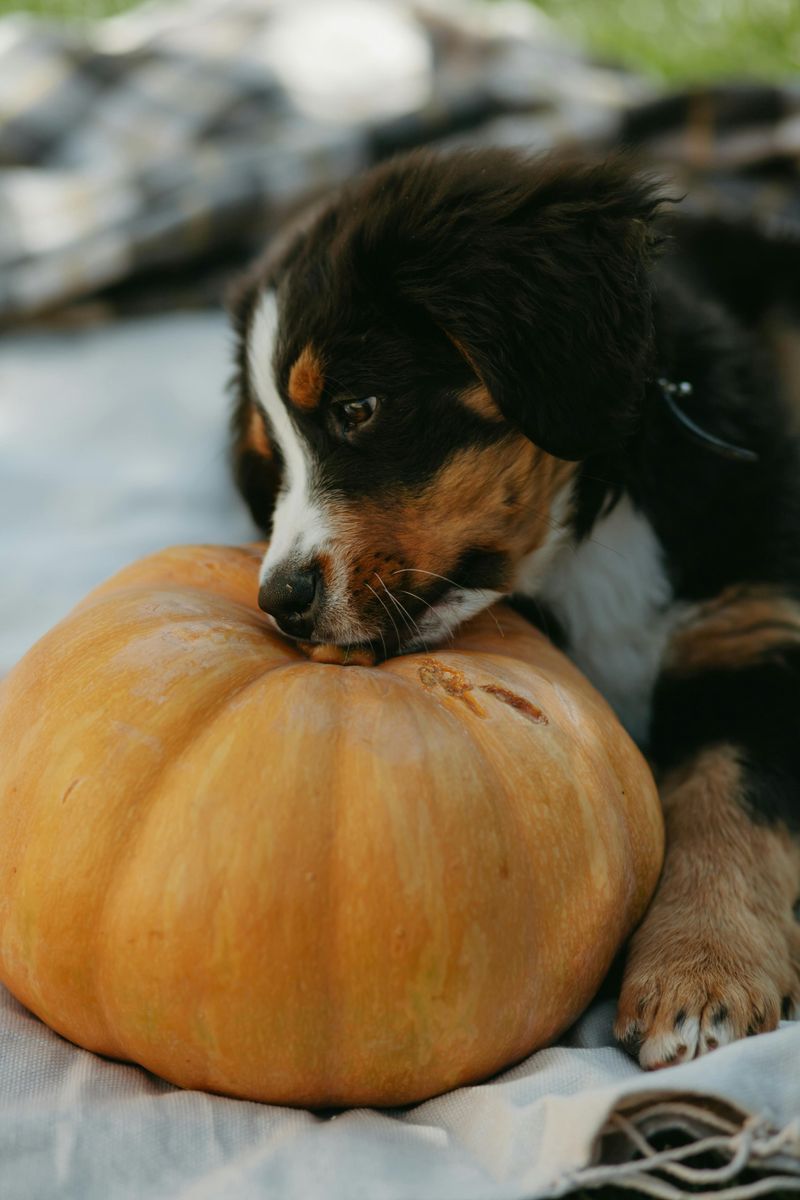
Plain pumpkin is a classic tummy helper for dogs, thanks to soluble fiber that can firm up loose stools or soften mild constipation. Use plain canned pumpkin or cooked fresh pumpkin without added sugar, spices, or pie filling.
A spoonful mixed into meals often does the trick.
Start small and adjust based on your dog’s size and response. Too much fiber can cause gas or diarrhea, so moderation matters.
Avoid pumpkin pie filling because spices like nutmeg can be harmful.
Store leftovers in the fridge or freeze into small cubes for convenience. Many vets recommend pumpkin for occasional digestive support.
If diarrhea or constipation persists, contact your vet, but for everyday use, plain pumpkin is a safe, soothing option.
Plain cooked eggs
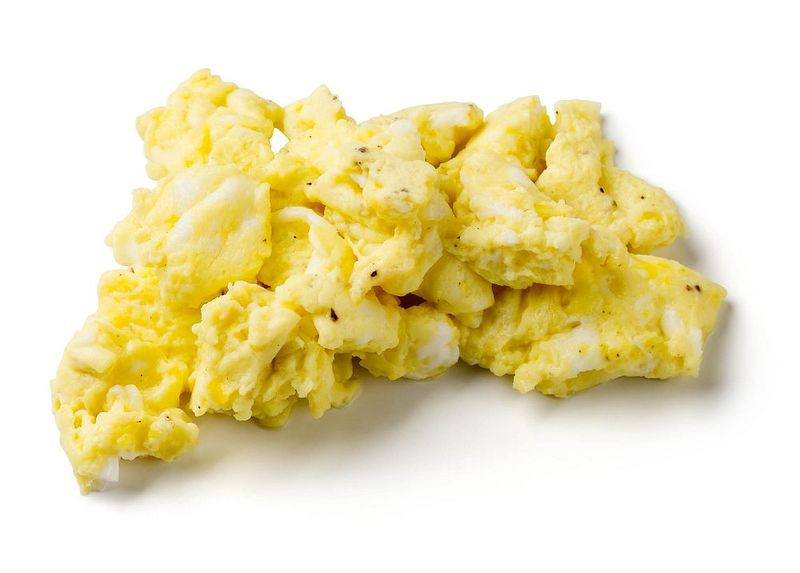
Plain cooked eggs provide high-quality protein and essential amino acids dogs can use for muscle repair. They also deliver fats and vitamins, making them a satisfying topper.
Serve scrambled or hard-boiled without butter, oil, salt, or seasonings.
Introduce gradually to avoid digestive upset, especially for dogs with sensitive stomachs. Some dogs have egg allergies, so watch for itching, ear issues, or GI trouble.
Raw eggs are not recommended due to foodborne bacteria risk and avidin concerns.
A small portion a few times per week is plenty for most pets. Chop into bite-size pieces to reduce choking risk and make training treats.
If your dog needs a low-fat diet, consult your vet about appropriate serving sizes for eggs.
Plain rice
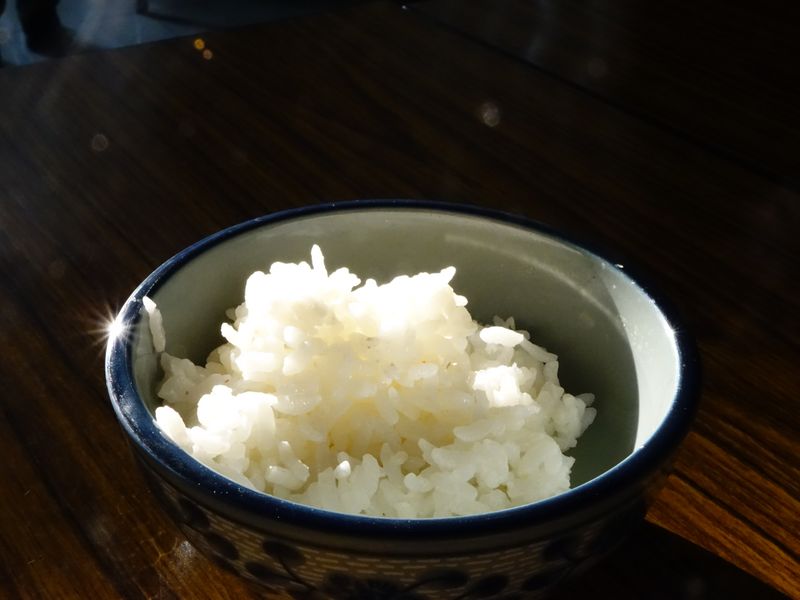
Plain white rice is gentle on upset stomachs and often recommended for short-term bland diets. It is easy to digest and can help firm up stools during mild digestive episodes.
Keep portions small and balanced with a protein like unseasoned chicken if your vet advises.
Avoid salt, butter, or broth with onion or garlic. Brown rice has more fiber and can be harder to digest during tummy troubles, so white often works better.
Do not rely on rice long-term because it lacks complete nutrition.
Cool rice before serving to prevent mouth burns and measure carefully to manage calories. If diarrhea persists beyond a day or two, call your vet.
For most dogs, plain rice is a short, soothing bridge back to their normal diet.
Plain oats
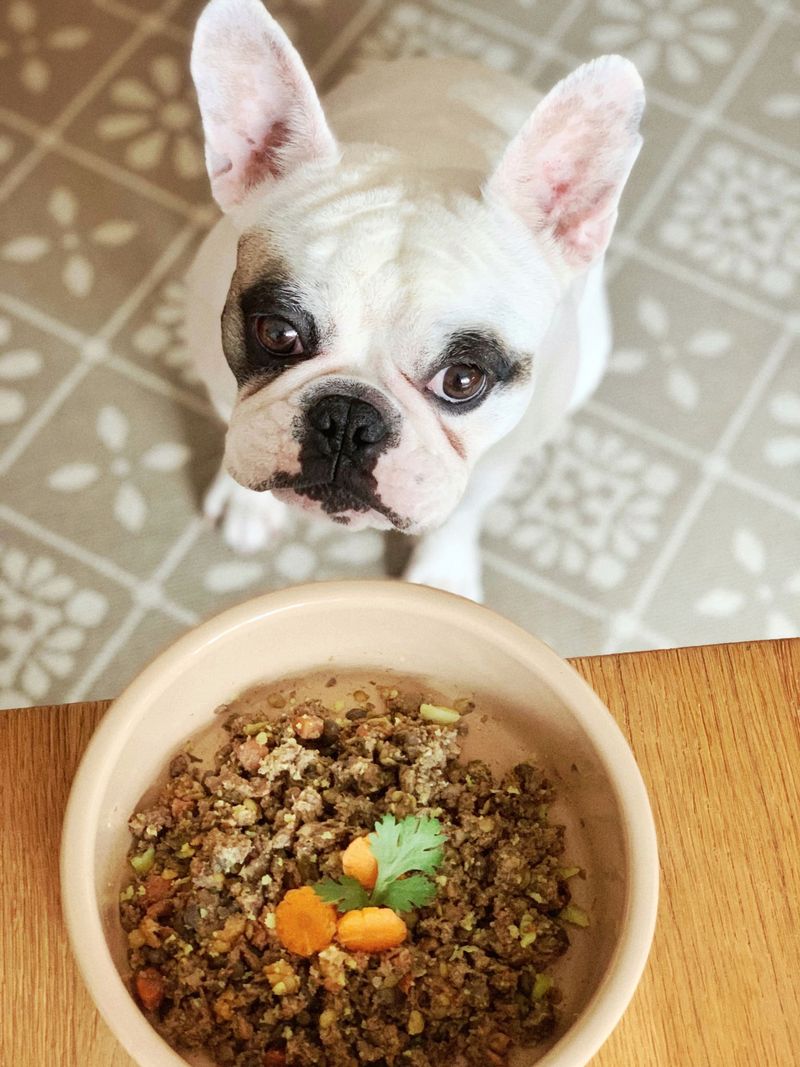
Plain cooked oats can be a cozy, fiber-rich addition for dogs that tolerate grains. They offer B vitamins and can soothe sensitive stomachs when introduced slowly.
Use water instead of milk and skip sugar, honey, raisins, or flavor packets.
Start with a spoonful and watch for gas or loose stools. Dogs with wheat sensitivities sometimes do better with oats, but moderation is essential to avoid extra calories.
Allow oatmeal to cool before serving and present in small, scoopable bites.
Mixing a bit into regular meals adds texture without overwhelming digestion. Avoid instant packets with additives or artificial sweeteners like xylitol.
With a careful approach, plain oats can be a safe, budget-friendly comfort food for many pups.
Green beans
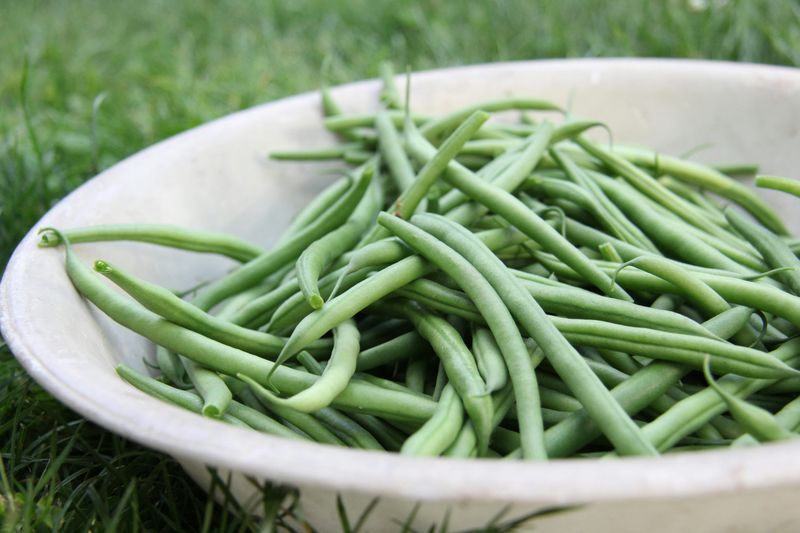
Green beans are a crunchy, hydrating snack that fits nicely into weight-management plans. They are low in calories and provide fiber, vitamins, and minerals.
Offer them raw, steamed, or lightly cooked without oils, salts, or seasonings.
Cut into bite-size pieces to avoid choking, especially for small dogs. Canned beans can work if you choose no-salt-added and rinse thoroughly.
Avoid green bean casseroles or dishes with onions, butter, or creamy sauces.
Use them as training rewards or meal fillers to add volume without adding many calories. Introduce slowly to prevent gassiness.
For most pups, green beans are an easy, satisfying crunch you can share guilt free while keeping nutrition front and center.
Apples (no seeds)
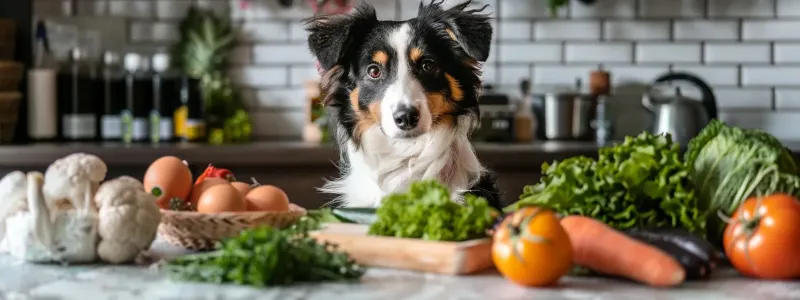
Apples can be a sweet, fiber-rich treat when you remove the core and seeds first. The flesh provides vitamins A and C, and the crunchy texture helps freshen breath.
Thin slices or small cubes make perfect, low-calorie rewards.
Do not offer the seeds or core, since seeds contain traces of cyanogenic compounds and cores are choking hazards. Peel if your dog is sensitive to skins.
Avoid apple pies or caramelized toppings due to sugar and fats.
Introduce gradually to avoid stomach upset from natural sugars and fiber. For frozen fun, offer chilled slices on hot days.
With simple prep and mindful portions, apples become a safe, refreshing snack most dogs happily crunch.
Plain cooked turkey

Plain cooked turkey, especially skinless breast, is a lean protein most dogs tolerate well. It can be a tasty topper or training reward when chopped into small pieces.
Keep it unseasoned and thoroughly cooked to reduce bacteria risks.
Avoid turkey skin, gravy, and bones, which add fat or create choking hazards. Many holiday recipes contain onion, garlic, and rich spices that are not dog safe.
If your dog has pancreatitis history, discuss turkey portions with your vet first.
Freeze small portions for quick, convenient treats throughout the week. Mix a modest amount into regular kibble for picky eaters.
With simple preparation and smart portions, plain turkey offers a safe, satisfying protein boost without unnecessary extras.