
Some dogs greet every stranger like a long lost friend, but others take a thoughtful pause before letting new people in. If you love a steady, discerning companion, these breeds will speak to your patient side.
With the right approach, that caution transforms into deep loyalty and a bond that feels earned. Ready to meet fifteen thoughtfully reserved breeds and learn how to win them over the kind way?
Basenji
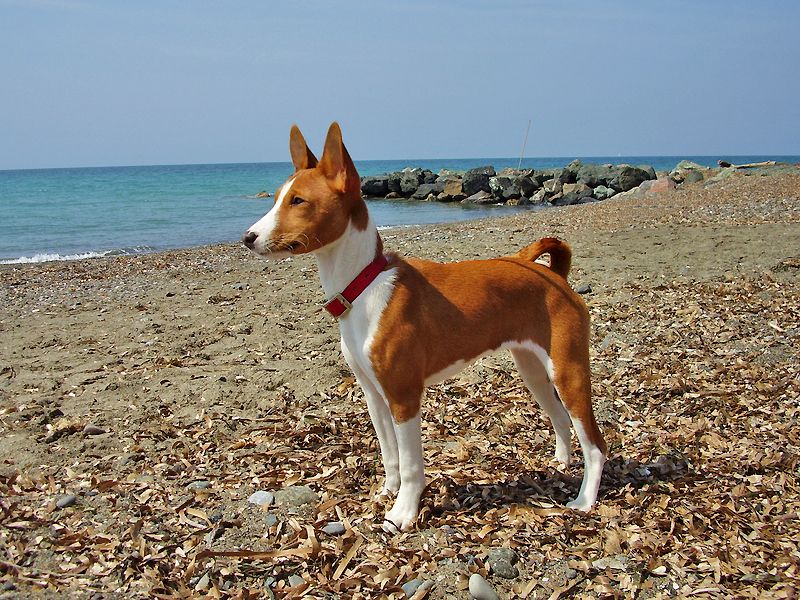
Known as the barkless dog, the Basenji keeps feelings close and reads a room before committing. You will notice a polite watchfulness as this catlike hound weighs new people, preferring calm introductions over fast familiarity.
Once trust lands, the connection feels intentional, like a quiet nod that says you belong.
Help this process by letting the dog approach, offering side body language, and keeping greetings low key. Short training sessions, scent games, and predictable routines reassure a Basenji that you understand boundaries.
Socialize early, avoid crowding, and reward curiosity, not clinginess. With patience and humor, you earn a witty, tidy companion who loves adventure yet still chooses selective friendships.
Give space and let eye contact develop naturally.
Afghan Hound
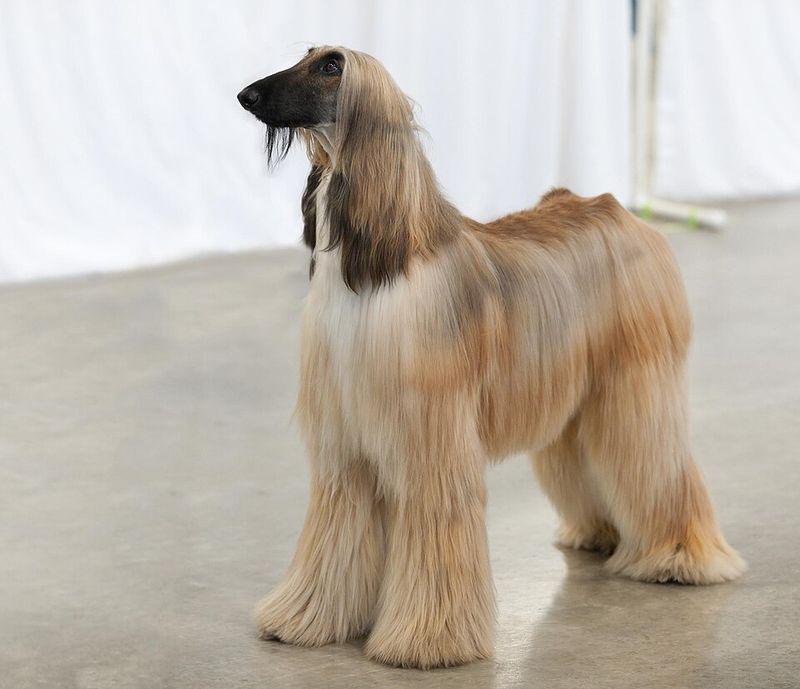
An Afghan Hound often feels like royalty meeting the court for the first time. Graceful and sensitive, this breed notices tone, body language, and pace before deciding whether you are trustworthy.
If you move softly and let them float into your space, you will see curiosity bloom into calm acceptance.
Keep introductions unhurried, use a relaxed voice, and avoid direct reaching over the head. Offer a tasty treat at knee level, then step back and wait.
Short walks together build comfort, letting the world act as a buffer while you share experiences. Grooming sessions can become quiet bonding rituals.
Respect that independence and you gain a partner who chooses affection carefully and gives it generously once convinced.
Borzoi
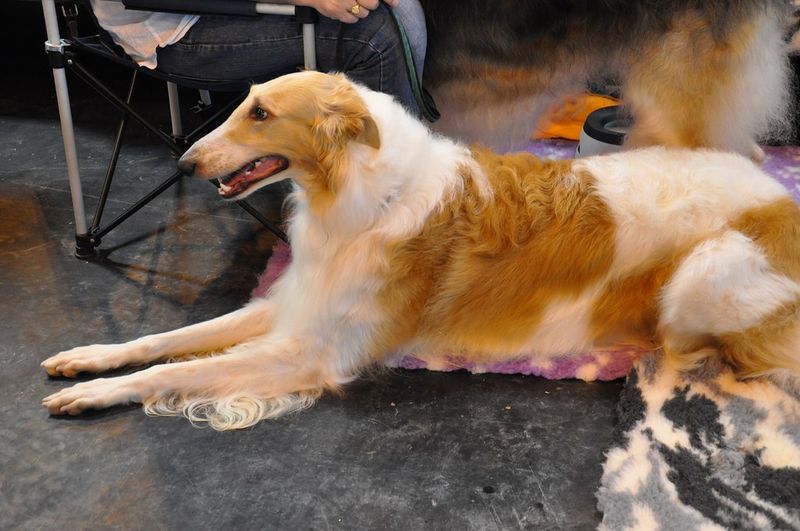
Borzois read the room with aristocratic calm, noting every small movement and intention. They are sensitive sighthounds that prefer observing from a slight remove before offering hello.
When you let them study at their own pace, their wary elegance softens into surprising sweetness and gentle nudges.
Approach side on, keep your voice quiet, and offer a hand at chest level rather than hovering. Slow blinks and stillness help a Borzoi feel safe.
Pair social time with casual leash walks, letting them glance back for reassurance. Reward tiny check-ins, not clingy behavior.
Consistency builds trust fast with these thoughtful dogs. Soon you will have a lanky shadow who chooses closeness and rests a long nose across your knee.
Saluki
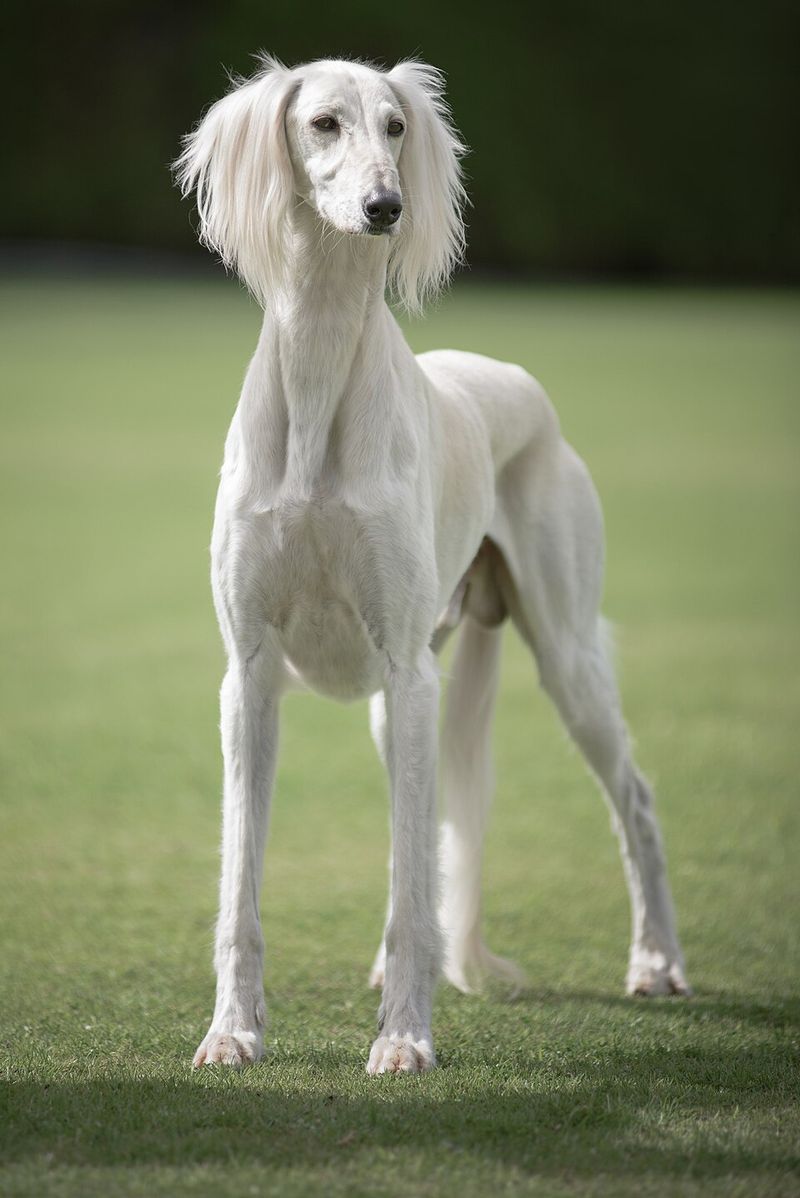
Salukis carry ancient poise, and that history shows when new people arrive. They prefer a quiet, respectful greeting where curiosity can stretch out slowly.
Sudden grabs or loud excitement shut the door, but soft words and space invite them forward with featherlight steps.
Set the stage by asking guests to sit and let the dog sniff on their terms. Gentle touch behind the shoulder, not over the head, goes further with a Saluki.
Pair social visits with calm enrichment like snuffle mats to reduce awkward pressure. Celebrate subtle signs of comfort, like a small tail sway or relaxed ears.
Over time, careful routines reveal a deeply affectionate companion who chooses serenity and bonds with beautiful intentionality.
Sloughi
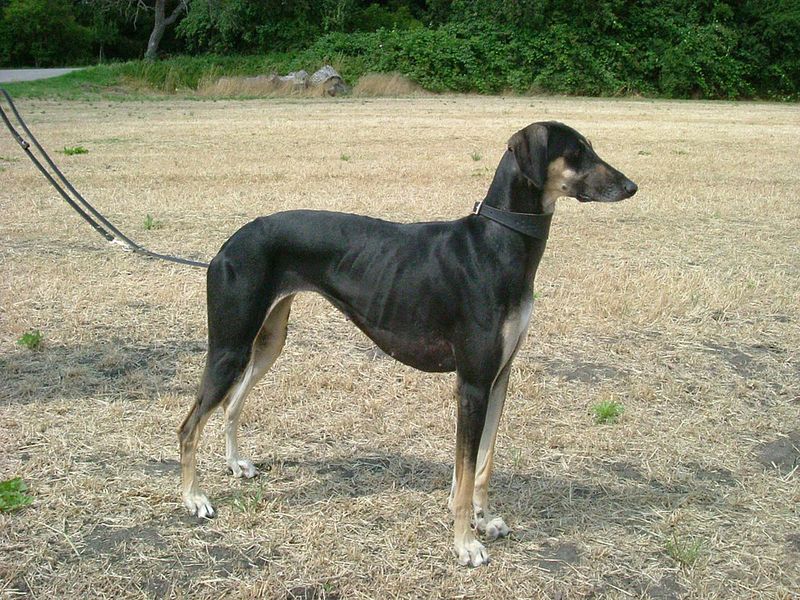
The Sloughi is thoughtful and reserved, tuned to nuance in a way that rewards patient people. This North African sighthound notices tension, intensity, and speed, then decides whether to engage.
If you lower the energy and let them choose, you will see a graceful approach and a delicate sniff.
Ask visitors to ignore the dog at first, and reward any self-initiated check-ins. Keep greetings low and lateral, then step away to reduce pressure.
Short, predictable exposures build confidence, especially when paired with treats and calm praise. Avoid crowding and chaotic gatherings early on.
When safety becomes the default, a Sloughi shows warmth, loyalty, and quiet humor that feels like a secret shared just for you.
Azawakh
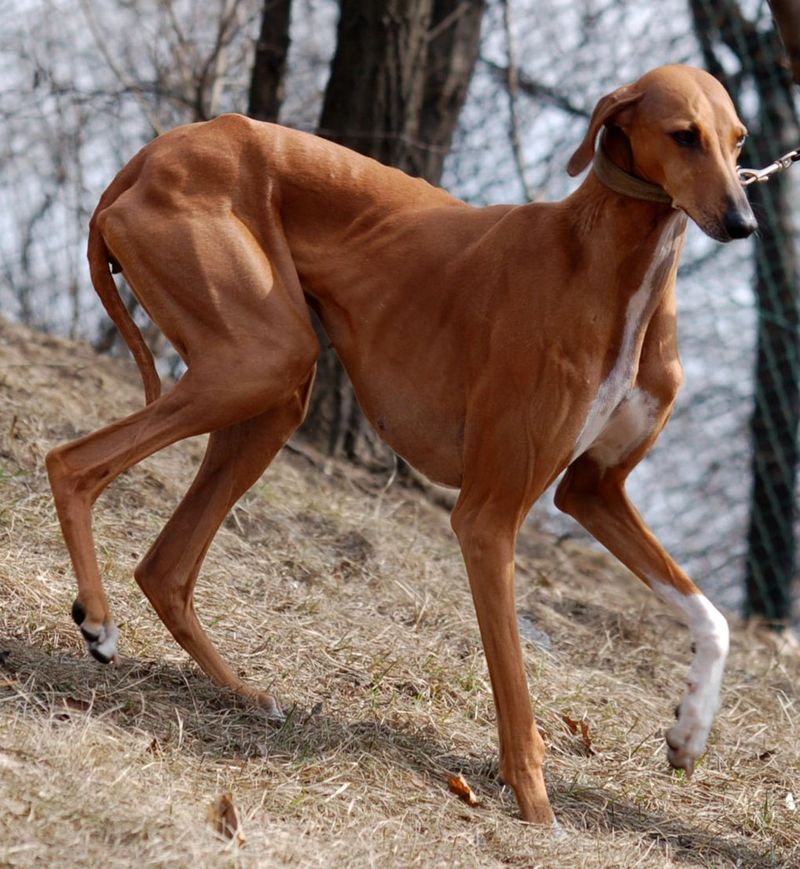
Azawakhs are vigilant guardians by nature, bred to observe and decide with care. With strangers, they often hold a comfortable distance, scanning posture, tone, and intent.
When you present calm confidence, they calibrate and relax, edging closer on their own timeline.
Invite a quiet meet and greet where people remain seated and avoid looming. Pair each approach with soft words and a high value reward on the floor.
Keep early sessions short, ending on a tiny win. Security matters to this breed, so stable routines and respectful boundaries go far.
In return, you receive a devoted partner who reads your mood like poetry and offers protection with measured grace.
Scottish Deerhound
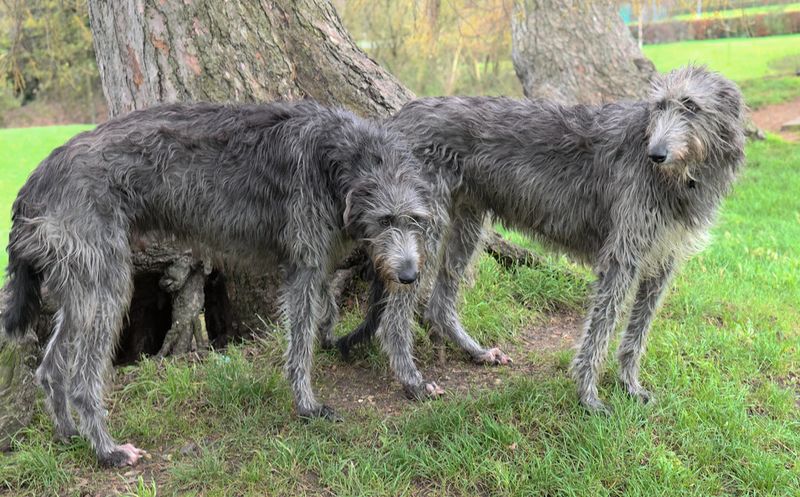
The Scottish Deerhound greets the world with quiet dignity, often taking a moment to appraise new people. Big yet gentle, this breed prefers soft introductions without bustling energy.
Respect the bubble, and you will earn gentle eye contact and a slow wag that feels like a handshake.
Ask guests to turn slightly sideways and speak softly. Offer a treat tossed near the dog, allowing a choice to engage.
Casual walks and relaxed car rides help ease social pressure. Reinforce brave steps with praise, then let stillness do the heavy lifting.
Over time, that thoughtful reserve becomes easy companionship, and you will find a lanky friend leaning in for a careful cuddle on calm evenings.
Irish Wolfhound
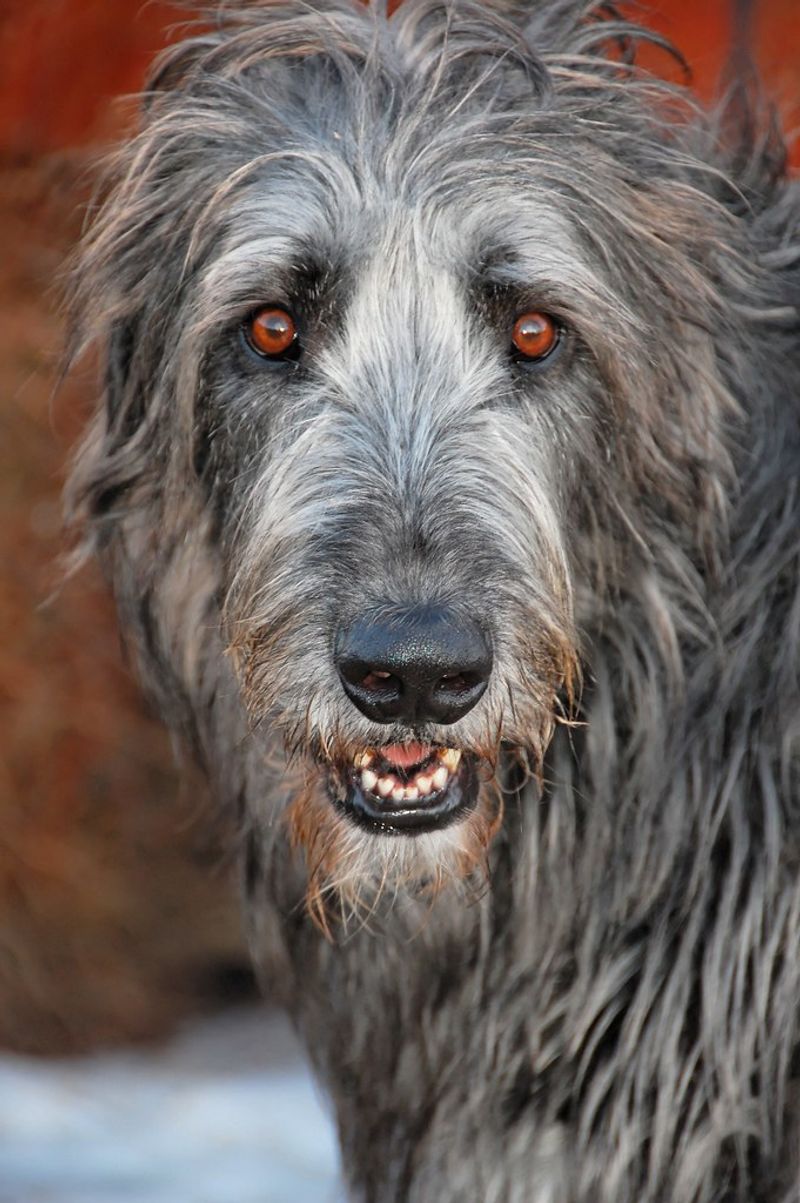
Despite their size, Irish Wolfhounds can be surprisingly sensitive around new people. They read energy levels and prefer calm, friendly voices over high pitched excitement.
When you give them a respectful moment, they amble closer like considerate giants.
Greet from the side, keep hands low, and move slowly. Gentle chin or chest scratches usually go over better than hovering pats.
Short visits with clear exits keep pressure low while you build trust. Pair introductions with easy wins like settling on a mat.
Before long, that thoughtful reserve flips to steady devotion, and you will have a soft hearted guardian who watches the door and naps across your feet with quiet pride.
Otterhound
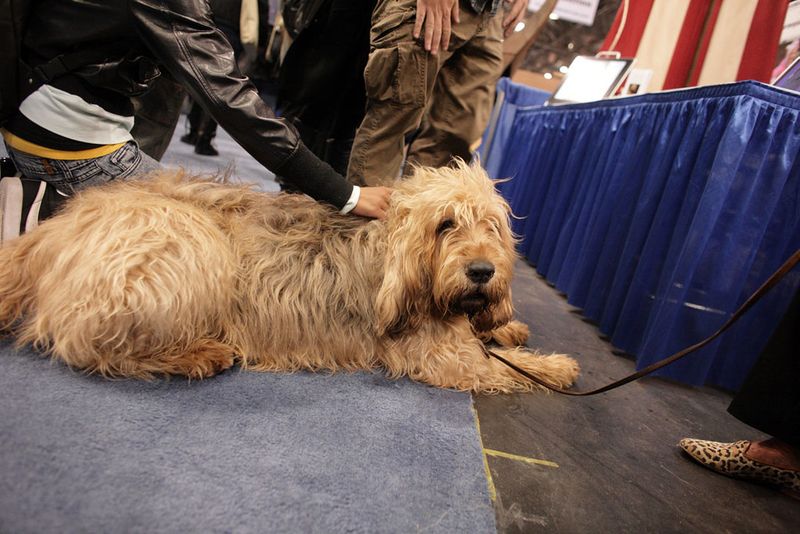
The Otterhound is friendly by nature but can be slow to accept sudden strangers. This nose forward hound likes to sniff out the story first, then decide whether to commit.
Give them time, and that thoughtful curiosity turns into goofy charm and splashing enthusiasm.
Let the dog investigate gear, coats, and shoes before asking for attention. Encourage guests to offer treats on open palms at knee height.
Sniff walks and low pressure games help channel energy while building comfort around people. Avoid rushing greetings, and aim for gentle structure.
Consistency and humor win hearts here, and you will soon meet a shaggy companion who laughs through life while still checking that the vibes feel right.
Harrier
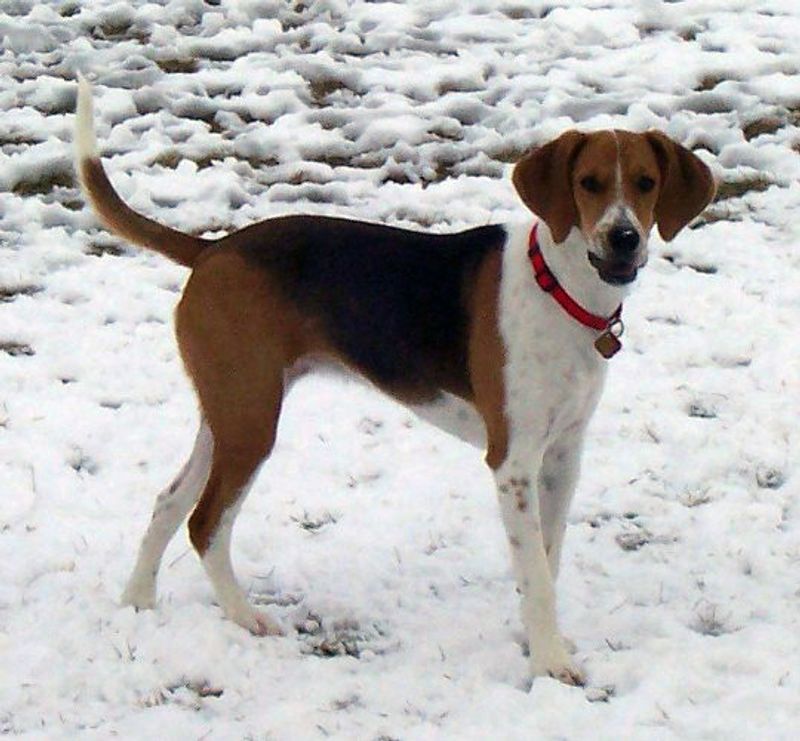
Harriers are sociable workers, yet many will hesitate with unfamiliar people until the scene feels predictable. They take their cues from your calm and from structured routines.
When you show steadiness, they shift from wary to waggy with satisfying speed.
Introduce slowly, keeping leashes loose and greetings brief. Use food rewards for glances and voluntary approaches, not forced proximity.
Sniffing opportunities and simple obedience games give a Harrier a job, which lowers social uncertainty. Practice in varied places to generalize confidence.
Soon enough, you will have a cheerful partner who greets friends politely, then settles nearby, ready for a hike or a nap depending on your plans.
Skye Terrier
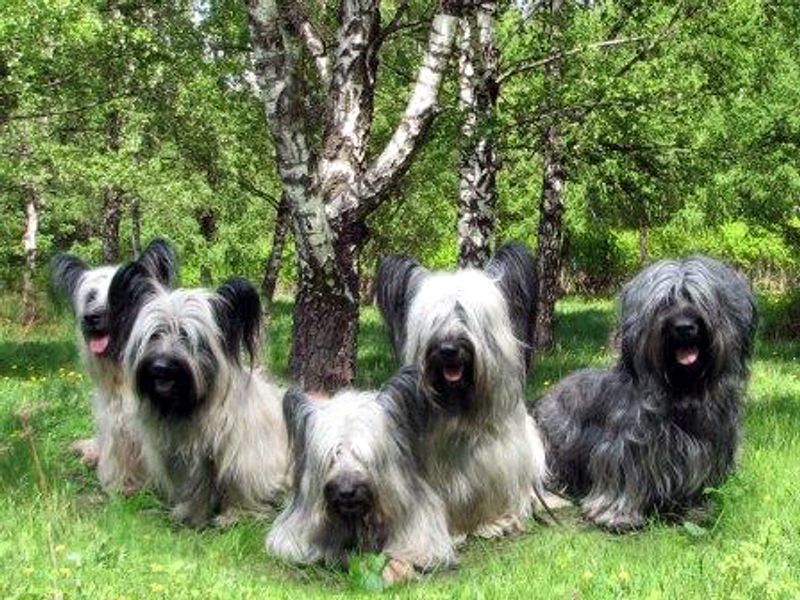
The Skye Terrier is loyal and particular, often needing extra time to accept new faces. This dignified terrier notes tone and boundaries, then decides whether you are worth the investment.
Earn trust gently and the devotion runs deep.
Ask visitors to stay seated and avoid direct staring. Offer treats by gently tossing them nearby, letting the dog approach on their terms.
Keep greetings quiet and structured, weaving in short training games to create clarity. Protect from pushy dogs or chaotic rooms.
With steadiness and respect, a Skye Terrier reveals a witty, affectionate companion who picks favorites carefully and guards that bond with surprising courage.
Cesky Terrier

The Cesky Terrier brings a polite, thoughtful vibe to new introductions. Not brash or shy, just deliberate, this breed prefers a slow hello with low voices and calm hands.
Give them space to sniff, and you will see confidence unfold in tidy steps.
Use short practice sessions with friends, pairing each approach with a small treat. Keep interactions lateral, avoid looming, and mark small wins with praise.
Enrichment toys and brief obedience cues add structure that comforts a Cesky’s steady mind. Protect rest time, and avoid forcing mingling.
Over days and weeks, that careful reserve becomes affectionate loyalty, and you will enjoy a compact, adventurous buddy who reads your mood and sticks close without crowding.
Bedlington Terrier
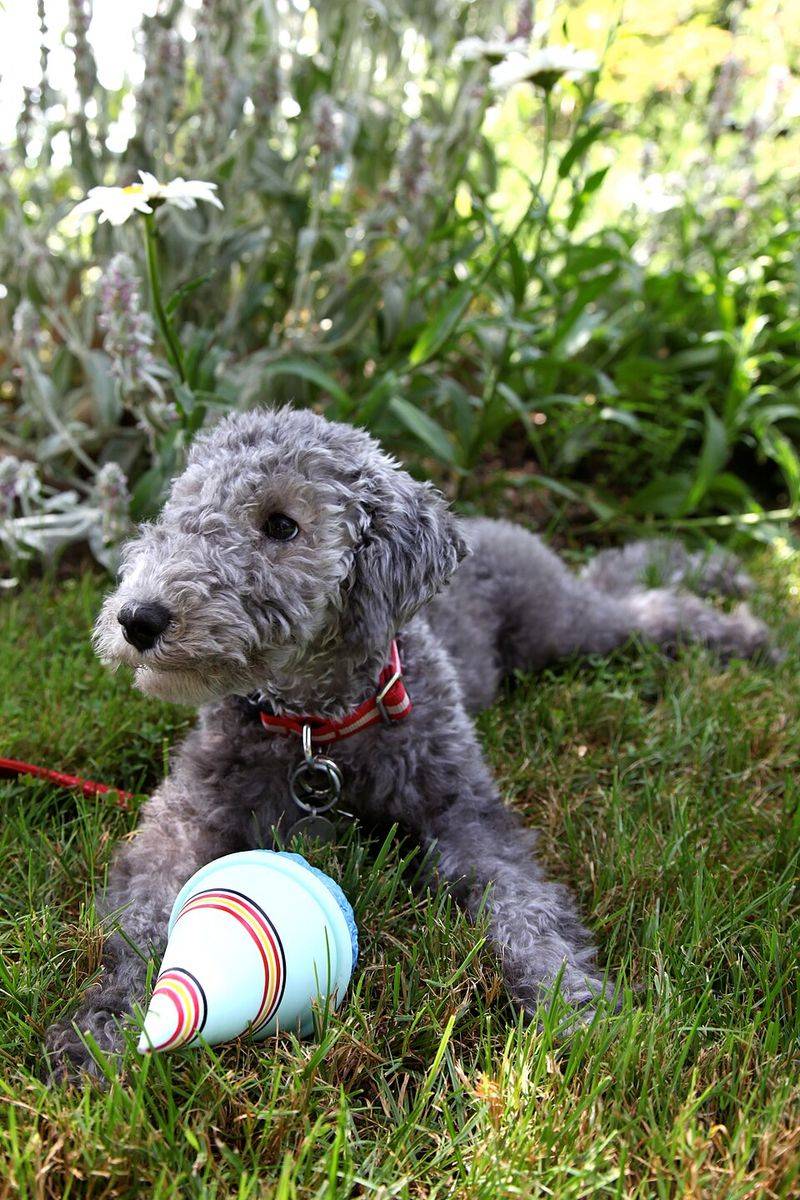
Bedlington Terriers look whimsical but think carefully around unfamiliar people. They appreciate gentle approaches, neutral body language, and time to decide.
When you keep things predictable, their sparkle shines and you will get playful bursts wrapped in manners.
Invite calm guests to ignore the dog at first, then reward any self-initiated sniff. Avoid fast hands and over-the-head pats.
Practice on-leash meetups outdoors where pressure is lower. Add short training games to build a confident rhythm.
Before long, a Bedlington will trot over with bright eyes and a soft tail wag, then curl nearby like a cloud with a heartbeat, choosing closeness because you respected boundaries.
Dandie Dinmont Terrier
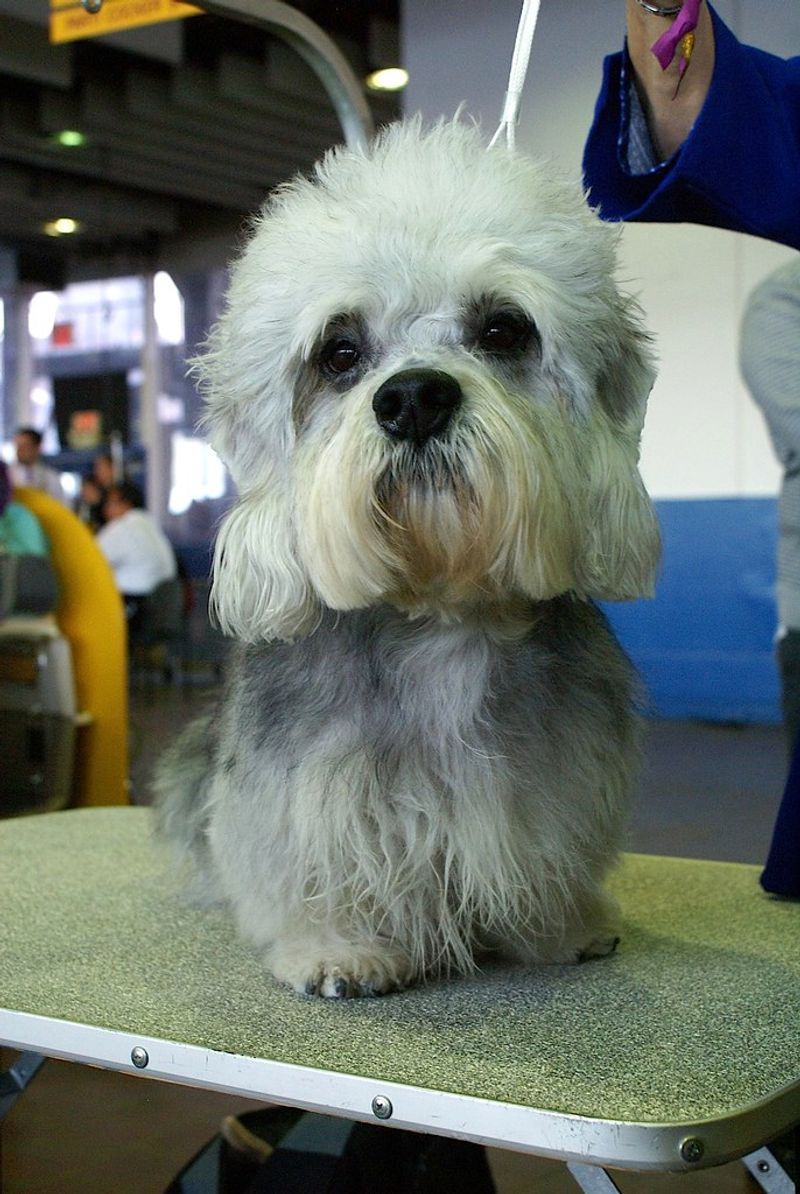
The Dandie Dinmont Terrier carries old world charm and measured judgment. New people are evaluated slowly, with a steady stare and careful steps.
If you lower your energy and let curiosity lead, this little philosopher will choose you when ready.
Coach visitors to crouch sideways and offer a treat near the floor. Mark small advances with quiet praise, then step back to relieve pressure.
Keep early sessions short and sweet, ending on success. Gentle grooming and sniff games become trust builders.
Over time, Dandies reveal plucky affection and surprising bravery, offering cuddles and comedy once they are convinced the relationship is safe and mutual.
Norfolk Terrier
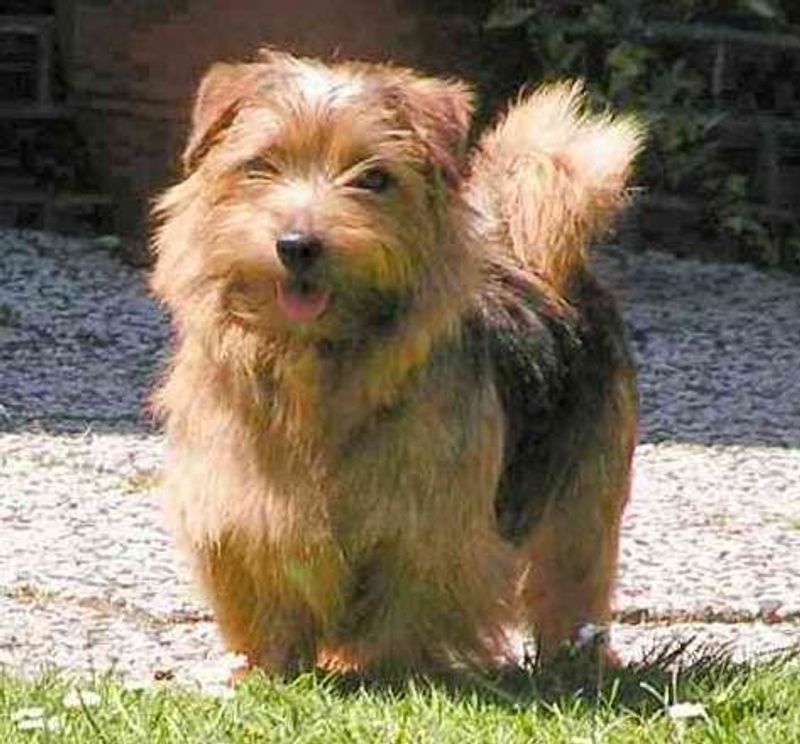
Norfolk Terriers are social yet selective, pausing to read the room before handing out trust. They do best with low key greetings that let them come forward, not be scooped up.
Respect that tiny body and big brain, and you will see confidence blossom.
Ask guests to kneel sideways, speak softly, and offer a flat palm with a treat. Keep sessions short, and pair with simple cues for clarity.
Let sniff walks decompress after visits. Reinforce curiosity, not clinginess, and avoid overwhelming group settings early.
With steady handling, a Norfolk becomes a cheerful shadow, happy to greet but happier still to check in with you and settle near your feet.