
We all want our dogs to age comfortably, but some breeds face higher odds of needing extra help to keep moving. Knowing which pups may benefit from ramps, harnesses, or traction can save you stress later.
A few smart tools and habits can turn tough days into easier, happier ones. Here are breeds where early planning can truly protect comfort and confidence.
German Shepherd
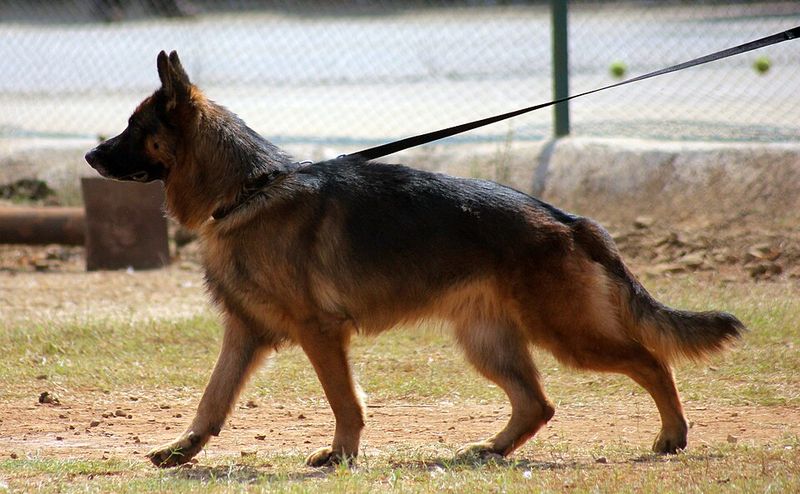
German Shepherds are brilliant workers, but their hips and elbows often pay the price as years add up. You might notice stiffness after play, slower stairs, or a bunny hop gait that hints at joint stress.
When that happens, researching harnesses, slings, and supportive carts can keep adventures going without pain.
Look for a front and rear handle harness that spreads pressure evenly and lets you guide balance on slick floors. Orthopedic ramps reduce jump impact into cars or onto couches your dog still loves.
Pair mobility aids with joint friendly exercise, traction mats, and weight management so every step feels safer, longer. With early planning, you will feel ready to help your Shepherd move comfortably through senior seasons.
Labrador Retriever
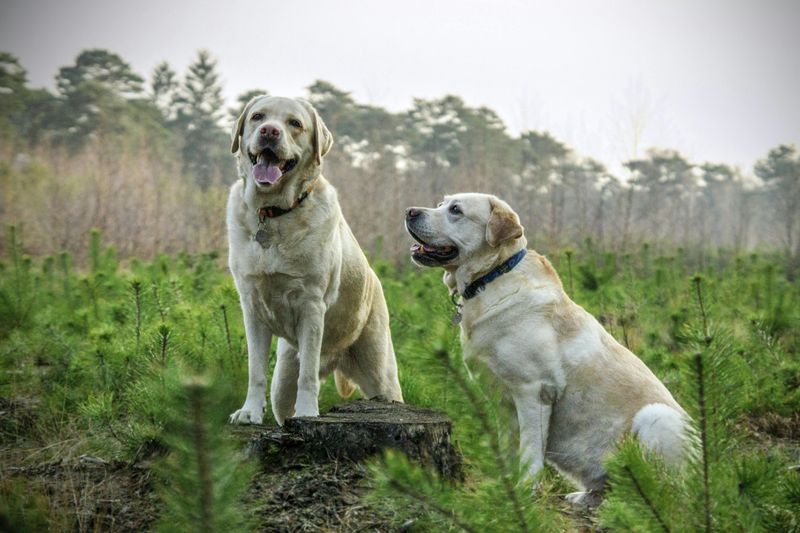
Labrador Retrievers age with big hearts and bigger enthusiasm, but joints and spines can struggle under their sturdy frames. If your Lab hesitates to jump, paces after naps, or slips on hardwood, that whisper might mean it is time to support mobility.
The right gear protects confidence while saving your back, too.
Consider a full body lifting harness that cushions the chest and hips during car entries and porch steps. Portable ramps help heavy dogs avoid risky leaps, and booties add traction for tile or snow.
Combine aids with swimming, controlled fetch, and measured meals to guard cartilage. Planning now means your Lab keeps chasing everyday joy, just with safer landings and smoother, steadier walks together.
Golden Retriever
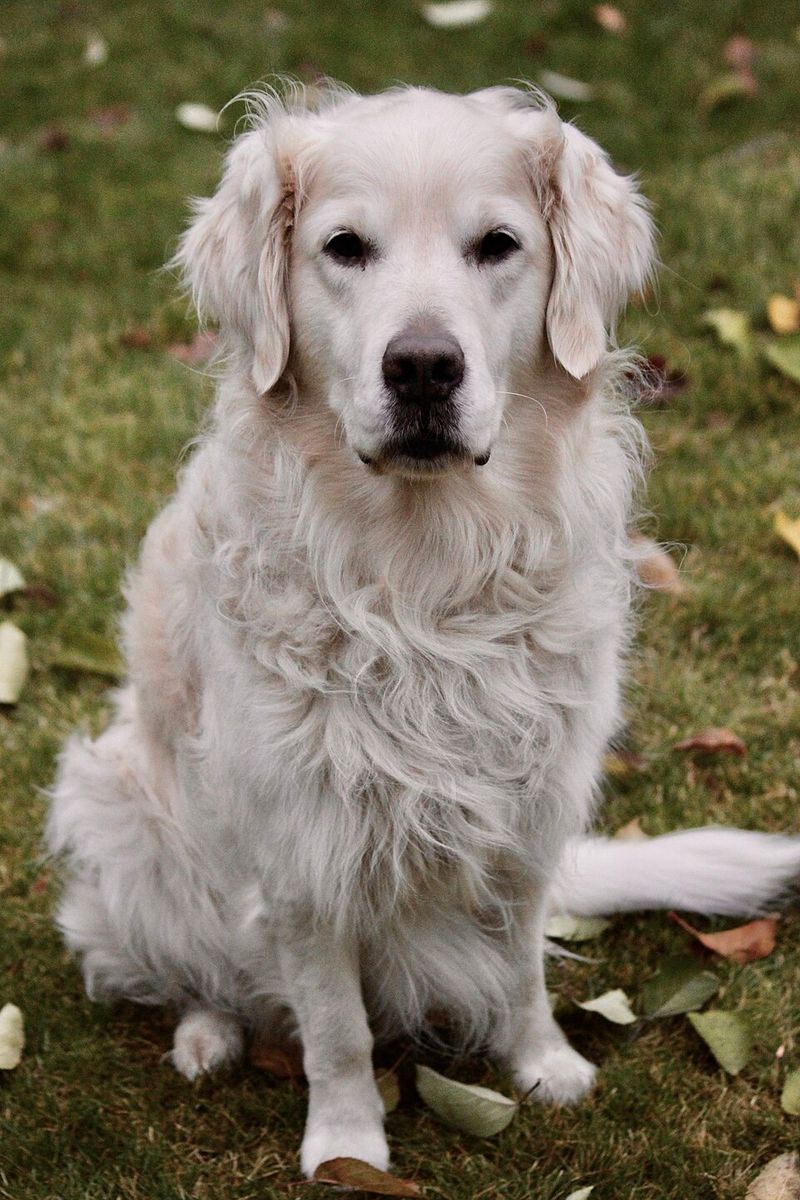
Golden Retrievers bring sunshine, but genetics can invite hip and elbow dysplasia, plus cruciate tears from high energy play. When you see hesitation on stairs, slow sits, or back leg scuffing, start exploring gentle support.
Early changes keep your goldie confident, curious, and comfortable on familiar routes daily.
A supportive rear lift harness helps with bathroom breaks and car hops, while a belly sling protects your own posture. Foldable ramps and non slip runners turn tricky thresholds into smooth paths.
Add hydrotherapy, short hill walks, and omega rich nutrition to nurture joints. With kind routines and practical tools, you will help your Golden trade risky leaps for steady strides, staying close by your side longer.
Rottweiler
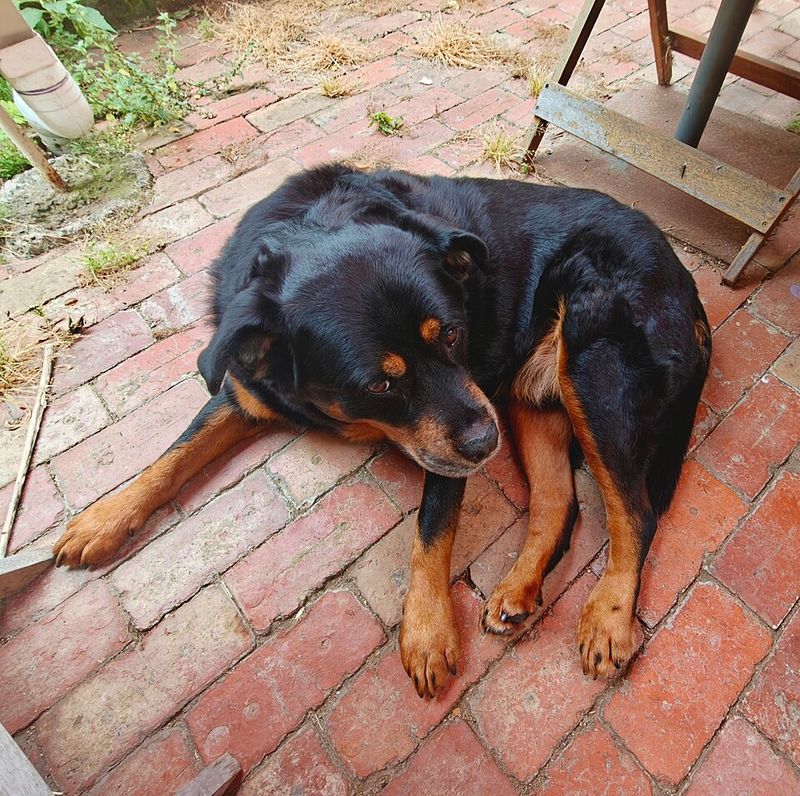
Rottweilers carry impressive muscle, yet their size can strain hips, knees, and ankles as seasons pass. You might catch a subtle head bob, stiff morning rise, or slipping rear feet on tile.
Those signs are your cue to plan supportive routines before discomfort steals momentum. Act early and stay consistent.
Choose a rugged dual handle harness for controlled assists on stairs, curbs, and vehicle climbs. A long, grippy ramp reduces jumping, and toe grips or booties improve traction in slick hallways.
Keep joints happier with low impact conditioning, targeted strength work, and lean calories. With the right aids ready, your Rottie can stay active, proud, and safe, trading risky bursts for strong, deliberate movement beside you.
Bernese Mountain Dog
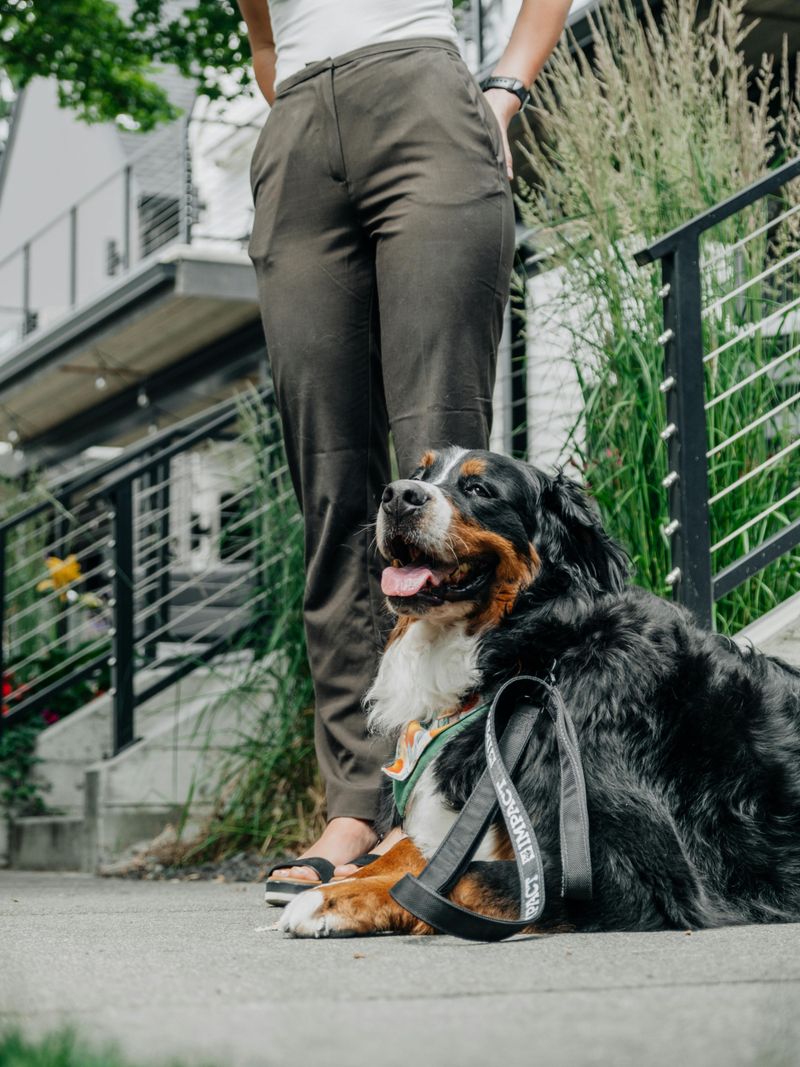
Bernese Mountain Dogs are gentle giants with joints that often need extra kindness as age and weight intersect. If your Bernie struggles on stairs, pants after mild walks, or hesitates to rise, supportive aids can bridge the gap.
Planning now prevents rushed decisions during flare ups. Start conversations with your vet.
A full support harness with broad straps helps you guide balance without pinching thick coats. Sturdy ramps ease SUV entries, while non slip runners and nail trims improve home traction.
Add short, scenic walks, swimming, and core drills to protect aging hips and knees. With thoughtful routines and friendly tools, your Berner keeps exploring cooler mornings and cozy evenings, moving safely with you through every season.
Great Dane
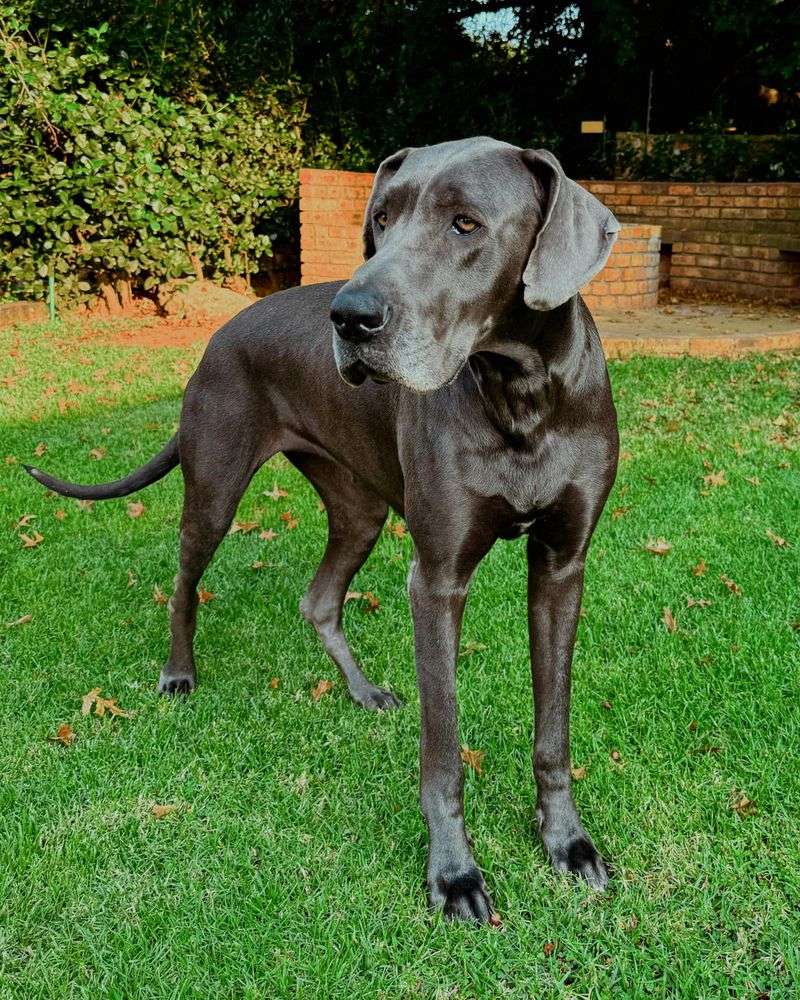
Great Danes live large, and their towering frames can challenge joints, hearts, and backs sooner than expected. If standing gets awkward, paws splay on floors, or your Dane hesitates to load into cars, it is time to plan.
Comfort and dignity are worth the effort. Start supportive habits early.
Look for an extra tall sling or rear support harness that keeps your posture safe while aiding theirs. Wide, high traction ramps prevent scary slips, and elevated diners reduce neck strain during meals.
Add gentle leash walks, soft bedding, and regular nail care to protect gait. With steady routines and kind tools, your Dane keeps greeting neighbors proudly, moving thoughtfully with you instead of pushing through pain.
Newfoundland
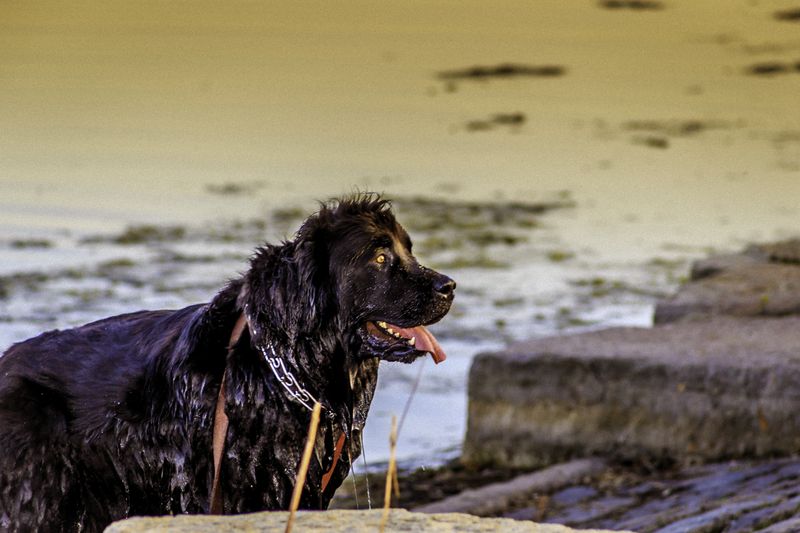
Newfoundlands are sweet powerhouses bred for water work, yet their heavy builds can overwhelm joints over time. You might notice slower rising, wobbling on slick ground, or resistance toward car steps.
Those signals say it is time to add steady, joint friendly support. Plan early with your vet and trainer.
A padded, waterproof harness with grab handles helps you guide balance after swims or rainy walks. Folding ramps with high sides boost confidence for vehicle loading, and booties protect traction on boat docks.
Keep muscles fresh with swimming sessions, underwater treadmills, and balanced calories. With the right aids ready, your Newfie stays joyful and mobile, trading risky lunges for controlled movement that keeps adventures possible.
Saint Bernard
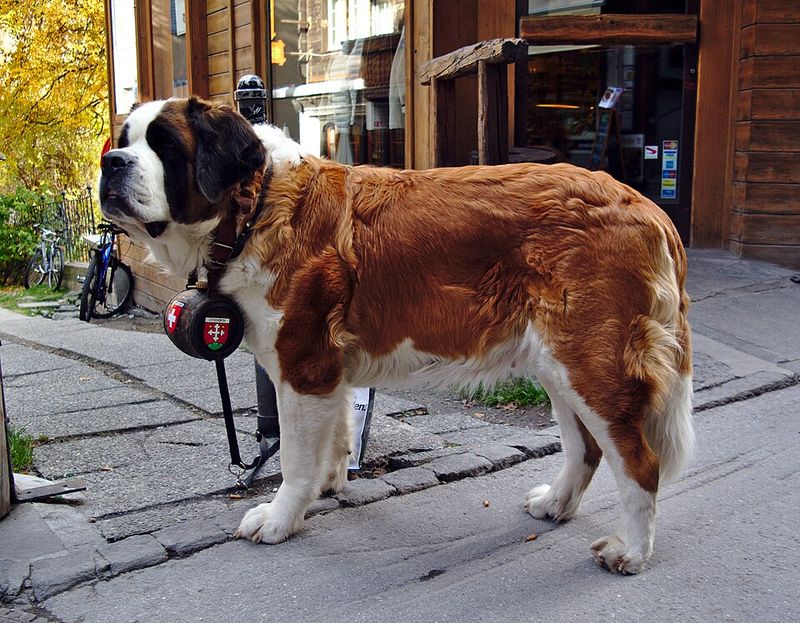
Saint Bernards win hearts with kindness, but drool is not the only thing that flows as years pass. Big frames can stress hips, knees, and backs, making stairs and vehicles more daunting.
When movement slows, it is time to explore helpful gear that preserves confidence. Start the conversation with your veterinarian early.
Choose a broad, cushioned harness with front and rear assists for guiding weight safely. Extra deep, grippy ramps support wide stances, and traction mats help on tile near water bowls.
Add controlled walks, snow mindful paw care, and lean nutrition to reduce strain. With patience and smart tools, your Saint will keep offering those famous cuddles, moving more comfortably beside you through changing seasons.
Mastiff
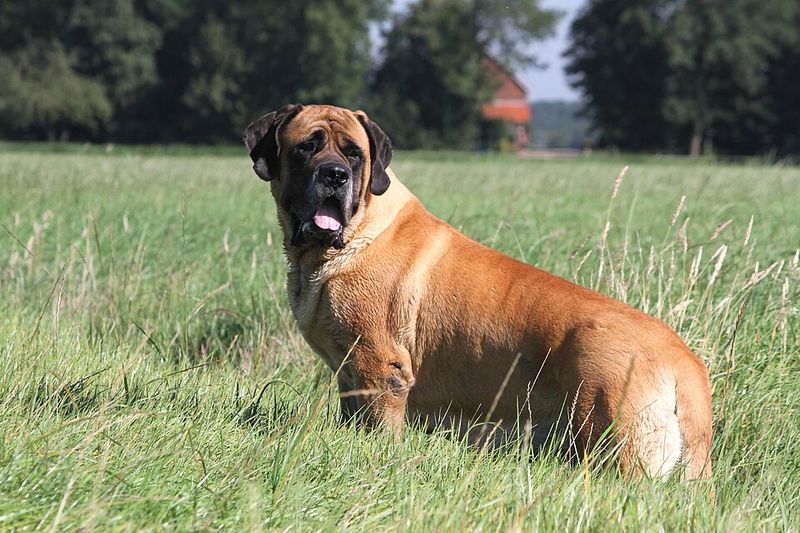
Mastiffs are majestic and massive, which means joint load and heat management require extra attention as years accumulate. If your dog stalls at stairs, pants quickly, or shifts weight while standing, support tools can make daily life easier.
Protecting movement protects confidence, too. Talk with your veterinary team early about options.
Pick a heavy duty lifting harness with multiple handles so you can guide turns and stops without strain. A wide ramp with side rails builds trust for SUVs, and cooling mats help recovery after walks.
Keep routines slow, shaded, and steady, with joint supplements discussed with your vet. With the right aids nearby, your Mastiff enjoys fuller days, moving thoughtfully instead of powering through discomfort.
Boxer
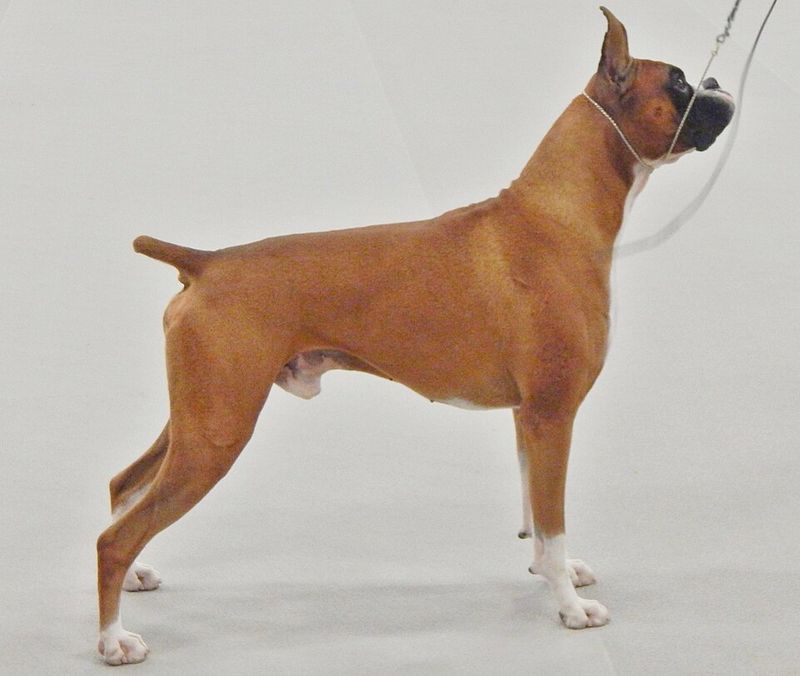
Boxers are athletic clowns, but cruciate tears, spondylosis, and arthritis can creep in as playful years stack up. If your dog starts bunny hopping, struggles to rise, or avoids the couch, mobility gear can protect joy.
It is not giving up, it is gearing up. Ask your vet about preventive braces and conditioning.
Try a lightweight rear support harness for bathroom trips and car entries, plus a foldable ramp for furniture. Toe grips or textured booties help with hardwood zoomies turned careful trots.
Add core exercises, short interval walks, and bodywork to maintain alignment. With early habits and friendly gear, your Boxer keeps wiggling happily, trading risky jumps for steady, pain aware adventures that still feel fun.
Corgi
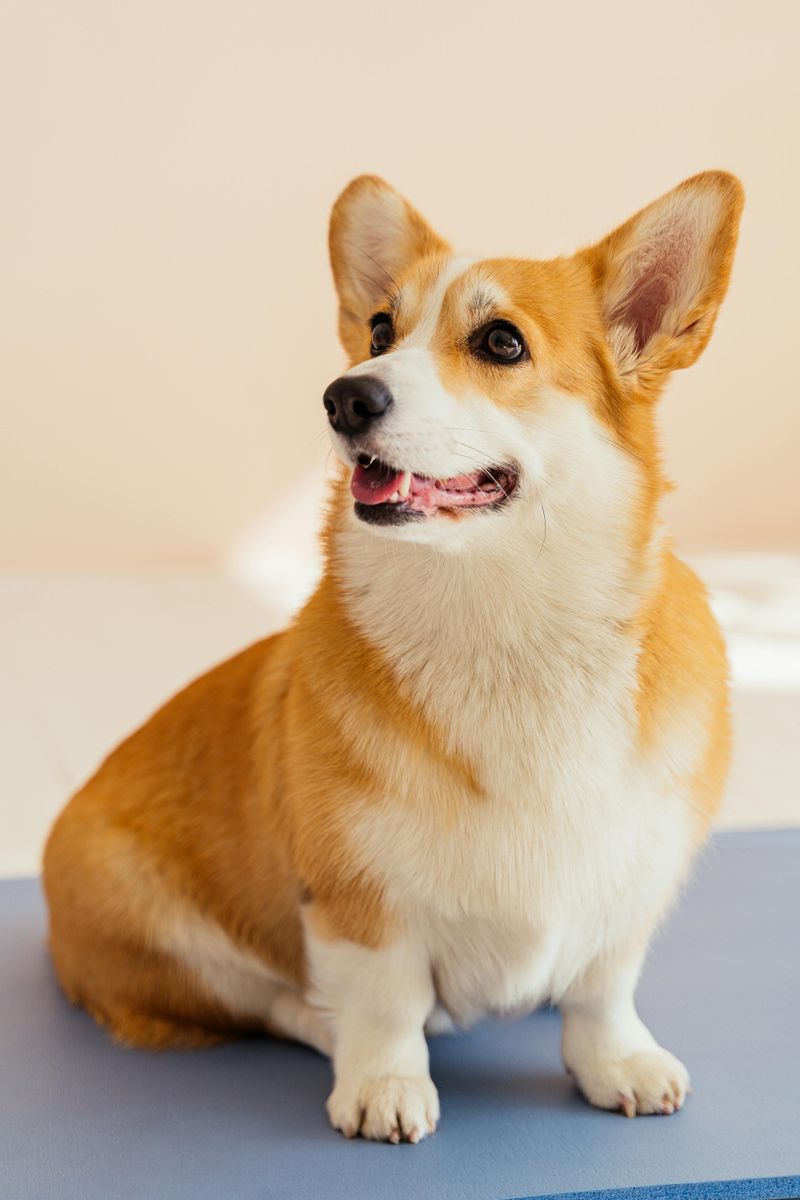
Corgis are long, strong, and low, which makes spines and shoulders work overtime as adulthood turns to senior years. If jumping onto sofas fades, stairs get slower, or back legs slip, consider early support.
Prevention is powerful for these bold herders. Talk to your vet about back friendly routines.
Use a belly sling or rear harness to help with bathroom breaks and curb steps without straining little backs. Pet stairs and carpeted ramps protect discs from risky leaps onto favorite perches.
Keep core tight with controlled walks, figure eights, and weight checks. With the right aids and routines, your Corgi keeps patrolling the house proudly, moving safely while still flashing that trademark grin through countless cozy evenings.
Dachshund
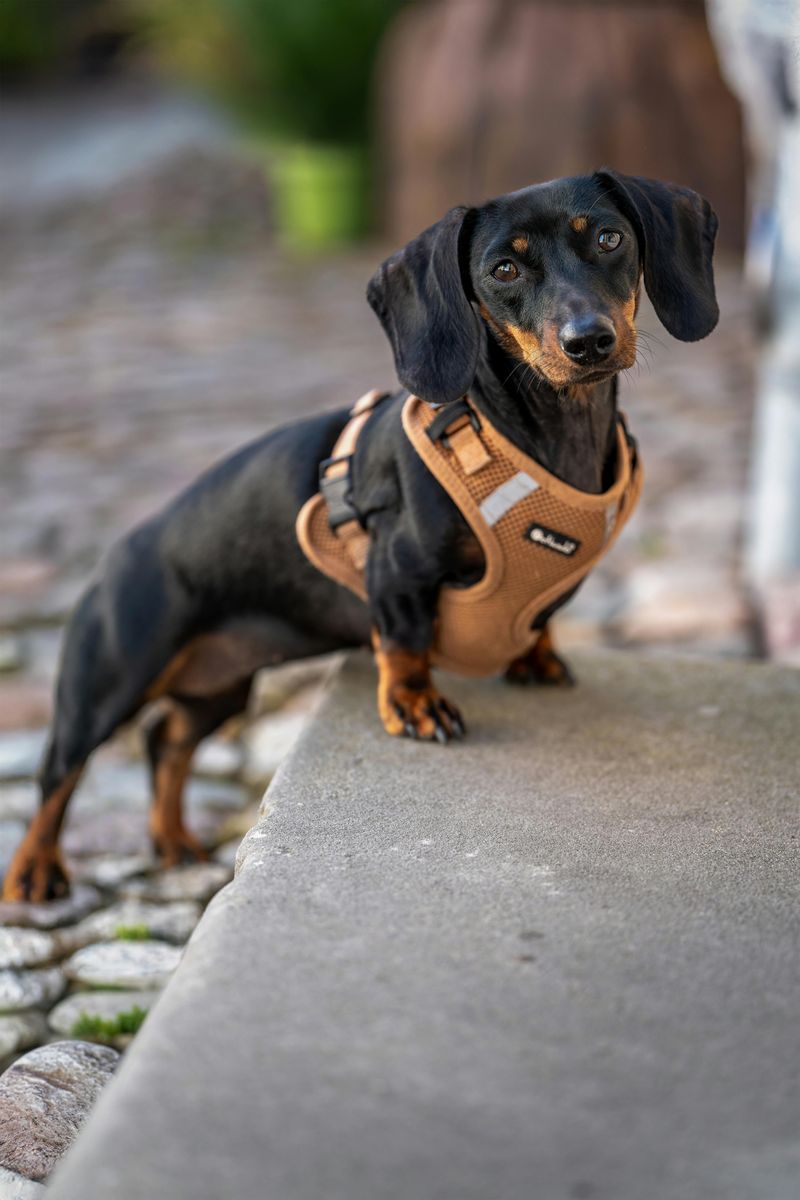
Dachshunds win hearts with courage, but long backs and short legs raise disc risks that deserve early planning. If your doxie hesitates on stairs, freezes before jumping, or knuckles a paw, hit pause and add support.
It is about safety, not limits. Discuss back friendly habits with your vet early.
Carpeted ramps to couches and beds are essential, and a snug harness avoids neck strain during walks. Use a rear support sling for potty trips after flare ups, and add traction runners on slick floors.
Keep muscles balanced with controlled walks, wobble boards, and core work. With consistent habits and gentle tools, your Dachshund stays adventurous and close, moving safely while avoiding those sudden, scary setbacks that sideline play.
Basset Hound
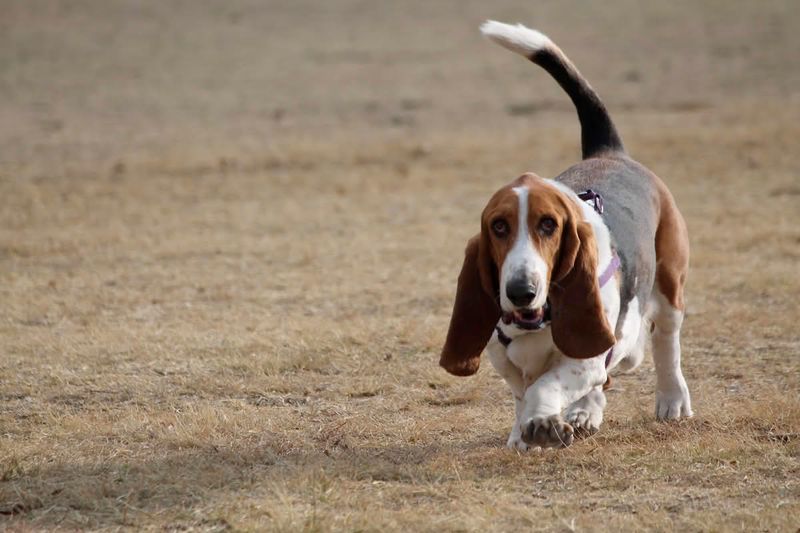
Basset Hounds carry heavy fronts on short legs, which can stress elbows, shoulders, and spines over time. When jumping turns cautious, nails click from dragging, or beds seem too high, mobility aids can help.
Support today saves setbacks tomorrow. Ask your vet about weight goals and preventive gear.
Pet stairs with deep treads and gentle ramps protect joints, while a belly sling assists bathroom breaks without twisting backs. Traction mats, trimmed nails, and booties reduce slips on kitchen tile.
Add scent games, controlled hill walks, and weight checks to build strength gently. With a few smart tools and steady routines, your Basset keeps sniffing happily, sharing couch cuddles without risky leaps that could sour otherwise sweet afternoons.
French Bulldog
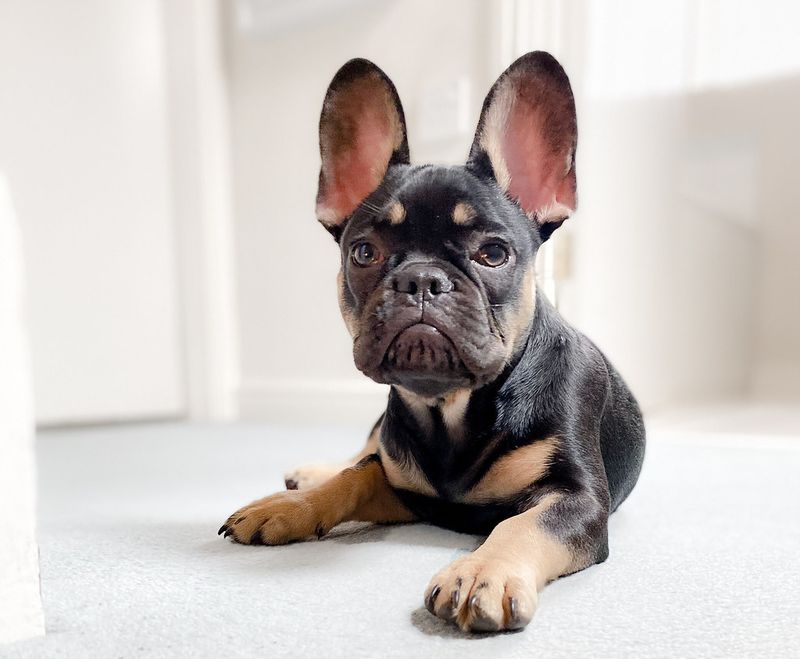
French Bulldogs bring laughs, but compact bodies and narrow airways can make exercise tough and joints achy with age. If your Frenchie slips, bunny hops, or struggles to rise after naps, small aids can change everything.
Comfort makes confidence possible. Work closely with your veterinarian and watch heat.
Try a breathable harness with good chest support and a rear assist handle for quick lifts into cars. Low incline ramps preserve spines and reduce jumping off sofas, and cooling mats help post walk recovery.
Keep sessions short, shaded, and playful, with vet guided weight goals. With early planning and kind tools, your Frenchie enjoys strolls and snuggles longer, moving safely without sacrificing that cheerful, goofy charm you adore.
English Bulldog
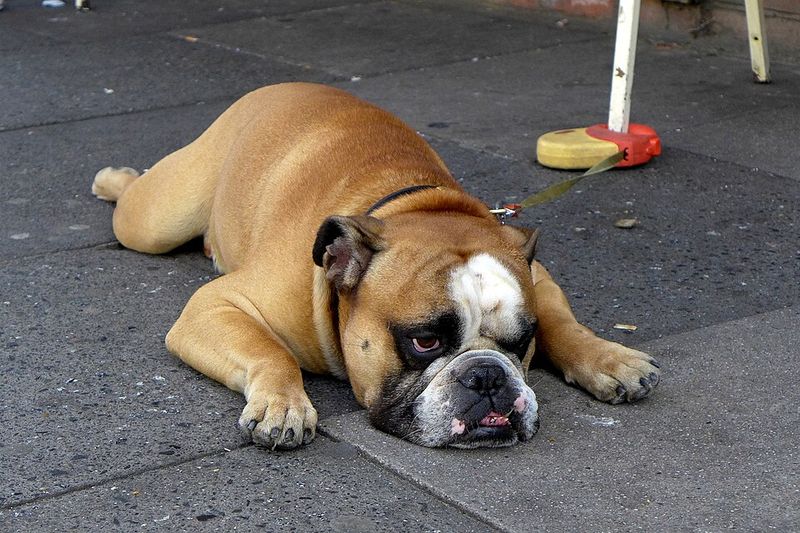
English Bulldogs are charming but heavy in front, which challenges shoulders, elbows, and breathing as years progress. When rising looks hard, paws slip on tile, or car steps feel scary, mobility aids can restore confidence.
Small improvements add up quickly. Partner with your vet early about options.
Pick a sturdy harness that lifts evenly from chest and ribs, plus a rear handle for bathroom assists. Wide, textured ramps and traction mats protect joints and prevent splits, while cooling vests support safer walks.
Add gentle conditioning, nail care, and weight management for long term comfort. With thoughtful gear and daily habits, your Bulldog keeps exploring at a happy pace, moving safely while soaking up affection from everyone you meet.
Cavalier King Charles Spaniel
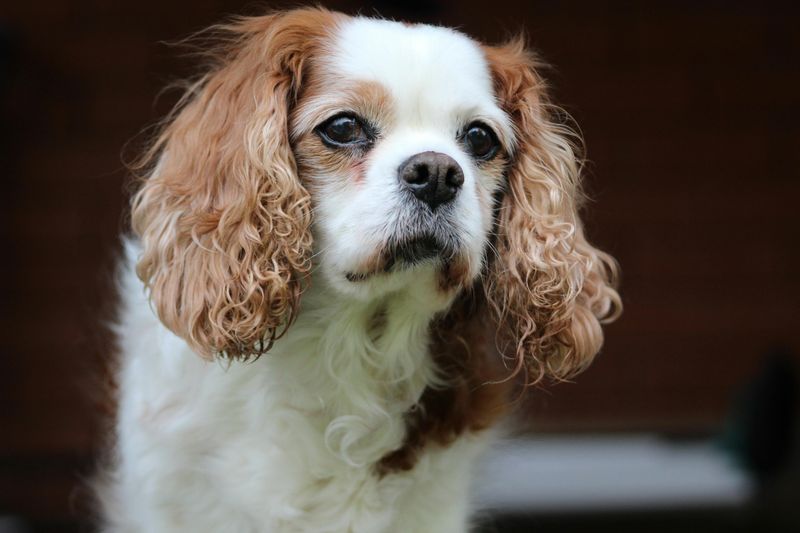
Cavalier King Charles Spaniels are affectionate companions, yet heart disease and joint issues may slow activity with age. If your Cavalier lags on walks, hesitates at steps, or seems tender after play, gentle support can help.
The goal is comfort without losing joy. Work closely with your veterinary team and monitor stamina.
Choose a soft, well fitted harness that avoids neck pressure, paired with small ramps to favorite spots. Nonslip rugs protect wobbly moments, and stroller breaks can extend outings on tired days.
Keep sessions short, with heart friendly pacing advised by your vet. With caring routines and practical tools, your Cavalier keeps exploring safely, sharing cuddles and sunshine while moving more easily through the years beside you.
Doberman Pinscher
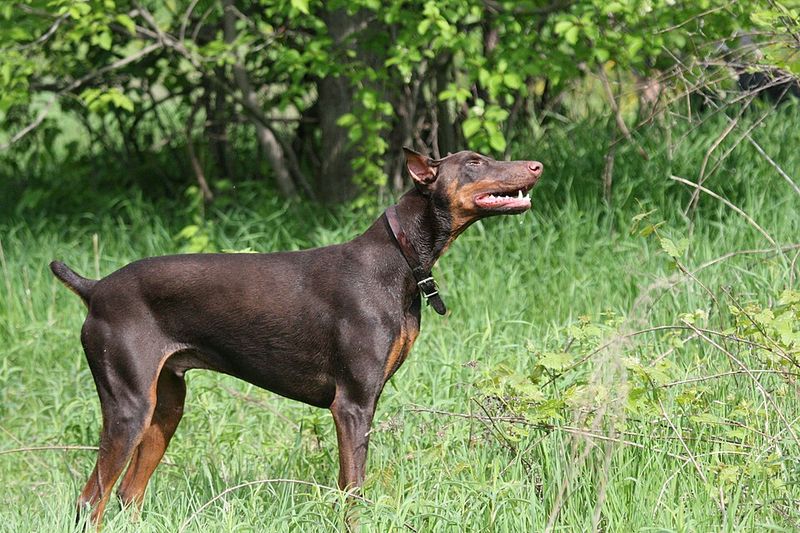
Doberman Pinschers are sleek athletes, yet cervical spine issues, Wobbler syndrome, and arthritis can disrupt graceful movement over time. If your Doberman short steps, drags toes, or hesitates to turn tightly, supportive gear can make daily life safer.
Preparation beats reaction every time. Talk to your vet about neck friendly handling and conditioning.
Use a well balanced harness that avoids neck torque, plus a rear assist strap for controlled lifts. Long, textured ramps help with SUVs, and rubber runners create safer lanes across hardwood.
Add targeted strength, cavaletti work, and thoughtful rest between sprints. With early planning and steady routines, your Doberman keeps moving with purpose, trading risky bursts for confident, supported strides that feel good again.