
Ever felt your dog get weirdly distant right after you tried to fix a behavior. You are not imagining it.
Dogs have polite ways to say back off a bit, and reading those signals can save trust fast. Here are subtle signs your pup needs space, not more chatter or cheerleading.
turning their head away after a correction
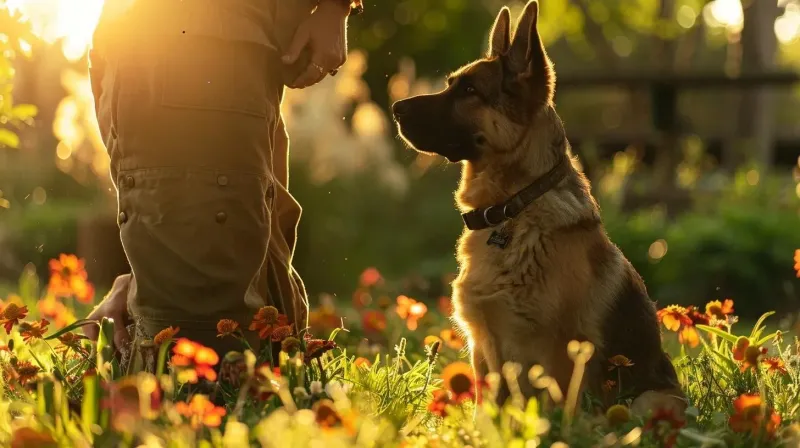
Your dog hears the correction, stiffens, and slowly turns their head away like they are closing a door. That averted face is not shy, it is a polite boundary that says please pause.
Eye contact breaks, ears shift back, and the mouth tightens while they measure the moment.
Lean in now and you risk escalating the discomfort into a grumble or a snap. Give them a short breather, soften your posture, and let the room breathe too.
When their head floats back your way and their shoulders loosen, you will know the message landed and trust can restart. A calm reset beats repeating the cue or adding more words every time.
Space is kindness your offended pup understands quickly best.
moving a few feet away but staying in sight
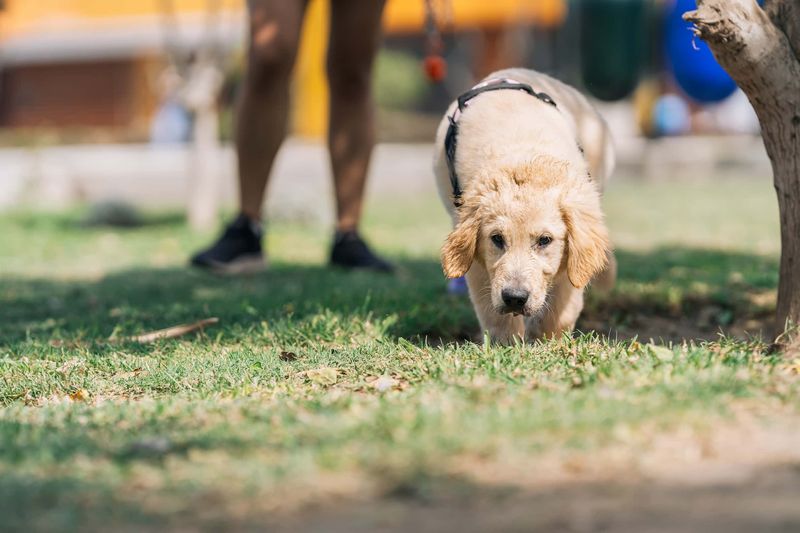
When a dog shuffles a few feet away yet keeps you in view, that is purposeful space taking. They are not quitting on you, they are regulating.
Watch the arc of their body, the tail held still, and the cautious glance that checks your next move.
Let them park there without calling or clapping, and soften your eyes. Turn slightly sideways, breathe slower, and give the situation a wider frame.
Many dogs drift back on their own once the pressure valve opens, and the conversation can continue without bruised feelings. If they linger, quietly adjust the environment by lowering excitement, removing the trigger, or changing locations.
Respecting distance turns conflict into learning and keeps your relationship resilient. That matters today.
slow dramatic body language around you
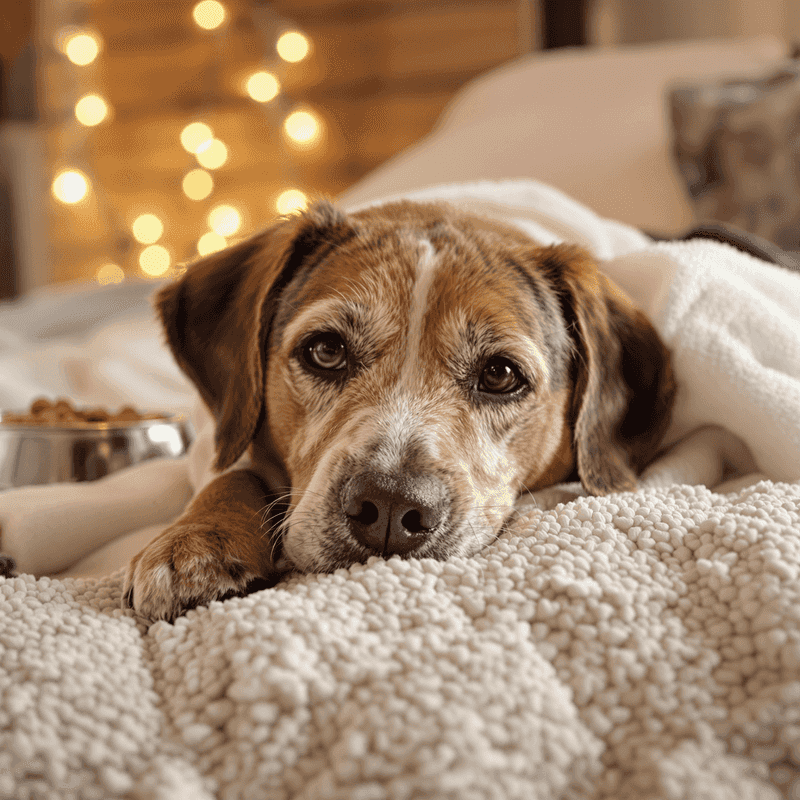
Ever notice your dog moving in exaggerated slow motion after a tense moment. That theatrical slowness is not laziness, it is emotional messaging.
Each pause, yawn, and heavy blink broadcasts I need calm and less pressure right now.
Match the tempo by slowing your hands, softening your voice, and shortening interactions. Skip the hovering, give them choice, and let them approach when ready.
In a minute or two, muscles often unclench, breathing evens out, and the dog reengages without drama. If you add cheerleading, you risk amplifying the social friction instead of melting it.
Quiet presence, a short walk, or sniffing breaks reset the system faster than cajoling. Let the silence do some teaching for you.
It truly works beautifully.
refusing a toy they wanted a minute ago
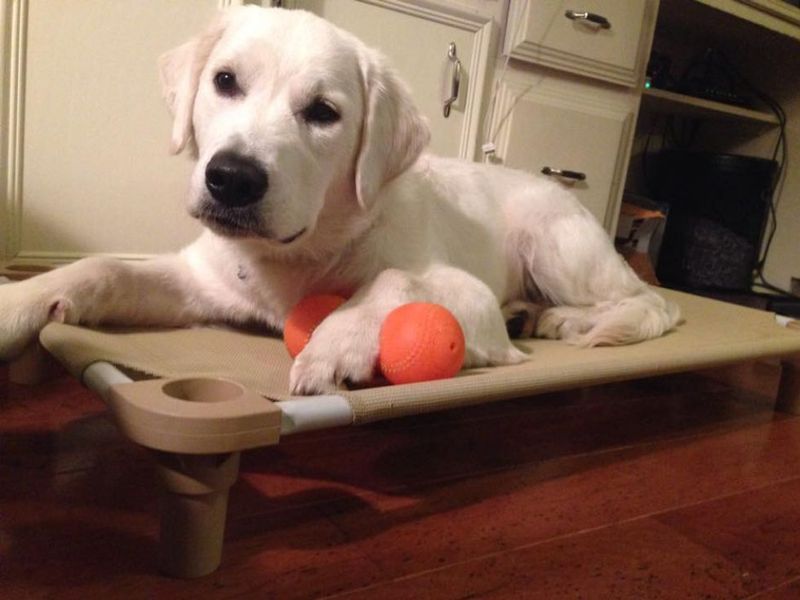
That toy was hot property five minutes ago, but now your dog turns away with a tight mouth. This whiplash is not fickle, it is feedback about emotional overload.
A recent correction, crowded space, or rough handling can sour the fun instantly.
Do not chase or reoffer the prize like a salesperson. Instead, step back, toss a couple scattered treats, and breathe.
When curiosity returns on its own, present the toy with zero pressure, or switch to something gentle like sniffing games so confidence, not conflict, takes the lead again. Tomorrow, the same toy may sparkle because the emotional weather has cleared.
Honor timing, and you protect play from turning into a tug of egos. That is good training practice.
sighing, licking lips, or giving a side glance
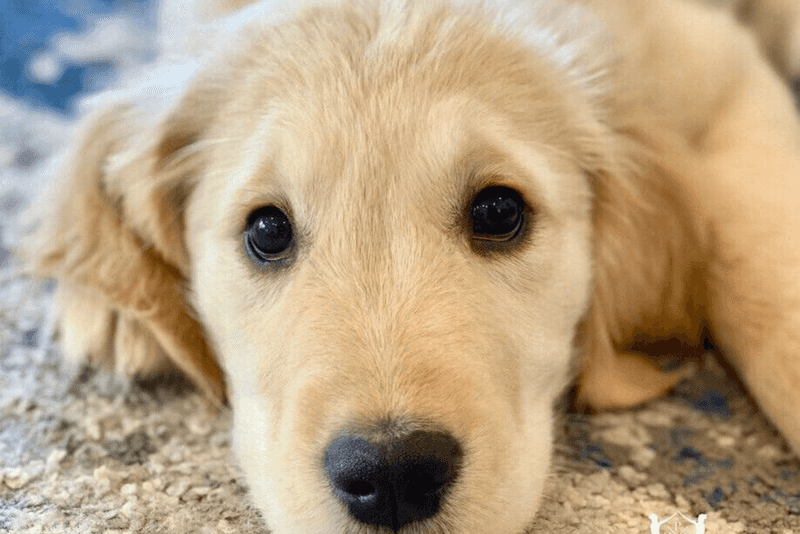
Small signals speak loudly in dog language. A long exhale, quick lip lick, or sideways eye are classic appeasement gestures.
They say I want peace, please slow down, without raising the volume of a growl.
When you spot them, pause what you are doing, soften your face, and give a little space. Offer a sniffing break, water, or a calmer activity, and keep your movements predictable.
Meeting subtle communication with subtle kindness tells your dog they are heard, so they do not need to shout. Ignore these cues, and the next message might be a bark, a snap, or a shutdown.
Listen early and conflicts rarely grow teeth. That is how respect grows quietly between you.
Keep noticing more, always.
choosing a “statement spot” in the room
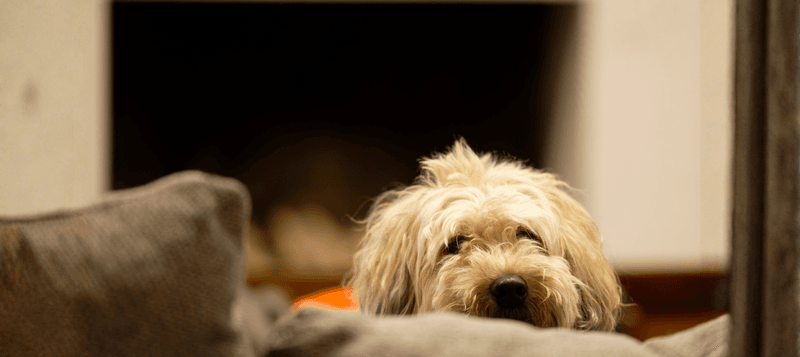
Some dogs pick a doorway, couch back, or corner and plant themselves there like a billboard. The placement is deliberate, a quiet statement about boundaries and control.
They can see everything, avoid close contact, and still make sure you noticed the repositioning.
Do not turn it into a power struggle. Normalize the space by relaxing your posture, engaging elsewhere, and letting them move when ready.
Later, invite them off that perch with something easy and upbeat, reinforcing that choice opens doors while pressure closes them. Over time, the dramatic parking fades because safety feels shared, not negotiated every minute.
You are teaching that calm distance is allowed and temporary, not a wedge. That lesson keeps trust flexible for both sides.
delaying their response to a familiar cue
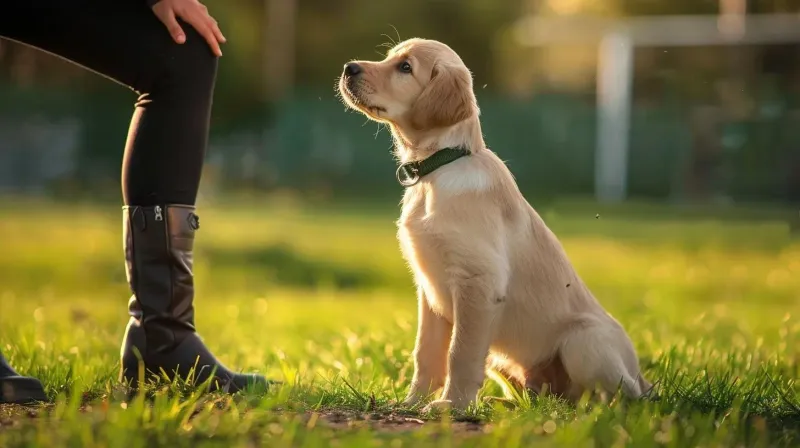
You say sit and the pause stretches far longer than usual. The cue is known, so the delay carries meaning.
Hesitation after friction often signals I heard you, but I need respect and clarity before I comply.
Try softening your voice, asking once, and waiting with quiet patience. If you get compliance, mark and reward generously to repair the social fabric.
If not, lower criteria, change the picture, and revisit the cue later when emotions are cooler and concentration returns. Pushing through the pause can transform thoughtful hesitation into refusal, which then invites conflict.
Let grace fill the gap, and watch responsiveness revive without friction. Being heard helps dogs feel safe enough to say yes again.
That is real teamwork.
acting normal again only after you stop trying too hard
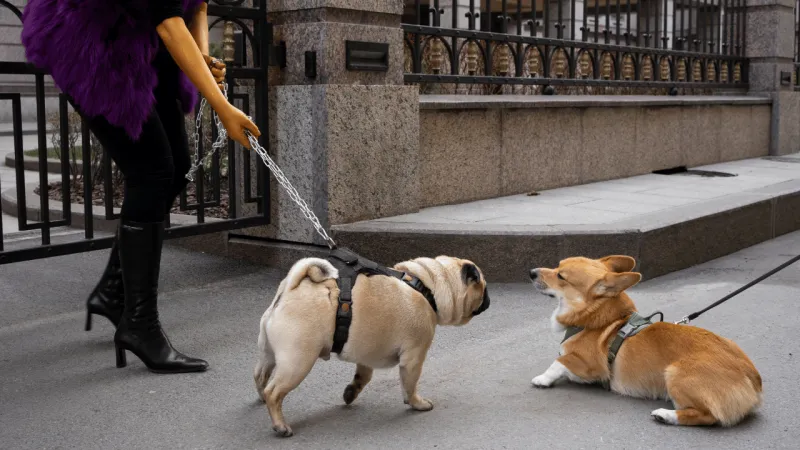
Sometimes the magic moment happens right after you give up the pep talk. You step back, stop coaxing, and suddenly your dog loosens and reengages.
Pressure off, safety rises, and the social air clears.
That turnaround is your proof that space, not more attention, was the medicine. Next time, shorten the dance by noticing early signs and hitting pause sooner.
Your calm retreat becomes an invitation for them to choose you again, and that choice is the sweetest training win. Chill presence says I trust you to come back, which most dogs find reassuring.
Less talking, less touching, more breathing, more time. You will be surprised how often a quiet reset solves what effort could not.
Let ease lead, always.