
Imagine landing on a wild island where dogs have written their own rulebook. Some breeds would not just survive there, they would build routines, form patrols, and defend resources with uncanny teamwork.
You can almost picture their social hierarchies forming around water sources, hunting grounds, and safe sleeping spots. Ready to meet the canine contenders most likely to run the place without us around?
Siberian Husky

Siberian Huskies thrive when work meets wilderness, and an empty island would feel like a sprawling trail. Their endurance could map daily circuits around water sources and safe sleeping zones, with rotating patrols led by confident adults.
Thick double coats handle sharp weather shifts and salt spray from cliffs. You could watch them coordinate silently, reading queues and conserving energy.
Prey drive would target seabirds, small mammals, and fish near tidal pools. Resource sharing might revolve around confident females, with adolescent males honing distance scouting roles.
Expect efficient digging for cool sleeping pits and food caches. If you wandered in, they would size you up quickly, deciding whether you help the territory or become another moving puzzle.
Alaskan Malamute
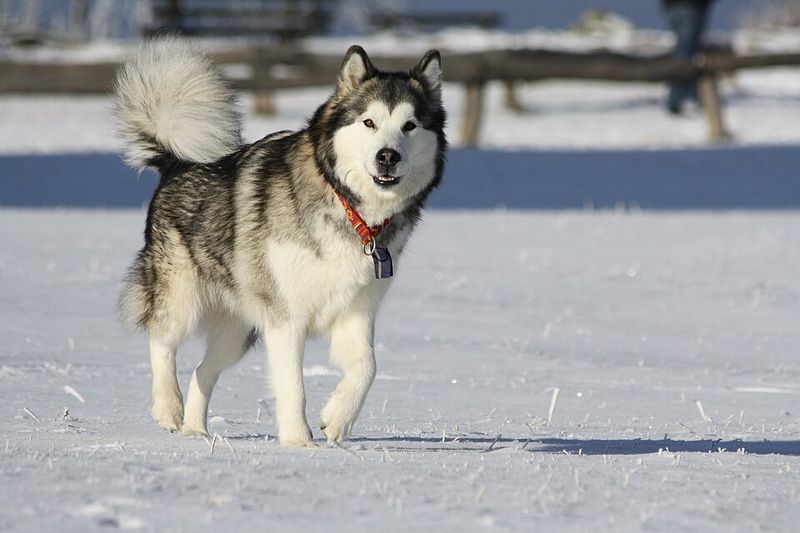
Alaskan Malamutes bring brute strength and calm leadership that suits a rugged island. Picture them dragging driftwood to build windbreaks and den frames, muscling through surf to scavenge kelp racks.
Their social structure is steady and clear, minimizing wasteful squabbles. You would notice a cadence to their days, with morning foraging, midday rest, and evening patrols.
They excel at cooperative hauling and group problem solving, plus thick coats shrug off cold sea fog. Prey options would include shellfish, shore birds, and opportunistic fishing at low tide.
With patient tenacity, they would expand range boundaries and fortify habitual routes. If you kept pace, they might tolerate your presence, so long as you respect their caches and quiet authority.
Basenji
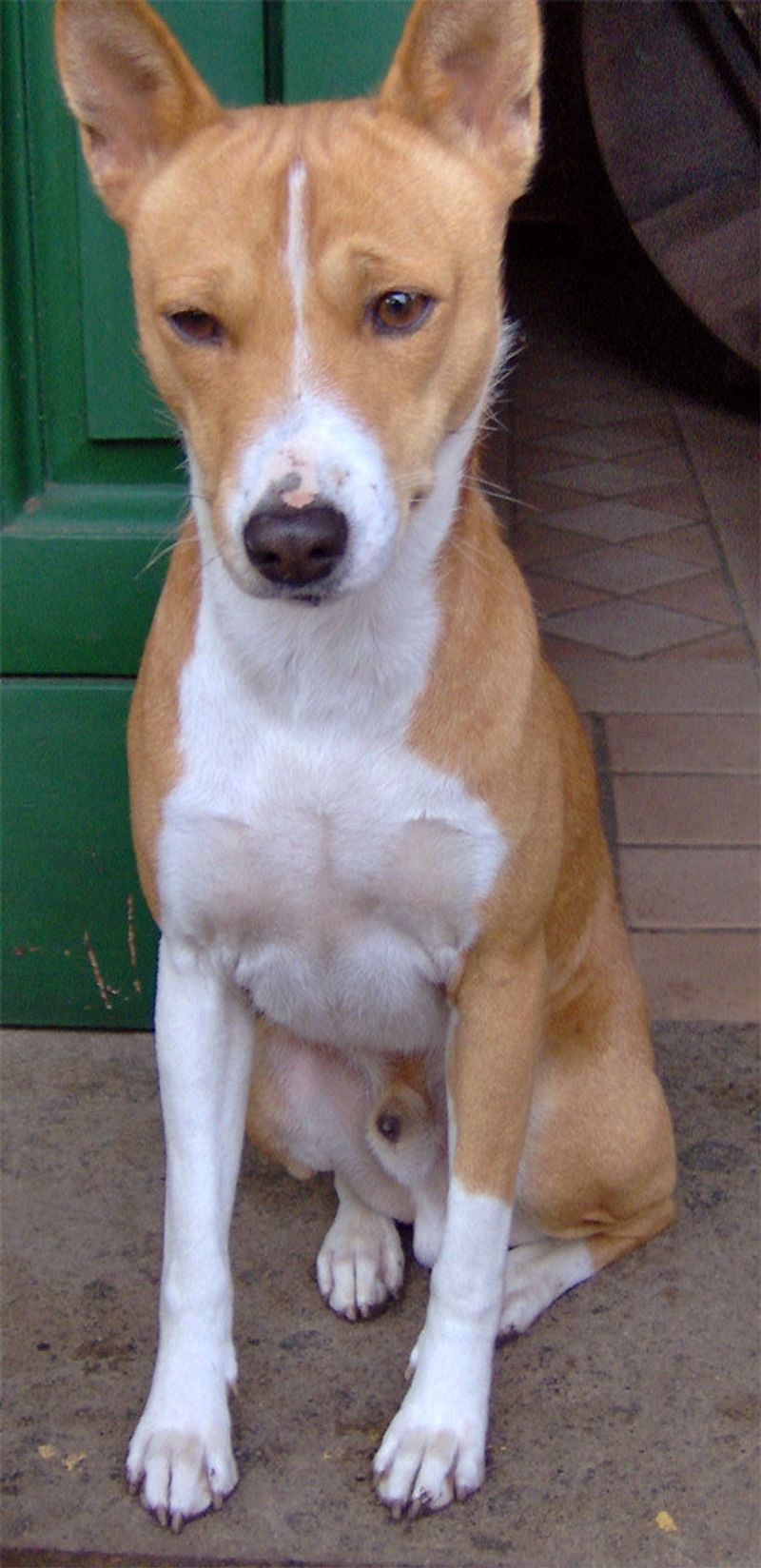
Basenjis move like whispers, and that quiet efficiency would be gold on an island. Their near silent communication keeps hunts discreet, minimizing attention from larger rivals.
Agile bodies slip through thorny brush, and quick minds spot patterns around tide lines and fruiting shrubs. You would see them stash finds in clever nooks, then revisit with uncanny timing.
They are fast, clean, and heat tolerant, so midday shade and dew collection become part of the routine. Small reptiles, crabs, and ground birds would anchor their menu, backed by fallen fruit when seasons align.
Social ties are selective yet loyal. Earn their trust, and you might be led to water with a single glance, no barking, just knowing.
Carolina Dog
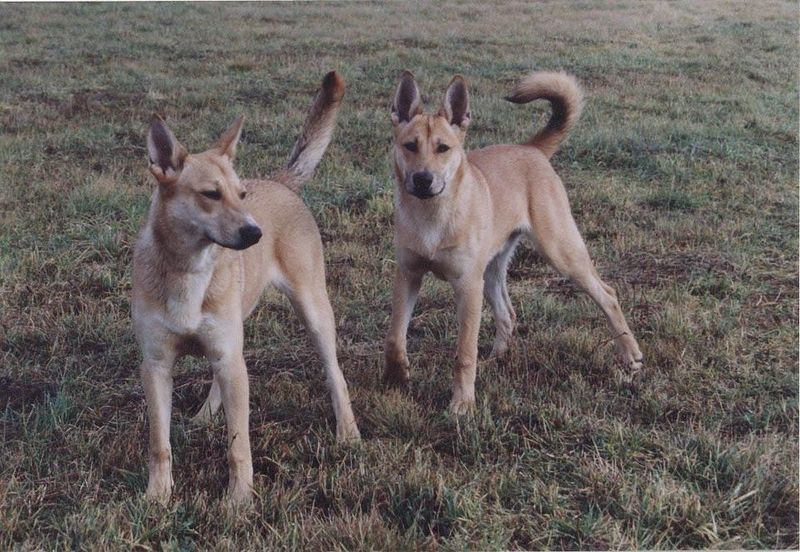
Carolina Dogs evolved as adaptable foragers, and an island would feel familiar. Their semi feral heritage shines in flexible diets, nimble teamwork, and cautious curiosity.
You would notice circular travel loops around freshwater and safe shade, with scent marks keeping routes organized. They balance independence with harmony, avoiding wasteful fights and learning quickly from mistakes.
Menu choices include insects, shellfish, rodents, and seasonal fruits. They often dig shallow cooling beds and maintain neat latrine zones that reduce parasite pressure.
Play doubles as practice for group chases, sharpening timing on open sand flats. With patience and respect, you could trail them at a distance, reading tails and ears like signposts that map the island’s living rhythm.
Canaan Dog
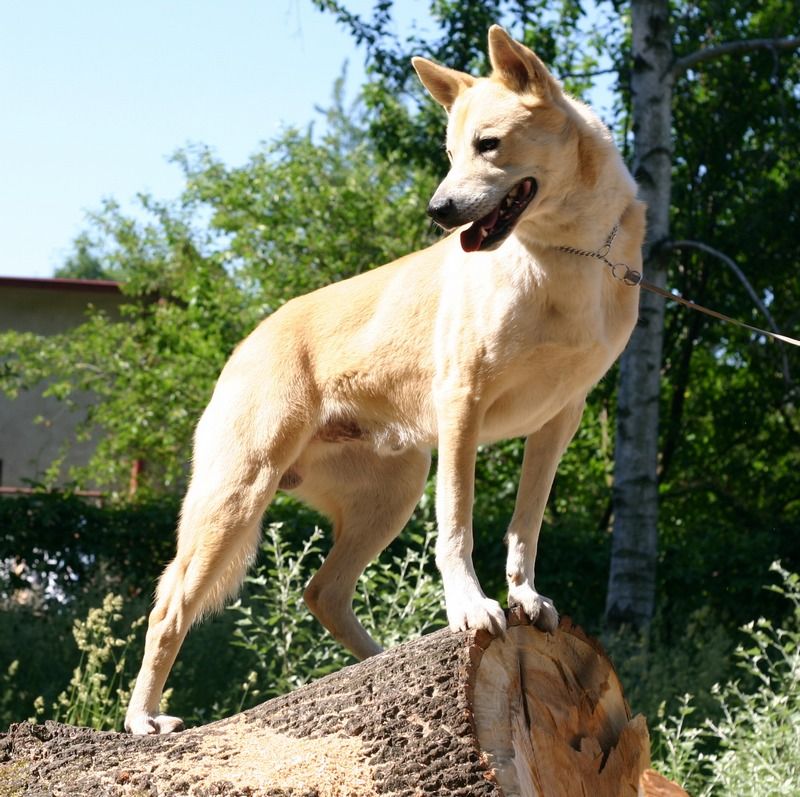
Canaan Dogs are vigilant sentinels, born to hold ground and read landscapes. On an island, they would claim vantage points and rotate watches, mapping every scent seam that the breeze delivers.
Their cautious temperament keeps dangers at distance, while agile bodies navigate rock shelves and thorny scrub. You would likely see tidy camp areas appear, aligned with prevailing winds.
They handle sparse conditions with balanced energy use, targeting lizards, seabirds, and small mammals. Scavenging adds maritime protein, from fish scraps to beached mollusks.
Social cohesion centers on dependable adults who teach boundaries through posture rather than constant noise. Approach respectfully and you might be tolerated, provided you accept their perimeter and never disturb the lookouts guarding dusk.
Thai Ridgeback

Thai Ridgebacks combine agility with a serious guardian streak. In dense island jungles, they would thread silent paths and mark corridors, using speed bursts to ambush prey.
Their short coats suit heat, while tough feet grip roots and rock. You would sense deliberate caution near water crossings, where crocodiles or hidden currents might lurk.
They are resourceful hunters of rodents, birds, and reptiles, and they cache leftovers efficiently. Social order is straightforward, anchored by self possessed adults who break tension early.
They would likely establish multiple sleeping sites to dodge parasites and storms. If you earned a place nearby, expect firm boundaries and clear eyes that question every move, friendly only after you prove reliable.
Rhodesian Ridgeback

Rhodesian Ridgebacks are heat savvy athletes built for long patrols and confident defense. On a scrubby island, they would command open ground, triangulating water, shade, and hunting lanes.
Their stoic nature reduces wasted energy and keeps groups focused. You would see crisp morning movement, long midday rest, then decisive evening foraging as temperatures drop.
Prey targets might include ground birds, feral goats, or quick reptiles, taken through short power sprints and teamwork. Social structure stays composed, with clear leadership and minimal drama.
They would manage threats with posture first, reserving force for real danger. Gain their respect by being calm and consistent, and they might walk beside you, sharing wind direction and silent plans.
Australian Cattle Dog

Australian Cattle Dogs are problem solvers with endless grit. Give them a feral herd and rough island terrain, and they will invent new jobs by dusk.
You would see them manage movement strategically, flanking paths and nudging animals toward safe grazing. Their muscular frames handle cliffs and basalt shelves with sure footed confidence.
Diet flexibility is excellent, from scavenged fish to small game and eggs. They conserve energy with smart pacing, then explode with power when opportunity appears.
Socially, they respect leadership that shows competence, not just size. If you helped organize water points, they would likely accept you as a useful ally, working alongside you with focused eyes and a practical, no fuss rhythm.
Belgian Malinois

Belgian Malinois bring intensity and brains that turn chaos into structure. On a harsh island, they would rapidly map threat vectors, establish perimeter sweeps, and synchronize movement.
You would notice relentless focus balanced by calculated rest cycles. Their short coats handle rain well, and their feet chew through tricky terrain without complaint.
They excel at pursuing fast prey and coordinating ambushes, often using sightlines along dunes and ridges. Food planning becomes a discipline, with caches labeled by scent codes and guarded in shifts.
Social dynamics reward competence, keeping slackers on brief leashes. If you joined their orbit, expect to contribute meaningfully.
They will test your consistency, then fold you into a schedule you did not know you needed.
Border Collie

Border Collies turn landscapes into puzzles and then solve them with finesse. On an island, they would catalog routes, mark hazard zones, and choreograph group movement as if herding the horizon.
Their stamina suits long circuits, while quick reflexes snap into action when prey stirs. You would see precision, not chaos, even under pressure.
They might corral seabirds off cliffs or guide goats into natural cul de sacs for controlled harvest. Food management becomes strategic, with scheduled patrols and rotating watch posts.
Socially, they prefer purposeful cooperation over bluster. Offer clear tasks and they will meet you halfway, reading your body language, assigning you a role, and nudging you toward the smartest trail every single evening.
Karelian Bear Dog

Karelian Bear Dogs radiate courage and sharp judgment, perfect for an island with bold wildlife. They confront threats with bark bursts and unwavering posture, steering danger without reckless fights.
You would watch them patrol choke points where forest meets shore, claiming those gateways for the group. Their thick coats and sturdy frames thrive in cool, wet climates.
Hunting strategy mixes tracking with sudden flanking moves, ideal for boar, deer, or large birds. Social rules are firm, rewarding bravery tempered by sense.
They would build safe zones near water and keep scavengers pushed back. If you showed grit and restraint, they might accept you as a backup sentinel, trusted to hold a line when storms move in hard.
Norwegian Elkhound

Norwegian Elkhounds are mountain born navigators with weatherproof grit. On a cold island, they would read wind and scent plumes like maps, keeping groups upwind of danger.
Their double coats shed spray and sleet, while compact frames dance across boulders. You would see them claim ridgelines as lookout towers, routing movement with quiet precision.
Diet would span seabirds, fish, and any hoofed game, paired with expert caching in rocky crevices. Social life prizes steady temperaments and reliable alarms, not drama.
They gather at dusk, noses high, confirming the night’s plan before settling into stone sheltered beds. Prove dependable and they will guide you to safe passages, even when fog swallows the shoreline without mercy.
Finnish Spitz

Finnish Spitz bring sharp senses and quick communication that suits a forested island. Their bright barks are purposeful, pointing like arrows toward movement in the canopy or understory.
You would watch them triangulate birds and squirrels, then pivot to ground prey when signs align. Their light frames float over roots and rocks with foxlike grace.
They thrive on routine and shared discovery, cataloging fruitful trees and safe burrows. Food planning favors frequent small wins, stabilized by fish scraps and eggs.
Socially, they rally around confident calm, dispersing for searches and reconvening at reliable landmarks. If you listen closely, their musical alarms become a living map, guiding you through thickets that once felt impenetrable and mute.
Akita

Akitas project composed power, perfect for holding valuable resources on a lonely island. They would anchor territory around fresh water or sheltered coves, reading intentions before conflict.
Their thick coats handle chill nights, and their broad chests power through surf and brush. You would see quiet discipline rather than noisy bravado.
Hunting choices include larger prey through coordinated pushes, balanced by fish and scavenging. They cache carefully and defend without waste, preferring intimidation to messy fights.
Social bonds run deep once trust forms, and rules stay simple but strict. Respect space, offer consistent help, and an Akita might stand shoulder to shoulder with you, breathing slow, watching the horizon for what comes next.
Chow Chow

Chow Chows are independent strategists with a stoic core. On an island, they would pick high dry ground and create compact strongholds, trimmed of unnecessary paths.
Their dense coats repel damp and wind, while sturdy bodies move with measured purpose. You would notice limited chatter and smart conservation of effort.
They favor controlled foraging, balancing small hunts with opportunistic scavenging. Caches stay near home base, where sentry duty rotates quietly.
Socially, Chows respect clear boundaries and maintain dignity under pressure. Earned trust means steady companionship without clinginess.
If you share their taste for orderly days, they might grant you a place near the fireless circle, where watchful eyes keep fog bound mysteries at a polite distance.
Shiba Inu
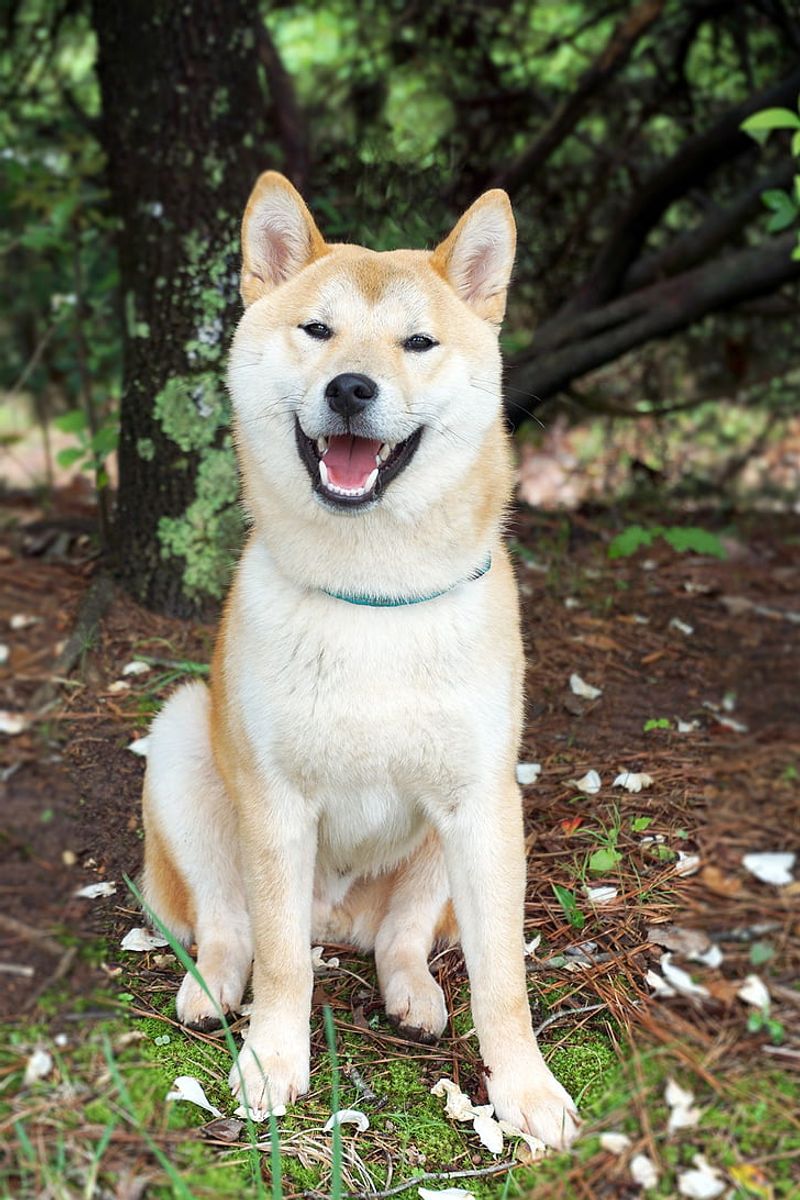
Shiba Inus are compact free thinkers, ideal for nimble island living. They scale rocks, pick careful routes, and avoid needless risks with catlike balance.
You would see tidy grooming, small efficient meals, and precise timing around tides and bird activity. Their foxlike awareness keeps them a step ahead of surprises.
They hunt small game and raid shorelines for crabs and stranded fish, then stash extras in discreet pockets. Social structure is light but loyal, orbiting around confident individuals who prove useful.
They prefer diplomacy and distance over conflict. If you meet them calmly and pull your weight, expect a respectful nod, a shared trail, and that unmistakable Shiba side eye when you forget who taught you the shortcut.