
Ever feel like your dog is running subtle little experiments on your attention? They are, and the clues are surprisingly consistent once you know where to look.
Spot these quiet signals, respond well, and you will see calmer behavior and deeper trust almost instantly. Here are eight telltale moves your dog uses to check whether you still care.
sudden eye contact followed by looking away
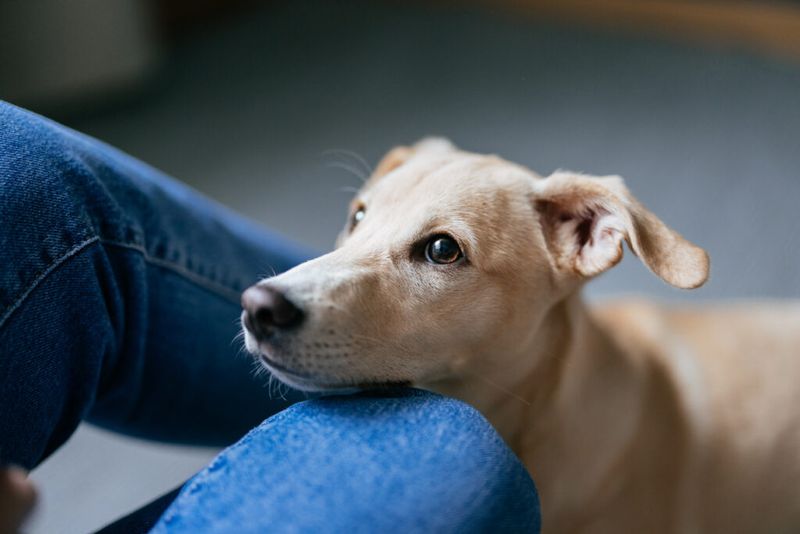
Your dog snaps into eye contact like a spotlight, then flicks their gaze away again. That quick lock-on is a stealthy check-in, asking whether you are still tuned to them.
They will repeat the glance, soft eyes, relaxed mouth, and a still body that quietly says your presence matters.
If you mirror the look with a warm nod or a whispered hey, you reward the question. Hold that beat, then blink slowly, and you will see their shoulders loosen and tail float.
Look past them or sigh at your screen, and they will escalate to bigger bids for attention. A gentle yes right now turns the check into shared calm instead of restless testing.
And it strengthens your silent bond.
bringing a toy and dropping it nearby
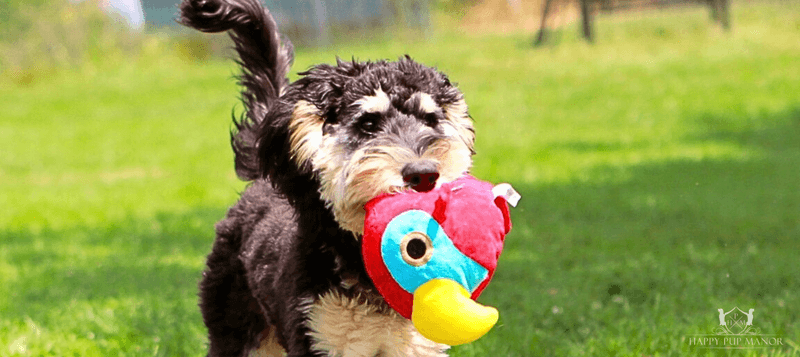
A toy thuds beside your foot, not in your hand, like a polite knock on the door. They are saying I am here, are you, too, without demanding a chase just yet.
The drop spot is measured, close enough to notice, distant enough to preserve dignity and test your interest.
Pick it up and narrate play, and your dog lights up, ears forward, weight shifting expectantly. Ignore it twice and they may retrieve, reposition, or squeak, gradually raising the volume of the bid.
Offer a trade, roll the toy, or cue a sit first, and you turn it into a sweet ritual.
When you consistently respond, the drop shifts from a test to trust, anchoring attention on both sides daily.
sitting directly in your path
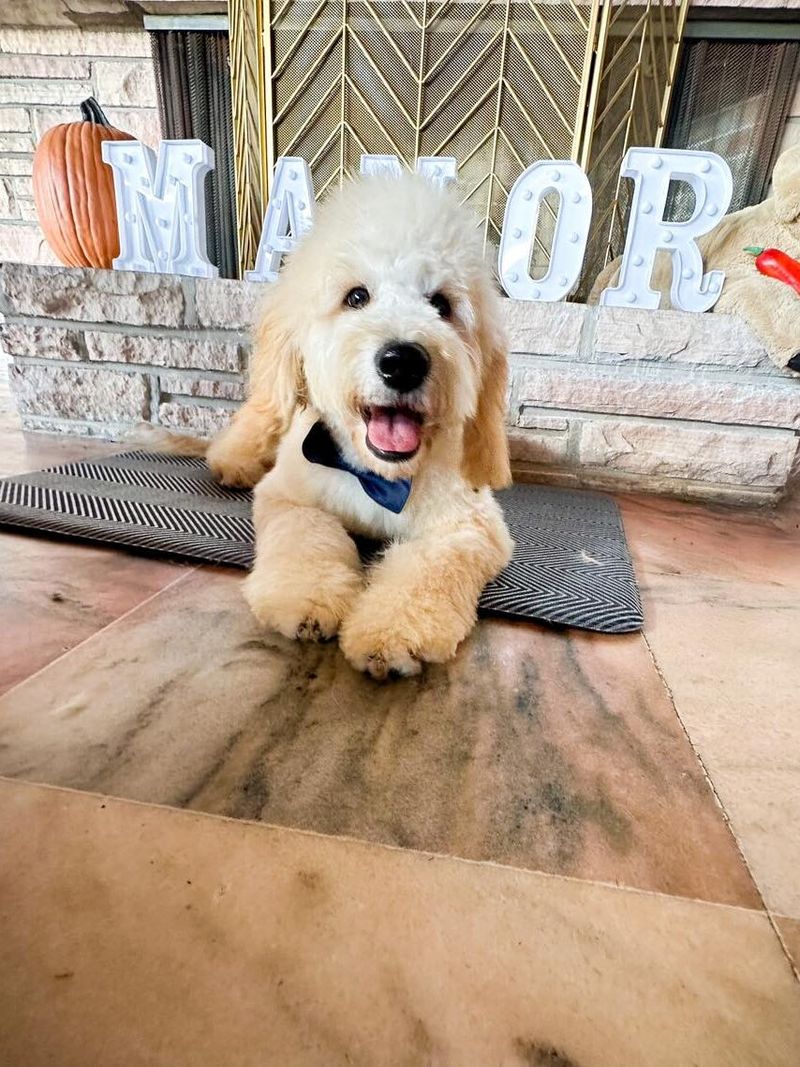
Your dog parks squarely in the doorway or between you and the hallway, a living yield sign. It is strategic, calm, and impossible to step around without noticing the quiet question in their posture.
Chest forward, hips tucked, tail neutral, they make the threshold a conversation instead of a corridor.
Say excuse me with a smile, touch their shoulder, or invite a side step, and watch relief ripple. Brush past with eyes on your phone, and they will likely widen the block next time.
Pause one breath, thank the checkpoint, and you turn a stall into sweet connection that guides both of you.
It teaches patience, clarifies boundaries, and reminds your dog that your movements include them, not bypass them.
quiet whining instead of barking
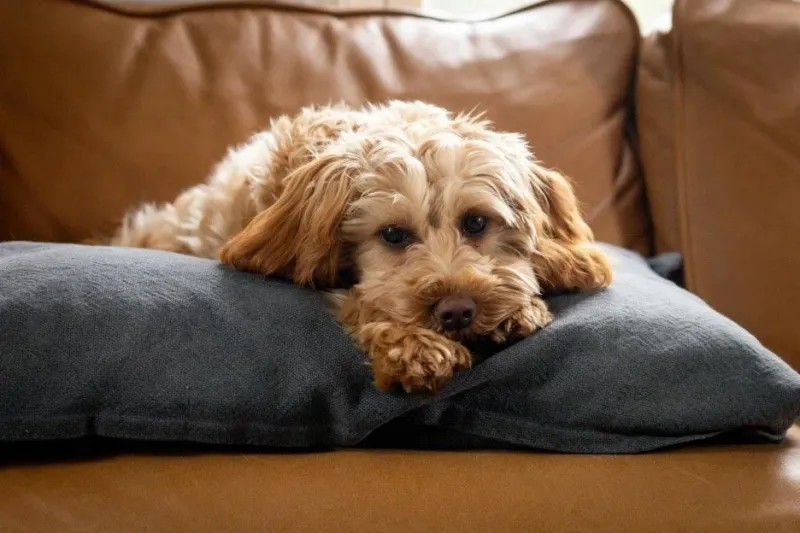
The soft whine is the whisper version of a bark, chosen when they hope for cooperation, not conflict. It threads through the room like a question mark, rising slightly, then fading if you look up.
Ears tip back, eyes soften, and the tail makes small, hopeful commas instead of exclamation points.
Answer with a calm name cue, eye contact, and a clear next step, like potty, water, or place. If you sigh and stay distant, the volume often climbs, or slides into destructive sniffing and pacing.
Reward the whisper when it appears, and you will hear less shouting later, because attention got easier.
Quiet communication grows when you meet it halfway, showing your dog that softness gets results faster today.
paw resting briefly on your leg
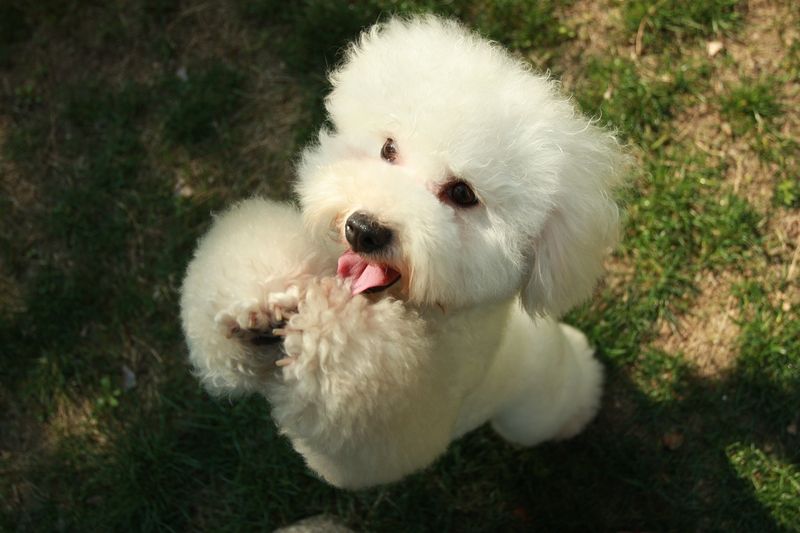
A feather-light paw lands on your knee, then retreats, a tiny Morse code that asks are you with me. Claws stay soft, wrist relaxed, eyes flick up, and the touch times out quickly if you notice.
It is a respectful ping, a permission request, and a sweet reminder that patience can still feel needy.
Answer with your hand over paw, a soft thank you, and a cue like wait or up. Brush it away and the next ask may get heavier, or shift to nudges and nose boops.
Reward the restraint and you teach impeccable manners that keep communication gentle even when excitement surges.
That brief pause becomes trust, the tiny touch becoming a shared language you both understand deeply.
exaggerated stretching near you
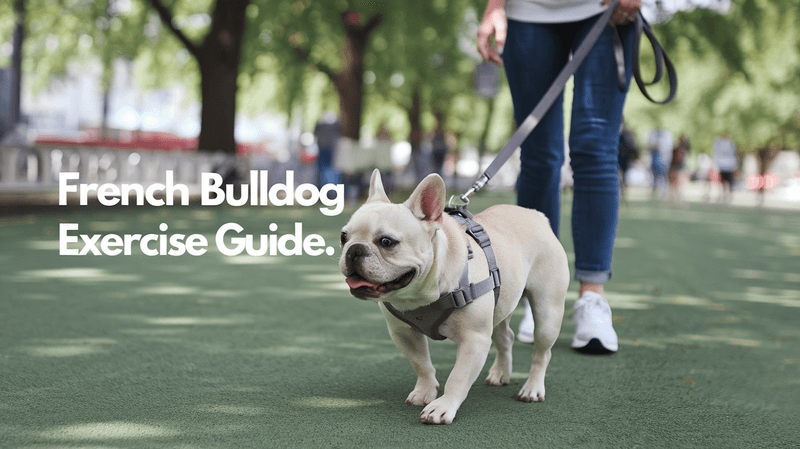
Your dog trots over, plants their feet, and performs a dramatic play bow or long catlike stretch beside you. It is stretchy theater, groans and yawns included, timed exactly when your attention has drifted elsewhere.
The movement flashes friendly intent, releasing tension while inviting you to notice the limber body asking to engage.
Mirror the stretch, praise softly, and offer a toy or quick sniff walk, and you will see joy. Ignore the performance and they might stage another, closer, or add a playful huff for extra emphasis.
Stretching together becomes a tiny reset ritual that refocuses both brains and burns off edgy energy.
It is a health check, too, revealing stiffness, enthusiasm, and how closely your rhythms align today.
staring while you are on your phone
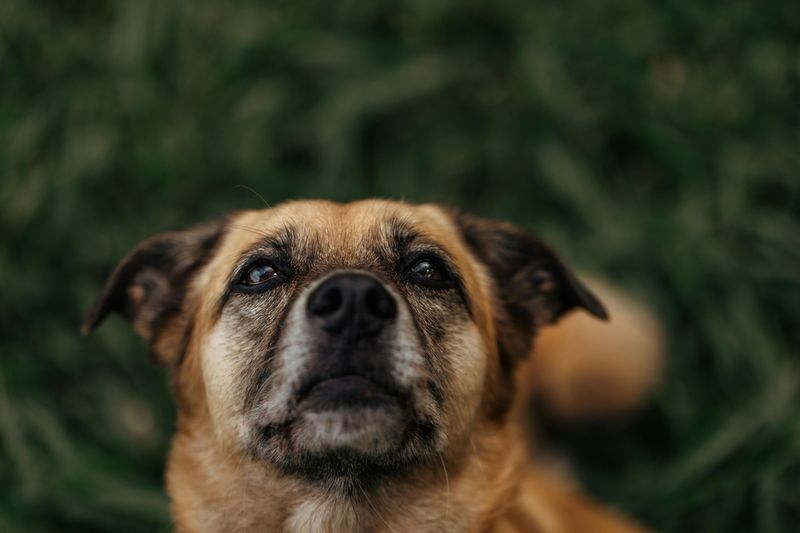
There it is, the quiet stare that lands like a weight on your cheek while the screen steals you. No pawing, no bark, just patient scanning, head tilted, ears swiveling, evaluating if you are available.
The duration is data collection, and the moment you glance up, the eyes soften and tail loosens.
Put the phone down and mark the moment with a smile or touch, and their breath releases. Keep scrolling and you might notice a sigh, a reposition, or a slow exit toward more rewarding scenery.
Consistent little check-ins teach your dog that you look up quickly, so they need less pressure overall.
Attention is a habit, and you can practice it in micro moments without abandoning your tasks.
walking away slowly to see if you follow
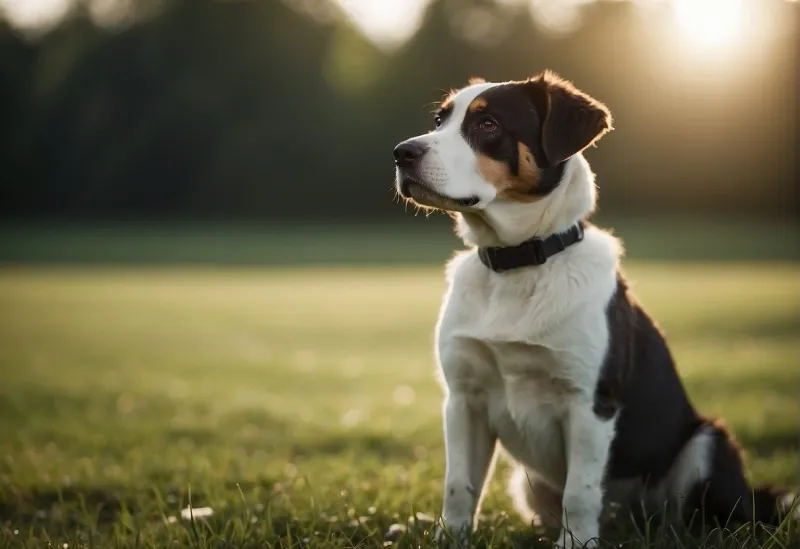
Your dog drifts off at half speed, glancing back every few steps, tail neutral, inviting you to trail. It is the reverse follow me, a breadcrumb path that measures your engagement without demanding it outright.
Shoulders loose, nose working, they pick a destination worth sharing, maybe water, sunbeam, or the favorite window.
Match the pace, say I am coming, and the trot brightens because the test returned a yes. Do not follow and the next time might include a dropped toy, a pause, or a louder invitation.
Turn it into a game of gentle hide and seek, and your dog learns to keep you looped in.
Shared movement builds confidence, exercises curiosity, and makes ordinary rooms feel bright with teamwork.