
Ever notice your dog act off, even after a short walk or easy day? That is not laziness, it is a brain running on empty.
When mental fuel runs low, their behavior shifts in subtle, confusing ways. Here are eight clear signs to watch for and simple steps to help them reset.
ignoring toys they usually love
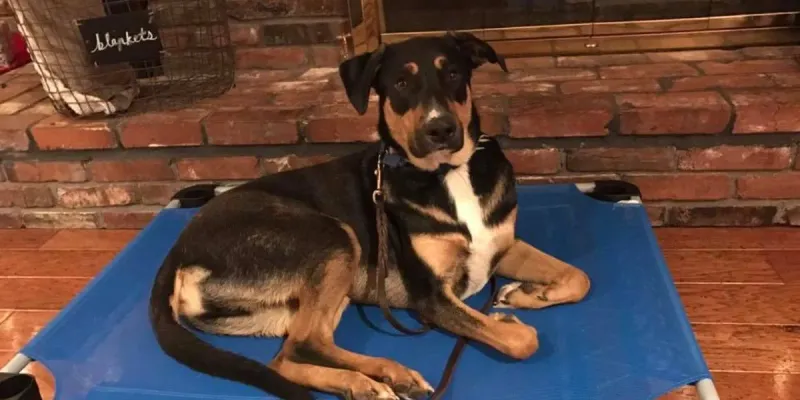
When mental fatigue hits, your dog may suddenly ignore the squeaky toy that always lights them up. It is not stubbornness, it is bandwidth overload.
Their brain is filing incoming fun under too much right now.
You might notice a quick sniff, a glance, then a sigh as they turn away. Offer easier choices, like a gentle scatter of kibble or a calm sniffari in the yard.
Keep sessions short, pause often, and celebrate tiny wins to restore confidence without pushing. Tomorrow, that favorite toy will feel exciting again once their thinking tank refills.
Right now, let their brain cool the way muscles cool after a long run. Your patience protects good habits and keeps play joyful.
staring into space for a few seconds
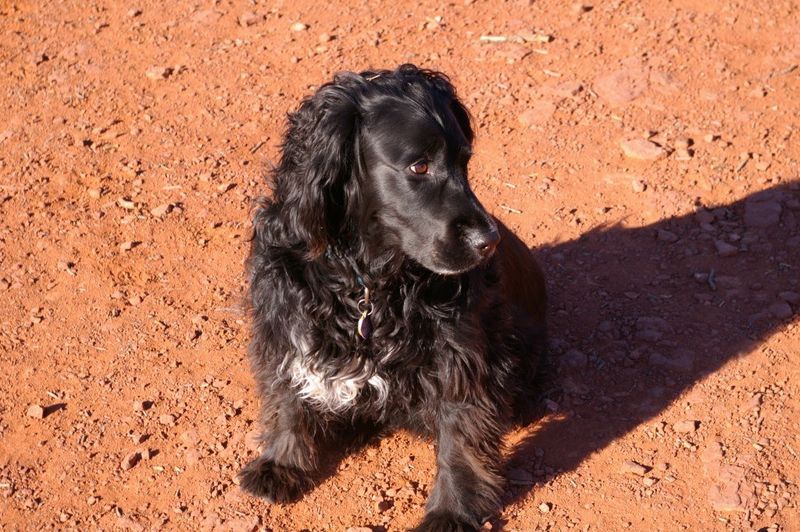
A glazed, distant look that lasts a few seconds can scream cognitive overload. Your dog is not being dramatic, they are buffering while their brain sorts signals.
Think of it like a spinning wheel on a slow phone.
Give them a soft pause by lowering your voice, reducing movement, and breathing steadily. No need to repeat cues or cheerlead.
Simply wait, then offer a simple sniff, a stretch, or a drink to reset the system.
If stare moments stack up, shorten training, add decompression walks, and space outings farther apart. You will see brighter eyes again once the input dial turns down.
Small breaks keep big progress moving. Protect the brain budget like you protect joints.
slow reactions to familiar cues

When sit takes a slow beat to land, mental fatigue may be running the show. They heard you, but the processing queue is clogged.
Imagine freeway traffic after a stadium game.
Lighten the lift by using one clear cue, adding distance from distractions, and paying generously. Swap repetition for rest, then try an easier behavior they can crush.
If response time improves after a nap or sniff walk, you nailed the cause.
Keep your tone warm, your asks tiny, and your expectations humane. Brain tired dogs are still good dogs who need smarter pacing.
Less pressure today protects learning tomorrow. Close with a jackpot for one easy win, then call it.
That preserves motivation beautifully.
wandering without purpose

Pacing the room or meandering the yard with no real target can flag mental exhaustion. It looks like boredom, but the brain is searching for off switches.
Too much novelty or problem solving has drained decision fuel.
Guide them gently to a predictable, cozy spot and cue a simple unwind routine. Think dimmer lights, a lick mat, calm music, and a short scatter feed.
Keep your movements quiet so their nervous system can follow your lead down.
Once they settle, skip new games for the night and protect a longer nap window. Tomorrow will be smoother with fewer decisions on the docket.
Wandering fades when the brain finally exhales. Your calm presence helps flip that switch.
lying down but not fully relaxing
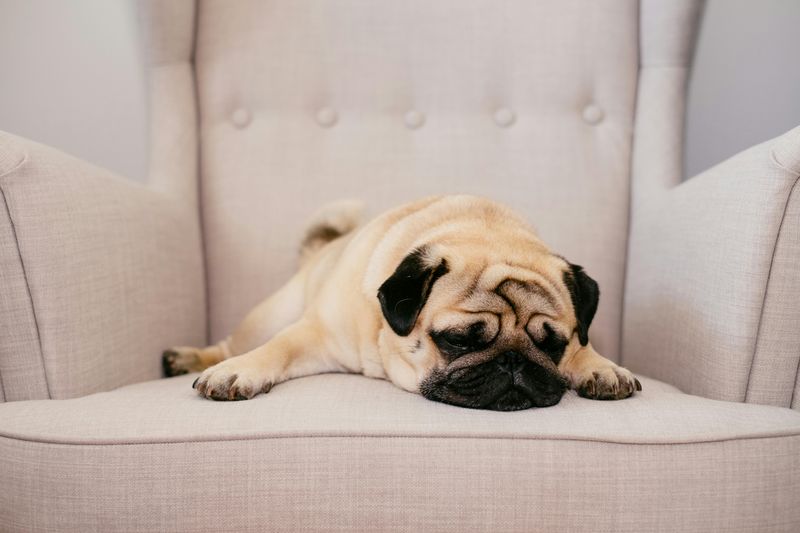
You see elbows tucked, eyes half open, and shallow breaths that never tip into sleep. That is a classic sign of a brain that cannot offload.
They are on duty even while lying down.
Create a nap bubble with white noise, a chew that promotes licking, and a darkened room. Short, predictable rituals help the nervous system recognize safety.
If you whisper good, then drop a few treats between paws, the body often sighs.
Skip training blocks, door greeting, and rowdy play until true sleep returns. Brain rest now means brighter focus later.
Your job is to make off time feel safe enough to accept. Guard that boundary like you would a training cue.
It pays dividends.
chewing random things
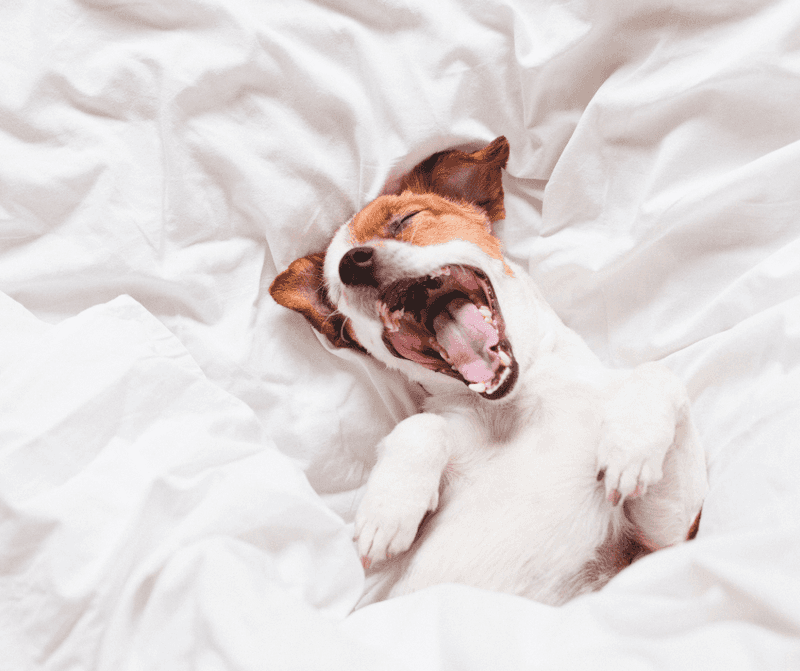
Sudden grabbing of socks, paper, or couch corners can be a stress relief valve, not naughtiness. Chewing helps self soothe when the brain is fried.
After busy days, many dogs mouth whatever is nearby to discharge tension.
Offer legal outlets fast, like a stuffed Kong, a braided chew, or a safe snuffle box. Pair with a settle mat and a relaxed, boring vibe.
Then audit the day for too much novelty, pressure, or social time, and trim tomorrow.
Chewing is a need, not a moral issue, especially when cognition is saturated. Meet the need and the random grabbing fades.
Calm brains make calmer choices. Protect your stuff by protecting their bandwidth first.
That is the real fix.
looking sleepy and restless at once
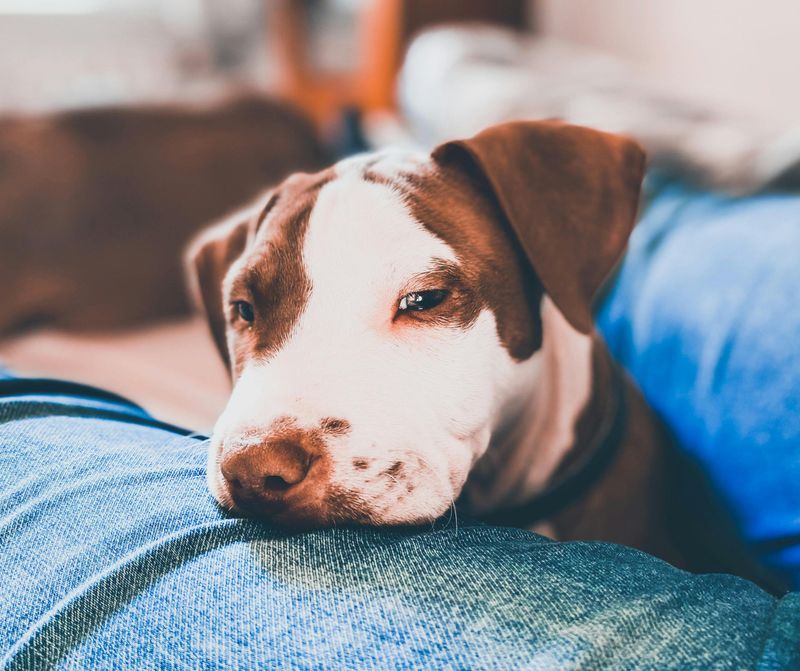
Droopy eyelids paired with twitchy legs and startle responses tell you the brain is overtired. It is like a toddler who needs sleep but refuses downtime.
The arousal system is revved while the thinking system begs for bed.
Lower lights, slow your pace, and cue a known relaxation routine. Try a slow massage down the ears and shoulders with long exhales.
Skip fetch and visitors, and swap in a gentle sniff walk or crate nap.
Watch for microcalms, like heavier breaths and softened brows, then quietly reward. Less stimulation now prevents meltdowns later.
Your calm becomes contagious and sleep finally wins. Think quality rest, not more activity, when this mixed signal shows up.
You will both feel better.
walking away from stimulation to decompress
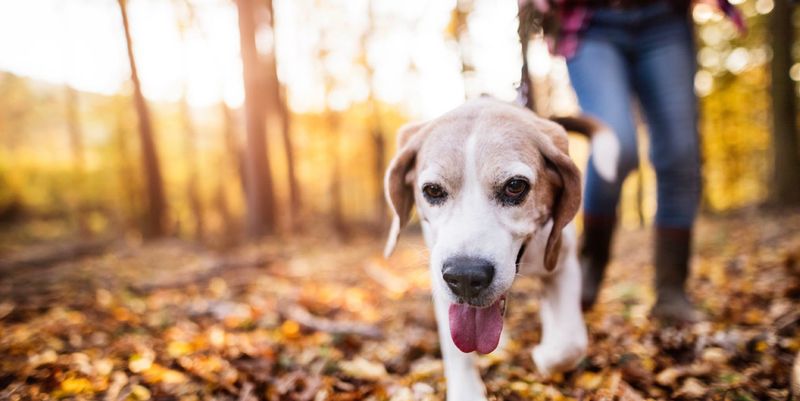
Choosing to leave a busy room or step off the trail can be smart self regulation. Your dog is telling you they need space to reset.
That quiet boundary is a win, not rudeness.
Honor the choice by pausing conversation, creating distance, and offering a calm exit path. If safe, let them sniff, shake off, and rejoin only when ready.
You can also cue go rest and reinforce that wisdom with quiet praise.
Dogs who can disengage prevent conflict and conserve cognitive fuel. Plan outings with decompression pockets and shorter social windows.
Respecting no thanks today builds trust for tomorrow. Follow their lead and you will see braver, happier choices appear later.
That is real teamwork.