
Sometimes the most charming thing about a dog is the little detail you only notice on the second look. Once you see it, you cannot unsee it, and the whole breed suddenly makes more sense.
These small cues reveal purpose, history, and personality hidden in plain sight. Ready to spot them too?
Miniature American Shepherd
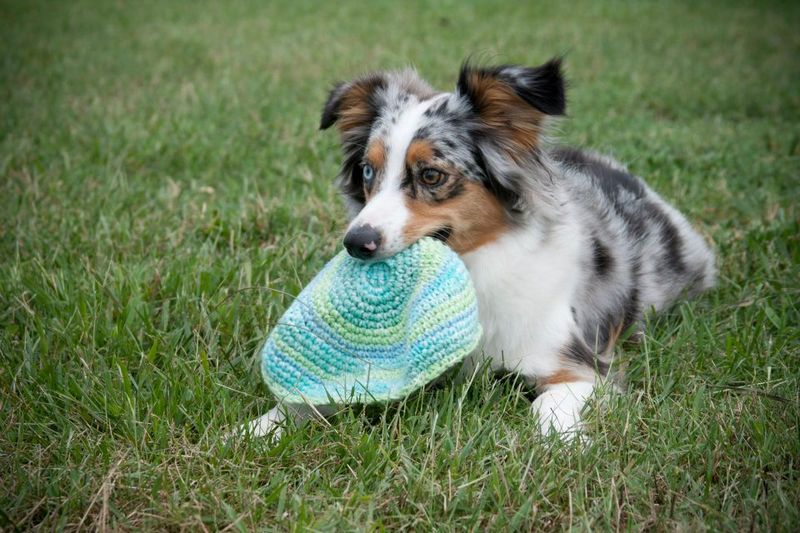
That wagging tail might be shorter than you expect, and it is not a puppy thing. Many Miniature American Shepherds carry a natural bobtail, a small genetic quirk that often goes unnoticed until you see it up close.
The tail can be a nub or a short flag, moving with crisp precision when they work.
You will also spot faint freckles on the muzzle and paws, especially on lighter merles. Those tiny speckles deepen with sun and age, like constellations you did not notice on first glance.
Once you see the bobtail and the sprinkling, you cannot unsee the balance they give this compact herder. It hints at their ranch roots and their quick, quietly confident way of moving everywhere.
Border Collie
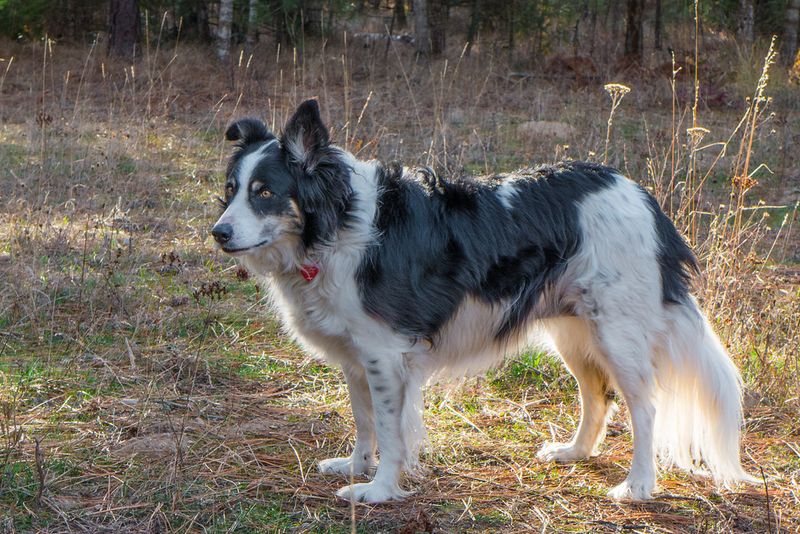
You might miss it at first, but their eyes do not just look. Border Collies carry an unmistakable eye, a steady, magnetic gaze that pins movement without a sound.
Watch long enough and you will see the head dip, shoulders soften, and the whole dog flows into a low, deliberate crouch.
It is a working posture, like a handshake passed through generations. Even in suburbia, that crouch flashes for birds, balls, and blowing leaves, then disappears.
Once you notice the eye and the glide between steps, you read their thoughts in motion and understand why they steer flocks with barely any words. Look for a subtle paw hover, a tiny pause before action, like punctuation marking the beginning of work.
Australian Shepherd
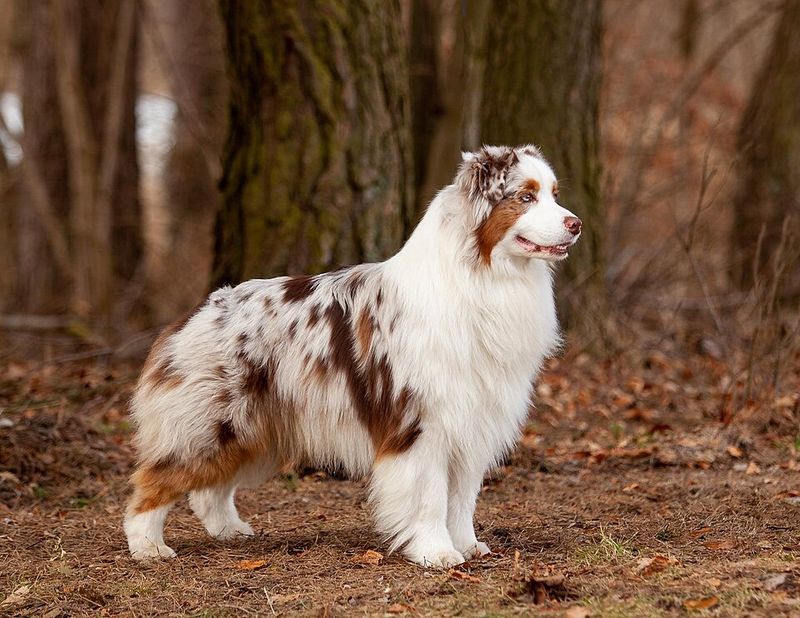
That happy wiggle is not just the tail. Australian Shepherds often wag with their whole rear, hips drawing little figure eights that make the coat shimmer.
The motion is subtle until you stand behind them and notice the pants swish in synchrony with bright, copper eyebrow dots.
Those tiny tan points float above their eyes like question marks, revealing mood shifts faster than words. When the eyebrows lift, the rump follows, and the dog seems to smile with muscles you never clocked before.
See the wiggle once, and you will catch it in hallways, doorways, and every quick greeting. It hints at their herding past, where whole body signals kept teams coordinated across wind and distance without shouting or stopping.
Shetland Sheepdog
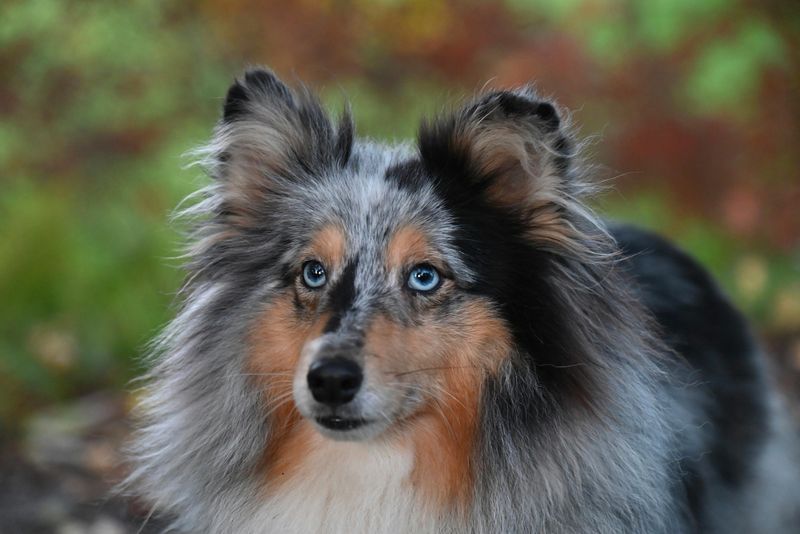
At first glance you see fluff, then the ears quietly teach a new language. Shetland Sheepdogs wear ears that tip at the top third, folding forward in a soft, expressive hinge.
The tips quiver with micro signals, shifting from curious to focused to thrilled before any bark arrives.
Watch during a walk, and that tiny break point stays alive like a compass needle. Even in wind, the fold steadies the outline of the head and frames bright, almond eyes.
Once you notice the tipped ears, you read their thoughts sooner and share secrets in silent, fluttering conversations. It is a heritage detail from island farms, where subtle ear talk replaced wasted steps across rough ground, saving time and sheep energy.
Mudi
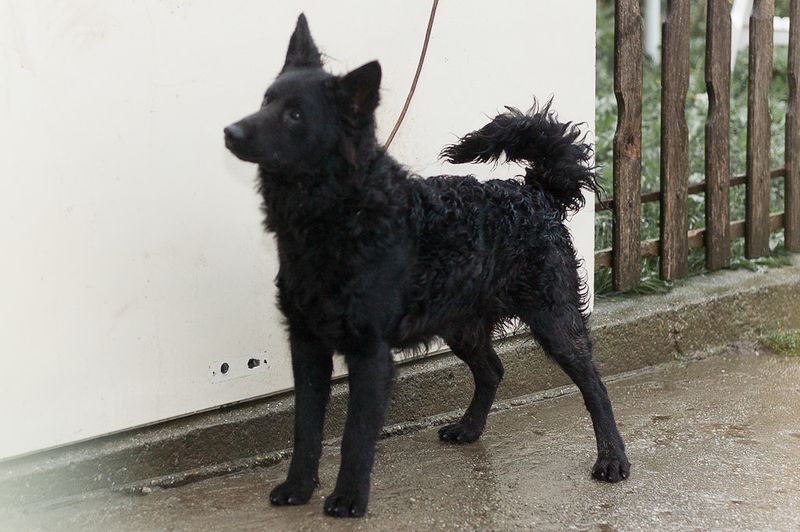
Blink and you might miss the wiry crest along the spine. On a Mudi, those tight waves can lift into a subtle mohawk when excitement flickers, turning the silhouette electric.
It is not fluff for show, but a living barometer that registers wind, intention, and the next decision.
Watch the backline just before a turn, and the raised curl tells you movement is coming. Ears point, crest rises, feet gather, then the dog snaps into action with tidy precision.
Once you learn to spot the spine ripple, you feel one step ahead together, like dance partners sharing quiet counts. It reflects the breed’s farm versatility, toggling between gathering, guarding, and play without wasting extra breath when life gets busy outside.
Pumi
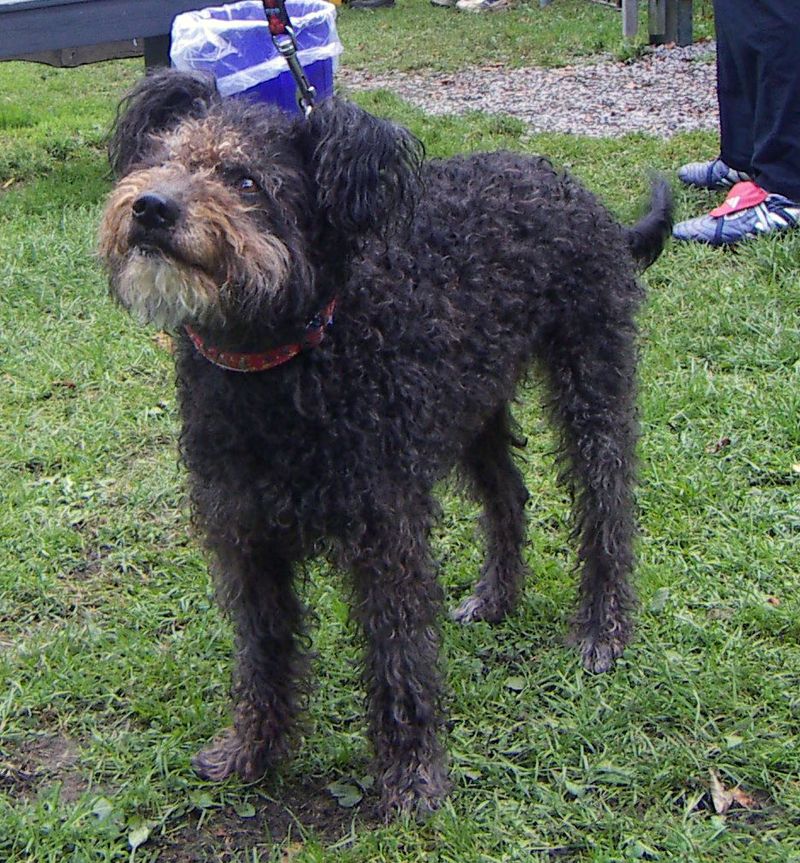
You will grin when the ears start talking. Pumik have high, mobile ears with quirky corkscrew tips that bounce like punctuation over every thought.
At rest they tilt forward in jaunty hooks, then spring upright when a job appears, telegraphing attention before the feet even move.
That animation can be subtle from the side, especially under curls, yet it drives their quick, vertical trot. The ear tips sketch rhythm in the air, helping you feel the tempo of work and play.
Once you notice the corked ends, the whole silhouette gains tempo, and conversations get delightfully brisk. It is a shepherd’s metronome, born on Hungarian farms, keeping energy up while choices stay light, elastic, and efficient through long work days.
Working Kelpie
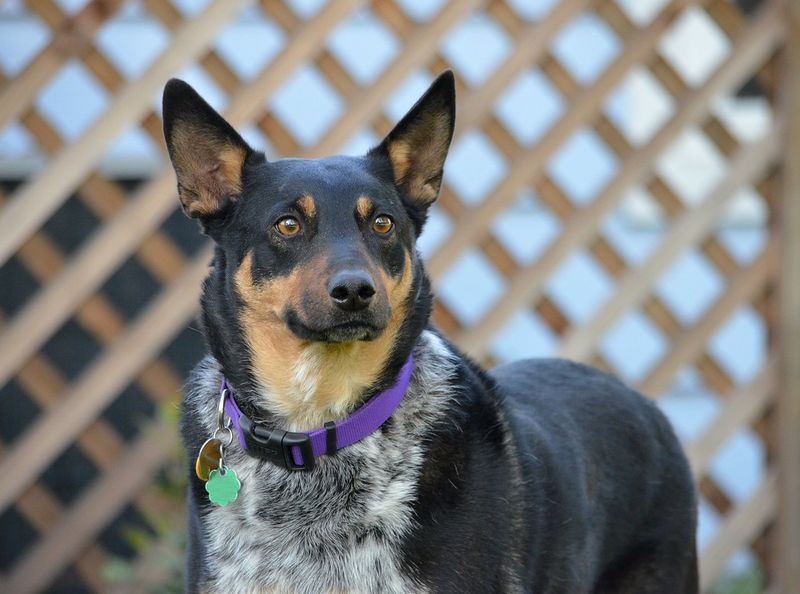
There is a stealthy head drop you might overlook. Working Kelpies carry their skull low when they mean business, almost slicing air beneath the hat brim of their ears.
Those ears swivel independently, flatten tight to the neck, then flick open like shutters as pressure changes.
If you blink, you miss the sequence and only see a blur. But that low carriage and ear choreography fine tune stock pressure, letting them move sheep like water.
Notice it once, and you will spot the quiet calculations happening long before paws touch the mob. It is a farmer’s calculus etched in posture, saving voice, saving steps, and keeping work smooth under wide skies, even when heat and dust steal your breath today.
Brittany
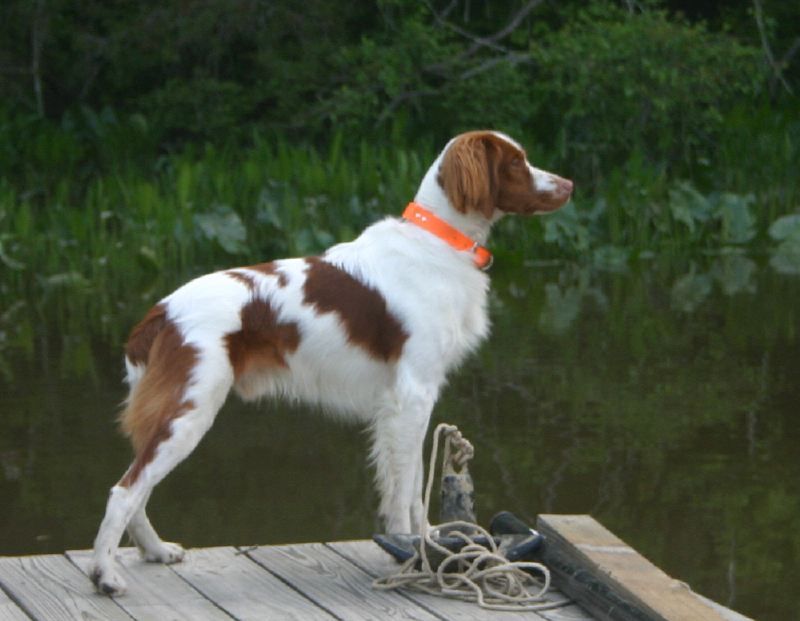
Look closely at the nose and you will see the coat echoed there. Many Brittanys wear liver or orange pigment dusted with tiny freckles that mirror the ticking on their legs.
It is a soft, warm palette that makes their face read gentle even when sprinting.
Catch them mid pause, and the speckles align with a bright, high tail and soft, triangular ears. The harmony of pigment and points gives their outline balance, from birdy stare to joyful check in.
Once you notice the freckled nose, you start seeing matching flecks everywhere, like a secret signature. It whispers of fields and hedgerows, where camouflage matters and quick, considerate teamwork makes every cast count without wasting motion or startling waiting quail.
Welsh Springer Spaniel
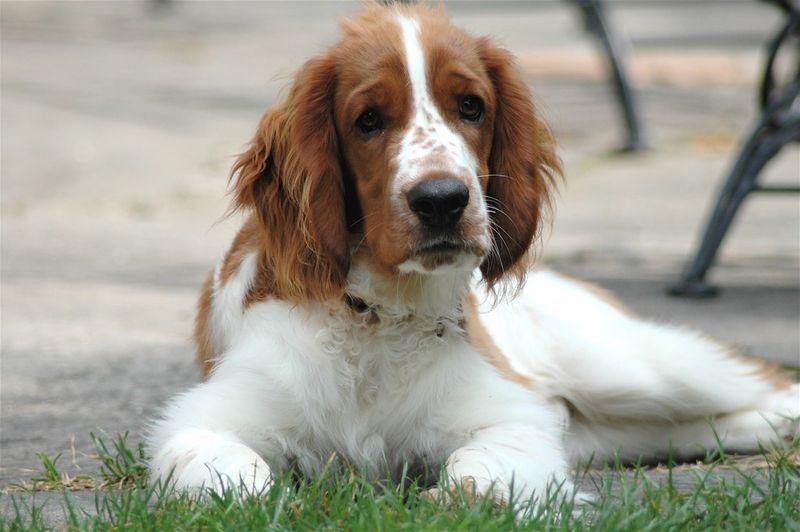
People see the red and white flash, but the ears quietly steal the scene. Welsh Springer Spaniels have long, close set ears with rounded tips that taper like leaves.
The silky edge feathers in a clean bevel, framing the cheek and tightening the expression into focused sweetness.
Pull an ear gently forward and it will meet the nose leather, a tidy old standard detail. In motion, those leaves swing like pendulums, timing their steady, ground covering trot.
Once you notice the beveled feathering, you recognize the breed at a distance, even before the white blaze arrives. It hints at field purpose, keeping ears protected, clean, and tuned while brush whispers and birds hold tight ahead during patient quartering into wind.
English Shepherd
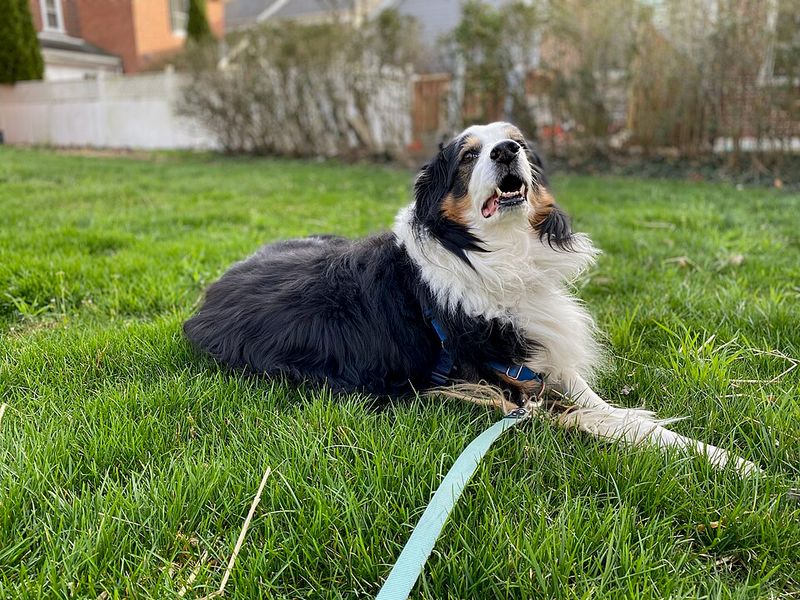
Watch the very end of the tail and you may see a shepherd’s question mark. Many English Shepherds carry a slight hook at the tip, curving gently when they think.
It relaxes to straight during play, then reforms into a soft crook when decisions are on the table.
That tiny hook pairs with a calm, measuring glance, like a foreman checking angles. You will catch it near gates and kids, where choices need to be right the first time.
Notice the curl, and you start trusting the dog’s quiet judgment well before a word leaves your mouth. It is farm wisdom distilled into posture, saving arguments, saving steps, and keeping peace across chores from sunup to supper, most every day.
Finnish Lapphund
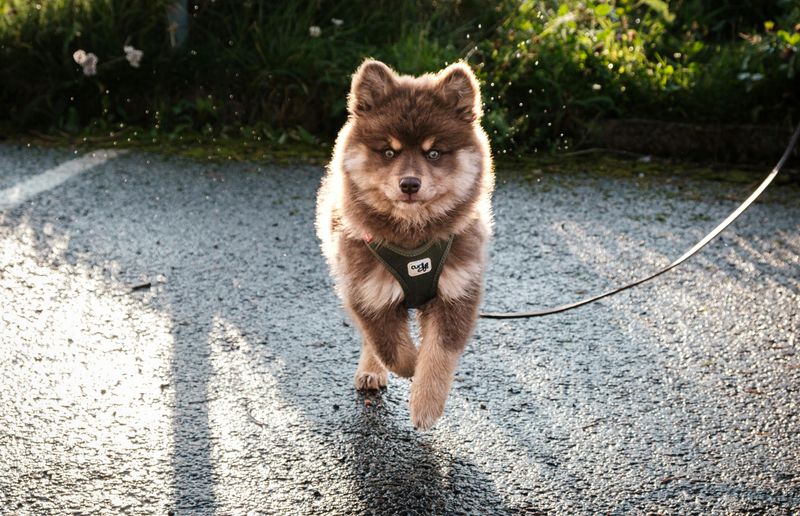
If you only see the fluff, you miss the story the tail tells. Finnish Lapphunds carry a plumed tail that arches over the back in motion, then drops low in calm conversation.
The switch is gentle, a respectful nod in a breed built to work near reindeer without ruffling tempers.
Watch for it at doorways and during greetings, and you will read mood with new clarity. Eyes smile, ears soften, tail settles, and everyone relaxes again.
Once you notice the arc changing, you appreciate how empathy lives in posture, not just in kisses and cuddles on snowy nights. It is a northern courtesy, honed in close quarters, where harmony matters and signals must stay clear despite deep coats and cold.
Kooikerhondje
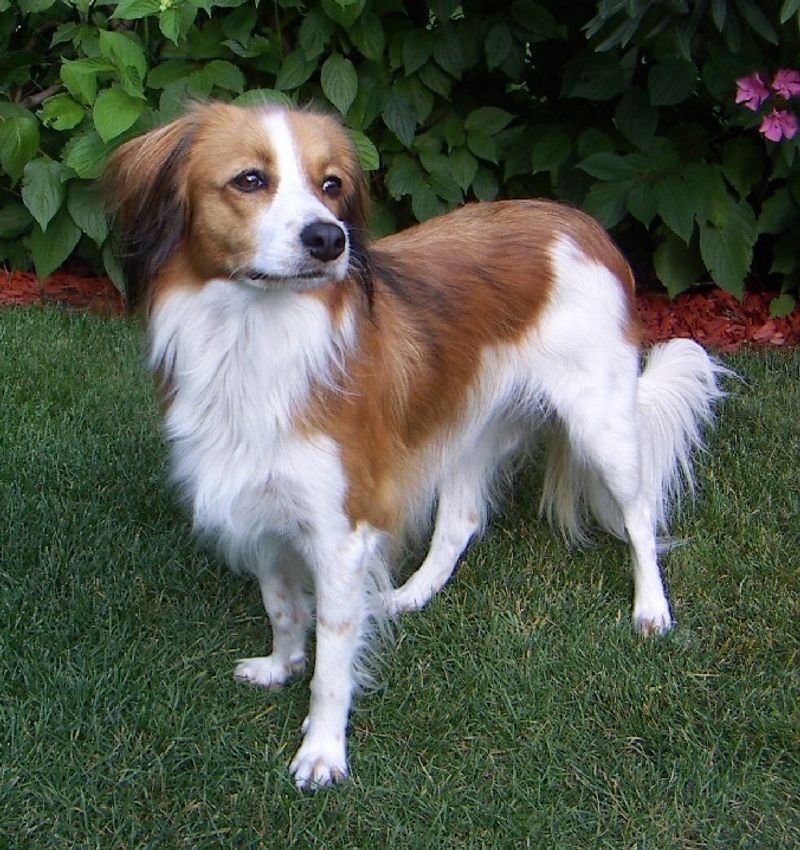
You might first see orange patches, then a little sparkle at the ears steals your heart. Kooikerhondjes wear black ear tips called earrings, delicate pigment that darkens the last tuft of feathering.
The effect is refined, like a pen stroke finishing a painting with deliberate flourish.
In the field those earrings help frame a face for quick reads, even in tall grass. They sway like guides, pointing attention, hinting mood, and balancing the white blaze.
Once you notice the earrings, you spot Kooikers instantly, a secret handshake shared among people who love clever, merry spaniels. It reaches back to duck decoy work, where crisp signals and bright contrast drew curious birds without startling them from still water on quiet days.
Schapendoes
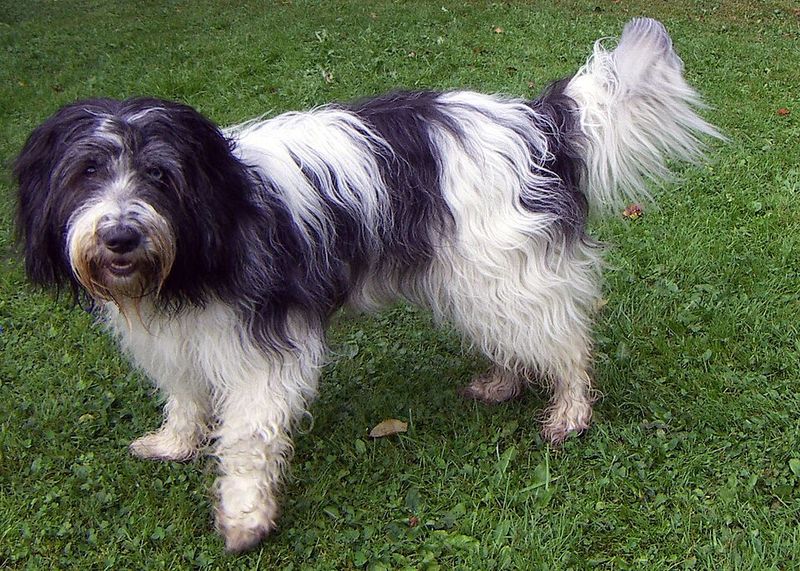
Hidden under the carefree coat, a clever pair of eyebrows does real work. Schapendoes grow soft, shaggy hair that forms light spectacles around the eyes, reducing glare on blustery fields.
The veil looks casual, but it is functional shade that helps them watch sheep without squinting.
During their buoyant trot, the fringe lifts and falls like curtains, revealing a bright, merry glance. Look closely and you will see the ends curl lightly, beading rain away from lashes.
Once you notice the spectacles, the breed’s cheerful pragmatism comes into focus, and the smile reaches your eyes too. It is a lowland solution, mixing charm and utility, made for wind, drizzle, mud, and miles of zigzagging family chores on busy pasture days.
Portuguese Water Dog
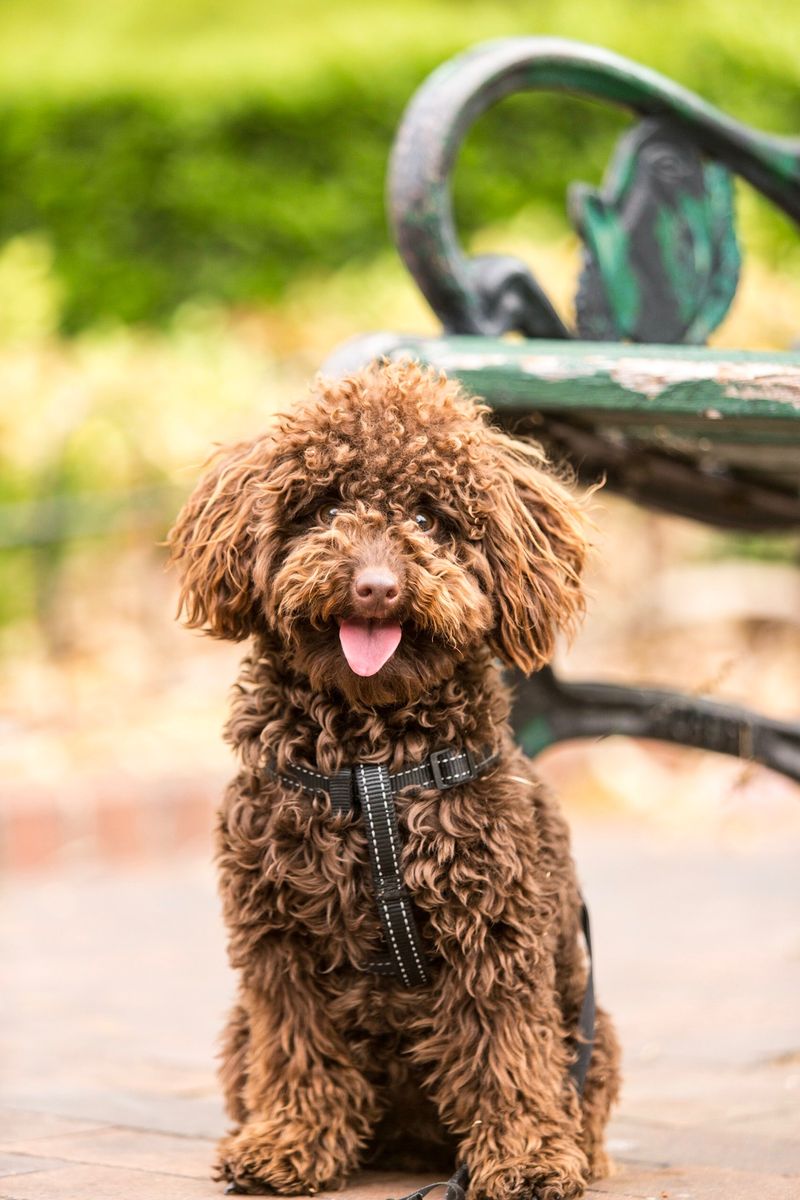
Before you notice the curls, check the tail base. Portuguese Water Dogs carry a powerful, thick rooted tail that works like a rudder in water and a flag on land.
The base muscles bunch, the tip swishes, and the dog steers in tight arcs with astonishing control.
It is easy to miss on shore, but watch during a swim and you will see the helm engage. Feet paddle, tail trims, and momentum stays tidy around buoys.
Once you notice the rudder, every retrieve looks like seamanship, precise and quietly athletic in choppy, sparkling chop. It is a working remnant from fishing days, guiding nets, boats, and swimmers efficiently while voices blew away across Atlantic wind and busy harbor spray everywhere.
Lagotto Romagnolo
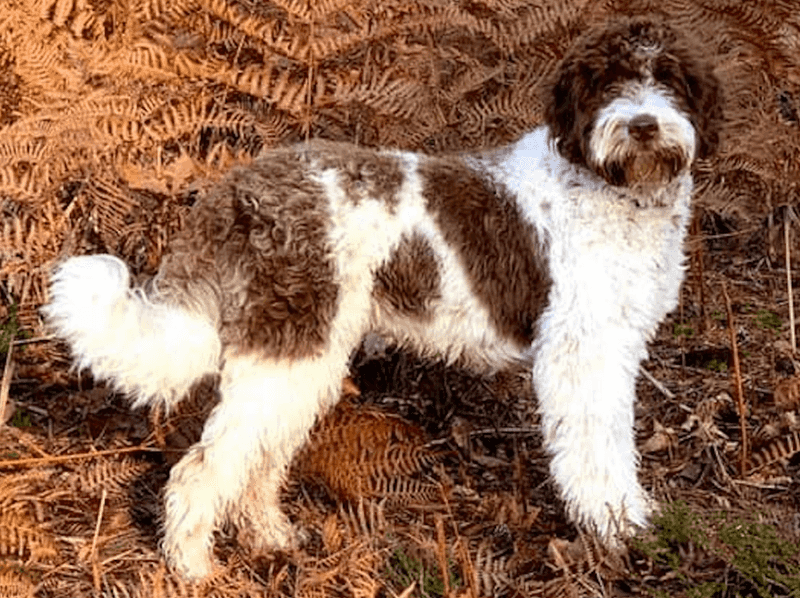
The secret sits right on the muzzle. Lagotti have a broad, slightly upturned nose with wide open nostrils, plus a dense beard that catches scent and damp earth.
The curls part around the nares like petals, keeping channels clear so every truffle whisper slides straight in.
Watch when they air scent, and the beard trembles first, then the tail tip quivers like a tuning fork. Paws place carefully, curls bounce, and the mouth stays softly closed.
Once you notice the open nostrils and working beard, you understand how quietly methodical this playful, mud loving detective really is. It is centuries of craft distilled into anatomy, turning forest floor into readable maps without fuss, chatter, or wasted zigzags on wet mornings.