
Think you know your dog at a glance? A DNA test can flip that certainty on its head and explain the quirks you keep calling personality.
Suddenly the stubborn streak, the silent bark, or the surprising zoomies make perfect sense. Get ready to see familiar faces in a brand new light.
Poodle
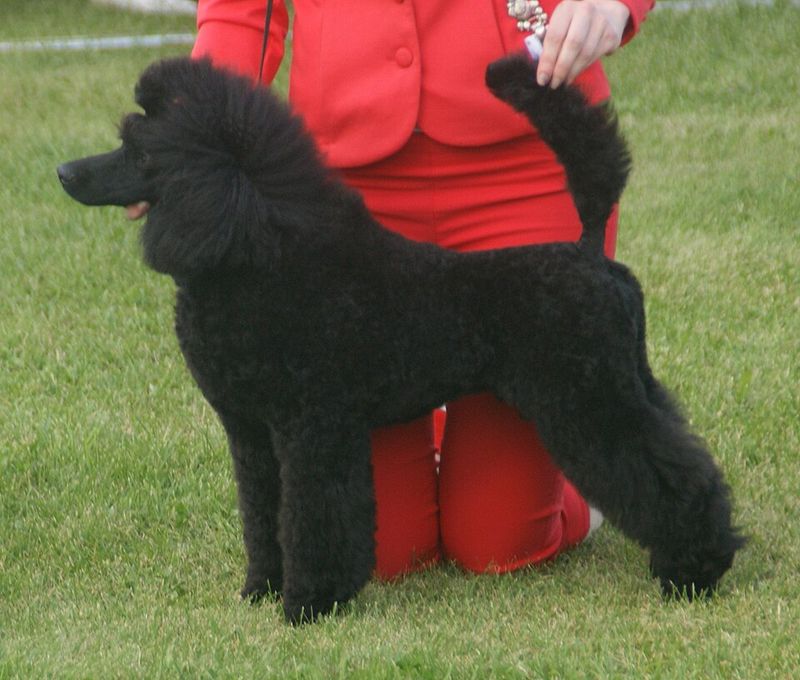
People often assume Poodles are fancy couch dogs, but their DNA tells a smarter, sportier story. These curly champions were bred for water retrieves and problem solving, which explains the sharp eyes and tireless curiosity.
If yours keeps rearranging toys like a tiny librarian, that working brain is waving hello.
A breed test can validate training that treats them like athletes, not ornaments. Think puzzle feeders, dock diving practice, and tidy trims that let muscles move.
Once you lean into their heritage, the so-called prissy dog becomes a witty teammate that thrives on clear jobs and kind structure. You will notice calmer evenings, quicker recalls, and fewer shenanigans because that bright engine finally has gears to turn every day.
Dachshund
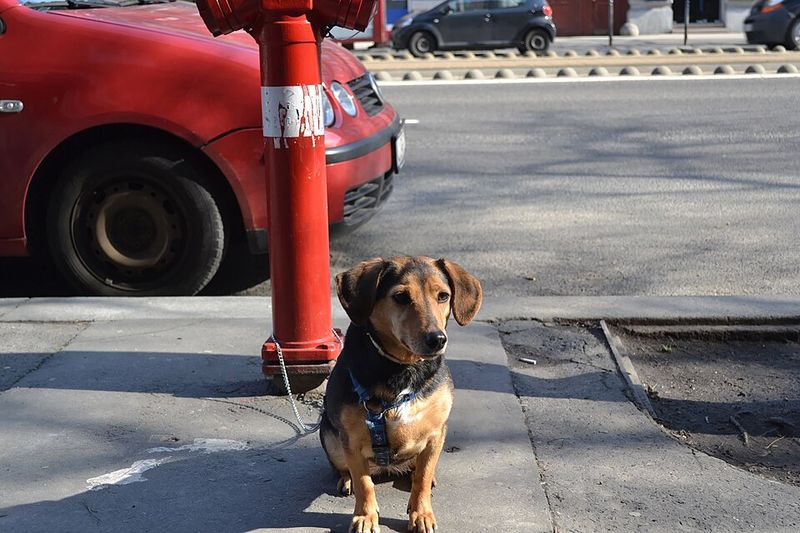
Your long, funny-legged cuddle bug did not evolve for pillows. Dachshunds were built to dive into burrows and make bold decisions underground.
That independence sometimes looks like stubbornness, but a DNA reminder of their hunting past changes expectations fast.
Use nosework games, short dig pits, and confidence-building obstacles to honor their design. Sudden bravery around squeaky toys starts making sense when you picture badgers and tunnels.
Keep training sessions brief, upbeat, and highly paid because they were meant to work, not obey endlessly. Once their sniffer gets a job, the sofa loaf becomes a tenacious partner, and recall, believe it or not, improves because the brain feels respected.
Your sausage dog just wanted meaningful missions.
Basenji
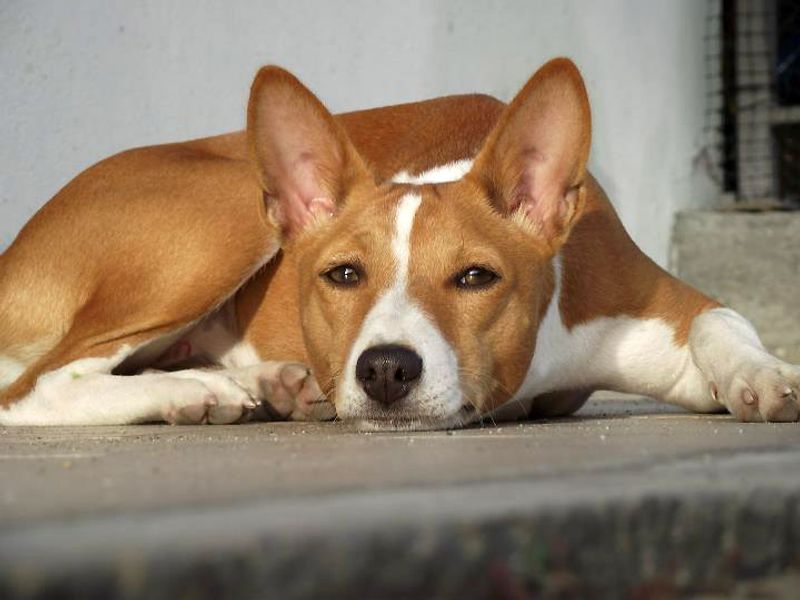
That quiet dog is not broken. Basenjis are an ancient hunting breed that yodels instead of barking, and their DNA often surprises new owners.
The catlike cleanup sessions and window-perch habits suddenly feel inevitable once you learn their story.
Channel their independence with chase games on long lines and fast-moving lure toys. Short, novelty-rich workouts beat repetition every time.
Treat their silence as communication, not indifference, and you will see eye contact deepen. Puzzle feeders with tough textures mimic the problem solving they did in the field.
After the test, you stop chasing perfect obedience and start celebrating finesse, agility, and stealth. That shift builds a partnership where curiosity is rewarded and your wallpaper remains blissfully unchewed.
Kooikerhondje
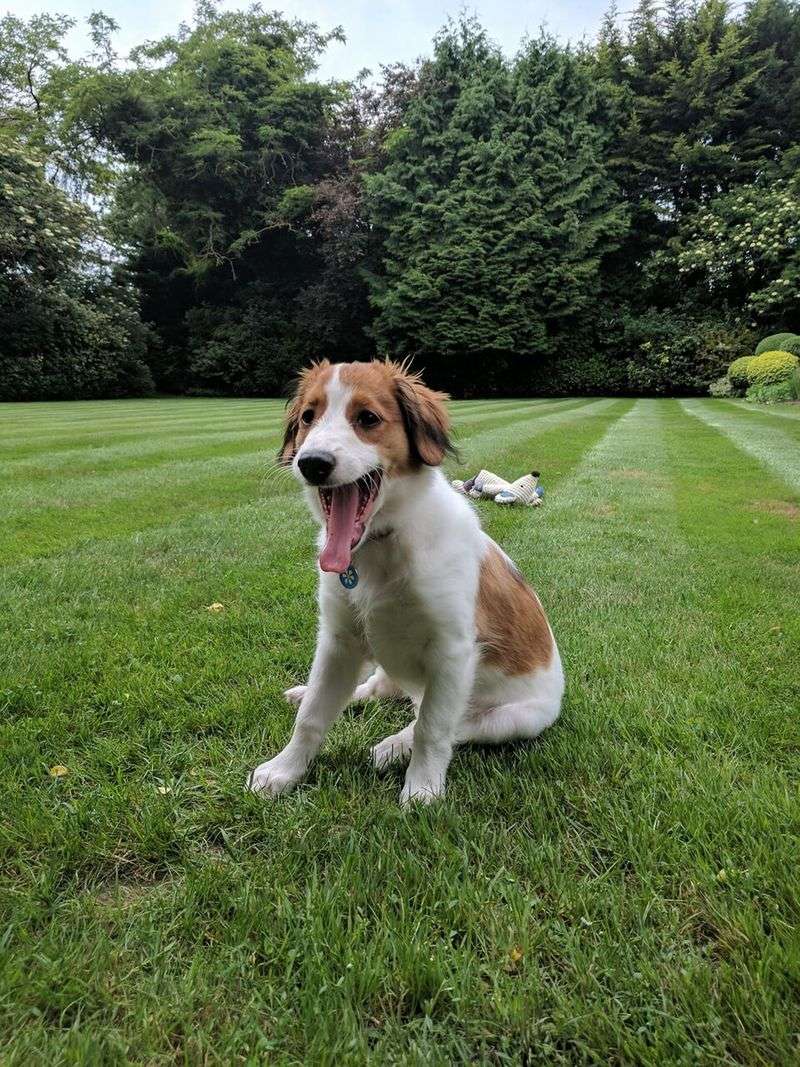
You might read the Kooikerhondje as simply sensitive, but history explains the nuance. These Dutch decoy dogs lured ducks with flashy tails and subtle movement, demanding finesse over force.
DNA brings clarity to their selective social style and startling focus on fluttering things.
Lean into calm routines, precise cues, and decompression walks near water. Games that reward quiet stillness, then sudden motion, mirror their original job.
Use soft equipment and clear boundaries because pressure can shut them down. With that context, reactivity fades as confidence grows around predictable choices.
You are not babying a delicate dog. You are honoring a specialist built for artistry, patience, and just the right amount of sparkle at the shoreline.
Shiba Inu
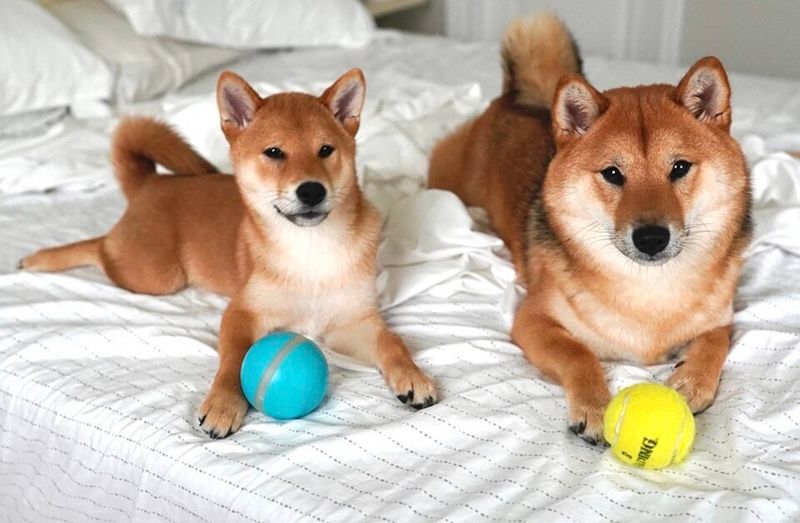
That suspicious side-eye is not shade, it is heritage. Shiba Inu DNA points to primitive spitz roots, where self-preservation and sharp senses kept hunters safe.
They are loyal, but their love language includes space, routines, and thoughtful choices.
Trade micromanagement for consent cues, harness checks, and structured sniffing walks. Enrichment should challenge balance, sight, and scent without turning chaotic.
They will bargain during training, so make rewards meaningful and stop before boredom bites. When you listen to their boundaries, their trust blooms, and recalls improve because you stopped nagging.
After the test, the “stubborn fox” becomes a witty ally who prefers treaties over orders. Respect earns access, and access makes them glow.
Finnish Spitz
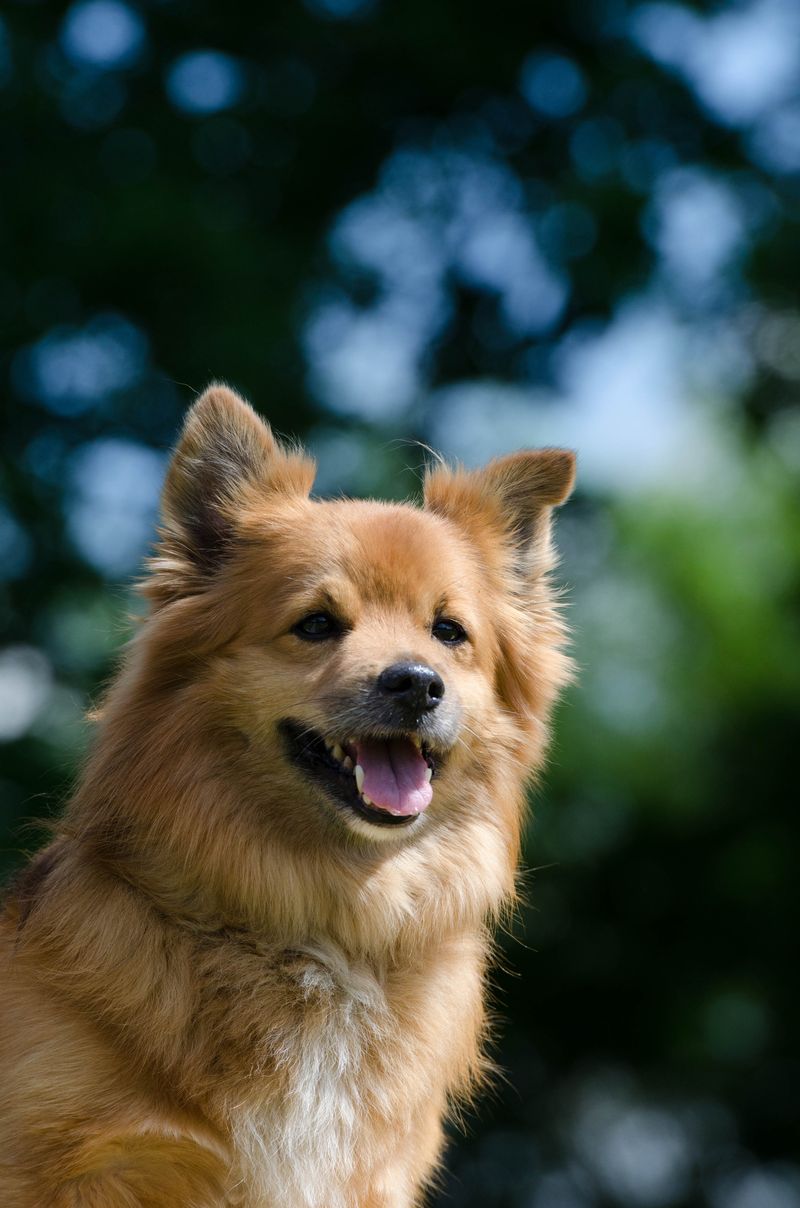
Your cheerful chatterbox was born to speak. Finnish Spitz dogs are vocal hunting partners that point game by barking, and DNA tests reveal why the soundtrack never ends.
Once you understand the job, you guide the volume instead of fighting it.
Teach a “quiet” cue by first rewarding a single alert, then offering a better task. Add scent games that emphasize stillness, followed by permitted celebration.
Give them treks with vistas, because scanning horizons used to matter. Social structure should be polite, not pushy, with clear start and stop routines.
The voice becomes a tool rather than noise, and neighbors stay friendly. Suddenly, your singer is a disciplined herald who announces, then listens.
Papillon
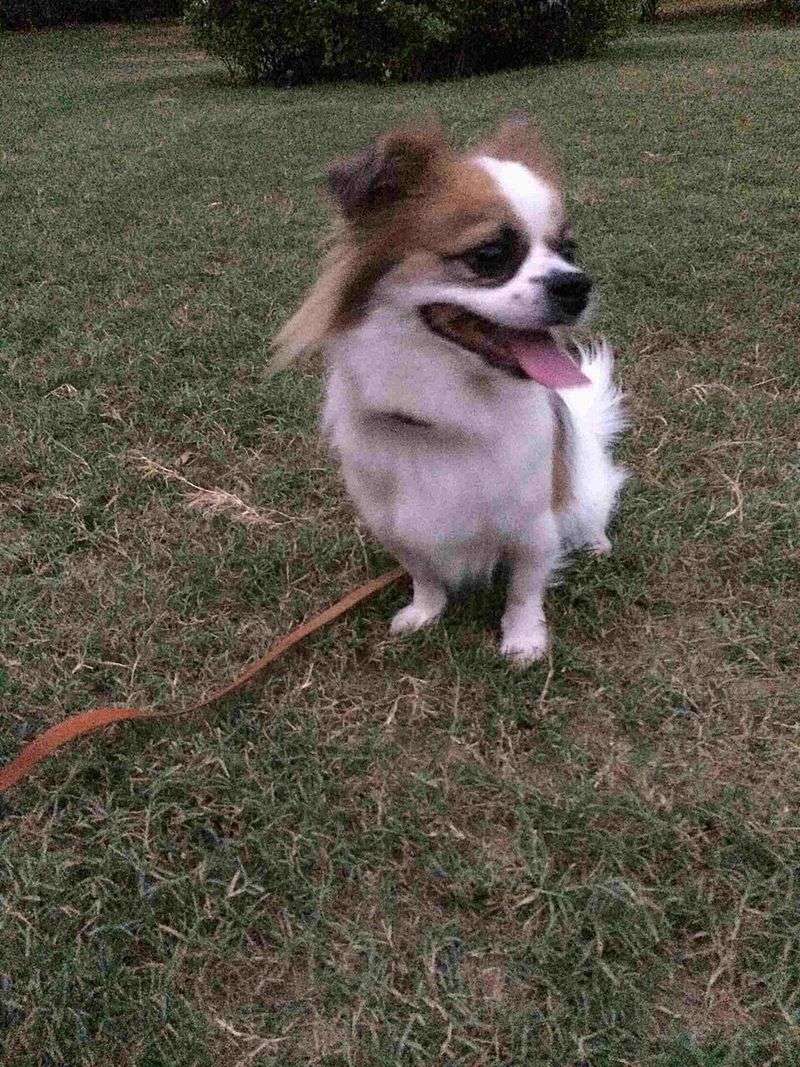
Those butterfly ears hide a turbo brain. Papillons are tiny but intensely trainable toy spaniels, often topping obedience and agility charts.
DNA rarely says lap decoration alone, which explains their zippy footwork and nonstop eye contact.
Swap constant cuddles for brain work sprinkled all day. Micro-agility, trick chains, and scent puzzles bring out their confident sparkle.
They thrive on clarity and speed, but also need recovery cuddles to reset. Short, layered sessions beat marathons, and jackpots keep that tail wagging.
After embracing the results, you see a professional in a small package. They are not nervous, they are processing, so give information fast.
Your papillon will respond with elegance, precision, and delightful mischief.
Eurasier
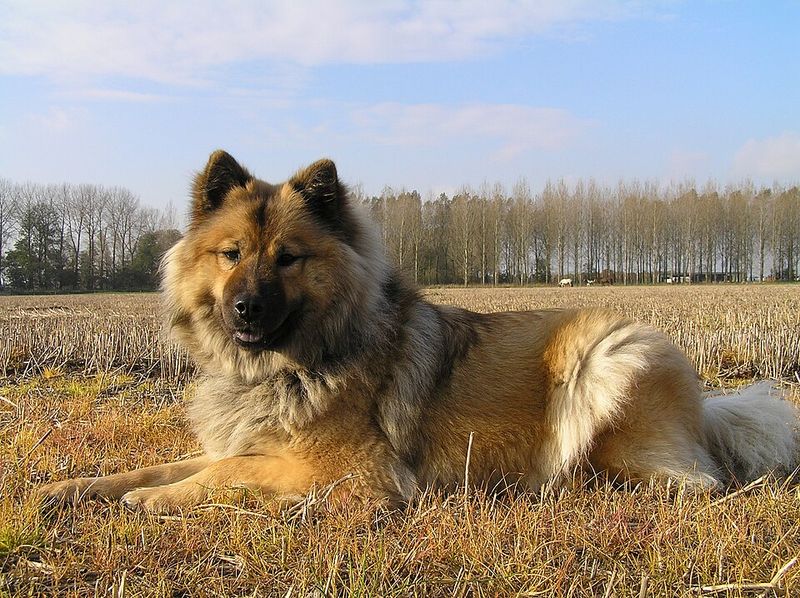
An Eurasier may read as aloof, but that quiet core is intentional. This modern spitz was bred for balanced companionship, avoiding extremes in drive or reactivity.
DNA clarifies why they warm up slowly and prefer steady families over chaos.
Think predictable routines, consent-based grooming, and polite socialization that never floods. Use moderate hikes, thoughtful sniffing, and puzzle toys with gentle difficulty.
They thrive when you respect thresholds and celebrate small curiosity. Training style should be cooperative, not confrontational, with generous reinforcement.
The result is a deeply attached dog who chooses presence over drama. Once you stop pushing for instant enthusiasm, trust grows, and their soft humor appears like sunrise through fog.
Mudi
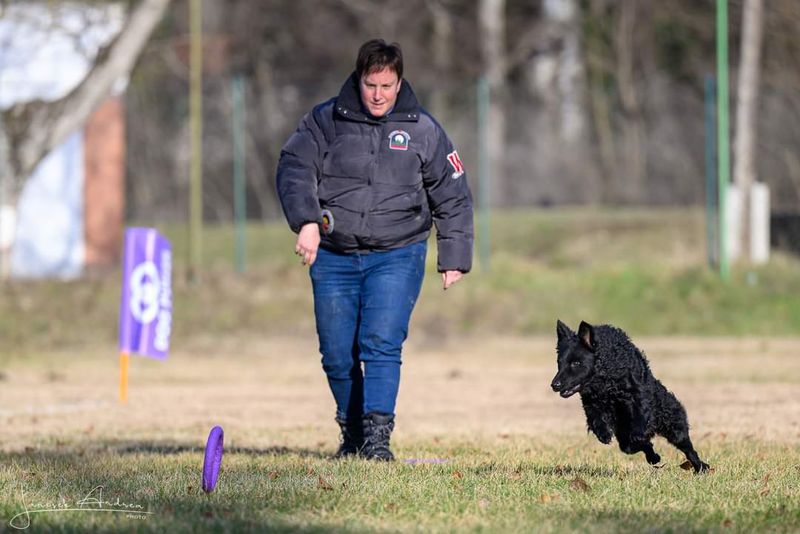
If your Mudi ricochets between genius and gremlin, you are meeting a herding prodigy. DNA puts them in the quick-twitch problem solver category, designed to make snap decisions with livestock.
That electricity needs structured outlets, not scolding.
Build routines around impulse games, target work, and trick sequences that demand accuracy after arousal. Teach off switches with mat training and calm chewing.
Let them herd safely through Treibball or cooperative play that honors eye, stance, and movement. Clarity turns chaos into choreography.
When you accept their heritage, frustration fades and brilliance shines with fewer meltdowns. Your household becomes a practice arena where precision earns access, and tired brains sleep hard.
Whippet
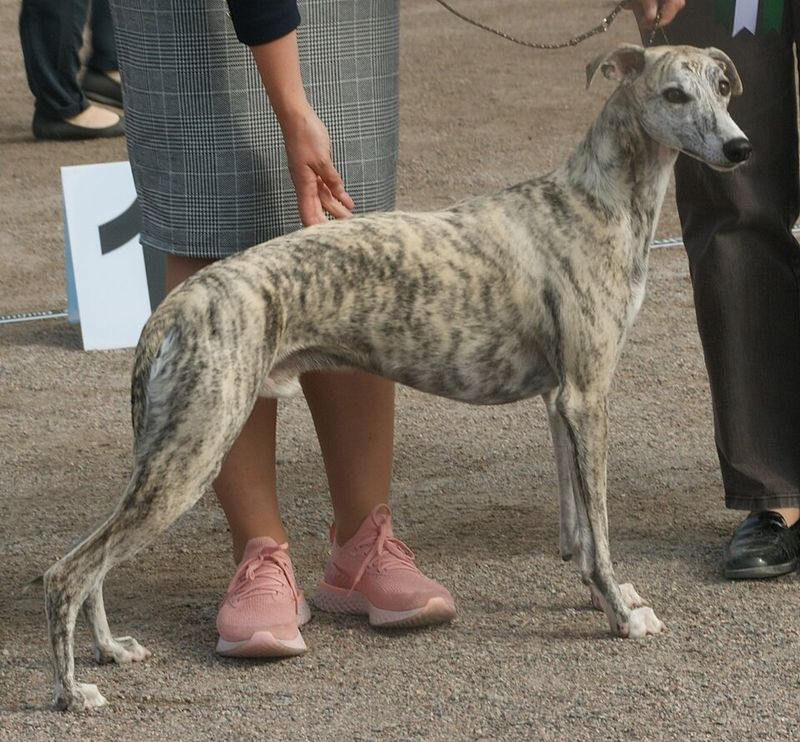
Your couch sculpture is secretly a missile. Whippets are sprinters with gentle souls, and DNA explains the nap-sprint cycle you see daily.
Their thin skin and lean build crave comfort, but their hearts need regular zoom permission.
Prioritize safe fenced sprints, flirt pole bursts, and warm layers for recovery. They thrive on soft beds, fair rules, and games that end before frustration.
Sight lures reward their nature without turning walks into chase scenes. Gentle conditioning and touch consent keep injuries low.
Instead of blaming laziness or nerves, you celebrate efficient athletes who save fuel for the right moment. That perspective unlocks happy recalls, better leash manners, and a love for breezy, fast mornings.
Barbet
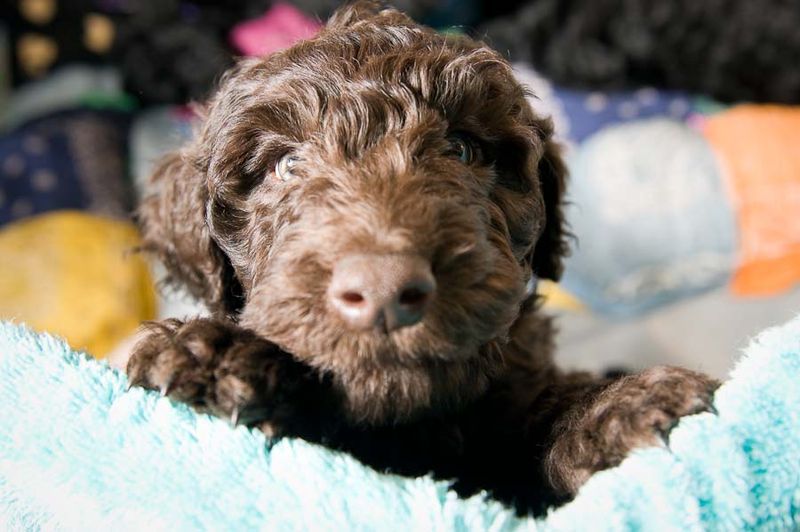
The Barbet’s mop is not just fashion. This French water dog was bred to retrieve through reeds and muck, and DNA highlights that amphibious calling.
Under the curls lives a steady, kind worker with excellent nose and patience.
Trade endless brushing battles for functional grooming that supports movement and swimming. Build confidence with water retrieves, shoreline searches, and controlled dock entries.
Nosework pairs beautifully with their methodical style. Training should be warm, clear, and purposeful, turning calm into competence.
Suddenly, the fluffy stranger at the lake is your reliable teammate. When given real tasks, their softness becomes strength, and your weekends smell like river air and wet smiles.
Thai Ridgeback
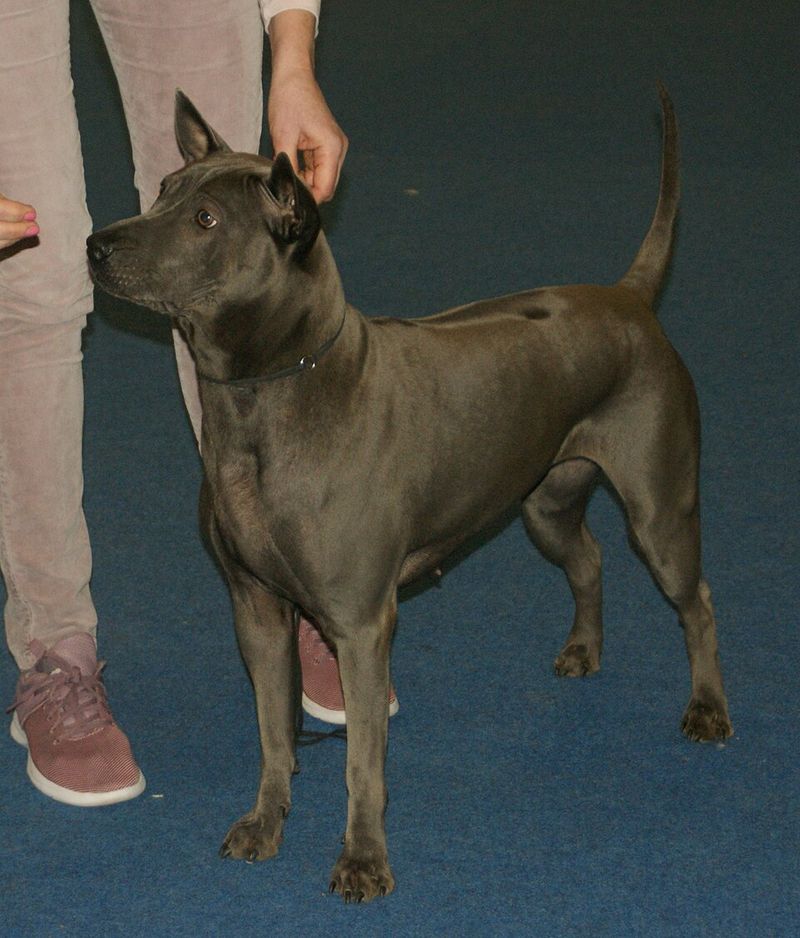
The Thai Ridgeback can read as aloof or intense until DNA fills in the survival chapters. These dogs developed independence, keen senses, and agile bodies in a hot, challenging environment.
That self-sufficiency sometimes clashes with modern expectations.
Focus on relationship first: hand feeding, choice-rich training, and consistent boundaries. Replace endless obedience with meaningful work like tracking, jogging, and platform games that organize motion.
Socialization must be thoughtful, not pushy, protecting confidence. Their skin and ridge need gentle care, and sun-smart routines keep them comfortable.
Once you honor their dignity, cooperation rises, and guarding instincts become measured awareness. You will recognize a noble partner, not a project, walking beside you with quiet certainty.
Schapendoes
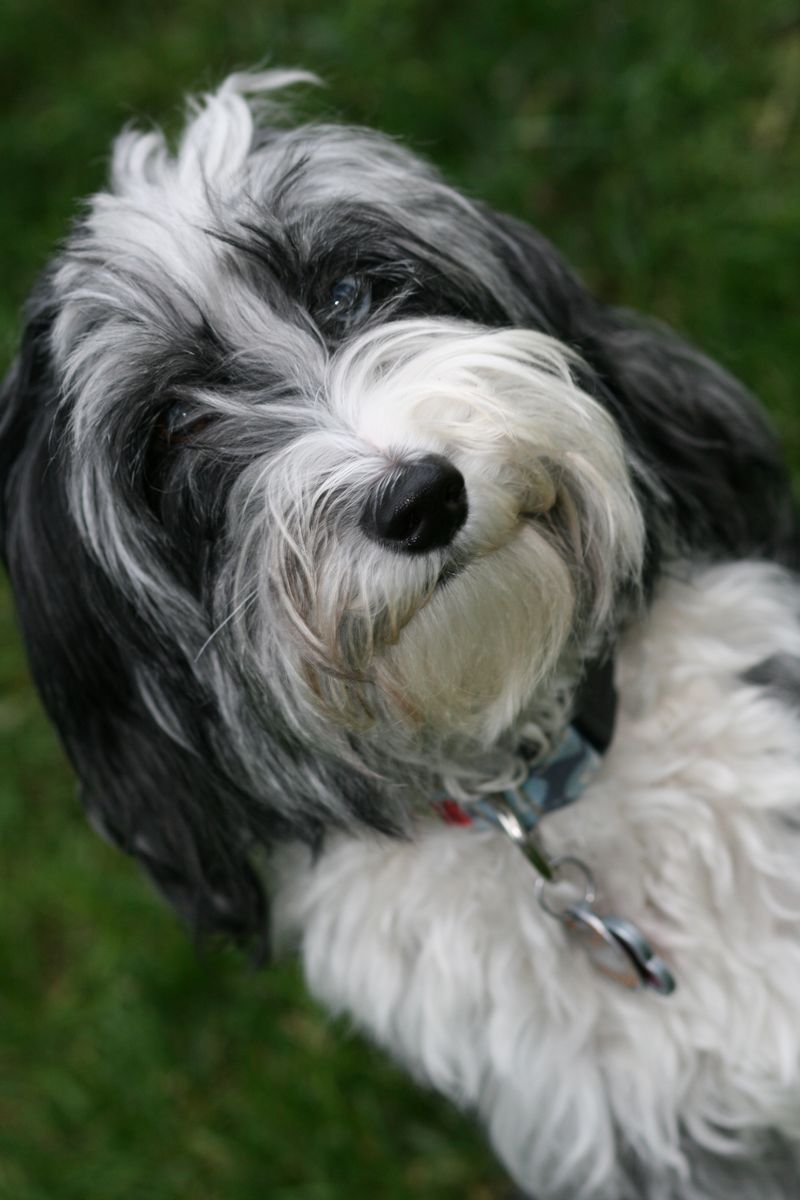
The Schapendoes looks like a walking duster, but beneath the fluff lives a bouncy herder. DNA explains the springy trot, social sparkle, and desire to organize everything.
When they zoom around kids or dogs, they are rehearsing a job.
Give structure with platform training, directional cues, and play that rewards thoughtful movement. Tug becomes a lesson in start, stop, and settle.
Sniffaris decompress the busy brain so manners return quicker at home. Keep grooming practical so hair supports work, not headaches.
With purpose, the goofball turns into a versatile teammate who loves fairness. That shift reduces nipping, overexcitement, and chaotic greetings while amplifying joy.
Field Spaniel
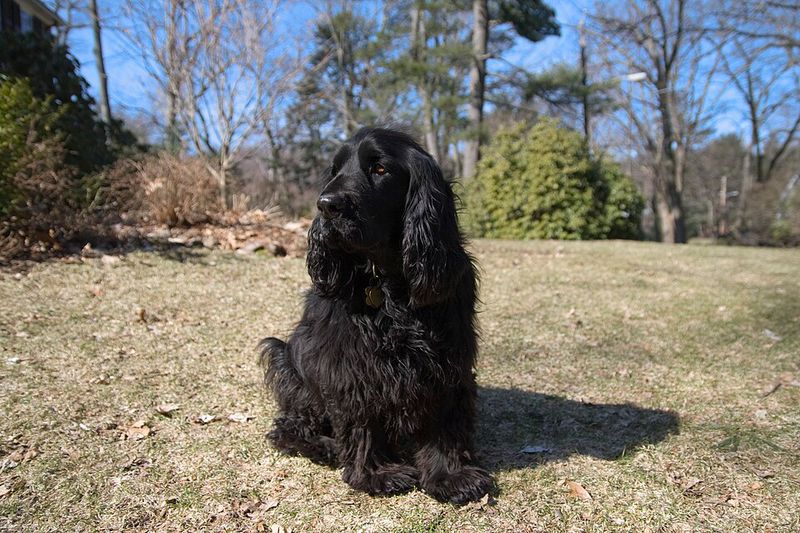
Field Spaniels can be mistaken for showy cousins, but their DNA whispers work first. They were bred to search patiently, retrieve softly, and partner closely.
That explains the thoughtful gaze and the rhythmic nose tap along hedgerows.
Plan calm, thorough scent games that reward endurance over speed. Use soft-mouthed retrieves, gentle handling, and steady routines to build confidence.
Avoid chaotic dog parks; choose fields, woods, and quiet lanes. Their soul stretches in green spaces with clear objectives.
Once you honor their thoughtful tempo, clinginess turns into connection, and training becomes a shared walk rather than a contest. You end up with a steady friend who reads your mood and quietly gets the job done.
Bracco Italiano
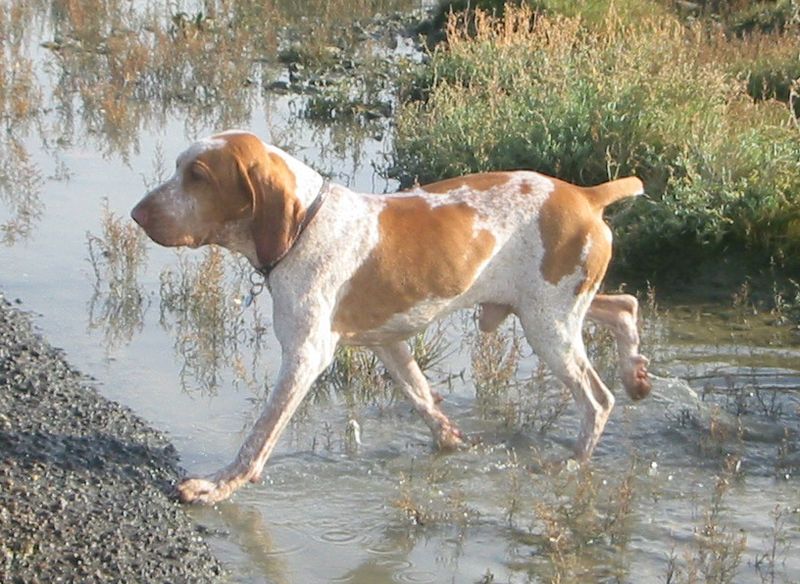
The Bracco Italiano moves like poetry you can touch. DNA roots them in ancient pointing work, built for endurance, nose, and partnership.
Their droopy elegance hides a serious athlete who needs long, purposeful outings.
Blend tracking lines, steady heelwork, and field-style games that reward patience before explosion. Warmups matter; so do cooldowns for those substantial joints.
Training should be kind, rhythmic, and full of information. Loud corrections shut them down, while structure makes them bloom.
When they realize you speak their slow-fast language, cooperation becomes stunning. Your weekend rambles begin feeling like art, with a living compass guiding every turn.
Otterhound
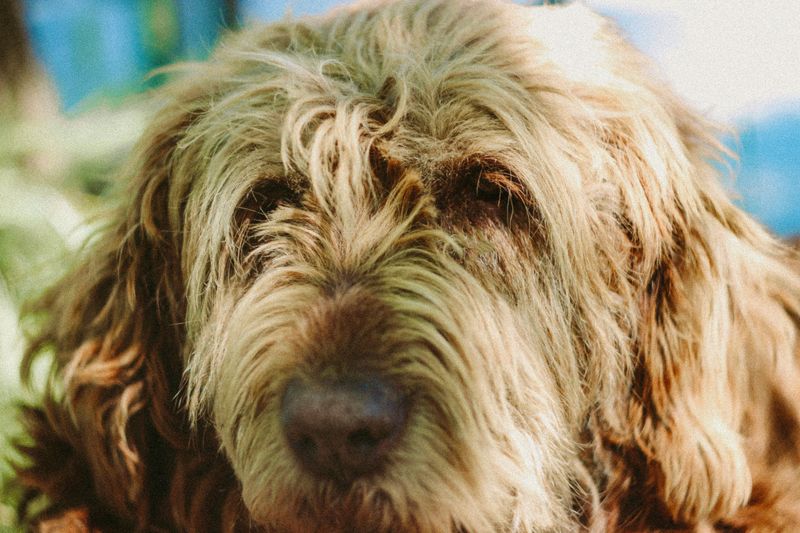
That shaggy comedian is a serious scent engine. Otterhounds were built to trail for hours in cold water, and DNA confirms the marathon nose.
Their goofy charm hides a specialist that needs room, patience, and hydration.
Plan long, low-impact adventures with water access and structured tracking. Use durable sniff trails and calm reinforcement to keep arousal balanced.
Groom for function to protect skin after swims. Training rhythms should be steady, with plenty of decompression sniffs before obedience.
Once their nose works on purpose, household mischief drops and serenity rises. The river becomes your shared classroom, and the car ride home is blissfully quiet.
Saluki
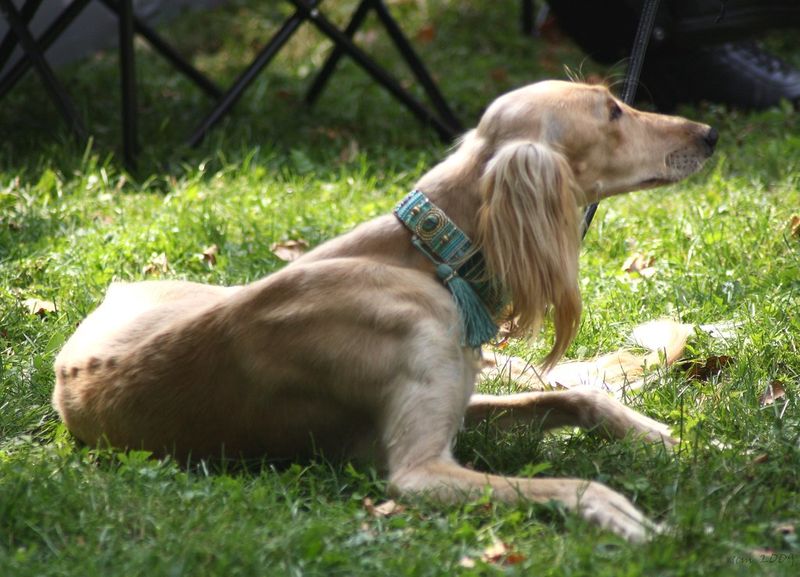
Grace is the headline, but Saluki DNA reveals relentless purpose. These desert sighthounds were bred for speed, sight, and stamina across open landscapes.
That floating trot and distant gaze come from generations of scanning horizons.
Offer safe sprint zones, soft footing, and thoughtful conditioning that protects delicate joints. Training should be minimalist, respectful, and highly rewarding.
Recall improves when you provide freedom within fences and engaging chases on cue. They rest hard between explosive efforts, so honor naps like training.
With context, they stop reading as aloof and start reading as focused. You will discover a partner who flies when invited and settles like silk at home.