
Some dogs seem like open books, yet a surprising number keep their quirks hidden until much later. If your puppy feels like a mystery, you are not alone.
Many breeds bloom in slow motion, revealing confidence, humor, and loyalty over months or even years. Get ready to recognize the moment that true character finally shines through.
Great Dane
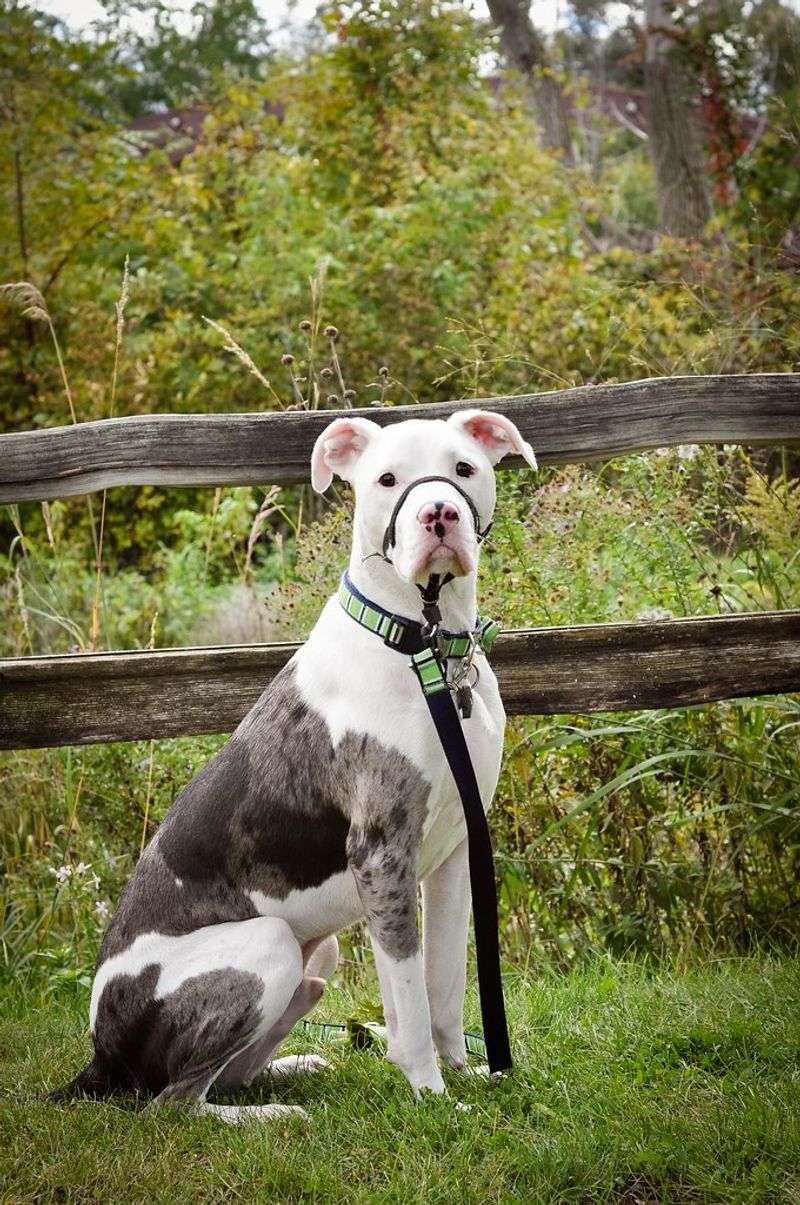
Great Danes look like gentle giants from day one, but their real temperament ripens slowly. As puppies they are goofy, sleepy, and surprisingly timid, which can trick you into thinking they will always be low energy.
Around two or three years, confidence blossoms and selective watchdog instincts appear.
You start seeing a dignified dog who still cuddles hard, yet sets clearer boundaries with strangers. Training and structure reveal a thoughtful, pressure sensitive mind that responds best to calm guidance and short sessions.
Give this breed time to grow into its bones and head, and the loving house guardian finally steps forward. Socialization stays essential because size alone can intimidate neighbors and visiting friends.
Patience truly pays off.
German Shepherd
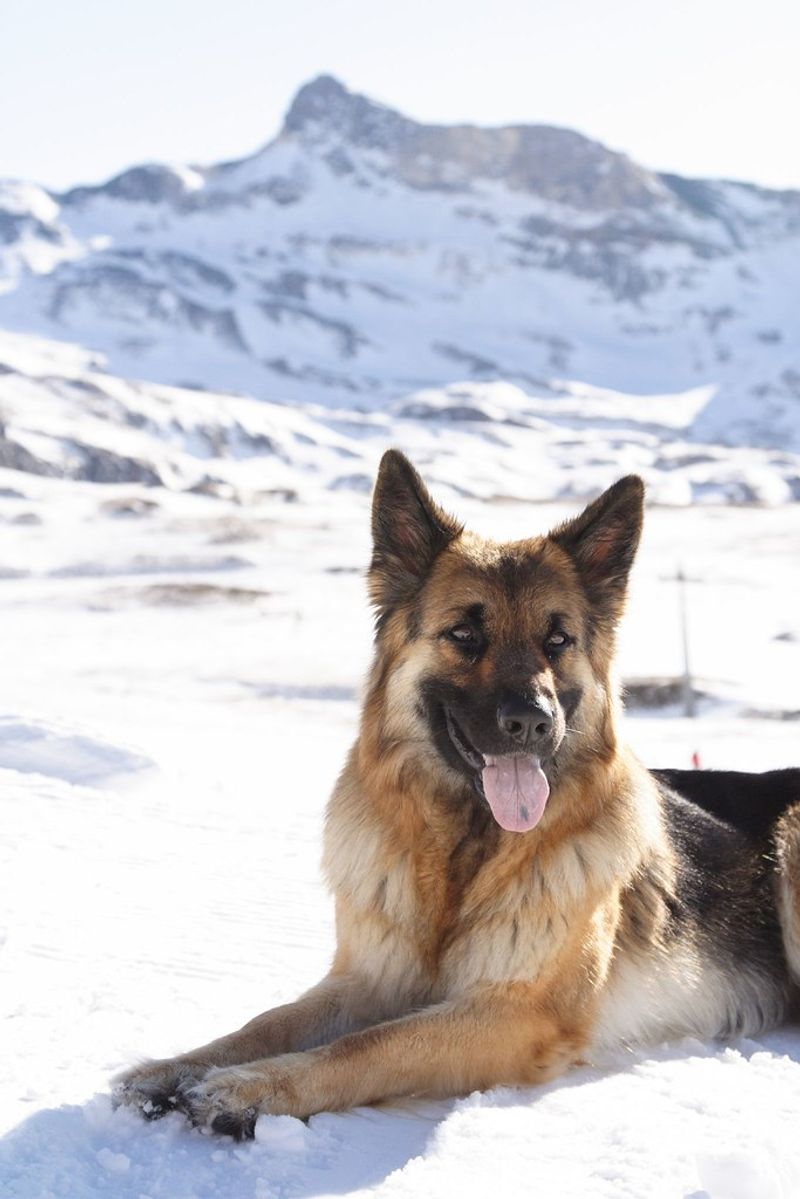
German Shepherds often hold back their true maturity until their bodies and brains sync around age two or three. Early months can feel intense and scattered, with bursts of drive followed by puzzling sensitivity.
You might see a clingy shadow one day and a spirited chaser the next, making the long game essential.
With steady exposure and clear jobs, the real dog emerges calm, focused, and discerning. That is when natural problem solving and protective judgment replace reactivity and noise.
You notice quieter confidence, balanced nerve, and a work ethic that finally channels correctly. Keep training fair and consistent, and cut sessions before frustration rises.
When the pieces click, the breed’s famous steadiness shows up like a switch turning on.
Golden Retriever
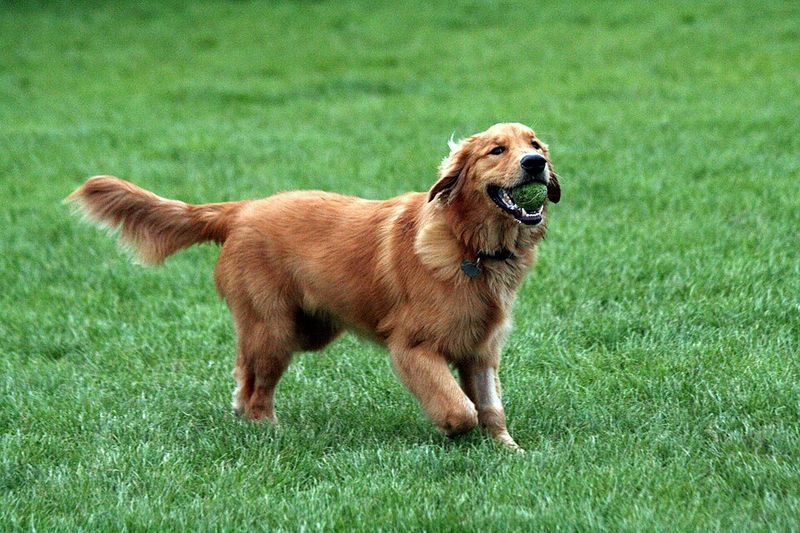
Goldens start as whirlwind charmers, but the dependable heart everyone raves about takes time to settle. Puppies bounce from lap to lap and collect fans, yet they can be distractible and mouthy far longer than expected.
Somewhere after two, the signature empathy sharpens and a steady chill arrives.
You will notice they choose moments more deliberately, leaning into you when you are stressed, easing off when play turns chaotic. With patient reinforcement of manners, the social butterfly transforms into a considerate companion who reads rooms like a pro.
Retrieve games and gentle structure keep that sunny spirit focused. The result is a family dog who finally matches the legend, affectionate without being clingy, playful while undeniably wise.
Rottweiler
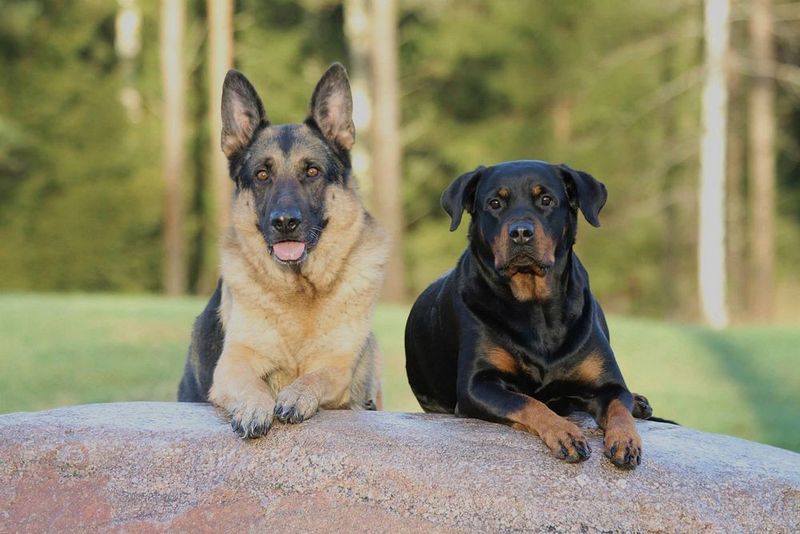
Rottweilers mature slowly, and the real dog often appears after two years. Early on they can be goofy, mouthy, and testing boundaries, which hides the thoughtful guardian beneath.
The shift comes when impulse control clicks, revealing a calm dog that notices everything while rarely overreacting.
Clear leadership and structured play help courage become discernment rather than pushiness. You will see a deeper bond form, a dog that chooses stillness over noise, and protection that is more presence than display.
Socialization matters, especially around strangers and novel surfaces, to avoid suspicion hardening into aloofness. Reward quiet choices.
With time, you get a velvety cuddle buddy in the house and an unflappable anchor out in the world.
Doberman Pinscher
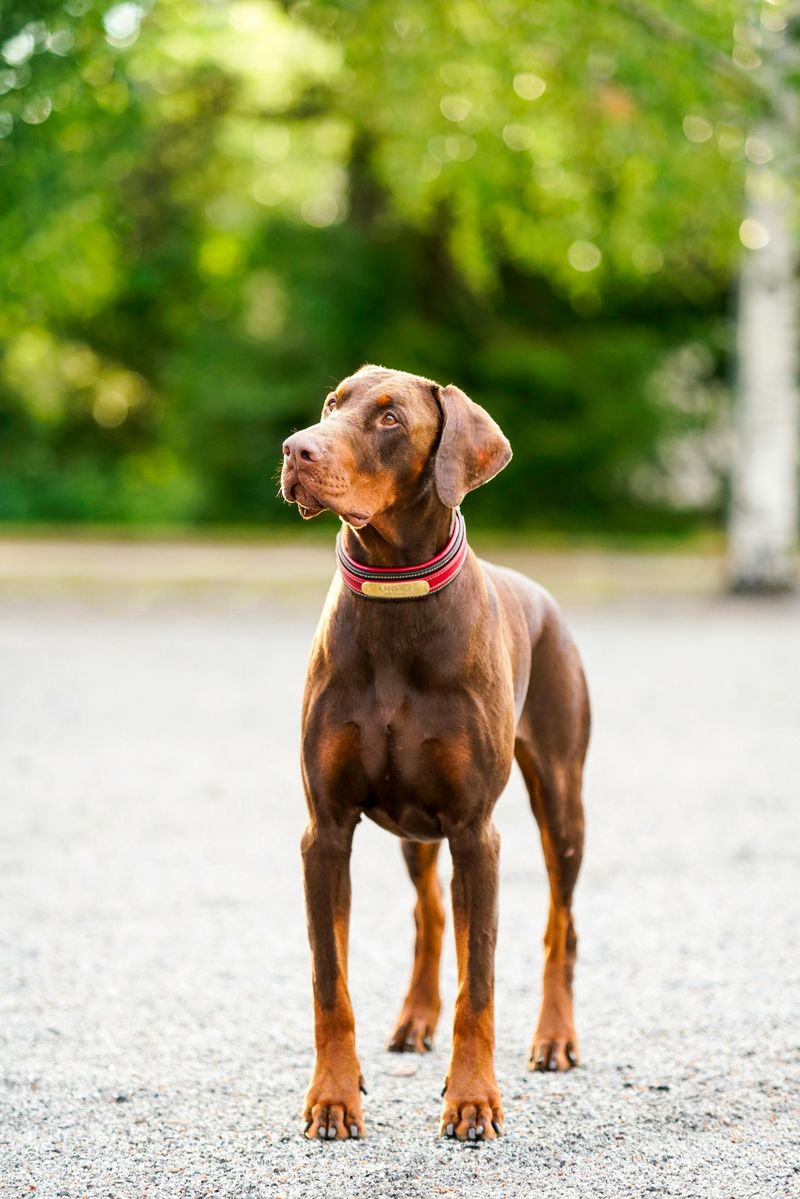
Dobermans burst through puppyhood like red or black lightning, then surprise you by maturing into subtle, people focused companions. The real personality appears when intensity learns patience.
One day the zoomies slow, and you see a thinker who monitors your mood and adjusts accordingly.
This breed bonds hard, so structured independence is key while the brain develops. Short training sessions, impulse games, and calm exposure build the composure that defines an adult Doberman.
Watch how clinginess evolves into partnership, and jitters become keen awareness. At that point they move with purpose instead of tension.
The later blooming confidence feels elegant rather than loud, protective without being pushy. When it arrives, you feel unmistakably understood.
Akita
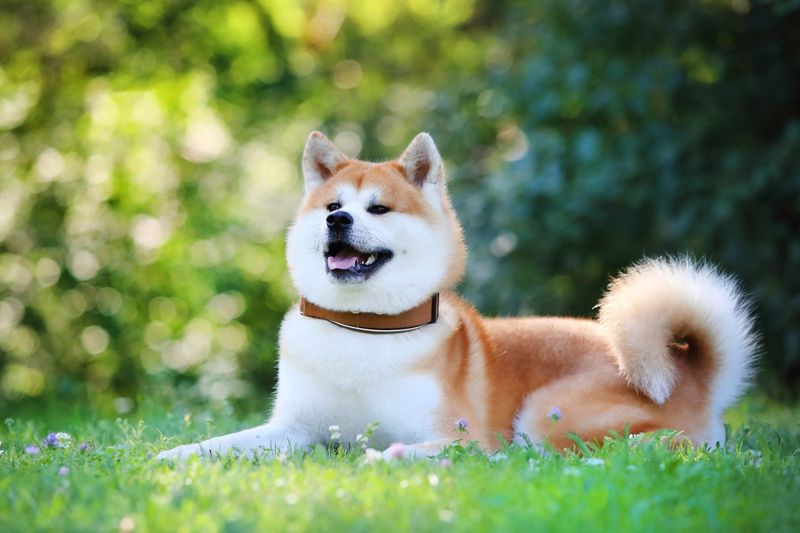
Akitas keep their cards close, and the full picture rarely shows before age two or three. As youngsters, they can seem aloof then suddenly playful, testing limits in waves.
That inconsistency hides a thoughtful dog who will one day choose silence over fuss and loyalty over noise.
With fair boundaries and respectful handling, independence turns into composed confidence. You start seeing a guardian who prefers distance greetings and follows you room to room without fanfare.
Socialization must be steady and neutral, focusing on relaxed exposures rather than forced friendliness. Reward steadiness, not volume.
When maturity lands, the Akita’s dignity finally reads clearly, and you realize the puppy’s stubborn streak was merely the early sketch of self possession.
Samoyed
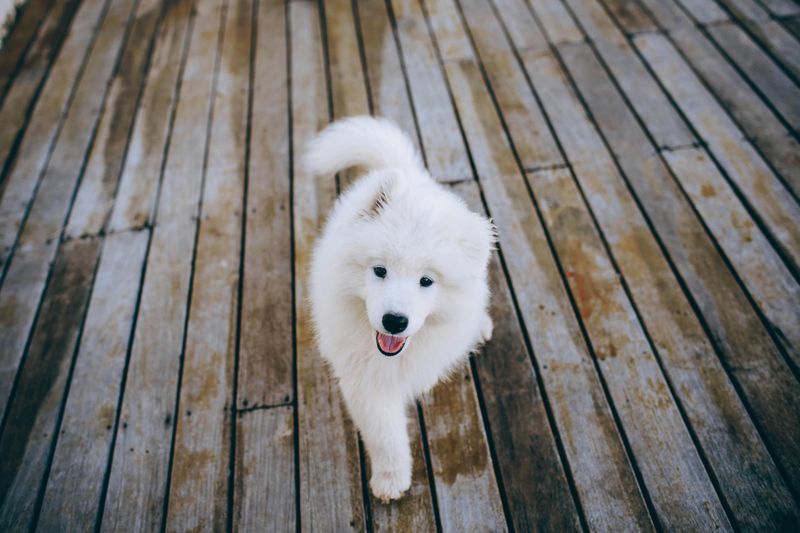
Samoyeds arrive like living clouds that grin and spin, but that nonstop cheer often eclipses their deeper temperament. Early months feature mischief, vocals, and dramatic shedding surprises.
Maturity brings a calmer center where the smile remains, yet choices become more thoughtful and less chaotic.
With consistent routines and outlets for endurance, they reveal a steady team player who enjoys work, whether carting, hiking, or learning tricks. You will feel a mellowing of the noise as they begin to settle near your feet after adventures.
Social ties strengthen too, switching from greeting everyone wildly to greeting appropriately. Grooming becomes bonding rather than a wrestling match.
Give patience and purpose, and the true sunny partner steps forward.
Rhodesian Ridgeback
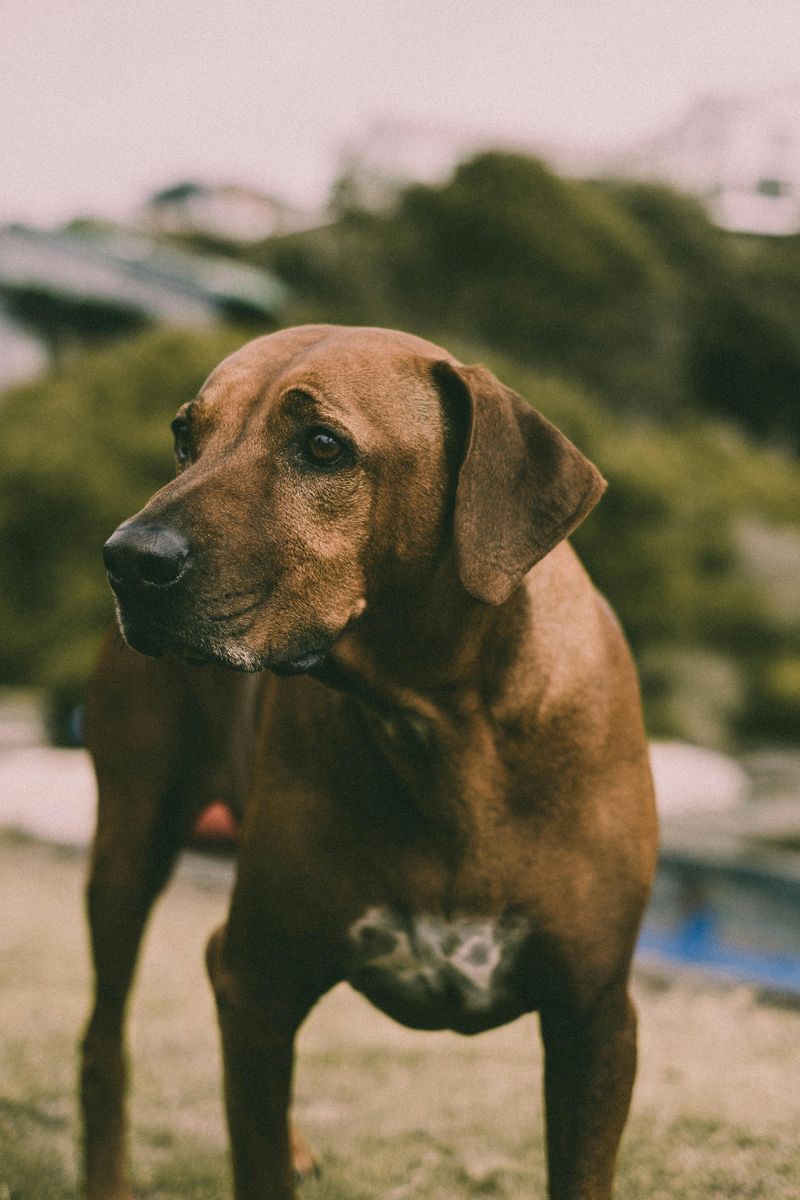
Ridgebacks spend a long time figuring out where to place their impressive drive. Puppies can be restless and selectively obedient, making you wonder who is training whom.
Then, often after two years, their natural restraint clicks, and you meet the self controlled athlete people praise.
They reveal a quiet humor and a loyal streak that prefers your company to constant novelty. Long hikes and scent games help them think before reacting.
You will see improved neutrality toward strangers and dogs, trading pushy greetings for a polite glance. Keep cues short, rewards meaningful, and expectations fair.
When the dust settles, the Ridgeback’s serious side balances beautifully with cuddly couch moments, and the steady explorer finally appears.
Weimaraner
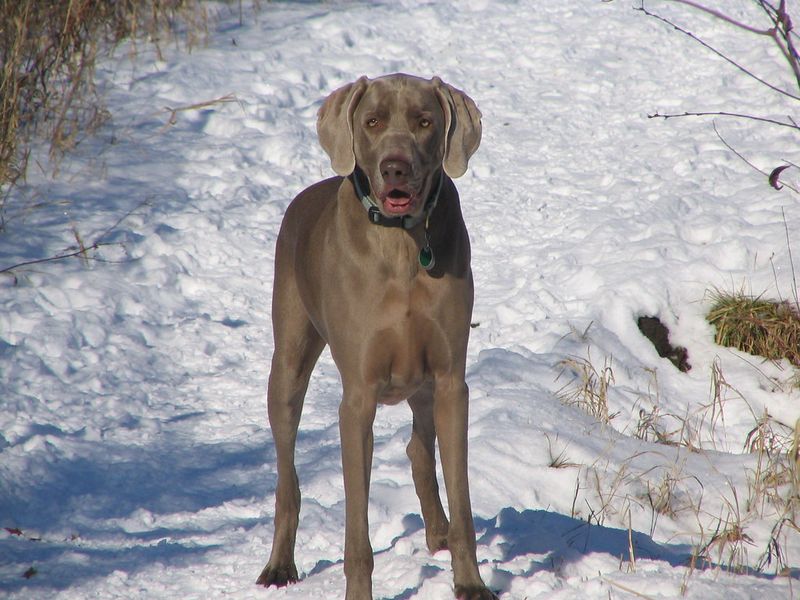
Weimaraners can feel like caffeinated shadows when young, velcroing to you while bouncing off walls. That transparency masks the slower arc toward true confidence.
With time and thoughtful independence training, anxiety softens into focus, and the classic, elegant problem solver emerges.
Daily exercise, nose work, and crate comfort teach them to settle without constant reassurance. You will notice fewer frantic check ins and more purposeful eye contact.
The adult Weim chooses stillness after effort and surprises you with gentle humor. Social exposure should be calm and consistent so sensitivity does not tip into suspicion.
When it all lands, the silver ghost becomes a devoted partner who can finally relax at your feet between adventures.
Beauceron
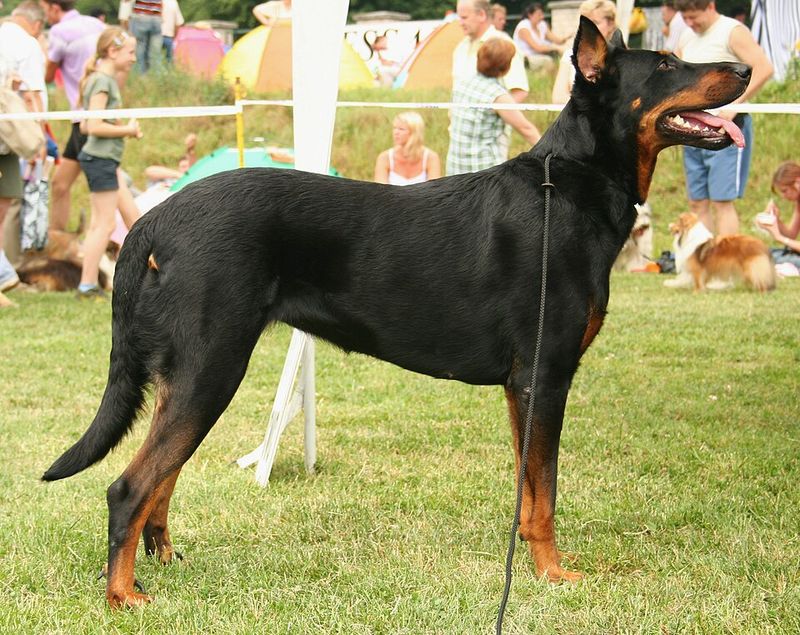
The Beauceron often feels like an old soul trapped in a teenager’s body. Early seriousness mixes with sudden immaturity, confusing first time owners.
Real maturity arrives when drive meets judgment, usually well into the second year, and sometimes later for males.
Then you see balanced courage, strong handler focus, and calm assessment instead of rushing decisions. Clear jobs, scent work, and herding style games reveal a methodical mind that prefers purpose over chaos.
Social neutrality improves, with less posturing and more presence. Keep training fair and challenging rather than repetitive.
As confidence settles, this breed becomes a versatile partner who can switch from work to home with a simple cue, revealing the steady heart beneath the intensity.
Keeshond
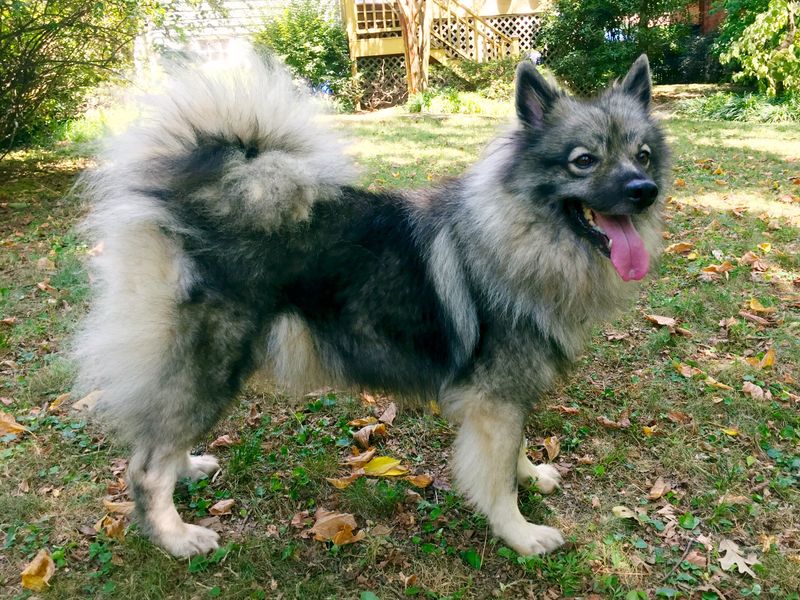
Keeshonden burst with enthusiasm, which can disguise how sensitive and observant they truly are. Early on they vocalize about everything and bounce like springs.
Over time, that fizz becomes a tuned in companion who reads your routines and settles quicker after stimulation.
Positive training and predictable structure help them replace yappy alerts with thoughtful notices. You will notice longer eye contact, calmer greetings, and a stronger preference for staying near you rather than chasing novelty.
Grooming becomes a relaxing check in. Social exposures should be upbeat without flooding.
As adulthood arrives, the Keeshond’s famous smile remains, but it sits on a more considerate foundation, revealing warmth, humor, and surprising self control that was hiding beneath the fluff all along.
Black Russian Terrier
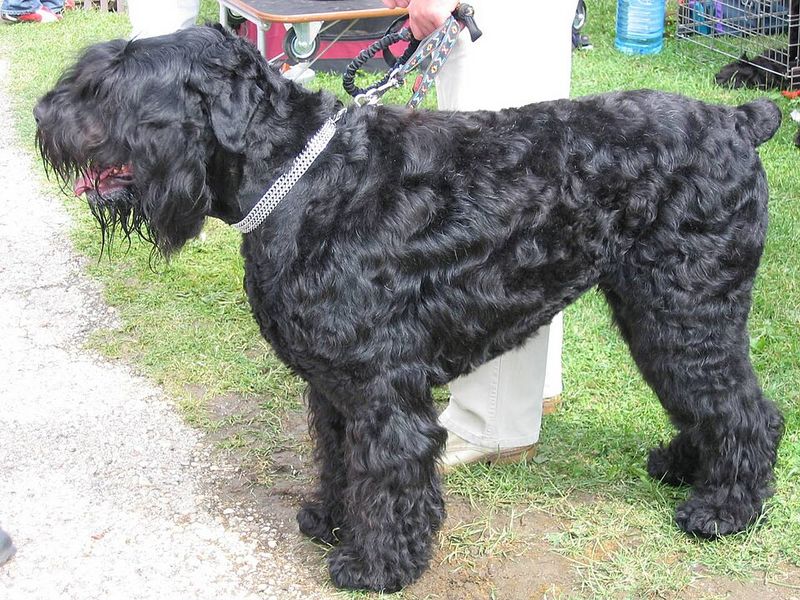
Black Russian Terriers take their time becoming the composed guardians they are bred to be. As adolescents they can feel oversized and unsure, with bursts of bravado that fade quickly.
Patience, professional guidance, and steady exposures carve the path toward balanced confidence.
Work on calm leash skills, place training, and neutral greetings so they learn to observe rather than escalate. You will see the switch when they choose quiet presence over motion, watching doors and family with thoughtful eyes.
Socialization must be ongoing, not front loaded. With muscle and mind aligned, the adult dog becomes steady, affectionate with loved ones, and impressively self possessed.
The real temperament is a velvet hammer, gentle at home and immovable when needed.
Finnish Lapphund
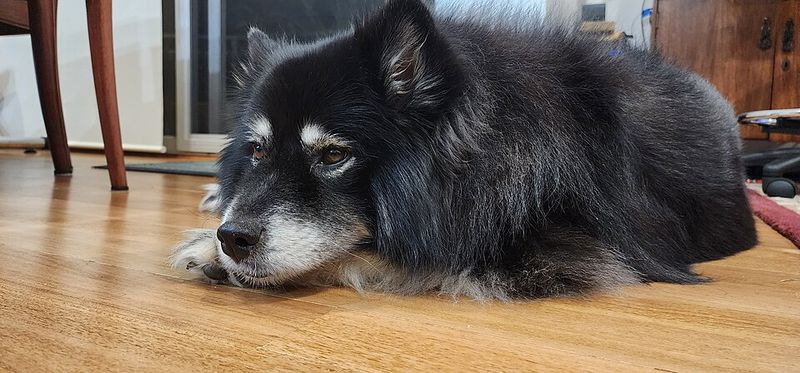
Finnish Lapphunds arrive cheerful and busy, which makes their later poise a delightful surprise. Puppy energy bounces between people pleasing and independence.
As adults, they settle into a cooperative rhythm, still friendly but far more deliberate.
Gentle structure and brain games like scent puzzles bring out their thoughtful side. You will see less fidgeting and more steady attention, with affectionate check ins instead of clinging.
Social skills refine too, shifting from over the top greetings to polite curiosity. Keep training positive, short, and consistent, and give them jobs like rally or trekking.
When the pieces unite, you meet a cuddly, reliable partner who can relax in the cabin after a long hike, finally showing the centered companion within.
Barbet
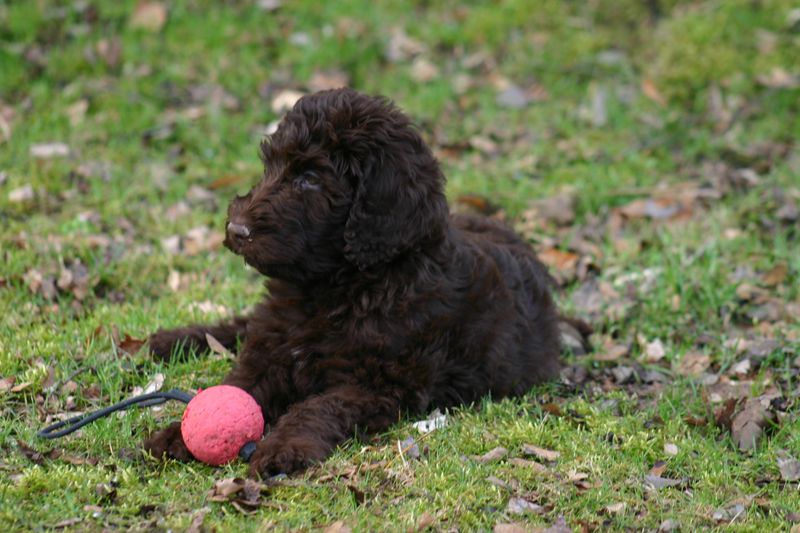
Barbets are enthusiastic water lovers whose maturity sneaks up quietly. Young dogs splash into everything, nibble on attention, and struggle to switch off.
With patient boundaries, the adult emerges as a considerate partner who still adores play but chooses focus when asked.
Short retrieve sessions, dock fun, and calm place work teach on and off switches. You begin noticing softer mouth control, steadier recalls, and a knack for reading your pace.
Social greetings moderate from full body wiggles to friendly eye contact. Keep grooming gentle and regular so handling becomes a soothing ritual.
When development catches up, the Barbet’s joyful heart remains, wrapped in better impulse control and a loyal, practical work ethic that was waiting just beneath the curls.
Eurasier
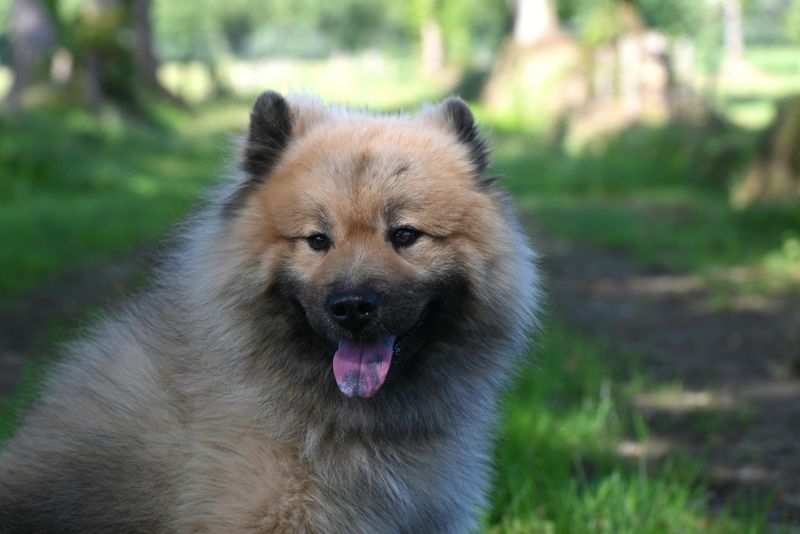
Eurasiers often blossom privately, revealing depth only after trust is built. Early on they can seem reserved, even aloof in busy settings.
With patient socialization and predictable routines, their true nature appears as calm affection and quiet humor.
They prefer stability over spectacle, so do not push greetings. Reward curiosity and let them choose closeness.
You will see an elegant dog that shadows you softly, checks in with soulful eyes, and handles surprises with improved neutrality. Training should be kind and brief, mixing food and play.
When maturity arrives, the Eurasier’s equilibrium makes home life peaceful, and that once distant puppy becomes your steady companion, showing warmth that feels more like a whisper than a shout.
Catahoula Leopard Dog
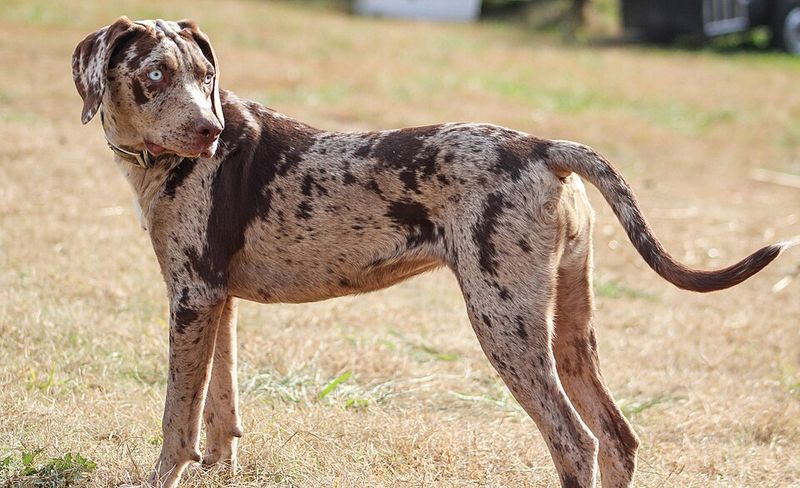
Catahoulas start bold and busy, which can hide their problem solving depth until later. Early independence reads as stubbornness, and energy arrives in tidal waves.
With jobs that tap nose and brain, the grown dog reveals focused drive and reliable decision making.
Track games, long hikes, and structured downtime help them switch from frantic to deliberate. You will see calmer scanning, better leash manners, and a choice to check back with you before charging ahead.
Social exposure should be practical and steady, not crowded. Clear boundaries prevent pushiness from maturing into conflict.
When it all settles, the dog becomes a gritty, affectionate teammate who can work all day and curl up all night, finally showing the loyal core inside the whirlwind.
Weimaraner
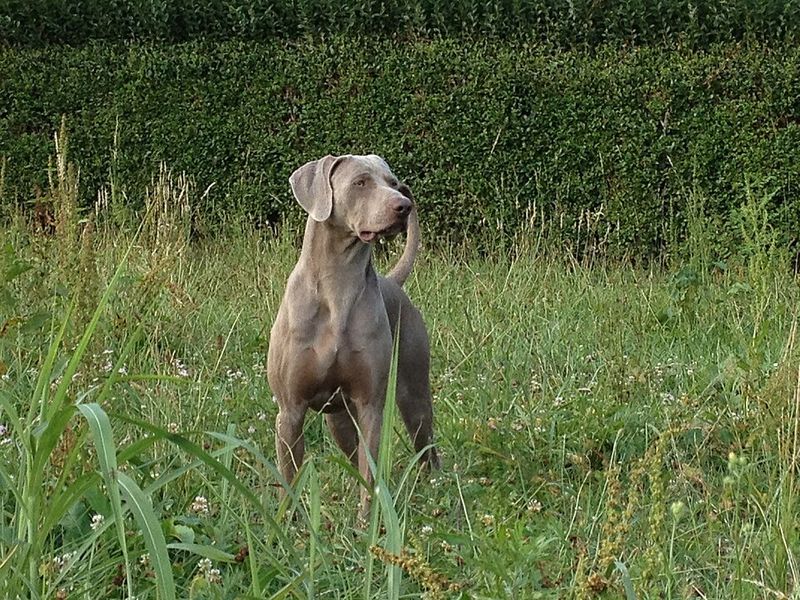
Weimaraners can feel like caffeinated shadows when young, velcroing to you while bouncing off walls. That transparency masks the slower arc toward true confidence.
With time and thoughtful independence training, anxiety softens into focus, and the classic, elegant problem solver emerges.
Daily exercise, nose work, and crate comfort teach them to settle without constant reassurance. You will notice fewer frantic check ins and more purposeful eye contact.
The adult Weim chooses stillness after effort and surprises you with gentle humor. Social exposure should be calm and consistent so sensitivity does not tip into suspicion.
When it all lands, the silver ghost becomes a devoted partner who can finally relax at your feet between adventures.