
Some dogs greet you with wagging tails yet keep careful watch when new faces show up. They can look sunny and sociable, but they know exactly where their comfort zone ends.
If you respect those boundaries, you will see loyalty and warmth shine through. Let’s explore breeds that balance heart and caution, so you know how to meet them the right way.
American Pit Bull Terrier
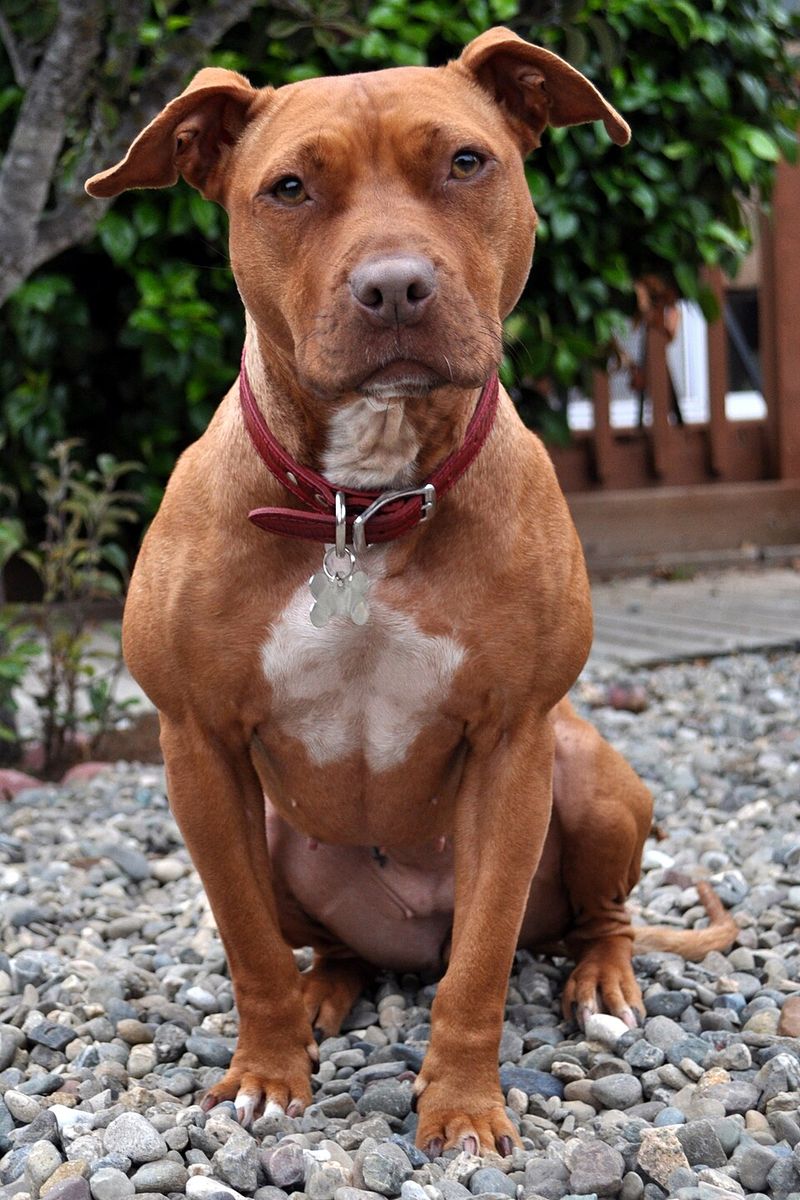
At first glance, the American Pit Bull Terrier flashes a big grin and wags like your newest buddy. With family, this breed is affectionate, silly, and eager to please, leaning into cuddles and games.
But when unfamiliar people approach the doorstep or crowd your space, clear lines appear. The dog reads your mood, body language, and tone, then decides whether to engage or hold back.
That sensitivity is a gift when you guide it well.
Structured introductions make all the difference. I always recommend calm voices, leashes, and a sit before greetings.
Give the dog time to sniff, relax, and choose contact. Solid socialization, impulse control games, and daily exercise keep that sparkling smile genuine.
Respect boundaries, and you will meet a steadfast, trustworthy friend.
Bull Terrier
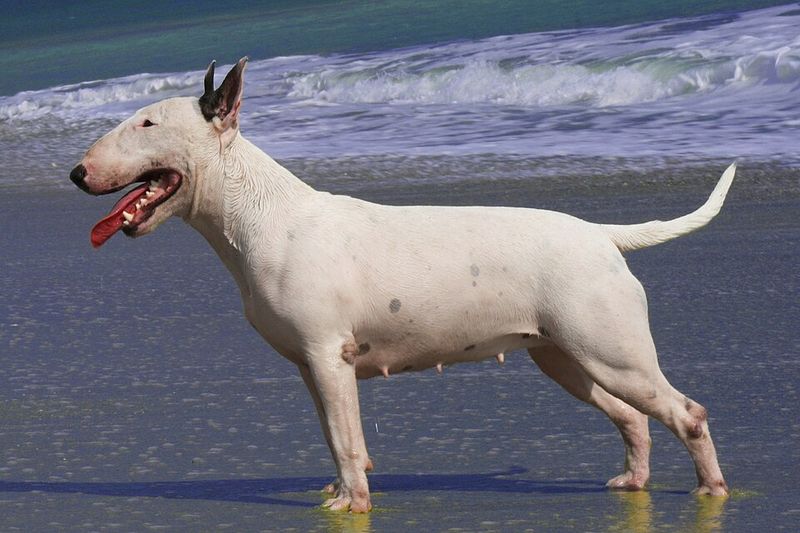
The Bull Terrier is a comedian at home, bouncing through rooms with that unmistakable grin. Friendly by nature, it bonds deeply and adores games, pats, and silly routines.
Still, a sudden approach from a stranger can flip the script. You will notice the body tighten, ears tune, and eyes assess.
This is not meanness, just a smart radar kicking on.
Make greetings calm and brief at first. I like to ask visitors to ignore the dog until curiosity wins.
Then reward a sit with a sniff opportunity, and step back if stiffness appears. Channel energy into tug and fetch away from crowded spaces.
With steady guidance and structure, your Bull Terrier stays joyful while keeping healthy social boundaries.
Chow Chow
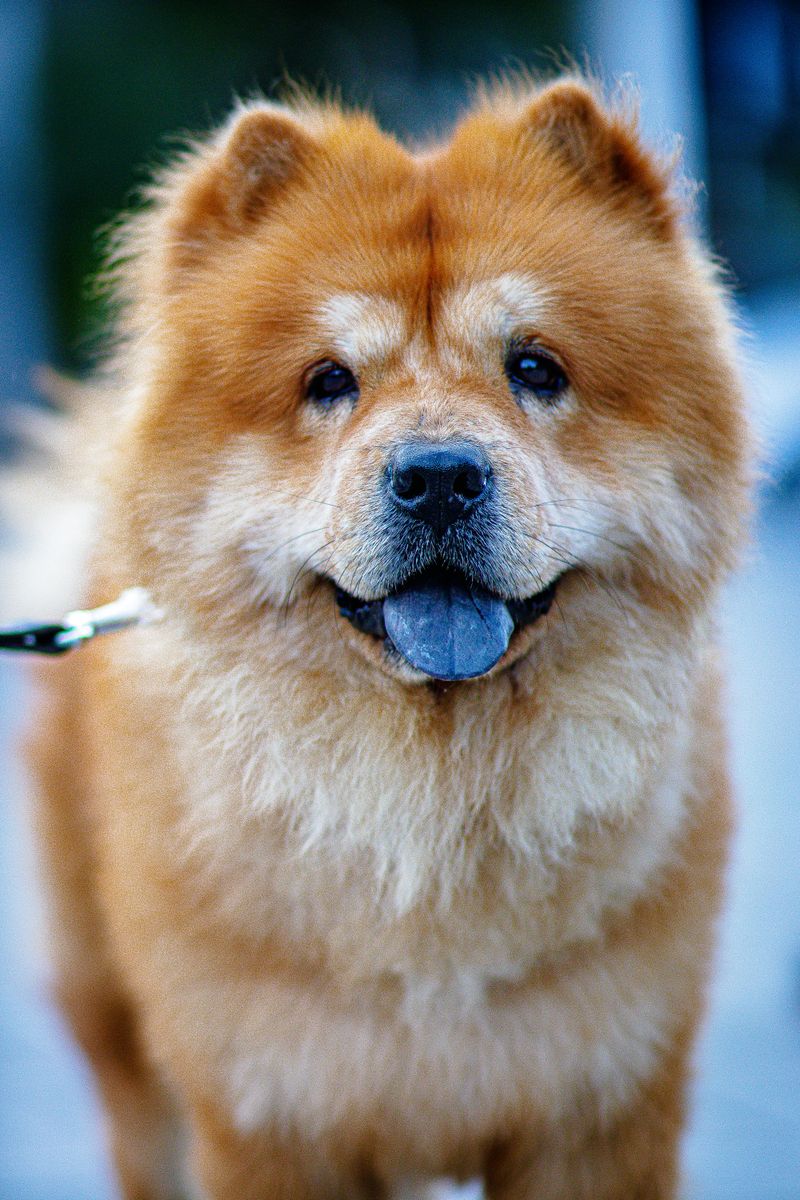
The Chow Chow looks like a plush toy and often behaves like a dignified elder. Around family, the bond is strong, quiet, and respectful.
Strangers, though, are evaluated carefully. You might see a calm stance, steady eyes, and a choice to keep distance.
For a Chow, consent matters, and forced affection can fray trust.
Slow, predictable introductions work best. I ask guests to stand sideways, avoid direct staring, and offer space.
Let your Chow decide when to approach, then reward that confidence softly. Short, positive exposures to different places build comfort without pressure.
With steady routines, a Chow remains gentle at home and politely reserved in public, drawing clear lines without drama while still being a devoted companion.
Shar Pei
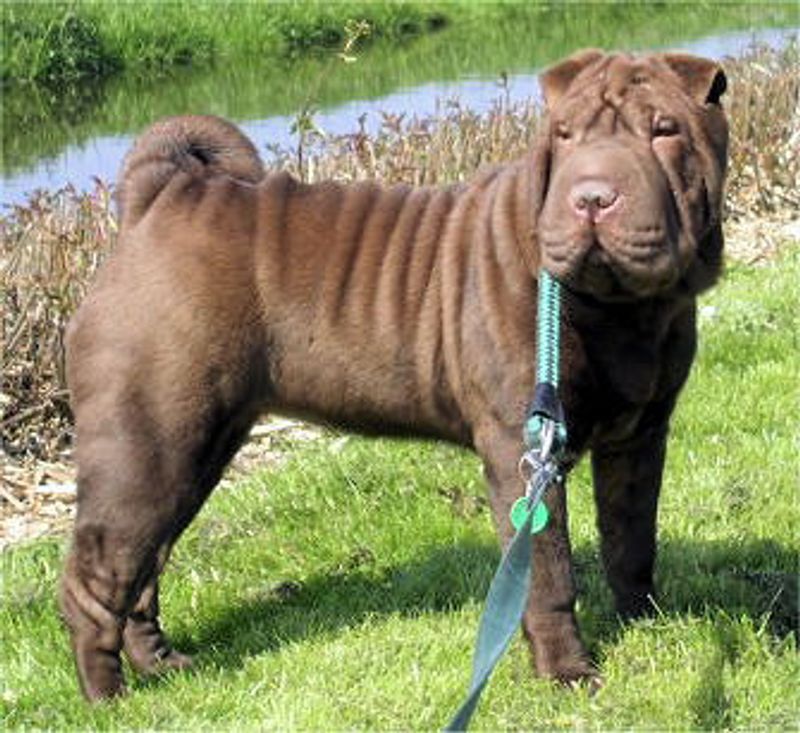
Shar Pei dogs wear a thoughtful, even skeptical expression that tells you they notice everything. With family, they are steady, loyal, and surprisingly cuddly.
New people trigger discernment before warmth. A Shar Pei prefers calm approaches and predictable patterns over sudden fuss.
That measured temperament can be a gift if you honor it.
I like structured meet and greets with a simple sit and sniff routine. Ask guests to be casual and avoid overreaching hands.
Reward small choices toward relaxation, like a soft gaze or looser posture. Keep sessions short, then end on success.
Balanced socialization, confidence games, and clear household rules help these thoughtful guardians remain polite, making their friendly side shine while boundaries stay reliable and safe.
Fila Brasileiro
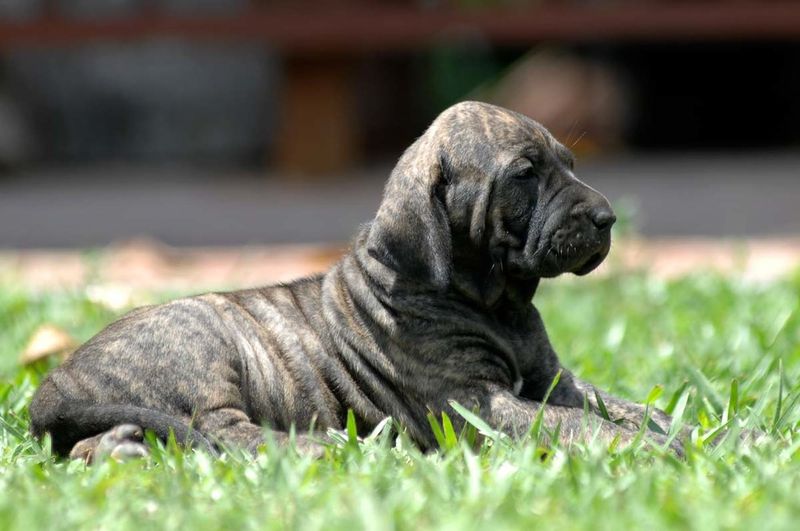
The Fila Brasileiro is famous for intense loyalty and serious reserve with strangers. At home, the dog can be tender, leaning into family cuddles and routine affection.
But unfamiliar faces flip protective instincts on quickly. You will see calculated distance, a strong stance, and eyes that track every move.
This breed needs experienced handling and respect for its heritage.
Controlled environments are essential for introductions. I recommend firm obedience, leashes, and a clear exit route for guests.
Keep greetings minimal and avoid casual touching. Socialization should be thoughtful, not overwhelming, building neutrality rather than forced friendliness.
With structure, exercise, and consistency, a Fila becomes a steadfast guardian who loves hard at home yet maintains unmistakable boundaries with outsiders.
Tosa Inu
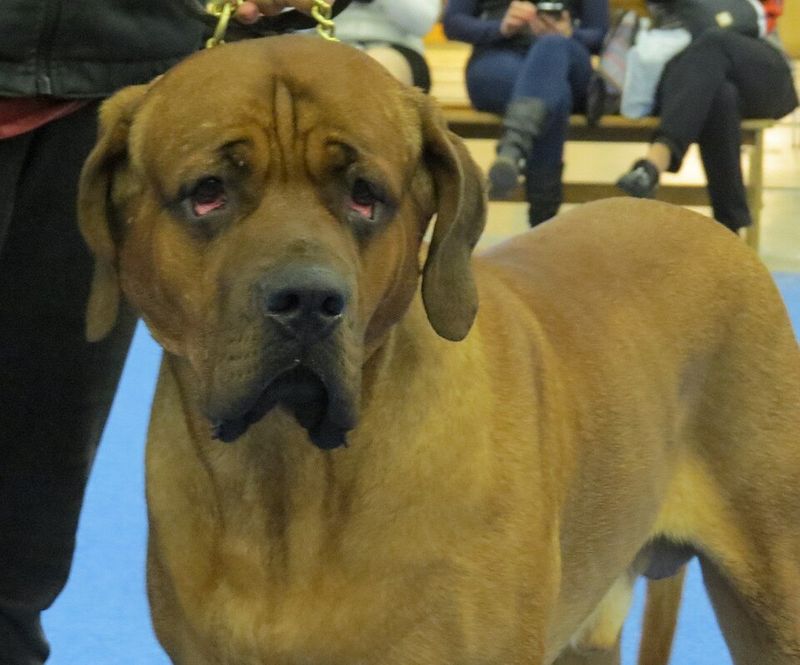
The Tosa Inu carries a quiet, noble presence that charms people from a distance. Up close, it remains composed and polite but will not rush into friendships.
Family time is affectionate and serene, with a calm dog resting near your feet. Strangers are met with reserve and a careful reading of the room.
This dignity deserves thoughtful handling.
I favor deliberate introductions with space, leashes, and neutral positioning. Ask visitors to move slowly and avoid leaning in.
Reward a relaxed sit or a soft head turn away from tension. Keep training consistent, focusing on recalls, place work, and impulse control.
When you respect the breed’s boundaries, the Tosa shows genuine warmth at home while maintaining safe, confident distance with unfamiliar people.
Dogo Argentino
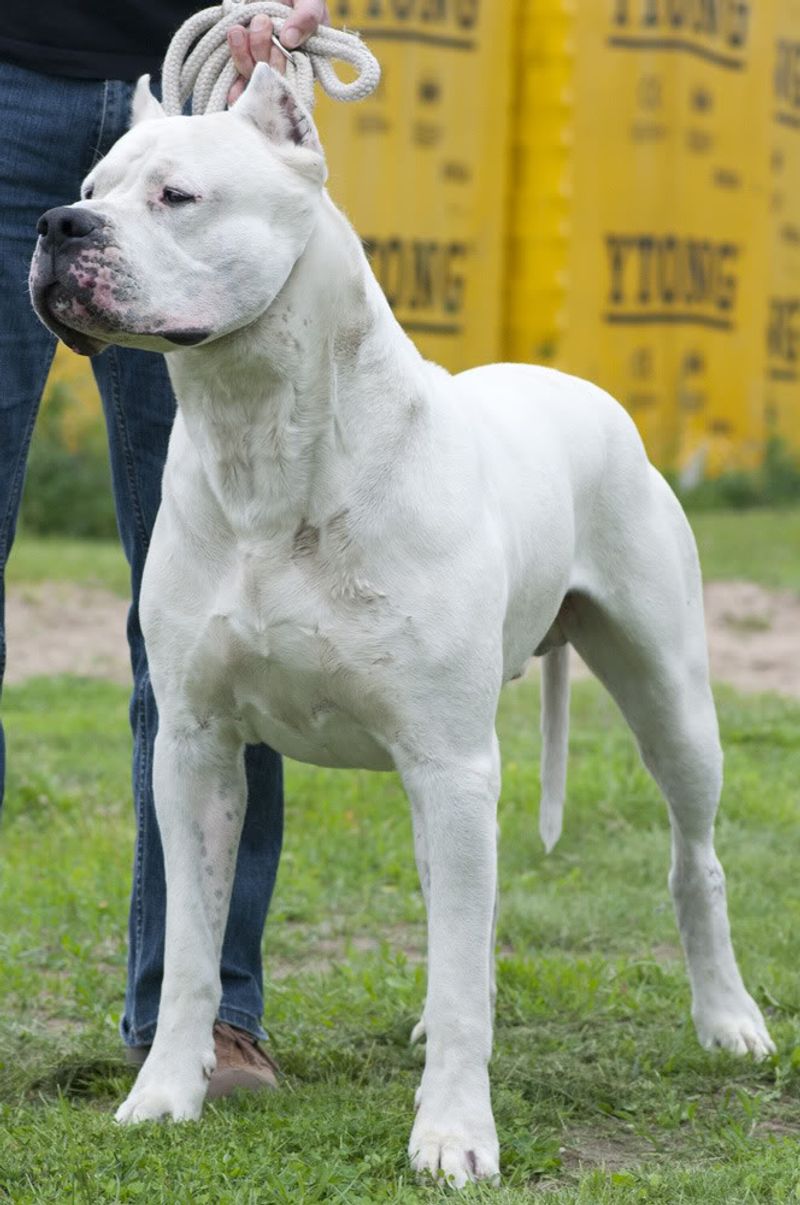
The Dogo Argentino is athletic and affectionate, often leaning into family like a living space heater. Outdoors, you will see confidence and keen awareness.
Strangers are not met with instant friendship. Instead, the dog evaluates intent, posture, and energy before choosing engagement.
That balanced suspicion needs fair leadership.
I like to use structured heeling past new people, then pause for a sit and reward calm attention back to the handler. Visitors should stay neutral, letting the dog initiate a sniff.
Keep greetings brief and positive, then move on. Regular socialization, clear rules, and plenty of exercise help the Dogo channel power into manners.
Done right, you get a loving housemate who draws a neat, dependable line with outsiders.
Boerboel
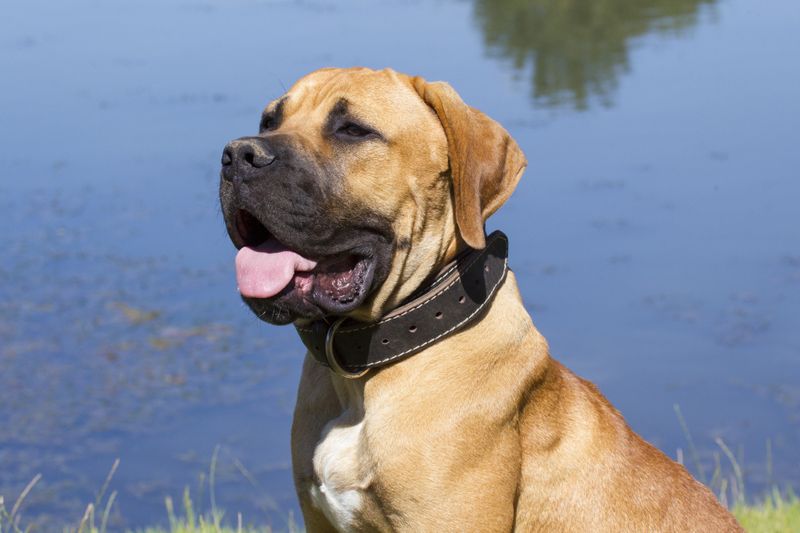
The Boerboel is a family-first guardian, calm and kind around its people yet instantly aware of changes nearby. With strangers, this breed prefers observation over mingling.
You might notice a steady stance, low tail movement, and patient watching. It is not rude, just discerning.
That thoughtful nature pairs beautifully with confident, fair training.
Set boundaries for visitors with leashes and a designated place mat. I ask guests to avoid crowding and to follow your lead.
Reward relaxed scanning, soft body language, and a quiet settle. Keep exercise high and routines predictable so the dog has fewer decisions to make.
With respect and structure, the Boerboel remains affectionate at home and measured with outsiders, drawing lines that keep everyone comfortable.
Cane Corso
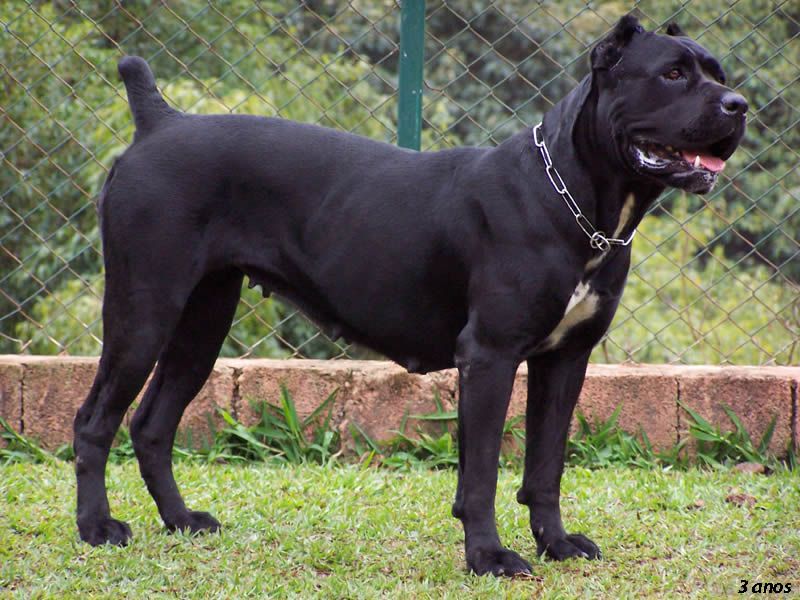
The Cane Corso blends affectionate family behavior with a clear, confident guard presence. Around loved ones, it is goofy and surprisingly tender.
With unfamiliar people, it keeps control, evaluating tone, posture, and purpose. You will often see a calm sit and a watchful gaze rather than bounce-to-greet energy.
That control is admirable when guided.
Teach reliable obedience and reinforce neutrality in public. I prefer quiet, short greetings, or none at all, depending on the dog.
Visitors should follow your cues, avoid looming, and move deliberately. Reward relaxed choices and reposition if tension rises.
Consistent training, secure management, and daily outlets for energy bring out the Corso’s best qualities, delivering deep devotion at home plus steady, respectful boundaries with strangers.
Central Asian Shepherd
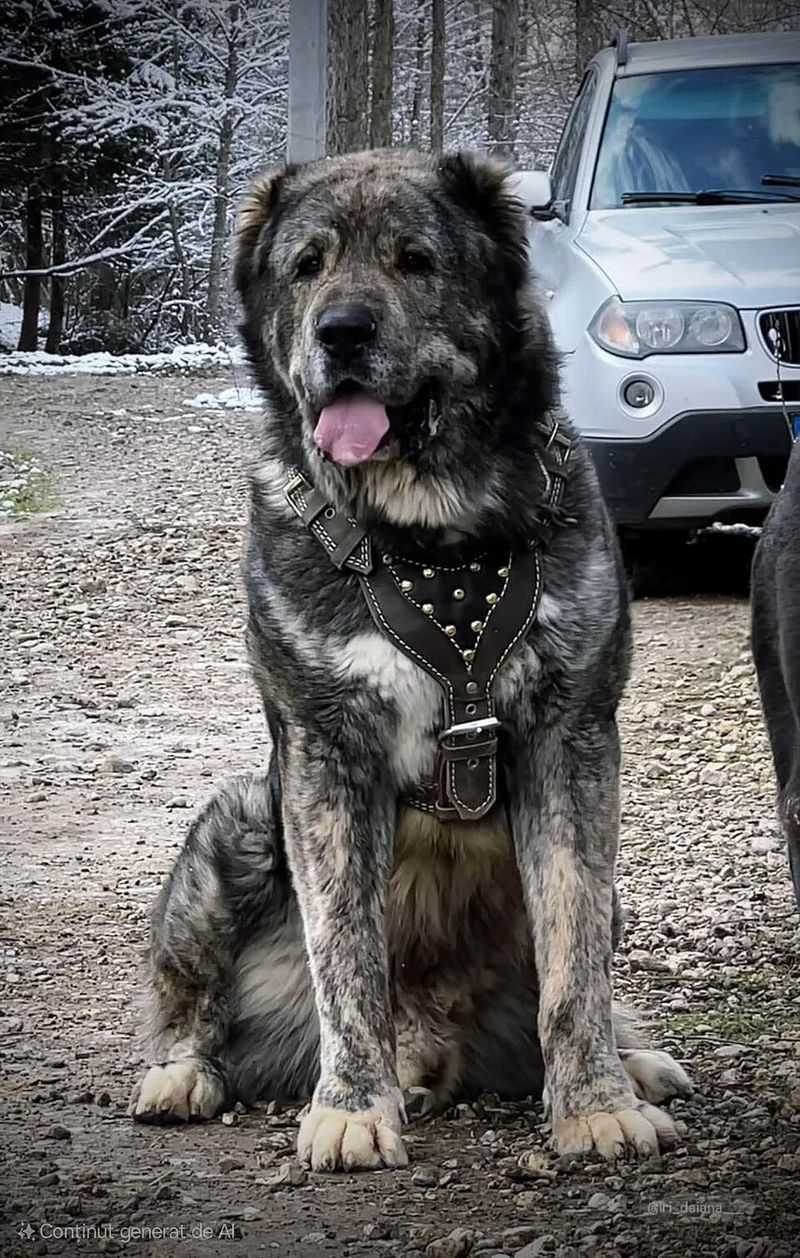
Central Asian Shepherds were bred to assess threats independently over vast territory. That heritage shows up as quiet loyalty at home and cool reserve with outsiders.
They do not rush greetings or beg for attention. Instead, they hold a dignified distance and read the environment.
Respect that nature, and you gain a partner you can trust.
Controlled exposure is key. I use long lines, calm walks past people, and reward for checking in with the handler.
Guests should avoid touching and let the dog decide. Keep training crisp and simple with strong recalls and place work.
With measured socialization and fair leadership, this guardian remains loving with family while maintaining a clear, sensible boundary with strangers.
Perro de Presa Canario
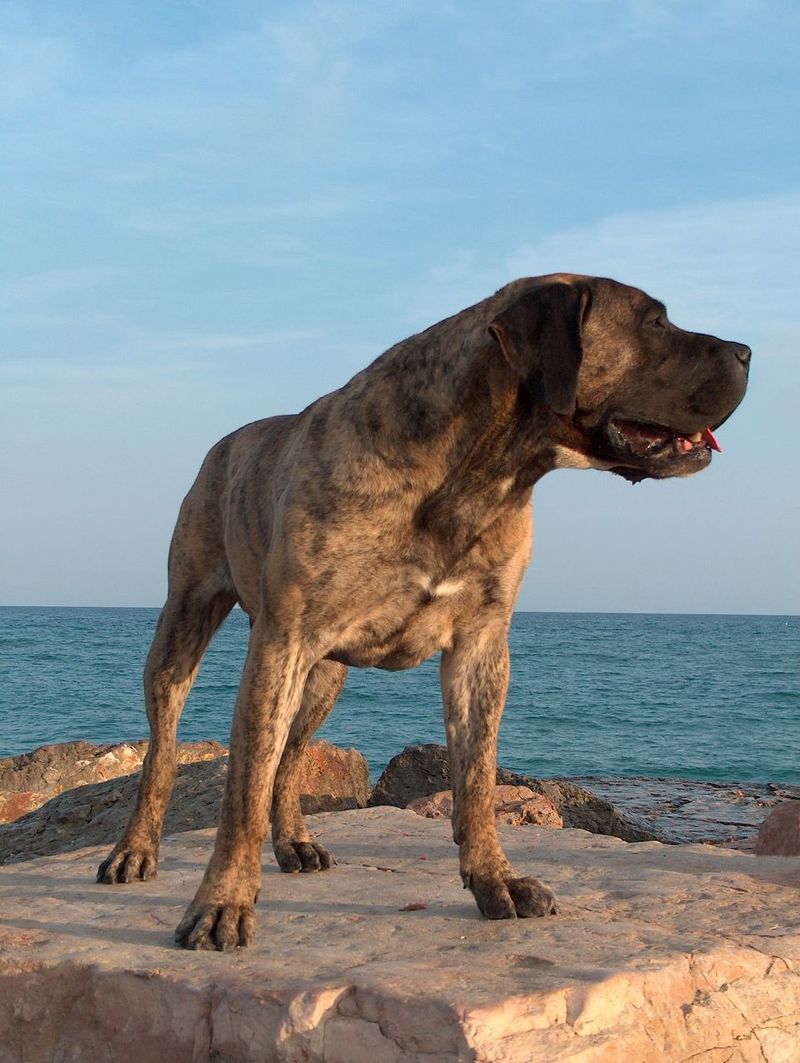
The Presa Canario exudes quiet strength, blending family affection with a serious work ethic. Around trusted people, it relaxes and enjoys steady routines.
With strangers, you will likely see controlled stillness and a patient watch. This dog prefers purpose over chit chat, and that is fine when you lead clearly.
Confidence grows when the world feels predictable.
Keep greetings simple, brief, and optional. I coach visitors to ignore the dog until invited.
Reward calm sits, soft eye contact, and a gentle head turn away from tension. Focus training on impulse control and neutrality in public spaces.
With structure, daily exercise, and mental work, a Presa becomes a deeply loyal companion who keeps firm, respectful lines with unfamiliar people.
Kuvasz
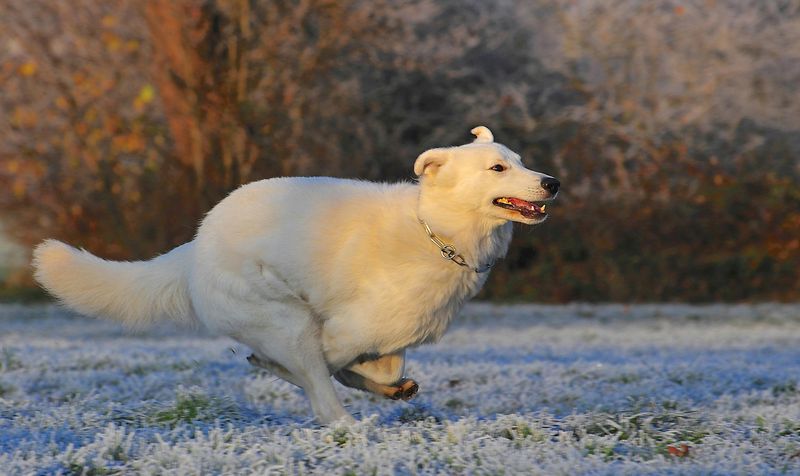
The Kuvasz is elegant and loving with family, often choosing a spot nearby to watch over everyone. Strangers are handled with cool courtesy.
The dog may stand tall, remain quiet, and hold eye contact briefly, signaling boundaries without drama. That blend of warmth and reserve makes sense for a guardian breed.
It thrives when you trust its instincts and offer structure.
I recommend slow introductions on leash and short visits. Ask guests to move calmly, avoid patting the head, and let the dog circle if needed.
Reward relaxed posture and a soft gaze. Keep daily routines steady and provide thoughtful socialization.
With fair leadership and predictable expectations, a Kuvasz stays affectionate at home while keeping wise distance from unfamiliar people.
Komondor
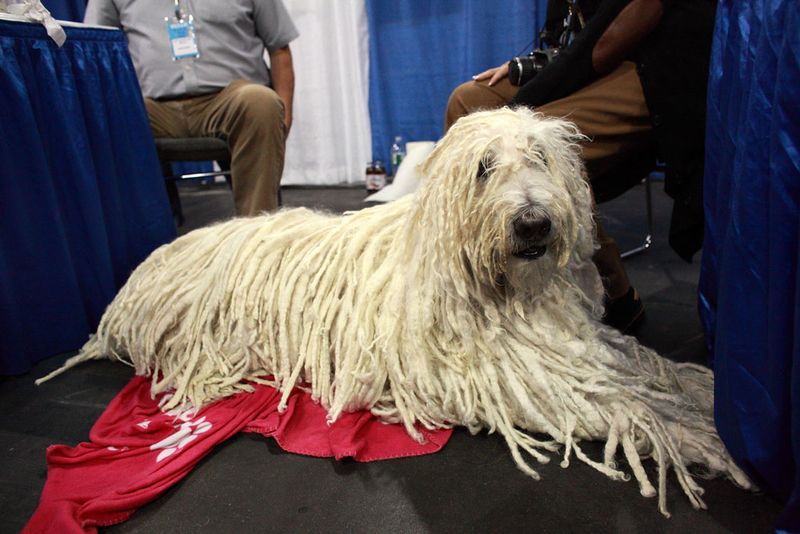
The Komondor’s iconic cords hide a deeply thoughtful guardian. With family, this breed is calm, loyal, and surprisingly gentle.
Strangers are assessed carefully, and quick, enthusiastic greetings are rare. You may see stillness first, then a slow step closer once comfort grows.
That tempo deserves patience and a steady hand.
Keep greetings structured and brief. I like to park the dog on a mat, reward staying settled, and allow sniff time only if the body loosens.
Guests should speak softly and avoid hovering. Socialization should build neutrality, not forced friendliness.
Provide exercise and mental work to reduce reactivity. Done well, the Komondor reveals a loving heart at home and a reliable, respectful buffer with outsiders.
Caucasian Shepherd Dog
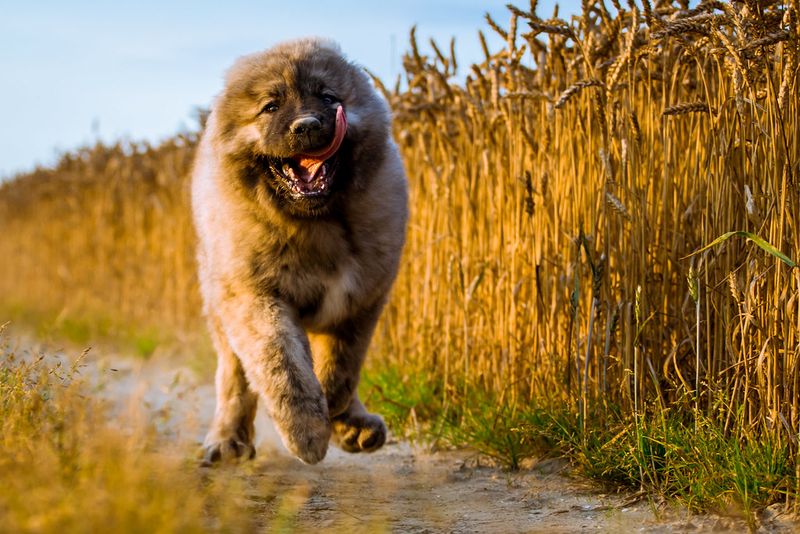
The Caucasian Shepherd Dog is a powerhouse guardian, affectionate and devoted to its circle. With unfamiliar people, it is composed, observant, and clearly reserved.
You will likely notice a steady stance and quiet tracking of movement. This is a breed that values space and calm leadership above all.
Respect that, and trust deepens.
Careful management is non negotiable. I recommend leashes, gates, and clear visitor protocols.
Skip casual petting and let the dog decide after prolonged calm. Train reliable obedience and practice place work for structured downtime.
Balanced socialization should aim for neutrality. When guided well, this dog gives unwavering love to family while maintaining unmistakable, safe boundaries with strangers in any environment.
South Russian Ovcharka
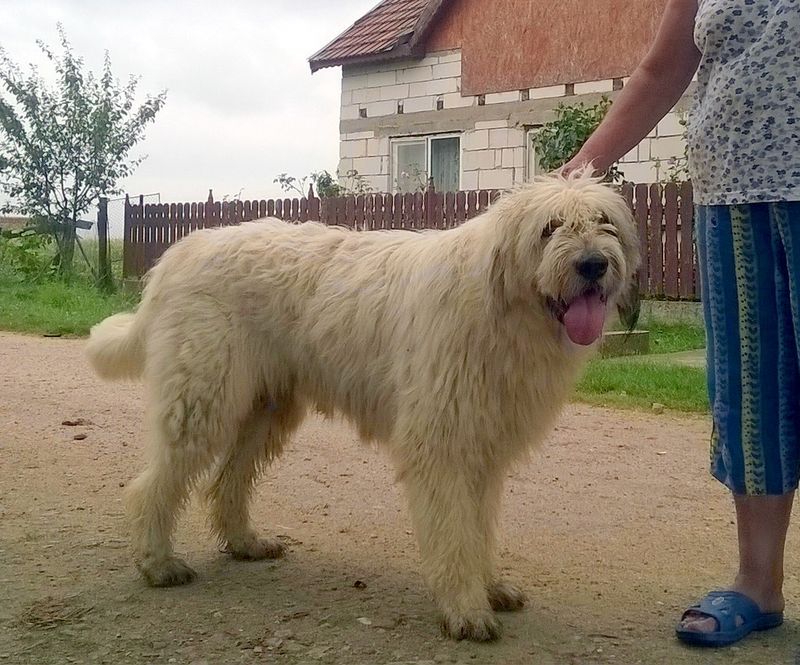
The South Russian Ovcharka blends striking beauty with a serious guardian mind. At home, it can be tender and playful, sticking close to favorite people.
Strangers meet a different energy, calm but reserved, with the dog choosing distance first. You might see a steady stare followed by a relaxed turn away when space is respected.
That is communication, not conflict.
Set clear visitor rules and avoid crowding this breed. I keep greetings optional, preferring neutrality and short exposures.
Reward check ins, soft posture, and quiet settling. Keep obedience simple, with strong recall and a reliable place cue.
With consistent routines and respectful handling, the Ovcharka stays affectionate with family while keeping firm, confident lines with unfamiliar people.
Spanish Mastiff
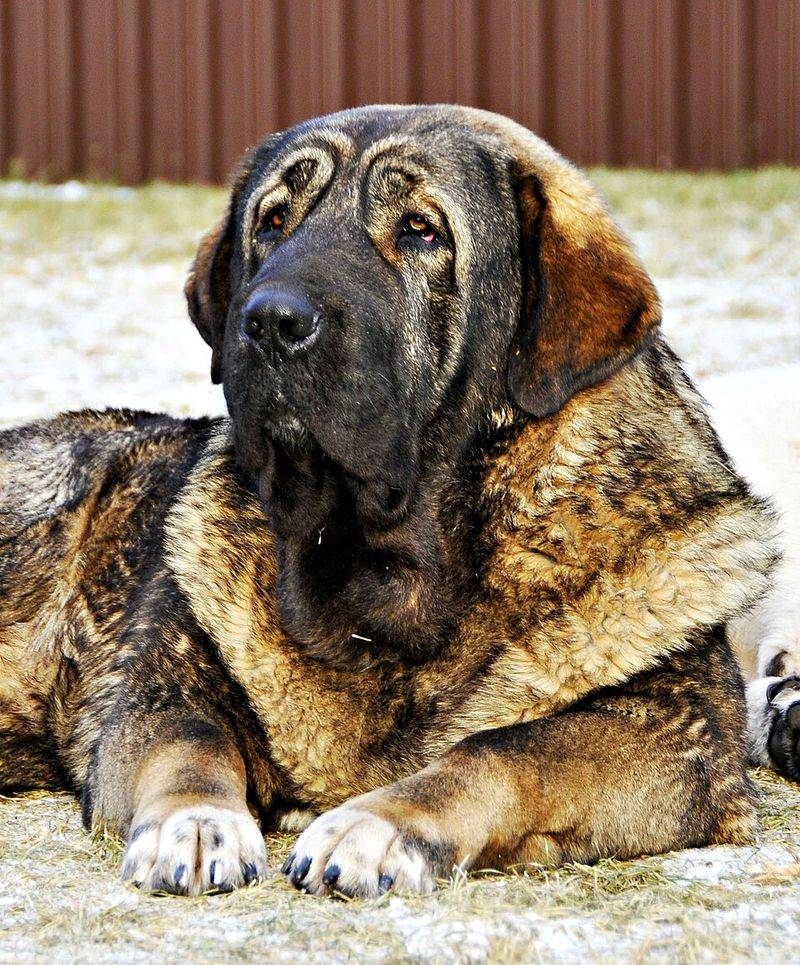
The Spanish Mastiff has a calm, almost zen presence that fills a room without trying. With family, it is affectionate and steady, content to nap near your feet.
Strangers are given quiet scrutiny and respectful space. You will see relaxed stillness with a ready shift to alert if needed.
That balance feels reassuring when guided well.
I like careful meet and greets with leashes and a comfortable distance. Ask guests to move slowly and keep voices low.
Reward a soft gaze, loose body, and a quiet down. Keep training consistent and simple, focusing on impulse control and leash manners.
With predictable routines and thoughtful socialization, this gentle giant shows warmth at home and clear, calm boundaries with outsiders.
Tibetan Mastiff
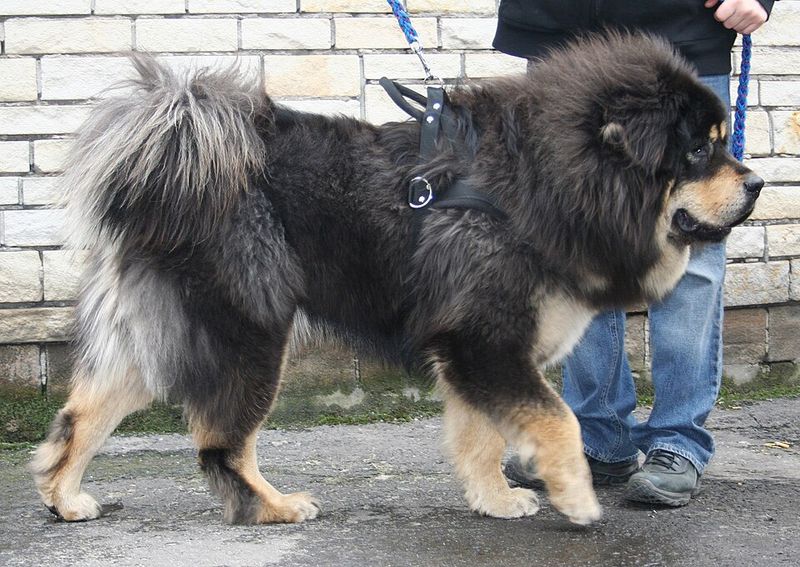
The Tibetan Mastiff is regal and deeply loyal, saving its softest side for family. Strangers are evaluated with quiet seriousness.
You may see the dog stand tall, stay silent, and hold a respectful distance. It is not a social butterfly, and that is perfectly fine.
With fair boundaries, this breed becomes a dependable partner.
Introduce people gradually, outdoors when possible. I ask guests to ignore the dog, keeping movements smooth and voices calm.
Reward a look back to you, a relaxed tail, or a gentle exhale. Keep training steady with recalls, place work, and impulse control.
Provide daily exercise and mental tasks. Guided well, the Tibetan Mastiff offers heartfelt devotion at home while maintaining measured, unmistakable limits with unfamiliar faces.