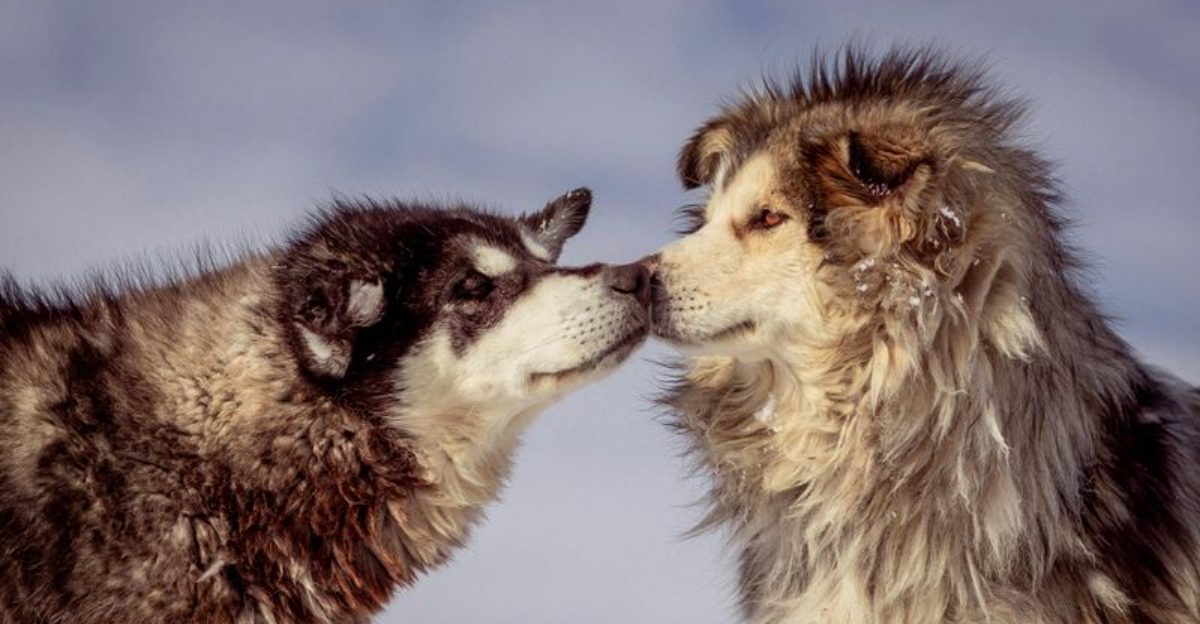
Some dogs love you fiercely without needing to be underfoot every minute. If you want a companion that respects your space yet stays loyal, these breeds strike that rare balance.
They think for themselves, but they also check in, read the room, and choose connection. Explore which one matches your pace, lifestyle, and sense of adventure.
Siberian Husky
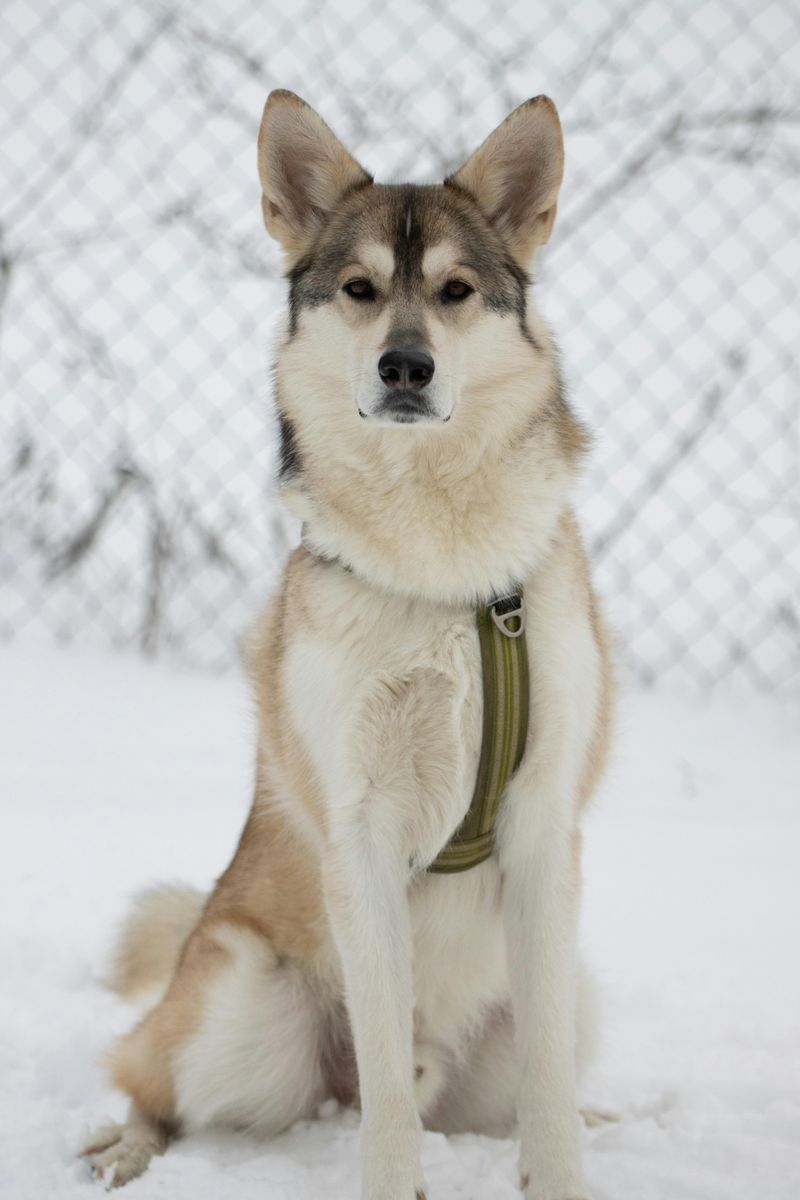
Siberian Huskies are famously independent yet deeply people focused when the bond is respected. Bred to run and think for themselves, they will happily work beside you rather than beneath you.
Give them clear routines, generous exercise, and a calm tone, and you will see cooperation without clinginess. Their curiosity invites challenges, so puzzle games and varied routes keep minds bright.
Training thrives on choice based rewards and consistent boundaries. Teach solid recalls, impulse control, and a relaxed settle, then allow space to decompress.
A secure yard and reliable leash skills protect that spirited independence. Expect singing, side eye, and humor, which you can channel into structured jobs like canicross or light packing.
Done right, a Husky stays independent while staying connected.
Alaskan Malamute
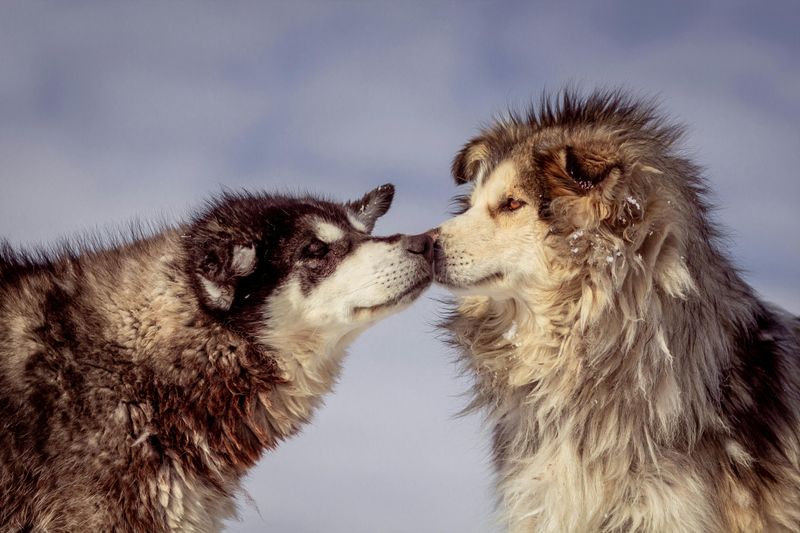
Alaskan Malamutes are thoughtful workers with a steady, self assured presence. They love their people, but they do not beg for direction every minute.
Give them meaningful jobs like pulling, hiking with a pack, or scent games, and they bloom. I recommend structured exercise schedules that respect their strength and stamina while honoring rest.
Training succeeds when you set fair boundaries and keep communication calm. Mark choices you like, reward generously, then let them process between reps.
Grooming is a commitment, so weekly rakes and seasonal deep brushing keep that coat manageable. Socialize early to channel confidence into good manners.
With leadership that feels like partnership, a Malamute remains proudly independent while staying tuned to you.
Basenji
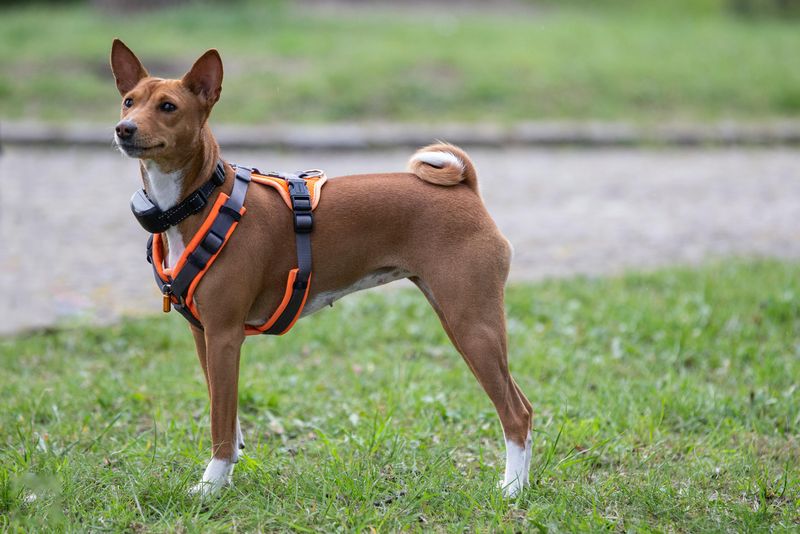
Basenjis are catlike thinkers who bond closely yet cherish autonomy. They notice everything, make their own calls, and respond best to choice filled training.
Keep sessions short, engaging, and upbeat, with scent work or fetch sprints to satisfy curiosity. You will get better results by guiding rather than micromanaging, especially during adolescence.
Because they are clean and relatively low odor, daily wipe downs and weekly brushing are usually enough. Provide tall vantage points and window views to enrich their day.
Recall and leave it are priorities, practiced with safety lines in secure areas. Expect quiet moments and sudden zooms.
With clear routines and playful problem solving, a Basenji stays delightfully independent yet happily connected.
Shiba Inu
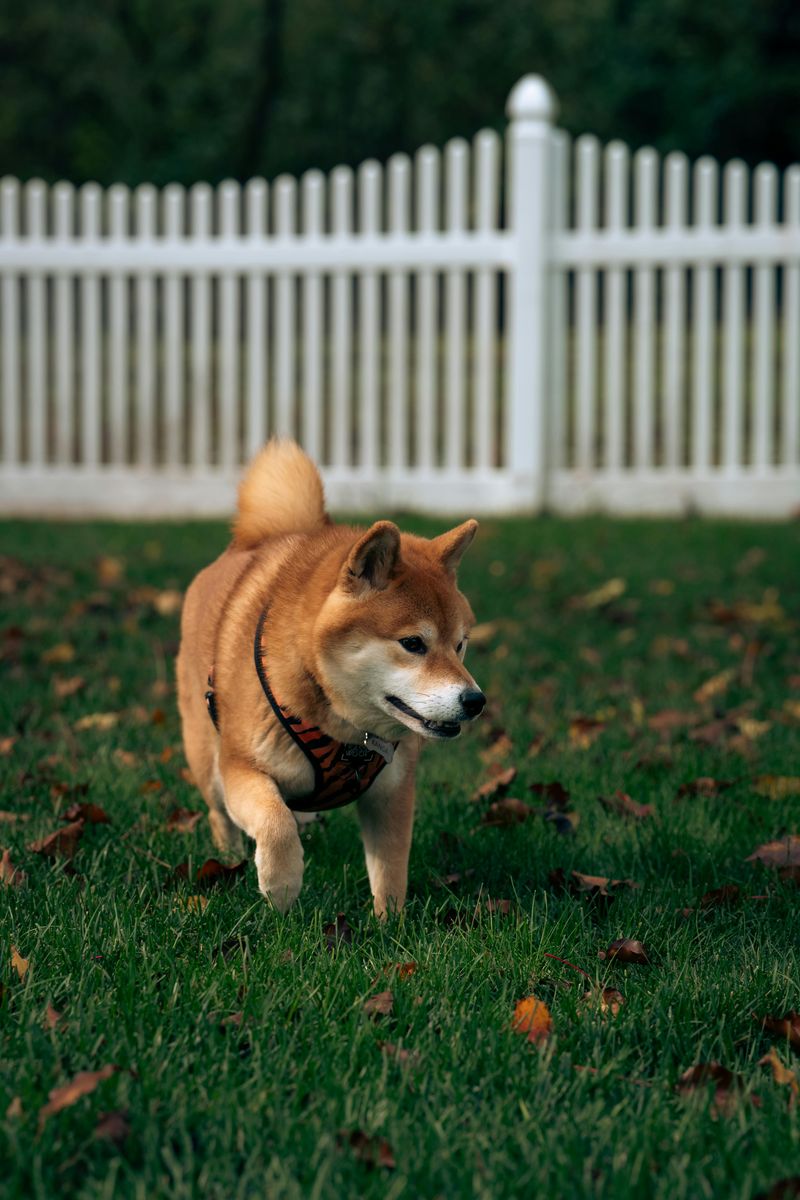
Shiba Inu dogs are famous for self possession and sharp observation. They decide whether your idea makes sense, then opt in when respect is mutual.
Keep training clean and positive, reward swiftly, and avoid nagging. Enrichment like snuffle mats, parkour style balance games, and novel routes satisfies their independent mind.
Grooming is straightforward with seasonal shedding and regular nail care. Teach cooperative handling early so brushing and vet visits stay peaceful.
Focus on rock solid leash skills, calm greetings, and a predictable routine. Give space when they choose solitude, then invite connection with play.
Treated as a partner rather than a subordinate, a Shiba remains proudly independent without drifting away from you.
Norwegian Lundehund
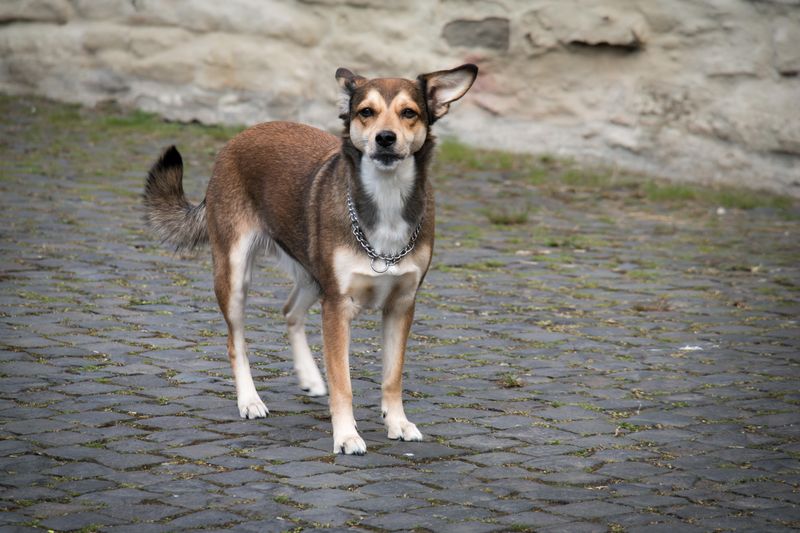
The Norwegian Lundehund is a nimble problem solver with unique flexibility and extra toes. Historically a puffin retriever, it thinks on its feet and values autonomy.
Channel that drive into low impact climbing, cave like play spaces, and nosework. Keep training playful, brief, and varied, so curiosity fuels cooperation rather than stubbornness.
Digestive sensitivity is common, so consistent diet and routine help. Socialization should be steady and positive, building confidence without pressure.
Teach stationing on a mat for calm and cooperative care. A secure yard and puzzle feeders prevent mischief born of boredom.
Give this quirky athlete room to choose and explore, and you will get a devoted companion who still cherishes independence.
Finnish Spitz
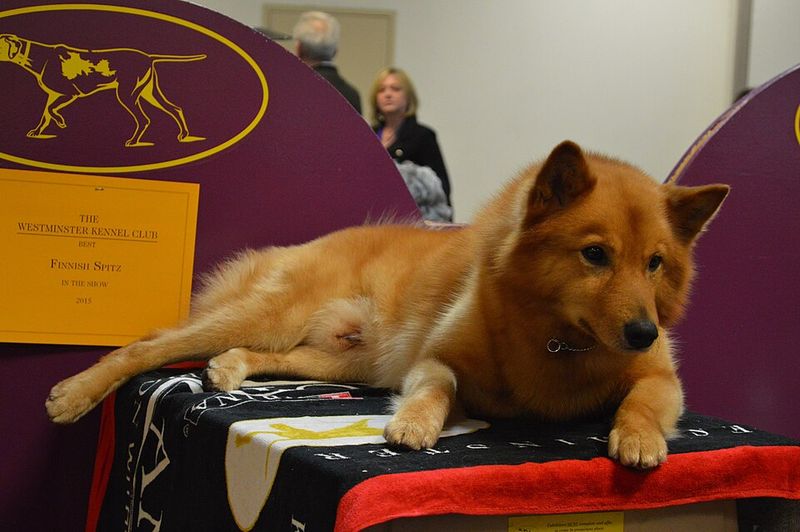
The Finnish Spitz is bright, vocal, and keen to work with you while retaining a self directed streak. Bred to indicate game by barking, it thrives with clear outlets for voice and focus.
Teach a speak and a quiet cue, then reward calm observation. Regular trail walks and scent games channel energy into thoughtful tasks.
Keep training upbeat and fair, using food and play rather than pressure. Recall, settle on a mat, and polite greetings build everyday reliability.
Grooming is moderate, with weekly brushing and seasonal coat care. Mental variety matters, so rotate toys and environments.
Given choice, structure, and respectful guidance, the Finnish Spitz stays independent and engaged, offering affection without becoming clingy.
Karelian Bear Dog
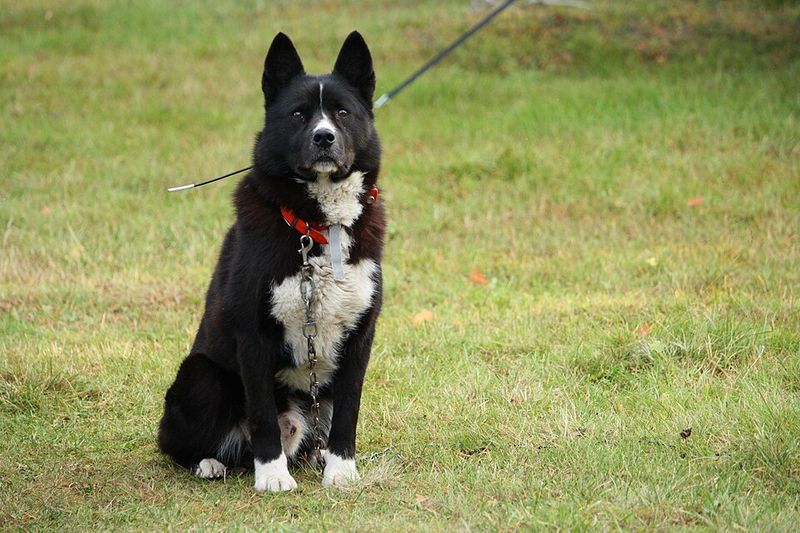
The Karelian Bear Dog is courageous and decisive, bred for serious work that demands autonomy. That confidence translates into a home companion who respects calm, consistent leadership.
Prioritize impulse control, recall with long lines, and reliable leash manners. Give it scent trails, tracking games, and purposeful hikes so independence has a job.
Socialization should be careful and steady, introducing novel environments without flooding. Reward attention checks and voluntary returns to you.
Grooming is simple with regular brushing and nail care. Clear boundaries matter around other animals due to strong prey drive.
When treated like a capable partner and given meaningful outlets, a Karelian Bear Dog remains independent while maintaining a loyal, thoughtful bond.
Greenland Dog
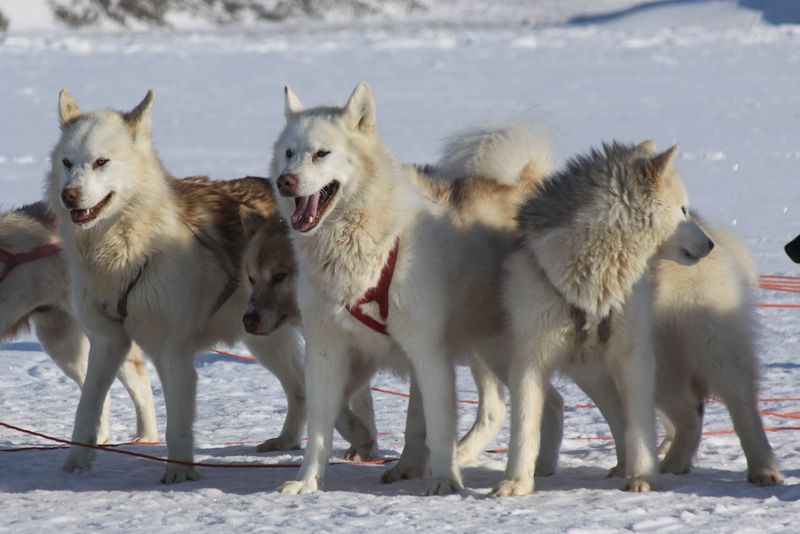
Greenland Dogs are powerful, resilient, and naturally self governing. They were built to make decisions in harsh conditions, yet they form steady bonds with fair handlers.
Structure their day with purposeful work like sledding foundations, drag weight training, or long hikes. I like pairing endurance activities with calm decompression to keep minds balanced.
Training should be consistent, brief, and rewarding, with clear cues and generous reinforcement. Prioritize loose leash skills, emergency stops, and a strong leave it.
Secure containment is essential for safety and peace. Grooming focuses on seasonal coat care and conditioning the body for weather.
Honored as a teammate rather than micromanaged, the Greenland Dog stays wonderfully independent while choosing to stay connected.
Icelandic Sheepdog
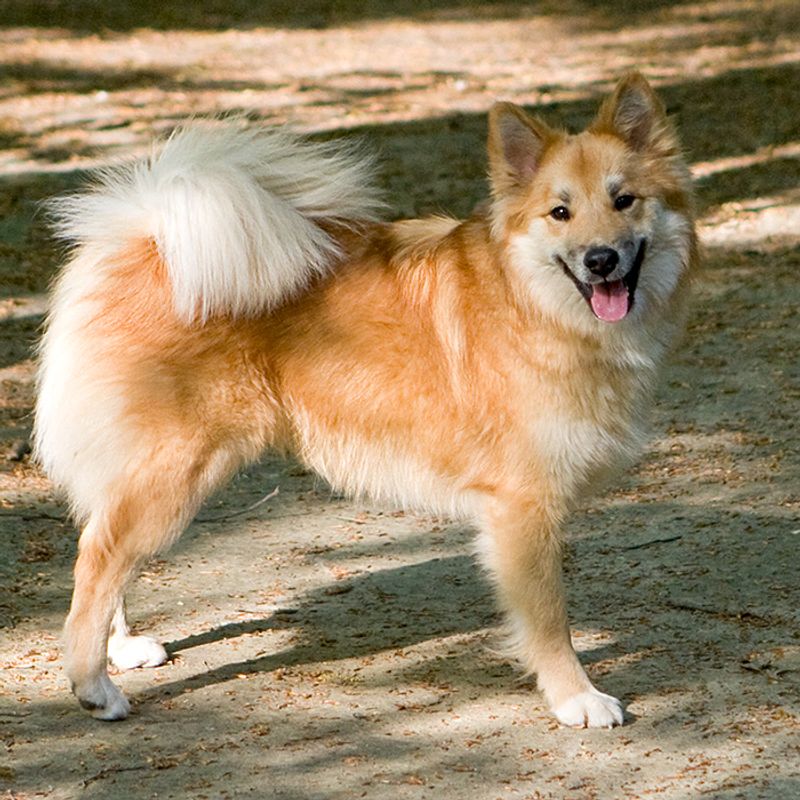
The Icelandic Sheepdog is friendly and upbeat, with a thinking brain that loves choice. Historically a versatile farm helper, it thrives when given light jobs and daily structure.
Teach boundary games, herding style focus without pressure, and cooperative care. You will see independence expressed as confident check ins rather than clinginess.
Barking can spike with excitement, so reward quiet observation and provide decompression walks. Rotate puzzles, trick training, and short agility sessions to satisfy curiosity.
Grooming is moderate, with routine brushing and seasonal coat maintenance. Socialize thoughtfully to nurture that sunny boldness.
Treated as a joyful teammate, the Icelandic Sheepdog remains independent while creating a warm, enduring connection with you.
Norrbottenspets
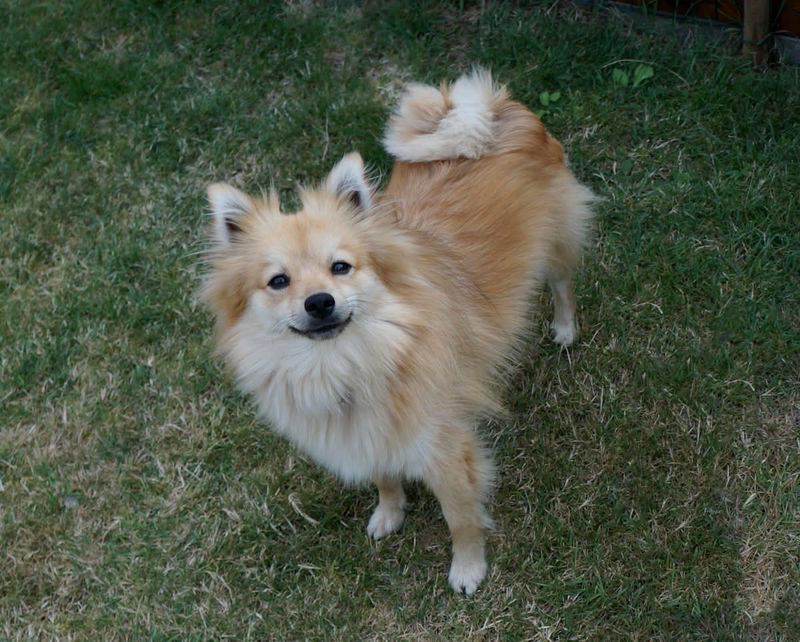
Norrbottenspets dogs are alert, agile, and self directed, shaped by northern hunting heritage. They think quickly and appreciate training that acknowledges their initiative.
Keep sessions brisk with scent games, target work, and recall practice on long lines. Offer choices and mark good decisions so independence strengthens teamwork.
They thrive on varied terrain, so explore forests, fields, and gentle scrambles. Grooming is simple with routine brushing and paw care.
Socialization should be steady, leaning into neutrality around novel sights and sounds. Build calm settling skills for cafes or trail breaks.
With a respectful partnership and meaningful outlets, the Norrbottenspets stays delightfully independent while staying happily connected to you.
Swedish Vallhund
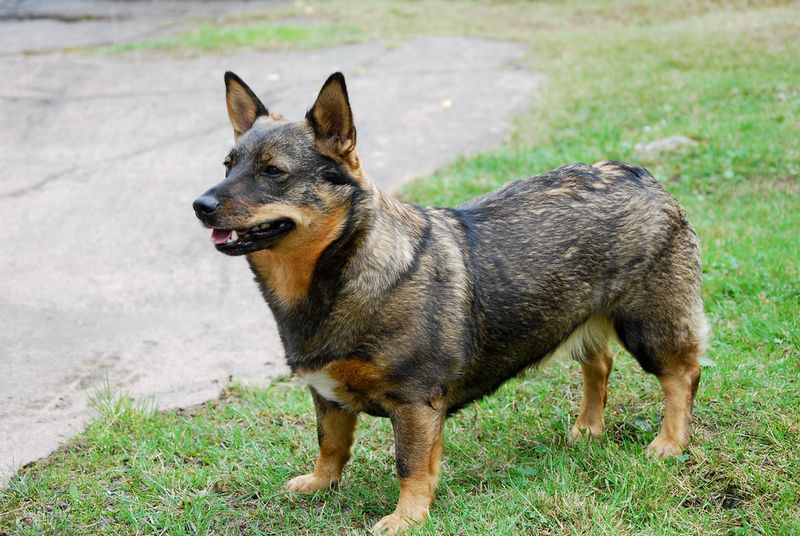
The Swedish Vallhund is brave, bright, and game for work without constant micromanagement. It bonds strongly but prefers jobs that let it think.
Teach directional cues, boundary games, and place training, then sprinkle in herding style focus. Short, upbeat sessions and clear releases keep cooperation strong.
Daily exercise should blend trotting endurance with brainy puzzles. Grooming is low to moderate, with regular brushing and seasonal shed care.
Socialize confidently and teach polite greetings to temper enthusiasm. A reliable recall and leash manners matter for curious explorers.
Treated like a capable coworker, the Vallhund stays independent while choosing to check in and share the day with you.
Lapponian Herder
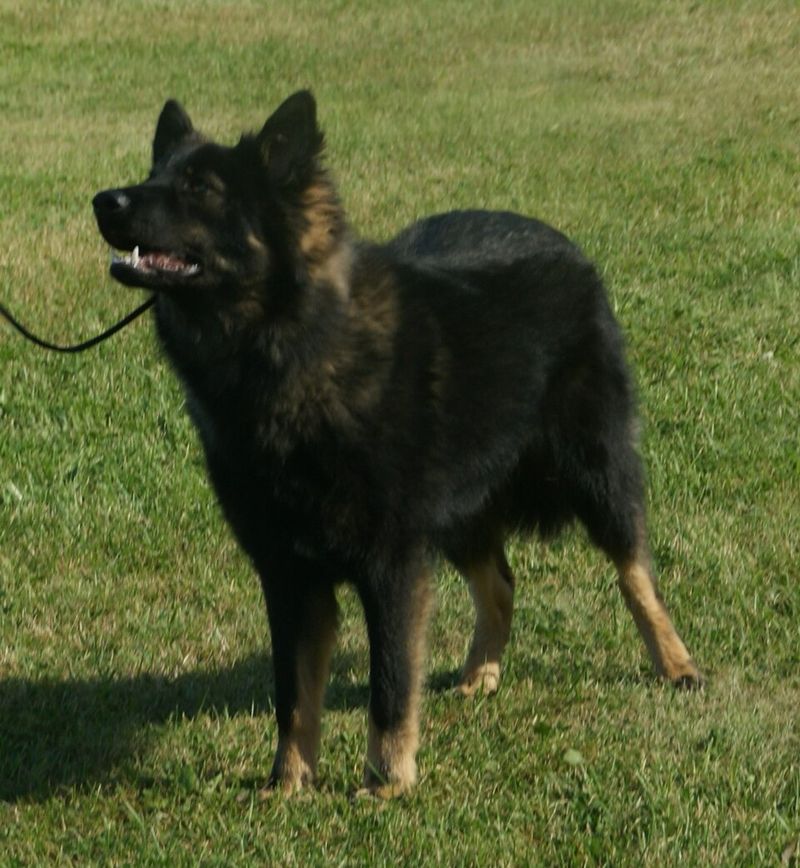
The Lapponian Herder blends calm judgment with work ethic, shaped by long days moving reindeer. Independence shows up as thoughtful decisions in complex environments.
Use that by teaching advanced stays, distance cues, and boundary games. I like mixing scent work with low impact herding simulations to satisfy instinct without stress.
Training thrives on clarity, kindness, and steady routines. Provide decompression walks and a cozy station for off switch practice.
Grooming is moderate with regular brushing and seasonal coat care. Socialize widely yet thoughtfully to build flexible confidence.
Given meaningful work and respectful guidance, the Lapponian Herder remains reliably independent while nurturing a solid, easy bond with you.
Thai Bangkaew Dog
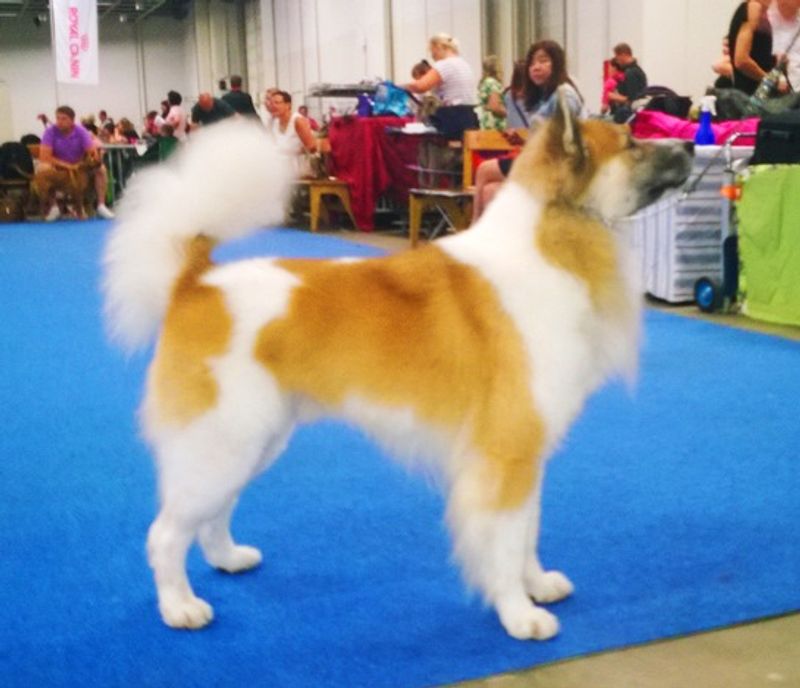
The Thai Bangkaew Dog is vigilant, intelligent, and loyal on its own terms. Early, positive socialization and clear household rules shape its natural independence into balanced confidence.
Keep training sessions short, fair, and rewarding, with choice based games. Nosework, perimeter walks, and place training build trust without smothering.
Grooming is manageable with regular brushing and occasional de shedding. Teach cooperative handling so vet visits and grooming stay calm.
Prioritize recalls, door manners, and neutrality around new people and dogs. Provide enrichment that lets them survey their world and check in voluntarily.
When treated with steadiness and respect, the Thai Bangkaew stays independent while keeping a warm, protective connection to you.
Canaan Dog
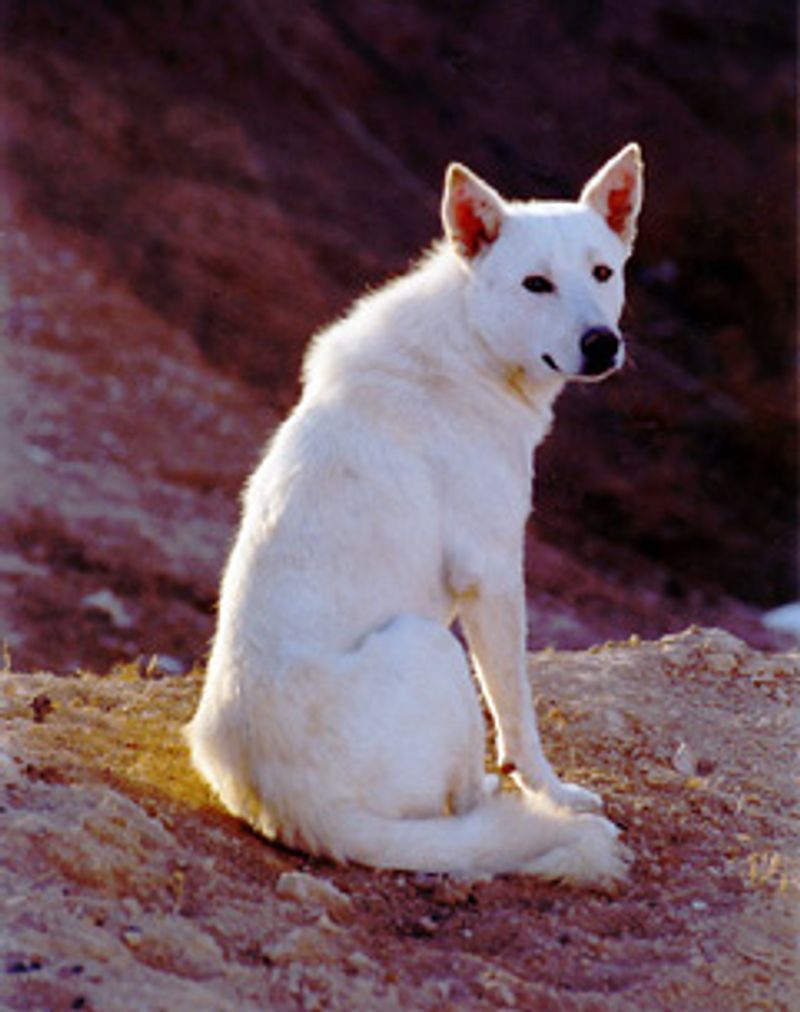
The Canaan Dog is observant, cautious, and highly self possessed. It bonds deeply yet values agency, preferring partners who communicate clearly.
Build trust with predictable routines, gentle exposure to novelty, and rewards for voluntary engagement. Scent games, tracking, and boundary walks use independence productively.
Focus training on recall, settle on a mat, and polite greetings to navigate busy spaces. Keep sessions calm and brief, allowing time to think.
Grooming is easy, with regular brushing, nails, and dental care. Socialize thoughtfully to transform wariness into confident neutrality.
Treated with patience and respect, the Canaan Dog remains admirably independent while forming a steady, lasting connection with you.
East Siberian Laika
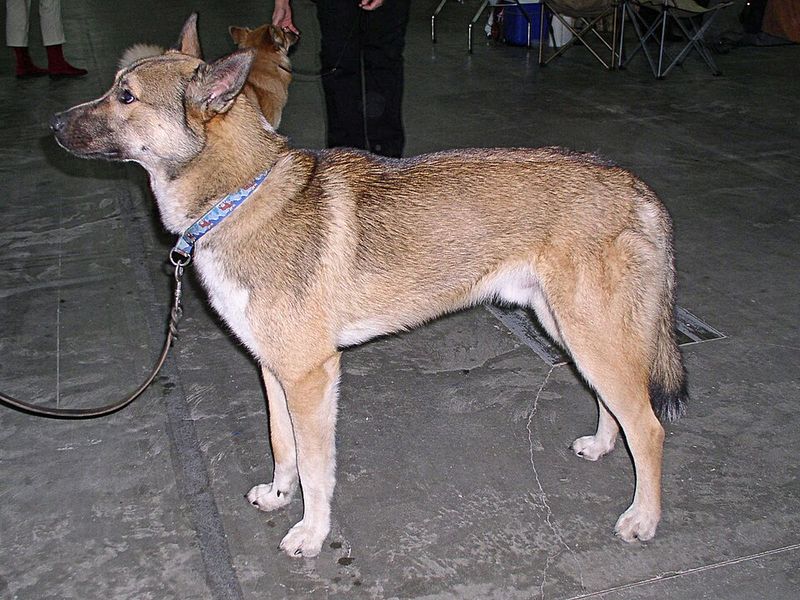
The East Siberian Laika is a seasoned decision maker, bred for solitary work in vast forests. That independence pairs well with a respectful, consistent handler.
Provide purposeful outlets like scent trails, tracking, and long hikes with structured check ins. Keep training calm, reward driven, and brief so enthusiasm stays high.
Secure containment and strong recalls are non negotiable for a hunting bred mind. Grooming centers on seasonal shedding and regular brushing.
Offer decompression in quiet nature spaces to balance stimulation. Socialize steadily, favoring neutrality over forced friendliness.
Treated as a competent partner with meaningful work, the East Siberian Laika remains confidently independent while maintaining a loyal, responsive bond.