
Some dogs have a beautiful superpower: they wait calmly, yet clock every tiny shift around them. If you appreciate a companion who is steady but switched on, these breeds will feel like mind readers.
They are unflappable in chaos, quick to notice, and gentle in how they respond. Let’s meet the patient watchdogs of everyday life that quietly keep everything in check.
Labrador Retriever
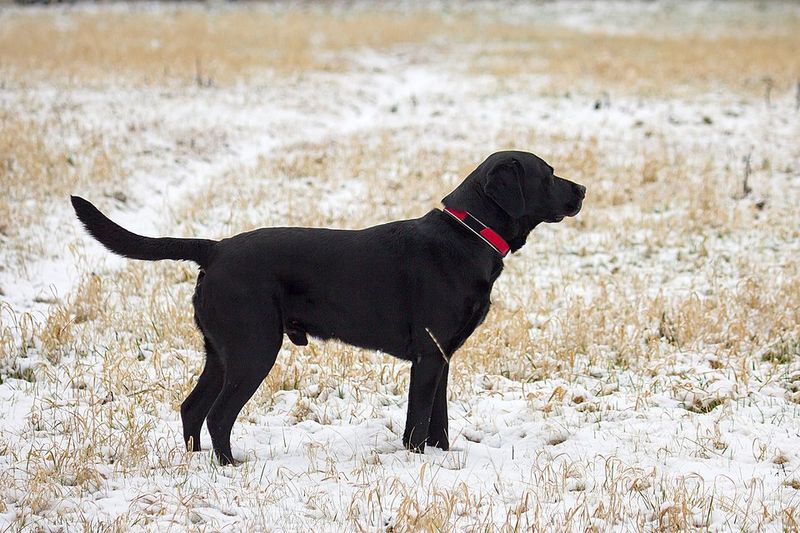
Labrador Retrievers are famously even-tempered, watching the world with calm, curious eyes. They can wait quietly during busy family moments, yet notice the slightest rustle at the door.
That balance makes them reassuring companions for households that value both serenity and awareness.
Train with short, positive sessions that reward focus and impulse control. Labs excel at tasks like retrieval, scent work, and therapy visits, where patience meets a sharp ability to read people.
You will see them glance between you and the environment, checking cues before deciding what to do. Daily walks, puzzle toys, and clear boundaries keep their minds busy without revving their energy too high.
Gentle structure helps them settle while staying attentive to what matters around you.
Golden Retriever
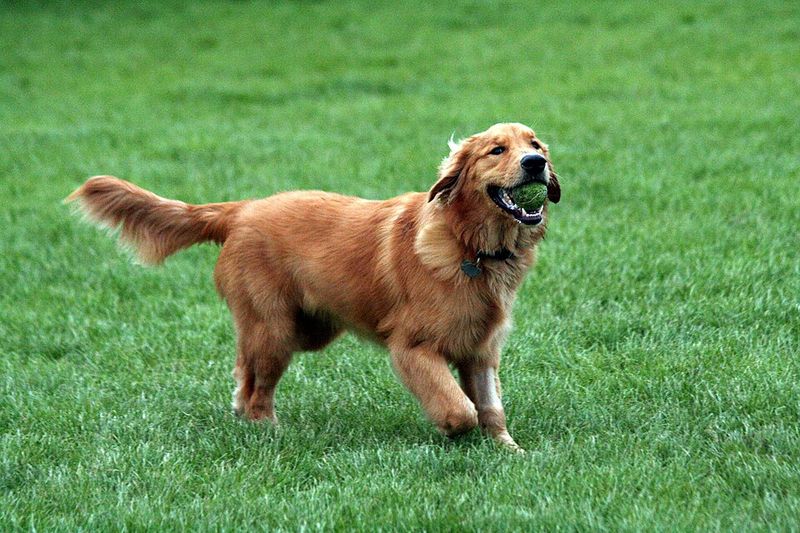
Golden Retrievers radiate warmth and patience, yet their attentive gaze never misses a cue from you or the environment. They notice quiet shifts in mood, changes in routine, and soft sounds, responding with gentle curiosity.
That blend of sensitivity and steadiness makes them wonderful family companions.
Use reward-based training that reinforces settling on a mat, checking in with you, and waiting for permission. Goldens thrive when given meaningful jobs like carrying items, practicing obedience, or friendly therapy visits.
Their soft mouths and thoughtful timing shine during controlled games of fetch. Provide moderate exercise, enrichment, and predictable routines to prevent overexcitement.
With consistent guidance, they remain calm listeners while staying ready to help the moment you ask.
Bernese Mountain Dog
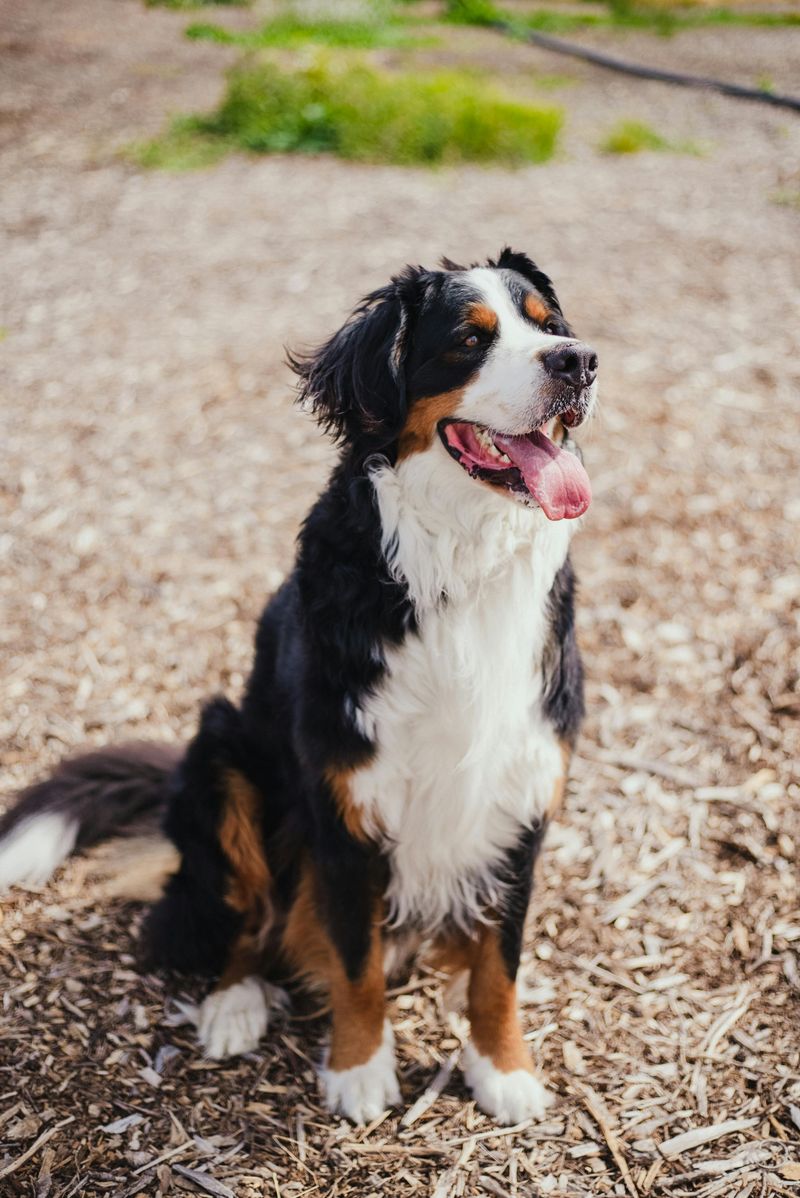
Bernese Mountain Dogs carry themselves like gentle guardians, content to lounge nearby yet tuned to every small disturbance. Their calm presence is soothing, but their eyes show they are cataloging details around the home.
They often wait for a clear invitation before moving, which keeps daily life peaceful.
Short, confident training sessions help them practice patience without pressure. Teach loose-leash walking, polite greetings, and a reliable stay, then reward steady focus.
Berners enjoy purposeful tasks like carting exercises, relaxed hikes, and nose-work games that encourage thoughtful engagement. Their thick coats and big frames appreciate comfortable rest areas and measured activity.
With fair leadership and affection, they remain unflappable companions who notice what matters and step in with quiet assurance.
Great Pyrenees
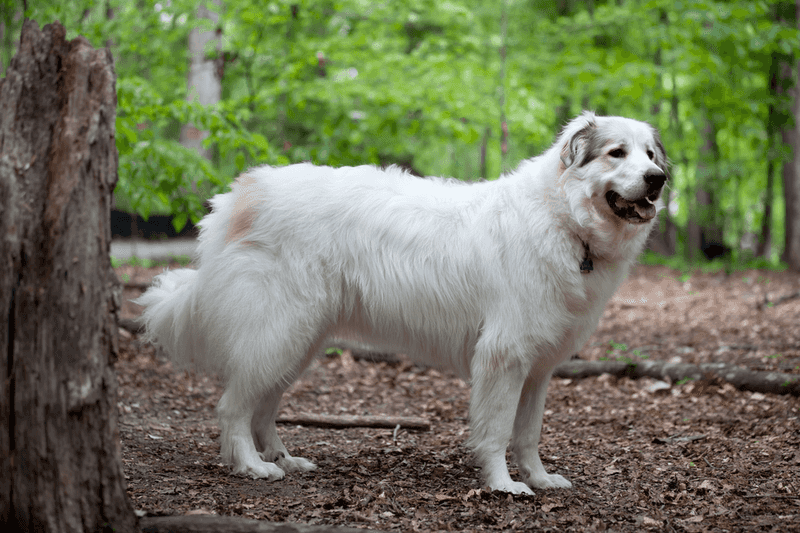
The Great Pyrenees was bred to watch over flocks, so patience and vigilance come naturally. They rest for long stretches, then scan the horizon with purposeful focus.
Around the home, they will calmly observe, then respond thoughtfully to unusual sights or sounds.
Consistency is key with this independent thinker. Reinforce quiet check-ins, reliable recalls in safe spaces, and calm greetings for visitors.
Provide secure fencing, structured walks, and mentally engaging scent games that channel their guardian instincts. Teach a settle cue for downtime and reward relaxed behavior.
With calm leadership and predictable routines, they remain composed sentinels who prefer thoughtful evaluation over hurried reactions, keeping you informed without unnecessary fuss.
Newfoundland
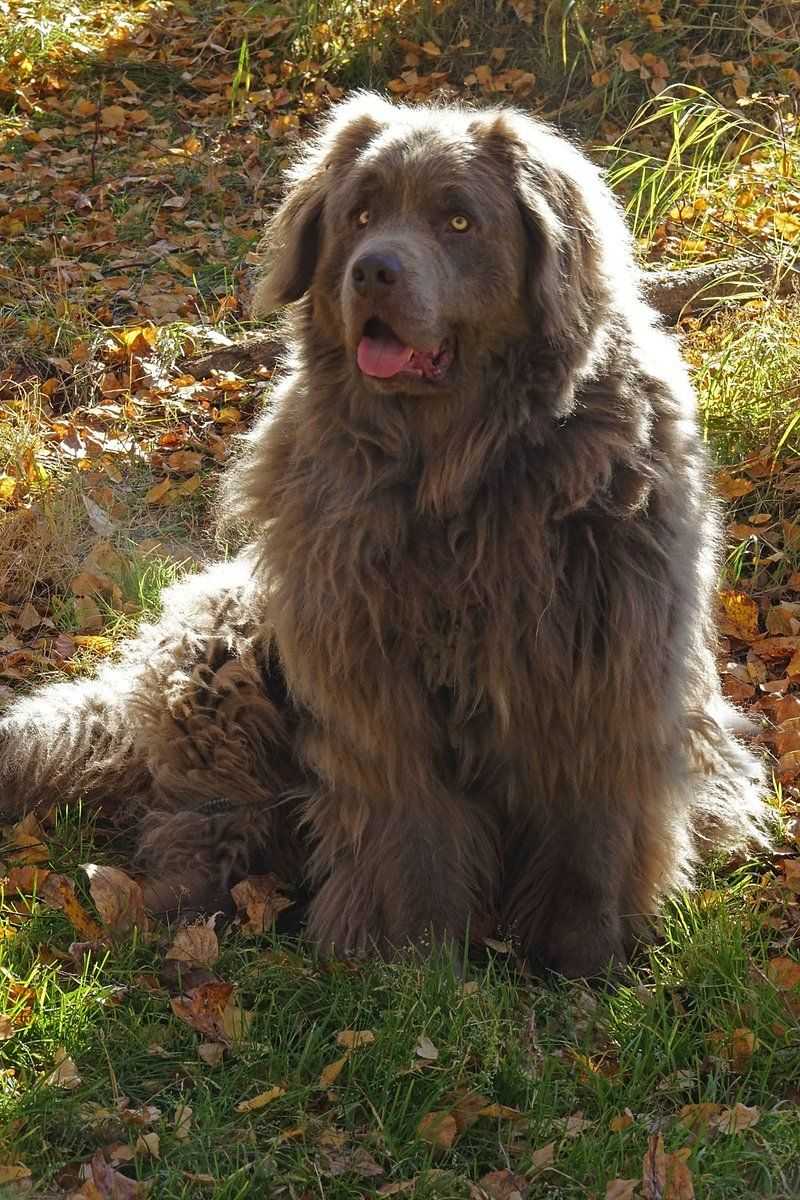
Newfoundlands are steady souls, happy to nap nearby while quietly monitoring the flow of family life. They notice doors opening, voices shifting, and new scents, yet respond with measured calm.
Their gentle nature shines with children and guests, offering reassurance rather than alarm.
Focus training on impulse control, loose-leash skills, and confident recalls. Water games, controlled swims, and carting tasks give them purposeful outlets without overstimulation.
Keep sessions short and encouraging to protect their sensitive spirits. Provide cooling breaks, orthopedic rest, and routine grooming to keep them comfortable.
With respect for their pace and strengths, you get a devoted companion who patiently waits for direction yet stays aware of everything unfolding around you.
Saint Bernard
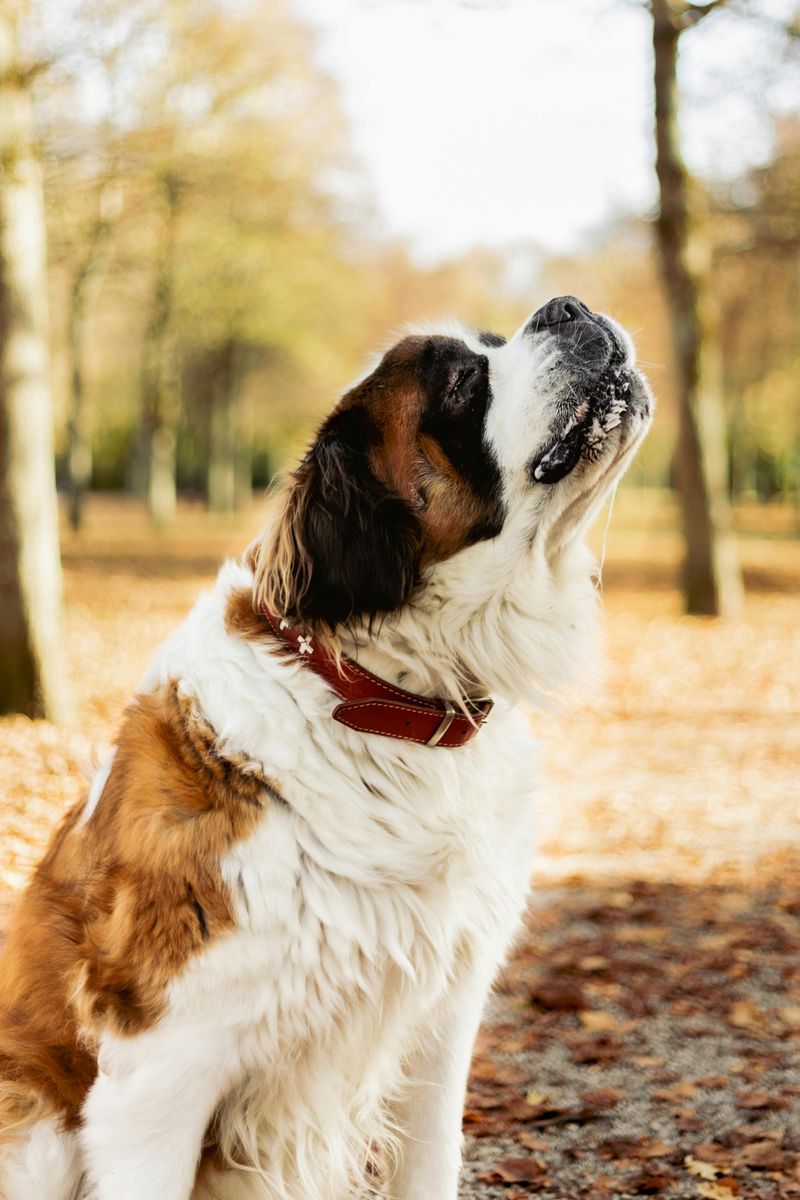
Saint Bernards bring a calm, benevolent presence that steadies busy spaces. They watch quietly, picking up on subtle family rhythms and changes without overreacting.
Their size impresses, but their temperament is soft, patient, and thoughtful.
Prioritize foundational manners like waiting at doors, relaxed leash skills, and a reliable place cue. Keep training upbeat and low-pressure, rewarding small wins and calm choices.
These dogs enjoy gentle hikes, scent games, and structured downtime that protects joints. Regular grooming and comfortable bedding help them rest deeply.
With consistent routines and kind leadership, they become attentive anchors who notice what is needed and offer help or space at exactly the right moment.
Clumber Spaniel
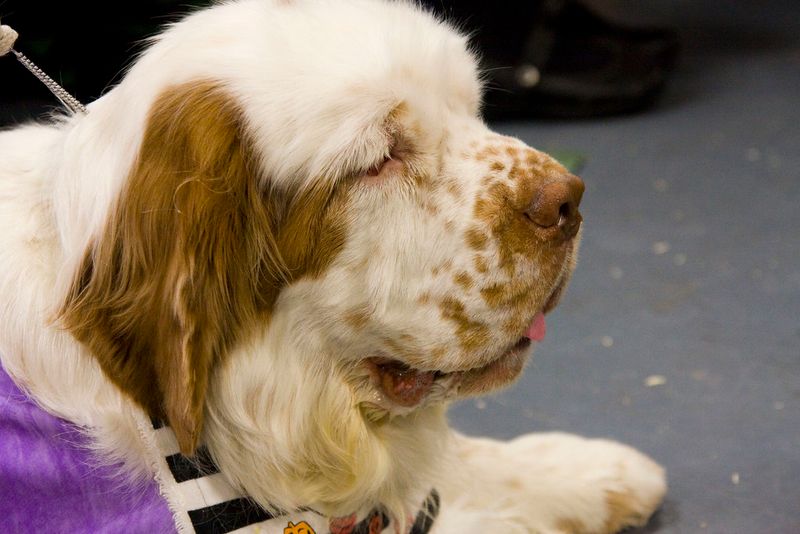
Clumber Spaniels move at a measured pace, taking in scents and sights with contemplative focus. They are unhurried companions who still catch tiny details, from a dropped crumb to a distant knock.
Their mellow attitude makes them easy housemates, especially in calmer homes.
Use gentle, food-reward training that celebrates check-ins and impulse control. Teach a strong settle, slow heeling, and polite doorways to reinforce steadiness.
Scent games and short retrieving drills satisfy their hunting heritage without overstimulating. Keep sessions brief to match their style and protect joints.
With patience, clear boundaries, and cozy rest, Clumbers remain observant friends who quietly track the room while staying relaxed and affectionate beside you.
Keeshond
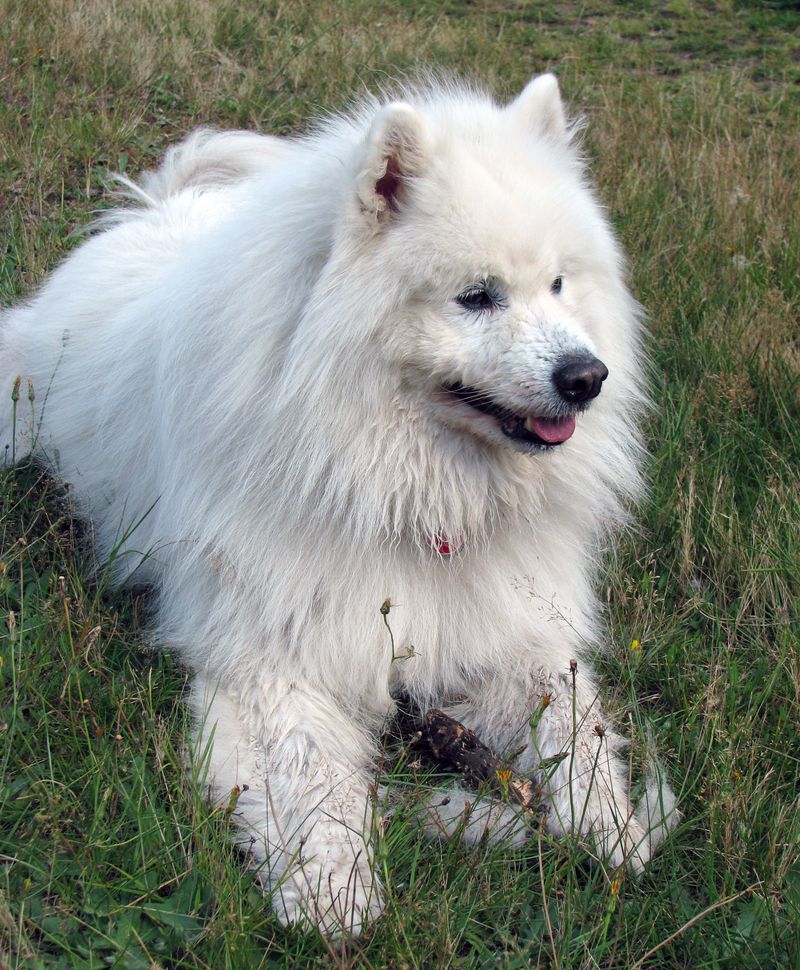
Keeshonden are attentive companions with expressive faces that telegraph every thought. They notice small movements, shifting moods, and approaching visitors long before you do.
Despite their watchful nature, they can relax comfortably when routines are clear and needs are met.
Positive reinforcement works beautifully, emphasizing quiet alerts, check-ins, and calm responses to common triggers. Teach a reliable place cue, then reward soft behaviors like lying down when the doorbell rings.
Daily walks, trick training, and puzzle feeders direct their smarts productively. Consistent boundaries prevent over-vocalizing while preserving their helpful awareness.
With engagement and structure, you get a cheerful, cloudlike shadow who patiently waits for guidance yet keeps tabs on everything that matters.
Eurasier
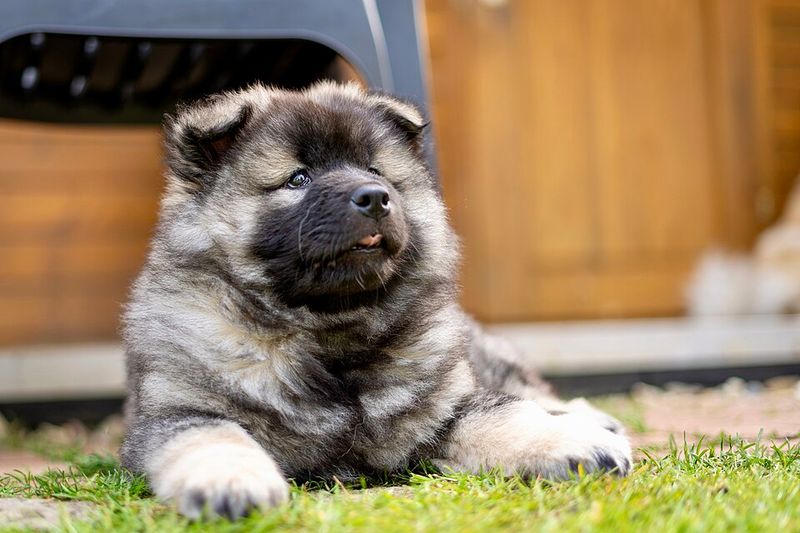
The Eurasier combines reserve with sensitivity, quietly observing their world before choosing to engage. They prefer calm interactions, but their awareness is unmistakable in how they track sounds and routines.
With family, they are affectionate, patient, and deeply tuned to emotions.
Support their thoughtful nature through predictable schedules and kind, reward-based training. Reinforce soft eye contact, relaxed body language, and choosing to settle near you.
Provide moderate exercise, enrichment toys, and low-pressure socialization that respects boundaries. Teach polite greeting rituals to prevent overexcitement with visitors.
With gentle consistency, they grow into tranquil companions who notice everything, process it carefully, and respond with grace rather than reactivity.
Finnish Lapphund
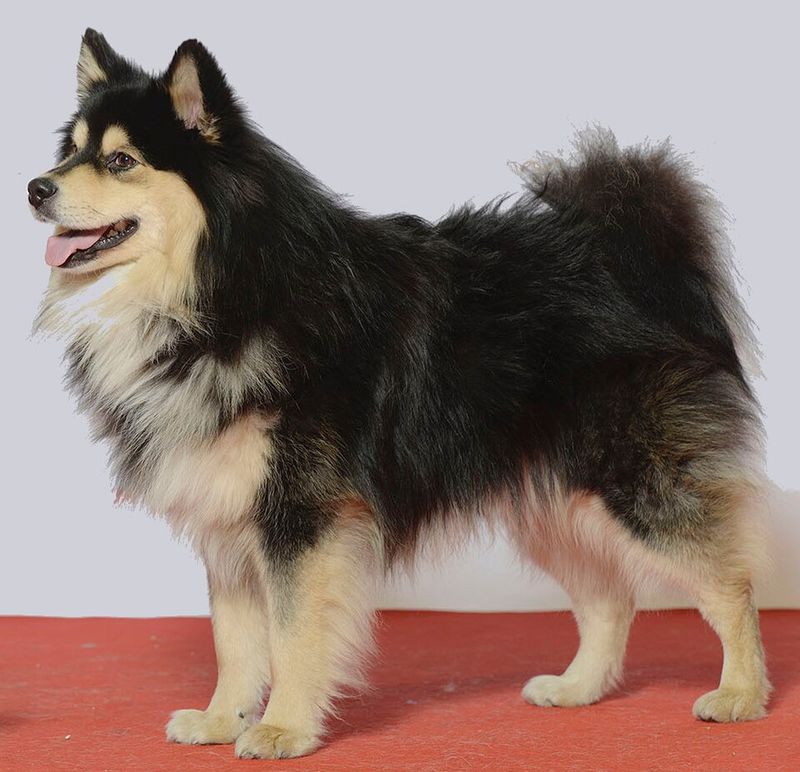
Finnish Lapphunds historically worked calmly among reindeer, so patience and observation are baked in. They are friendly and attentive, yet they can settle at your feet for hours.
Their alertness shows in quick head turns toward distant sounds and tidy responses to directional cues.
Train with upbeat sessions that mix obedience, tricks, and nose work. Reinforce a solid recall and a relaxing place cue to balance their curiosity.
Moderate exercise, thoughtful socialization, and mental games keep them fulfilled without constant stimulation. Keep grooming regular, and provide cool resting spots for their thick coats.
With structure and encouragement, they become happy partners who watch everything, wait politely, and jump into action only when you ask.
Barbet
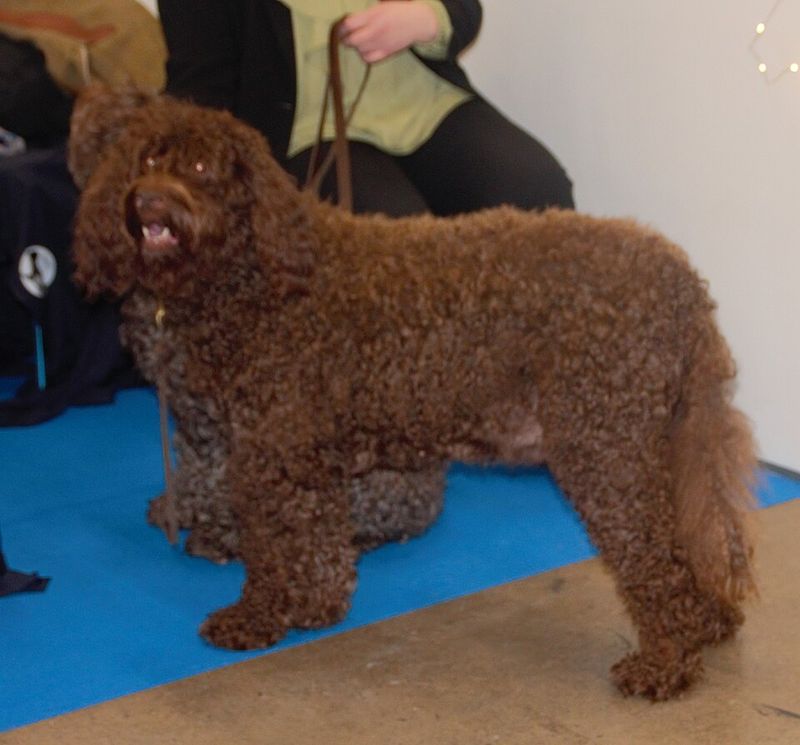
The Barbet is a thoughtful water dog that balances eagerness with poise. They watch intently, taking cues from your voice and posture before moving.
In the home, they settle well after activity, quietly tracking the flow of the day.
Use reward-based training focused on calm retrieves, impulse control, and soft mouth work. Barbets shine with swimming sessions, controlled fetch, and scent games that let them think before acting.
Keep coats managed with regular grooming to prevent matting, which supports comfortable rest. Build routines that alternate focus, play, and downtime.
With consistent guidance, you get a steady partner who patiently observes first, then performs with precision when invited.
Japanese Chin

Japanese Chins are dainty and composed, watching the room with bright, intelligent eyes. They notice subtle changes in your mood and respond with delicate charm.
Though small, they can wait patiently for attention, then float across the floor like little dancers.
Keep training light, playful, and praise-filled to respect their sensitivity. Teach gentle handling, quiet settle cues, and soft recall games in safe spaces.
Short walks and indoor enrichment meet their needs while protecting joints. Provide cozy perches where they can survey their kingdom.
With consistent kindness, they remain observant companions who stay relaxed, then engage with refined enthusiasm when you invite them.
Field Spaniel
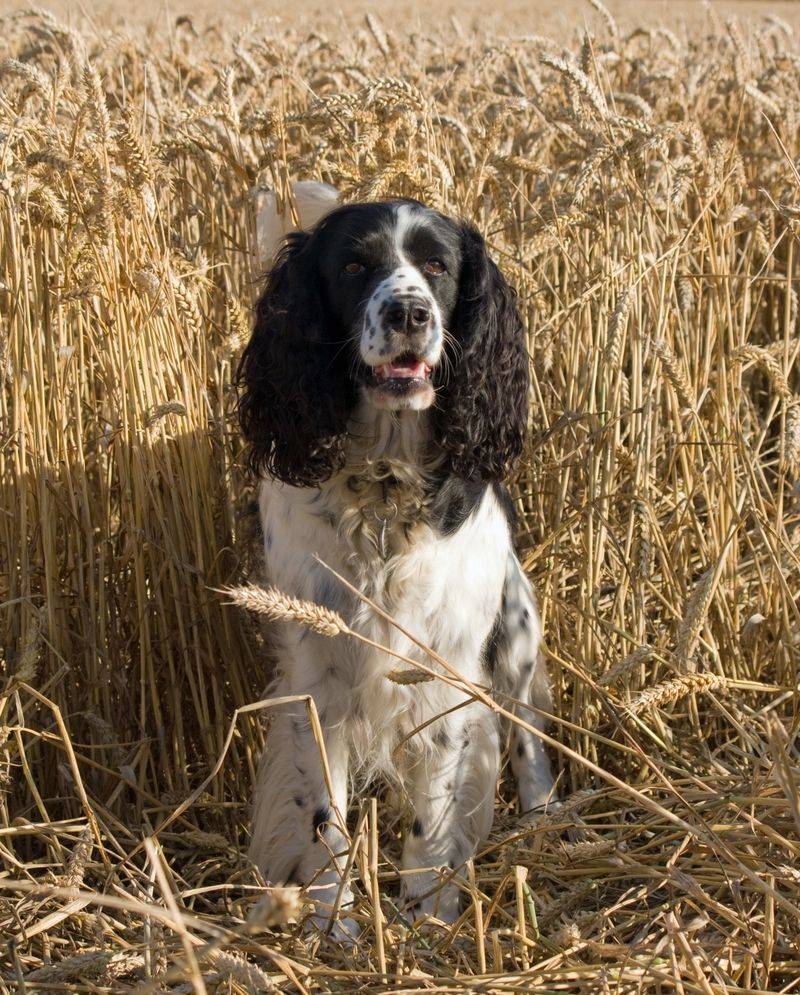
Field Spaniels bring a measured, thoughtful energy, preferring to assess before they act. They are affectionate without being clingy, and their eyes track movement with quiet intensity.
In busy homes, they often choose a comfy spot and monitor activity without fuss.
Positive training that emphasizes steadiness, heelwork, and soft retrieves suits them well. Add scent games and problem-solving exercises to channel their brains without overstimulating.
Keep exercise regular, then offer structured downtime to reinforce balance. Grooming and ear care help keep them comfortable.
With fair rules and mental outlets, Field Spaniels remain patient companions who notice the world’s details, then respond with purpose when you ask.
Tibetan Terrier
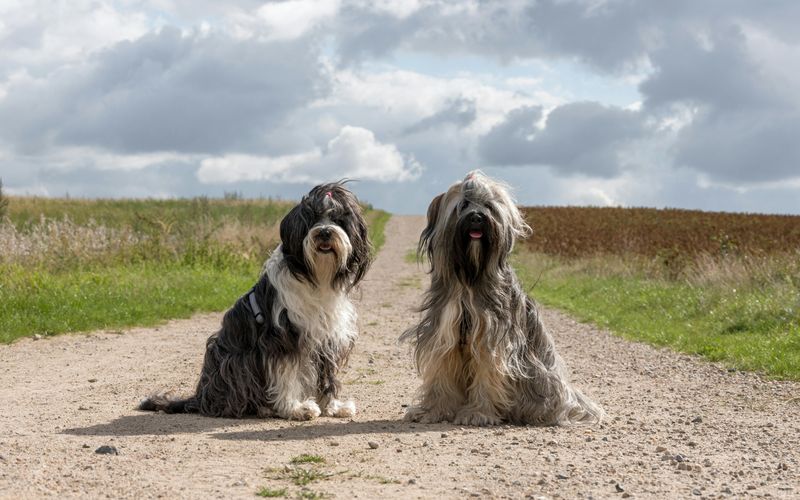
Tibetan Terriers are watchful housemates, historically prized for their monastery manners and observational calm. They like to perch where they can monitor doors, stairs, and windows.
Their responses are thoughtful, preferring to process before reacting.
Reward check-ins, polite greeting routines, and relaxed leash work. Introduce visitors with structured calm, then praise soft behaviors like lying on a mat.
Keep their minds engaged with trick training and scent games, and maintain coats for comfortable movement and rest. Moderate exercise plus cozy resting nooks help them recharge.
With balanced routines, they remain composed companions who patiently observe and step forward only when needed.
Schapendoes
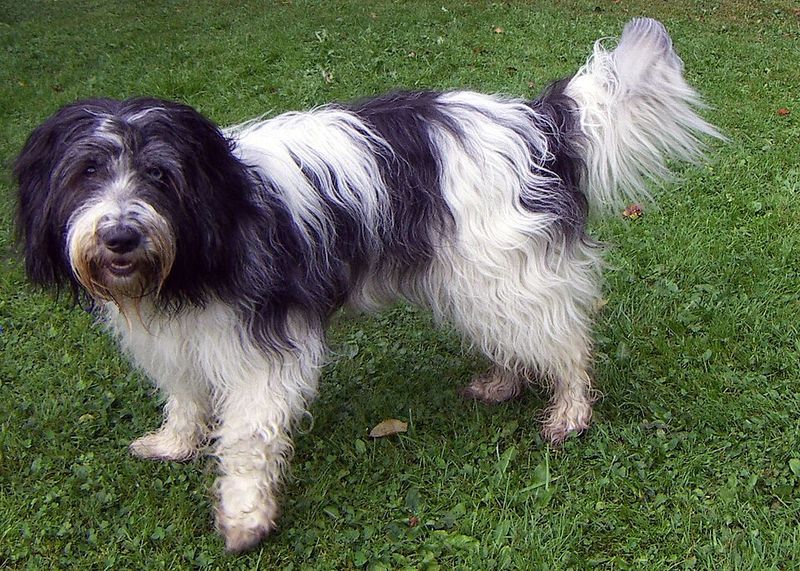
The Schapendoes is a cheerful herder with a keen eye for movement, yet they can relax nicely after work. They notice tiny shifts across the yard or living room, then check in politely.
Their shaggy charm hides a sharp brain and steady patience.
Train with play, food rewards, and short focus drills that build impulse control. Teach a reliable recall, mat settle, and calm passes through doorways.
Mix moderate exercise with brain games to prevent restlessness. Regular grooming keeps that fabulous coat manageable.
With fair expectations and daily engagement, you get a buoyant partner who observes everything, waits for your signal, and then works with heart.