
Think your dog is just lazing around while you talk and move through your day. Look closer and you will see a quiet detective noting every detail you miss.
Dogs read rooms, people, and even calendars with uncanny accuracy. Once you spot these subtle signs, you will never underestimate your dog again.
Notices when one person is missing from the room
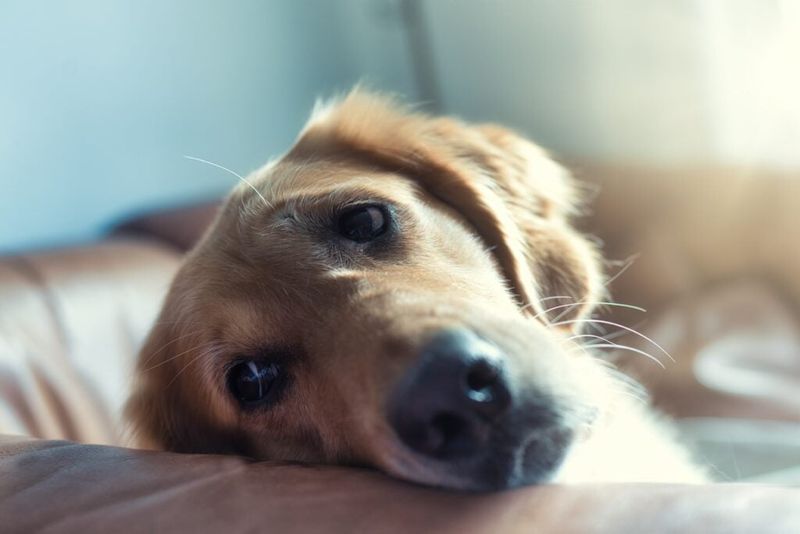
Your dog does a headcount without counting. When one person steps out, watch how the ears lift, the gaze flicks between doorways, and the body settles only after confirming where everyone is.
You might not notice the absence yet, but your dog has already logged it. That quiet alertness is not clingy behavior.
It is situational awareness.
If the missing person is important to a routine, the pacing begins sooner. You might hear a small huff at the doorway or see your dog check preferred spots.
When you say nothing, your dog still tracks footsteps, chair sounds, and patterns of return. This is not coincidence.
It is careful monitoring shaped by memory, attachment, and consistent daily observation.
Reacts to shoes, keys, or bags before anyone says anything

Before you even grab the handle, your dog reads the pregame. Shoes moved near the mat, keys clink, a bag shifts to the hallway, and suddenly there is a tail at your knee.
No words needed. Objects are signals, and your dog has linked each item to outcomes like walks, car rides, or long absences.
That is why excitement or anxiety rises instantly.
Swap sneakers for formal shoes and the energy may drop, because that means you are leaving alone. Change from backpack to duffel and you might trigger weekend joy.
Your dog has built a private dictionary of cues, each assigned to timing, mood, and destination. It is not guessing.
It is predictive modeling built from hundreds of repetitions.
Watches faces during conversations
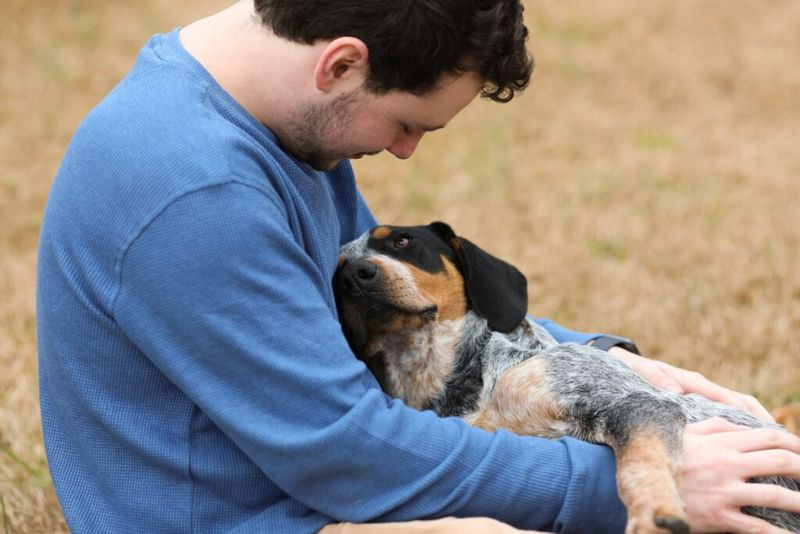
While people trade words, your dog reads faces. The micro pauses, the eyebrow lift, the shared smile that hints at a walk, even the tight jaw that means chores first.
That gaze ping-pongs between speakers because eyes and lips predict what happens next. Your dog does not know the vocabulary.
It knows outcomes linked to specific expressions and rhythms.
Try whispering, and watch the ears swivel while the eyes stay glued to your mouth. Your dog notices when you soften your voice to discuss snacks or plans.
It also recognizes polite laughter that never leads to play. This is advanced pattern recognition filtered through empathy.
Your dog studies your face not for gossip, but for timing, safety, and opportunity.
Changes behavior when tension rises
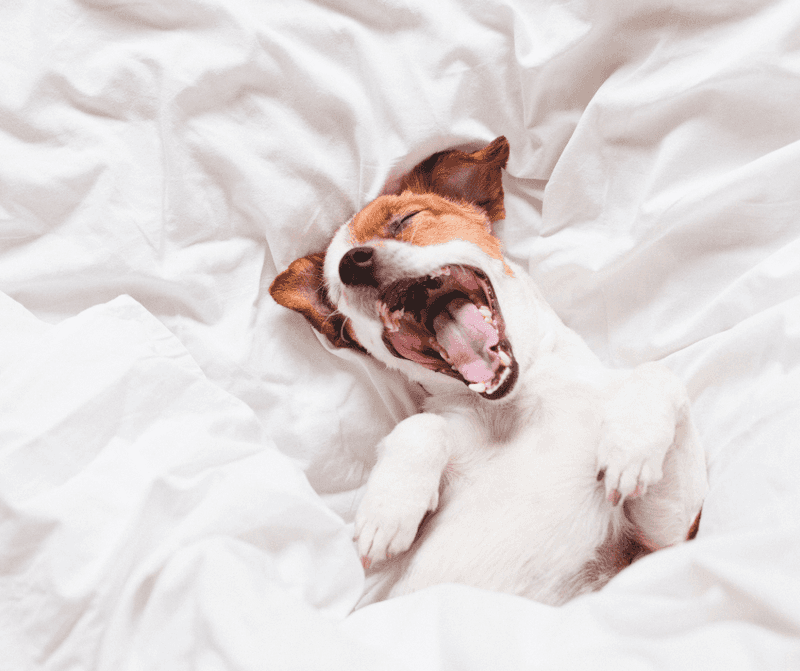
Before an argument starts, your dog already acts differently. You might see a yawn, a shake off, a slow blink, or a quiet move to the nearest exit.
Those are stress responses to rising tension you have not named yet. Your dog tracks posture, breathing rate, and clipped phrases.
It adjusts to keep peace or create space.
Some dogs plant themselves between people, gently herding everyone apart. Others retreat to a safe spot and check back once voices soften.
The goal is stability, not drama. When calm returns, notice how your dog exhales and resumes normal pacing.
That shift is not random. It is conflict detection tuned by emotional memory, showing how deeply your dog maps human energy.
Remembers where favorite items were left
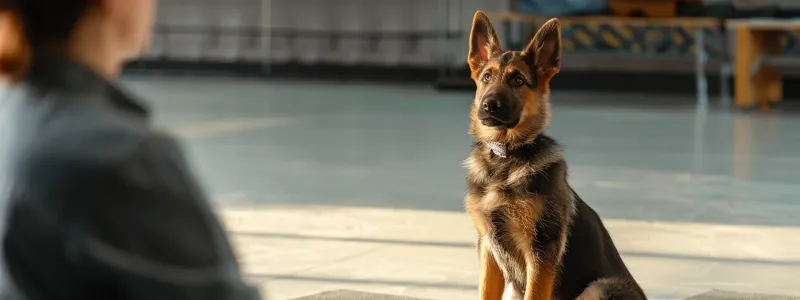
Your dog can run a mental map like a pro. That missing squeaky toy under the sofa cushion is not forgotten.
After hours, your dog will trot straight to the spot, nose working, tail expectant. This is not just scent work.
It is spatial memory combined with a history of successful finds. Favorite objects leave strong footprints in the brain.
Move the toy slightly, and watch the search expand in a careful grid. Your dog revisits past hiding places, checks corners, and then reevaluates.
That persistence reflects confidence built from previous retrievals. You think it is randomness, but it is iterative problem solving.
Your dog remembers where joy lives and reconstructs the path back, one nosed nudge at a time.
Waits for routines before they officially start
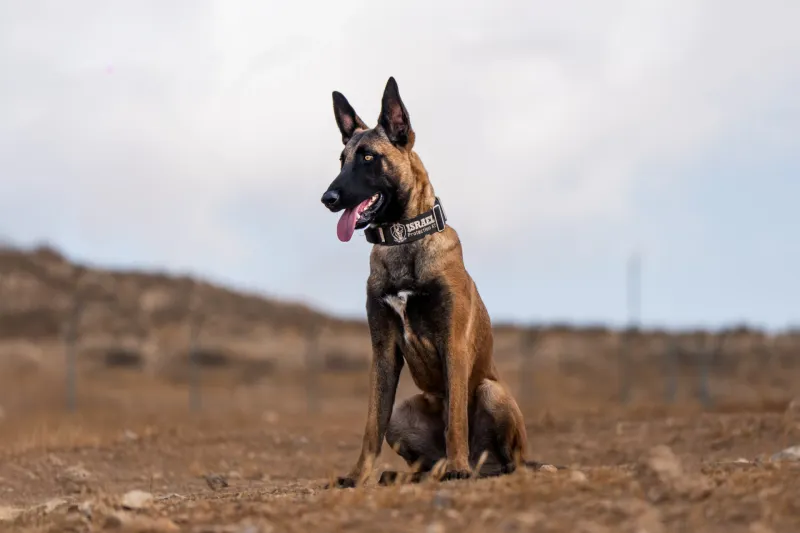
Without checking a clock, your dog shows up early for everything. Ten minutes before the usual walk, there is a quiet stare at the leash corner.
Breakfast time brings a sit by the bowl, long before you reach the kitchen. This is internal timing built from environmental cues like light, sound patterns, and your movements.
The ritual begins before you think it does.
Even minor shifts give it away. If you delay, your dog stands, circles once, then waits again, adjusting expectations without giving up.
That patience is not passive. It is strategic readiness.
Your dog is saving energy for the known burst of activity. The routine is a promise, and your dog keeps the countdown with remarkable precision.
Follows one person only during specific moments
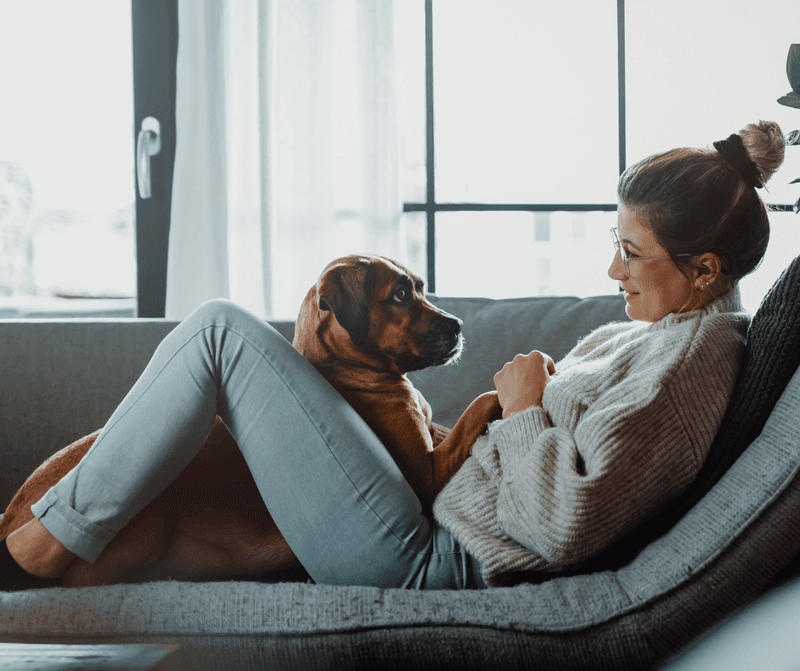
Notice how your dog becomes a shadow, but only at key times. Maybe it is bath night with the kids, or when you start cooking, or right before packages arrive.
The following is selective, not clingy. Your dog knows that one person controls the next event, so the escort begins.
It is targeted surveillance with a payoff.
At other times, the dog relaxes across the room, barely checking in. When the trigger window opens, though, the footsteps align behind that specific person.
You can change words and still see the pattern hold. The dog is not guarding everyone, just the moment maker.
It is a precise, learned strategy tied to outcomes, not just affection.
Reacts differently to familiar and unfamiliar footsteps
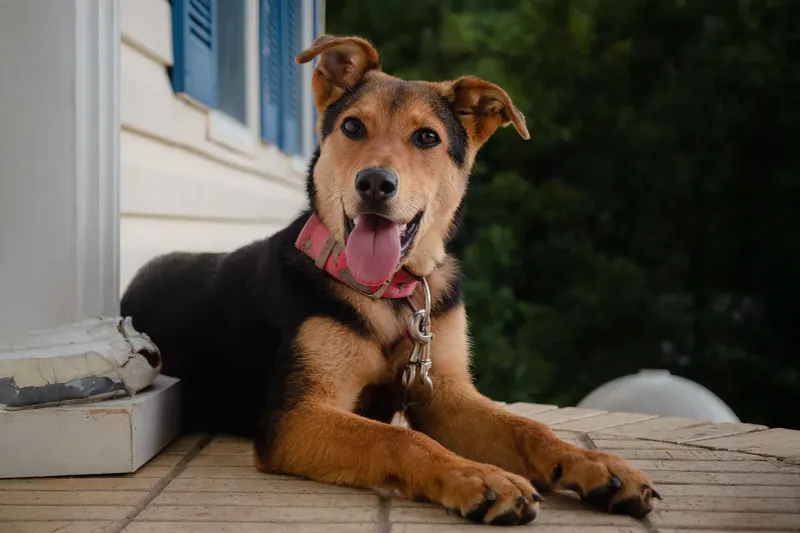
Before the door opens, your dog knows who is coming. Familiar footsteps land with a certain rhythm and weight, and your dog responds with relaxed ears or a wag.
Unfamiliar steps are tighter, perhaps quicker or heavier, and that brings alertness or a warning woof. This finely tuned hearing is paired with memory.
Repetition builds a library of sound signatures.
Even your mood changes your footsteps, and your dog accounts for that too. Rainy shoes, hurried pacing, or a tired shuffle each spark a different greeting.
No introduction is needed. Your dog filters pattern, context, and history into a fast decision tree.
That is more than hearing. It is recognizing individuals by their unique acoustic fingerprint.
Checks windows or doors before someone arrives
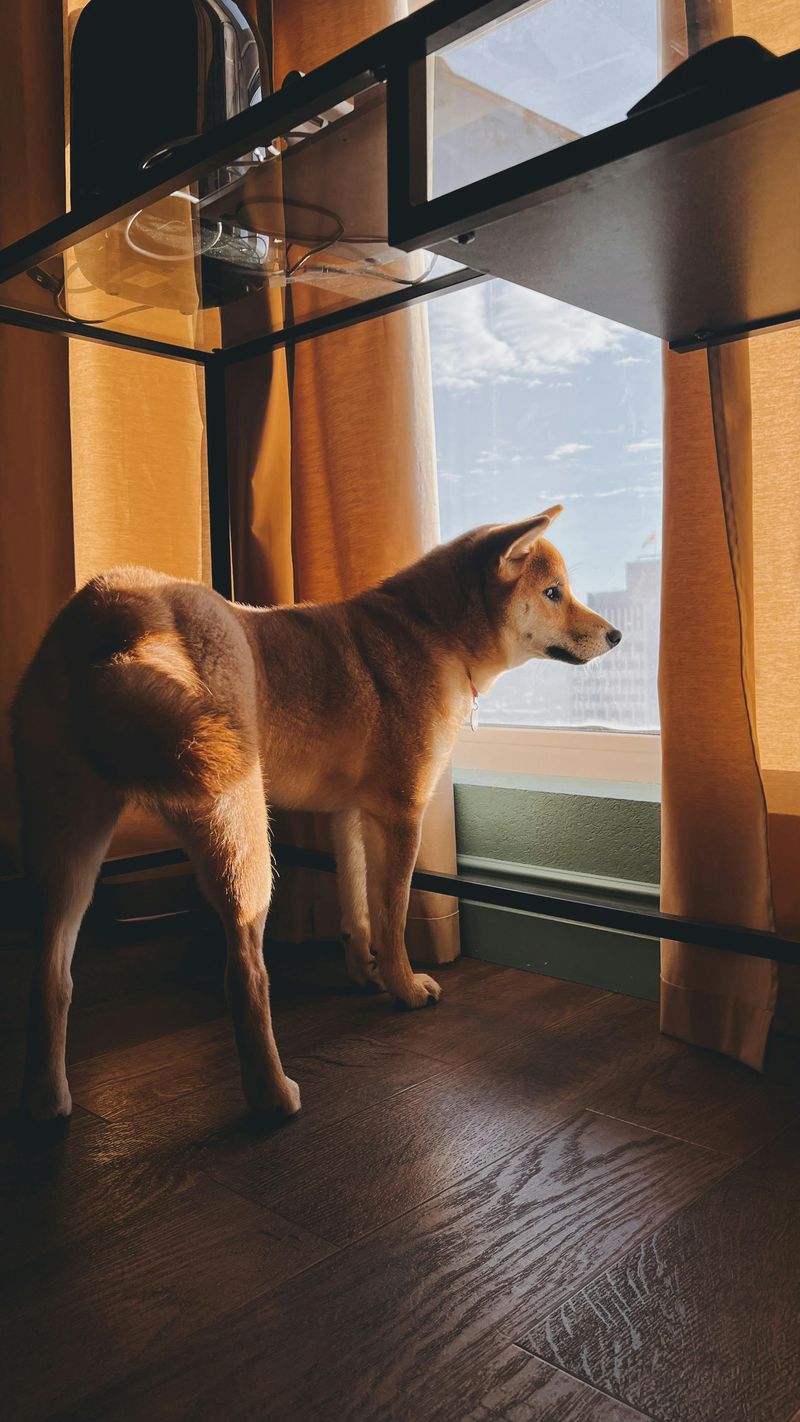
Moments before a car turns into the driveway, your dog is already at the window. Maybe a distant engine note, a phone vibration pattern, or a neighbor’s door sound triggered the move.
You think it is guesswork, but your dog has lined up subtle cues that reliably predict arrivals. The checking behavior looks casual, yet it is intentional.
Sometimes the dog trots to the door, sniffs the gap, then returns to the lookout like a sentry. If the expected person is late, the patrol widens.
Your dog is not anxious so much as informed. It is scanning known approach channels and confirming the timeline.
By the time you notice headlights, your dog has already called it.
Picks up on tone shifts faster than words
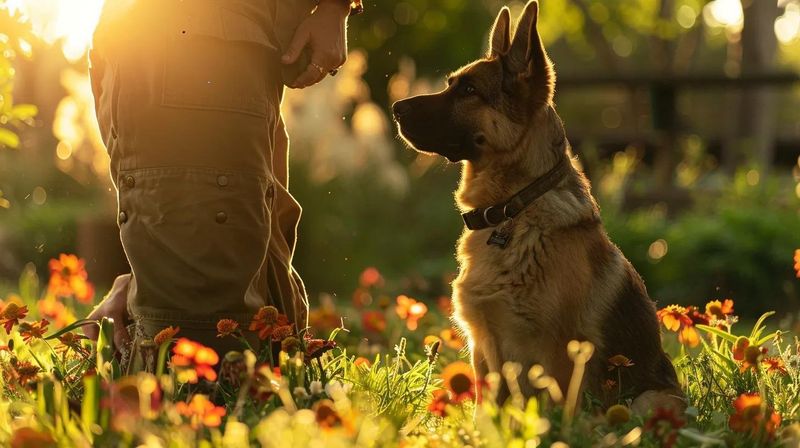
Your dog hears the meaning inside your voice, not just the words. A lighter tone flips a switch for play, while a clipped or flat delivery pauses movement.
You can say the same sentence two ways and get opposite results. That speed is startling.
The tone registers before your brain lands on the message, and your dog adapts instantly.
Try soft praise with a calm tempo and watch the gentle tail wag. Switch to a bright, chirpy note and you will see bounce.
Words lag behind. Dogs evolved to read vocal prosody and body flow because it predicts outcomes quickly.
Your dog listens to the music of your mood, then acts before the lyrics matter.