
Some dogs take silence personally, and you can almost feel their eyes on you when the attention slips. If you have ever met a pup that sighs, nudges, or stages a dramatic flop when you glance at your phone, you know the vibe.
This list spotlights breeds that crave connection and react loudly when they feel overlooked. Get ready for knowing looks, playful protests, and the sweetest reminders to be present.
Golden Retriever
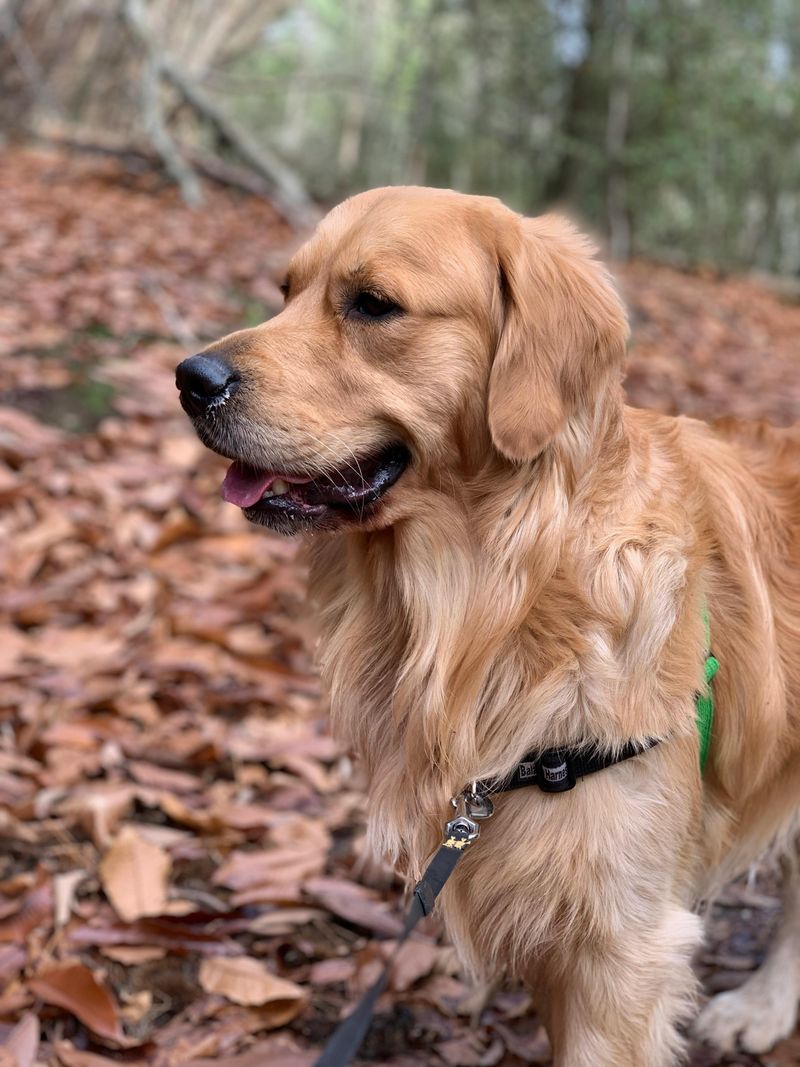
Golden Retrievers wear their hearts on those feathered sleeves, and they are not shy about it. When ignored, they nudge gently, lean full weight into your legs, and follow room to room like a hopeful shadow.
If that fails, a dramatic sigh lands, plus a toy carefully presented as a peace offering.
These dogs need meaningful interaction, not just background presence. Keep minds busy with retrieving games, training refreshers, and scent puzzles that let them solve and succeed.
Daily exercise calms the cling, while chew breaks help them self soothe. When you reconnect, reward quietly and consistently so they learn patience, not frantic pleading.
A Golden wants your time most of all.
French Bulldog
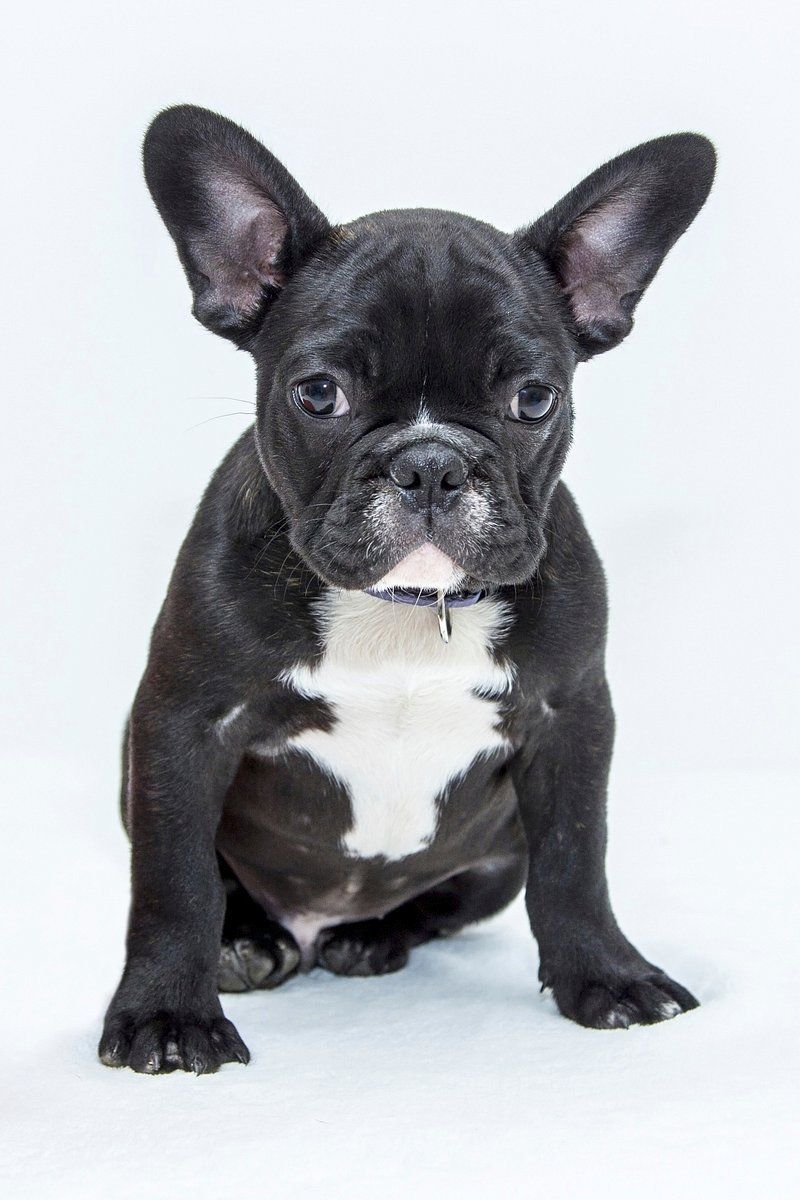
French Bulldogs master the art of the pointed stare, those bat ears aimed right at you. When attention dries up, they scoot closer, snort louder, and may paw insistently at your sleeve.
Some escalate with playful “complaints,” vocalizing in quirky yodels that sound like heartfelt monologues.
To prevent meltdowns, schedule small bursts of engagement throughout the day. Rotate puzzle feeders, scatter feed around rooms, and teach short trick chains to satisfy their clever minds.
Because brachycephalic bodies overheat, pick low impact games and air conditioned play. When they settle on their own, mark that calm with praise so they learn independence feels safe.
Your little clown thrives with predictable love, clear cues, and comfy downtime.
Labrador Retriever
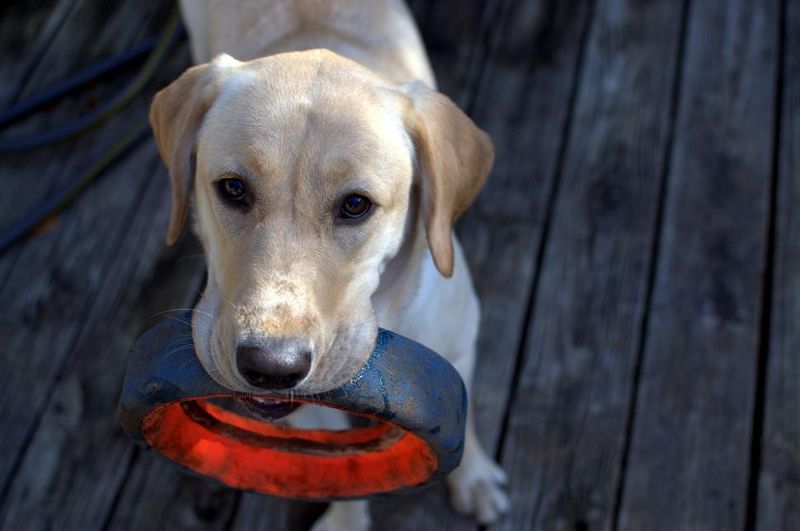
Labradors turn boredom into a mission, usually involving a slobbery tennis ball dropped in your lap. If ignored, expect persistent eye contact, strategic blocking of your path, or gentle mouthing to recruit you back to play.
Their social batteries are massive, and they recharge through activity with you.
Structure helps. Plan training sessions that mix obedience, retrieves, and place work to build impulse control.
Enrich with frozen stuffed toys, scent searches, and backyard retrieving drills that end before overexcited spirals begin. A well exercised Lab rests better and begs less.
Celebrate calm lying on the mat with quiet treats. When your Lab realizes attention comes after relaxation, not fussing, the needy chorus softens and cooperation soars.
Beagle
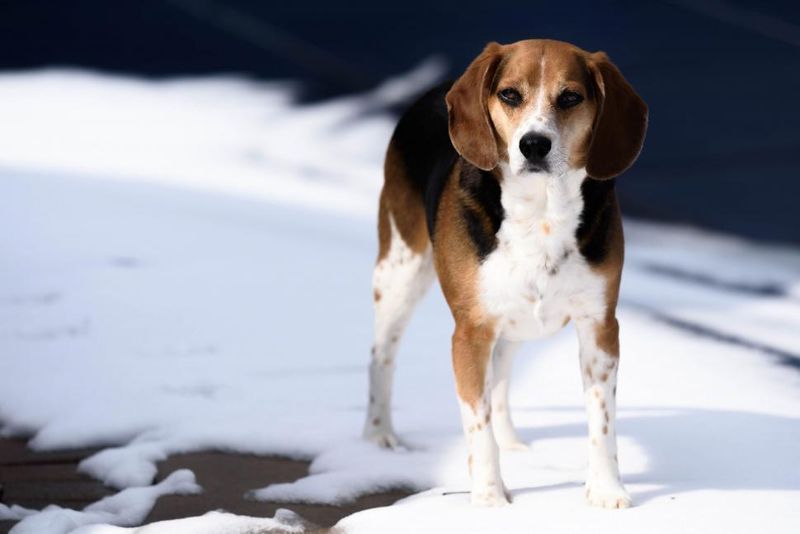
Beagles broadcast their feelings, and being ignored can cue a classic bay or forlorn howl. They seek nose work, companionship, and shared adventures, not just a pat on the head.
When left out, they may counter surf for attention, nuzzle elbows, or parade socks like cheeky trophies.
Redirect with scent based jobs. Hide treats in boxes, run short tracking lines, and scatter kibble in the yard for foraging.
Teach a quiet cue paired with a sniffy mat to soothe arousal. Regular walks where the nose leads reduce pent up frustration.
Reward calm check ins generously, then release back to sniff. When their instincts feel heard, the noise drops, and your Beagle settles proudly by your side.
Cavalier King Charles Spaniel
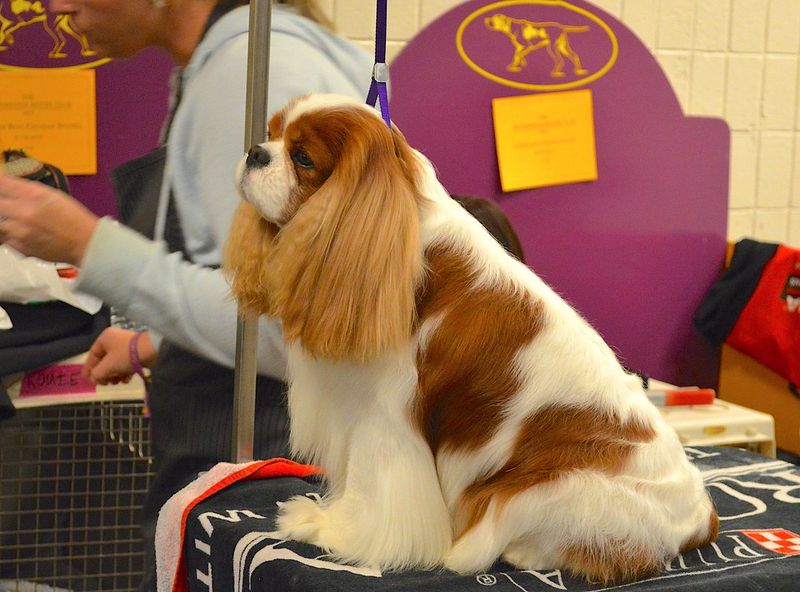
Cavaliers are velcro with velvet ears. They thrive on cuddles and gentle conversation, and isolation can feel crushing.
When attention slips, a Cavalier often inches closer, placing a soft chin on your wrist or curling tighter against your hip until noticed.
Balance affection with skills that build confidence. Use place training near you, gradually adding distance while rewarding relaxed body language.
Short sniff walks and easy trick sessions keep minds engaged without over arousing sensitive temperaments. Watch for separation discomfort, and use gradual departures paired with chew enrichment.
Consistent routines teach that closeness returns. When you reconnect, keep greetings calm and affectionate.
This tender companion blossoms when love is steady, predictable, and kind.
Boxer
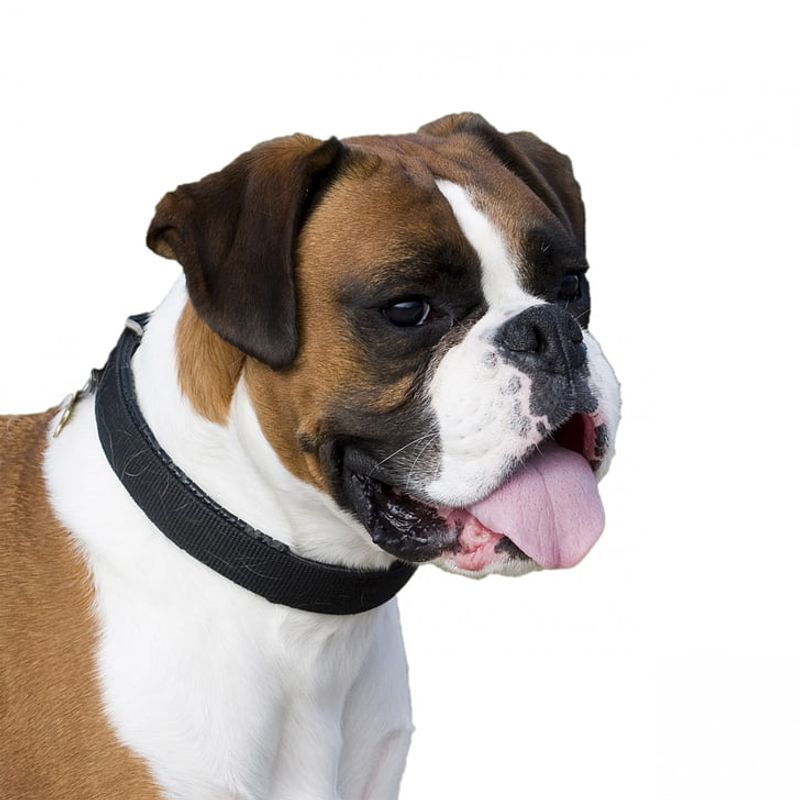
Boxers do everything big, including their reactions to being ignored. Expect full body wiggles, boops from that square muzzle, and sometimes rowdy zoomies across the rug.
If boredom lingers, they may launch into clown mode, grabbing blankets or shoes to spark a playful chase.
Channel the drama productively. Use short, intense training games like tug with rules, flirt pole sessions, and impulse control drills.
Puzzle toys that release food keep them busy while you work. Teach settle on a mat after play bursts, rewarding quiet breathing and loose muscles.
Predictable outlets curb the demand barking. Give your Boxer a job, then a clear off switch, and that larger than life personality becomes brilliantly manageable.
Cocker Spaniel
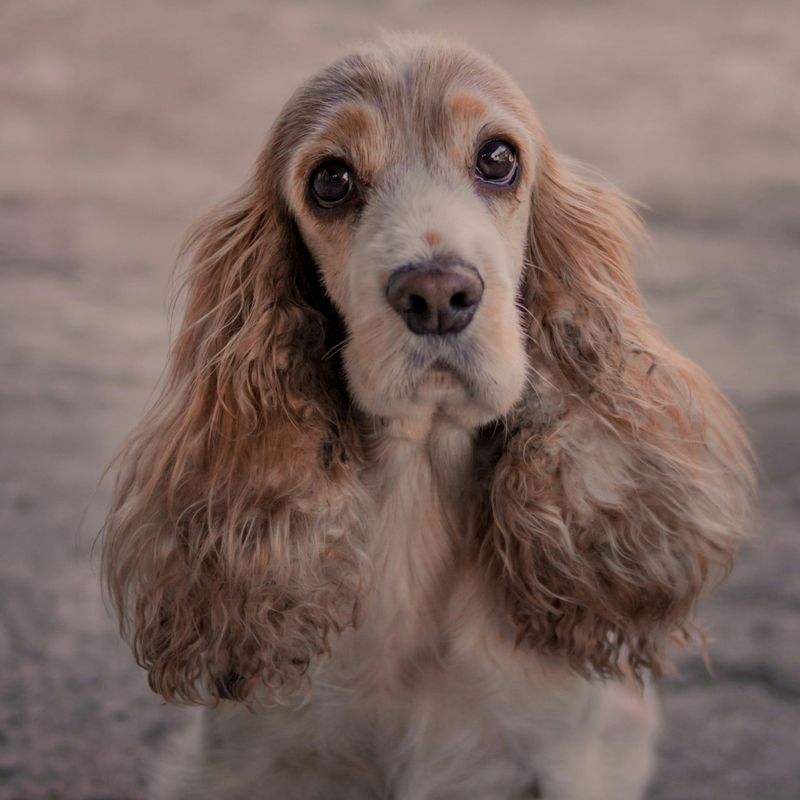
Cocker Spaniels are gentle charmers who read your mood and crave reassurance. When ignored, they might paw gracefully, whine softly, or fetch a toy and present it with hopeful eyes.
Too much dismissal can lead to anxious pacing or over grooming as they try to self soothe.
Build structure around affection. Practice calm greeting rituals, brief training splits, and place work near household activity.
Scent games and light retrieving scratch their heritage itch without overstimulation. Offer long lasting chews during focused tasks so they learn independence pays, too.
Praise softness and patience. Your Cocker wants closeness, but with consistent communication, they become a sweet, steady presence rather than a worried shadow.
Havanese
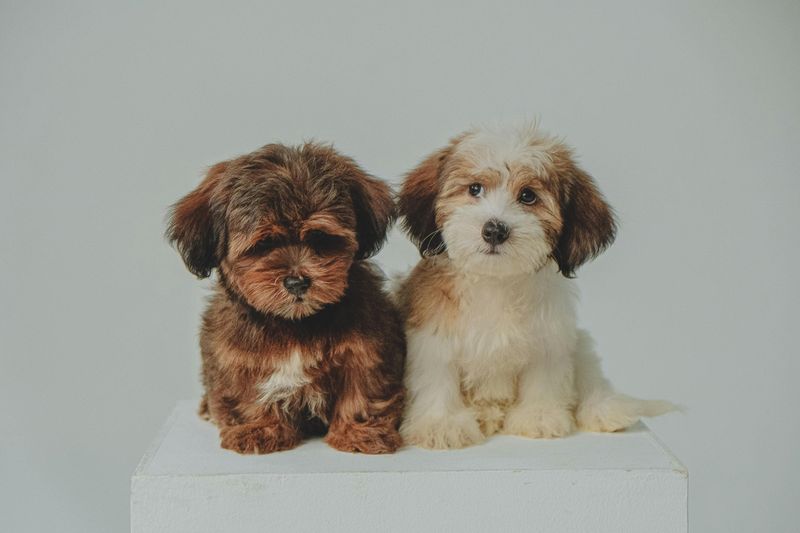
Havanese were bred as companion lapdogs, and they take that job seriously. When the spotlight fades, they trail you like a cloud, chirping with tiny barks or springing into laps uninvited.
Some will perform adorable tricks unprompted, as if to remind you entertainment is available on demand.
Set gentle boundaries. Teach stationing on a mat with frequent, tiny rewards, and scatter micro play breaks across the day.
Use textured lick mats and snuffle toys to satisfy busy brains while you handle calls. Keep social calendars steady, but practice mini separations to grow resilience.
Praise independent lounging. With predictable attention and engaging enrichment, your Havanese relaxes into confident, cheerful companionship without constant pleading.
Bichon Frise
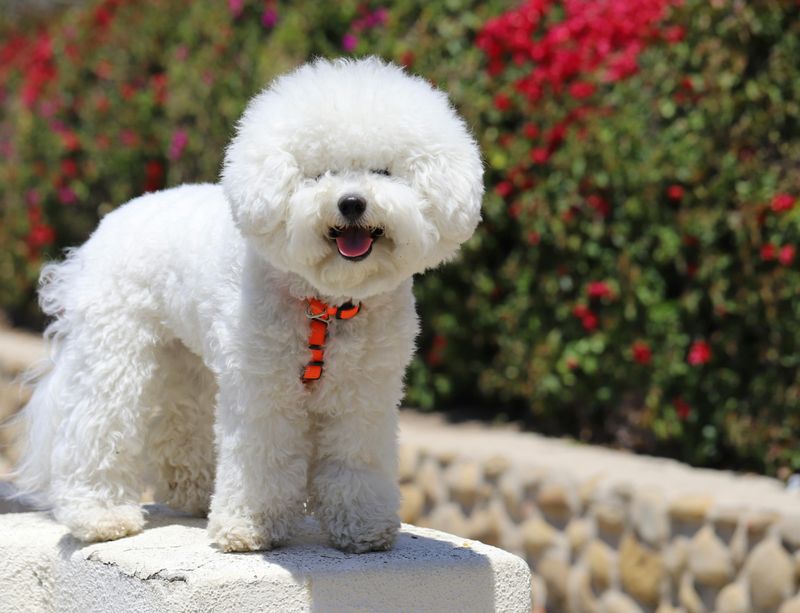
Bichons specialize in joyful theatrics, and being ignored invites a full performance. Expect head tilts, prancy paws, and playful barks that sound like questions.
If boredom persists, a Bichon may redecorate with pillows or weave underfoot until you notice.
Prevent attention drama with routines. Rotate trick training, short grooming sessions with treats, and nose work inside laundry baskets.
Provide safe chewables and interactive feeders so downtime stays interesting. Mark calm behavior consistently, then release for cuddles so they connect patience with payoff.
Because Bichons are sensitive, keep corrections minimal and guidance upbeat. With clear structure and plenty of mental play, they transform from whirlwind to charming, fluffy roommate.
Papillon
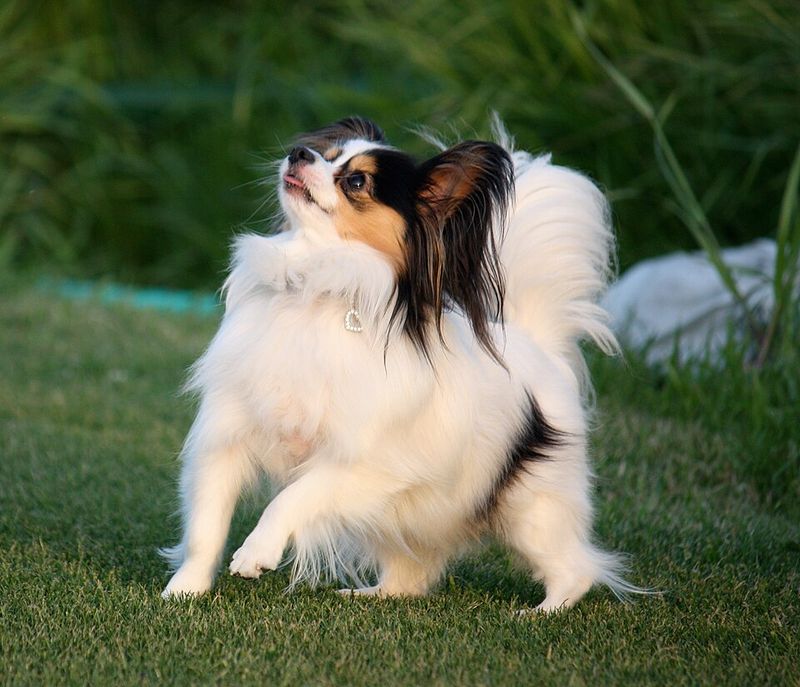
Papillons are tiny scholars that notice everything, including when you stop noticing them. Ignored, they improvise with tap dancing paws, bright chirps, or sudden acrobatics off furniture.
Their keen minds crave projects, and without them, mischief becomes a self assigned hobby.
Feed that brilliance with sportsy games. Try trick chains, rally style heeling in hallways, and platform work that builds focus and distance.
Scatter mini brain breaks, then cue restful place time. Interactive feeders and perch games let them work independently while you concentrate.
Keep sessions short and celebratory. When their need to learn is honored, Papillons settle sweetly, content to observe like curious little professors.
Miniature Schnauzer
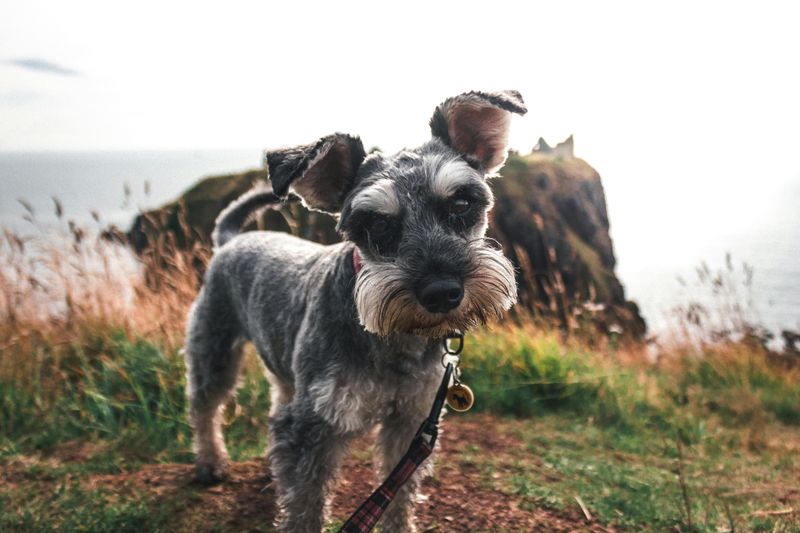
Miniature Schnauzers lobby hard with those iconic eyebrows. When you drift, they plant themselves squarely in your line of sight, huffing quietly for emphasis.
Some may alert bark at nothing in particular, hoping a “What is it?” becomes playtime or praise.
Offer jobs that scratch their working heritage. Nose work boxes, light obedience drills, and tug with rules help them feel purposeful.
Use a parking spot mat near your desk and pay relaxed posture generously. If barking ramps up, redirect to a sniff mat or chew, then reinforce quiet.
Consistency and clarity tame the sass. With outlets for their terrier tenacity, Schnauzers shift from pushy lobbyists to witty, dependable partners.
Keeshond
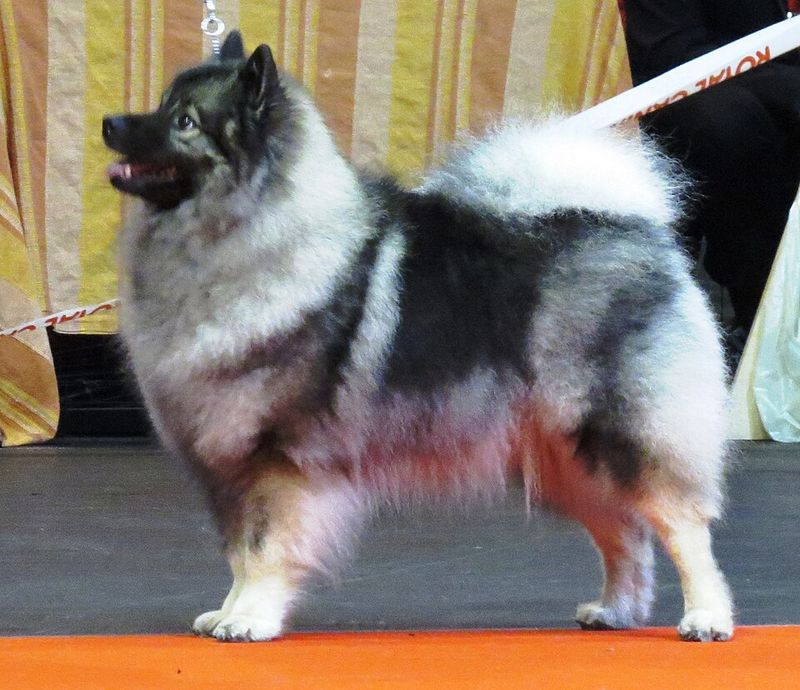
Keeshonden bond intensely and voice their feelings with musical commentary. When ignored, they hover, grumble softly, and escalate to melodic barks that sound like opinions.
Their affection is huge, but so is their sensitivity to social shifts inside the home.
Make connection predictable. Schedule training micro sessions, brushing with rewards, and sniffy backyard tours.
Teach a chill station near family activity, slowly adding duration while paying calm breaths. Provide challenging puzzle feeders and rotated toy bins to reduce boredom.
Keep greetings low key and departures structured. With steady routines and mental work, the Keeshond’s dramatic serenades soften into happy chuffs, and harmony returns to the living room.
Whippet
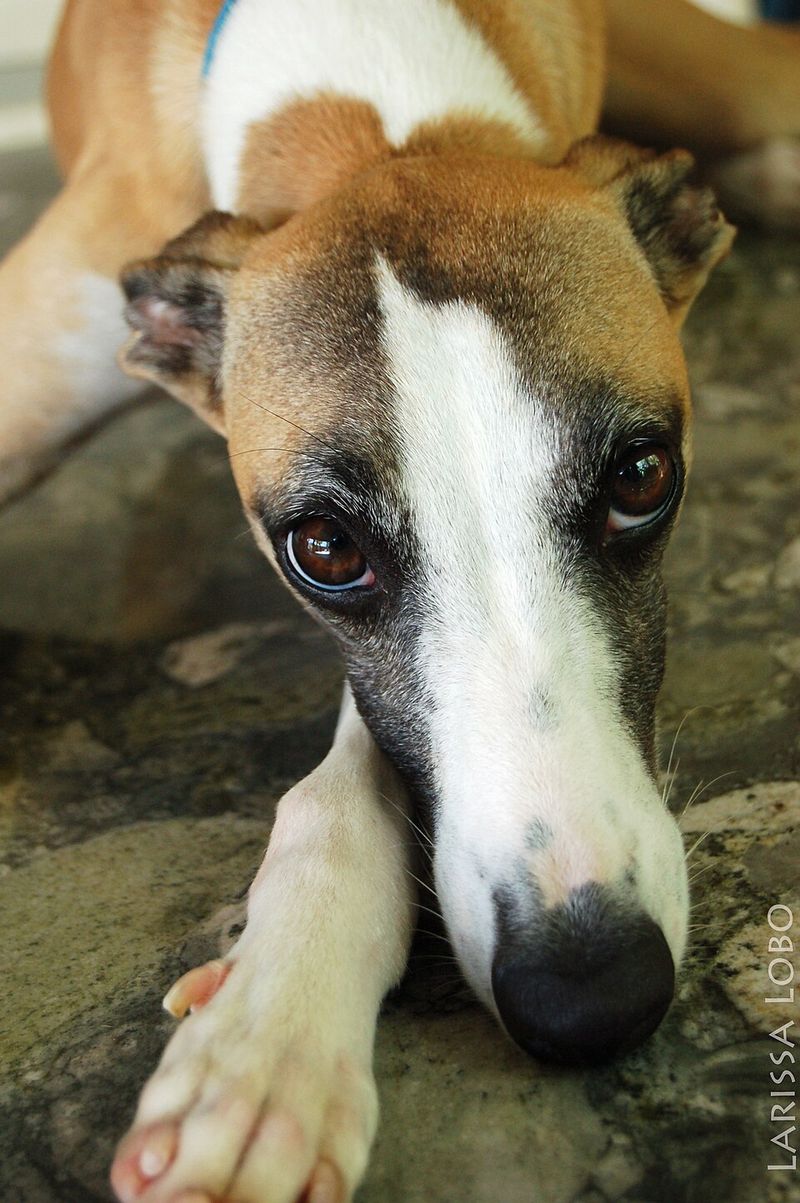
Whippets are gentle souls who love quiet closeness. When you go emotionally offline, they drift closer, tuck their heads into your side, or stand silently and stare with elegant patience.
Prolonged neglect can trigger anxious pacing or zoom bursts as they search for connection.
Balance cuddles with calm structure. Provide cozy dens, chew breaks, and brief training that rewards soft focus and stillness.
Sprint play is great, but avoid over arousal indoors. Teach a settle cue and reward when they choose their bed.
Short sniff walks and sunshine naps support relaxation. With predictable affection and restful routines, a Whippet feels seen and melts back into gentle, velvety tranquility.
Boston Terrier
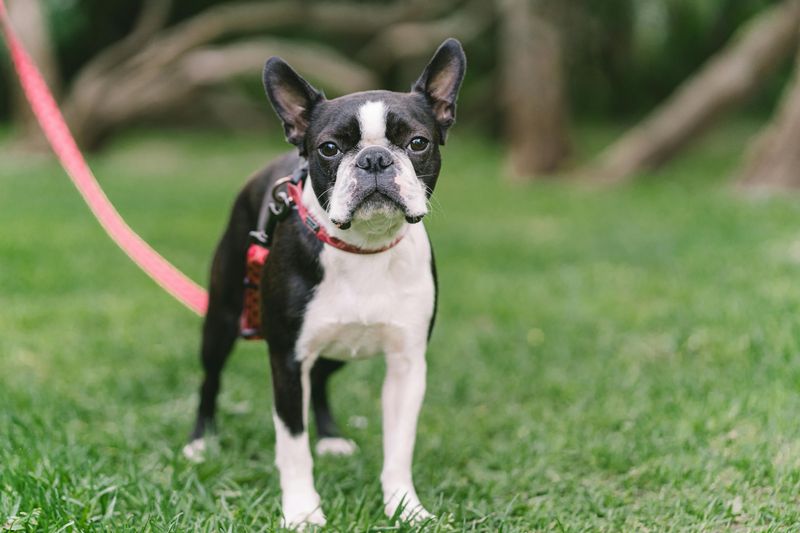
Boston Terriers are comedians who want an audience. When ignored, they escalate with exaggerated expressions, toy squeaks, and quick hops like tiny pogo sticks.
Some will burrow under blankets dramatically, then pop out to check if you laughed yet.
Give their brains and bodies short, snappy work. Practice fast sits, spins, and target touches between your tasks.
Use puzzle balls and flirt pole sprints with clear start and stop cues. Reward independent chilling under a blanket fort, too.
Keep sessions breezy and fun. When attention is earned through calm and cooperation, the Boston’s antics stay charming, not demanding.
Pug
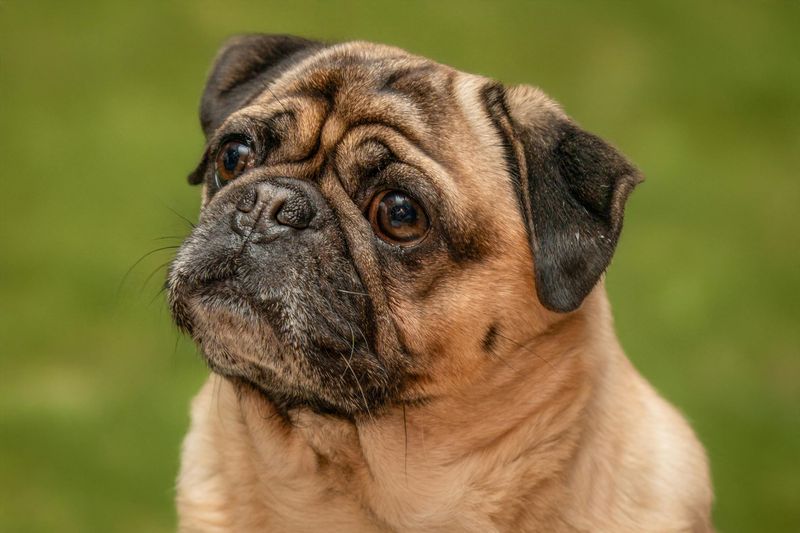
Pugs communicate with epic eyes, and they will use them when sidelined. If overlooked, expect soft grumbles, paw taps, and strategic lap landings.
Some will bring a toy and stare intensely, as if negotiating a friendship treaty right then and there.
Keep engagement predictable and gentle. Plan frequent micro play bursts, easy training reps, and sniffy indoor treasure hunts.
Because of breathing concerns, choose low impact games and cool environments. Offer lick mats during busy stretches, then praise relaxed lounging nearby.
Calm, consistent attention turns drama into contentment. A Pug wants to be included, and with steady rituals, they beam like sunshine.
Shih Tzu
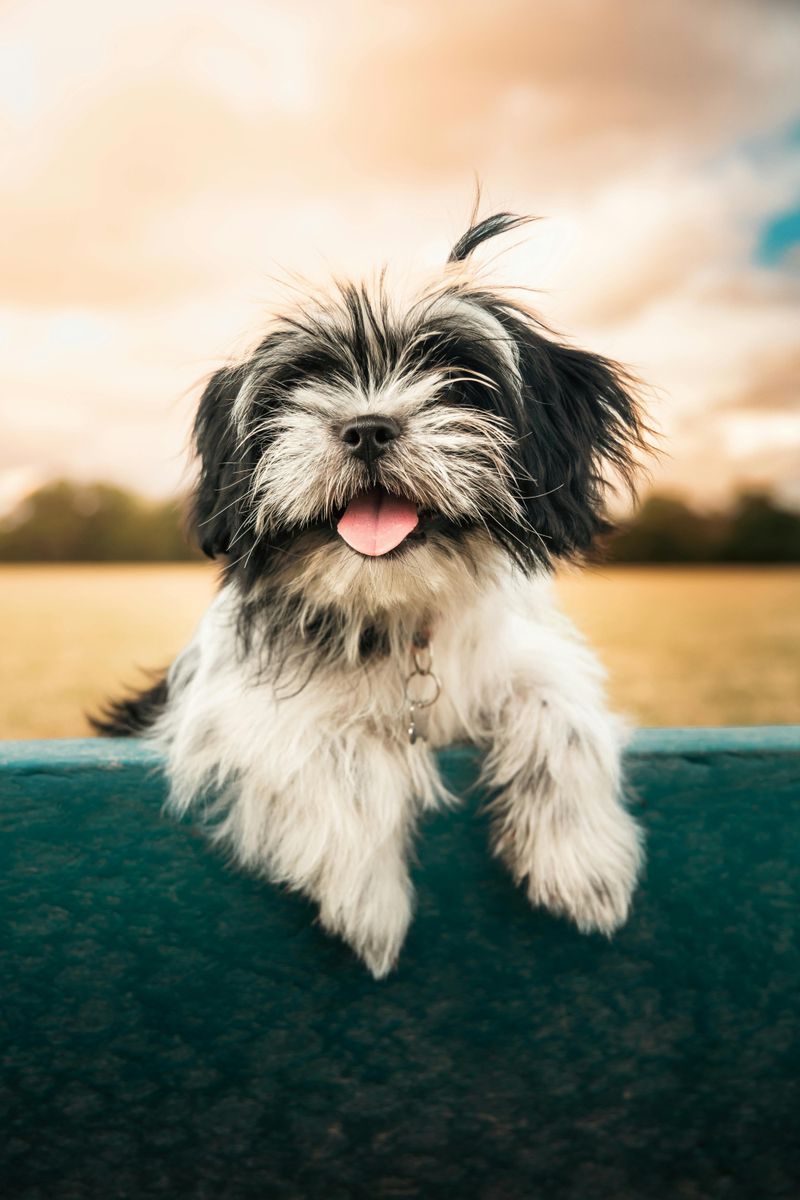
Shih Tzus are affectionate companions with subtle persistence. When ignored, they reposition gracefully closer, breathe tiny sighs, and eventually paw with delicate insistence.
Without structure, some may bark for service like a tiny concierge on duty.
Create rituals that reward patience. Brush sessions with treats, slow sniff walks, and short trick practices offer connection without chaos.
Teach a place cue on a plush bed and reinforce quiet waiting. Use food puzzles for independent entertainment.
Keep greetings mellow so reuniting does not spark frantic demands. With consistent, kind boundaries, your Shih Tzu feels secure and stays sweetly attentive instead of pushy.
Corgi
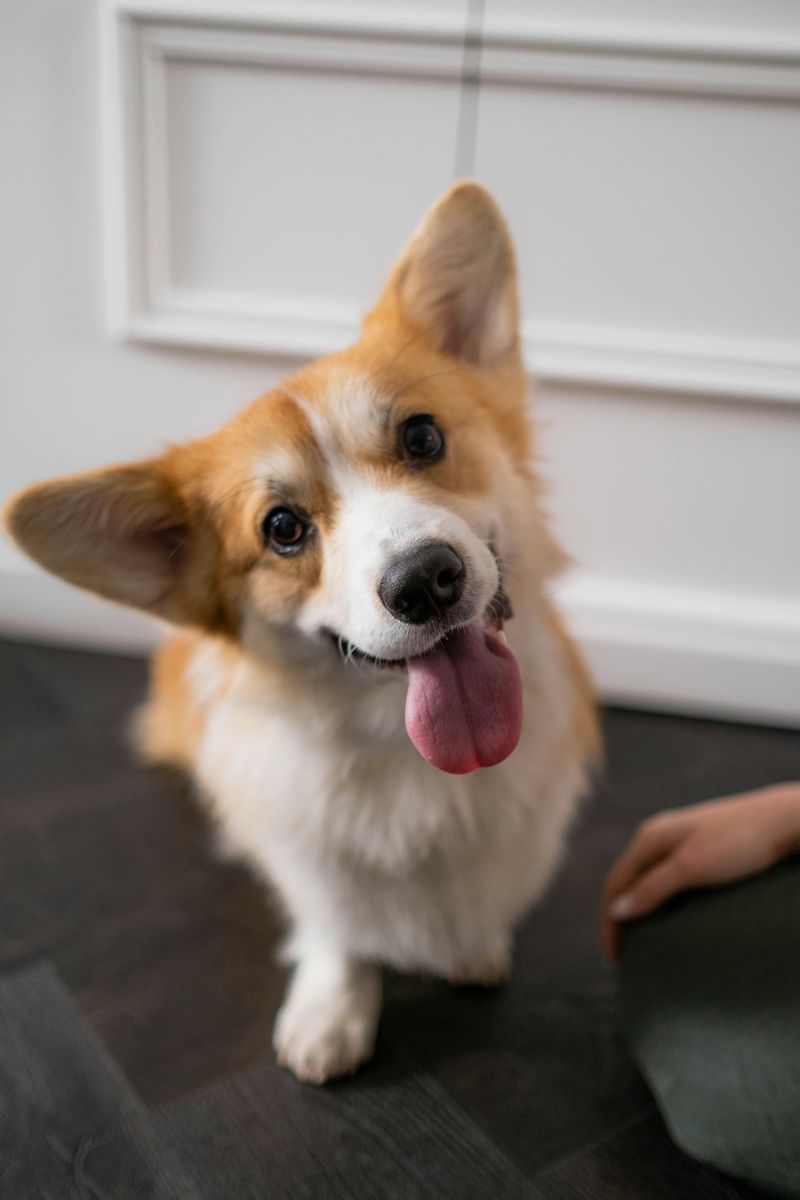
Corgis herd feelings as expertly as livestock. Ignored, they may park themselves directly in your path, vocalize with bossy yips, or nip lightly at the air to redirect you.
Their sharp minds and short legs create endless persistence, especially when bored.
Give the manager a job. Try heelwork, platform pivots, and fetch to targets that satisfy herding instincts.
Use a settle mat beside your desk and pay generously for chill posture. Enrichment like snuffle boxes and cardboard shreddables keep them occupied.
Prevent rehearsing demand barks by reinforcing quiet first. With structure and brain games, your Corgi becomes a hilarious coworker rather than a tiny supervisor.
Italian Greyhound
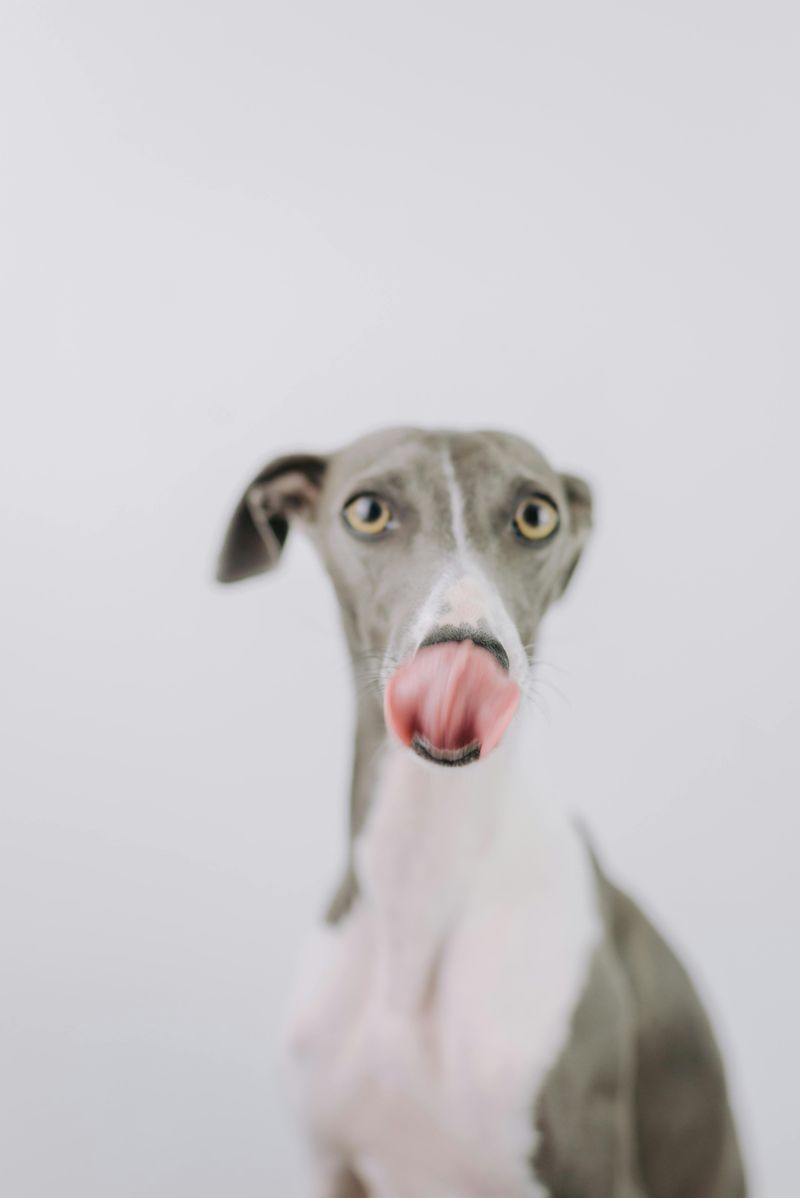
Italian Greyhounds are sensitive cuddle magnets. When ignored, they climb delicately into laps, press their narrow faces into palms, or shiver theatrically for sympathy.
Their thin skin and big feelings mean they crave warmth, reassurance, and predictable touch.
Build independence gently. Provide soft beds, sweaters for comfort, and lick mats to self soothe.
Train a cozy station cue near you and gradually increase distance with rewards for stillness. Keep play calm to avoid fragile limb mishaps.
Short sunny walks and quiet trick work satisfy their need for connection. With steady routines and careful handling, they settle into serene, affectionate companionship without panic.
English Toy Spaniel
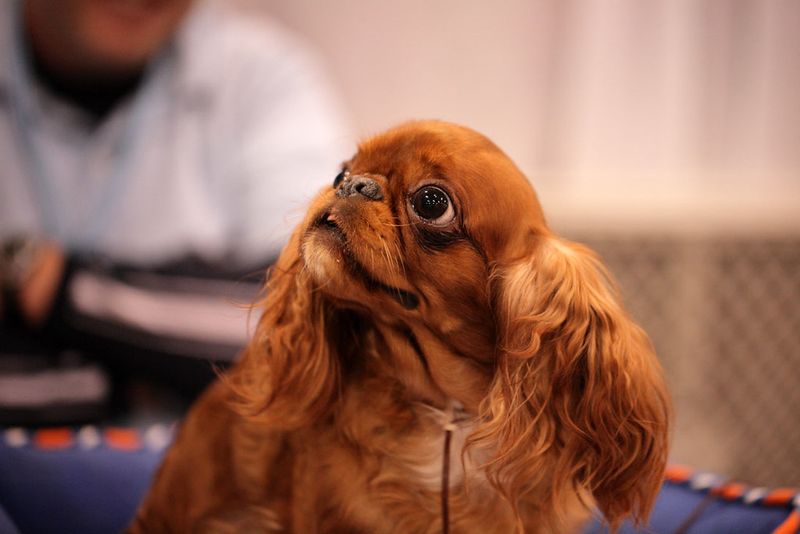
English Toy Spaniels are tenderhearted lap companions with royal-level devotion. Ignored, they creep closer, offer quiet whines, and sometimes paw with gentle formality.
Extended neglect can lead to anxious pacing or listless withdrawal as they wait for reassurance.
Keep attention calm and consistent. Practice easy trick sessions, slow grooming with treats, and cozy place training near family activity.
Offer puzzle feeders and soft chews for independent comfort. Greet and depart in the same low key way every time.
Reward relaxed body language generously. With patience and structure, this dignified friend blossoms into a serene, affectionate presence who trusts you will always come back.