
Ever notice how your dog perks up the second you change your voice? Some breeds are especially tuned to tone, reacting faster than you can grab a treat pouch.
Mastering how you say their name can unlock lightning-fast attention, calmer energy, and smoother training sessions. Let’s explore the breeds that respond in a heartbeat when your voice shifts just a little.
Labrador Retriever
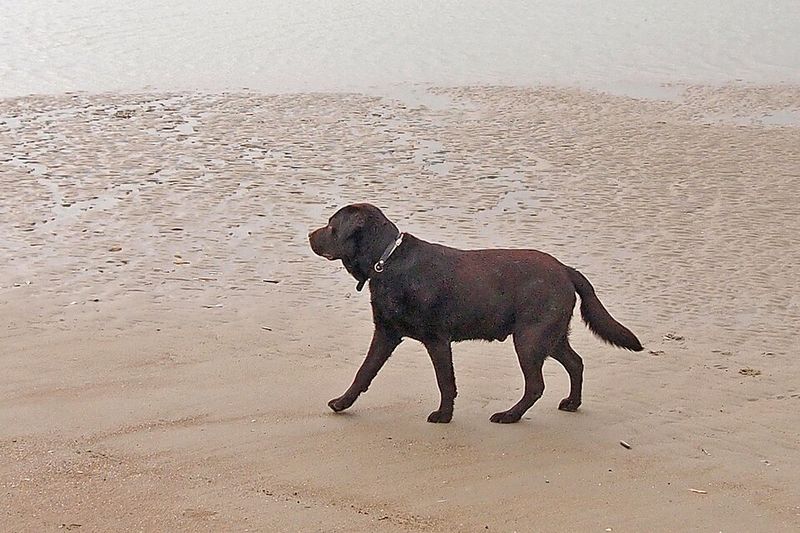
Labrador Retrievers are famously tuned to human voices, and a slight shift in pitch snaps their attention fast. Say their name brightly, and the tail thumps as eyes lock on you, ready for cues.
A softer, urgent tone can pull them from distractions like smells, squirrels, or snack investigations.
Because Labs are biddable and food motivated, pairing tone with rewards teaches rapid check ins. You can shape faster recalls by reserving a crisp, upbeat name cue only for coming.
In quiet moments, use a calm, low tone to settle energy and reinforce impulse control. With consistent practice, you will see the classic Lab glance, ear flick, and immediate response as soon as your voice changes.
Golden Retriever
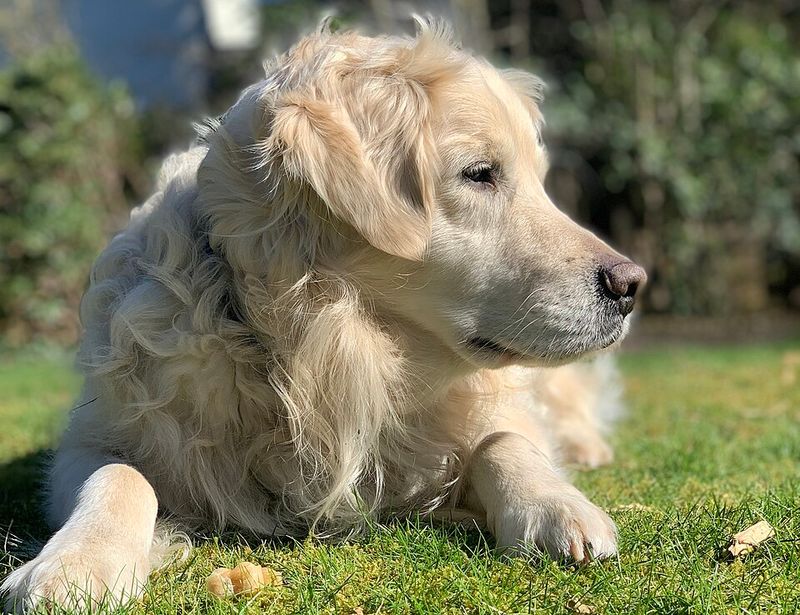
Golden Retrievers pick up emotional tone quickly, so a cheerful name call usually yields an instant head turn. That sunny temperament pairs with eagerness to please, making tonal cues powerful during training.
Even in busy parks, a bright, rising pitch cuts through play and brings focused attention back.
To strengthen reliability, practice name games at home, gradually adding mild distractions. Reward the fastest responses with play or treats, and use a neutral tone for casual chatter.
Save the happiest voice for recalls, and a gentle, low voice for settling excitement. Over time, your Golden will read subtle vocal shifts, offering eye contact, soft ears, and quick responsiveness whenever you change how their name sounds today.
German Shepherd
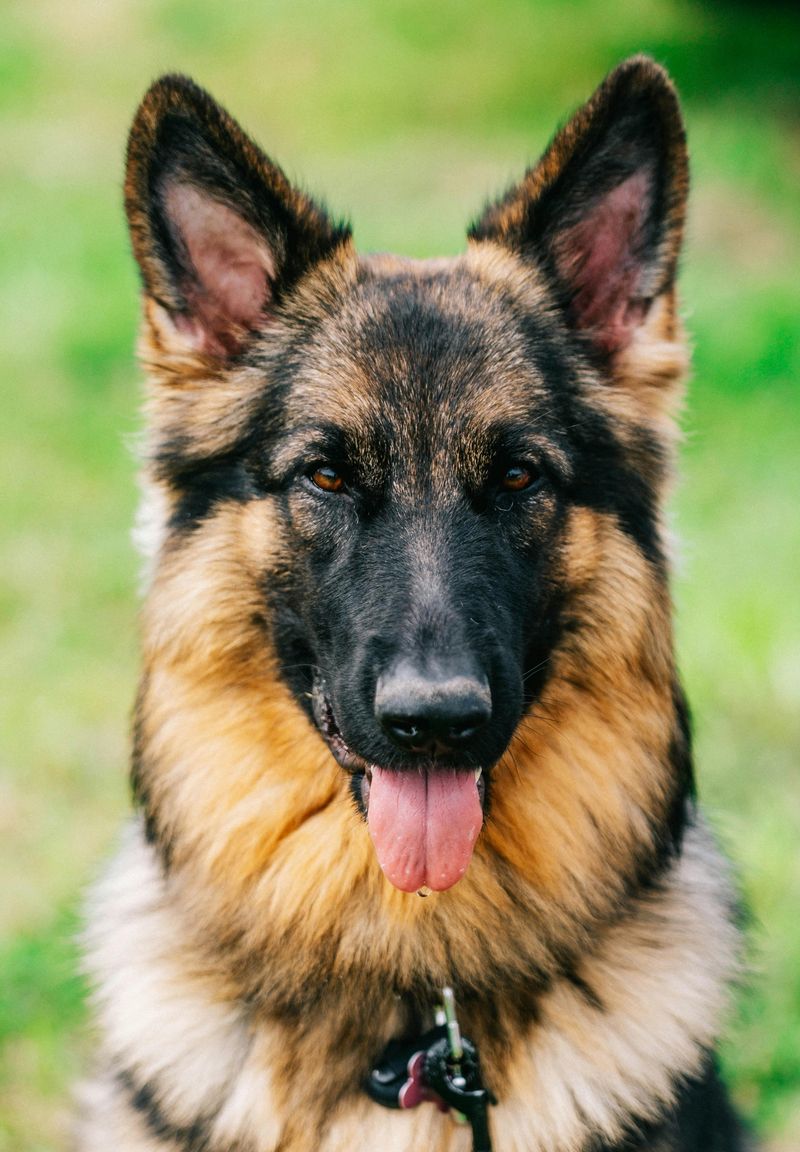
German Shepherds are highly attuned to handlers, so tonal changes in their name land with clarity. A firm, confident pitch gets crisp attention, while a warmer tone invites closeness without pressure.
Their natural vigilance means even a soft inflection can pivot focus from guarding to listening.
Train intentional tone mapping early: bright voice for recall, neutral for routine, low for calm. Pair each with consistent outcomes, rewarding instant check ins generously.
In public, use a short, upbeat name cue to redirect before tension builds. With repetition, your Shepherd learns that how you say the name matters as much as the word itself, producing fast eye contact, pricked ears, and poised readiness whenever your voice shifts.
Border Collie
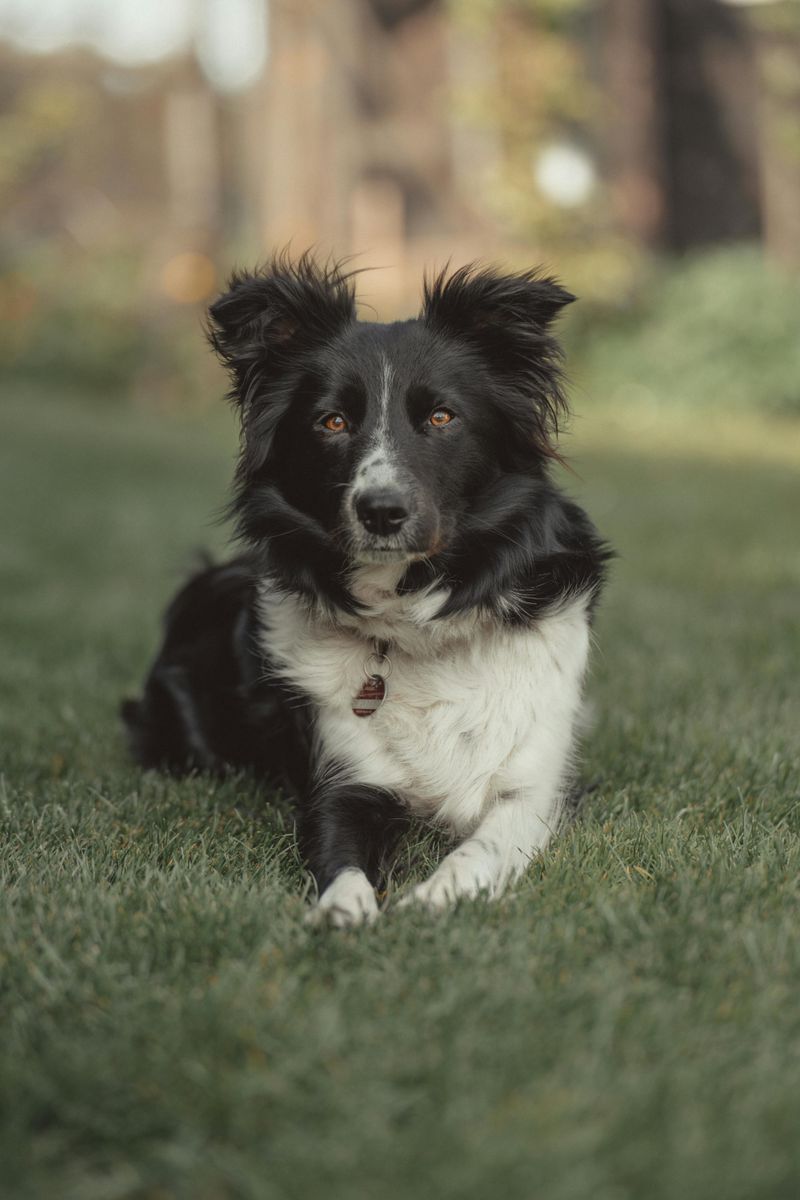
Border Collies are language sponges, so tone and cadence immediately change their engagement. A clipped, chirpy name cue flips their focus like a switch, even mid herd-like stalking during fetch.
Because they anticipate patterns, varying pitch helps prevent them from predicting and tuning out. A lower, steady sound tells them to breathe and wait patiently.
Build responsiveness by playing rapid name-response games with tiny rewards and movement. Alternate happy highs for recalls with calm lows for downshifts, keeping sessions brisk and mentally rich.
If intensity spikes, soften your tone and ask for a brief hand target. Over time, your Collie will read micro inflections, give swift eye contact, and pivot tasks the moment your voice nudges their name differently.
Australian Shepherd
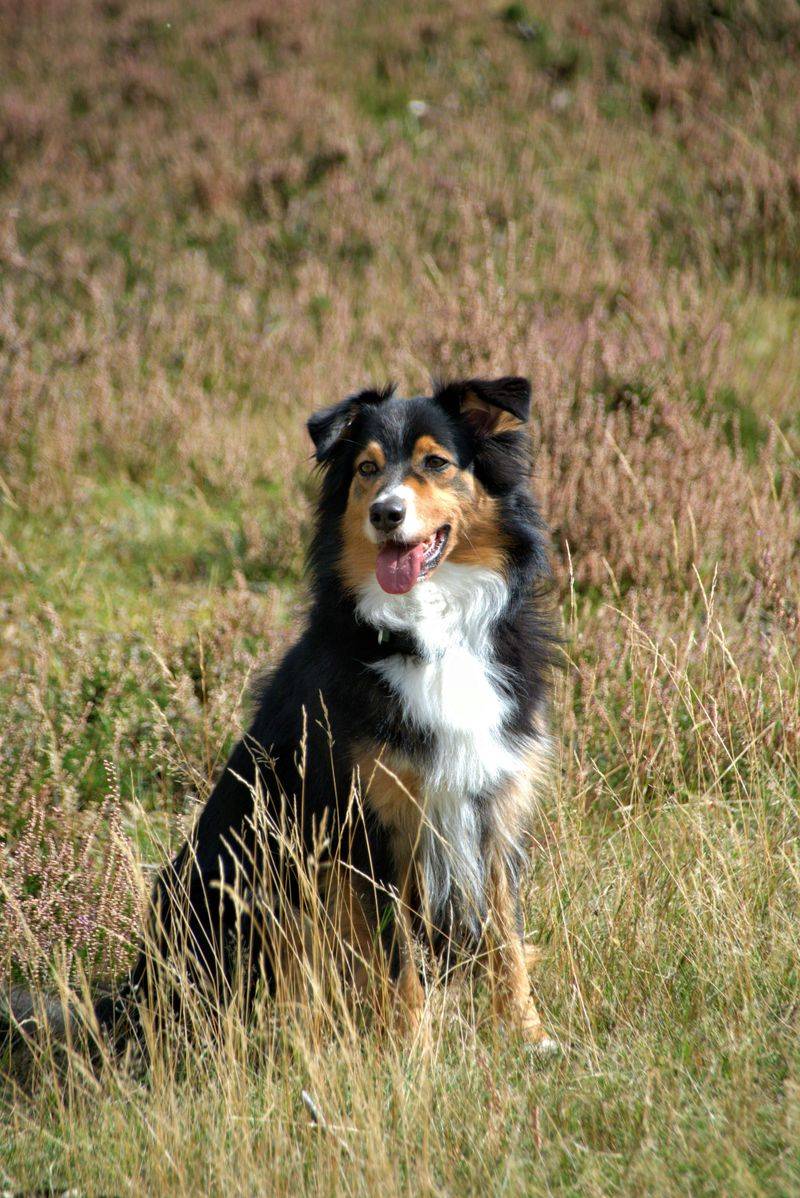
Australian Shepherds thrive on nuance, and tonal shifts cue their agile minds immediately. Say the name brightly, and the head tilts, body ready to spring into action.
Use a calm, even tone, and you can downshift arousal after thrilling games or guest arrivals.
Practice tone tagging: cheerful means come play, neutral means routine, soft means settle. Keep sessions short, mixing movement, treats, and praise so quick responses feel fun.
If herding instincts kick in, switch to a gentle, downward tone and redirect to a mat. Consistency teaches your Aussie that how you say the name predicts the next job, yielding fast check ins, supple focus, and cooperative energy on cue.
Practice in varied places daily.
Doberman Pinscher
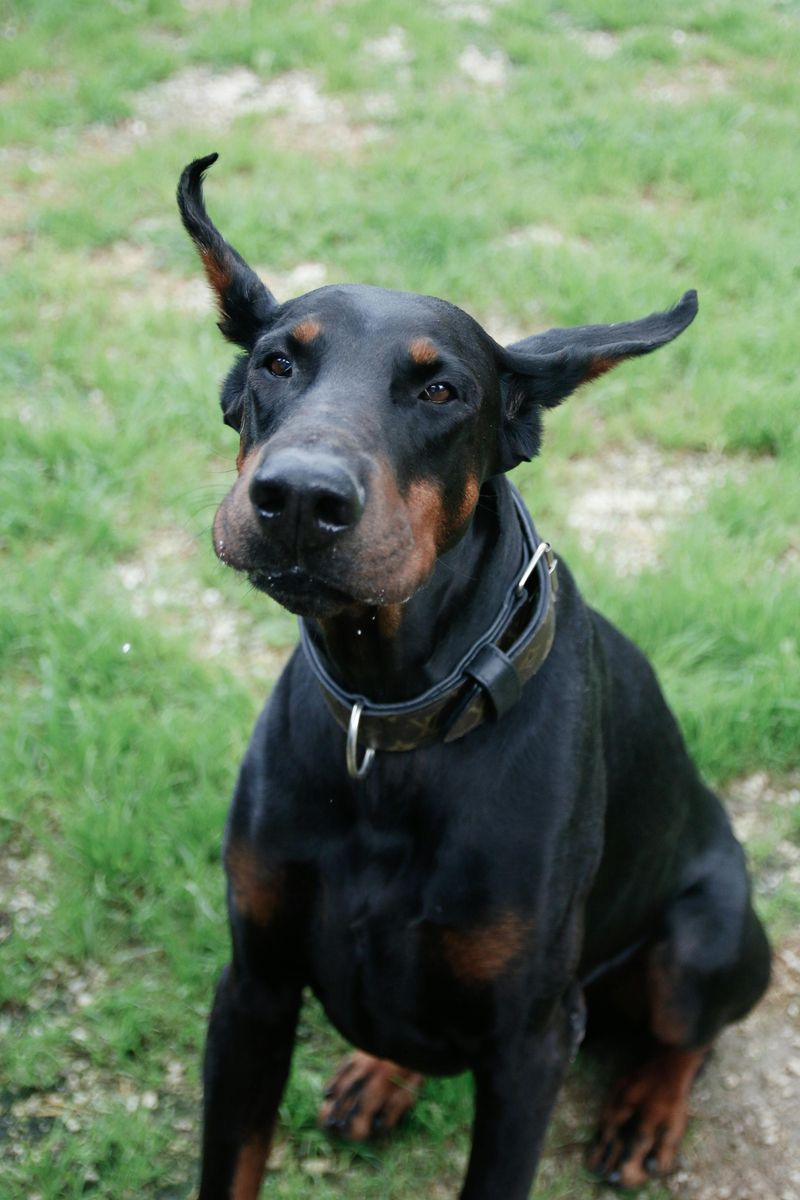
Doberman Pinschers tune into confident leadership, and a precise tone gets instant acknowledgement. A crisp, mid pitched name call snaps focus without startling sensitive dogs.
Conversely, a low, steady tone communicates calm, helping them relax during stimulating environments.
Train with clear contrasts: upbeat voice for recall, matter of fact for positions, soothing for decompression. Reward decisively when they flick ears or make eye contact.
If arousal rises, shorten cues and soften tone to prevent rehearsal of reactivity. With regular practice, your Doberman learns that tonal nuance is information, not emotion, producing quick, thoughtful responses, smooth transitions, and dependable engagement whenever the name lands differently in your voice.
Practice around doors, sidewalks, and parking lots daily.
Cocker Spaniel
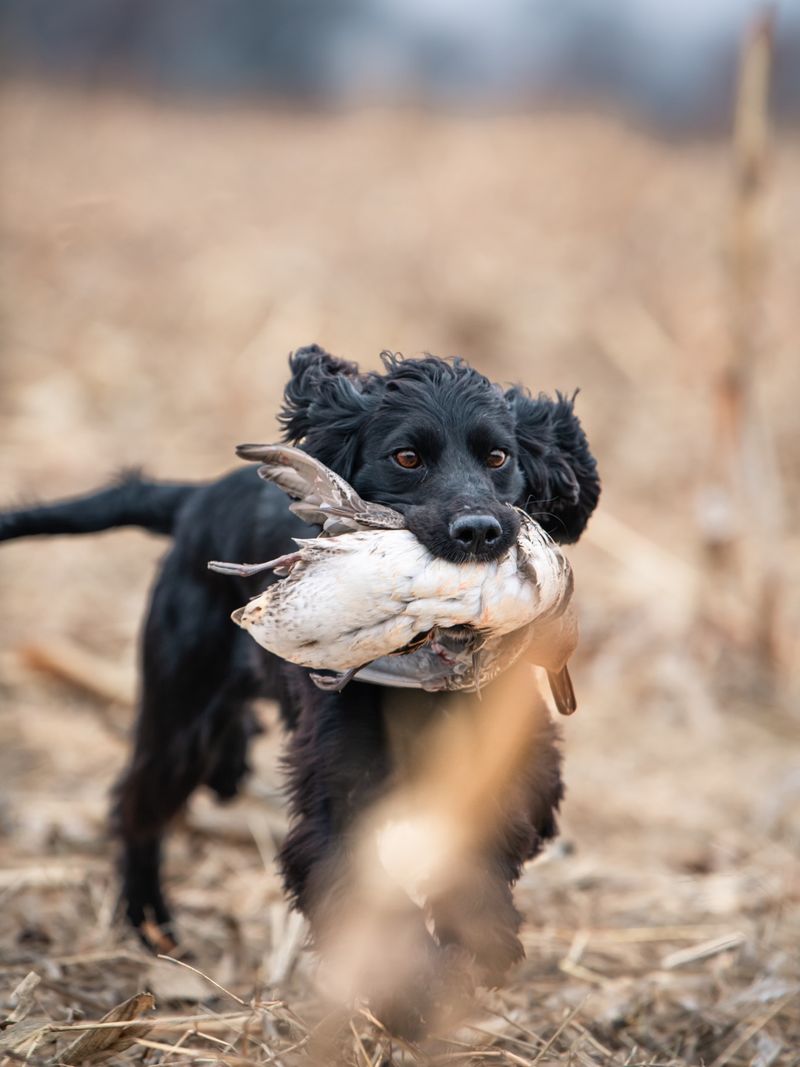
Cocker Spaniels are sensitive listeners, so tone carries big meaning in everyday cues. A gentle, happy lilt sends them trotting over, ears bouncing and eyes warm.
When excitement runs high, a slower, lower name helps them take a breath and soften.
Use short training bursts that link your tone to predictable outcomes. Bright voice means come connect, neutral voice means wait, quiet voice means settle on a mat.
Reward the earliest ear flicks to build speed. In busy spaces, sing their name lightly to cut through noise, then switch to calm praise.
Over time, your Cocker learns emotional clarity from your voice, responding faster, with looser bodies and softer mouths whenever the name sounds slightly different.
Shetland Sheepdog
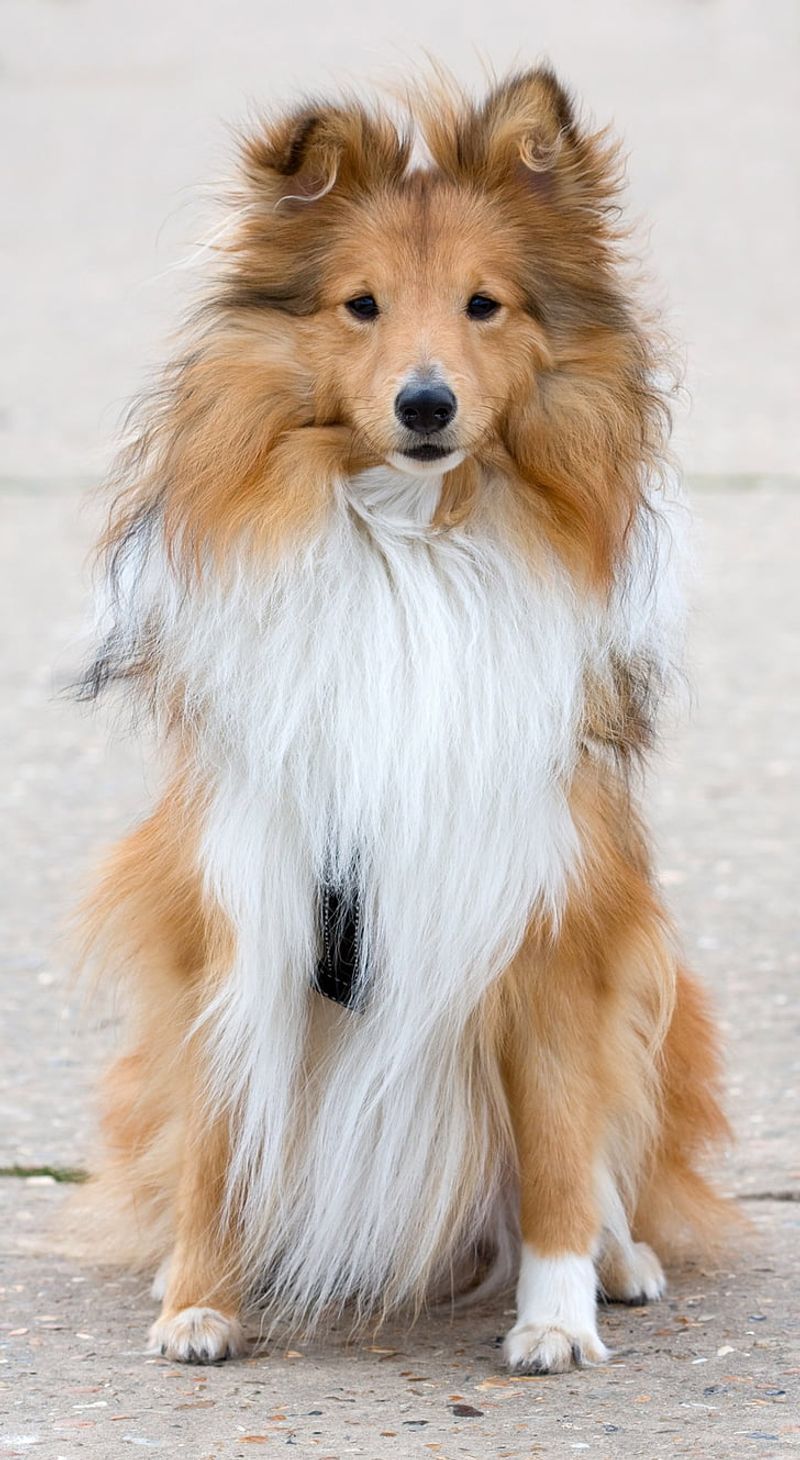
Shetland Sheepdogs are alert and sound sensitive, so tonal changes register immediately. A bright, chirpy name cue prompts quick eye contact and a dainty trot your way.
If nerves creep in, a softer, low tone reassures and invites steadier breathing.
Practice tone ladders during walks: high for recall, mid for heel, low for relax. Reinforce lightning fast responses with tiny treats and gentle praise.
If barking starts, drop your pitch, shorten words, and ask for a nose touch. Over consistent sessions, your Sheltie will map each tone to clear jobs, offering nimble check ins, quieting faster, and pivoting cleanly the moment your voice shapes their name with a slightly new color.
Practice in varied settings.
Papillon
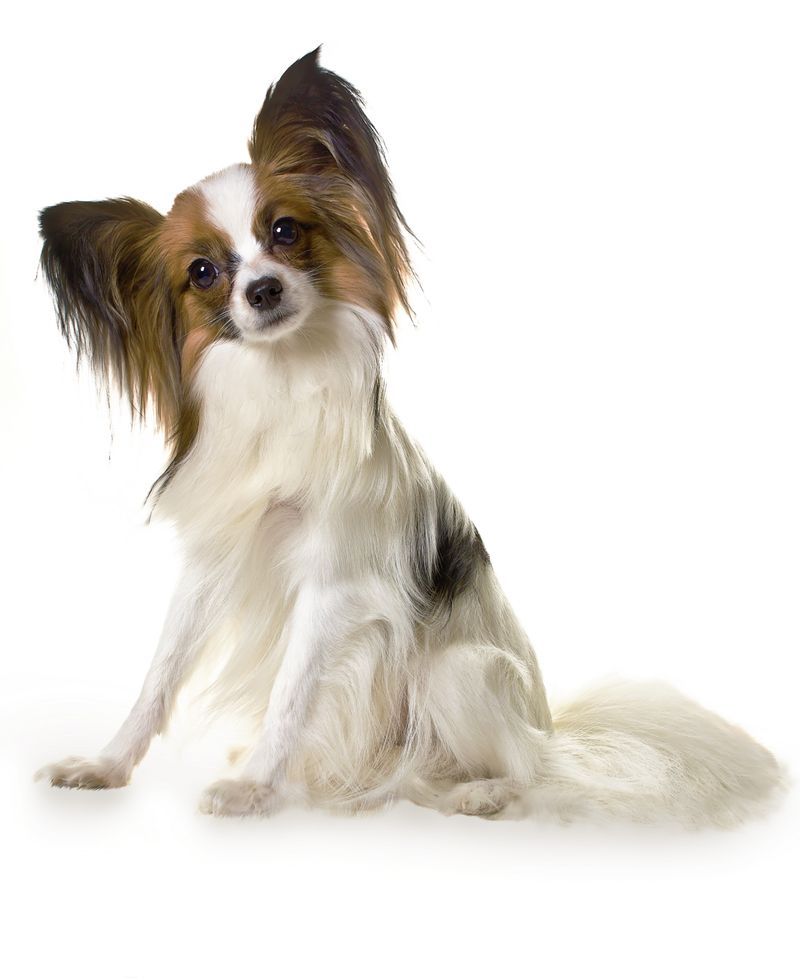
Papillons are tiny but tuned like concert violins, catching tonal detail instantly. A bright, dancing name cue sparks prancing feet and sparkling eyes.
When stimulation piles up, a warm, hushed tone steadies their delicate energy and keeps focus on you.
Use playful micro sessions that mix tone, hand targets, and quick treats. Reserve the happiest pitch for recalls, and a mellow pitch for quiet cuddles or mat work.
Reinforce the first glance, then ask for a sit to anchor arousal. With repetition, your Papillon links vocal color to clear actions, offering zippy check ins, clean pivots, and soft landings the moment your voice shapes their name a little differently.
Practice in hallways and patios daily.
Miniature Schnauzer
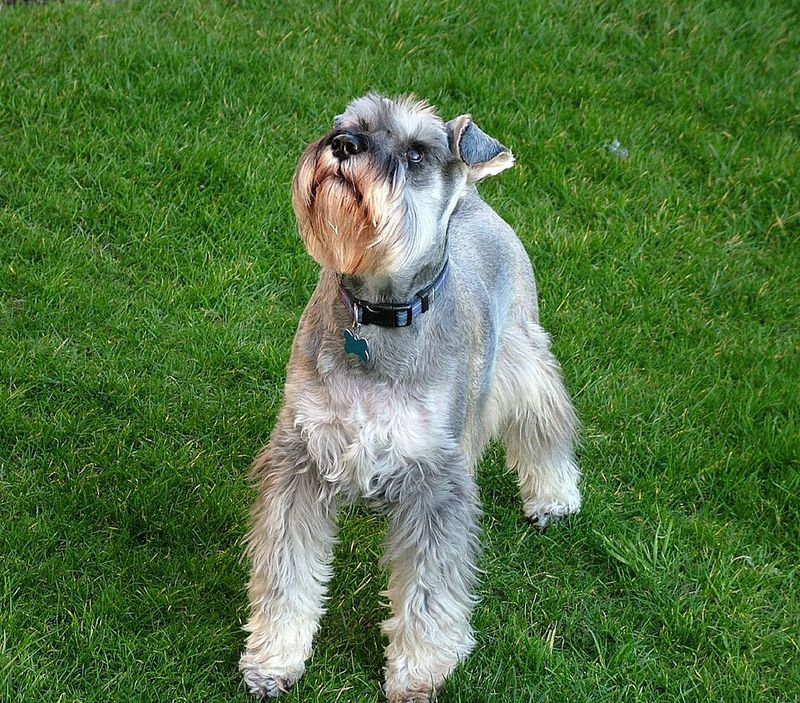
Miniature Schnauzers are bold listeners, and a crisp tone slices through their curious sniffing. Call their name brightly, and you get that bearded snap to attention.
If watchdog instincts flare, a slow, low tone lowers intensity and invites cooperation.
Make tone games a habit: high means come, mid means heel, low means settle. Reinforce quick ear flicks with tiny food, then step into movement.
When distractions loom, shorten your cue and pair it with a hand signal. With steady practice, your Schnauzer recognizes tonal intent as fast as words, delivering sharp check ins, calmer transitions, and reliable engagement whenever your voice colors their name a little differently in busy neighborhoods.
Practice near cafes and parks.
Whippet
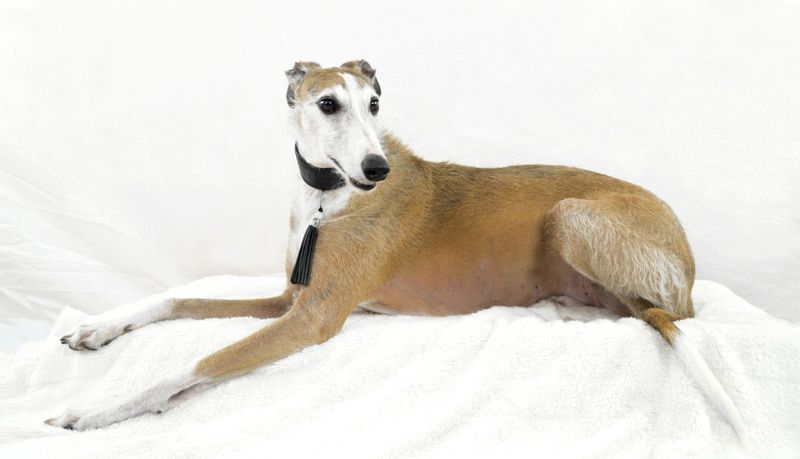
Whippets are sensitive and polite, responding quickly to gentle tonal cues. Say their name in a light, rising voice, and you will see elegant attention without tension.
A low, even tone helps them exhale after sprints or startling noises.
Keep sessions short and warm, rewarding eye contact more than volume. Use your brightest tone for recalls and a cozy tone for settle on a blanket.
If they fret, soften consonants and shorten cues. Over time, your Whippet learns that subtle shifts forecast clear outcomes, offering swift check ins, silky movement, and relaxed composure whenever your voice paints their name with a slightly new color and tempo.
Practice beside tracks, paths, and open fields at dusk.
Boston Terrier
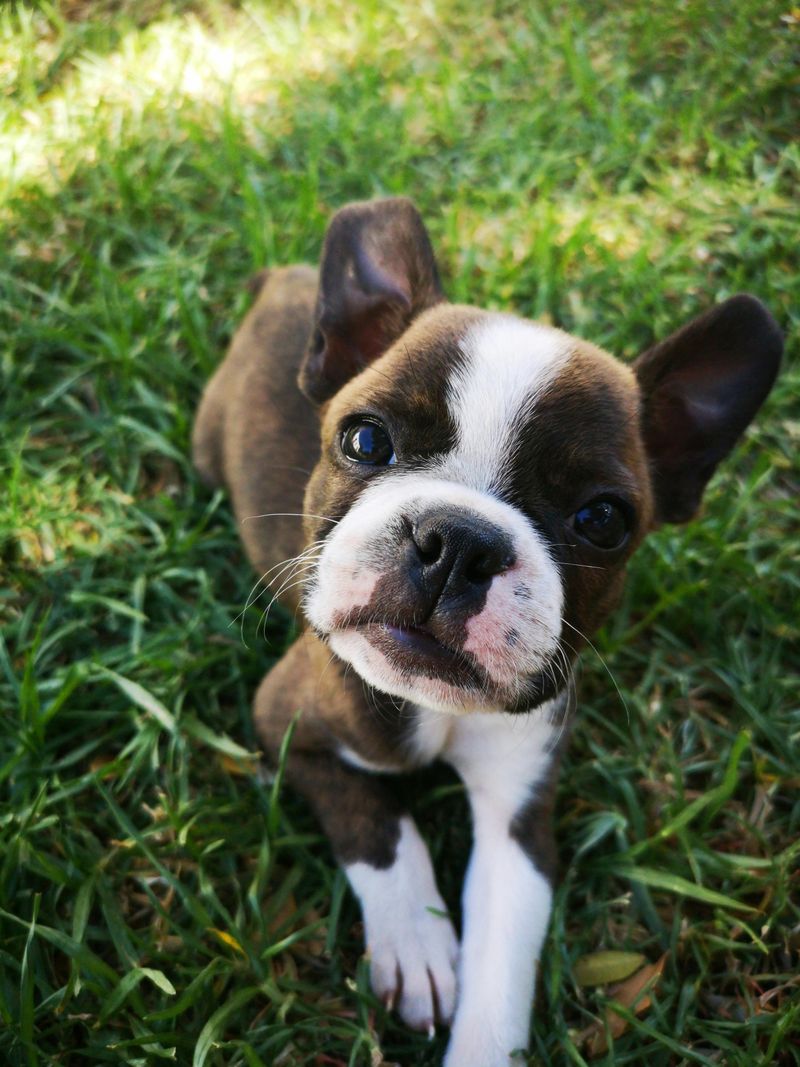
Boston Terriers thrive on your mood, and tone telegraphs it clearly. Call the name with a playful bounce, and you will get goofy eye contact and wiggly readiness.
When the world feels loud, a slow, warm tone helps them regroup.
Build reliability through quick, gamey reps that pair tonal cues with easy wins. Bright means come, neutral means wait, soft means breathe.
Pay fast for the first glance, then ask for a sit or touch. In busy sidewalks, sing the name lightly, then reward the pivot.
Soon your Boston will treat tonal shifts like traffic lights, delivering quick check ins, smoother transitions, and charming cooperation whenever your voice reshapes their name just a bit today.
Brittany
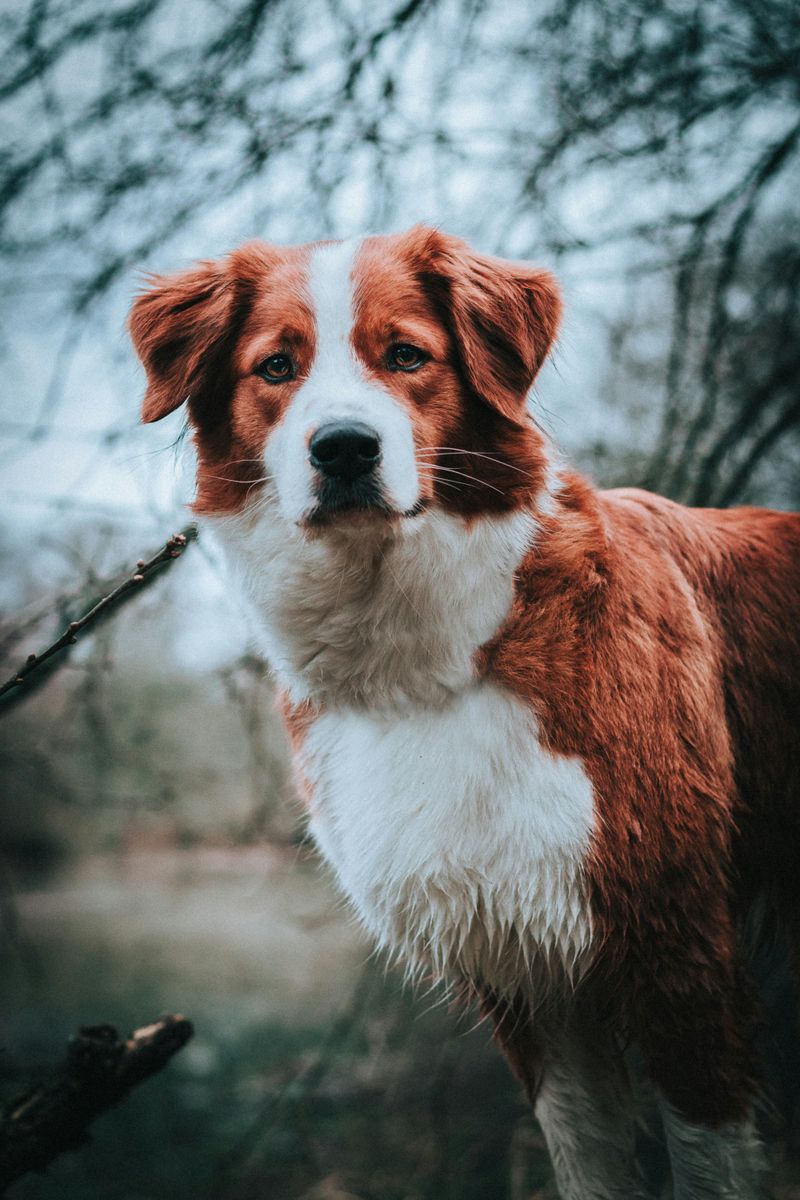
Brittanys are enthusiastic and birdy, yet highly responsive to tone from trusted handlers. A bright, crisp name cue snaps their gaze off the horizon and back to you.
When excitement peaks, a lower, slower tone brings balance without dampening spirit.
Train tone associations on walks and field edges. High means return, mid means heel close, low means pause and breathe.
Reinforce lightning fast check ins with tossed treats or a quick tug. If scanning intensifies, shorten the cue and add a hand target.
With repetition, your Brittany will pivot cleanly between search and connection, reading your voice like a compass and reacting instantly when their name carries a distinct color or rhythm. Practice near hedgerows.
Vizsla
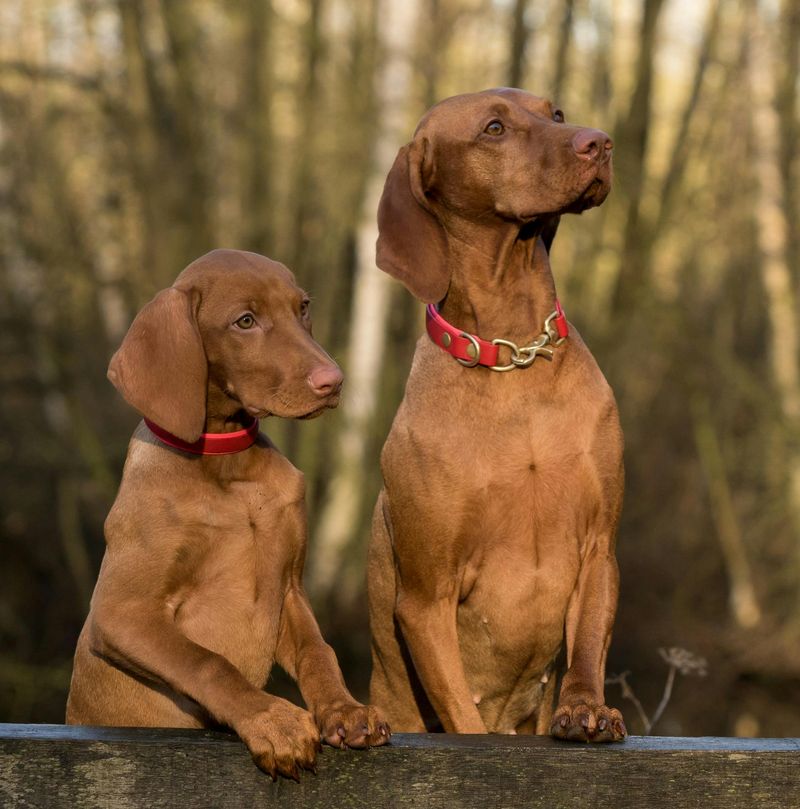
Vizslas are velcro companions, and tonal warmth pulls them like a magnet. Call their name with a bright, musical rise, and you get eager eye contact and a soft sit.
When nerves buzz, a low, smooth tone slows breathing and loosens tension.
Use many tiny reps, marking the first glance, then rewarding heavily. High tone means return, mid means follow, low means settle on place.
Keep movement flowing to match their athletic brains. In new spaces, shorten cues, smile through vowels, and pay fast.
With consistency, your Vizsla reads your vocal color like sheet music, offering rapid check ins, gentle stillness, and joyful engagement whenever the name arrives with a slightly new pitch or tempo.
Keeshond
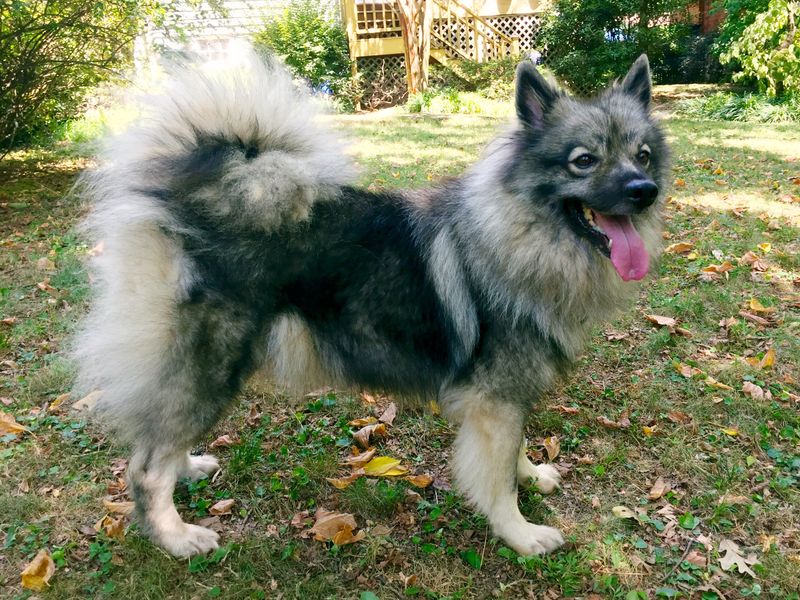
Keeshonden are expressive and people focused, so tonal shifts land with strong meaning. A peppy, rising name cue elicits bright eyes and quick feet.
If watchdog energy bubbles up, a steady, low tone helps them decompress and listen.
Practice tone routines at doors and windows. High means come connect, mid means wait politely, low means relax on a mat.
Reward early glances, then build to positions and stays. When excitement spikes, shorten phrases and soften consonants.
Soon your Keeshond will tie voice color to clear actions, offering speedy check ins, quieter greetings, and flexible focus whenever you shape their name a little differently in lively household moments. Practice during walks and errands daily for reliability.
Havanese
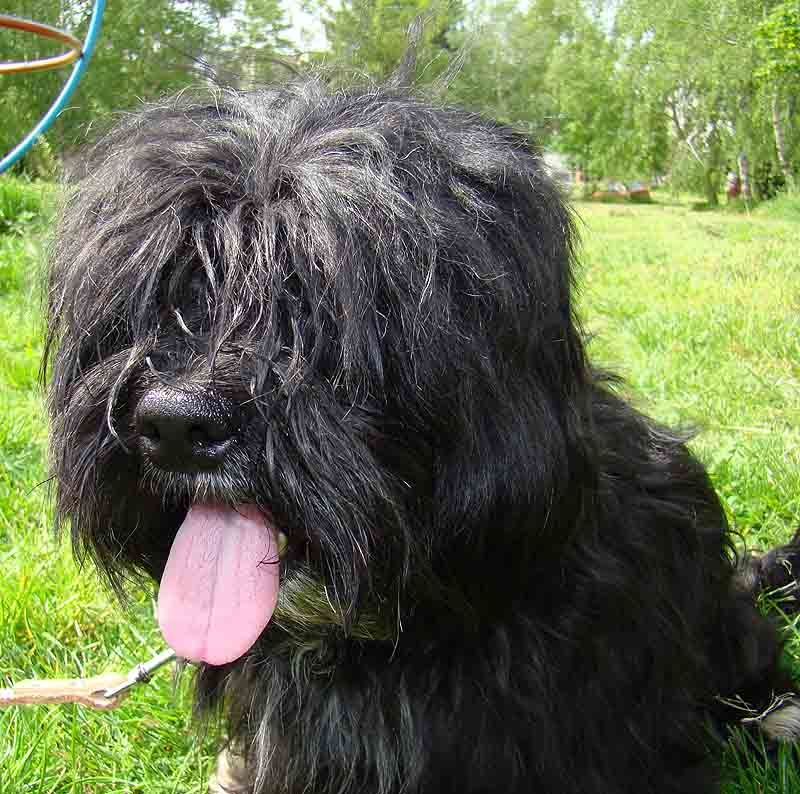
Havanese are cheerful communicators, and tone acts like a friendly spotlight. Call the name with a bubbly rise, and you will get bright eyes and bouncing steps.
When overstimulated, a calm, low tone invites breathing and softer movement.
Use playful, frequent reps that link tonal patterns to easy behaviors. High means come connect, mid means follow close, low means relax on your mat.
Pay quickly for the first glance, then add brief positions. In noisy places, shorten cues and smile through vowels.
Over weeks, your Havanese learns to parse tiny voice shifts, delivering sprightly check ins, cozy stillness, and flexible attention whenever the name arrives colored slightly differently by your mood. Practice in elevators and lobbies.
English Springer Spaniel
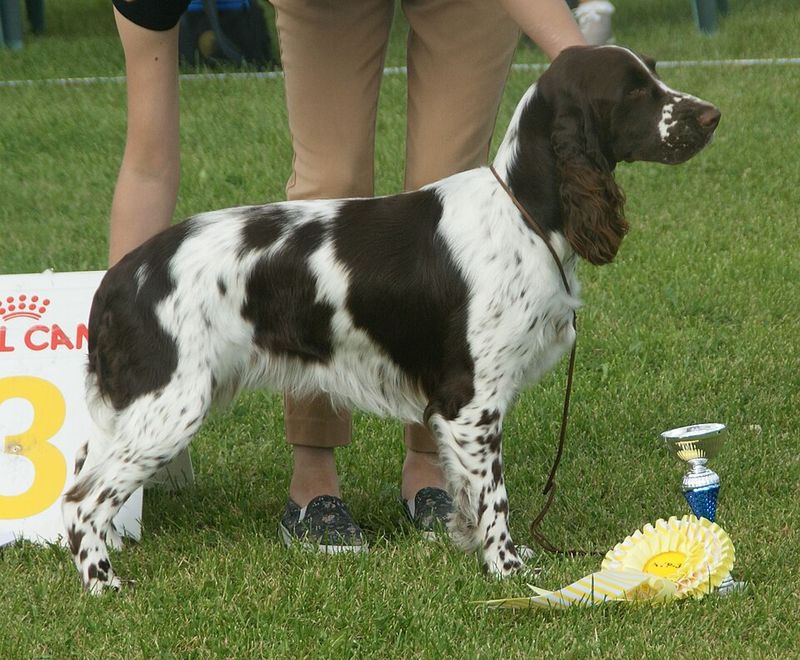
English Springer Spaniels live to work with you, and tonal cues sharpen that partnership. A buoyant, bright name call pulls them off scent lines instantly.
When excitement crests, a slow, smooth tone resets arousal and invites steadier choices.
Build tone maps during field games and hallway drills. High means return, mid means heel up, low means settle in place.
Reward the very first ear flicks so speed becomes habit. If scanning escalates, shorten cues, drop your pitch, and add a chin rest.
With repetition, your Springer reads your voice like signals on a hunt, offering fast check ins, tidy transitions, and present attention whenever their name carries a subtly new pitch. Practice near fences and fields.