Some dogs were born to fetch balls, but others were bred for oddly specific missions you might never guess. From puffin hunters to truffle sniffers, these breeds made their names solving practical problems in tough places.
As you read, you will start spotting the clever design choices behind each coat, paw, and mindset. Get ready to meet the specialists hiding behind those wagging tails.
Bloodhound
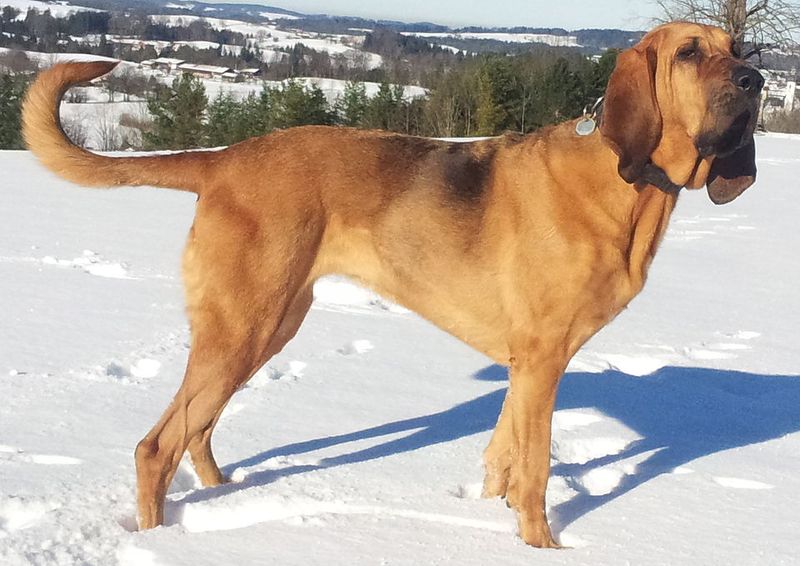
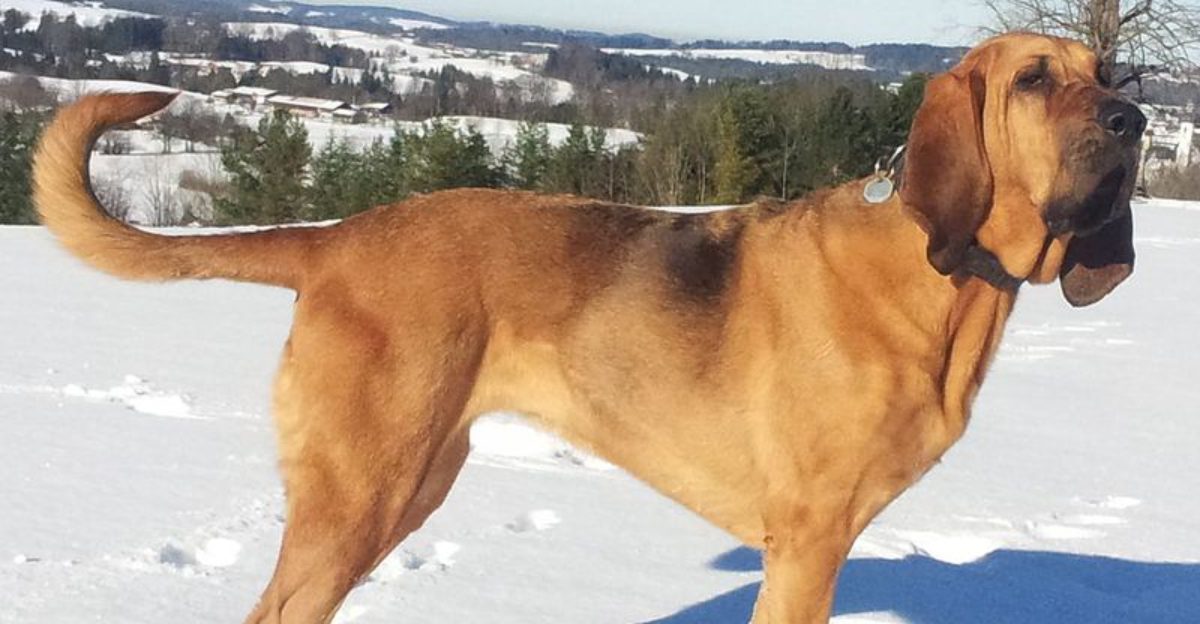
Bloodhounds were engineered to do one thing brilliantly: follow a human scent for miles. Their long ears sweep odors toward a supercharged nose, while wrinkled skin traps scent particles.
If you have ever watched a search line in a wilderness rescue, chances are a Bloodhound was leading with quiet certainty.
These dogs traced fugitives, found missing people, and even verified legal evidence. You might think stubbornness is a flaw, but here it becomes relentless focus.
Give them a trail and they will write the story from smell alone. Modern handlers still trust that drooped head and determined pull, because few living creatures read the ground like a Bloodhound.
Otterhound
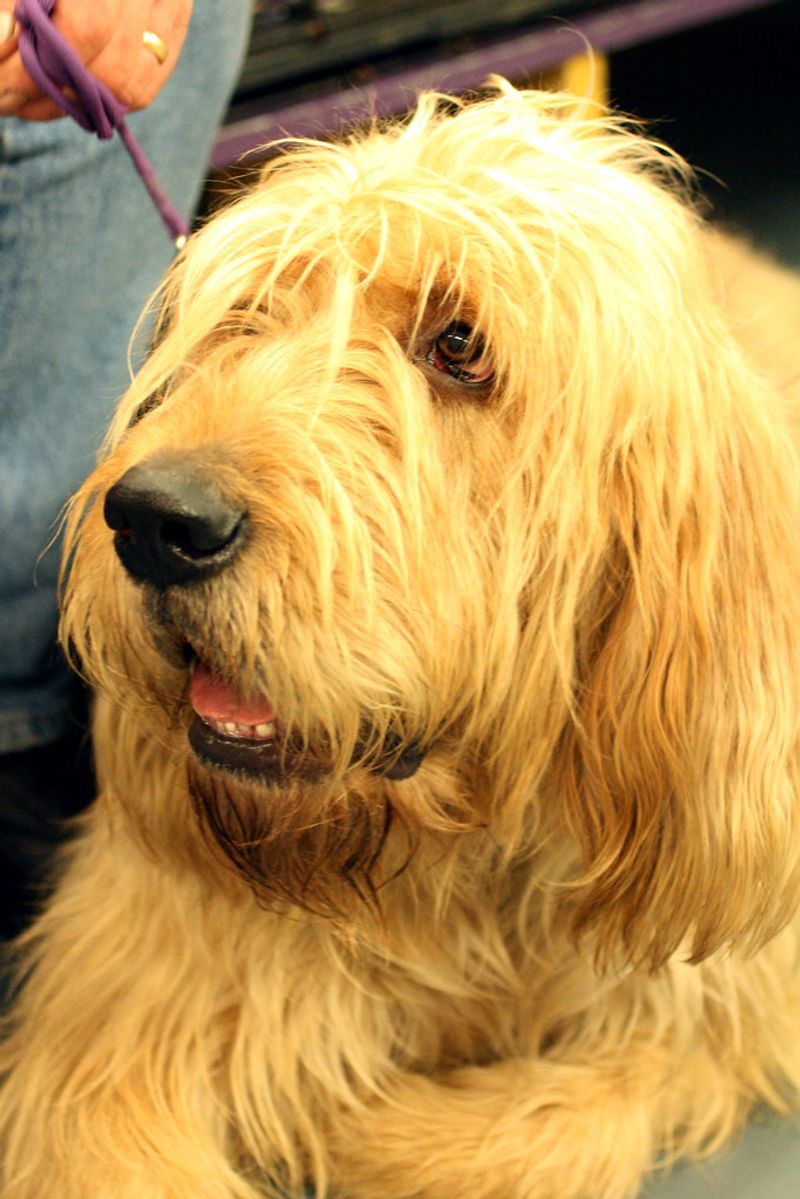
The Otterhound was bred to patrol British rivers, tracking otters that raided fish stocks. A rough, oily coat sheds water, and webbed feet churn through currents with surprising grace.
If you picture dawn on a chilly stream, this dog’s nose is already mapping eddies and banks for hidden scent.
As otter hunting faded, so did the breed’s numbers, making it one of the rarest. You can still feel the river in their enthusiasm for swimming and following winding trails.
They thrive where water, mud, and noise exist together. Give them a job that blends endurance with investigation, and you will see why millpond keepers once relied on this serious, splash-loving detective.
Norwegian Lundehund
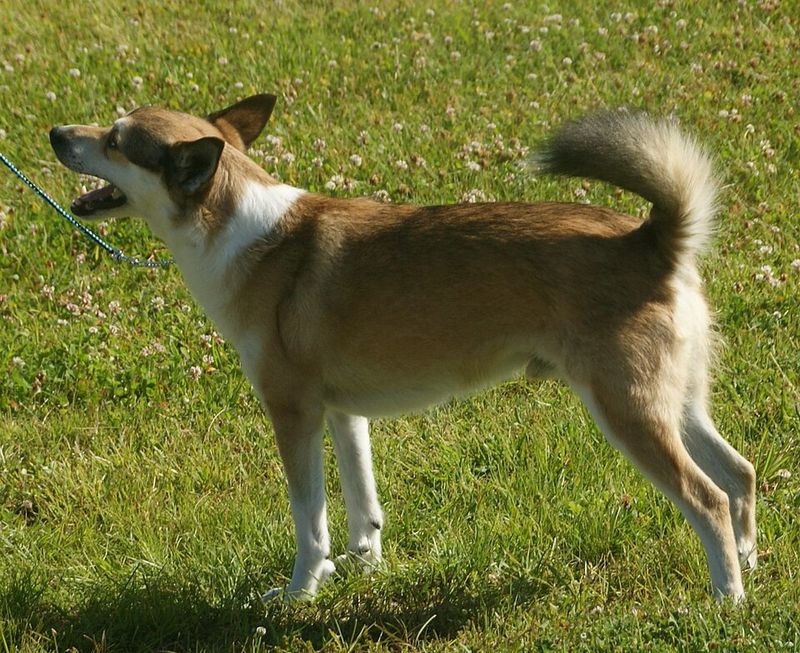
The Norwegian Lundehund is a cliff acrobat designed for raiding puffin nests on Nordic islands. Extra toes with flexible joints act like crampons, giving grip on near-vertical rock.
A hyper-flexible neck and shoulder let the dog reach deep into crevices without tumbling into the sea.
This quirky anatomy had a singular purpose: retrieve live birds and eggs where humans could not climb safely. When puffin hunting ended, the breed nearly vanished, saved by dedicated fanciers who valued its strange gifts.
Bring a Lundehund into your life and you inherit a mountaineer in miniature. Narrow passages, puzzle toys, and scrambling terrain still light up those bright, curious eyes that once scanned stormy cliffs.
Lagotto Romagnolo
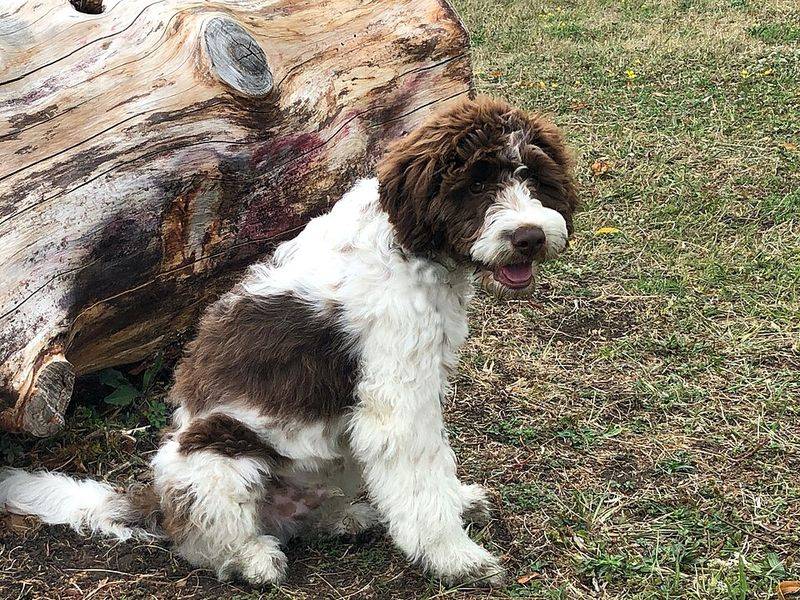
The Lagotto Romagnolo is the truffle detective of Italy, bred to locate aromatic treasures hidden beneath soil and roots. Tight curls protect against brambles and chill while the dog works carefully beside your boots.
Watch one zigzag a grove, and you will see a map drawn in scent, not lines.
Originally a water retriever, the breed was perfected for nose work when firearms changed hunting styles. Today, gourmet markets still depend on these quiet partners to find white and black truffles.
If you crave purpose-driven companionship, this dog channels energy into mindful searching. Keep training gentle and fun, and you will taste the reward in risotto long after the trail ends.
Belgian Malinois
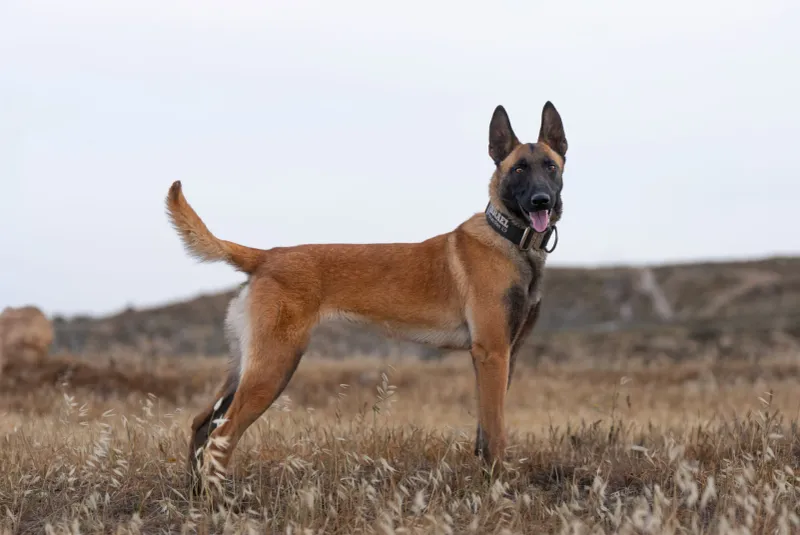
Belgian Malinois were bred for intense herding, then proven as modern guardians of security and service. Their hallmark is precision under pressure.
You might notice the sleek build and think sprinter, but the brain is what makes them legendary in police, military, and detection roles.
Explosives detection, patrol work, sky-high obstacles, and tight obedience flow from the same working drive. Give a Malinois a daily mission and you will see joy measured in focus, not cuddles.
They are incredible in the right hands and exhausting in the wrong ones. If your lifestyle includes structured training and clear goals, this breed becomes an elite teammate who reads your body language like a second language.
Border Collie
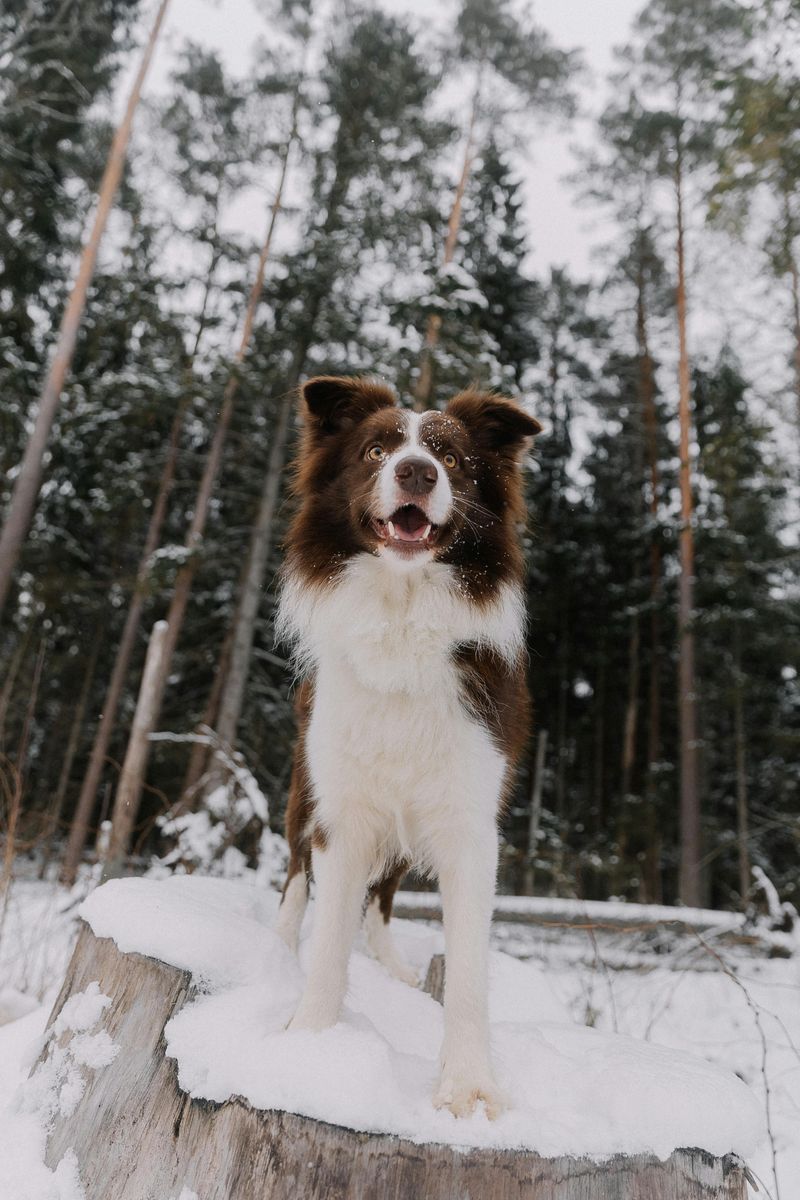
The Border Collie was purpose-built to move sheep with eye, balance, and breathtaking responsiveness. That famous crouch and stare are tools, not quirks, shaping flock flow without chaos.
If you watch one flank then lift a group, you are witnessing a living equation solving itself in real time.
This breed’s brain runs hot, so daily work or complex training is a must. Agility courses, scent games, and precise cues scratch the same itch as a windy hill.
Without outlets, they invent jobs you will not like. With structure, they become poetry in motion, turning whisper-level signals into precise arcs that make shepherding look like art.
Australian Cattle Dog
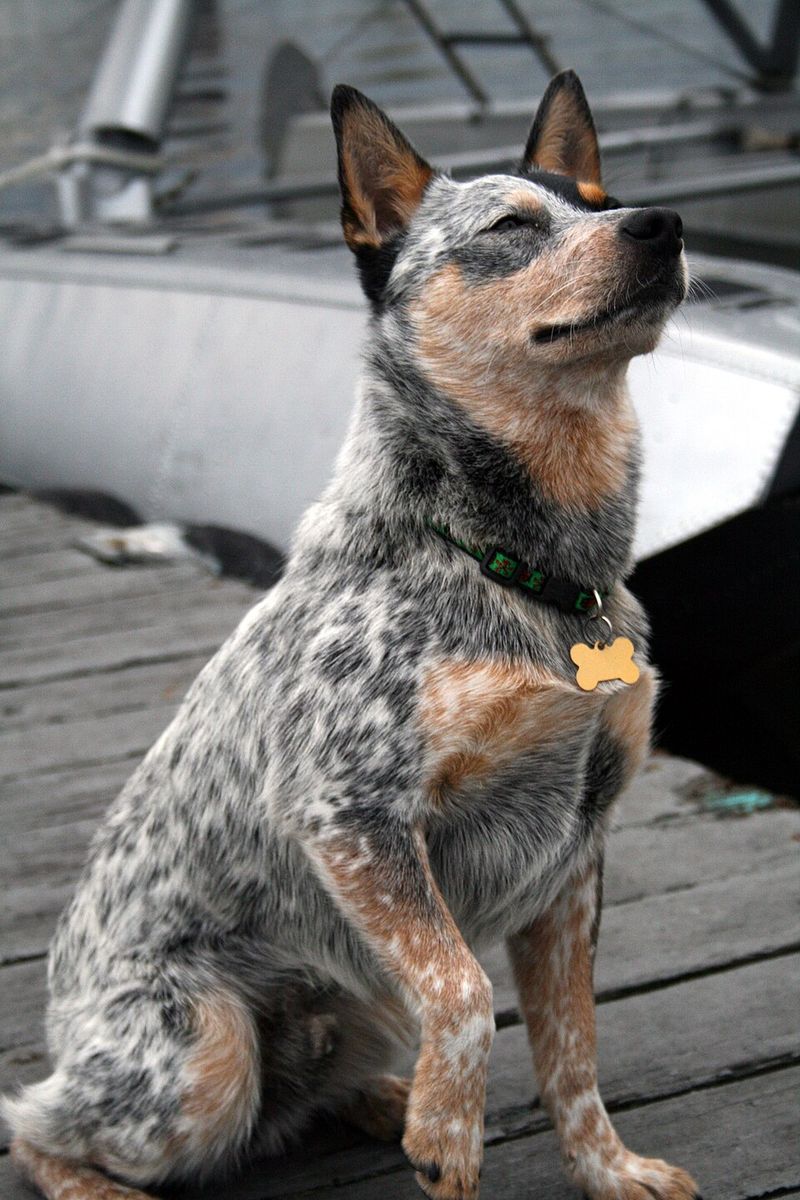
The Australian Cattle Dog was crafted to push half-wild cattle across huge distances. Heeling behavior, a controlled nip at the hocks, keeps stubborn beasts moving without panic.
That speckled coat and compact frame stand up to heat, brush, and long days that would wilt softer breeds.
Energy here equals purpose. Give this dog a job and you will watch grit turn into grace.
They excel in herding trials, obedience, and anything that rewards problem solving. Without direction, they may herd kids, bikes, or your patience.
Fair rules, consistent work, and mental puzzles make this partner thrive. Built for the outback but brilliant in suburbia with structure, this is tenacity on four paws.
Anatolian Shepherd
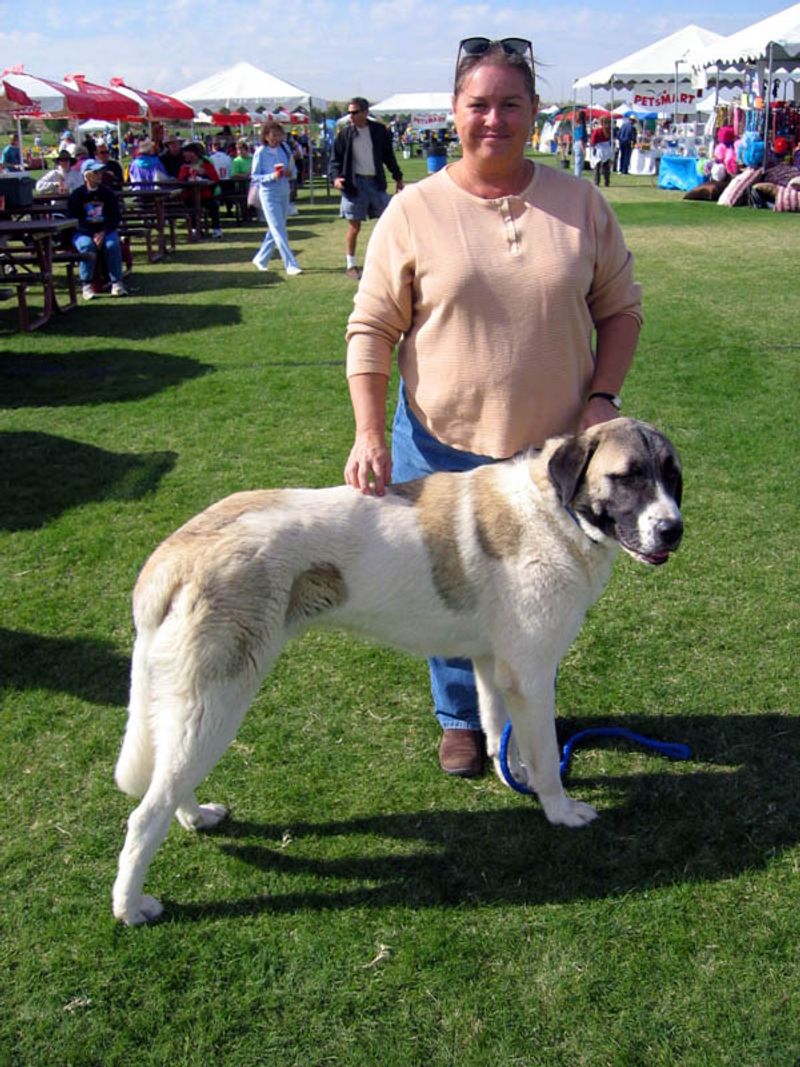
The Anatolian Shepherd guarded livestock in Turkey against wolves and thieves across lonely steppes. Independence was essential, because help might be miles away.
If you need a partner who surveys a horizon and decides calmly, you will appreciate this breed’s cool self-possession.
They bond hard to their territory and flock, reading subtle changes in posture or scent. Training is about partnership, not micromanagement, because they were not designed to fetch instructions every minute.
With proper boundaries, they become serene anchors at home. Without them, their protective nature can outpace your leadership.
This dog remembers ancient nights under cold stars, when one bark meant safety and silence meant danger.
Great Pyrenees
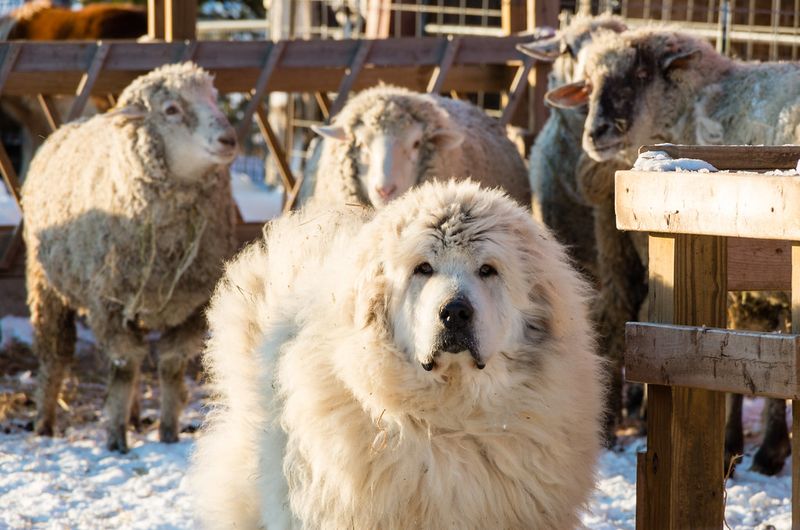
The Great Pyrenees worked as a nocturnal livestock guardian in mountain passes, blending with sheep like a moving snowdrift. That white coat is camouflage and insulation.
If you have ever wondered why they seem dreamy by day, it is because the original schedule started at dusk.
Calm confidence, not frantic energy, defines the job. They position themselves between threat and flock, escalating from warning posture to action only if needed.
Gentle with family and stubborn with strangers, they thrive on clear territory and routine. Give this giant purpose, and you will get a steady sentinel who loves a cool breeze and a good vantage point.
Komondor
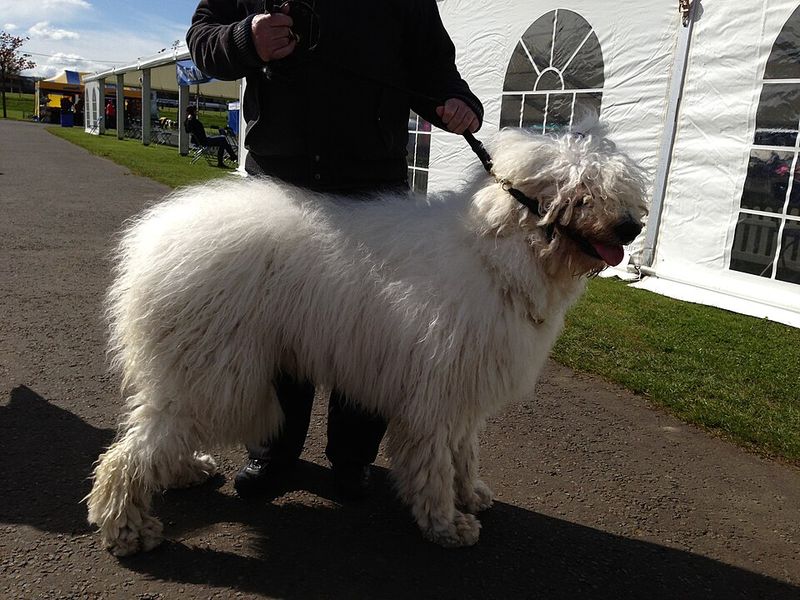
The Komondor’s dramatic cords are armor and camouflage, built for guarding sheep on Hungarian plains. Those dense mats protect against weather and predators, turning a silhouette into a sheep-shaped shadow.
If you have seen one move silently at night, you understand intimidation without noise.
They think like independent managers, not employees. Clear boundaries and respectful training create trust with a dog bred to act alone.
Grooming the cords demands patience, but the payback is a cool, confident guardian presence at home. They are affectionate with their people yet naturally suspicious of strangers.
Give them a role and they will deliver steadfast watchfulness that feels almost ancient.
Puli
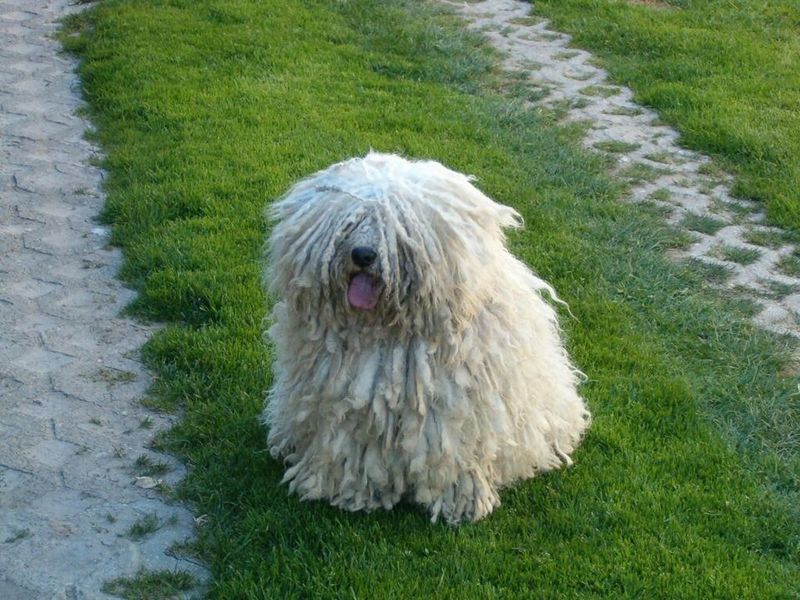
The Puli is a Hungarian herder whose cords developed for weather protection while darting through flocks. Light, quick, and exuberant, this dog worked close to shepherds, turning sudden bursts into tidy movement.
If you see a Puli bounce, that spring was forged on grass and wind.
Unlike the Komondor’s guard focus, the Puli’s mission was agile control. Modern sports like agility and rally show the same playful precision.
Grooming takes dedication, but those cords are functional history. Give this dog puzzles and purposeful play, and you will meet a comedian who can still clock in for serious work when asked.
Small body, big engine, endless heart.
Portuguese Water Dog
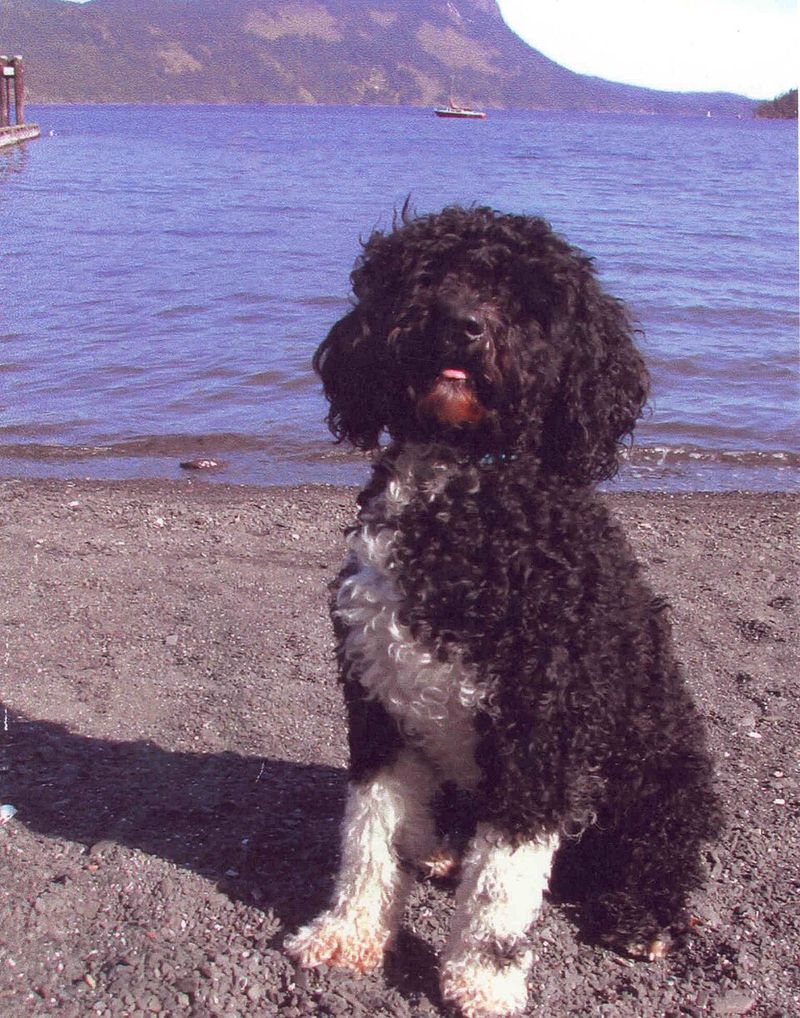
The Portuguese Water Dog ferried messages between boats, retrieved nets, and even herded fish toward lines along Portugal’s coast. That strong swimmer’s body and curly, water-resistant coat tell the tale.
Imagine choppy Atlantic mornings where a quick, reliable partner meant dinner for the village.
On land, the same enthusiasm becomes joyful training sessions and family adventures. These dogs like tasks that blend obedience with athletic play, especially anything that ends in a splash.
Keep sessions upbeat and you will unlock a cheerful teammate who lives to participate. The job may have changed, but the instinct to help remains, bright-eyed and eager.
Chesapeake Bay Retriever
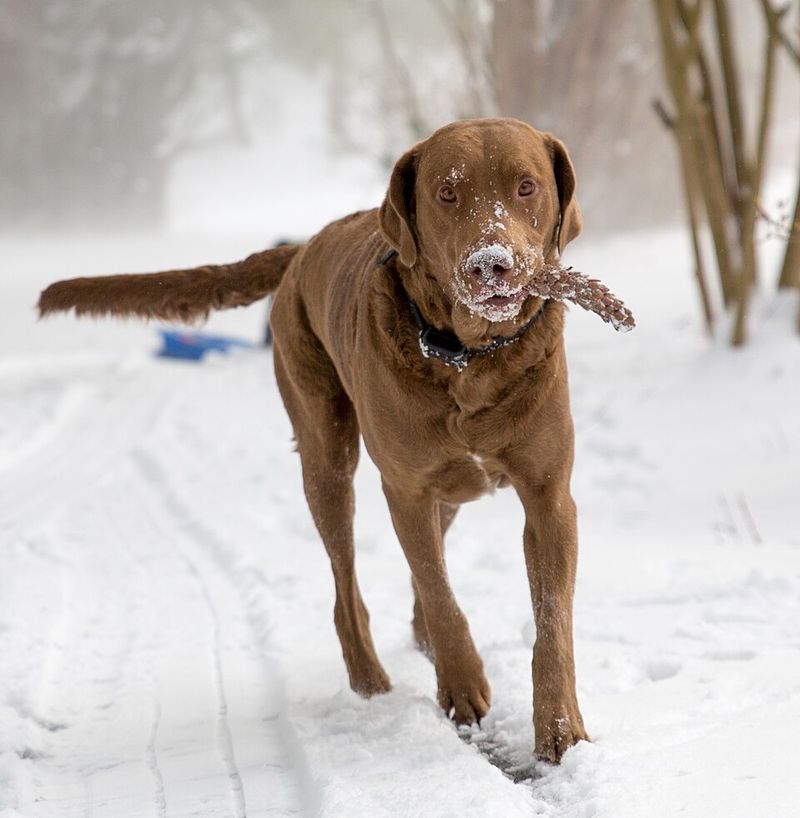
The Chesapeake Bay Retriever earned fame retrieving waterfowl in brutal, icy conditions. A dense, oily coat repels cold, while strong legs punch through chop that would stall softer swimmers.
If you need grit wrapped in loyalty, this dog brings duck boats and dawn blinds to mind.
They are thoughtful, sometimes stubborn, and intensely bonded to their people. Training benefits from consistency and fair expectations, reflecting a history of long, cold retrieves that rewarded steady effort.
Give a Chessie a real job, from dock diving to search work, and you will see purpose shine. The water still calls, and they still answer.
Wirehaired Pointing Griffon
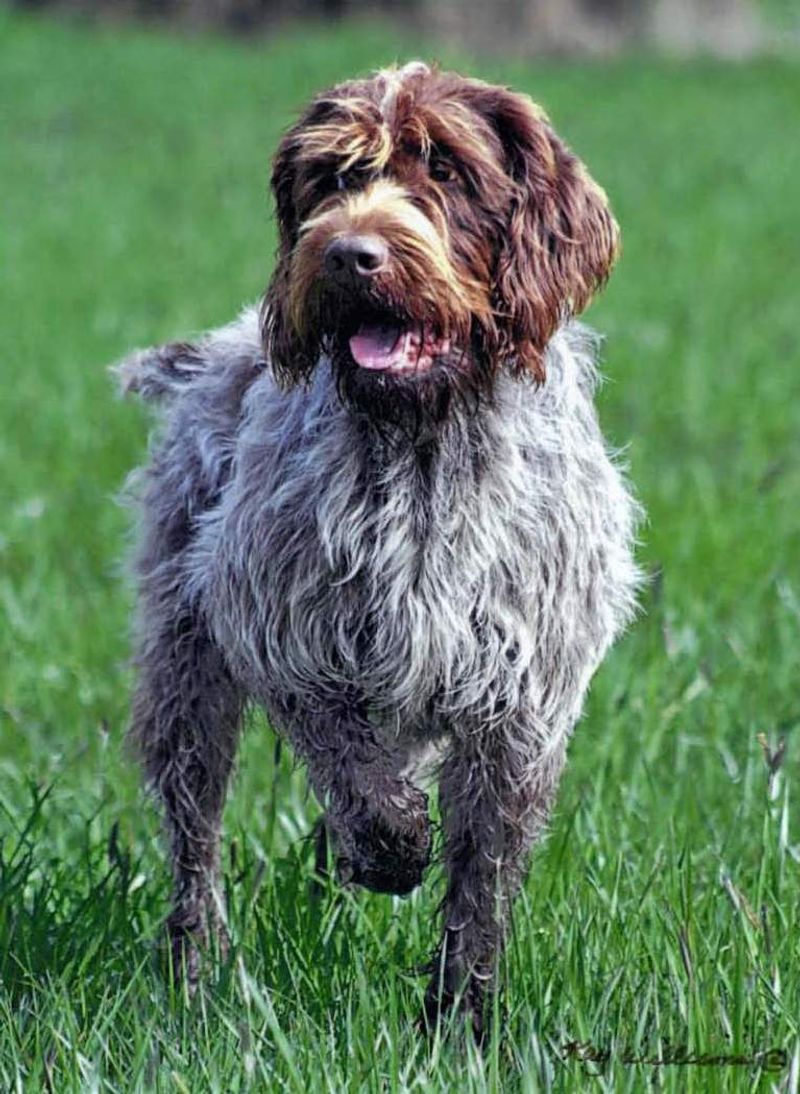
The Wirehaired Pointing Griffon was developed as a versatile gun dog for foot hunters who needed one partner for pointing, retrieving, and tracking. A harsh coat shields against briars and weather, and a cooperative nature keeps the dog close.
If you walk upland fields, this breed reads your pace like a compass.
They excel at methodical coverage rather than sprinty chaos, making them ideal for deliberate hunts. At home, they are affectionate clowns with serious work ethic outside.
Give them varied tasks and you will enjoy a steady, eager teammate whose beard always seems to collect leaves. Field, marsh, or living room, the Griffon adapts.
Finnish Lapphund
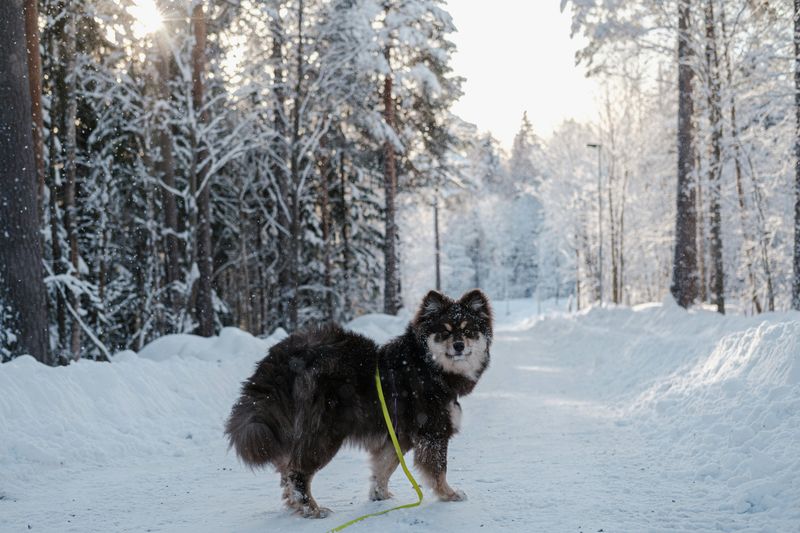
The Finnish Lapphund helped the Sámi people manage reindeer, working calmly in bitter cold and shifting light. A thick spitz coat shrugs off weather while a gentle, talkative demeanor keeps skittish herds moving without panic.
Picture a soft bark and wide circle, not a hard chase.
That patience translates neatly into family life. They read people well and relish a job that balances movement with sensitivity.
Whether rally obedience or long hikes, they thrive when trusted to make small decisions. Give them warmth, a clear routine, and a reason to trot, and you will meet a companion who still hears sleigh bells in the wind.
Keeshond
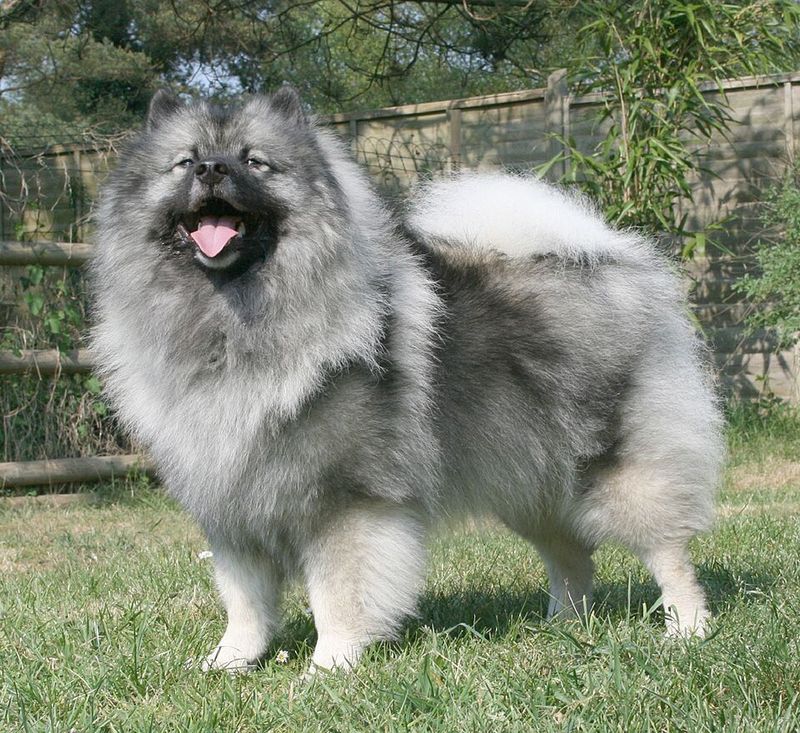
The Keeshond was the cheerful watchdog of Dutch canal barges, keeping families company and alerting to strangers along busy waterways. Their compact size fit narrow decks, and that foxlike grin made for friendly public relations.
If a bell rang or a rope tugged, the Keeshond noticed first.
Today, they bring the same social smarts to apartments and porches. Expect warnings, not aggression, and a fondness for being in the middle of your conversations.
Training is easy when you reward attentiveness and keep things upbeat. They are natural greeters who remember their floating neighborhoods, turning vigilance into warmth.
Schipperke
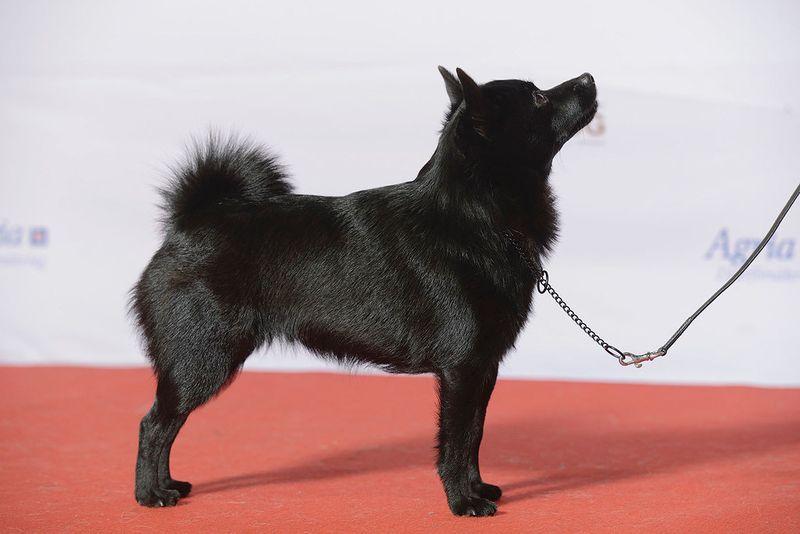
The Schipperke is a tiny skipper from Belgian barges, bred to patrol decks, alert crews, and eradicate pests. Agile and curious, they slip into corners where rats dared to hide.
If you ever wanted a pocket-sized security officer, this little shadow fits the bill.
They carry a bold spirit that outpaces their stature, so training should be firm yet fun. Expect a quick learner who thrives on games, puzzles, and purposeful mischief.
Their history shows in the constant patrol routine around your home. Give them tasks and watch confidence bloom.
Underestimate them, and they will reorganize your day with spirited commentary.
Tibetan Mastiff
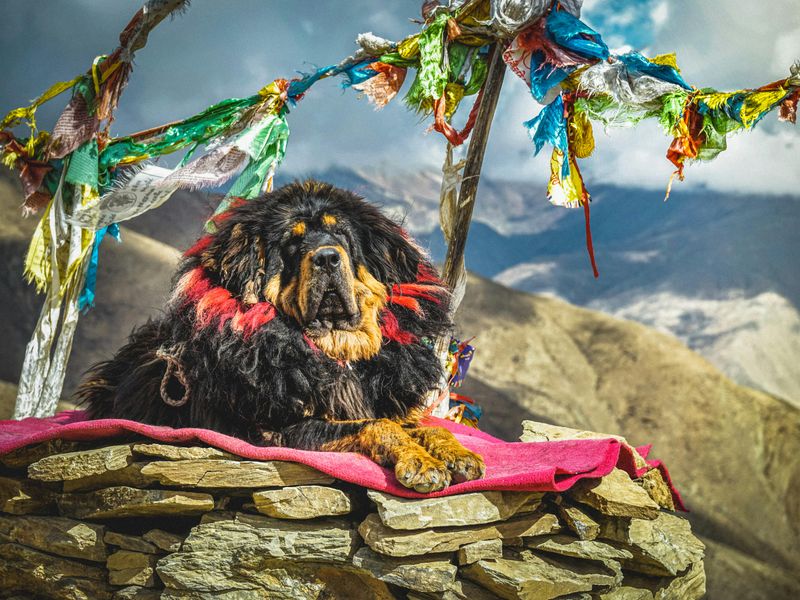
The Tibetan Mastiff guarded Himalayan villages and monasteries, deciding independently when threats approached under cover of night. A massive mane-like coat protected against altitude cold, and a measured temperament balanced patience with explosive power.
Imagine a silent courtyard where one deep bark ends arguments.
Ownership means understanding sovereignty. Clear boundaries and respectful handling help this guardian relax into family life.
They are affectionate on their terms and aloof with strangers, still tuned to ancient routines. If you want a partner who values duty over tricks, you will respect this breed’s long memory.
Home becomes a walled city, and they are its watch.
Bracco Italiano
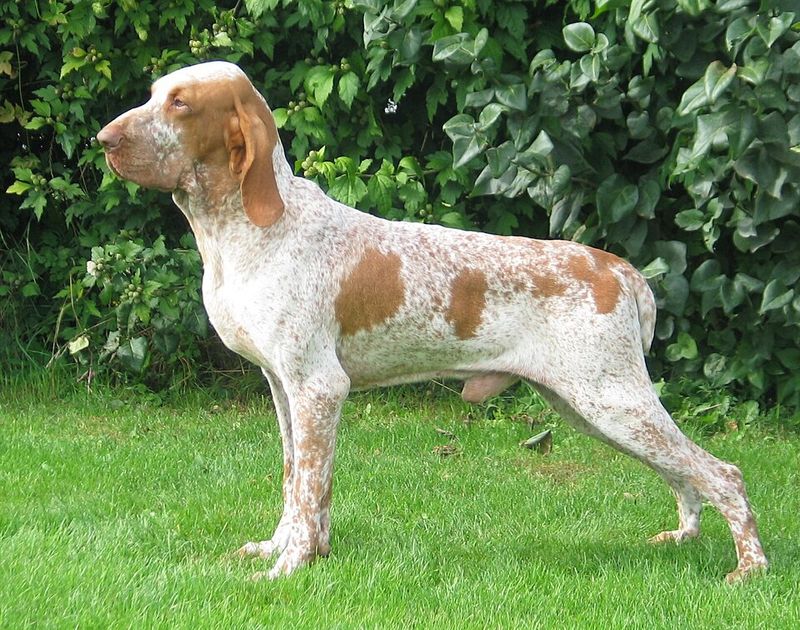
The Bracco Italiano is an ancient Italian pointing breed developed for noble hunts on foot and horseback. A distinctive trotting gait conserves energy while quartering fields, and those soulful eyes stay locked on handlers.
If you prefer teamwork over speed, this dog delivers quiet excellence.
They point, retrieve, and track with methodical grace, thriving on gentle guidance. At home, they are affectionate and sensitive, happiest when included in daily rhythms.
Training should reinforce cooperation, not force, reflecting centuries of partnership. Give a Bracco a steady routine and open spaces to explore, and you will find elegance that still earns its keep in modern fields.