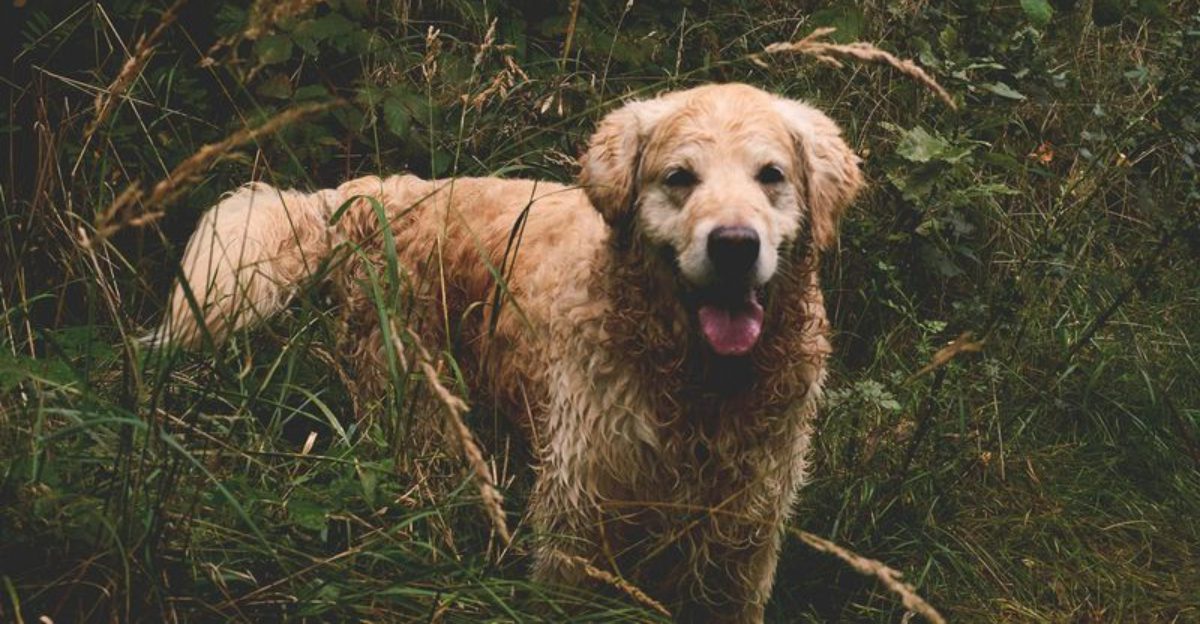
Ever meet two dogs of the same breed and swear they came from different planets? Breed traits help, but individual personality always steals the show.
Here are sixteen breeds where differences between dogs can be huge, along with tips to spot the right fit. Read on so you can choose wisely and bring out the best in the dog you love.
Chihuahua
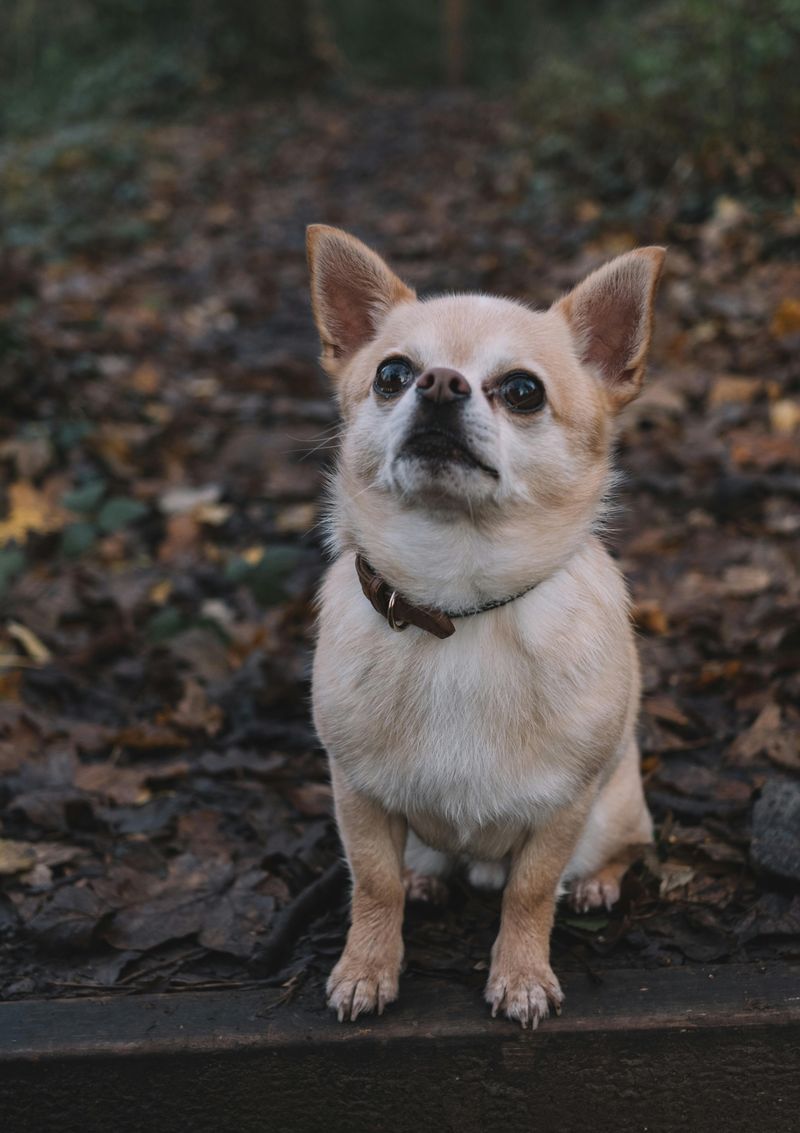
Chihuahuas are tiny, but their personalities swing wildly. One might be a bold pocket rocket, another a snuggly shadow who hates fuss.
Socialization and breeder lines matter a lot, so the same breed can feel like two different species.
Some thrive on city bustle, learning tricks and riding in slings; others prefer quiet laps and predictable routines. You might meet a confident watchdog with comic timing, or a sensitive soul who needs gentle introductions.
If you adopt one, plan for patience, training, and thoughtful exposure, then let their quirks shine. Exercise needs also vary, from brisk daily struts to short sniffy strolls, so tailor playtime, puzzle toys, and naps to the individual dog you discover at home, over time together.
Dachshund
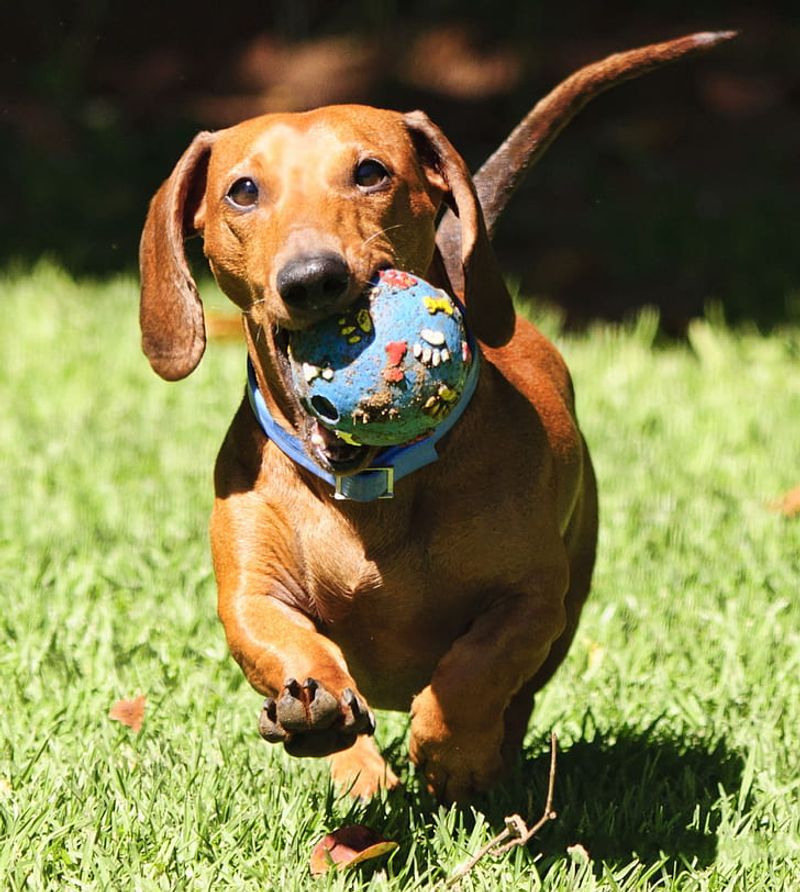
Dachshunds come in clownish extroverts and thoughtful burrowers, even within the same litter. Coat type and line influence energy and drive, yet personality is the real wildcard.
One may chase scents for hours, while another prefers blankets, snacks, and your lap.
Training results can be night and day. Some thrive on games and food rewards, others act stubborn until trust feels secure.
Keep sessions short, celebrate small wins, and manage environments so temptation does not sabotage success.
Exercise needs range widely too. A bold athlete may love scent work, mini agility, or beach walks, while a mellow companion enjoys sunbeams and puzzle feeders.
Meet your dog where they are, and the bond grows every day.
Border Collie
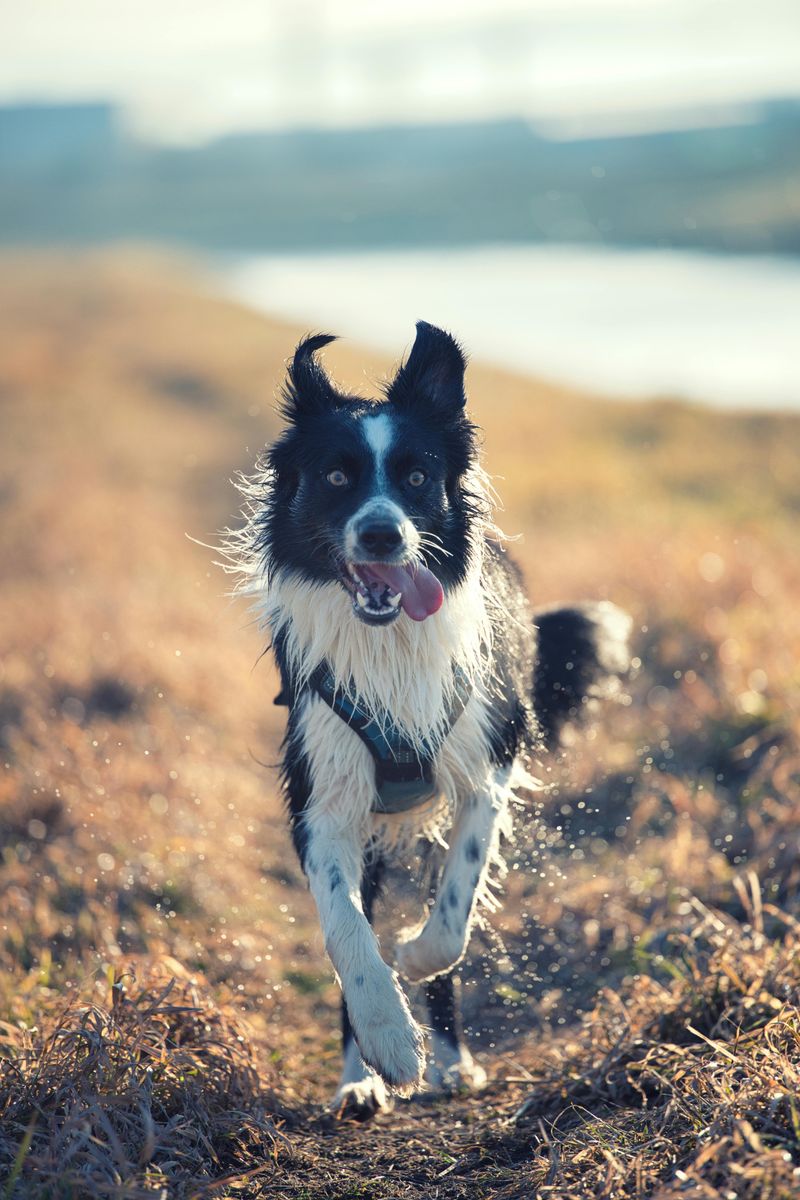
Border Collies are famed for brilliance, yet individuals vary from serene thinkers to kinetic comedians. Some live to herd movement, others prefer puzzles, sniffing, and people focused tasks.
Without the right outlets, quirks can bloom into chaos or marvelous creativity.
Energy levels differ a ton. One dog might meditate beside you after a jog, another pings like a satellite without daily jobs.
You will see the difference fast when structure, rests, and training plans are dialed in.
Try sports like treibball, rally, disc, scent work, or trick titles. For calmer types, long decompression walks and platform games build confidence and focus.
Shape the job to the dog, not the stereotype, and watch partnership sparkle brightly.
Golden Retriever
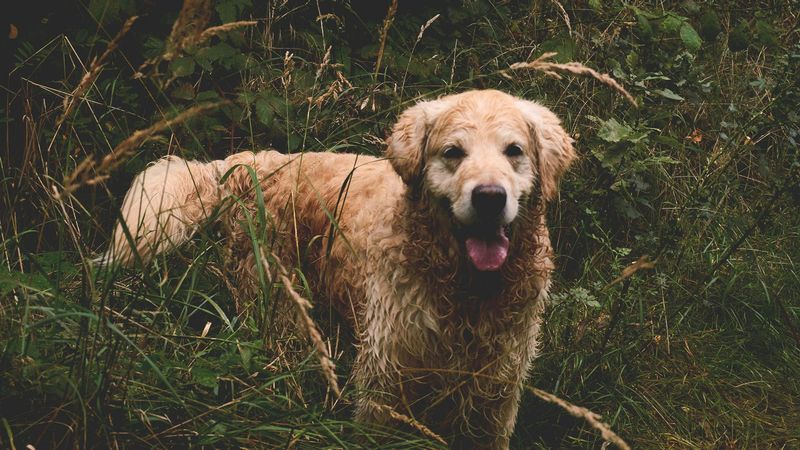
Golden Retrievers are often described as lovable, but personalities still span goofy extroverts to gentle introverts. Some goldens fetch forever, others prefer nosework, cuddles, and calm company.
Lines bred for field work can feel different from companion lines in surprising ways.
Energy and sensitivity vary a lot. One dog shrugs off loud environments, while another wilts without clear routines and rest.
Add structure, teach impulse control kindly, and you will see a steady, thoughtful partner appear.
Activities make all the difference. Try field games, dock diving, trick training, therapy visits, or long hikes, then watch what lights them up.
Match outlets to the dog you have, and golden magic follows. Keep adventures fun and flexible.
Labrador Retriever
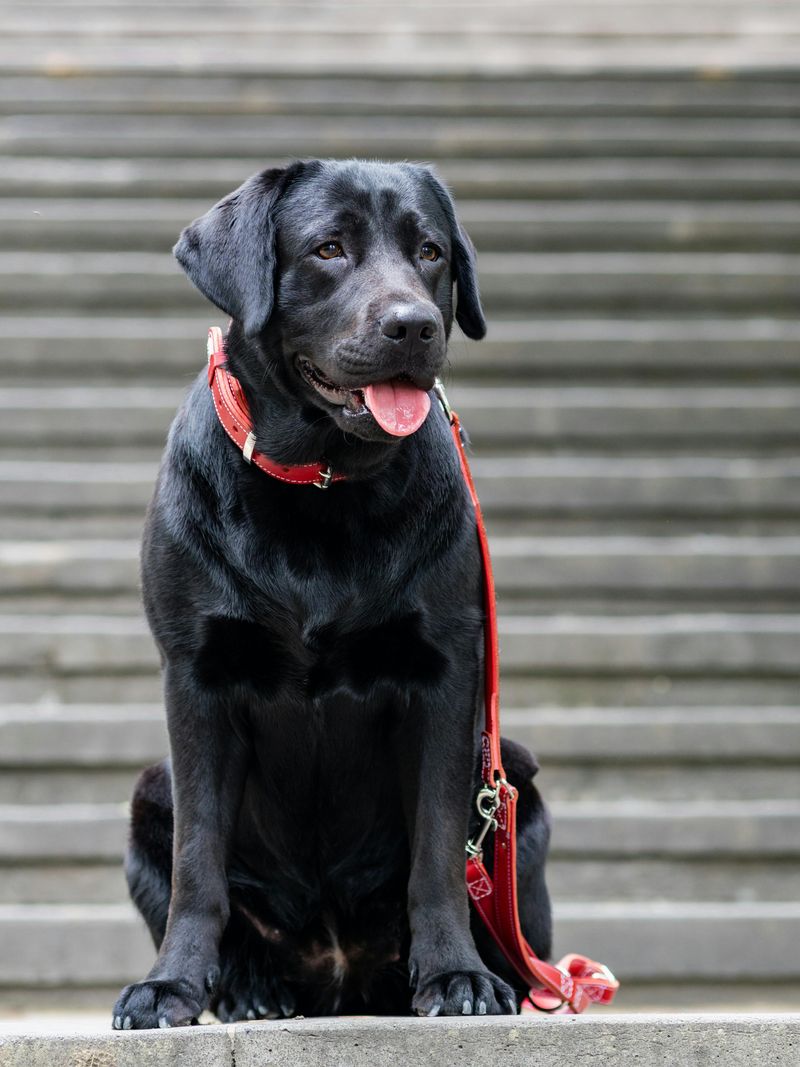
Labrador Retrievers range from high octane athletes to mellow couch buddies. Some labs are toy driven water maniacs, others prefer food puzzles and easy walks.
Field, show, and mixed lines bring different flavors, and socialization shapes the final recipe.
Training styles that click can differ wildly. Many thrive on retrieve games, platforms, and clear markers, while others need calm pacing before excitement.
Watch arousal levels, cue relaxation, and let structure guide that famous enthusiasm.
Outlets vary too. Swim days, tracking, canicross, or gentle sniffaris all suit different Labradors.
Meet the individual in front of you, and the partnership becomes easy, joyful, and comfortably fit for daily life. Keep sessions short when young.
Add rest often.
Poodle
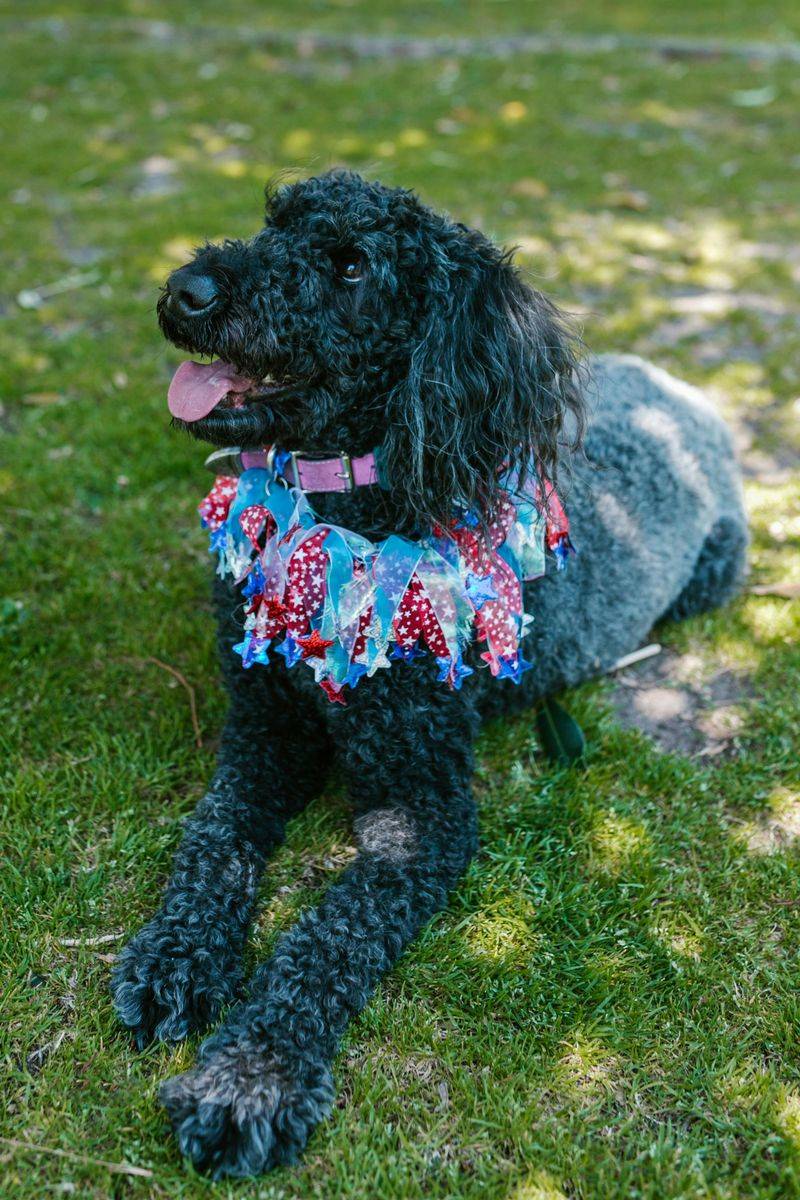
Poodles, from toy to standard, span silly entertainers to reserved observers. Intelligence is consistent, but confidence, bounce, and social appetites vary widely.
You might meet a party animal at the park or a thoughtful learner who warms up slowly.
Grooming comfort also differs. Some tolerate salon buzzers easily, others need gradual desensitization and muffins of praise.
Training shines when you balance brain games, movement, and calm downtime after exciting wins.
Activities range from water retrieves to scent work, rally, and circus tricks. Let curiosity lead, then build confidence through tiny successes and generous breaks.
Match the haircut and the hobby to your dog, and everything clicks. Sensitive ones need predictable routines.
Celebrate calm choices. Daily.
Beagle
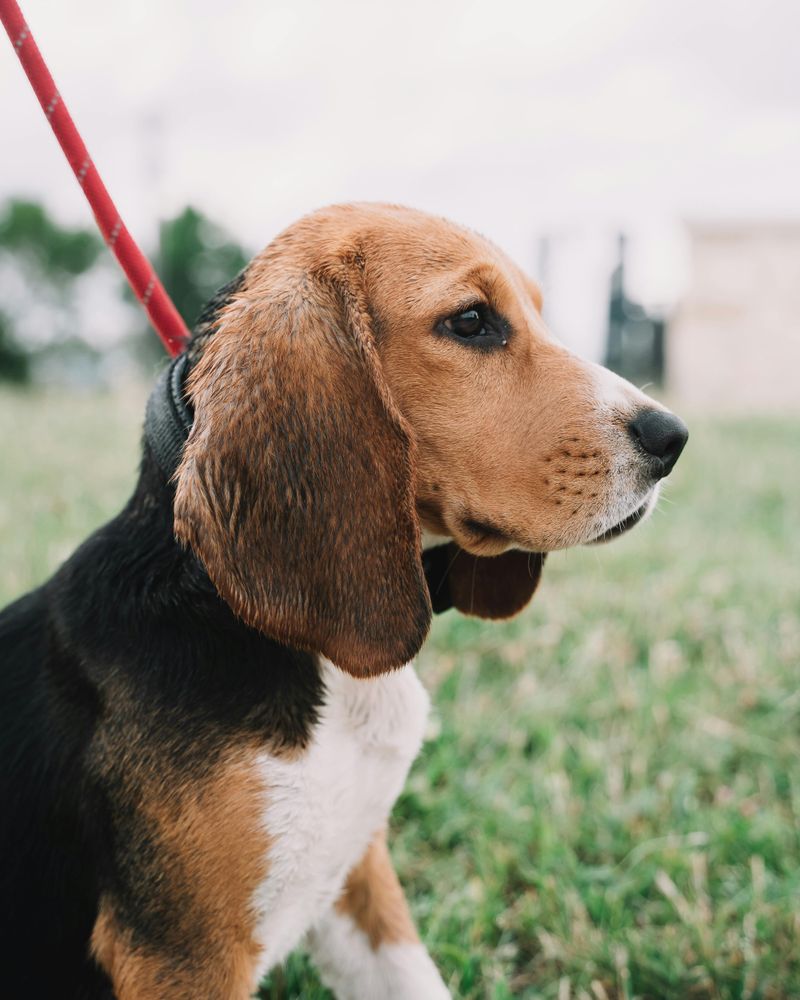
Beagles share a love of scent, yet personalities land all over the map. One might be a goofy greeter, another a focused tracker with quiet manners at home.
Some handle noise and crowds, while others crave peaceful routines.
Training differences are huge. Food motivated dogs learn quickly, but some need scent based games and patient shaping.
Keep leashes secure outdoors, meet those sniffing needs, and suddenly cooperation grows.
Activities can include tracking, mantrailing, hikes, or puzzle hunts at home. You will discover whether your beagle is a social butterfly or a thoughtful explorer.
Either way, tune the day to the nose, and joy follows. Rest days matter for balance.
Protect recall with longlines. Consistency counts.
French Bulldog
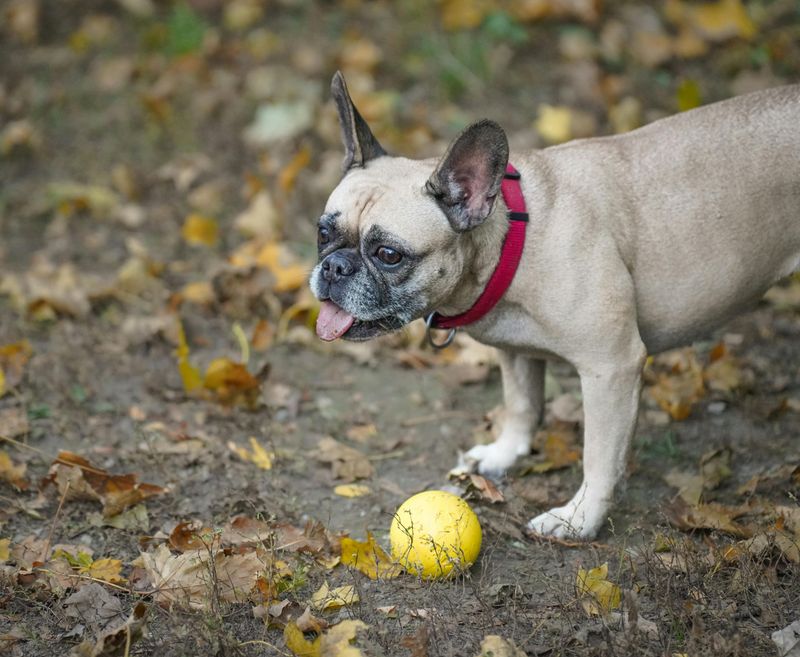
French Bulldogs can be comedians or couch philosophers, sometimes both within the same afternoon. Some lean social and playful, others act reserved until they trust your vibe.
Breeding, health, and early exposure influence how their charm shows up.
Energy levels vary. One bulldog zooms and snorts through games, while another prefers window watching and quiet snuggles.
Short training bursts with air conditioning, shade, and tasty paychecks help everyone succeed.
Activities might include nosework, trick titles, stroller socializing, or short enrichment walks. Monitor heat, joints, and breathing, then adapt the plan.
When you meet the individual, you unlock personality gold without pushing past comfort. Keep play low impact and silly.
Frequent breaks prevent overheating. Water nearby.
Boxer
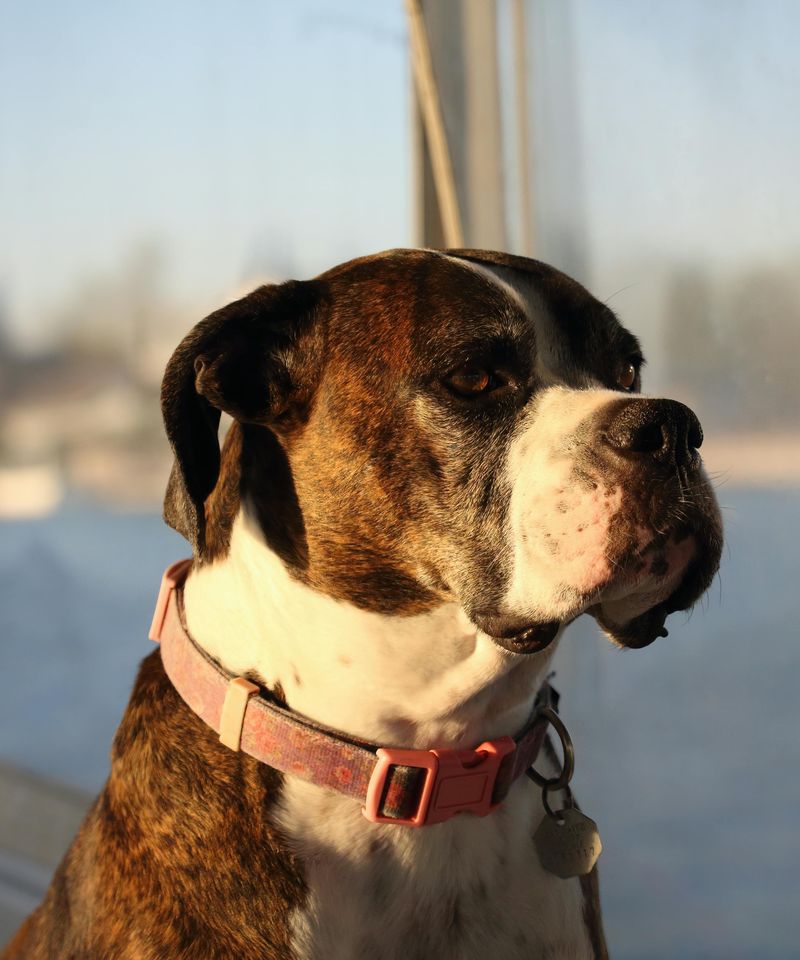
Boxers are famous goofballs, yet their personalities vary from sensitive cuddlers to rowdy extroverts. Some bounce through life, others study a room before joining the fun.
Health, lines, and early experiences shape whether you get slapstick or soulful.
Training responses differ a lot. Many adore play rewards, while others need calmer, lower arousal work.
Clear boundaries, rest windows, and silly games build focus without crushing spirit.
Activities can span hikes, scent work, rally, flirt pole sessions, or dock style fun. Match intensity to the dog, not the stereotype.
When needs are met, a boxer becomes a hilarious, loyal roommate you brag about. Protect joints and keep sessions short.
Teach impulse control with games. Breathe together.
German Shepherd
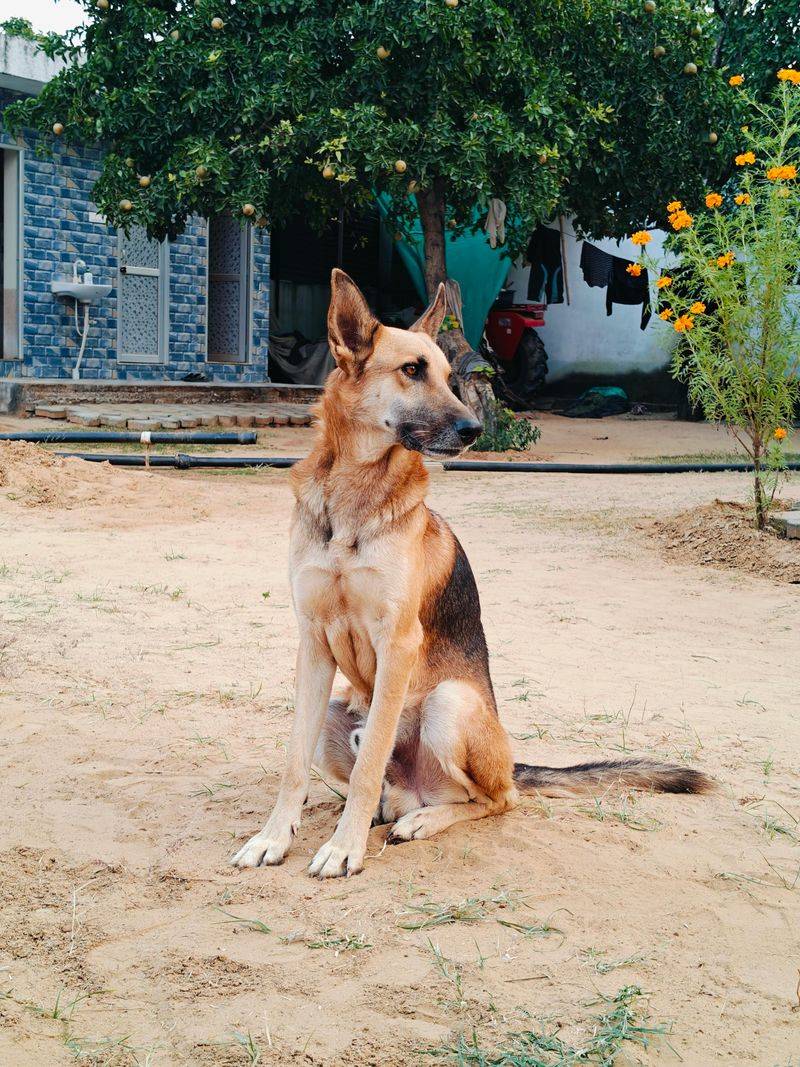
German Shepherds show dramatic individual differences, from confident workers to soft companions. Drives, nerves, and sociability shift by lines and life history.
One dog might patrol the yard proudly, another melts for family and prefers quiet problem solving.
Training styles must fit the dog. Some love precision and obedience drills, others thrive with games, scenting, and decompression walks.
Clarity, neutrality, and rest help big feelings settle into reliability.
Activities might include tracking, protection sports, rally, or therapy work for suitable temperaments. Select outlets by the individual rather than the badge.
When you honor their needs, you get a steady guardian with heart. Mind joints, coat care, and mental decompression.
Confidence builds through fair reps. Daily.
Cocker Spaniel
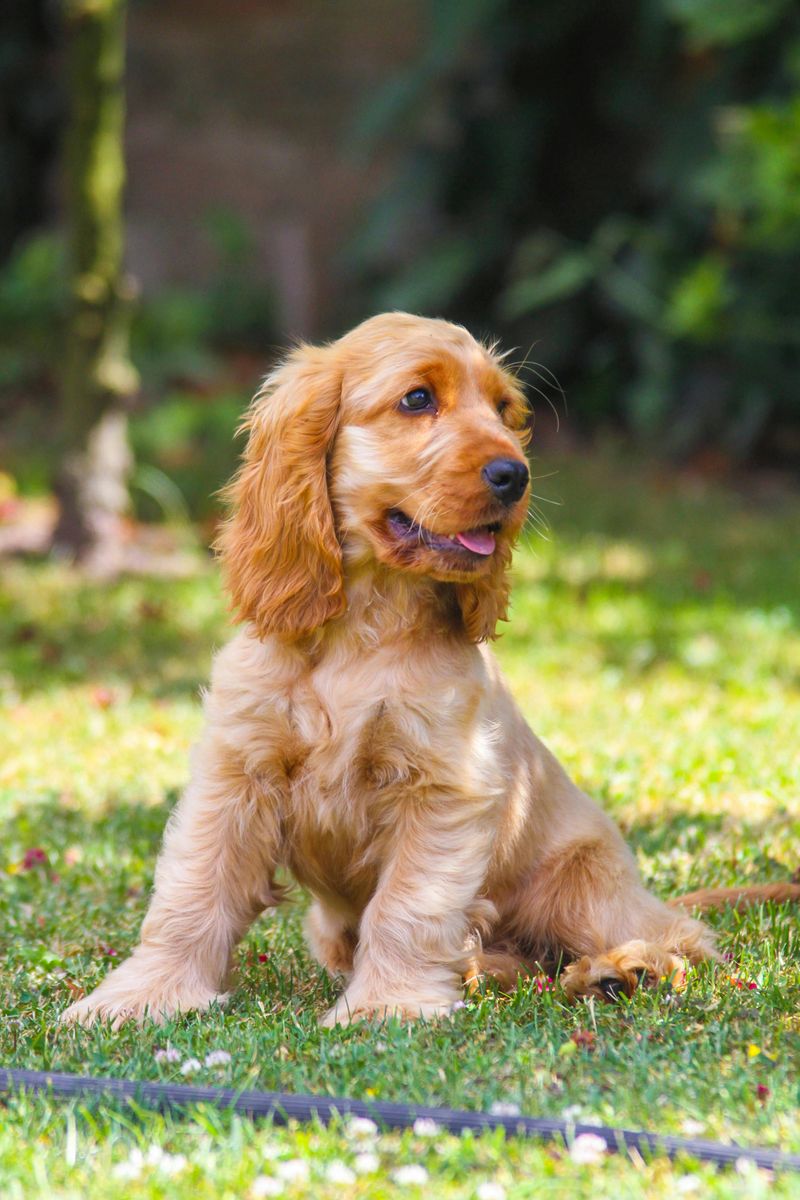
Cocker Spaniels range from bubbly social butterflies to sensitive poets. Some are birdy and busy, others prefer lap time and slow strolls.
Coat care, health, and breeder goals influence energy and confidence in noticeable ways.
Training varies widely. Food love helps many, while others need quiet spaces and slower shaping.
Gentle handling around ears and feet is essential, and routine grooming practice builds trust.
Activities can include field games, nosework, rally, or cheerful trick sessions. Tune arousal carefully, then mix movement with cuddly downtime.
When you honor the spaniel in front of you, life gets softer and more playful. Watch sensitivities to noise and pressure.
Confidence grows with kind choices and predictable patterns. Breathe together.
Shih Tzu
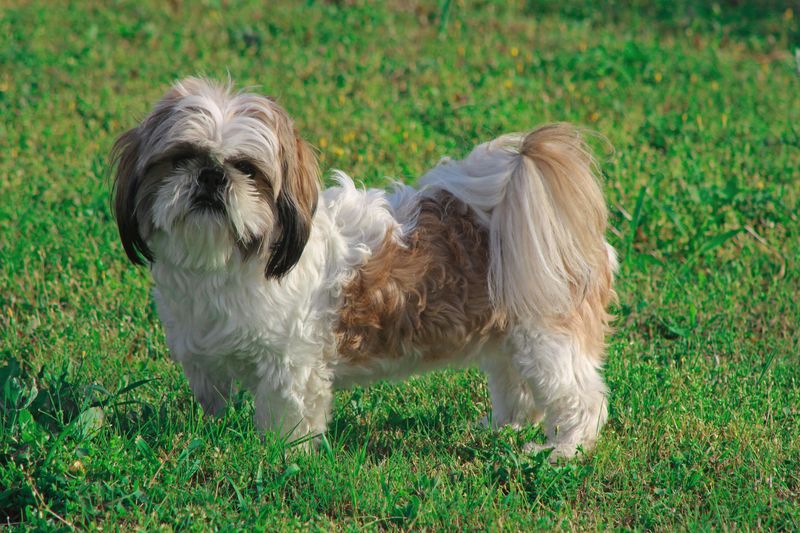
Shih Tzus may be royal lap lovers or spunky floor comedians, depending on the dog. Some enjoy meeting everyone, while others prefer a trusted circle and a cozy bed.
Early handling, grooming comfort, and breeder focus shape very different vibes.
Training tastes differ. Many like food and short games, but some need quiet rooms and slower shaping.
Practice cooperative care, reward calm stillness, and you will see confidence bloom.
Activities include trick training, scent games, stroller adventures, or gentle park strolls. Protect backs and eyes, and keep sessions breezy.
When the fit is right, a Shih Tzu becomes cheerful, loyal, and extremely endearing. Grooming practice little and often works best.
Play mats help stability. Patience.
Australian Shepherd
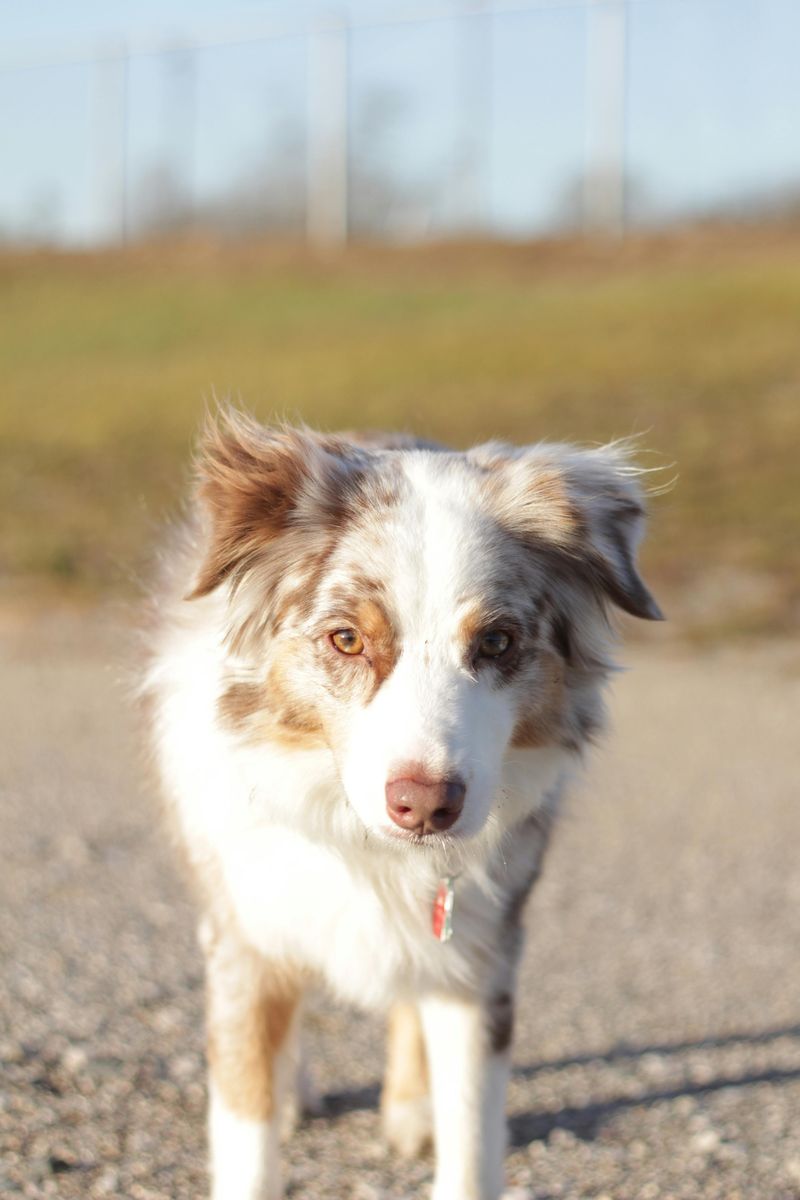
Australian Shepherds run the spectrum from intense workaholics to bouncy social sidekicks. Some have big motion sensitivity, others are unflappable cuddlers after exercise.
Lines, early experiences, and outlets determine whether energy feels chaotic or beautifully channeled.
Training needs vary widely. One dog crushes agility sequences, another prefers nosework or rally patterns.
Structure, decompression walks, and fair criteria help thinking brains settle into reliable partnership.
Activities might include stock work, disc, hikes, trick titles, or tracking. Match intensity to the dog in front of you, then add rest.
When the channel is right, an Aussie glows with purpose and joy. Watch sensitivity to sound and pressure.
Confidence grows through thoughtful exposures and gentle wins. Breathe together.
Pug
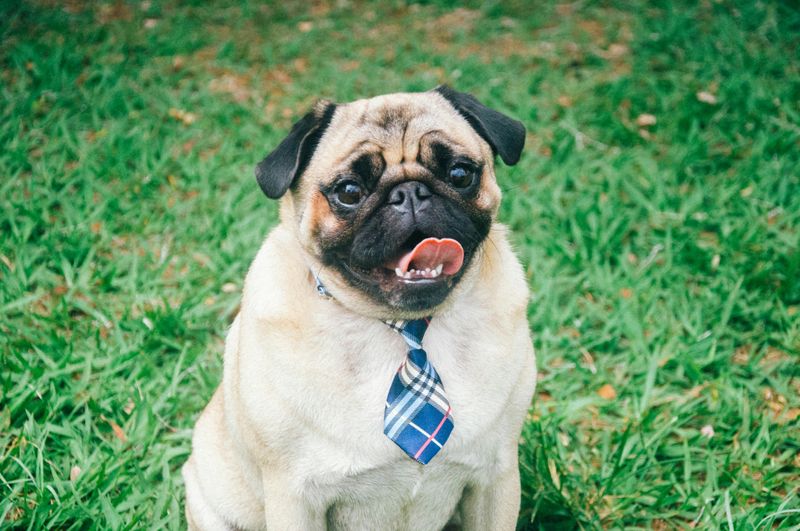
Pugs are charming comedians, yet individuals swing from zippy socialites to mellow snugglers. Some enjoy meeting everyone, others prefer a few trusted pals and predictable naps.
Snorts, silliness, and sensitivity create surprisingly different daily rhythms.
Training can look opposite from dog to dog. Food helps many, but some need play breaks, sniff time, and very short sessions.
Protect breathing, watch heat, and reward calm focus generously.
Activities include trick training, stroller socializing, puzzle snacking, and gentle walks. You will quickly spot whether your pug is a party starter or a reserved homebody.
Meet the dog kindly, and the laughter never stops. Joint friendly play and cool rooms help.
Practice cooperative care with treats. Patience helps.
Rottweiler
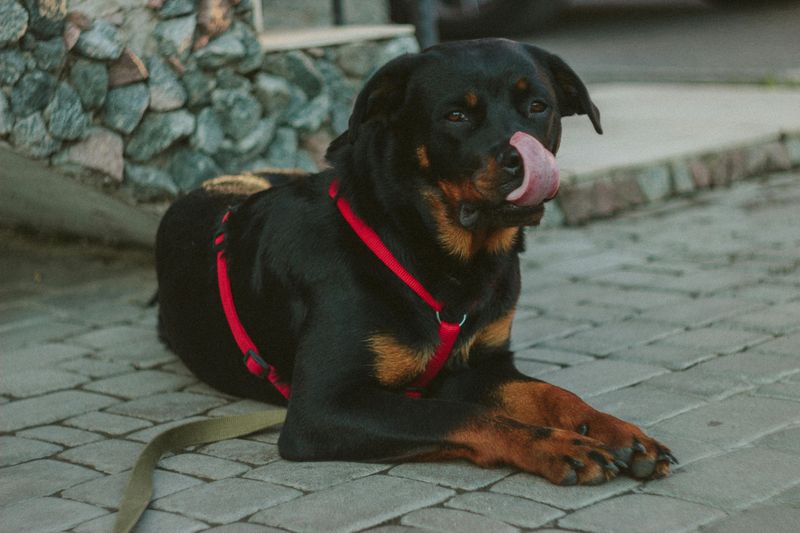
Rottweilers can be steady guardians or goofy clowns, depending on the dog and upbringing. Some are people focused charmers, others are thoughtful and reserved with strangers.
Lines, health, and early socialization create big differences in confidence and tolerance.
Training styles must be fair and consistent. Many enjoy obedience games and tracking, while others need low arousal patterns and decompression.
Clear boundaries with generous rewards keep that power gentle and reliable.
Activities can include carting, scent work, rally, protection sports for suitable dogs, or therapy visits. Choose outlets by the individual.
When needs are met, a rottie becomes a calm, humorous roommate who makes you feel safe. Mind joints and growth plates.
Prioritize neutrality training. Daily.
Boston Terrier
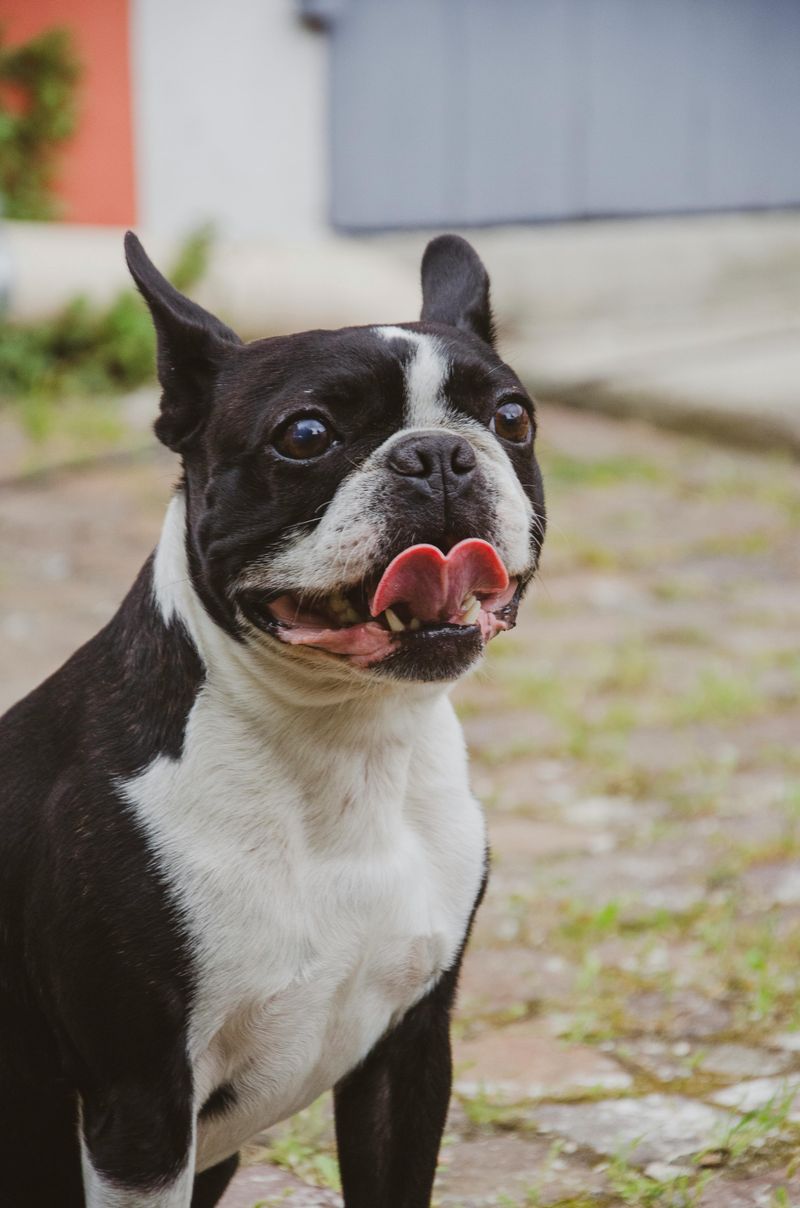
Boston Terriers pack a lot of personality, swinging from zoomy charmers to observant cuddlers. Some greet the world loudly, others warm up slowly and love predictable routines.
Health, breeder focus, and early experiences create surprising differences.
Training preferences vary. Many like food and play, while some need short, quiet sessions and gentle shaping.
Keep arousal manageable, use clear markers, and practice cooperative care at home.
Activities include trick titles, park strolls, rally, or nosework. Watch eyes, breathing, and weather, then design fun that fits.
When you meet the individual, a Boston becomes endlessly delightful, loyal, and very entertaining. Joint friendly play keeps things happy.
Confidence grows with fair reps and silly games. Rest often.
Please.