
Some dogs seem wild one month and wonderfully polite the next, and training is usually the secret. With the right plan, certain breeds go from chaotic to confident faster than you would expect.
If you are craving calmer walks, better manners, and a dog that actually listens, you are in the right place. Here are the breeds where proper training creates the biggest, most satisfying transformations.
German Shepherd
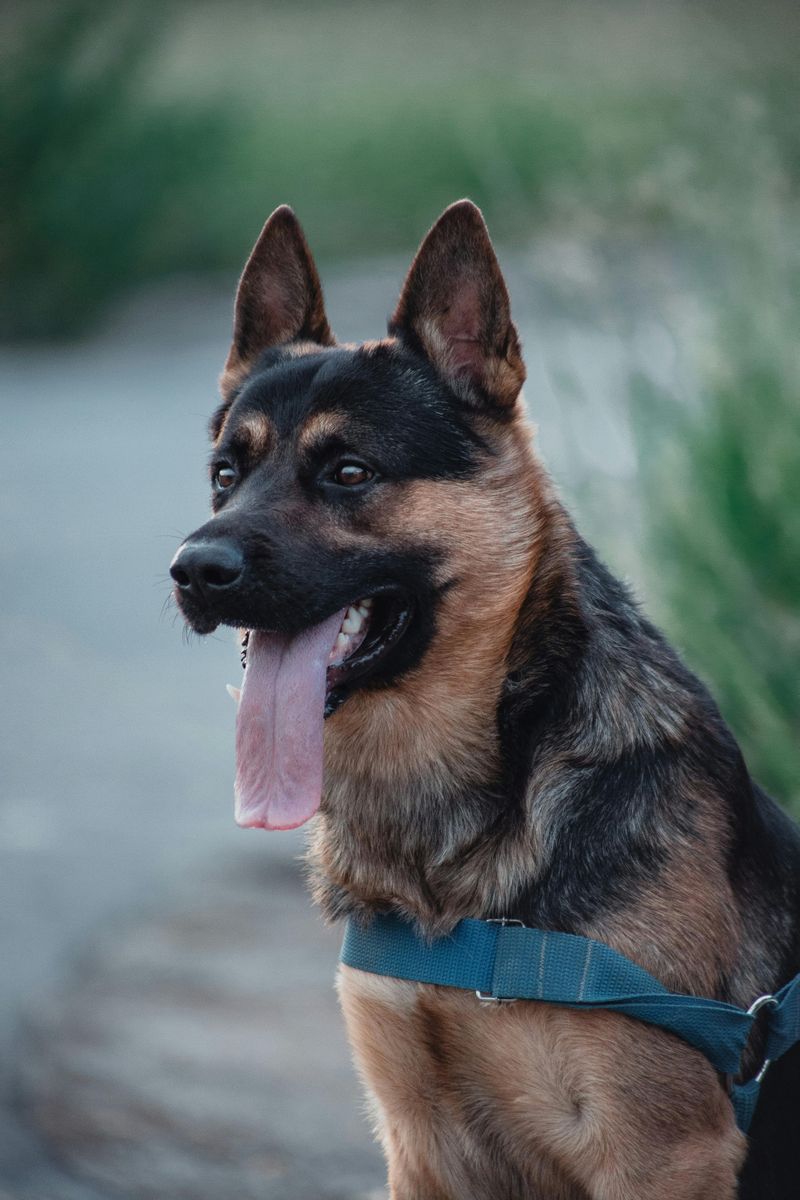
German Shepherds are quick studies, but without structure their brilliance turns into pushy habits. With consistent training, that restless energy finds a job and focus.
Expect calmer greetings, cleaner leash manners, and frequent check ins with you. They thrive when rules stay predictable and rewarding.
Add impulse control games, and that intense stare softens into cooperation.
Practical work like scent games, platform stays, and structured fetch changes daily life. You will see less reactivity around strangers and dogs because the brain has a task.
Fair corrections alongside generous reinforcement teach balance. If you commit to five focused minutes, three times a day, progress feels fast.
In a few weeks, the dog that once dragged you now heels proudly, ears soft, ready to listen.
Labrador Retriever
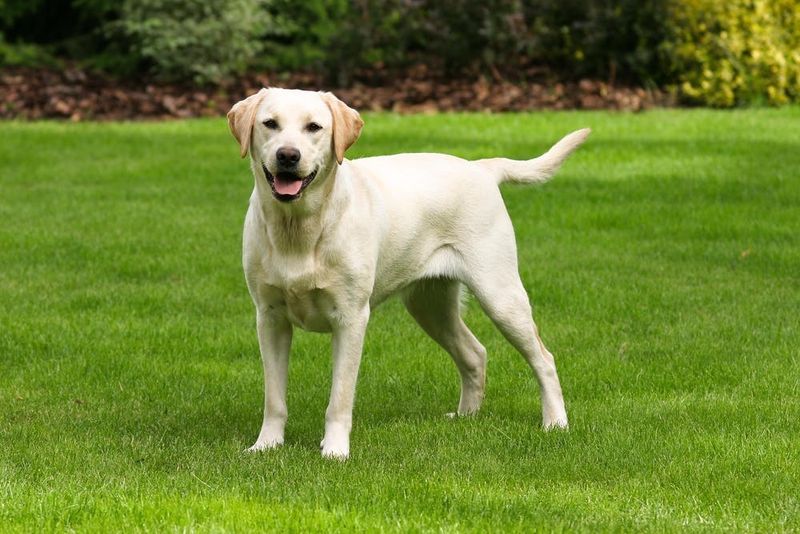
Labradors often arrive bursting with friendliness that can bowl people over. Training channels that enthusiasm into patience and polite choices.
You will notice sits offered before doors open, loose leash walking replacing sled pulls, and steadier focus around food. Labs love to work for praise and snacks, so you can make fast progress with short, upbeat sessions.
Consistency and clear rules turn a pogo stick into a partner.
Teach place, leave it, and reliable recall early. Retrieve games become structured rewards instead of chaos.
When arousal spikes, quick pattern games settle the brain. Add enrichment like sniffy walks and stuffed Kongs to prevent pestering.
In a month, neighbors who once dodged bouncy greetings will see a chill, confident Lab waiting for permission, tail wagging at a manageable, friendly rhythm.
Golden Retriever
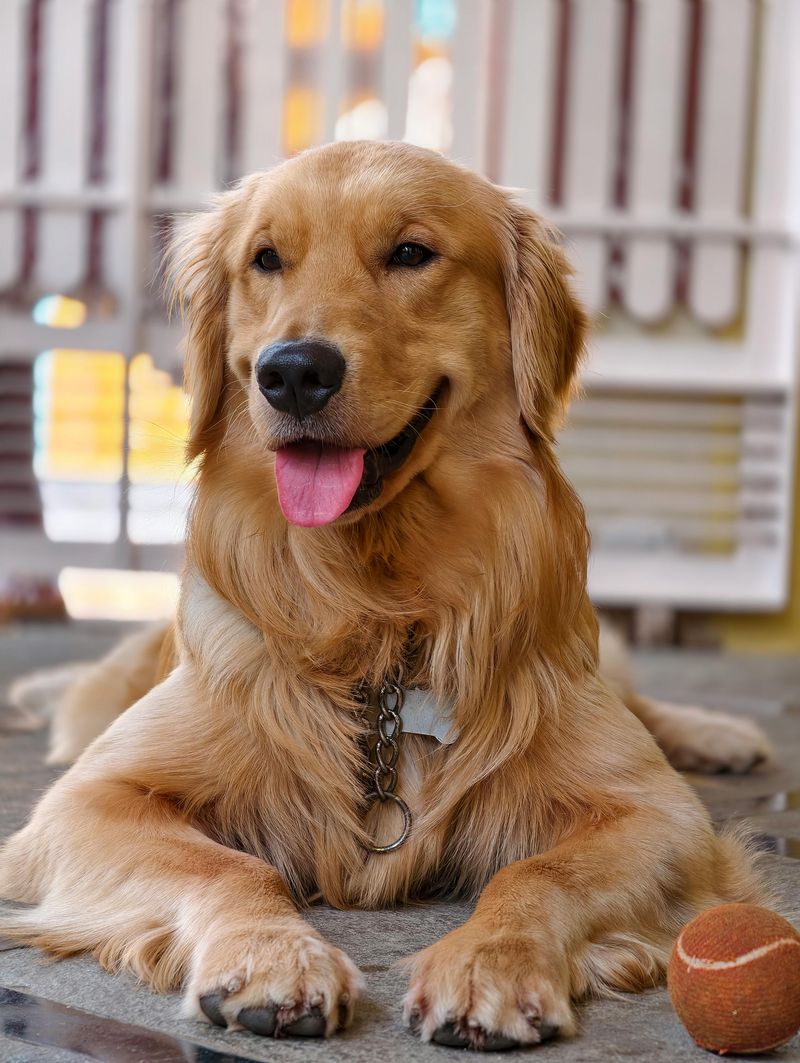
Goldens are people pleasers, yet their joy can spill into jumping, mouthing, and distracted sniffing. With thoughtful training, that sunshine personality learns boundaries without losing sparkle.
You will see smoother door manners, a steadier sit stay, and a reliable drop it. They soak up marker words and gentle guidance.
A structured routine keeps that social butterfly grounded and easy to handle in busy spaces.
Focus games and mat training are game changers. Pair calm behavior with affection so the dog learns that chilling earns attention.
Practice retrieve rules, then end sessions on success. When guests arrive, give a job like carrying a toy to redirect excitement.
Soon, the Golden who spun in circles chooses to park on a mat, smile soft, tail swishing in quiet happiness.
Border Collie
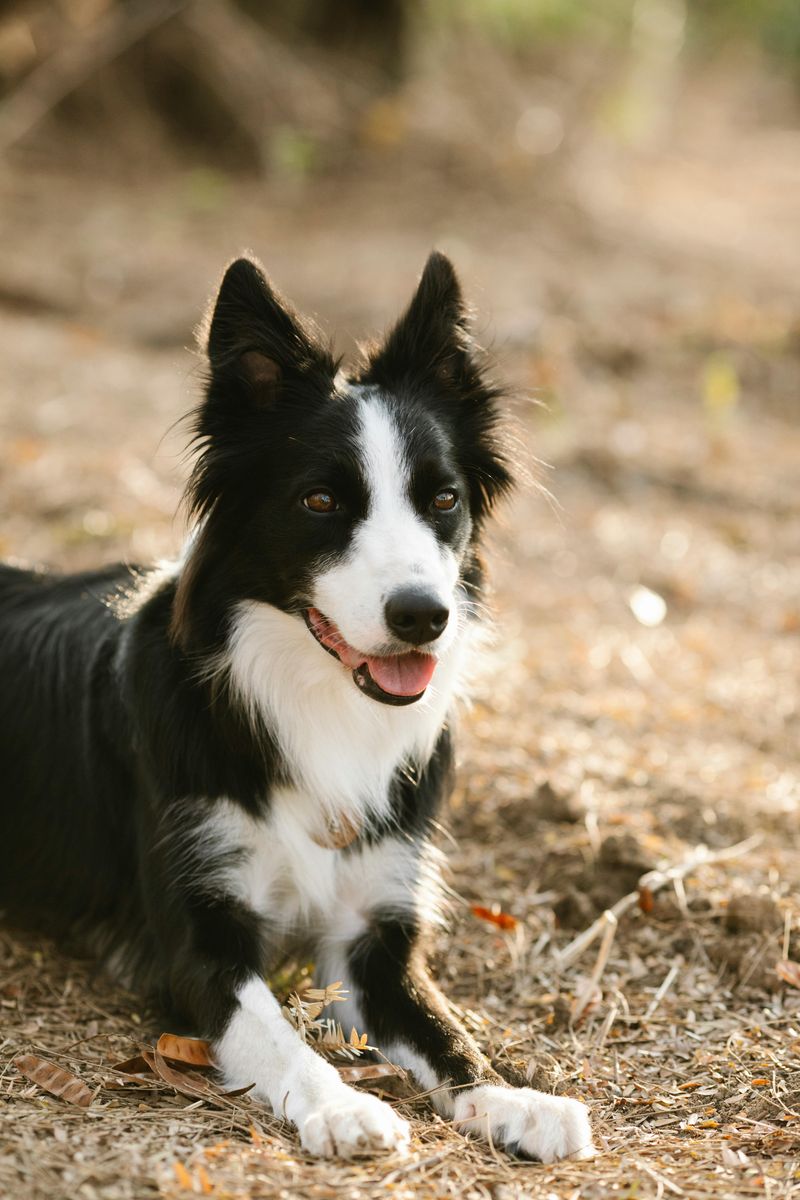
Border Collies notice everything, which can look like anxiety without guidance. Proper training gives that sharp mind channels to pour energy into.
You will see faster settle on a mat, smoother herding of toys instead of kids, and a leash walk that finally breathes. Collies love patterns, so teach clear routines.
Reward offered eye contact to turn motion sensitivity into thoughtful choices.
Short, technical sessions beat long marathons. Add scent work, trick training, and agility style exercises to satisfy drive.
Balance high arousal games with decompression walks and long downs. With boundaries, reactivity fades because the brain has a puzzle.
In weeks, the dog scanning every leaf becomes the teammate who checks in, chooses heel position, and waits for your next cue with happy intensity.
Belgian Malinois
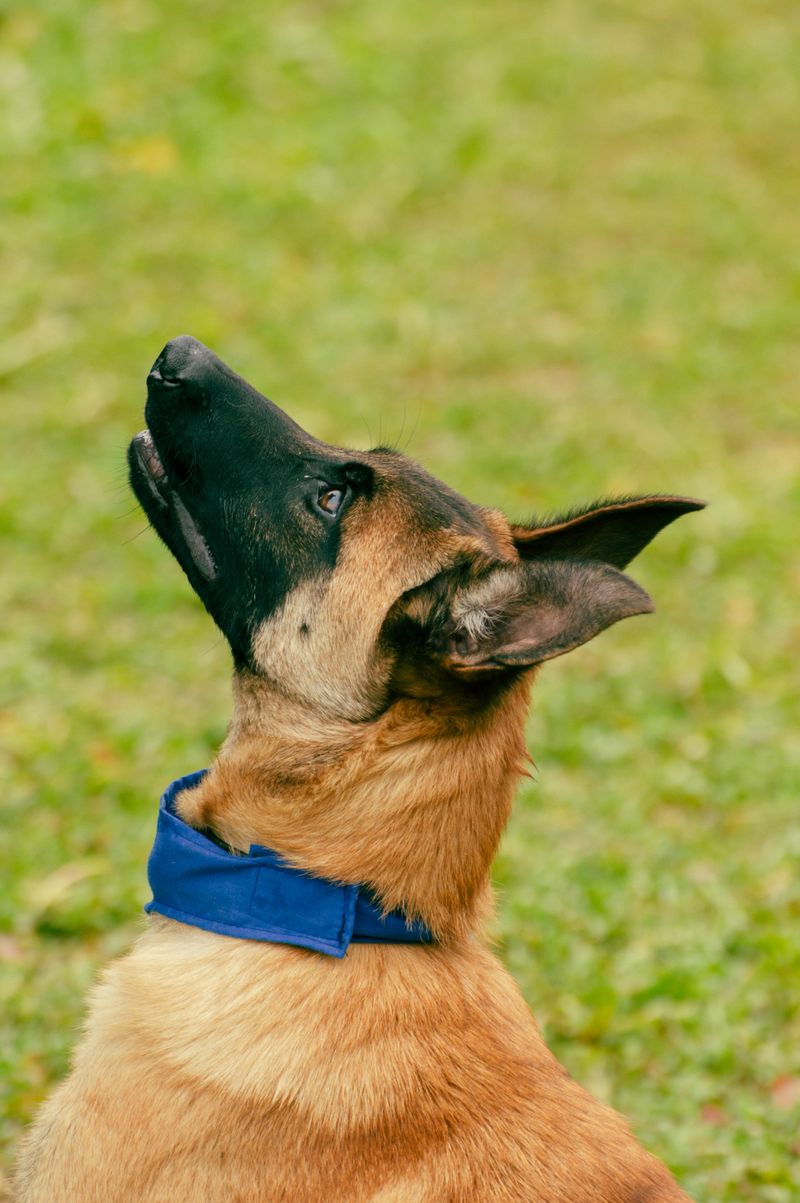
Malinois are rockets with brains. Without structure, that drive explodes into nipping, jumping, and restless pacing.
Training turns intensity into precision. You will notice crisp sits, clean engagement, and a dog that begs for tasks instead of mischief.
Use markers, tug as reward, and firm boundaries. Keep sessions short, clear, and frequent so arousal never tips into chaos.
Teach place from day one and enforce calm between reps. Channel chase into flirt pole rules and fetch with outs.
Pair fair corrections with generous reinforcement to create balance and clarity. Mental work like scent puzzles helps the dog switch off after thrills.
Soon, the whirlwind that bulldozed your space becomes a serious worker, eyes bright, body relaxed until you say go.
Doberman Pinscher
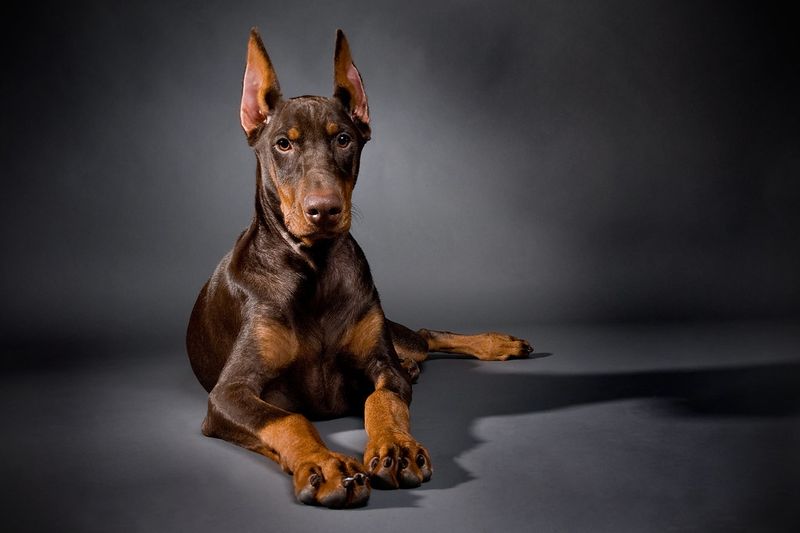
Dobermans crave clarity and connection. When left to guess, they fill the gaps with guarding and pushy antics.
With proper training, you get poised confidence instead of edgy behavior. Expect smoother door control, steadier recalls, and a dog that looks to you before reacting.
They thrive on fair rules and elegant routines. Keep your tone calm and consistent to build trust fast.
Teach heel with frequent check ins and reward relaxed body language. Practice neutrality around strangers by marking calm observation.
Add place training so the house stays peaceful. Provide daily mental work, then end with decompressing walks.
In a few weeks, that restless sentinel becomes a polished companion who floats beside you, scanning but settled, ready to follow your lead anywhere.
Rottweiler
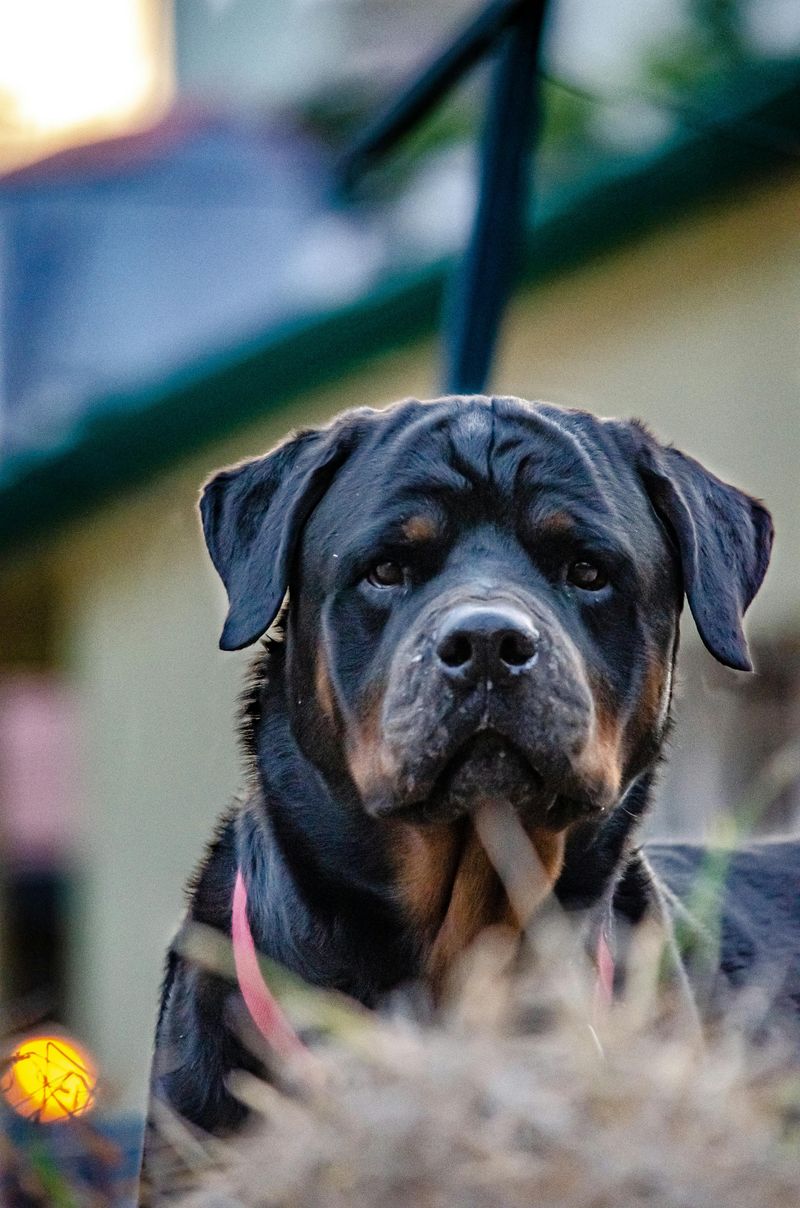
Rottweilers are thoughtful and strong, so untrained habits quickly feel heavy. With structure, their natural stability shines.
You will see calmer thresholds, measured greetings, and a leash that stays slack because the mind is engaged. They respond well to clear, fair pressure and generous rewards.
Teach slow, deliberate reps that build confidence. When rules are predictable, their loyalty becomes serene cooperation.
Practice place while life happens around them. Reward soft eyes and relaxed hips.
Use short heeling drills that end before frustration. Add scent games and controlled tug to satisfy drive.
Socialize with neutrality, not overwhelm. In time, the dog that steamrolled your hallway will pause, wait for release, and move like a partner.
The change looks subtle but feels massive every day.
Poodle
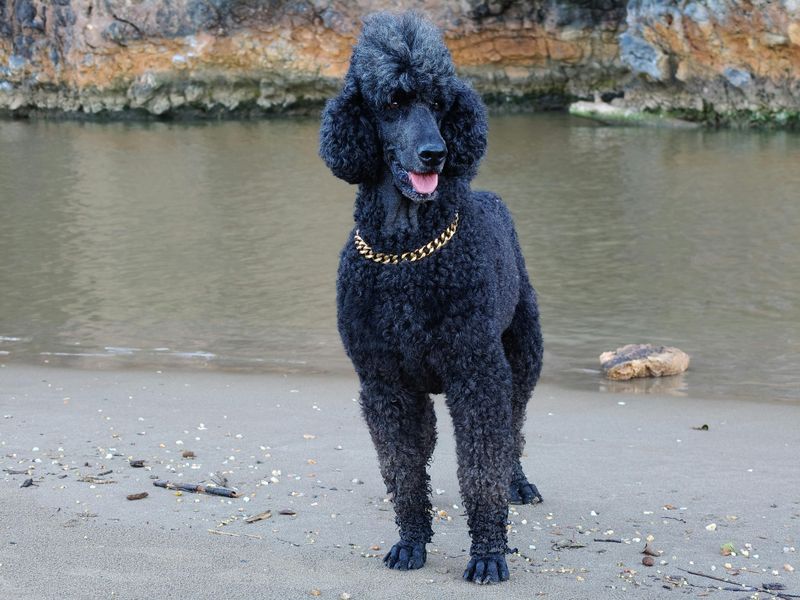
Poodles are clever comedians who learn patterns in a blink. Without direction, they invent mischief.
Training brings out poise and polish. You will notice easy house manners, quick mat settles, and pleasant walks.
Their love of problem solving makes shaping behaviors fun. Keep sessions upbeat and precise, and the dog will offer clean reps with a wagging tail.
Teach stand, stay, and cooperative care to make grooming peaceful. Sprinkle in trick training to satisfy curiosity.
Use reinforcement strategically so excitement does not spiral. Provide sniffy walks and puzzle feeders for balance.
In a short span, the prancing goofball becomes a refined companion who can switch from playful to professional on cue, proud to show off newfound self control and grace.
Australian Shepherd
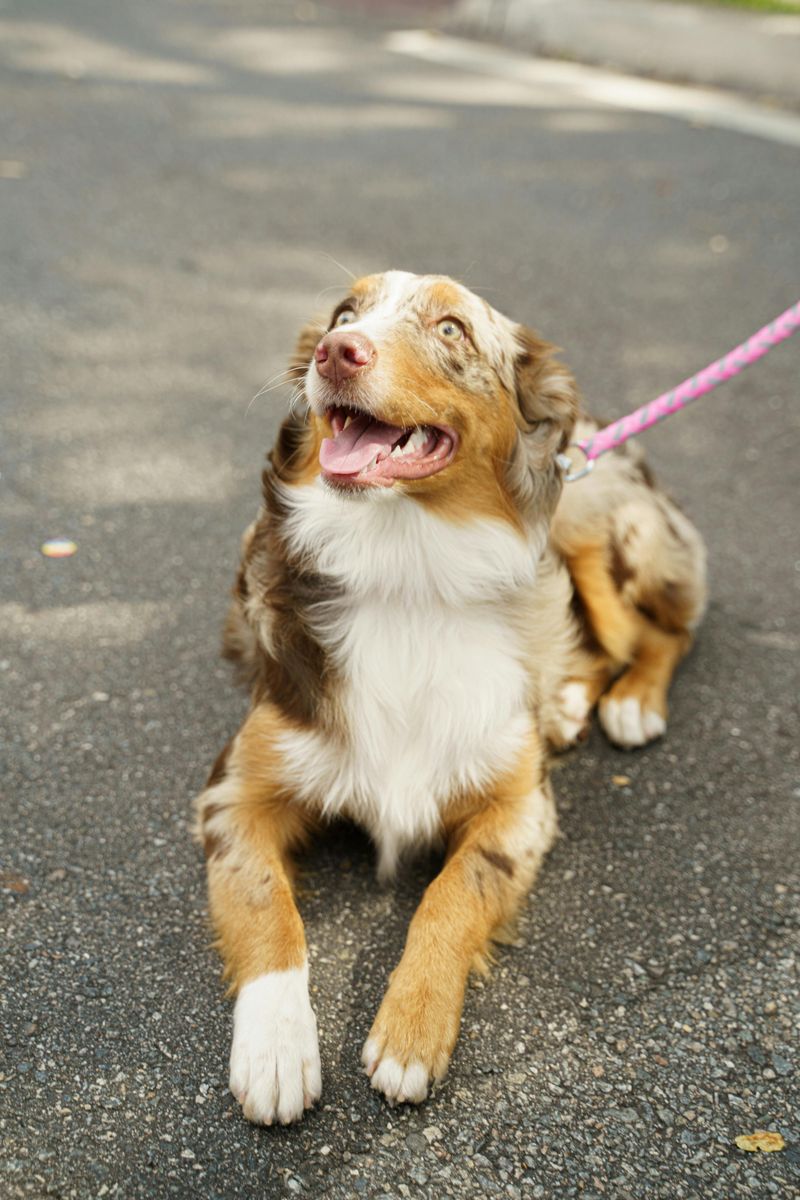
Australian Shepherds brim with drive and opinions. Without outlet, that energy becomes herding ankles and barking at movement.
Training gives structure and purpose. You will see stronger check ins, calmer doorways, and smoother passes by bikes and joggers.
Aussies adore jobs, so trick chains and platform work shine. Reward engagement generously and watch distractions fade into the background.
Rotate tasks like scent games, agility foundations, and settle on a mat. Balance hype with decompression hikes.
Teach a clear off switch using place and pattern games. Pair fair boundaries with praise to grow confidence.
In weeks, the dog scanning for motion defaults to you instead, tail swishing, body loose, ready for the next assignment without nagging or frantic energy spilling everywhere.
Boxer
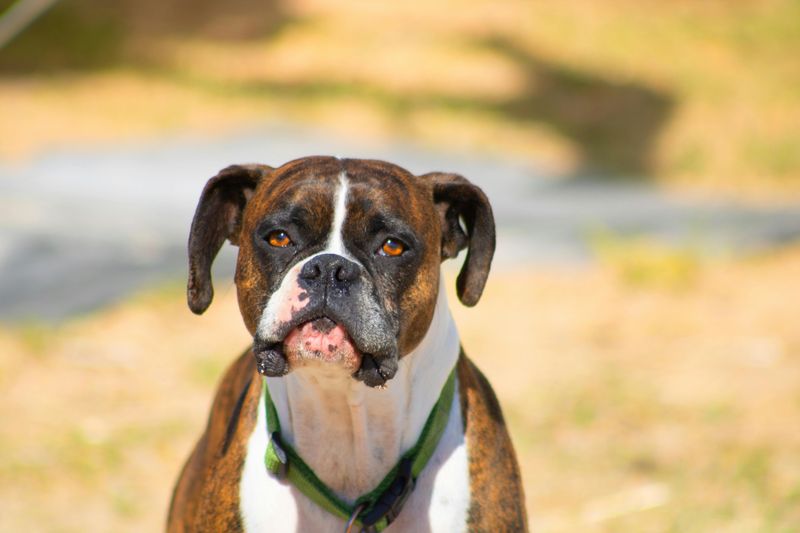
Boxers love people so much that manners can vanish during excitement. Proper training turns bouncy chaos into friendly control.
Expect calmer door greetings, a steadier down stay, and easier walks where pulling fades. Keep sessions short, silly, and clear to match their clown energy.
Reward stillness as much as play so calm becomes part of the fun.
Teach place for guest arrivals, and practice leave it with food on low tables. Use tug with rules to burn energy without losing your mind.
Add sniff breaks during walks to prevent frustration. After a few consistent weeks, the exuberant jumper becomes the social star who wiggles politely, waits for permission, and lounges peacefully while conversations carry on around the patio.
Cocker Spaniel
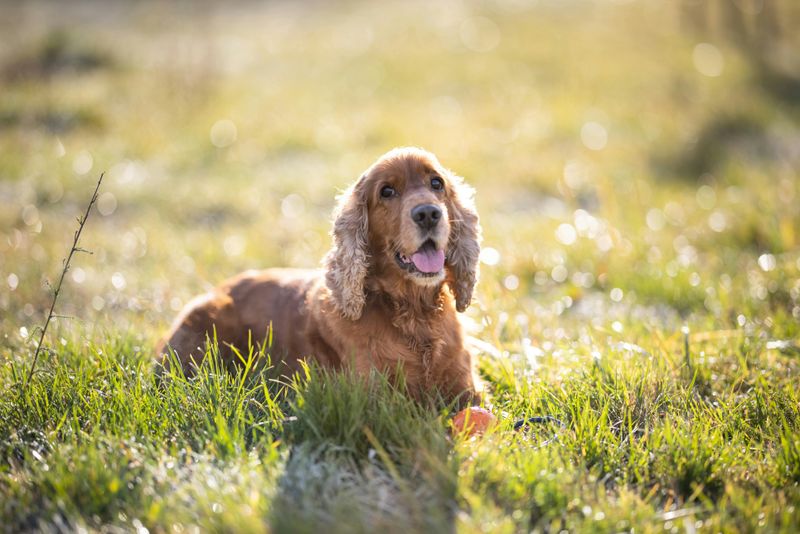
Cocker Spaniels bring sweetness and sensitivity, which can tip into clingy or noisy if untrained. With gentle structure, their charm shines without the chaos.
You will notice quieter door moments, a softer mouth, and easier grooming sessions. Cockers respond beautifully to marker training and patient repetition.
Keep the tone kind and consistent, and you will see confidence bloom quickly.
Teach settle on a mat, cooperative care, and a reliable recall with playful rewards. Short search games tap into their nose and calm the mind.
Avoid drilling past their threshold. Mix praise, food, and breaks.
Soon, the pup that whined for attention relaxes nearby, ears floppy, eyes content, ready to participate without fuss as you guide everyday routines smoothly.
English Springer Spaniel
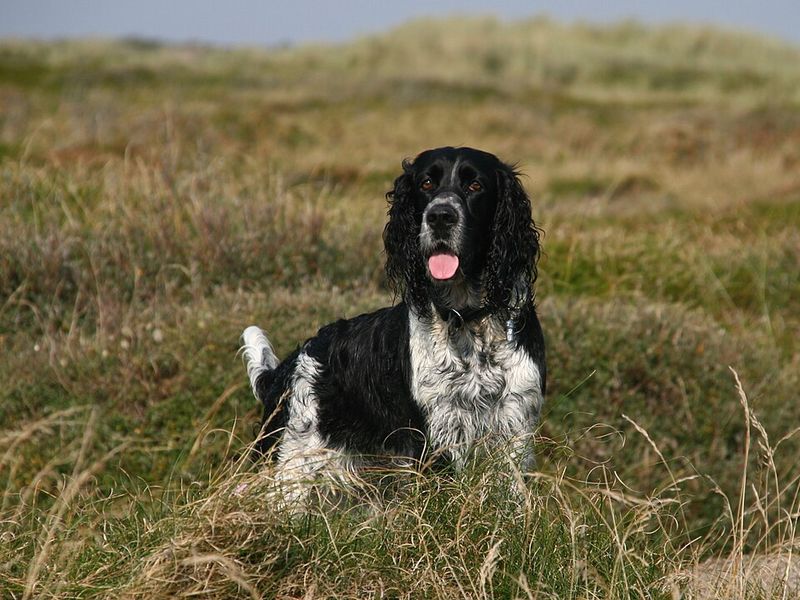
Springers are bright, birdy, and busy. Without training, that drive becomes yo yo recall and nonstop scanning.
Structure turns curiosity into reliability. You will see steadier sits, improved impulse control around wildlife, and calmer house energy between outings.
They love to work, so frequent, bite sized sessions feel like play. Keep criteria clear, then let them earn freedom through earned choices.
Teach place, whistle recall, and steady to thrown toys. Practice heel for short bursts, then release to sniff.
Mark quiet observation of birds to replace lunging. Add scent work to tire the brain kindly.
In weeks, the flitty butterfly becomes a teammate who pauses, listens, then rockets off only when released, returning proudly with eyes bright and tail flagging.
Pit Bull Terrier
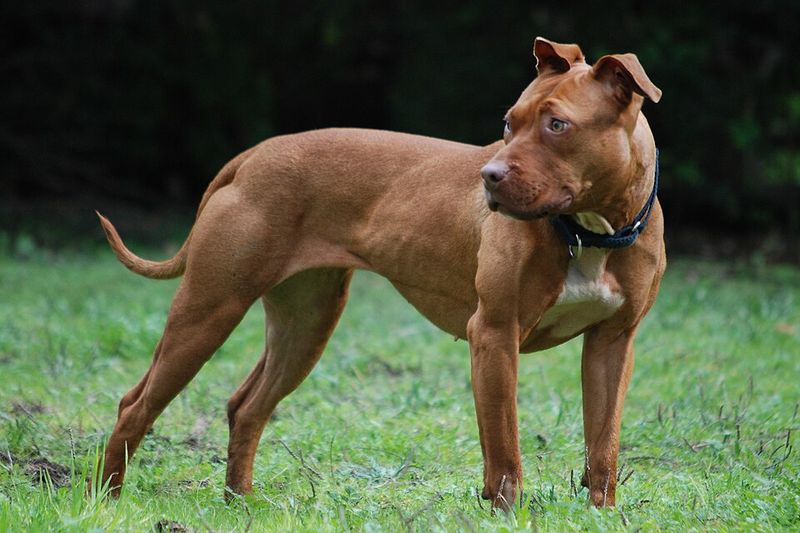
Pit Bull Terriers are affectionate athletes. Without guidance, strength and enthusiasm can overwhelm.
Training builds calm confidence and clear manners. Expect better impulse control, steadier leash skills, and relaxed settling at home and in public.
Reward focus and softness as much as obedience. When boundaries are fair and consistent, these dogs shine as loving, reliable companions.
Teach place, leave it, and polite greetings with sits. Use flirt pole rules to channel chase into thoughtful play.
Pair structured walks with sniff breaks to reduce frustration. Socialize with neutrality, not chaos.
In a short time, the dog that ricocheted through rooms settles by your feet, breathing easy, watching you for the next cue, happy to earn praise the right way.
Miniature Schnauzer
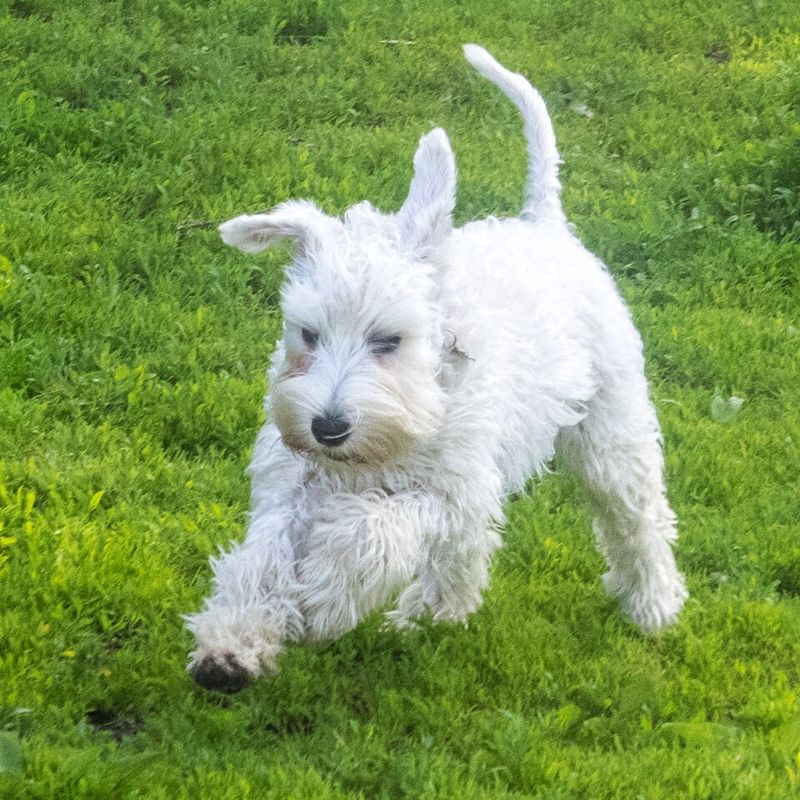
Miniature Schnauzers are spirited watchdogs who love to announce everything. Training replaces noisy alerts with thoughtful choices.
You will notice quieter windows, smoother leash manners, and easier grooming thanks to cooperative care. They respond well to games that reward calm scanning and engagement.
Keep sessions brisk and cheerful to match their spark while still honoring focus.
Teach place away from windows, pattern games for walks, and a reliable quiet cue. Build stand stays for grooming and nail care, paying generously for stillness.
Add sniffy adventures to satisfy curiosity. With structure, the busy barker becomes a polite companion who notices the world without narrating it, tail quivering happily as they wait for your nod to proceed.
Beagle
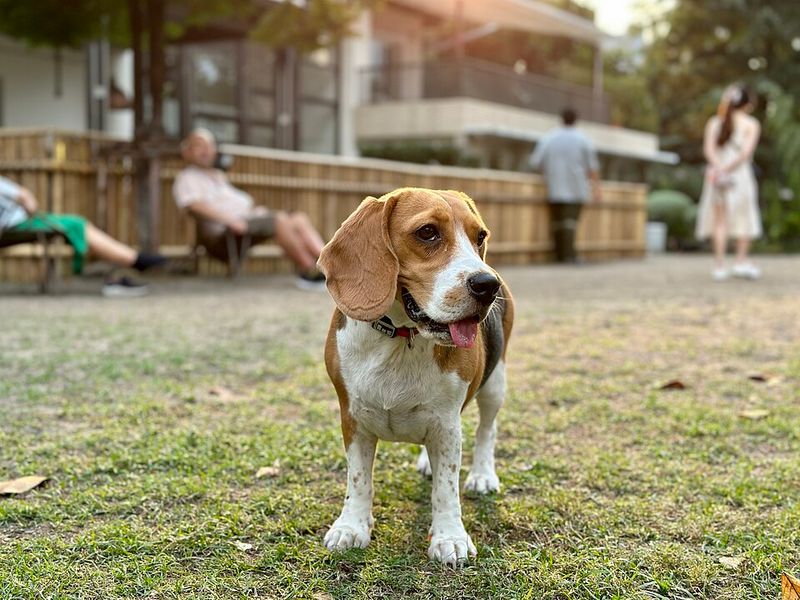
Beagles follow their noses first and your voice second. Training helps the two align.
You will see improved recall, calmer leash walking, and fewer baying outbursts when scents spike interest. Use food rewards and games that let the nose work on your terms.
Short, frequent reps keep motivation high without frustration for either of you.
Teach a whistle recall that always pays. Use long lines to build success before freedom.
Add find it games at home so sniffing becomes a job. Practice settle on a mat after walks to create an off switch.
In weeks, the scent chaser becomes your teammate, ears fluttering as they pivot away from trails to rocket back, thrilled to cash in with you.
Dalmatian
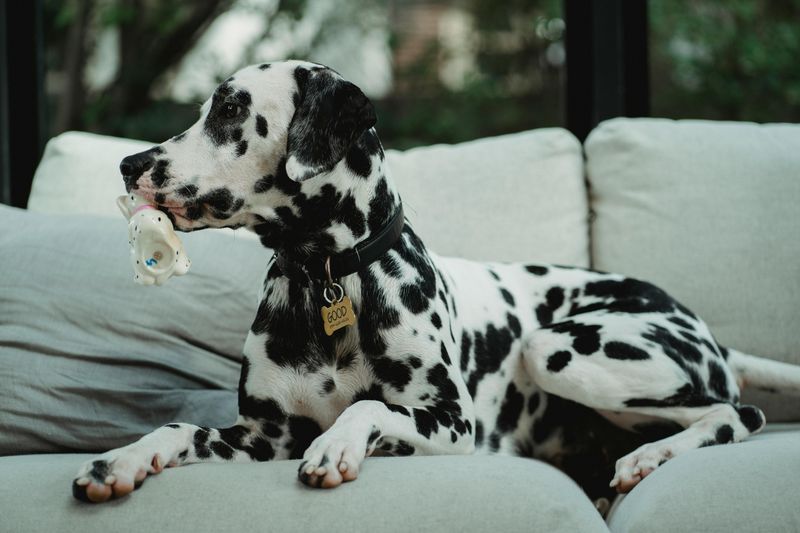
Dalmatians are athletic, clever, and sometimes edgy without guidance. Training channels stamina into manners you will love.
Expect smoother leash walking, quieter reactivity, and a dog that settles after exercise. They thrive on routines that mix movement with thoughtful stillness.
Keep criteria consistent, and you will see a proud, cooperative partner emerge quickly.
Teach heel in short bursts and reinforce calm observation of crowds. Add place for home downtime and pattern games to reduce pulling.
Use fetch or jogging as rewards for polite choices. Provide mental work like scent puzzles to take the edge off.
Soon, the spotted whirlwind transforms into a steady companion, spots shining, eyes soft, matching your pace and mood with confident ease.