
Some dogs wear unfair reputations like heavy collars, and it keeps people from discovering who they really are. Spend a little time, and you notice soft eyes, hilarious quirks, and patience that never makes headlines.
Training and socialization matter, but so do open minds and calm first meetings. Here are breeds people consistently misjudge until real moments replace myths.
Rottweiler
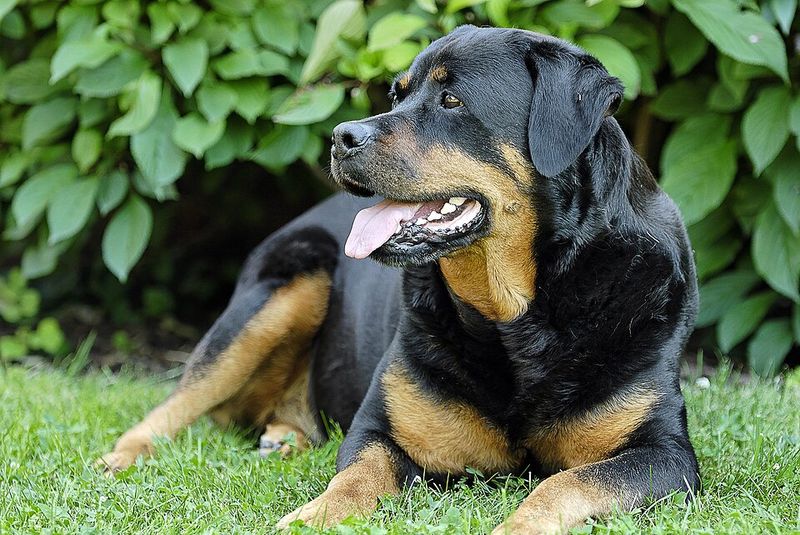
You see the massive head and black coat and assume trouble, but a well raised Rottweiler is usually a steady, thoughtful companion. They watch quietly, then decide if action is needed, which is rare with good socialization.
Around family, they lean on legs, carry toys gently, and love structure.
Give clear rules, short training sessions, and daily mental jobs like scent games or cart work. Exercise matters, yet they do not need endless miles as much as purposeful movement and calm time near you.
Meet a balanced Rottie up close and you will likely feel safer, not scared. Their reputation came from poor handling, not from the heart you discover with patience.
Meet breeders and rescues who value temperament deeply.
Doberman Pinscher
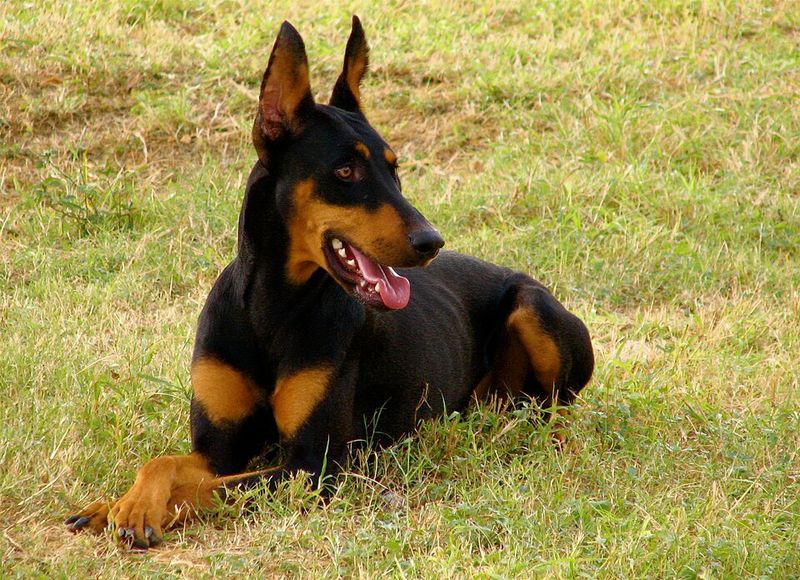
People picture a razor sharp guard bristling at every sound, but most Dobermans want to be close, even Velcro close. They read a room quickly and mirror your calm, which surprises first time visitors.
Hand them a toy, and you see goofy zoomies paired with elegant, catlike grace.
Training with kindness brings out their focus and sensitivity, not fear. Short, brainy sessions beat harsh drills, and fair boundaries help them relax.
Exercise counts, yet recovery cuddles count too, because bonding fuels good behavior. When you meet a balanced Doberman, you notice gentleness wrapped in athletic lines.
They protect through presence more than force, and they thrive when trusted. Misjudgment fades the moment they lean into your side.
Pit Bull Terrier
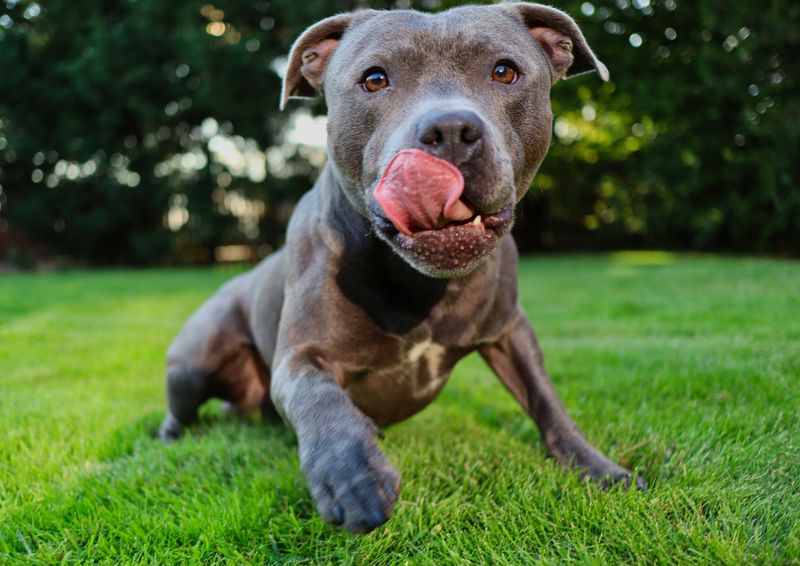
The blocky head scares people, yet those cheeks were made for smiling and those tails for furniture thumps. Pit Bulls are people focused clowns who crave direction and fair outlets.
With honest training and supervision, they excel at cuddling, hiking, and learning tricks that show off their brains.
Yes, they are strong, so clear management matters. But strength without meanness is what you feel when they nuzzle into your lap after a good walk.
Enrichment, impulse control games, and leash manners go a long way. Meet one who has been guided, and you meet a sweetheart.
Shelter staff often sigh, wishing more visitors would slow down and say hello. You might leave with stereotypes softened and a new friend.
German Shepherd
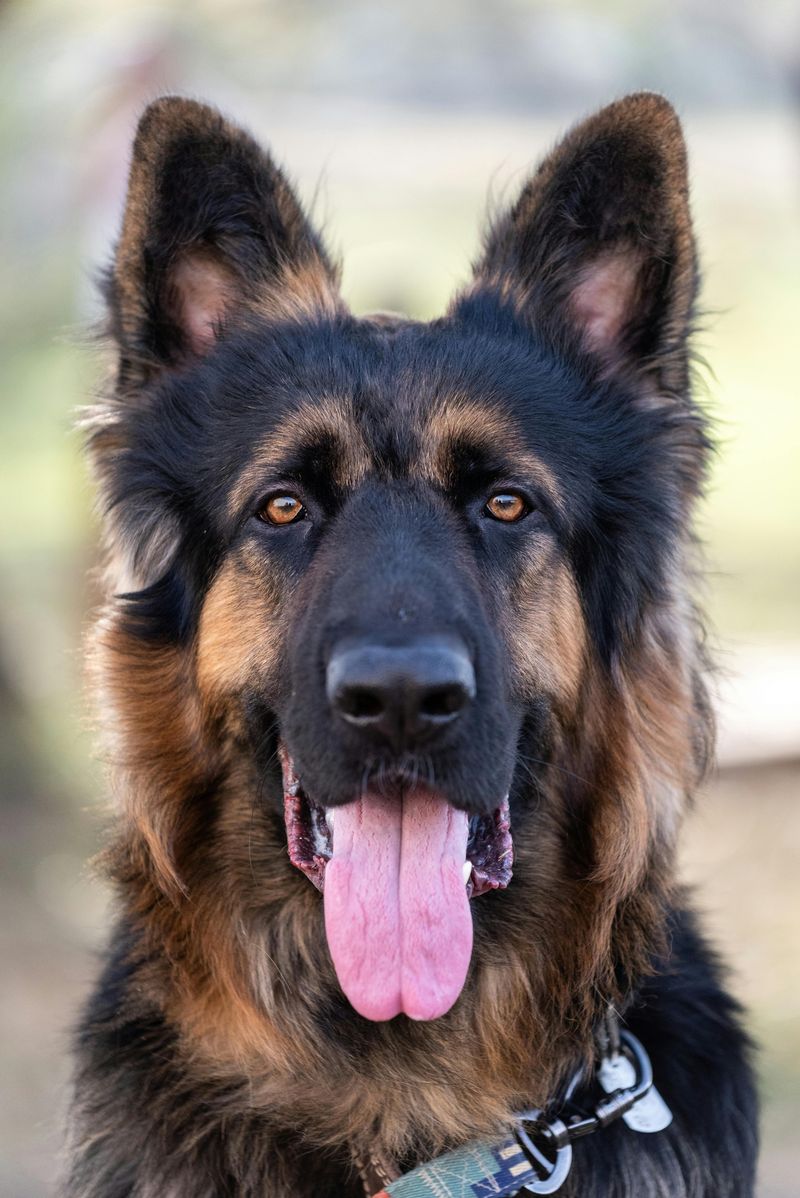
German Shepherds get labeled aloof or intense, and yes, they take their jobs seriously. What surprises people is their humor and desire to collaborate.
Give them a task, and they beam, whether it is scent games, obedience, or gently herding the household toward bedtime.
They need stable training and fair expectations, not constant pressure. When you meet a balanced Shepherd, that famous poise turns into easygoing companionship.
They love learning new cues, solving puzzles, and stretching those long legs on purposeful walks. The best ones nap under your desk, wake when needed, then switch off again.
Meet them slowly, advocate for space, and you will see curiosity bloom. Confidence grows when they trust your guidance and routine.
American Bully
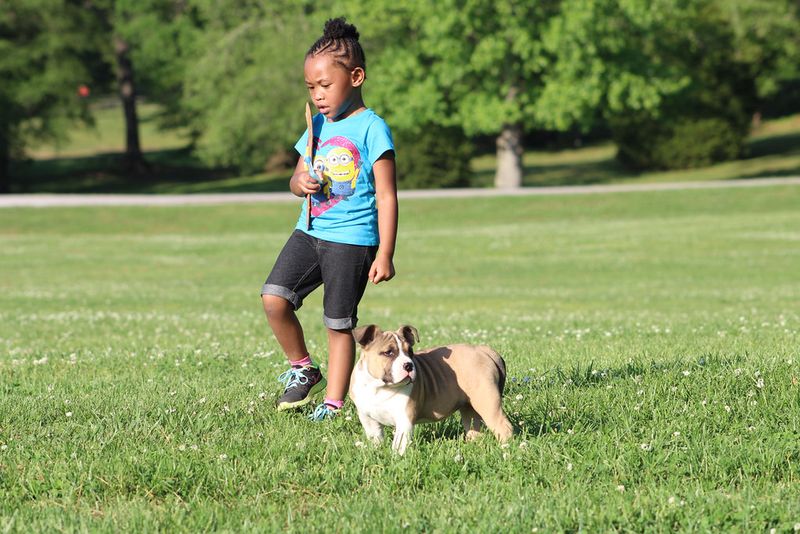
The American Bully looks like a gym buddy, all muscle and swagger, so many assume rough edges. Spend five minutes and you meet a social butterfly who relishes attention.
They are couch snugglers with bursts of play, thriving on structure, potty routines, and easy training games.
They do best with owners who balance boundaries and affection. Short walks, flirt pole play, and calm crate time help them shine.
They are not guard dogs by default, despite that power frame. What you usually get is a charming ham with a soft heart.
Misjudgment fades when you see their gentle wiggles around kids and seniors. Responsible breeding and health care matter, so choose mentors who prize temperament and kindness.
Cane Corso
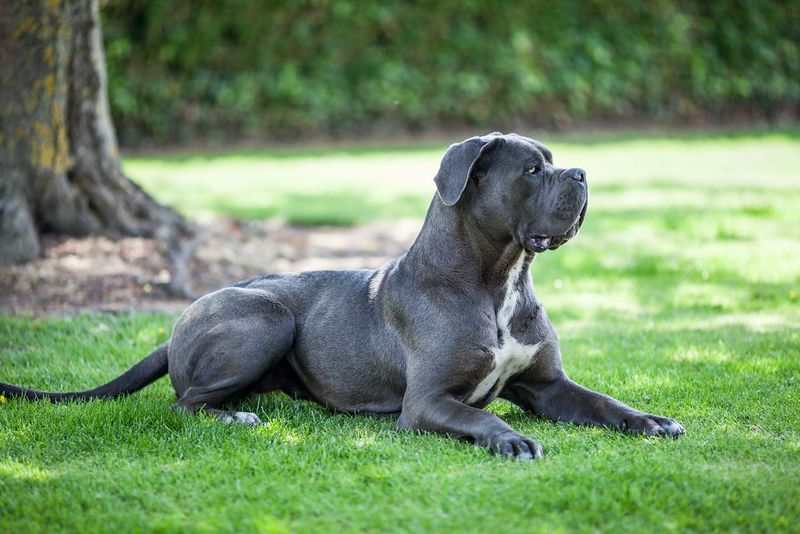
A Cane Corso looks like a living statue, which spooks strangers who do not know the breed. Up close, a stable Corso is thoughtful, responsive, and deeply bonded to their person.
They prefer quiet confidence over chaos, and they relax when you lead fairly.
Early socialization and impulse control are essential, as their size magnifies sloppy manners. Purposeful exercise, place training, and calm greetings help them succeed in public.
Despite the myth, they are not mindless brutes. Many are soft to correction and thrive with low drama consistency.
Watch them carry a toy around the house like a prized job. Misjudgment melts as you notice polite decisions and a steady presence beside your chair.
Bullmastiff
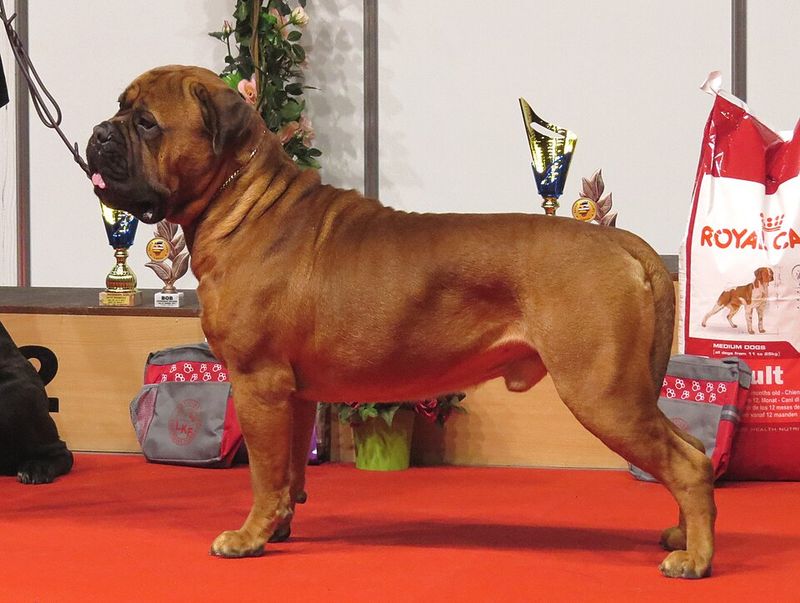
The Bullmastiff appears imposing, yet their favorite speed is slow and their heart is marshmallow soft. They shadow you from room to room and prefer short spurts of play over marathons.
With kids they often act like patient chaperones, provided you supervise and teach respect.
Training should be simple, consistent, and low pressure because they tire of repetition. Short walks, sniff breaks, and comfy naps fit their rhythm.
People think guard dog, but deterrence is usually quiet presence, not drama. You will be surprised how gentle a giant can be when properly socialized.
Drool towels and routine vet care keep life smooth. The grin they flash when you say good boy feels like sunshine after rain.
Staffordshire Bull Terrier
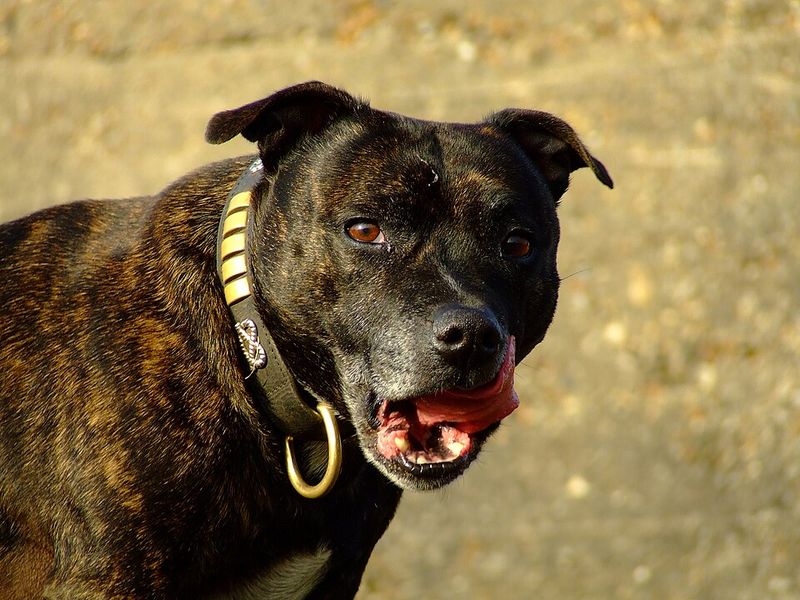
Staffies get judged by headlines, yet their nickname is nanny dog for a reason rooted in people friendliness. They adore human company and light up during training sessions that feel like games.
Expect comedic timing, springy zoomies, and heroic cuddling after exercise.
Because they are powerful, you set rules early and reward calm choices. Tug with structure, fetch with breaks, and easy obedience keep that bright mind engaged.
Dog social preferences vary, so steady management helps. When strangers meet a well raised Staffy, they often say wow, that smile.
The breed thrives on praise, clear boundaries, and meaningful daily contact. Misjudgment fades fast when a Staffy shuffles close and sighs with contentment against your leg.
Great Dane
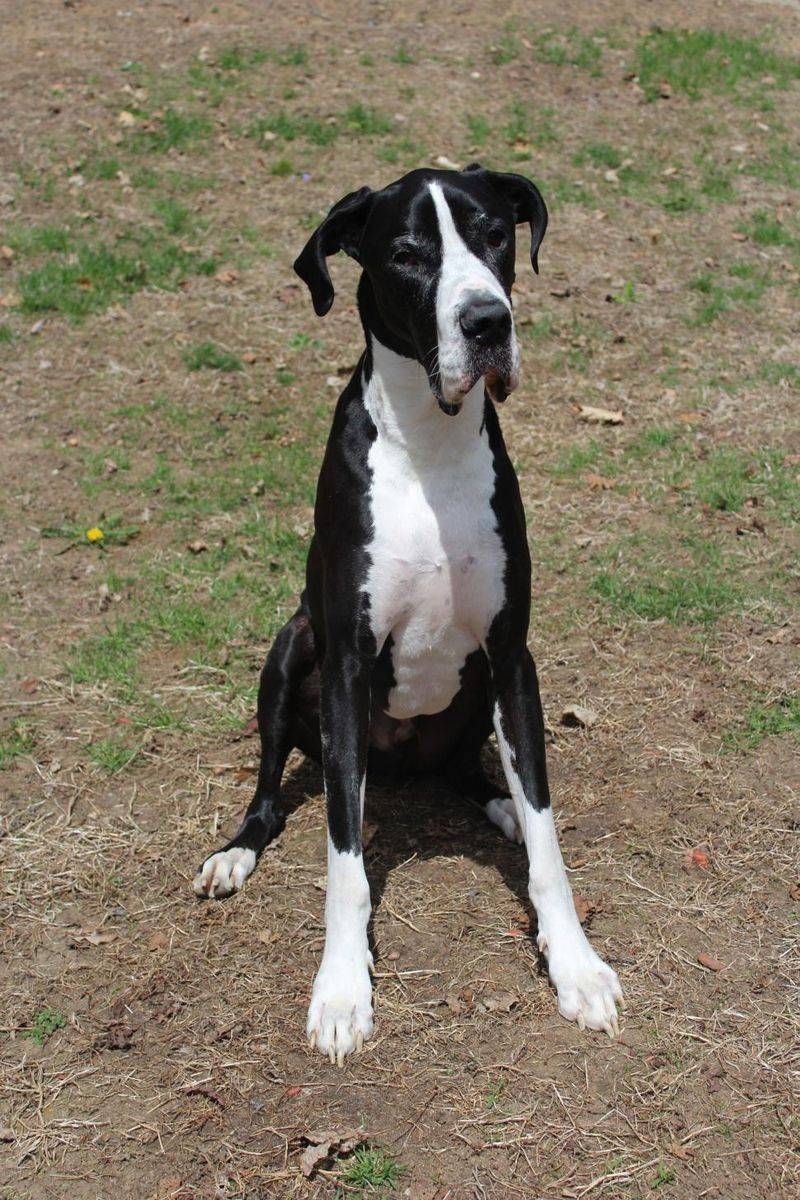
The size shocks people, but Great Danes are often sweet housemates who nap like pros. They prefer soft beds, short walks, and friendly greetings over endless workouts.
Despite height, they are sensitive, so you teach with kindness and celebrate progress.
They can be clumsy teens, then settle into regal calm as adults. Socialization with polite dogs and people helps them move through space gracefully.
Their watchdog abilities are usually a deep bark followed by curiosity. Meet one and you will likely smile as they lean gently for reassurance.
Furniture becomes shared territory, and hearts expand to fit. Stereotypes fade the moment their giant head rests on your lap and you feel the hush.
Belgian Malinois
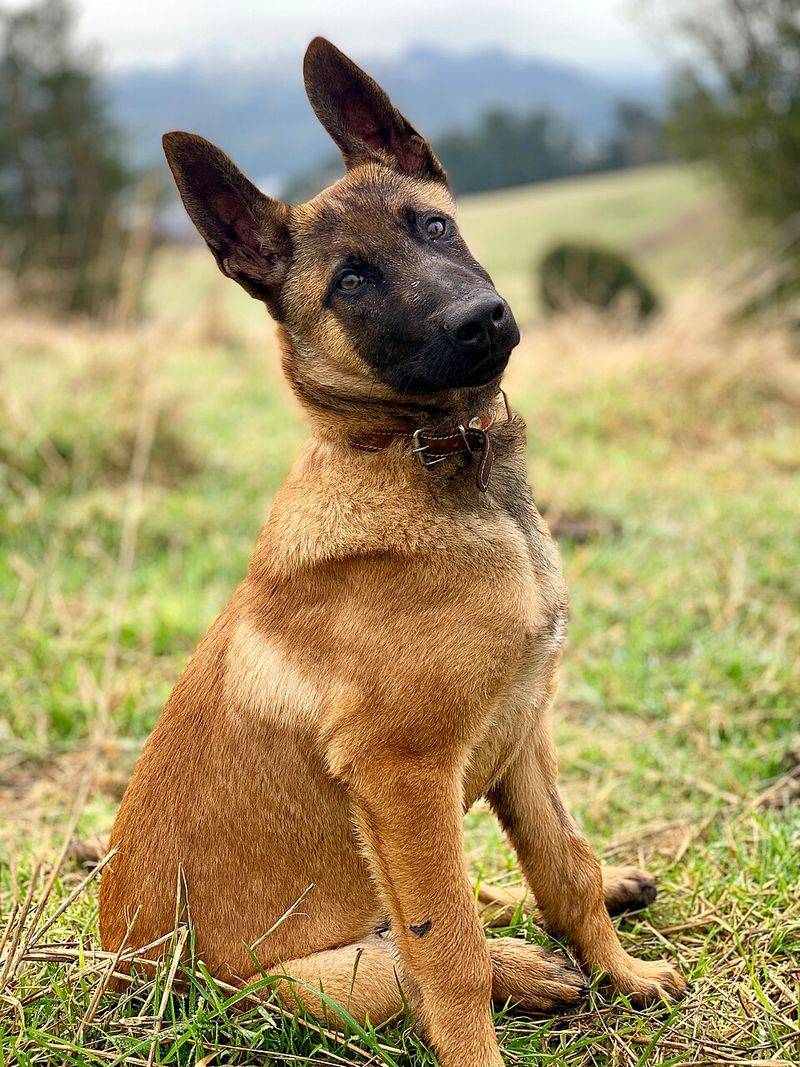
Videos show airborne Malinois and scare people, but those are elite athletes doing a job. The average well placed Malinois is driven, sensitive, and happiest with structured outlets.
Without purpose they invent chaos, with purpose they become breathtaking partners.
Short, frequent training, puzzle feeders, and scent games channel energy productively. They require commitment, not constant domination.
When you see one settle after work and curl near their person, you witness balance. They do not need harshness, they need clarity and engagement.
Meet a thoughtful line with an invested owner, and stereotypes fall away. The dog you feared becomes the teammate you admire, powered by trust, routines, and joyful jobs.
Akita
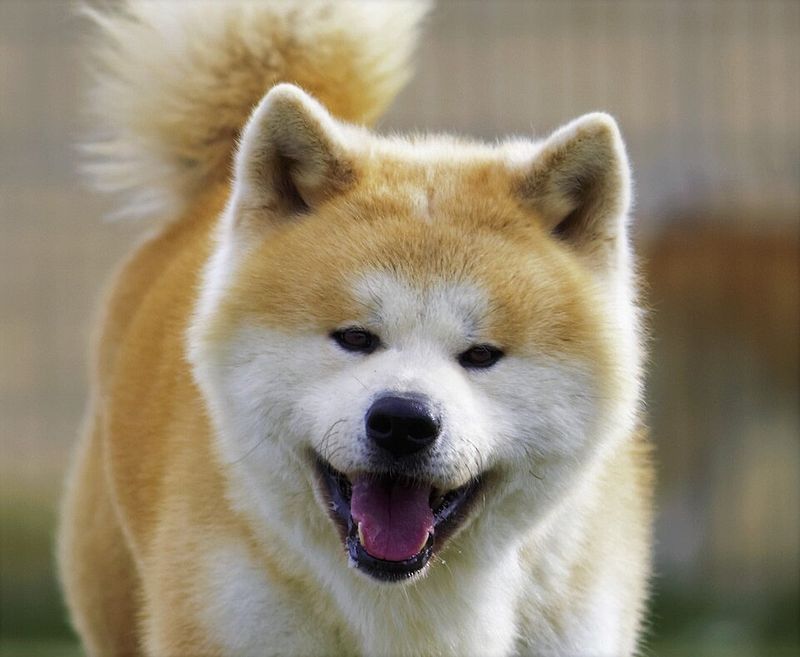
Akitas look stoic and distant, which many read as cold. Truthfully, they bond deeply and show affection in quiet ways, preferring dignity over slapstick.
They observe first, then decide, and they respect leaders who communicate calmly and consistently.
With early socialization, polite greetings, and predictable routines, they navigate the world with grace. They can be selective with dogs, so management and space matter.
You will see flashes of playful silliness at home that strangers never witness. Their loyalty is steady, not loud.
Meet one that has been guided thoughtfully, and you feel a calm, ancient presence. Misjudgment fades when those dark eyes soften and the curled tail wags just for you.
Chow Chow
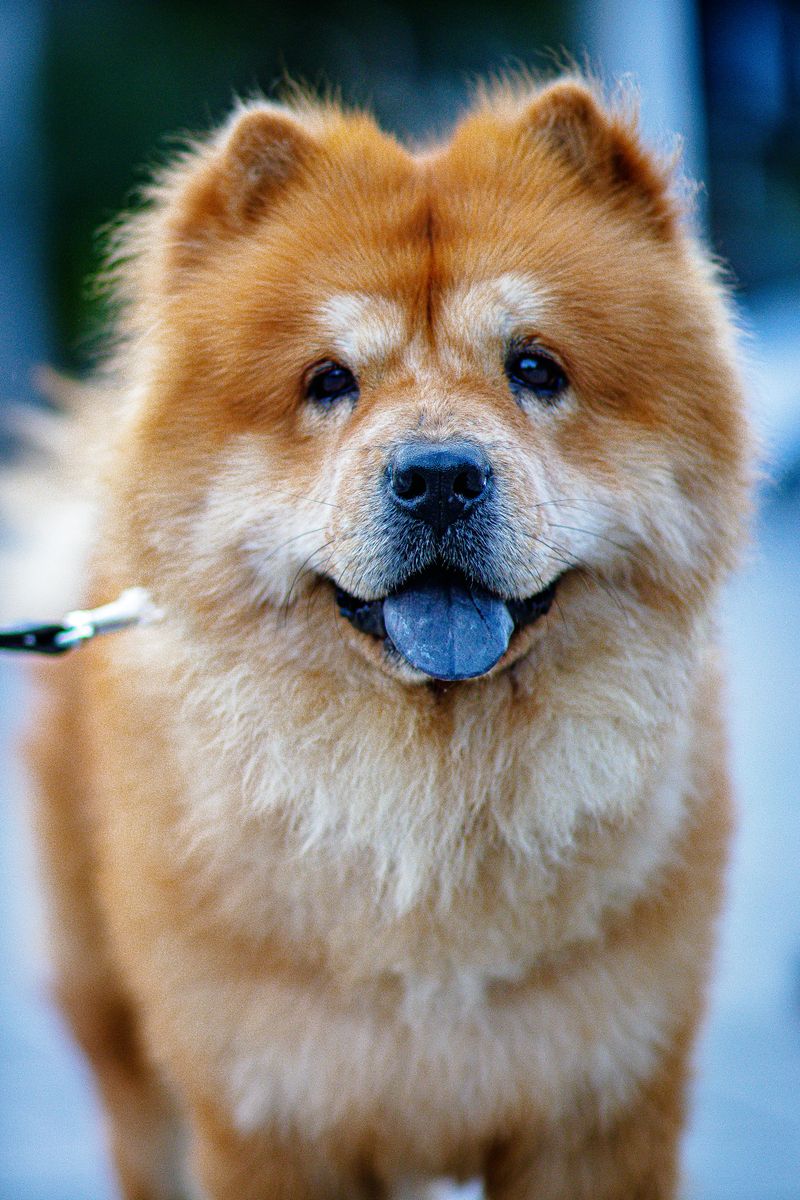
Chows get tagged as grumpy, yet many are simply reserved and particular about touch. Earn their trust, and you meet a polite, almost catlike companion who enjoys quiet company.
They appreciate respectful greetings, clear routines, and grooming that feels like a spa day, not a battle.
Training should be brief, upbeat, and dignified, with rewards that matter to them. Heavy handed methods shut them down.
When you show patience, they bloom into softly affectionate housemates. Their watchdog presence is mostly observation with occasional alerts.
Watch them trot with plume tail and you will smile. Misjudgment slips away as you learn to listen to their signals and move at their thoughtful pace.
Siberian Husky
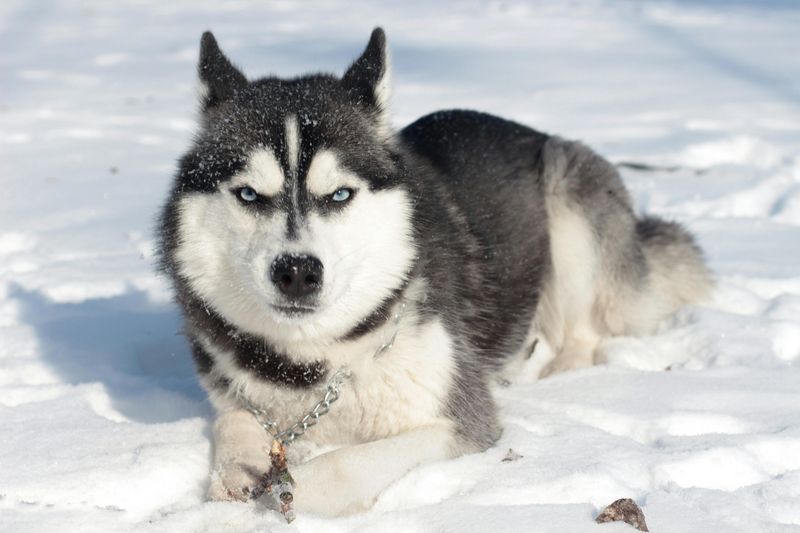
People expect constant howling and escape artistry, and sometimes that is true without outlets. Give a Husky a job, like canicross or backpacking, and watch cooperation grow.
They are friendly, comedic, and happiest when the schedule includes movement and conversation.
Training with variety keeps them engaged, as repetition bores quick thinkers. Secure leashes and fences protect their curiosity.
At home they are affectionate and surprisingly gentle with kids who respect boundaries. They share stories with those famous voices, then flop for deep naps.
Meet a well exercised Husky and you will meet calm, bright eyes. The myth of untrainable fades when you trade chores, laughter, and long trails together.
Alaskan Malamute
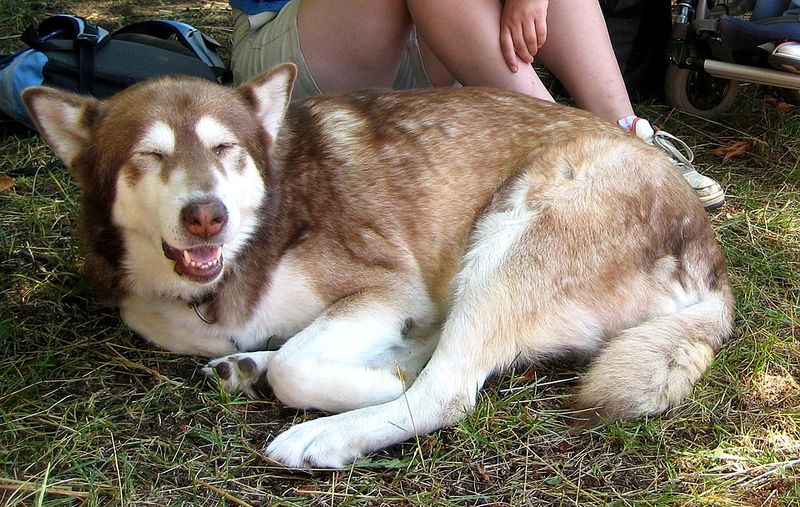
Malamutes look like wolves, so people brace for drama, but these are affectionate, social dogs with a love for teamwork. They pull because history made them helpers, not rebels.
Give them structure, jobs, and respectful handling, and you get a calm, smiling companion.
They need solid recall management and sturdy fences, plus grooming that doubles as bonding time. Short obedience spiced with fun keeps their interest.
They greet strangers with warmth more often than suspicion. After a hike, they melt into a cuddle puddle at your feet.
Misjudgment fades the first time a Malamute rests a giant head on your knee and sighs contentedly. You feel steady warmth, not wildness.
Dalmatian
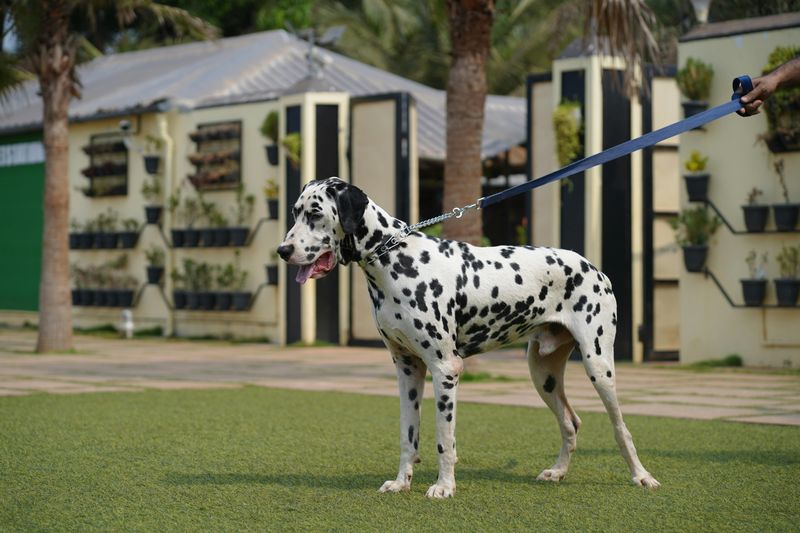
Cartoons made Dalmatians look chaotic, and some folks still assume hyper equals hopeless. In truth, they are athletic, clever partners who shine with structure and variety.
Road time, scent games, and trick training channel that sparkle into cooperation.
They can be sensitive to rough handling and need thoughtful socialization around noise and crowds. Provide predictable routines and calm recovery spaces.
You will uncover a dog who loves learning and thrives near your side. They bond tightly and show off with prancy trots and quick sits.
Meet a guided Dalmatian and you see focus, not frenzy. Stereotypes flicker out when spots blur happily along your morning run, then settle in for coffee.
Shar Pei
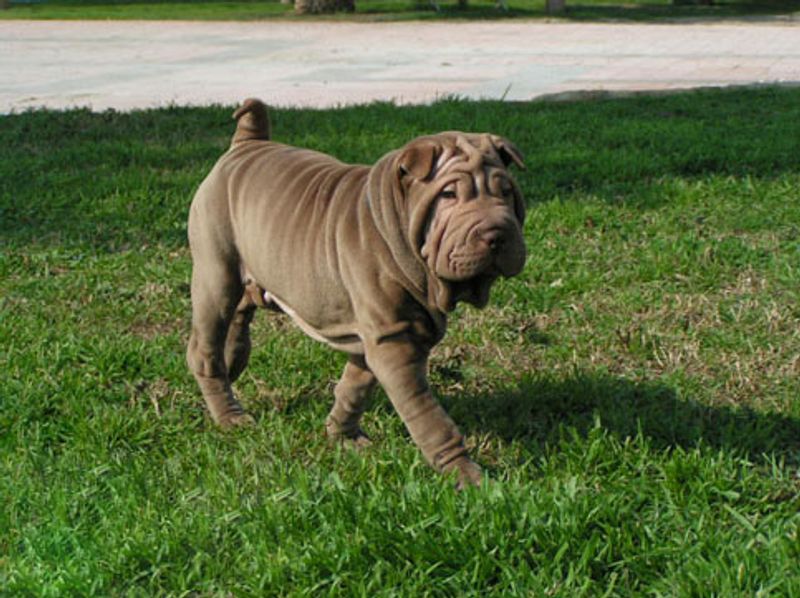
Those wrinkles can read as scowl, but a Shar Pei is typically a composed, loyal companion. They like routine, respectful introductions, and owners who notice subtle signals.
Affection is real, just quieter than exuberant greeters, and it grows as trust deepens.
Early socialization and vet desensitization help with confidence and care. Keep training sessions short and fair, and celebrate small wins.
Their protective streak is usually measured, not loud. You will see dry humor and calm pride at home.
Meet one who has been understood, and the supposed grump becomes a steady friend. Misjudgment fades when their brow softens and they choose to sit close on their own terms.
Boxer
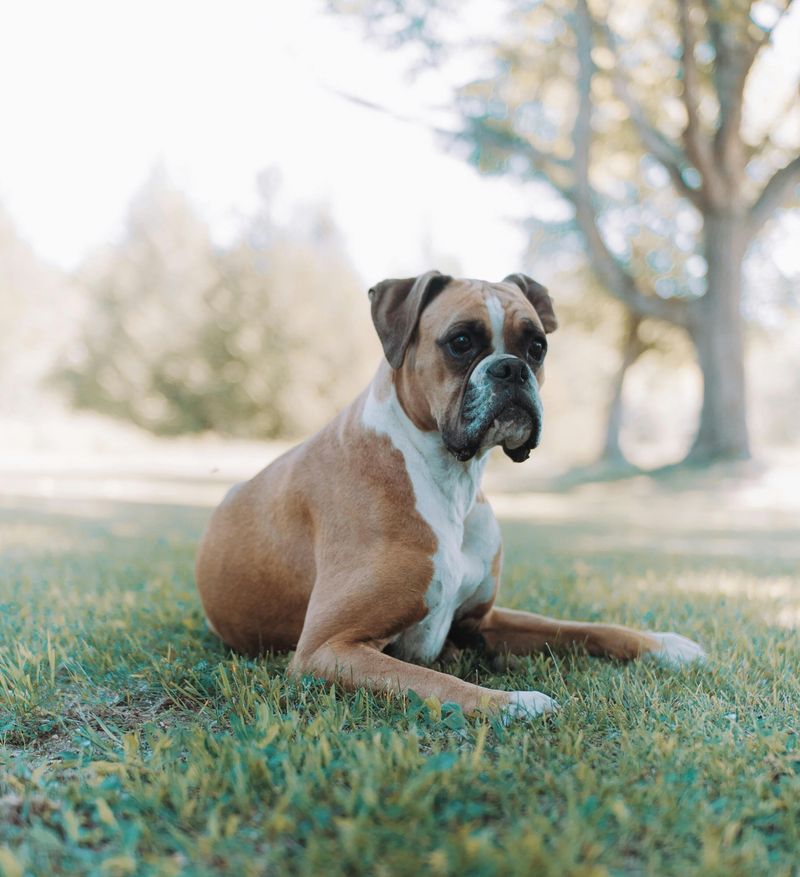
Boxers look tough, but most are sunshine wrapped in muscle. They bounce, clown, and love to turn training into a game.
Beneath the play is a sensitive heart that benefits from gentle structure and consistent routines.
Give them exercise in smart doses, plus brain work like shaping tricks and scent games. After fun, they switch into cuddle mode, sprawling like warm pillows.
Their alert bark sounds fierce, yet they often greet friends with full body wiggles. Meet a well mannered Boxer and you will feel joy more than power.
Misjudgment fades as their expressive eyes track your mood and adjust gently. They are here to make you laugh and keep you moving.