
Some dogs turn heads, but that does not mean they fit your routine, budget, or energy level. It is easy to fall for a glamorous image and miss the real work these breeds demand.
Before chasing status, make sure the lifestyle match is honest. Here are popular dogs people buy for clout, and the everyday realities that come with them.
Doberman Pinscher
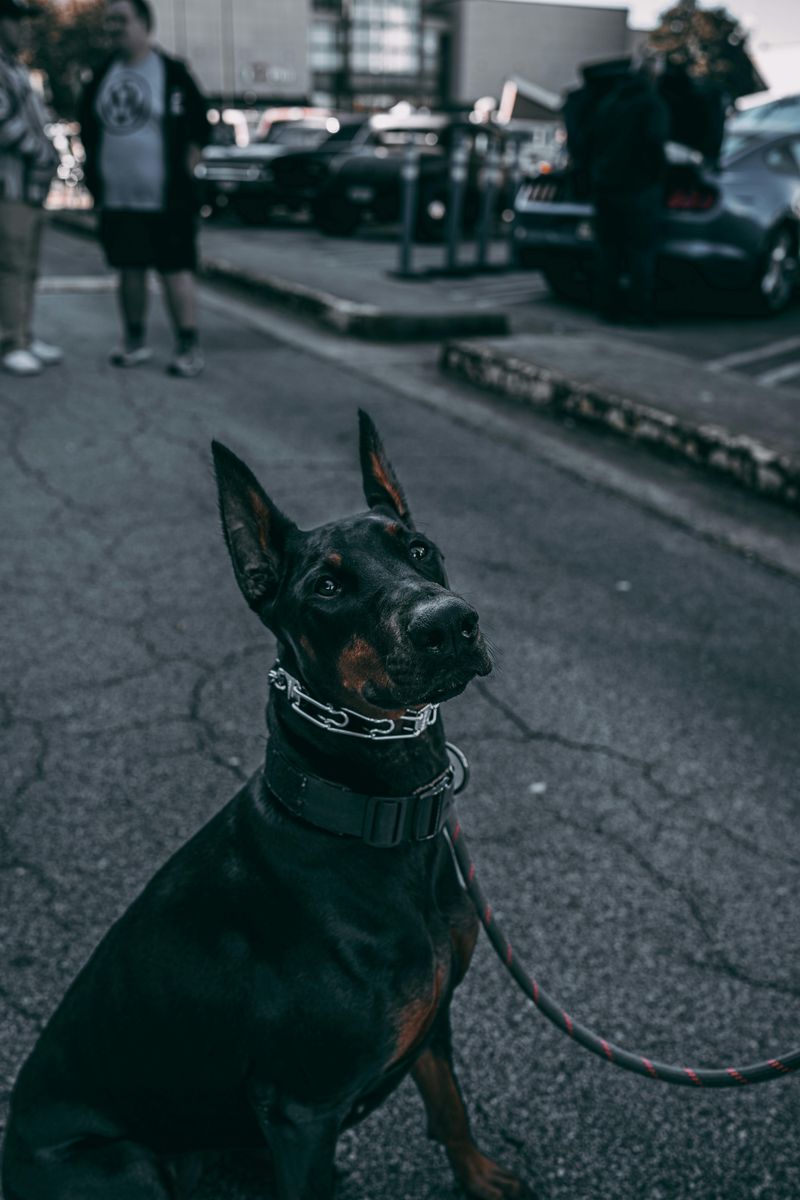
Dobermans look sleek and commanding, which makes them status magnets. People picture a loyal shadow that just chills at home.
Reality is different because this breed needs near daily mental workouts and structured training. They are brilliant problem solvers who test limits.
Strong prey drive and watchdog instincts are built in.
Without that, boredom turns into destruction or sharp reactivity. You also need time for cardio, impulse control games, and consistent boundaries.
If you want a flexible couch ornament, a Doberman will quickly outpace your schedule and patience. Socialization is not optional, it is a lifelong project that takes planning and consistency.
Vet bills, quality food, insured training help, and strong fencing add up faster than most new owners expect.
Rottweiler
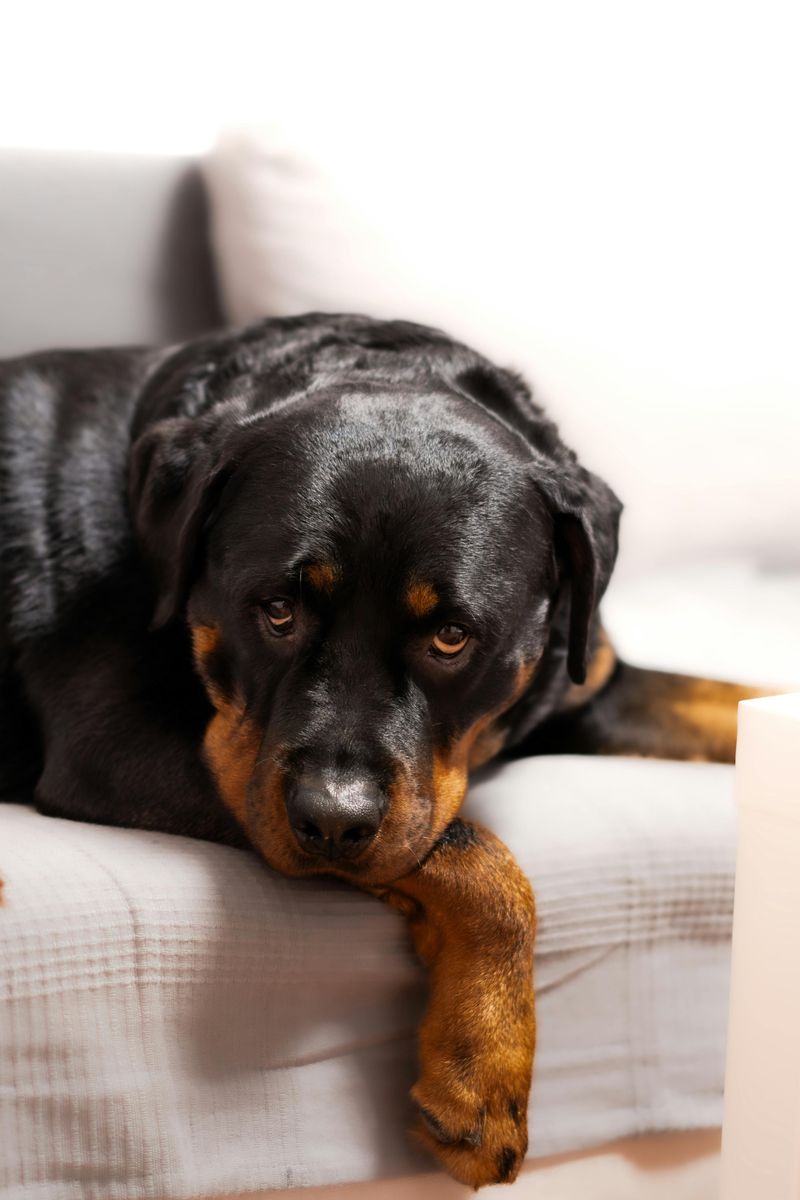
Rottweilers signal strength and loyalty, so people assume they are turnkey guardians. In reality, they are sensitive working dogs who read your body language and energy.
If training is inconsistent, they get confused and push boundaries hard. They require structured obedience, bite inhibition work, and thoughtful neutrality around strangers.
Skipping early socialization can backfire quickly.
Daily exercise needs go beyond a quick walk. Expect targeted drills, nose work, and clear rules.
They thrive when you lead calmly and fairly, not with intimidation. Insurance, local breed restrictions, and public stigma can also affect daily life.
If you mainly want bragging rights, a Rottie will expose every gap in your time, handling skills, and household systems within weeks.
Cane Corso
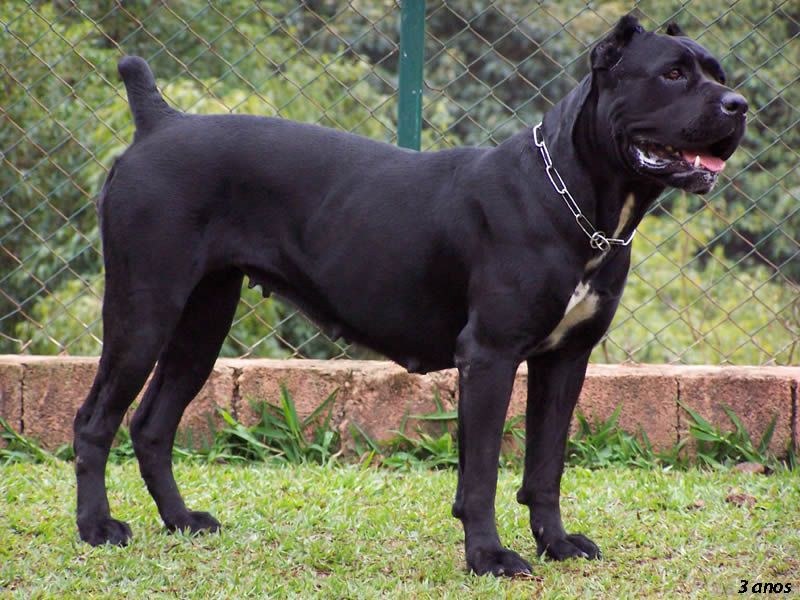
The Cane Corso looks like a movie bodyguard, which tempts status buyers. Behind that look is a guardian breed needing confident, experienced handling.
Without firm structure, they can become pushy, territorial, and unsafe. This dog expects a job, daily training reps, and steady leadership.
Quick walks will not drain their working brain.
Early socialization is critical, not a weekend project. Budget for pro trainers, quality food, and medical expenses for a giant, powerful dog.
Your home should have secure fencing and rules guests actually follow. Corsos do best with calm owners who practice consistent boundaries.
If your lifestyle is chaotic or you like spontaneous visitors, this impressive dog will turn that chaos into conflict faster than you expect.
Great Dane
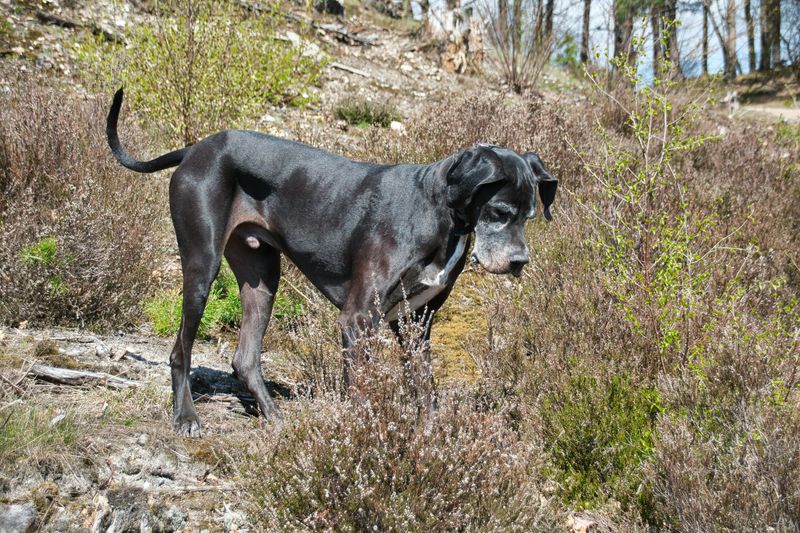
Great Danes look regal and gentle, which makes them Instagram stars. People forget they are literal furniture sized roommates with fragile joints.
Rapid growth, bloat risk, and orthopedic concerns demand careful management. Think slow feeder bowls, insurance, and vet visits that fit a giant.
Tiny apartments and delicate decor do not last long.
They still need exercise, but high impact play can injure them. Training matters because a playful lean can knock someone over.
Short lifespans mean heartbreaking goodbyes come sooner than expected. Food and medication costs scale with size, too.
If you want a gentle giant for clout, be sure your budget, square footage, and schedule can handle the logistics of caring for a sensitive, supersized friend every single day.
Akita
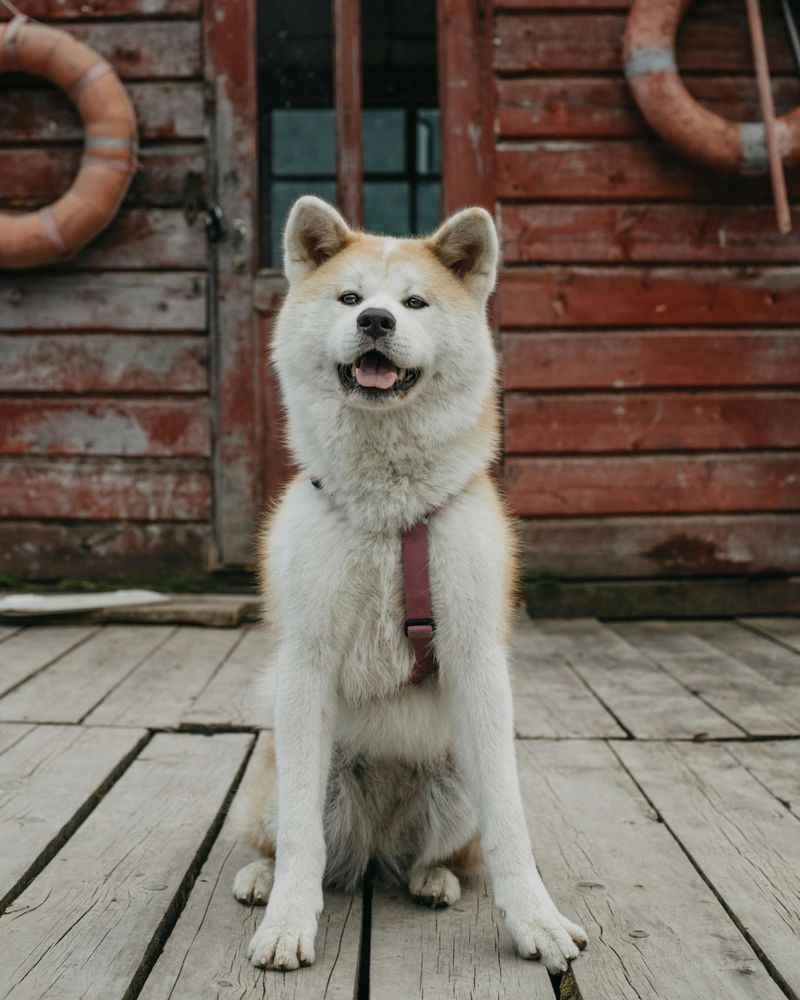
Akitas look noble and photogenic, but they are famously independent. Many do not enjoy rough play with unfamiliar dogs and can react poorly to pushy greetings.
Training must be fair, patient, and consistent, or they will disengage. Expect aloofness with strangers and strong opinions about personal space.
Off leash reliability is tough without serious work.
Grooming is intense during seasonal sheds, with tufts everywhere. They are quiet at home but need purposeful exercise and brain work.
Resource guarding can appear if boundaries are fuzzy. Early socialization helps, yet breed instincts still matter.
If you crave a cuddly social butterfly, an Akita may frustrate you. Choose them only if solitude, structure, and steady leadership fit your daily rhythm.
Chow Chow
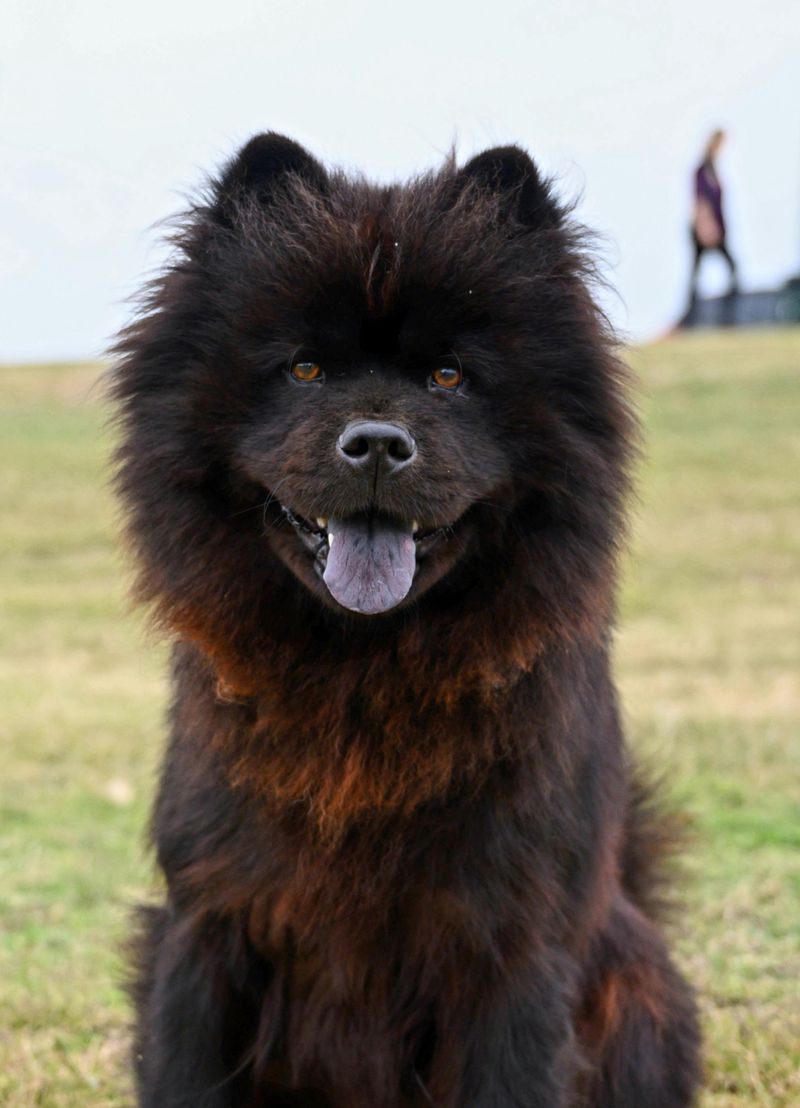
Chow Chows look like living lions, which draws status seekers. Their temperament is typically reserved and sometimes suspicious of strangers.
They are not lab like greeters and prefer predictable routines. Handling sensitivity means grooming and vet care require patient desensitization.
Without it, a simple nail trim can turn into a standoff.
The coat needs serious maintenance to avoid matting and skin issues. Solid socialization helps, but independence remains.
Some struggle in hectic homes with many visitors or grabby kids. Training should be low drama, clear, and consistent.
If your dream is a fluffy mascot for constant public attention, a Chow may disappoint you. They reward respectful partnership, not showy handling, and they demand regular coat care plus thoughtful boundaries.
Afghan Hound
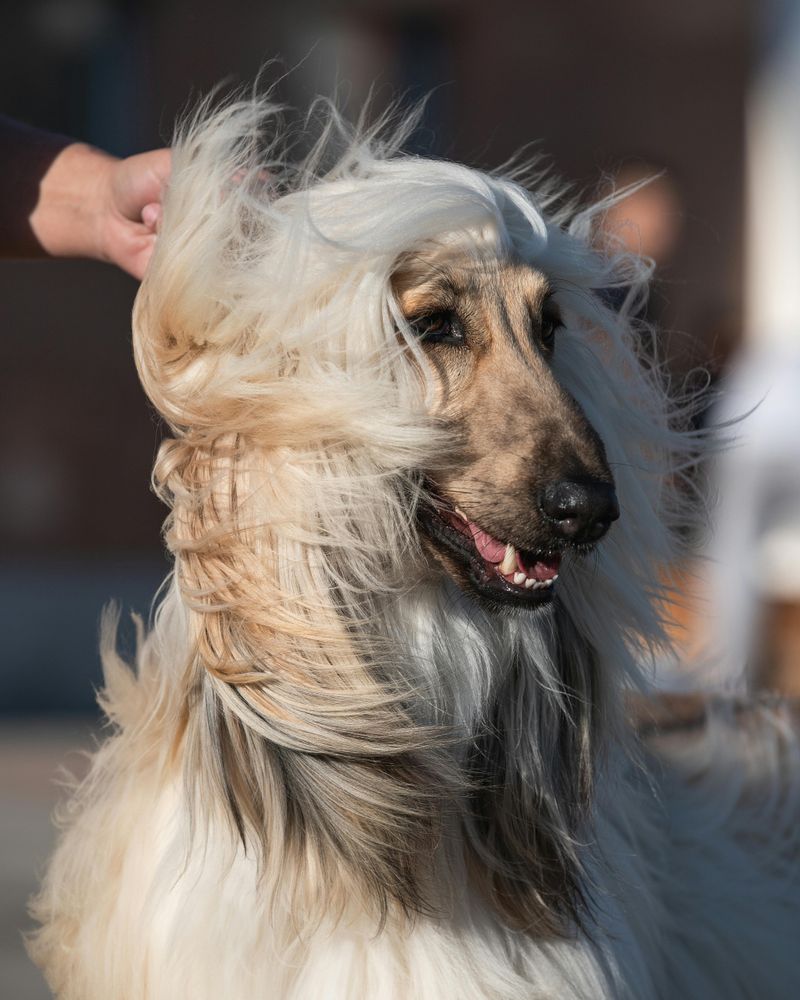
Afghan Hounds look like runway models, but that coat is a lifestyle. Expect hours of brushing, bathing, and blow drying to prevent mats.
Skipping even a week can snowball into shaving. Sighthound instincts mean chasing moving things is thrilling.
Off leash freedom in unfenced areas is risky without heavy training.
They are sensitive, sometimes aloof, and not people pleasing in the classic sense. Harsh methods shut them down, while patient games work better.
They need sprint outlets plus calm decompression, not chaotic dog parks. Grooming bills rival boutique hair salons, and quality nutrition matters.
If you want effortless glamour, think again. You either love coat care and mindful exercise planning, or an Afghan will make daily life feel like homework.
Irish Wolfhound
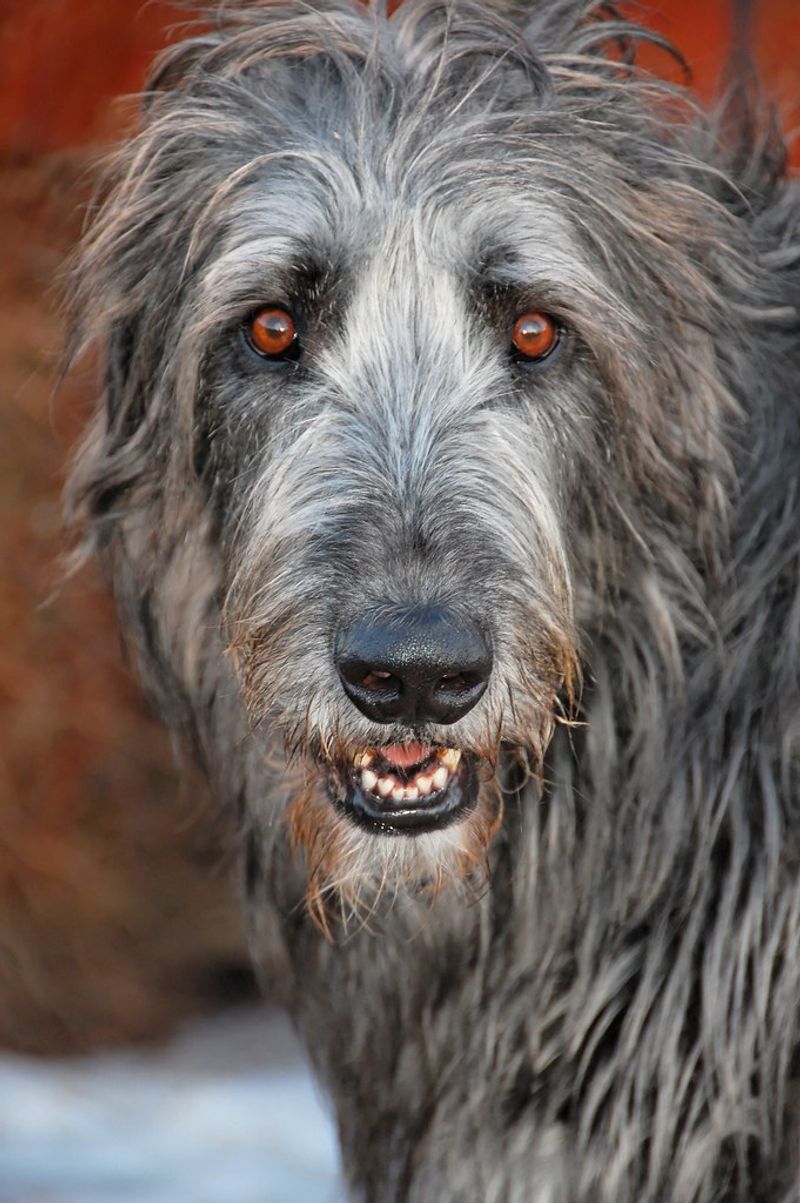
Irish Wolfhounds have a mythic presence that screams prestige. Yet they are gentle giants with delicate health windows.
Rapid growth, heart concerns, and bloat risks require careful management and veterinary partnership. Short bursts of play beat sustained pounding on growing joints.
Their size alone makes travel, housing, and car choices complicated.
They crave companionship and soft handling more than flashy training. Many are couch potatoes with surprising zoomies, not endurance athletes.
Costs scale with every pound of food and medication. Fencing must be secure and tall, and stairs can be challenging for seniors.
If your goal is a showpiece, the reality is tender care and intentional pacing. Loving an Irish Wolfhound means cherishing slowness, space, and frequent vet check ins.
Rhodesian Ridgeback
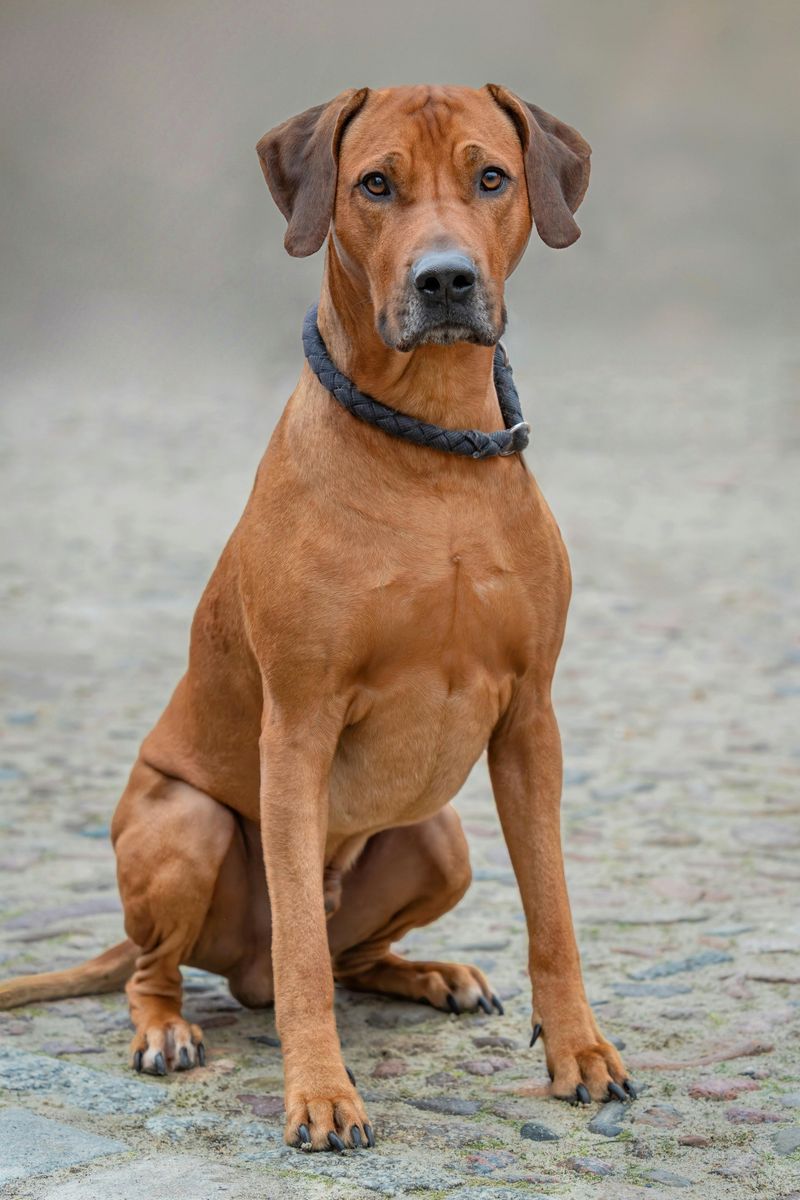
Ridgebacks look rugged and adventurous, perfect for outdoorsy branding. They are independent hunters with big stamina and opinions.
Boredom invites creative mischief, like counter surfing and self led adventures. Off leash recall is not automatic, especially around wildlife.
They need structured exercise, scent games, and calm leadership.
Many do poorly with repetitive, drill heavy sessions. Keep training varied and purpose driven.
Thin coats mean they dislike cold, despite the tough image. Apartments can work only with serious daily workouts and planning.
If you picture a plug and play trail buddy, this breed will challenge your consistency. Earn their respect with fairness, outlets for chasing instincts, and rules that make sense every single day.
Weimaraner
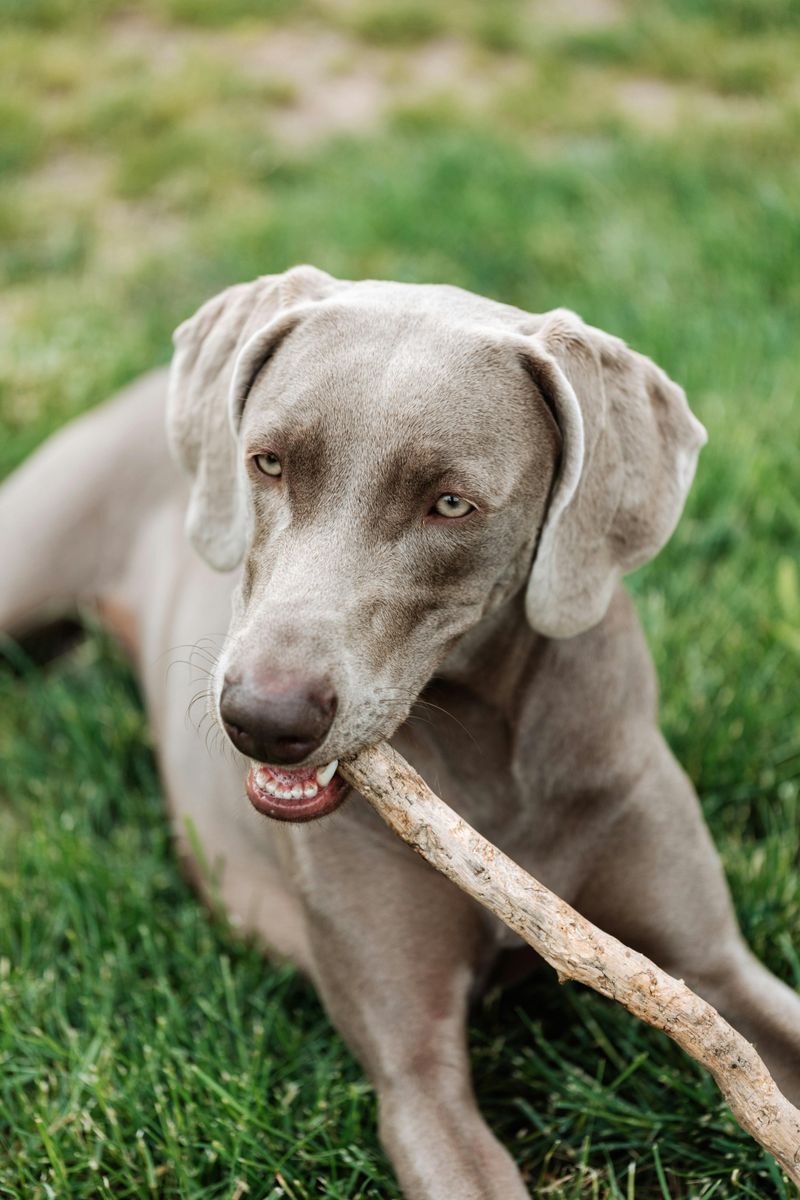
Weimaraners look polished and sporty, a real head turner. Under that gloss is a high energy, velcro dog who hates boredom.
Separation issues can erupt without structured independence training. They need long, thoughtful workouts plus brain games that channel prey drive.
Half measures produce chaos, vocalization, and shredded projects.
They excel with tracking, field games, and scent work, not just fetch. Sensitive temperaments dislike harsh handling, so use clear, upbeat guidance.
Expect training time every day, not once a week. If your life is meetings, travel, and late nights, a Weim will not adapt politely.
Choose them only if you enjoy endurance exercise, puzzle solving, and routine. Otherwise, the sleek look becomes a daily stress machine.
Belgian Tervuren
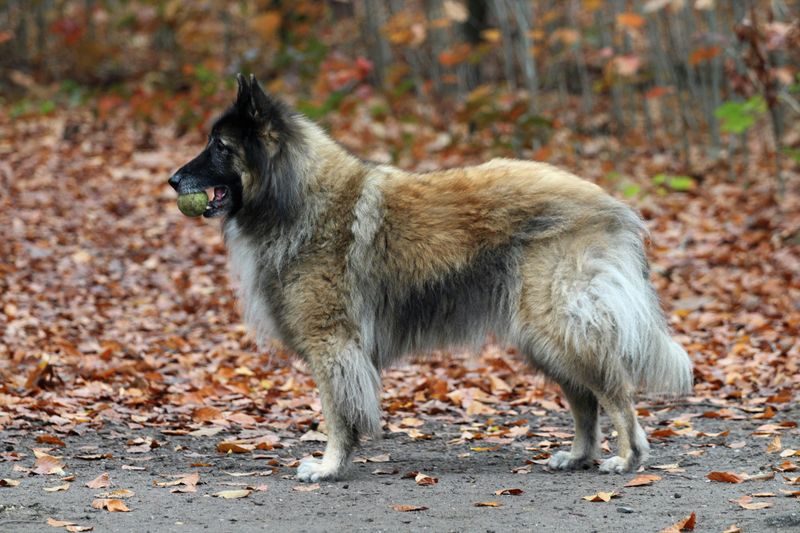
Belgian Tervurens look glamorous in motion, and their brains match the beauty. This is a working herder that requires serious training outlets.
Without jobs, they invent problematic ones, like herding kids or policing guests. High drive plus sensitivity demands skilled handlers who balance clarity and confidence.
Weekend warrior energy will not cut it.
They thrive in sports like agility, tracking, and protection with ethical guidance. Daily engagement is mandatory, including impulse control and decompression.
Grooming is manageable but steady, with seasonal shedding you will notice. They bond hard and can become vocal if under stimulated.
If you want effortless elegance, plan for a second life as a trainer. Otherwise, this brilliant dog will outmaneuver your schedule and patience quickly.
Giant Schnauzer
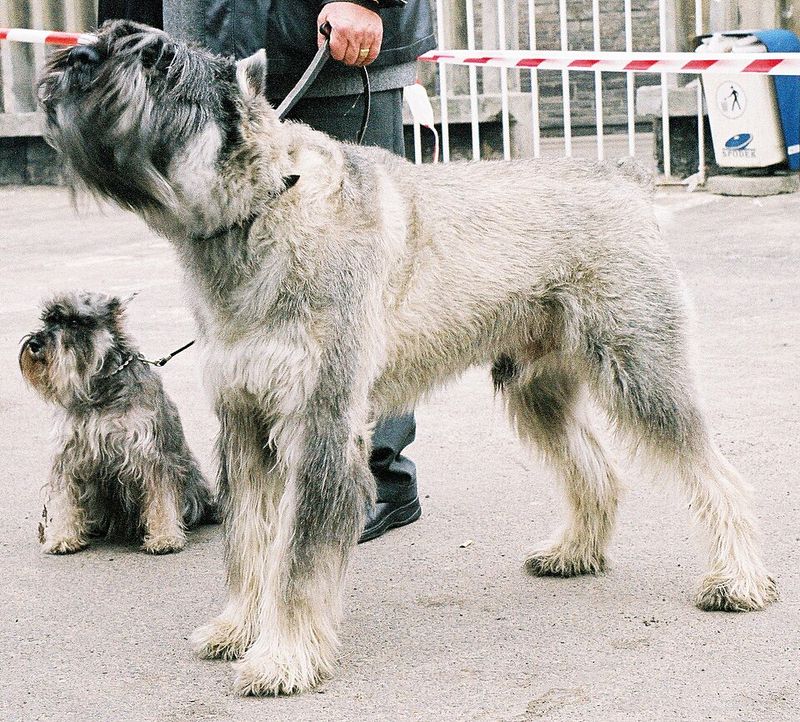
Giant Schnauzers look like executive bodyguards with eyebrows. They are intense, mouthy, and highly trainable, but not casually so.
Daily structure and advanced obedience are non negotiable. Without redirection, their energy becomes jumping, nipping, and territorial antics.
Grooming maintenance and regular clips add cost and time.
They shine with tracking, protection sports, and real jobs. If your home lacks clear rules, they will write their own quickly.
Exercise must include thinking, not only miles. Expect to manage adolescence with professionalism and humor.
If you crave a bold statement dog, budget for lessons, gear, and scheduling discipline. A Giant Schnauzer will expose shortcuts instantly and turn your Instagram aesthetic into a very real management puzzle.
Beauceron
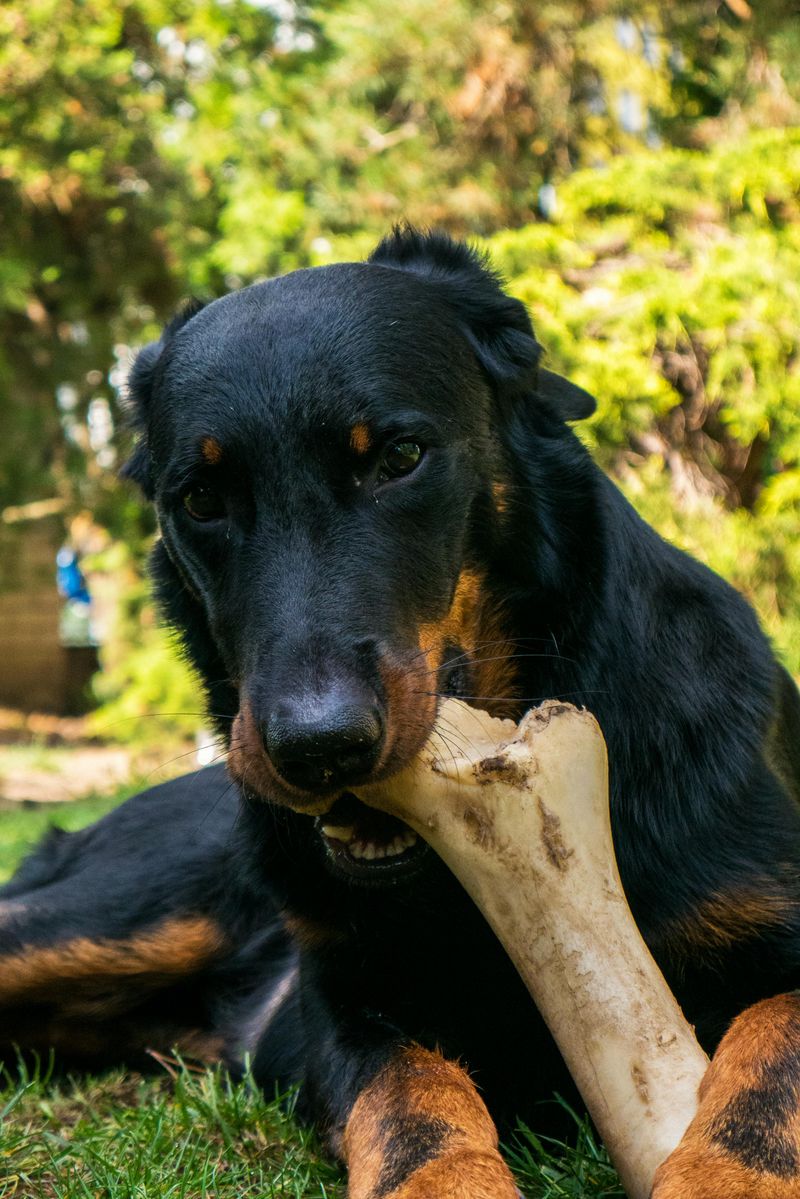
Beaucerons project quiet power and sophistication. They are serious herding and protection capable dogs requiring maturity from their owners.
Without structure, they can become suspicious, mouthy, and difficult with guests. Training should be purposeful and fair, with clear boundaries and jobs.
This breed notices everything and tests sloppy handling.
Long daily walks are not enough. Add tracking, obedience, and off switch training to protect your sanity.
Socialization must be wide and ongoing, not a puppy only phase. Their size and athleticism demand secure fencing and consistent recall work.
If your goal is a chic, rare statement, reality will feel like daily homework. Choose a Beauceron only if you genuinely enjoy training and systems.
Leonberger
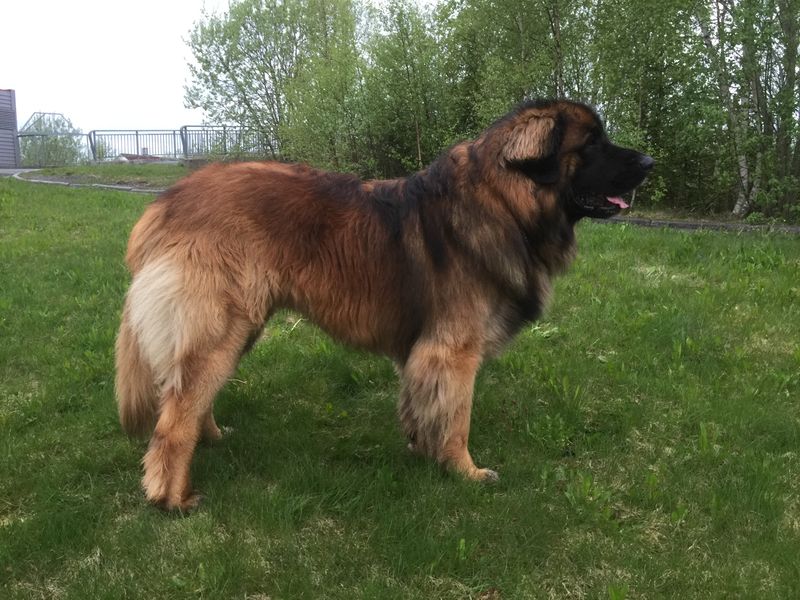
Leonbergers look like friendly lions and draw attention everywhere. They are sweet, sensitive giants who need space, stable routines, and coat care.
Slobber is real, and so are wet floors. Orthopedic health, bloat risk, and grooming time are significant factors.
A small car and delicate furniture will suffer.
They love people but are not invincible jungle gyms for kids. Training should be low pressure and consistent to guide a gigantic teenager phase.
Food, supplements, and vet bills add up fast with their size. Travel and boarding require special planning.
If you want a cuddly status floof, be ready for the logistics, the hair, and the drool. A Leonberger thrives with gentle structure and lots of calm companionship.
Bullmastiff
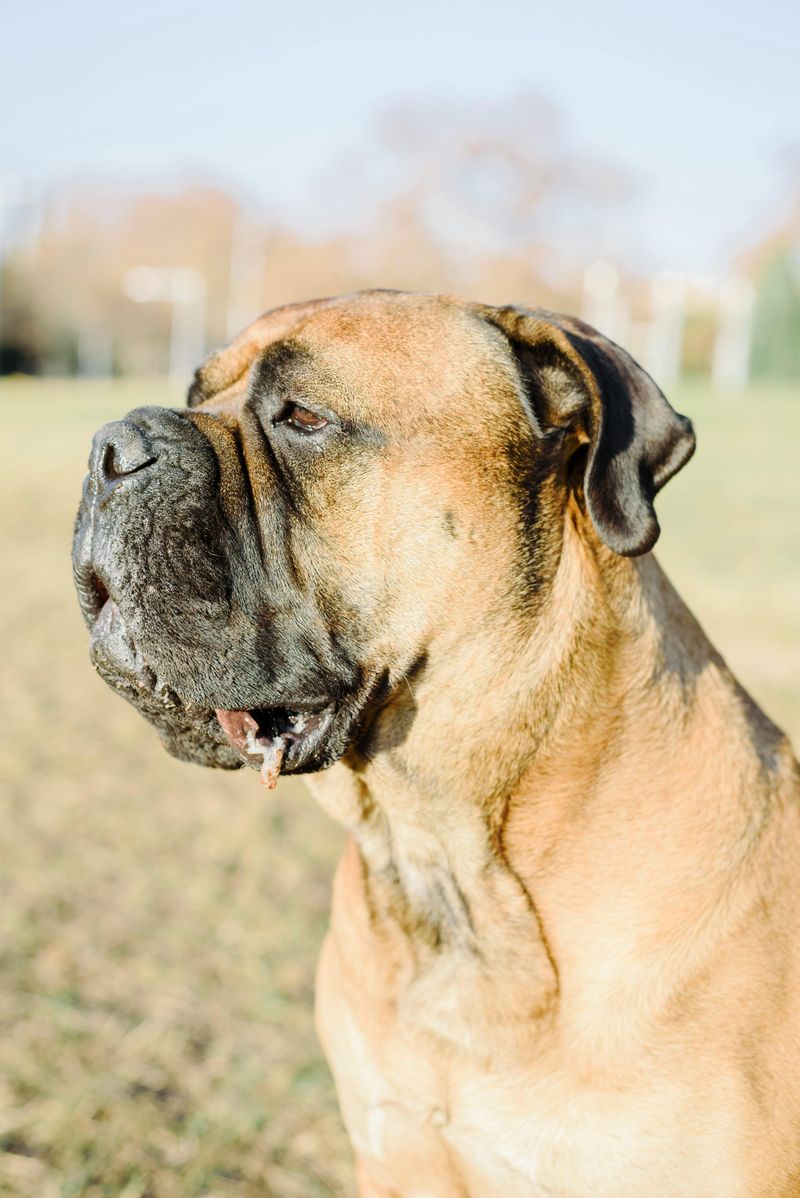
Bullmastiffs look like living safes, which excites status shoppers. They are guardian dogs bred to deter, not bounce around dog parks.
Short intense exercise suits them better than marathons. Heat sensitivity, orthopedic risks, and drool demand management.
Training must be firm, calm, and consistent, or stubbornness blooms.
They are generally quiet indoors but require supervision with visitors due to protective instincts. Expect big costs for food, insurance, and quality vet care.
Space matters because a playful lean can topple decor. Socialization helps them read situations more accurately.
If you want a low effort protector, rethink it. A Bullmastiff needs thoughtful boundaries, routine health monitoring, and owners who manage a powerful body with respectful leadership.
Tibetan Mastiff
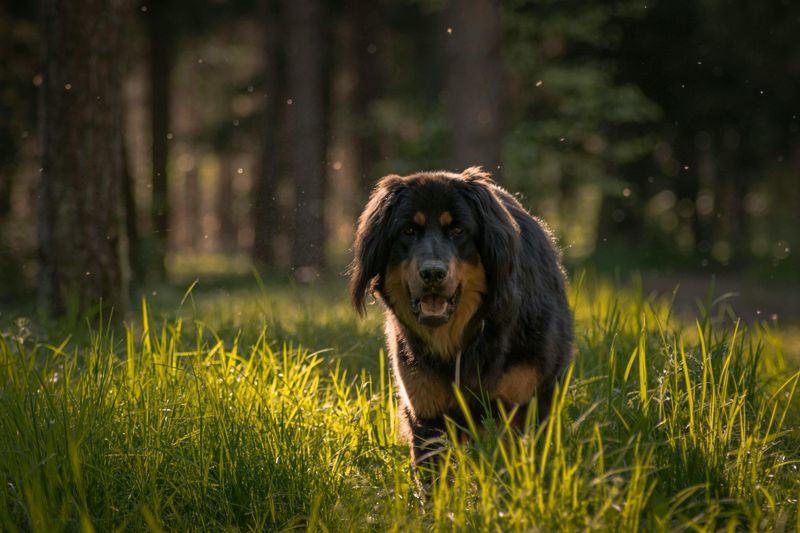
Tibetan Mastiffs look mythical and rare, perfect for status posts. In practice, they are independent livestock guardians with night watch tendencies.
Barking can be intense and neighbors will notice. They are not eager to please, and off leash reliability is limited.
Early socialization and secure fencing are essential, not optional.
The coat is heavy and seasonal sheds are dramatic. Heat is tough on them, so climate control matters.
Many do poorly with constant visitors or chaotic households. Training is about mutual respect and management, not flashy obedience.
If your dream is a living lion in the city, prepare for reality checks. A Tibetan Mastiff fits rural, spacious, rule based homes, not busy social calendars in tight neighborhoods.