
A well trained dog can look perfectly fine while quietly struggling inside. Obedience often masks rising anxiety, and many sensitive breeds shut down before you notice the signs.
If you have ever thought everything seemed great right up until it was not, this list is for you. Learn the subtle signals and practical steps to protect your dog’s emotional well being.
Shetland Sheepdog
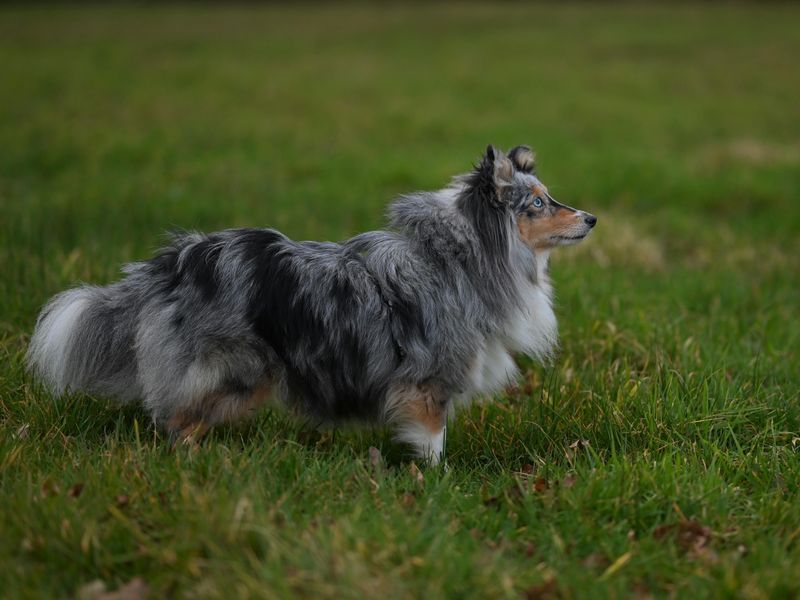
The Shetland Sheepdog is bright, eager, and incredibly biddable, which can trick you into assuming everything feels fine. Many Shelties overcomply when stressed, quietly shutting down rather than protesting.
You might see perfect heelwork while their tail tightens, ears flatten, and eyes glaze.
Offer predictable routines, gentle decompression walks, and frequent choice points during training to keep agency alive. Reward sniffing, shaking off, and consent cues, and keep sessions short with soft voices and light hands.
If pressure rises, step back, scatter-feed, and let your Sheltie recover before asking again. Provide quiet resting spaces, moderate canine social time, and shield sensitive ears from chaotic environments and clattering floors.
Your job is to notice small changes early.
Papillon

Papillons look fearless and bubbly, so you might mistake crisp obedience for confidence. Many will work through discomfort politely, ears high while breathing tight.
Watch for tongue flicks, paw lifts, and sticky stillness when the room gets loud or hands hover too long.
Give opt-out cues, teach a chin rest with release, and use tiny treat trails to lower arousal. Keep agility or trick sessions short, alternating simple wins with sniff breaks.
Encourage exploration on soft surfaces and reward choosing distance from pressure. Protect sleep, manage visitors thoughtfully, and avoid crowding their space.
When you see shrinking posture or brittle focus, pause early and reset the environment before asking again. Confidence grows when they feel heard.
Flat-Coated Retriever
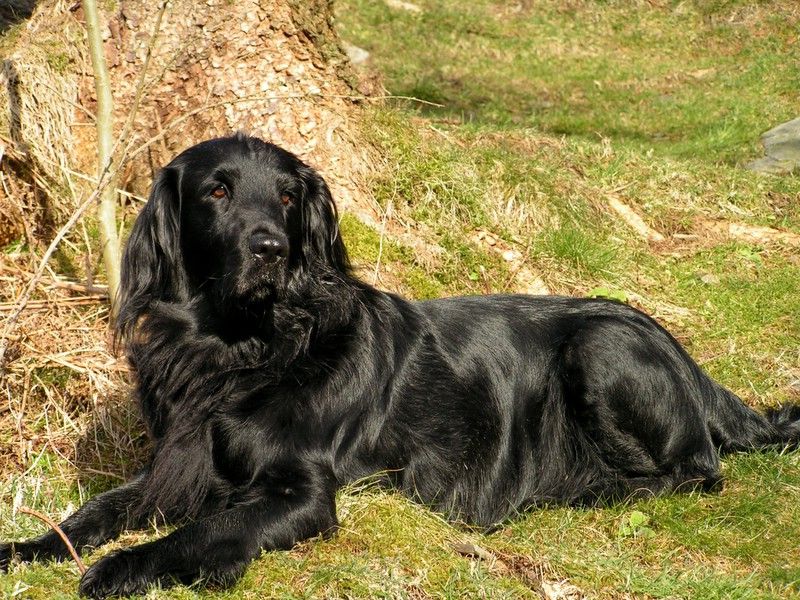
Flat-Coated Retrievers are gleeful people pleasers, which can hide brewing stress beneath that trademark smile. Many will fetch, pose, and heel while their body hardens, tails wagging low and fast.
Look for squinty eyes, sudden scratching, or zoomy avoidance when pressure stacks.
Trade repetitive drills for playful, choice-rich games, like search-party retrieves and scatter hunts. Use soft equipment, warmups, and cooldowns, and let water time be decompression, not constant fetching.
Teach a clear all done cue, honor it, and keep excitement under threshold. Practice cooperative care with pauses and treats.
If enthusiasm flips to frantic, call a reset, breathe, and give space so your Flattie can truly relax again. Sustainable joy feels loose, wiggly, and choice-filled.
Brittany
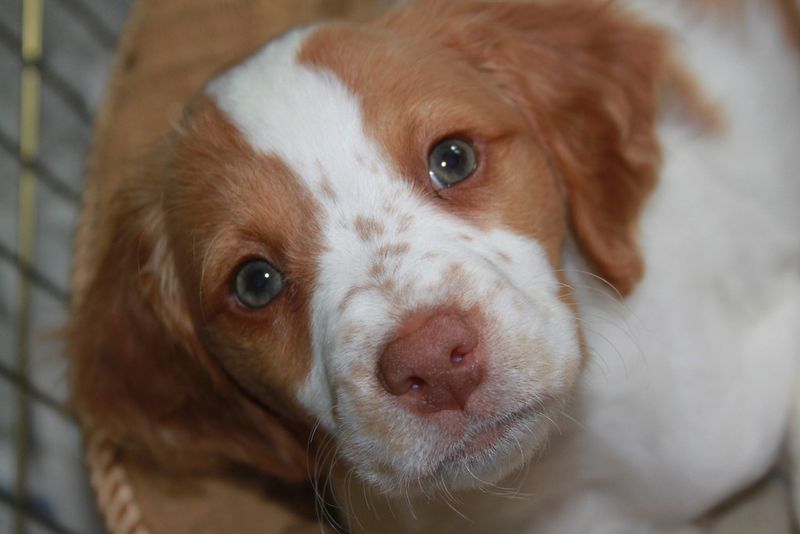
The Brittany is quick, sensitive, and keen to please, which can mask rising worry. You might get brilliant points and recalls while their mouth goes tight and movement turns mechanical.
Watch for scanning between tasks, small freezes, and sudden grooming during pressure.
Balance birdy games with calm pattern feeding, hand-target loops, and scent waffles. Keep corrections off the table and use soft feedback, then celebrate shakes and stretches.
Teach a park it mat and let your Brittany choose distance during greetings. Schedule true rest between hunts or field days.
If the sparkle dims or focus gets brittle, lighten the plan, offer sniff breaks, and rebuild confidence with tiny, obvious wins. Safety and agency unlock their sweetest brilliance.
Belgian Sheepdog
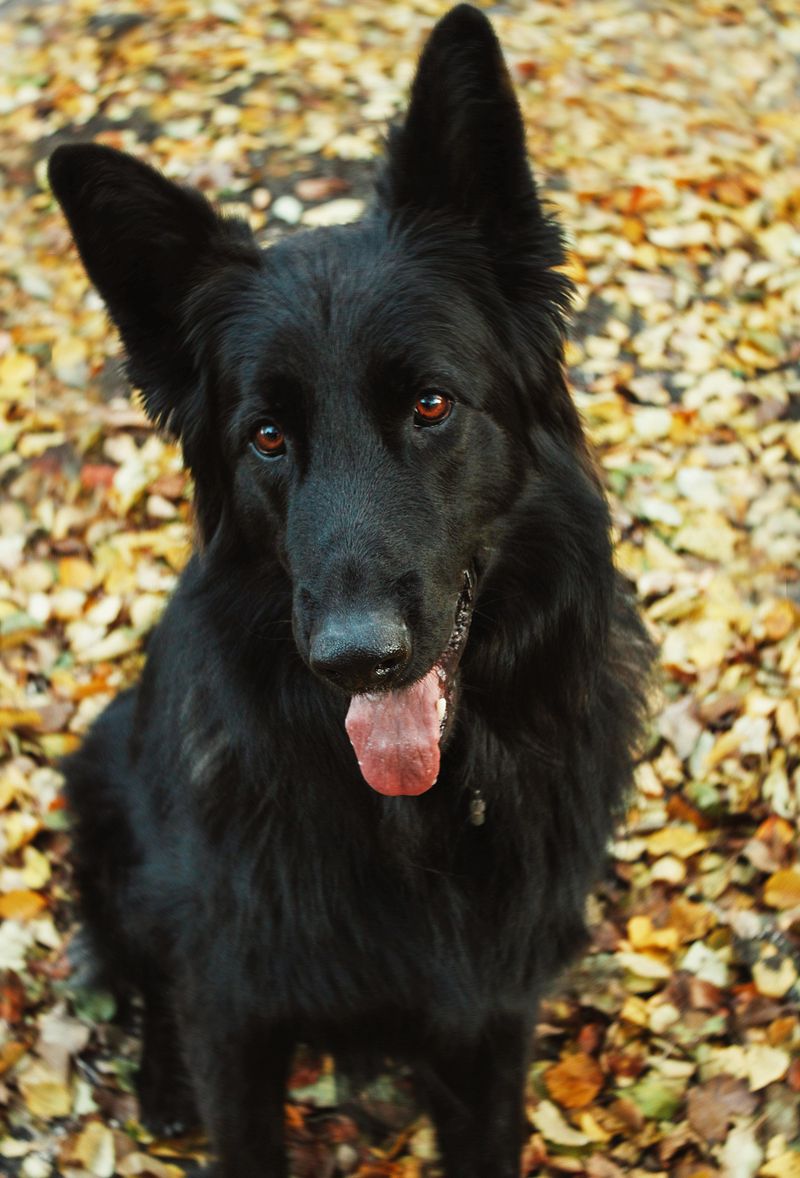
Belgian Sheepdogs are hyper aware and cooperative, so compliance can hide overwhelm. You may see crisp obedience while pupils dilate, hackles lift, and scanning never stops.
A dog that freezes politely is not fine, especially around crowded sidewalks or chaotic classes.
Prioritize agency with start buttons, predictable routines, and quiet decompression runs. Build resilience through sniffaris, pattern games, and thoughtful neutrality drills, not stacked pressures.
Keep handling consent based, and protect rest with dark, cozy spaces. Rotate gear for comfort, avoid surprise touches, and limit intense dog parks.
When focus turns brittle or movement stiffens, downshift immediately and let your Belgian reset before reengaging. Teach a release from pressure cue they trust.
Small choices stacked daily build durable confidence.
Collie
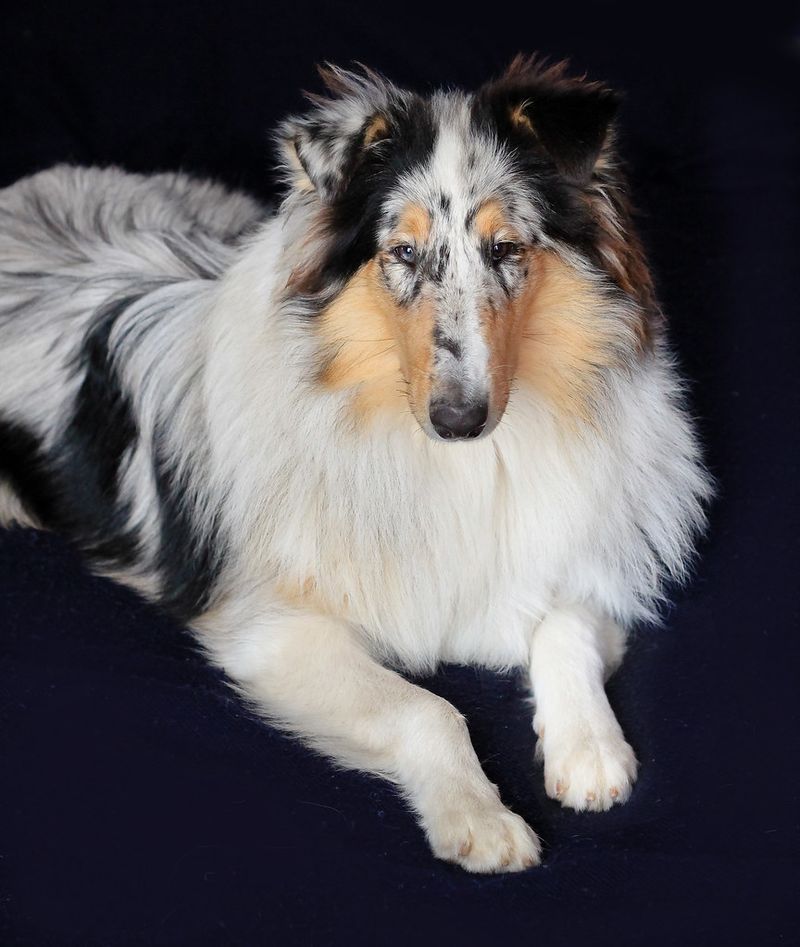
Collies often present as polite, unflappable companions, which can mislead you during stress. Many shut down softly, offering perfect manners while their skin crawls and breathing shallows.
Look for lip tension, a still tail, and glassy eyes when environments feel too busy.
Use collaborative care, low-friction gear, and warmup patterns before challenges. Let them choose approaches, add distance, and reward orientation back to you.
Keep training breezy and light, folding in sniff breaks, food scatters, and quiet observation time. Guard rest, dim lights in the evening, and buffer household chaos.
If responses slow or posture sinks, choose easier tasks and rebuild confidence at a pace your Collie can enjoy. Comfort builds when their voice matters.
English Setter
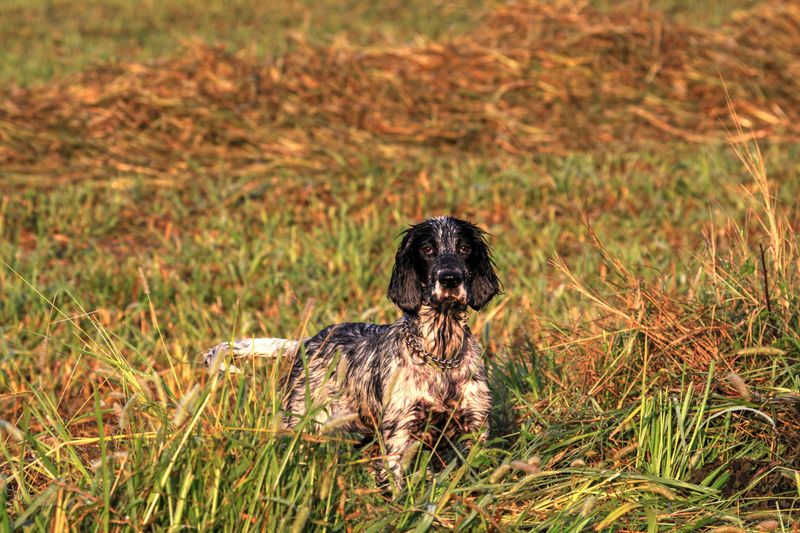
English Setters float through life looking dreamy, and people assume that softness equals resilience. Under pressure, many comply quietly while breathing gets shallow and bodies go still.
Look for whale eye, yawns that repeat, and sudden sniffing during obedience to cope.
Favor gentle field games, meandering sniff walks, and choice-filled settling on soft mats. Keep tone light, reward check-ins, and give exits during greetings.
Use cooperative care with pauses and tasty licks, and skip crowded dog parks. Mix easy wins with tiny challenges, and quit while they still want more.
If your Setter stiffens or attention splinters, decompress with distance, food scatters, and rest before trying again later. Soft does not mean stable under stress.
Field Spaniel
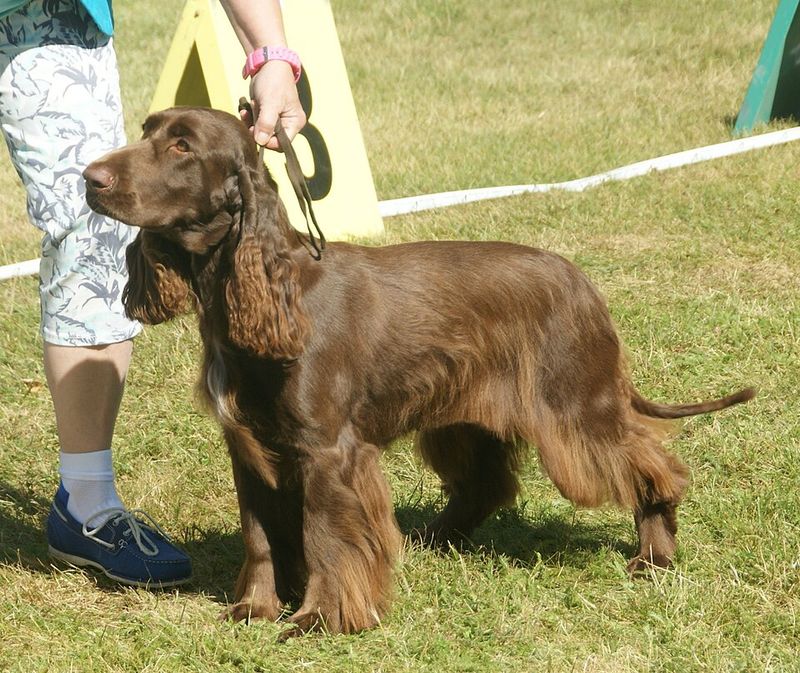
Field Spaniels are thoughtful, sensitive workers who often overcomply when emotions run high. You might see beautiful retrieves and heelwork while worry simmers under polished behavior.
Notice slowed responses, tucked chins, and a quieting tail when environments get chaotic.
Use kind structure, patterned games, and generous sniff breaks to maintain agency. Keep drills short, mix textures gradually, and invite consent for handling.
Build confidence with fun searches in low-pressure spaces before public adventures. Reward curiosity, celebrate shakes and stretches, and protect deep sleep.
If your Field Spaniel turns robotic or hesitates to try, back up the plan, lower pressure, and let joy lead training forward. Steady progress beats forced perfection every single time.
Listen closely to the tiny signals.
Nova Scotia Duck Tolling Retriever
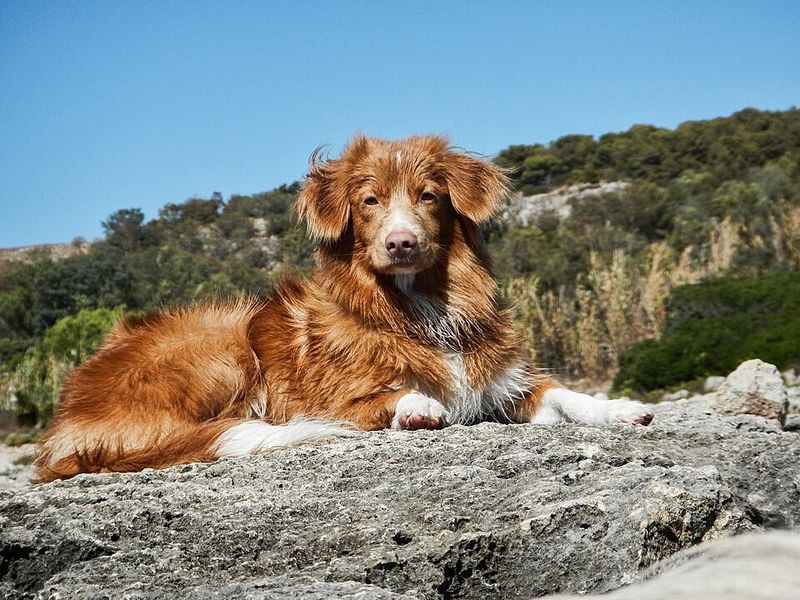
Tollers bring spark and style, but that go energy can hide brewing overwhelm. Many will keep working hard while pupils blow wide, voices quiet, and movement turns choppy.
Watch for frantic errors, tongue flicks, and refusal of food when pressure climbs.
Shape thoughtful arousal with start buttons, pattern games, and decompression swims. Keep retrieves limited, add sniff breaks, and practice neutral walking past excitement.
Build cooperative care with pauses and predictable sequences, and celebrate self-soothing choices. Cap sessions before the crash, then let your Toller nap in darkness.
If joy flips to edgy, slow everything down, offer distance, and reset goals so confidence can return. A calm brain learns and loves better.
Protect recovery like any core skill.
Miniature American Shepherd
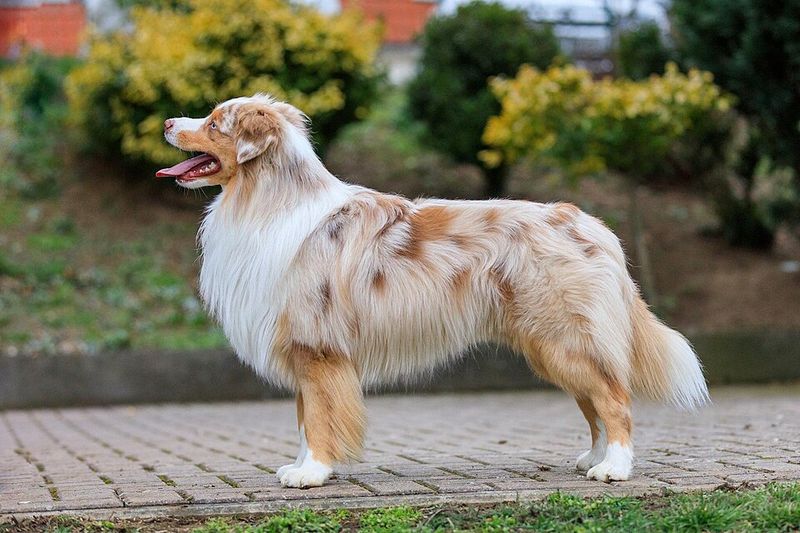
Miniature American Shepherds are smart and snappy, which can mask fragile feelings under perfect responses. Many will herd your steps neatly while tension rises and breathing tightens.
Look for stillness during greetings, stiff corners in movement, and delayed eating when worried.
Teach start buttons, pattern games, and cooperative care with clear releases. Rotate simple wins with micro-challenges, and scatter-feed to lower arousal between reps.
Keep social exposures short and sweet, always with escape routes. Build off-leash trust in quiet areas before busy parks.
If your MAS shifts from bright to brittle, pause training, create space, and prioritize rest until softness returns. Let them choose approaches and disengage freely.
Curiosity blooms when pressure stays low. Gently.
Welsh Springer Spaniel
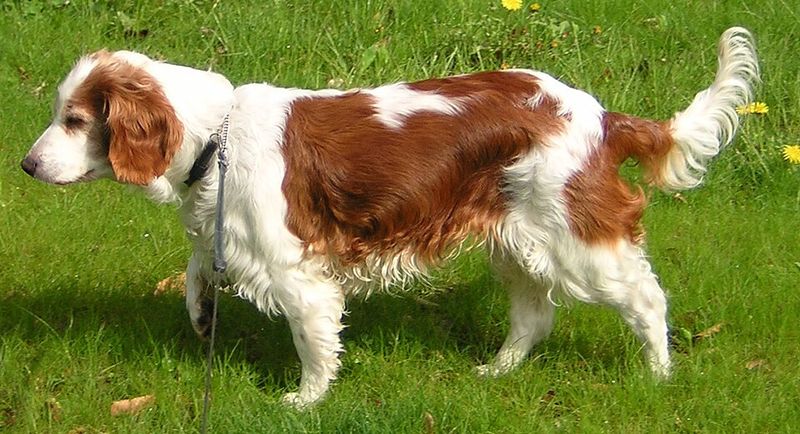
Welsh Springer Spaniels can look composed and dutiful, hiding stress behind gorgeous manners. Many keep working while eyelids flutter, bodies stiffen, and sniffing replaces engagement.
Notice hesitation to eat, tucked ears, or a glued sit during pressure.
Use kind structure, rhythmic games, and low-stakes searches to grow confidence. Keep durations short, celebrate shakes, and honor opt-outs.
Practice cooperative care with predictable steps and frequent treats. Provide calm decompression walks and quiet nap zones away from door traffic.
If attention gets brittle or movement slows, lower demands, add distance, and rebuild with simple, joyful reps that let your Welsh feel safe. Teach nose target games that end on their cue.
Slow, steady exposure beats forced bravery.
Kooikerhondje
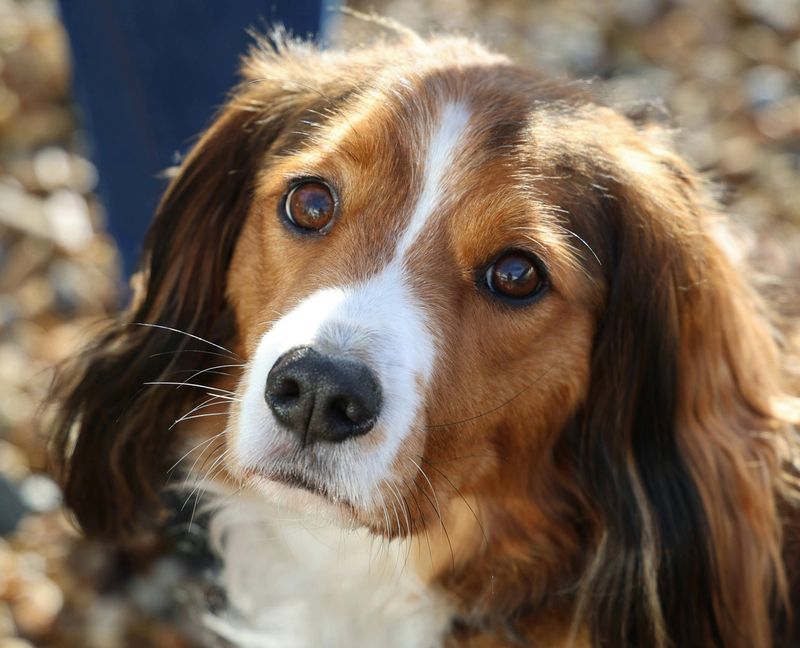
Kooikerhondjes are agile, focused little workers who often swallow stress politely. You may see precision in tricks or sports while their eyes harden and movement tightens.
Watch for silent freezes, quick grooming, and refusal of food when pressure builds.
Use soft voices, clear choice cues, and cooperative handling to protect agency. Keep sessions brief, interleave sniffing, and reinforce curiosity on new surfaces.
Build resilience with low-pressure search games, gentle parkour, and quiet field trips. Guard rest, limit chaotic visitors, and buffer noisy spaces with distance.
If your Kooiker turns brittle, back up, simplify, and create tiny wins before raising criteria again. Confidence grows where choice is respected.
Let them opt out without consequence. Patience pays.
Hovawart
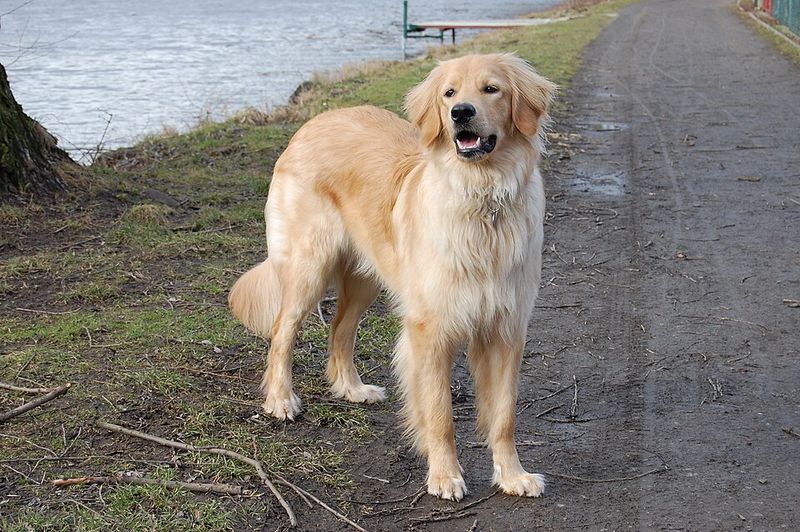
Hovawarts look steady and serious, but many shut down when pressure stacks. They might hold a perfect stay while scanning hard and breathing shallow.
Watch for slow responses, pinned ears, and refusal to take food as signs of struggle.
Build trust with start buttons, cooperative care, and predictable routines that reduce surprises. Keep training blocks short, pay generously, and reward seeking distance.
Provide quiet decompression walks in nature, not chaotic dog parks. Invite consent for handling and equipment, and support independence through free sniffing.
If focus fractures or movement gets wooden, reduce criteria, give space, and let your Hovawart reset before continuing. Safety first is not coddling.
It is smart training that protects learning. Truly.
Finnish Lapphund
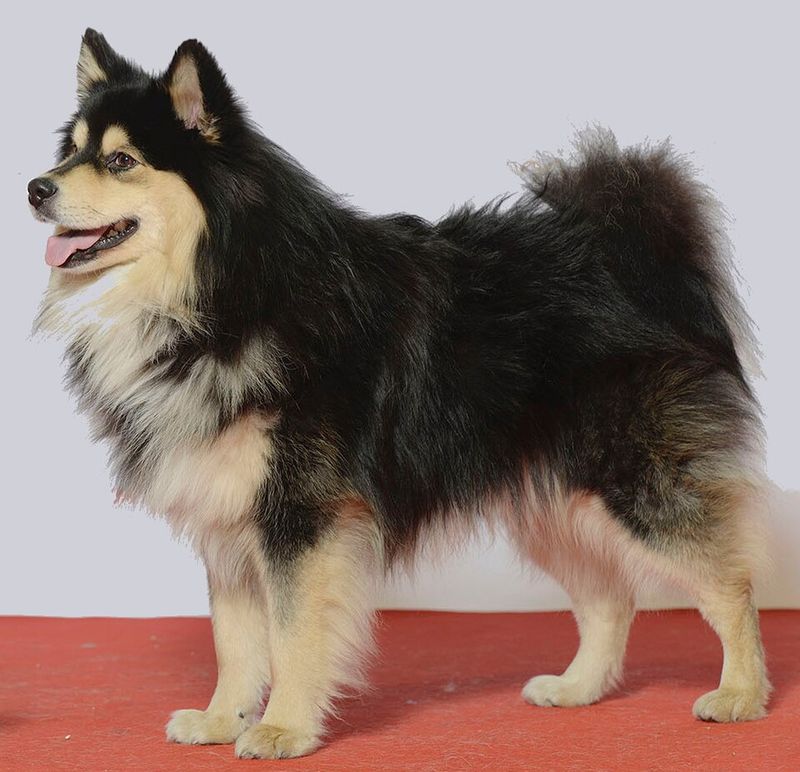
Finnish Lapphunds are cheerful and cooperative, yet many quietly fold under pressure. You might see a wag and smile while their body stiffens and responses slow.
Notice turning away, paw lifts, and skipped treats when the world gets loud.
Use choice-rich games, gentle voices, and predictable patterns to keep agency alive. Keep sessions upbeat and short, adding sniff breaks before arousal climbs.
Build confidence with soft surfaces, low-pressure searches, and calm field trips. Protect nap time and create cozy retreats away from traffic.
If your Lapphund dims or freezes, lower criteria, simplify setups, and let recovery happen before asking for more. Honor opt-outs without drama.
Curiosity returns when pressure fades and choices expand. Gently persist.
Eurasier
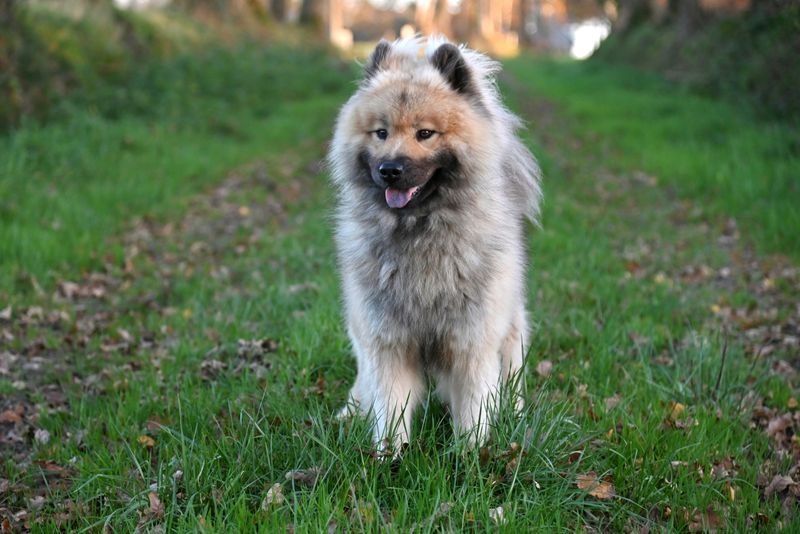
Eurasiers are steady family companions with a thoughtful nature, and they may internalize stress. You might see polite, quiet compliance while their eyes harden and posture shrinks.
Watch for turning away, slower eating, and a still tail when the room gets busy.
Use gentle patterns, cooperative care, and low-pressure socialization with plenty of escape routes. Keep sessions short, pair novelty with distance, and reward disengagement.
Build confidence with calm sniff walks, soft mats, and predictable routines. Protect sleep and create quiet dens where recovery feels safe.
If your Eurasier tightens or goes silent, reduce demands, give space, and rebuild at their pace until softness returns. Respect their boundaries and celebrate tiny tries.
Trust deepens when choice leads.