
Some dogs nail a cue in seconds, then suddenly check out when the pressure feels wrong. The secret is not more commands, but reading their feelings and training with empathy.
When you balance clarity with kindness, the spark returns and reliability grows. Here are 15 breeds that shine when you honor the emotional side of training.
Border Collie
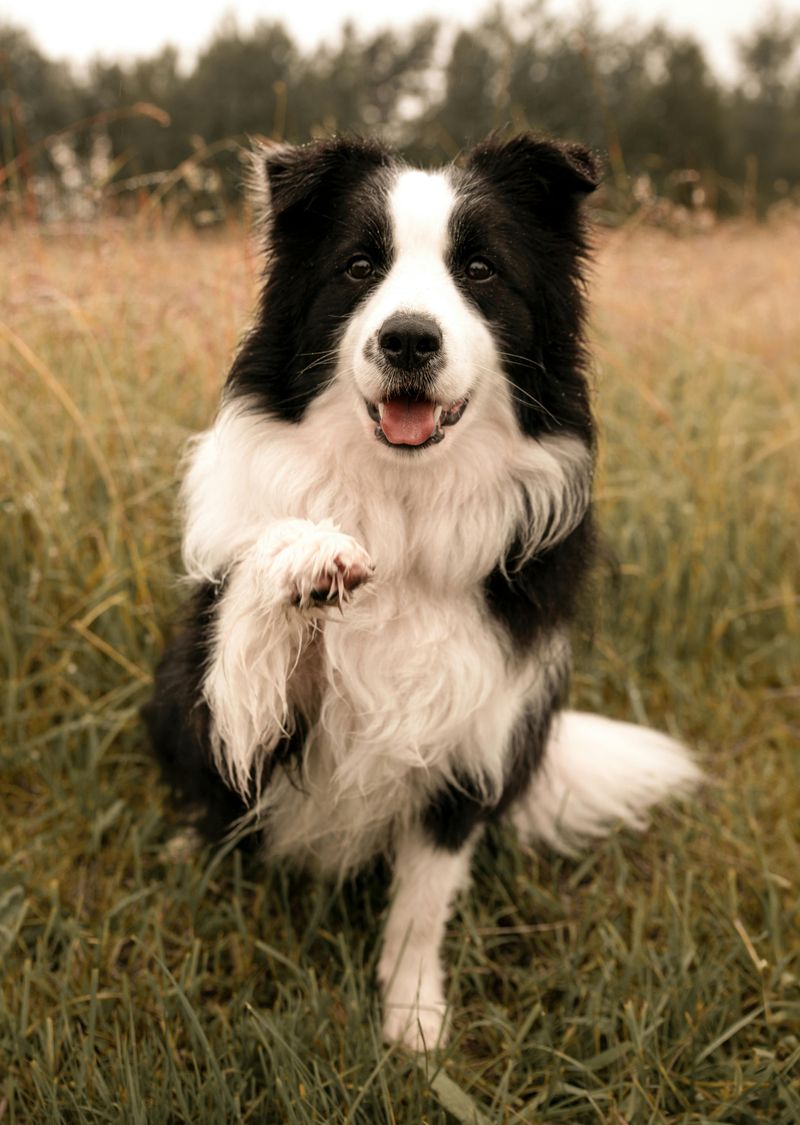
Border Collies read the room as fast as they read sheep. When pressure feels harsh, they shut down, offering glassy eyes and slow responses.
Keep sessions short, varied, and game based, and you will see dazzling focus return. Use calm voice, soft hands, and frequent breaks, especially after big wins.
Teach impulse control through nose targets, hand touches, and boundary games. Reinforce generously for effort, not just perfection, so confidence stays high.
Structure matters. Start with easy reps, then layer difficulty gradually, using movement as a reward.
Trick training and scent games help vent mental energy without constant obedience drilling. If frustration rises, reset the picture, breathe, and play.
Connection first, precision second, and this brilliant worker will give you thoughtful, joyful compliance.
German Shepherd
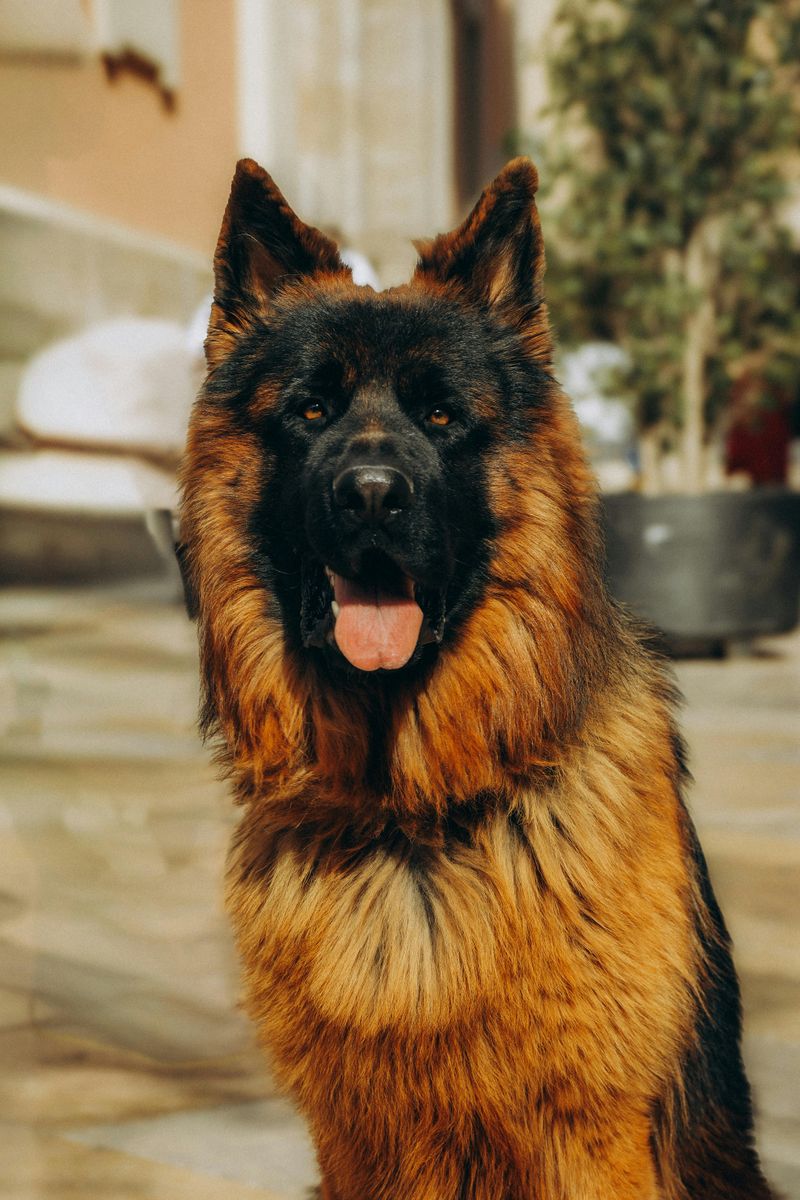
German Shepherds bond intensely, so your emotional tone sets the whole lesson. If corrections feel unpredictable, they freeze or overcompensate with frantic drive.
Balance clarity with warmth: mark cleanly, reward promptly, and keep criteria transparent. Use decompression walks, sniff breaks, and tactile reassurance between reps.
Teach a solid settle on mat, then alternate thoughtful heelwork with pattern games. Confidence builds when they know exactly how to win.
Plan sessions like chapters. Begin with wins, sprinkle in one stretch goal, then land on something easy.
Reward stillness as much as speed, because thoughtful dogs need permission to slow down. If worry creeps in, switch to searching games.
With empathy, boundaries, and predictable feedback, this powerhouse becomes a steady, generous teammate.
Golden Retriever
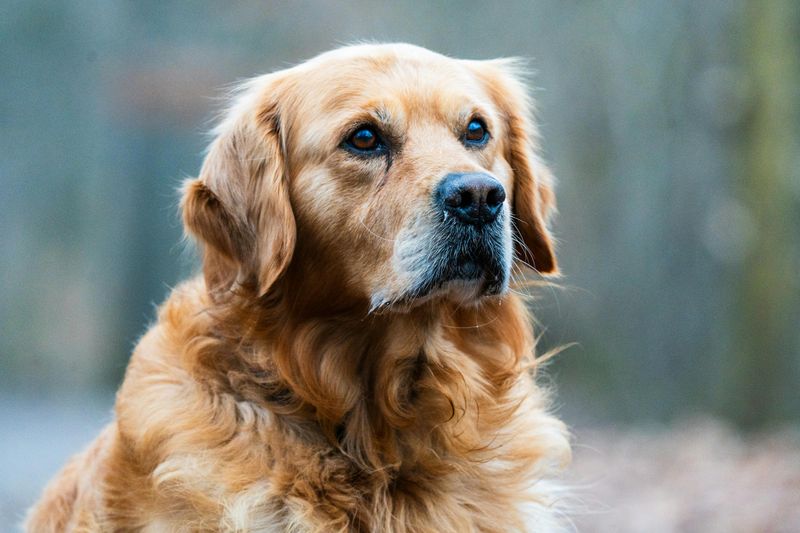
Golden Retrievers want harmony, and they read disappointment quickly. If pressure stacks, you will see appeasing grins, slower sits, and checking out.
Keep feedback light and playful, with silly markers and food scatters between tasks. Use party-level praise for brave choices, not just perfect ones.
Teach cooperative care, bucket games, and stationing to build resilience during handling. Make retrieves social by trading toys for treats, then sending again.
Design short, sparkling sessions. Start with a cue the dog loves, slide in one mild challenge, then celebrate.
Use varied reinforcers like tug, chin scratches, and sniffing. When confusion appears, narrate the win path in tiny steps.
With compassion and clarity, this sunshine soul delivers eager, bouncy compliance that lasts.
Australian Shepherd
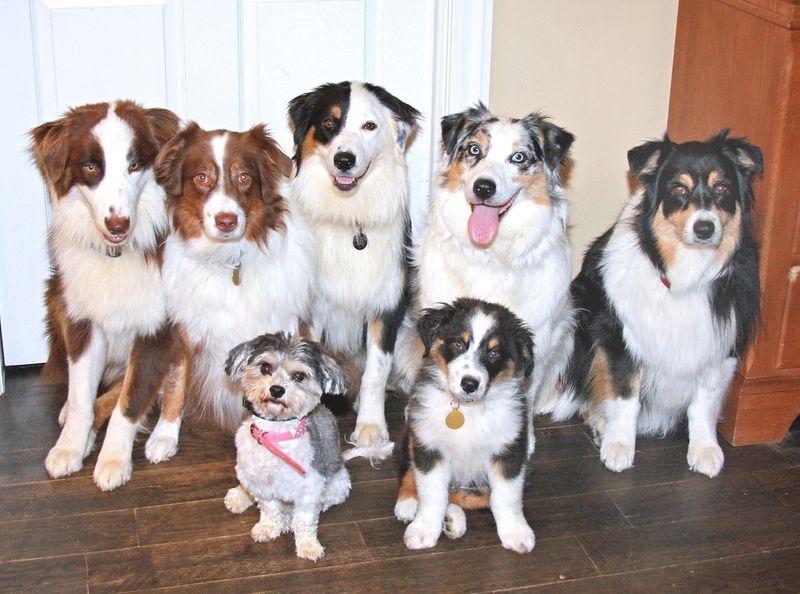
Australian Shepherds are brilliant pattern spotters, which is great until they predict disappointment. Overly sharp corrections can cause staring, freezing, or spinning.
Keep direction clear and fair, using reward placement to guide lines and speed. Build skills with perch work, rear-end awareness, and herding-inspired movement games.
Reinforce curiosity, not just control. Teach them how to relax on cue, then alternate drivey work with mat time.
Use short, cinematic sessions. Open with familiar fun, stack one novel twist, then finish with a favorite trick.
If arousal spikes, pivot to sniffing or shaping stillness. Praise try, not only outcome, so resilience grows.
With emotional attunement and consistent criteria, this sparkplug becomes an agile, thoughtful partner for you.
Belgian Malinois
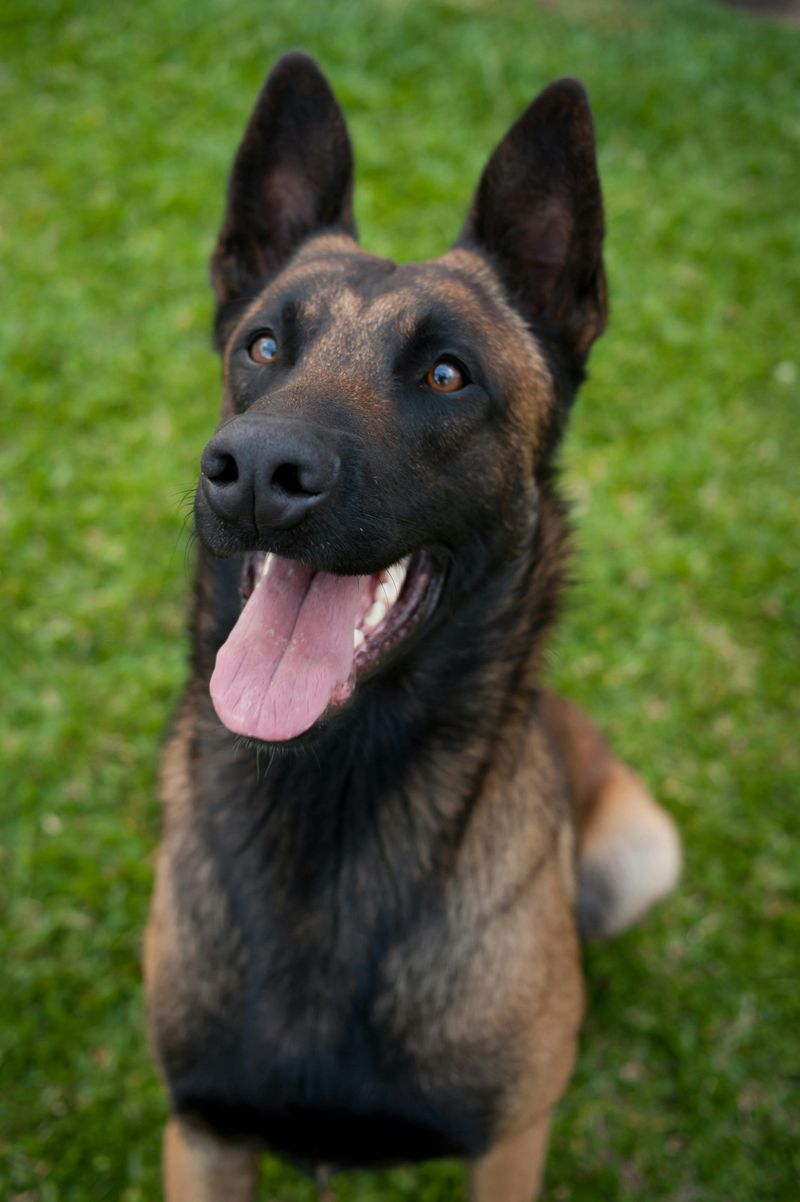
Belgian Malinois bring intensity that can tip into shutdown if feedback turns muddled. Clarity, patience, and purposeful outlets are everything.
Use marker timing like a metronome, and let rewards explode forward so effort releases pressure. Build foundational calm with chin rests, breathing games, and station work.
Alternate precise obedience with bite pillows, tugs, or sprint recalls, depending on your sport. End sessions while engagement is still high.
Plan arousal ladders. Start low, escalate with movement, then slide back into stillness before quitting.
Celebrate thoughtful deceleration as much as rocket starts. If stress surfaces, simplify the picture and let them win quickly.
With predictable structure and emotional fairness, this Ferrari of dogs becomes a trusting, unstoppable teammate.
Papillon
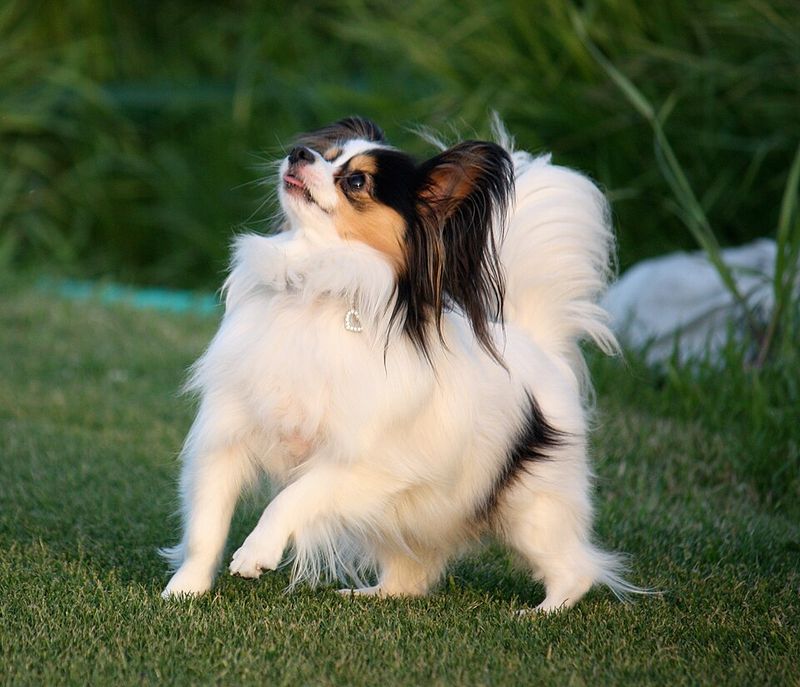
Papillons bring big brains in tiny packages, which means feelings can loom large too. If pressure spikes, you may see skipping, barking, or freezing.
Keep sessions upbeat and precise, using targets and platforms to explain positions. Reinforce generously for orientation to you, then pay movement with movement.
Teach chin rests, light restraint games, and cooperative holds for vet care. Keep jumps low until confidence skyrockets.
Work in glittery bursts. Start with a known trick, layer one micro-skill, then chase cookies.
If stress peeks out, pivot to sniffing or a rapid recall game. Celebrate tiny wins loudly, because this sprite loves applause.
With gentle structure and joyful clarity, your Papillon will deliver surprising power and polished obedience.
Doberman Pinscher
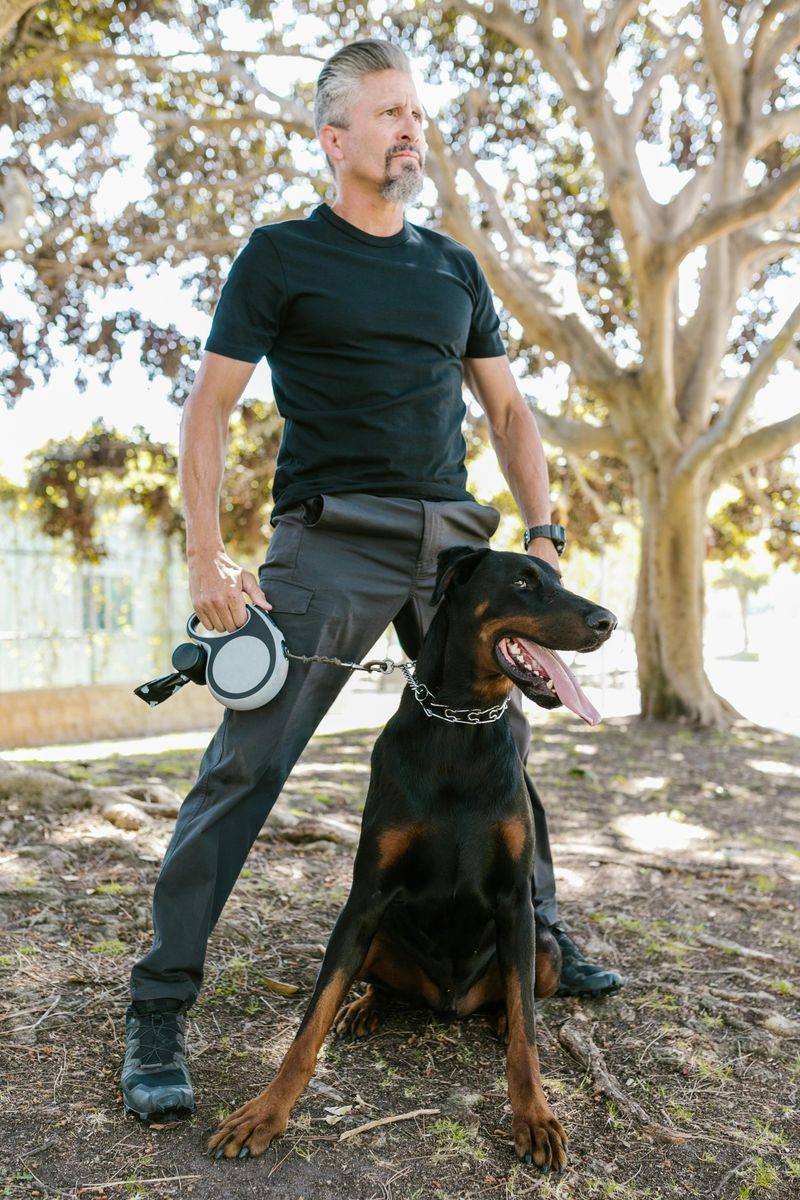
Doberman Pinschers are loyal and sensitive, tuned to your confidence. Harsh corrections make them guarded or flat.
Communicate like a leader who listens: set boundaries, reinforce generously, and keep directions unambiguous. Use predictable routines, tactile markers like a chest touch, and purposeful movement breaks.
Teach settle on place, then interleave heeling, recalls, and impulse control. End sessions on a strong, relaxed note.
Build emotional stamina in layers. Begin with easy reps, then add small distractions, always returning to success.
Reward eye contact that is soft, not staring. If anxiety surfaces, step back, breathe, and simplify.
Practice cooperative handling daily. With fairness, rhythm, and consistent feedback, this elegant guardian becomes responsive, courageous, and steady under pressure.
Vizsla
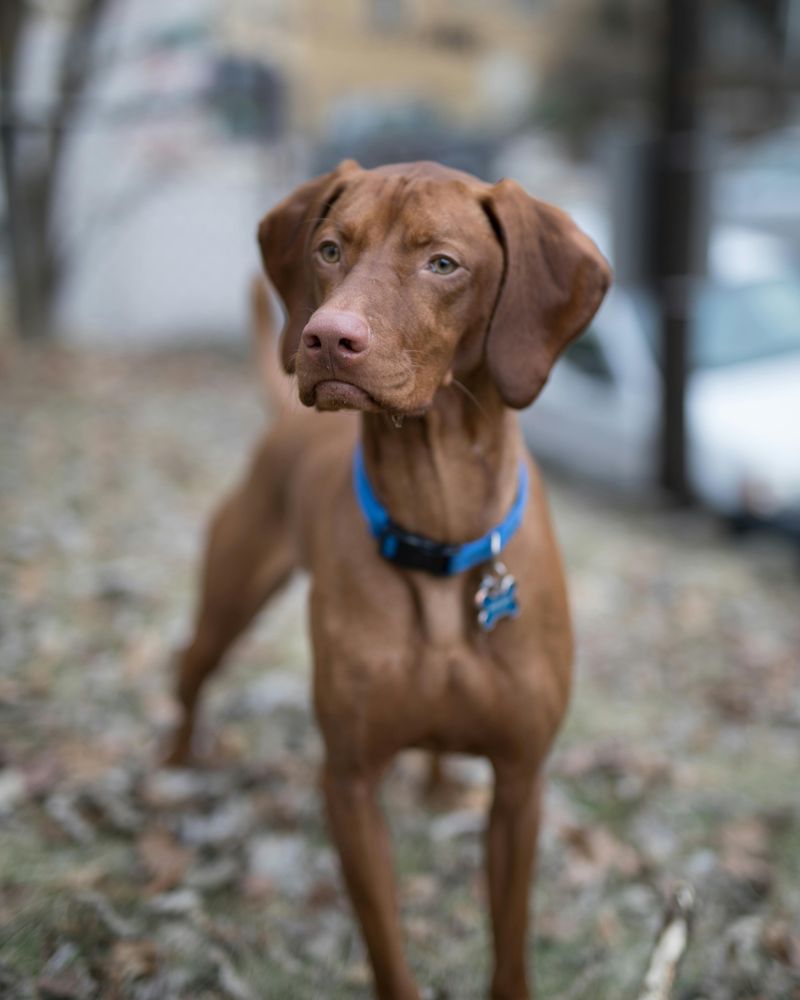
Vizslas wear hearts on sleeves, eager yet sensitive to disappointment. If training turns tense, they melt or zoom.
Keep tone warm and playful, with fast markers and movement-based rewards. Use sniff breaks, soft touch, and shared trotting to regulate arousal.
Teach place and middle positions for security in busy spaces. Blend field games with simple obedience, so purpose fuels focus.
Session plans should breathe. Start with success, sprinkle one stretch, then return to easy wins.
Reinforce check-ins, gentle sits, and balanced heeling. If worry shows, laugh lightly, toss a cookie, and reset the picture.
With empathy, structure, and joy, this rust-red athlete will offer consistent, enthusiastic responses that truly stick through real life routines daily.
English Springer Spaniel
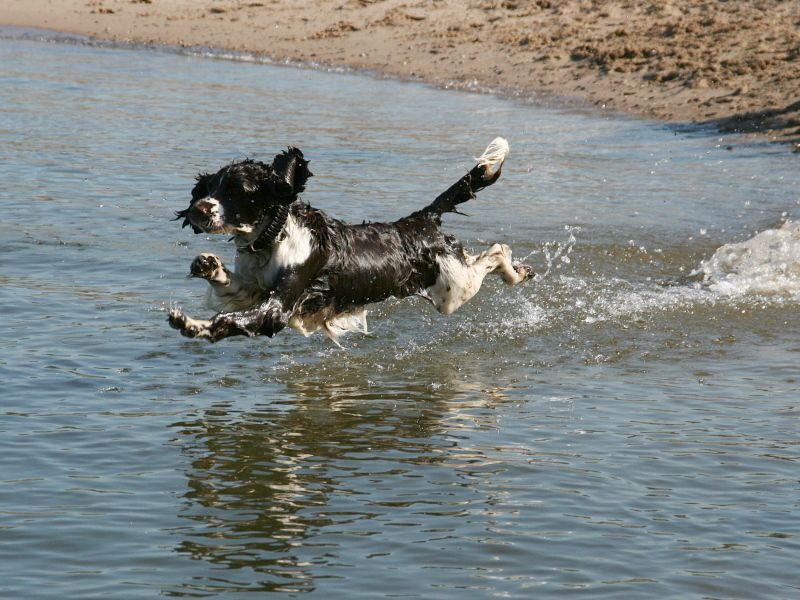
English Springer Spaniels are cheerful workers who crumble with unclear pressure. Keep guidance precise and upbeat.
Use platforms, scent games, and pattern heeling to define expectations. Reinforce calm focus before adding birds, bumpers, or agility tunnels.
Teach off-switch skills like mat time and chin rests, so excitement does not hijack learning. Break retrieves into tiny parts to protect confidence.
Flow matters. Start with known wins, add one thoughtful challenge, then celebrate generously.
Pay as you play, alternating food, toys, and movement. If confusion appears, simplify pictures and help a clean success.
With patience, playful structure, and kind timing, this joyous gundog delivers polished, sustainable obedience while keeping that merry tail wagging during everyday family life.
Flat-Coated Retriever

Flat-Coated Retrievers brim with optimism, yet they can stall if you dampen the fun. Keep feedback buoyant and specific.
Use start buttons, like nose to hand, to ask permission before launches. Reinforce calm stillness with releases to chase, swim, or fetch.
Teach impulse control through boundary games and target sticks. Keep novelty flowing with scent work, trick chains, and playful retrieves.
Design upbeat arcs. Start with a crowd-pleaser, add one new wrinkle, then finish on easy wins.
Pay generously for thoughtful pauses, not only speed. If arousal spikes, switch to searching games or cooperative care.
With cheerful structure, clear markers, and compassionate resets, this Peter Pan learner offers reliable responses without losing sparkle at home.
Brittany
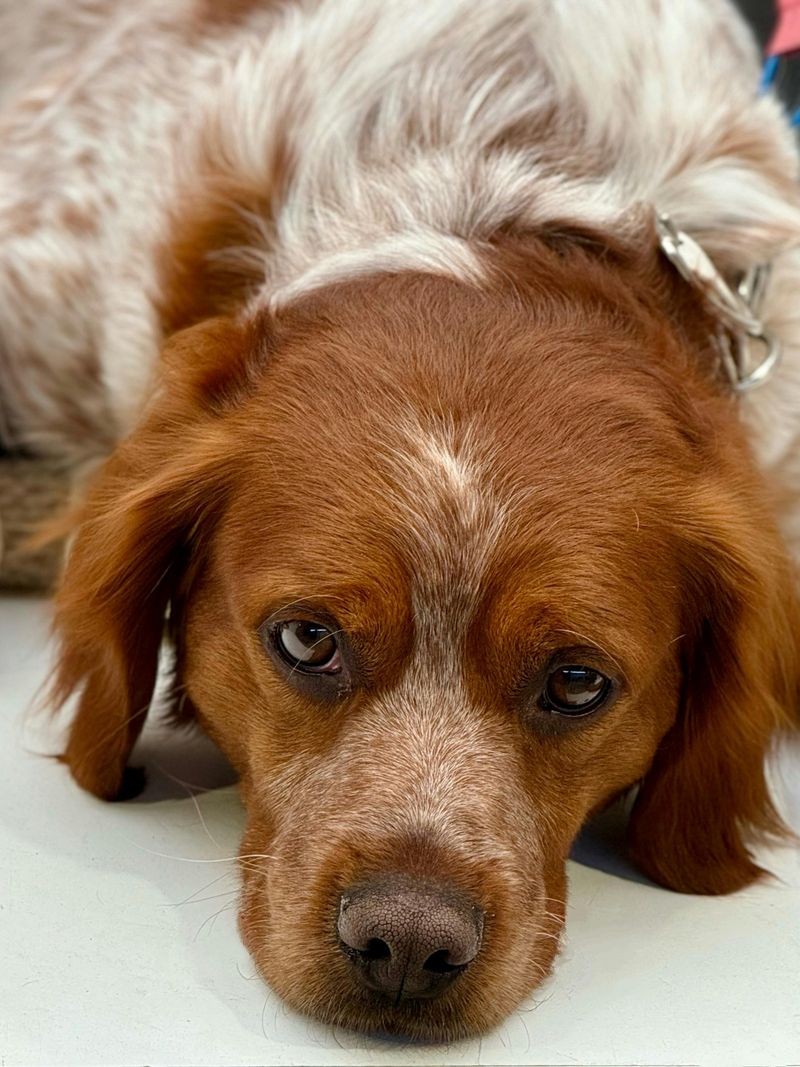
Brittanys are birdy, bouncy, and deeply attuned to your vibe. If you get stern, they either wilt or fling themselves into chaos.
Keep criteria crystal clear and playful. Use field-inspired patterning, recall games, and perch work to teach foot placement.
Reinforce check-ins, brief stillness, and thoughtful lines with movement. Build tolerance for handling through cooperative care and gentle restraint games.
Keep the rhythm lively. Start with a simple win, add one stretch behavior, then cash out with a chase.
If conflict appears, smile, simplify, and guide a clean rep. Reward curiosity often.
With empathy, structure, and joyful reps, this freckled athlete becomes a responsive, upbeat partner across home and field during varied daily adventures together.
Miniature Schnauzer
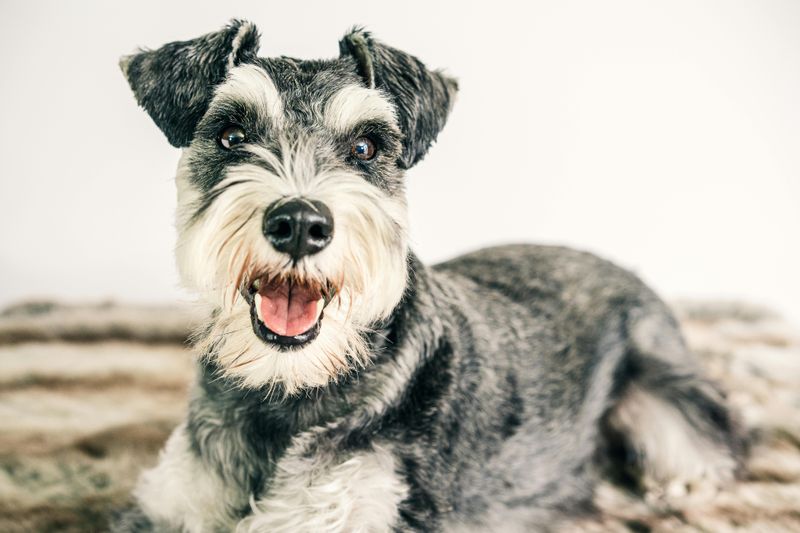
Miniature Schnauzers are clever watchdogs who can bristle under heavy-handed training. If corrections come fast, they argue or quit.
Keep plans tidy and upbeat. Use nose targets, platforms, and capture methods to explain choices.
Reinforce quiet moments, tidy sits, and willing engagement with rapid pay. Teach a solid station, then practice greeting manners with space and clarity.
Short, snappy sessions shine. Start with a favorite trick, add one precise challenge, then throw a party.
If arousal spikes, sniff breaks and scatter feeds reset the mood. Reward recovery after mistakes so resilience grows.
With playful structure, clear signals, and fair expectations, this bearded comedian becomes a confident, reliable partner at home and in public every day.