
You love your dog and watch them closely, but the earliest warning signs are often the quietest. Many breeds are masters at hiding discomfort until it becomes a crisis.
Knowing what to look for can save you from heartbreak and huge vet bills. Let’s walk through the subtle changes you should catch before they snowball.
Labrador Retriever
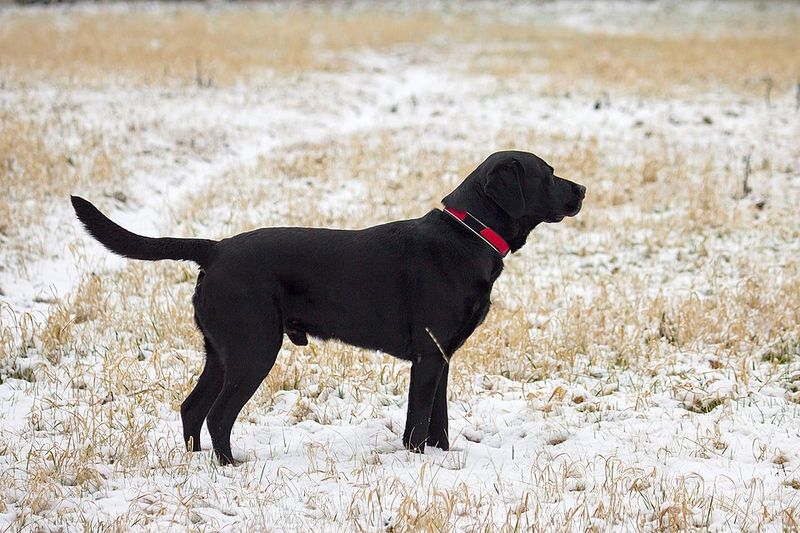
Active and eager, Labradors often mask discomfort until problems escalate. Subtle limping after fetch, a slower sit, or hesitation on stairs can hint at early hip or elbow dysplasia.
You might also notice ear scratching, a faint yeasty smell, or head tilts that signal stubborn ear infections.
Watch for weight creeping up despite normal meals, which stresses joints and hides hypothyroidism. Cloudiness in the eyes or bumping furniture may suggest early cataracts.
If your Lab drinks more, pants at rest, or seems restless at night, schedule a checkup. I like keeping a weekly notes list for mobility, appetite, and skin flares.
Small changes repeated twice are my cue to call the vet, not wait and hope.
German Shepherd
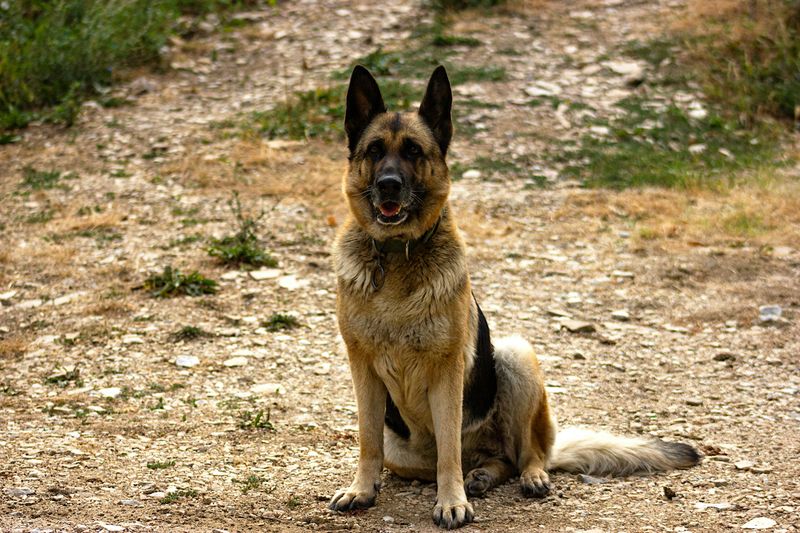
German Shepherds are stoic, so early pain often hides behind enthusiasm. A shorter stride, bunny hopping during runs, or reluctance to jump into the car can hint at hip dysplasia.
Subtle knuckling of paws or back toe scuffing may signal early degenerative myelopathy long before weakness is obvious.
Watch skin and ears for recurring itch that points to allergies. Soft stool, intermittent vomiting, or weight loss despite eating can be early EPI signs.
I track gait videos monthly and note how quickly mine rises after naps. If coughing after exercise, pacing at night, or sudden fatigue appears, get a vet visit.
Tiny patterns across a week tell you more than one dramatic episode to interpret.
French Bulldog
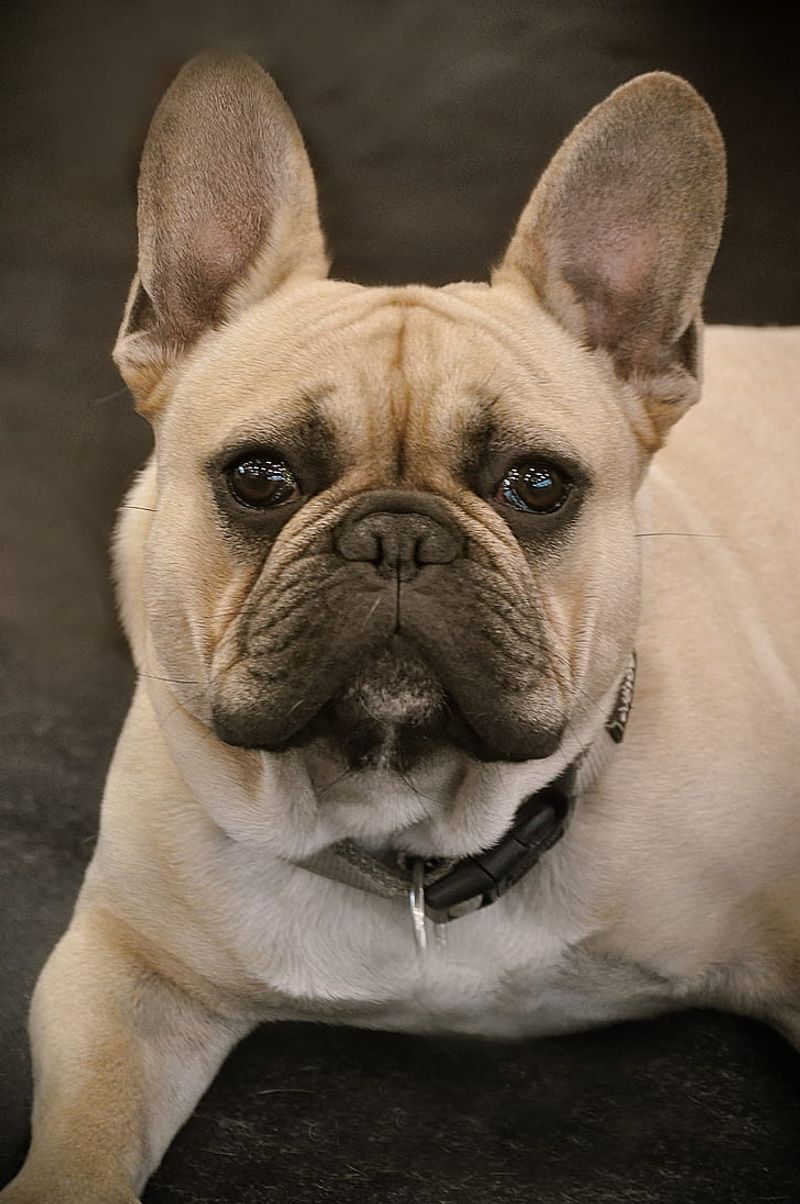
Frenchies breathe noisily, so it is easy to miss when airflow worsens. Longer recovery after short walks, snoring getting louder, or blue-tinged gums can signal brachycephalic airway disease creeping up.
Heat intolerance, frequent gagging, or reverse sneezing may become your first quiet alarms.
Skin folds hide infections. Watch for redness, a musty odor, or rubbing the face on carpeting.
GI upsets with burping can indicate food sensitivities. I use a cooling vest and schedule slow, shady walks.
If your Frenchie sits with neck extended, avoids play, or collapses after excitement, seek urgent advice. Catching subtle respiratory changes early keeps adventures safe and fun.
Also watch for itchy paws, tail pocket irritation, and sudden hind limb weakness that could hint at spinal issues.
Dachshund
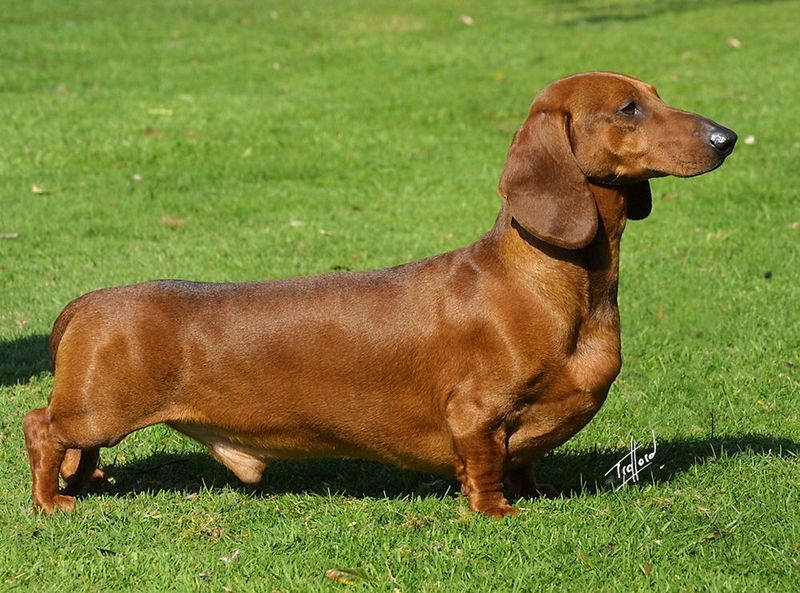
Dachshunds hide back pain behind excitement. A brief yelp when lifted, hesitation on stairs, or a hunched posture can be the first whispers of disc trouble.
You might see toe dragging, reluctance to jump off the couch, or trembling that looks like simple nerves.
Weight matters a lot here. Keep ribs barely covered and use ramps for furniture.
Recurrent skin infections or a musty odor can flag allergies, too. I keep a daily log of stairs, jumps, and any wobble.
If bathroom accidents appear, or your Doxie crosses back feet while walking, call the vet fast. Early crate rest and meds can prevent heartbreaking progression.
Subtle weight shifts while standing often reveal discomfort before obvious limping.
Boxer
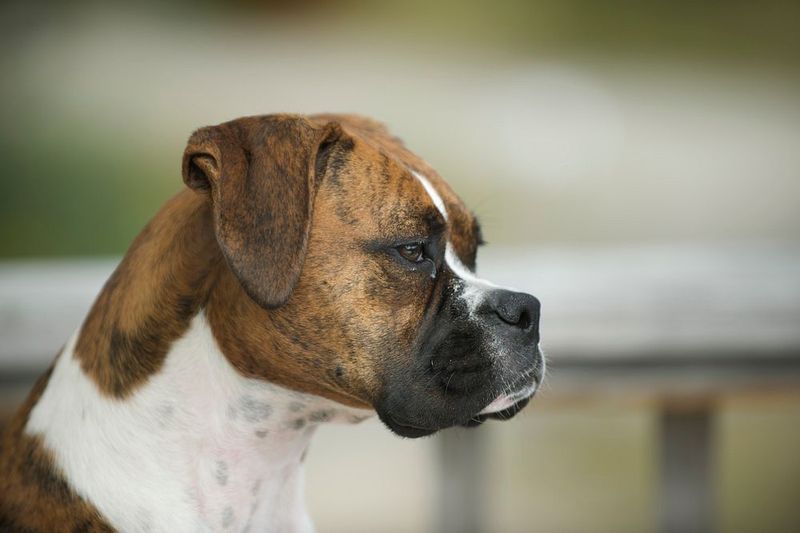
Boxers are athletes, but they can hide cardiac and cancer clues. Brief coughing after excitement, fainting spells, or a new intolerance to heat might suggest arrhythmia or cardiomyopathy.
Small skin masses change fast in this breed, so check monthly and photograph any bump with a coin for scale.
Watch GI patterns for gas, drooling, or pacing that could precede bloat. Restlessness at night often whispers pain.
I time how long recovery takes after sprints and keep a body map for lumps. If your Boxer sits abruptly during play, gags without bringing anything up, or seems spacey, call the vet.
Early detection keeps your goofy shadow healthy and sprinting. Also monitor gum color and pulse quality during training sessions.
Cavalier King Charles Spaniel
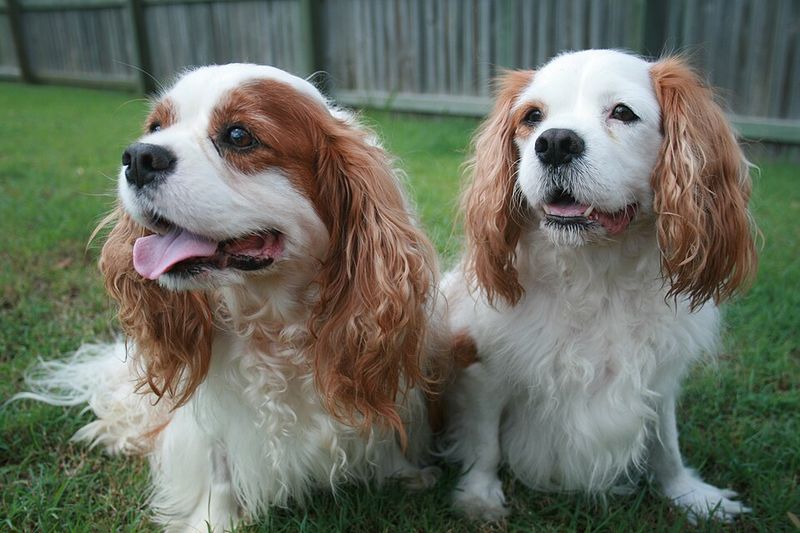
Cavaliers charm you into overlooking murmurs. A soft cough after excitement, mild exercise intolerance, or increased sleeping can begin long before diagnosed mitral valve disease.
You might notice faint crackles when breathing or a subtle pot belly from fluid.
Ears and eyes need attention, too. Tear staining, squinting, or face rubbing can hint at early dry eye.
Weight creeping up with low energy may suggest syringomyelia pain. I listen to breathing during naps and record cough frequency.
If your Cavalier struggles on stairs, pants at rest, or develops a new nighttime cough, see the vet. Gentle hearts deserve early care and comfort.
Regular dental checks matter because gum disease can quietly worsen cardiac strain slowly.
Great Dane
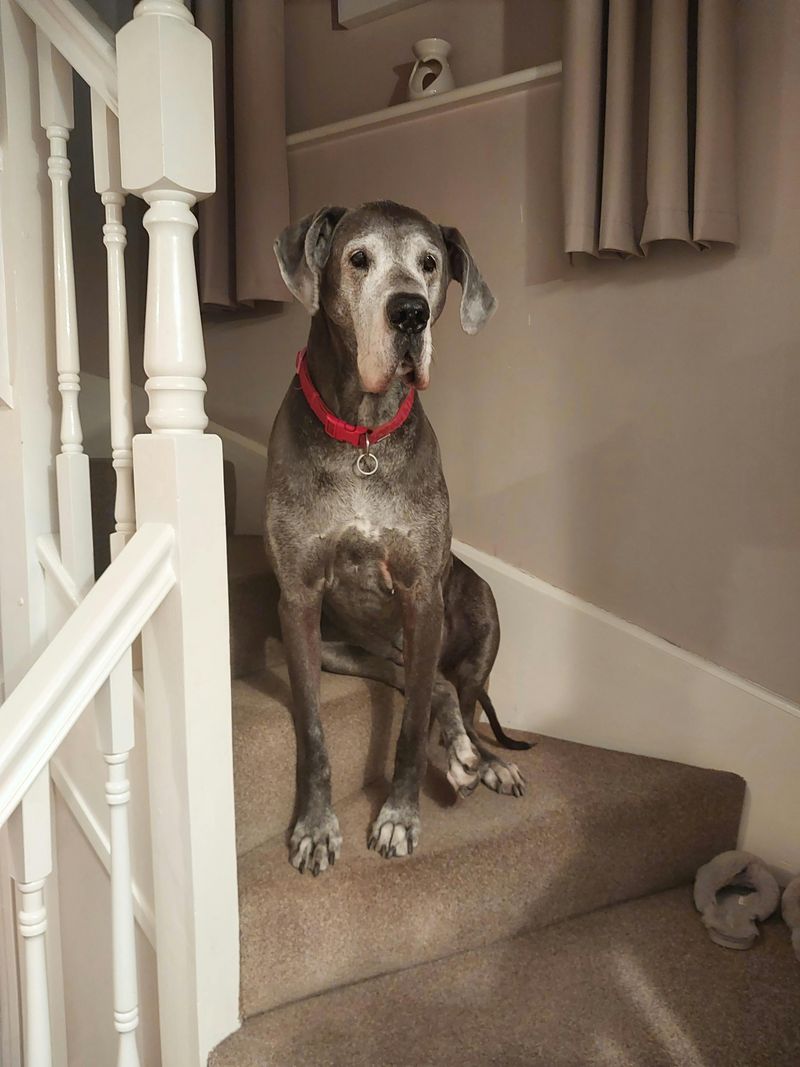
Danes grow fast and look sleepy, so early problems hide in plain sight. Slow rising, reluctance to climb, or a narrow stance can point to joint pain.
Pacing, drooling, and retching without producing anything are classic early bloat warnings that you cannot ignore.
Heart health matters here. Coughing, fainting, or tiring after modest play may suggest cardiomyopathy.
I measure resting breaths during sleep and avoid heavy meals before activity. If your Dane seems anxious at night, stares at the flank, or refuses to lie down, go now.
Gentle giants rely on you to notice tiny shifts that signal big risks. Also watch for knuckling, weak nails, and pressure sores on bony joints during rapid growth.
Cocker Spaniel
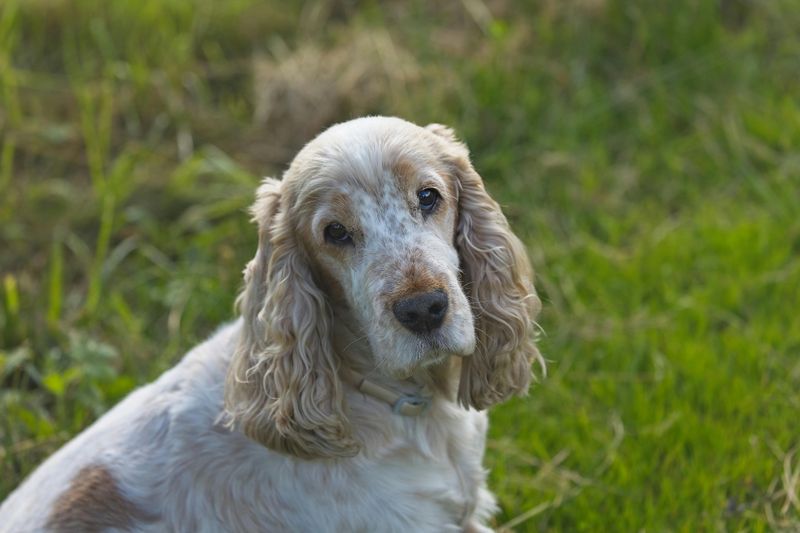
Cockers often battle ears and eyes, and the earliest clues are easy to dismiss. Head shaking, a sour smell, or sensitivity near the ears can signal infection.
Squinting, cloudiness, or bumping into furniture may hint at glaucoma or cataracts starting quietly.
Skin can flare fast. Greasy coat, chewing paws, or dark armpits suggest chronic allergy changes.
Weight gain and thinning coat can mean hypothyroidism, too. I wipe ears after baths, track itch days, and schedule eye pressure checks.
If your Cocker seems lethargic, avoids stairs, or startles at gentle touch, make a plan with your vet. Small routines catch trouble while solutions are simple.
Regular dental care prevents hidden pain that changes behavior and posture.
Shar Pei
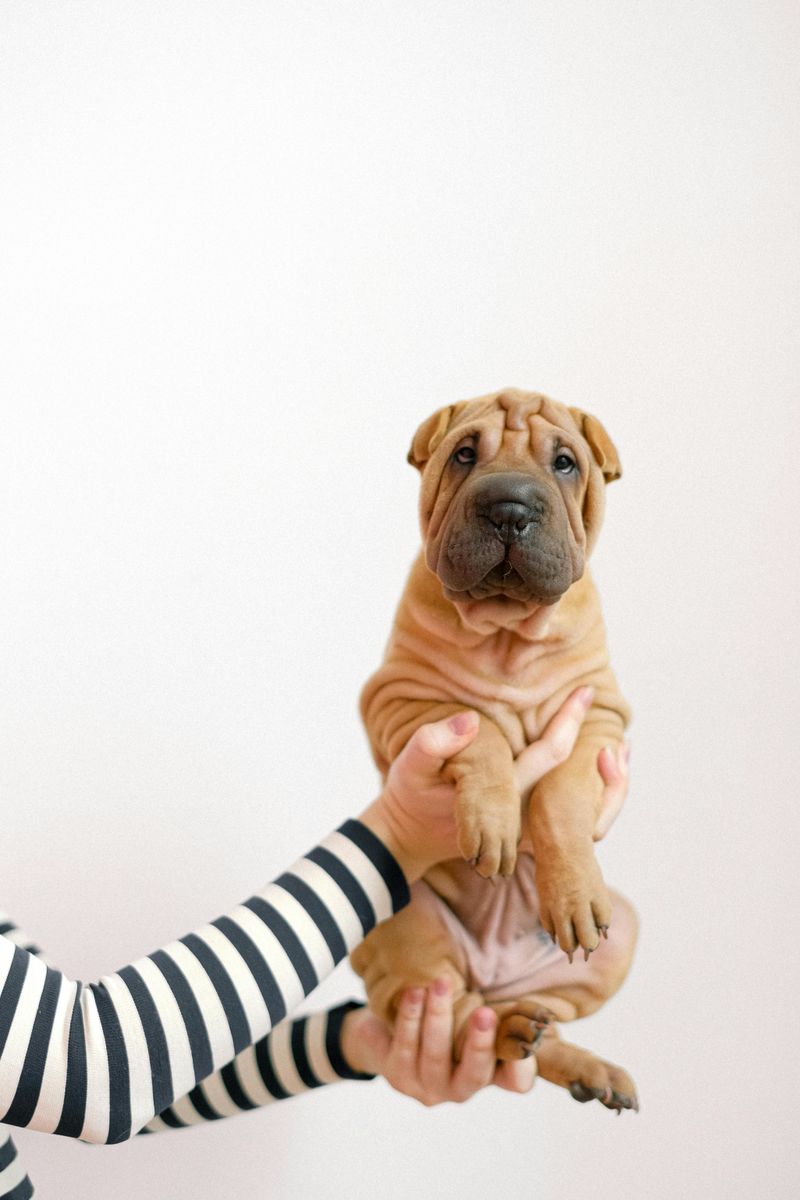
Shar Pei dogs can hide problems behind wrinkles. Red, irritated skin in folds, ear swelling, or a sudden fever may signal Shar Pei fever and possible amyloidosis risk.
Squinting, thickened eyelids, or rubbing the face can point to entropion irritation early on.
Joints and gut need watching. Limping after naps, softer stools, or appetite dips may be your quiet alerts.
Excessive water drinking with lethargy deserves immediate attention. I keep photos of skin areas to compare, and log temperatures during off days.
If your Shar Pei pants at rest, seems painful when touched, or spikes a fever again, call quickly. Early action protects kidneys and comfort.
Ask your vet about colchicine protocols and genetic testing.
Bernese Mountain Dog
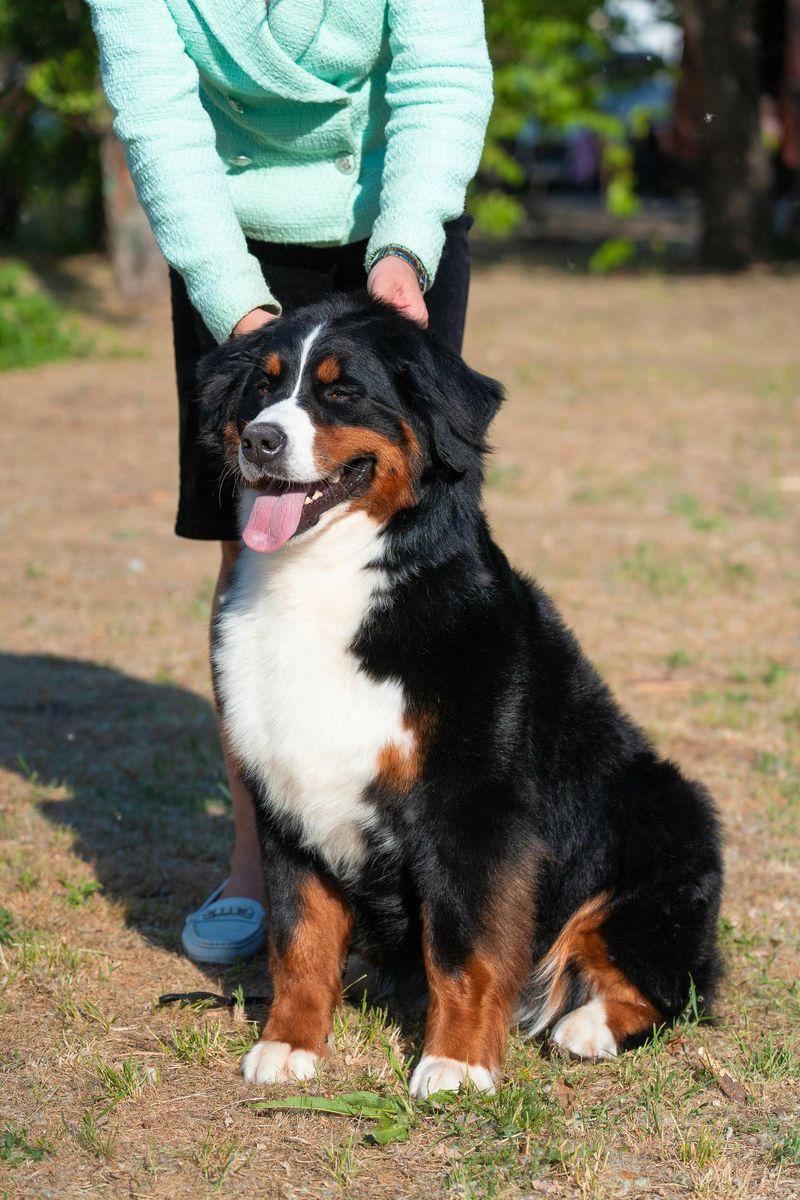
Berners are gentle giants with sneaky orthopedic and cancer risks. A subtle head bob, shorter hikes, or bunny hopping can hint at hip or elbow pain.
Because certain cancers are common, feel for lumps weekly and watch for limping that comes and goes.
Heat can drain them quickly. Excessive panting, drooling, or lying flat on cool floors might be early overexertion signs.
Soft stools with weight loss deserve attention. I measure how long recovery takes after play and track any limp days.
If your Berner seems reluctant to stand, coughs at rest, or loses interest in food, get checked. Early patterns help you beat tough odds.
Discuss screening plans and realistic activity goals with your veterinarian.
Newfoundland
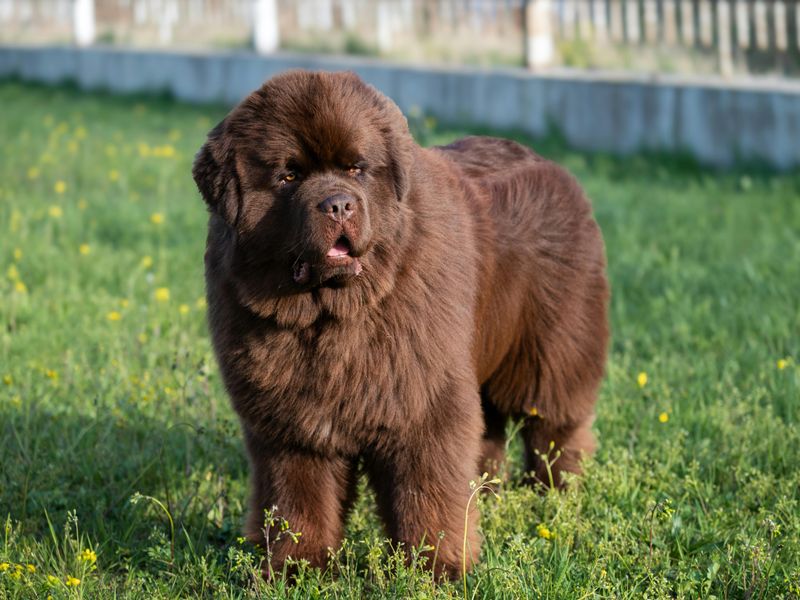
Newfies are sweet and stoic swimmers. Watch for coughing after play, tiring sooner, or a softer heartbeat that may suggest cardiomyopathy.
Drooling, pacing, and repeated attempts to vomit without success are bloat red flags you should learn by heart.
Joints and skin require attention. A reluctant climb, shifting weight, or recurring hot spots can signal pain.
Ear moisture and a swampy smell mean infections are brewing. I keep towels for thorough drying and track stamina on walks.
If your Newfoundland seems dull, pants at rest, or avoids rising, book a visit. Catching tiny changes early keeps this water lover thriving.
Also check toes for webbing injuries and monitor coat for excessive matting after long swims.
Basset Hound
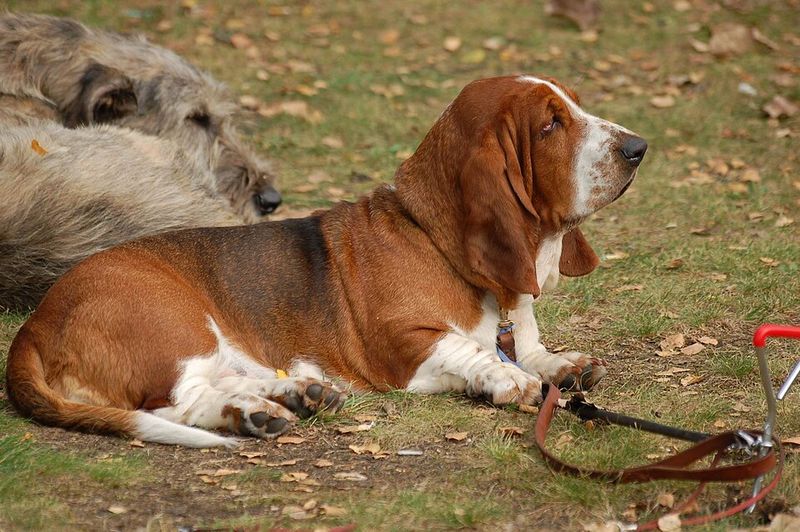
Bassets are charming, but heavy fronts strain joints and backs. Reluctance to jump, a sway-backed posture, or shuffling steps can whisper spinal discomfort.
Frequent ear odor, head shaking, or a sticky discharge often signals infections before obvious pain.
Weight control is everything. Keep portions measured, use ramps, and limit high-impact play.
Eye redness, squinting, or a blue haze might suggest glaucoma risks. I watch for knuckling on walks and track how quickly stairs happen.
If your Basset seems stiff after naps, yelps when lifted, or avoids play, call your vet. Early adjustments protect their long bodies and easy humor.
Check nails for overgrowth and keep ears dry after every bath to prevent sneaky flareups later.
English Bulldog
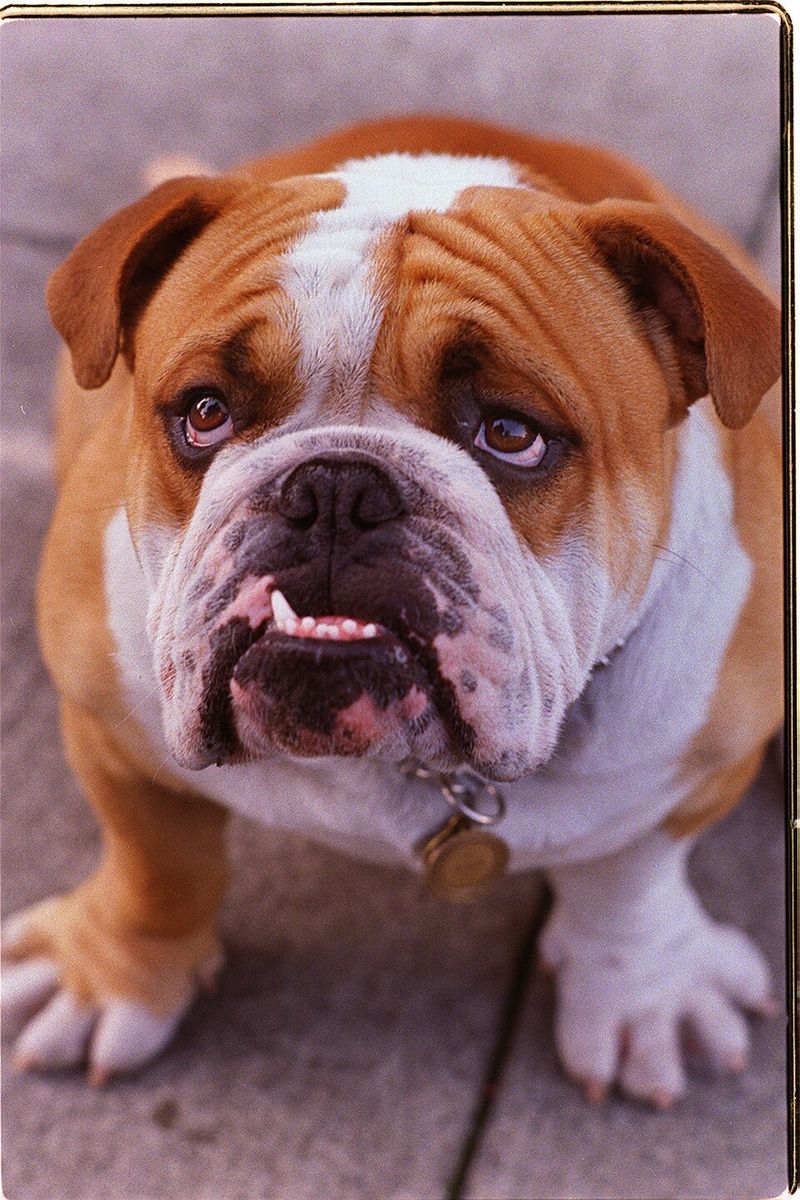
Bulldogs can hide breathing issues behind snorts. Longer recovery after mild walks, cyanotic gums, or frequent gagging indicate airway compromise creeping up.
Heat and humidity add risk quickly, so avoid midday adventures.
Skin folds and tails need care. Redness, odor, or persistent licking point to infections.
I schedule cool, short sessions and carry water. If your Bulldog stands with neck stretched, collapses after excitement, or seems panicked when breathing, seek immediate help.
Also watch for limping, knee popping, or reluctance to rise, which may signal orthopedic trouble. Proactive routines make bulldog life happy and safe.
Monitor tail pockets for sores and clean gently every day. Keep track of snoring volume and nighttime restlessness to spot subtle declines.
Saint Bernard
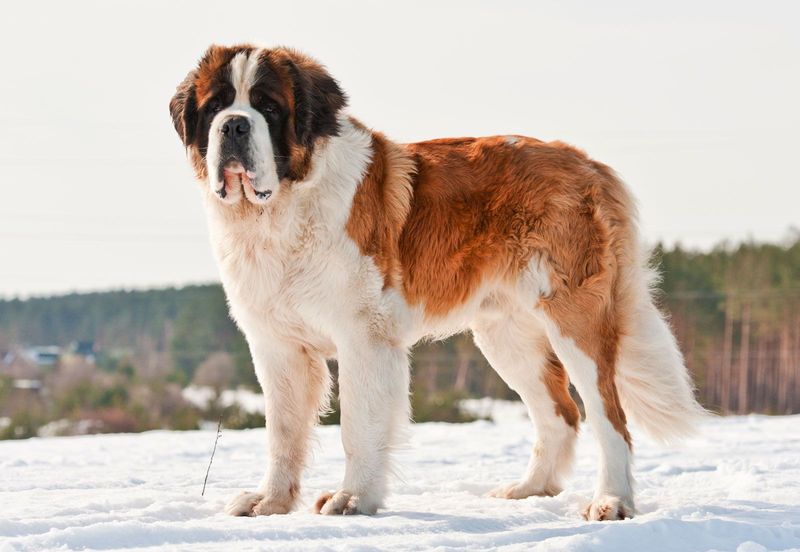
Saint Bernards mask pain with stoic calm. Slower rises, messy sits, or stumbling on slick floors may hint at hip or elbow issues.
Heavy drooling, pacing, and unproductive retching are urgent bloat warnings you never want to test.
Heat is tough on them. Excessive panting, lying belly down on cool surfaces, or collapsing after modest play needs a plan.
Eye redness and discharge can signal entropion irritation. I track recovery times and note appetite changes after long naps.
If your Saint seems weak, coughs at rest, or shows new belly swelling, seek help fast. Gentle giants depend on your watchful routine.
Also inspect paws for snow packing and trim feathers to prevent slips on winter floors.