Bringing home a dog should feel like a forever decision, yet some breeds land back in shelters more than others. It is rarely about a bad dog and more about a mismatch between needs and lifestyle.
Understanding why these returns happen can help you make a confident, compassionate choice. Let’s unpack the patterns so you can set yourself and your future best friend up for success.
Siberian Husky
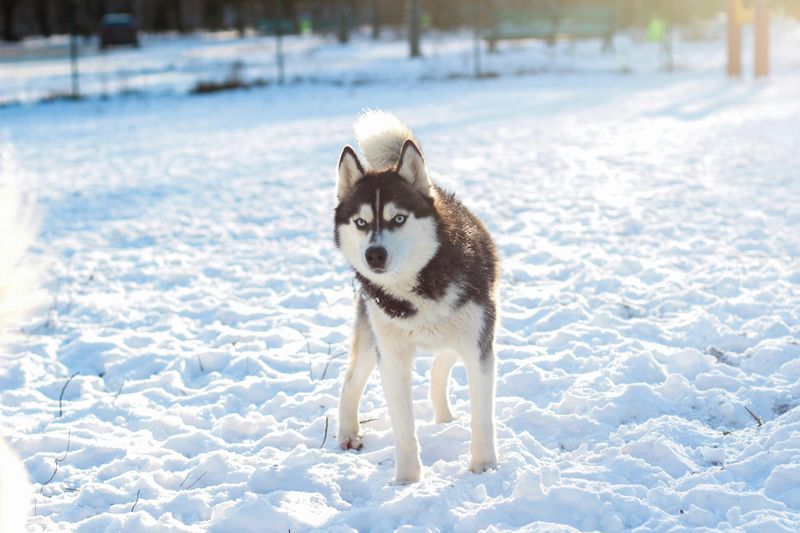
Siberian Huskies look breathtaking, but their energy can steamroll unprepared owners. Bred to run for miles, they need vigorous daily exercise, mental games, and secure fencing to curb escape artist habits.
Without that outlet, you see digging, howling, and destructive boredom that pushes families to surrender.
Huskies are also independent and vocal, which surprises people wanting an always obedient dog. Their prey drive can challenge homes with cats or small pets, and their thick coat sheds heavily year round.
If you love adventures, consistent training, and can handle fur on every surface, a Husky can thrive with you. Plan for secure leashes, early socialization, and winter appropriate gear, and you will transform that wild energy into joyful partnership every day.
German Shepherd
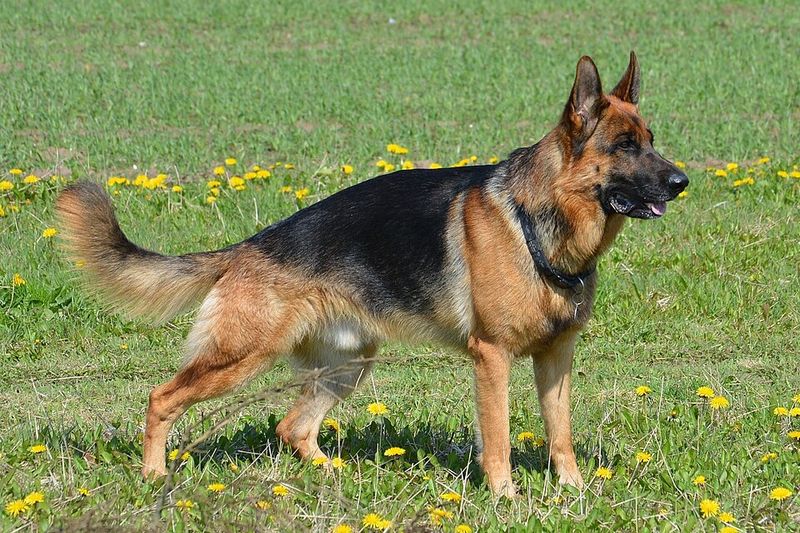
German Shepherds are brilliant workers, which means they crave structure and jobs. Without daily training, exercise, and clear boundaries, their protective instincts can turn into reactivity or anxiety.
Families underestimate shedding, vet costs for hip issues, and the time needed to manage such a powerful mind.
Many are surrendered when adolescence hits and behavior suddenly amplifies. You need calm leadership, ongoing socialization, and puzzle style enrichment to keep their brains content.
If you commit to training classes, consistent routines, and quality outlets like tracking or obedience, a German Shepherd becomes an incredible partner for active homes. Budget for professional guidance, durable enrichment toys, and health screening, and you will likely avoid returns while unlocking their confident, loyal brilliance at home.
Border Collie
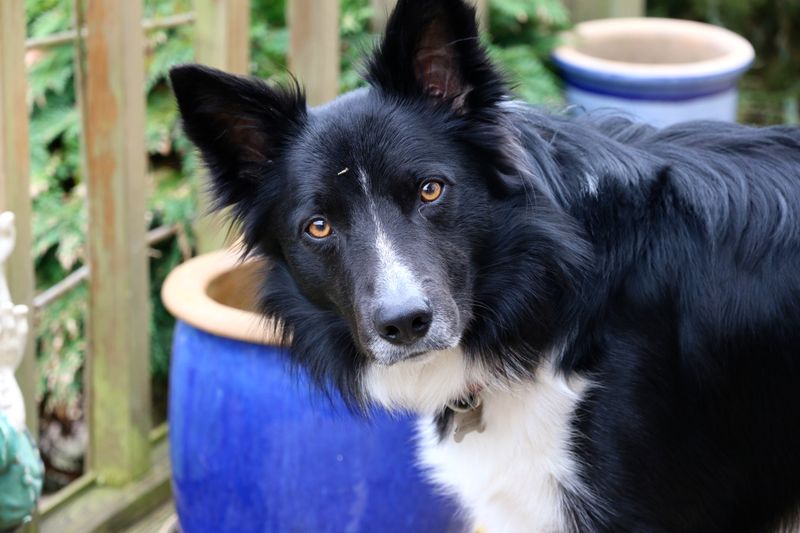
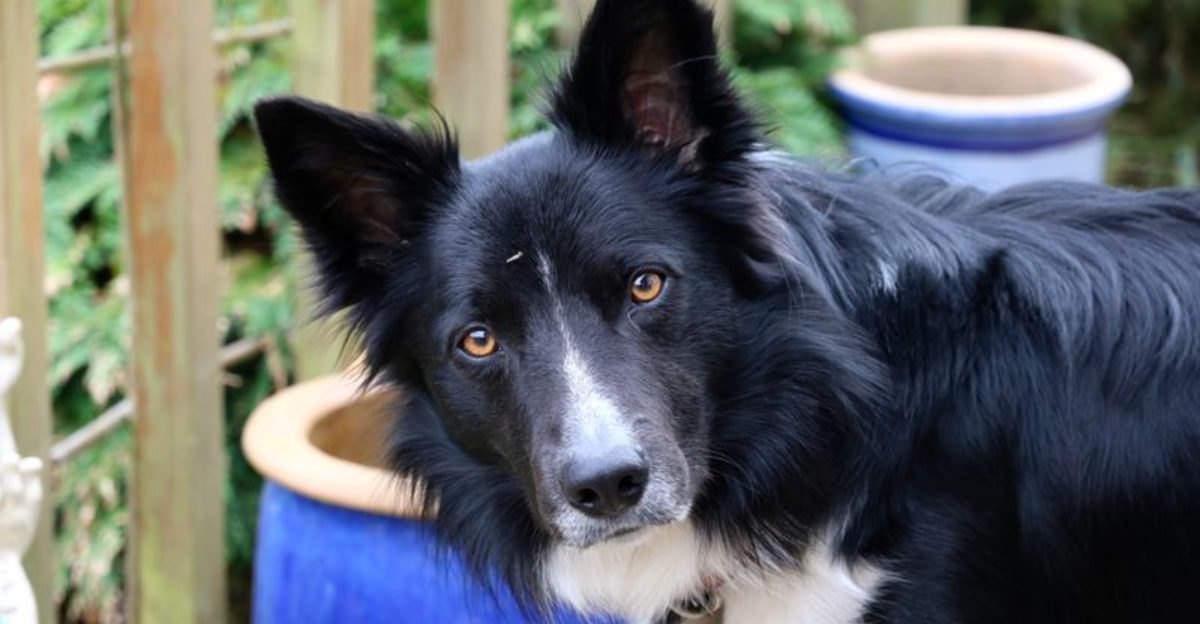
Border Collies are legendary problem solvers with rocket fuel energy. They are often returned when clever antics turn into herding kids, chasing wheels, or obsessive behaviors.
Without intense exercise, trick training, and brain games, that genius can morph into frustration that overwhelms busy families.
These dogs excel with structure, clear jobs, and daily novelty. You will need agility, scent work, or long hikes to meet needs beyond fetch.
If you love teaching new tasks and keeping routines predictable, a Border Collie will repay you with breathtaking focus, but mismatched homes quickly feel underwater. Plan for professional coaching, secure play fields, and weather proof activity plans so rainy days do not derail the mental marathon this remarkable athlete requires at all.
Jack Russell Terrier
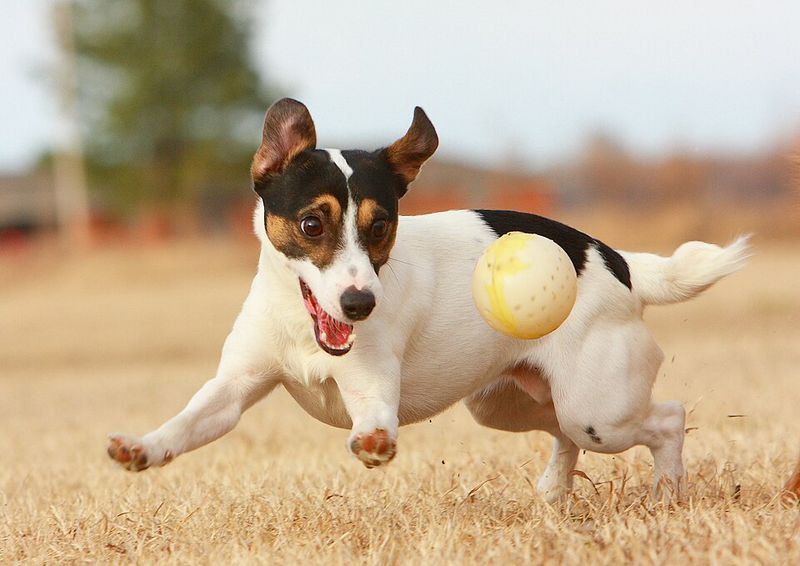
Jack Russell Terriers are tiny dynamos bred for relentless work. Their drive, noise, and curiosity can overwhelm apartments or calm households without an outlet.
Many returns happen after they burrow through couches, chase squirrels endlessly, or outsmart baby gates like puzzle masters.
They flourish when given sports, scent games, and consistent training that channels the spark. Expect vocal alerts, strong prey interest, and surprising vertical jumps.
If you crave a witty sidekick for hiking, trick shows, and daily challenges, a Jack Russell can be pure joy, but under exercised dogs quickly cause chaos. Plan for tough toys, secure fencing, and patient neighbors, plus scheduled training classes that teach impulse control while celebrating that hilarious, stubborn, athletic heart every single day.
Dalmatian
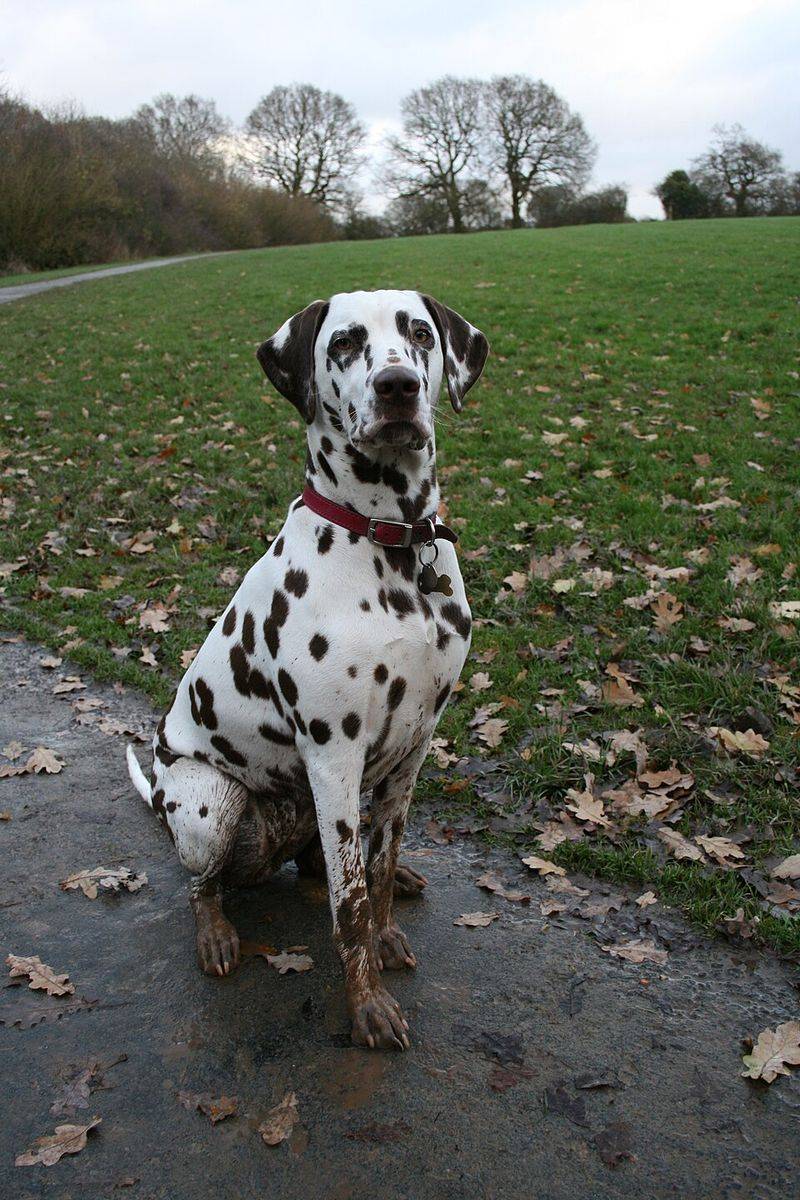
Dalmatians turn heads, yet the reality behind those spots is demanding. High stamina, sensitivity, and a tendency for allergies or urinary concerns require proactive care.
Without outlets, their enthusiasm becomes jumping, mouthing, and nonstop pacing that families interpret as naughtiness.
They bond deeply and need time with you, structured exercise, and confident training. Noise sensitivity can surprise busy households, and shedding is real despite the short coat.
If you provide varied adventures, calm leadership, and early socialization, a Dalmatian can shine, but impulse adoptions based on looks often lead to disappointment and returns. Research diet needs, schedule enrichment, and plan vet budgets, and you will turn that kinetic spark into patient partnership instead of frustration fueled surrenders for everyone involved.
Belgian Malinois
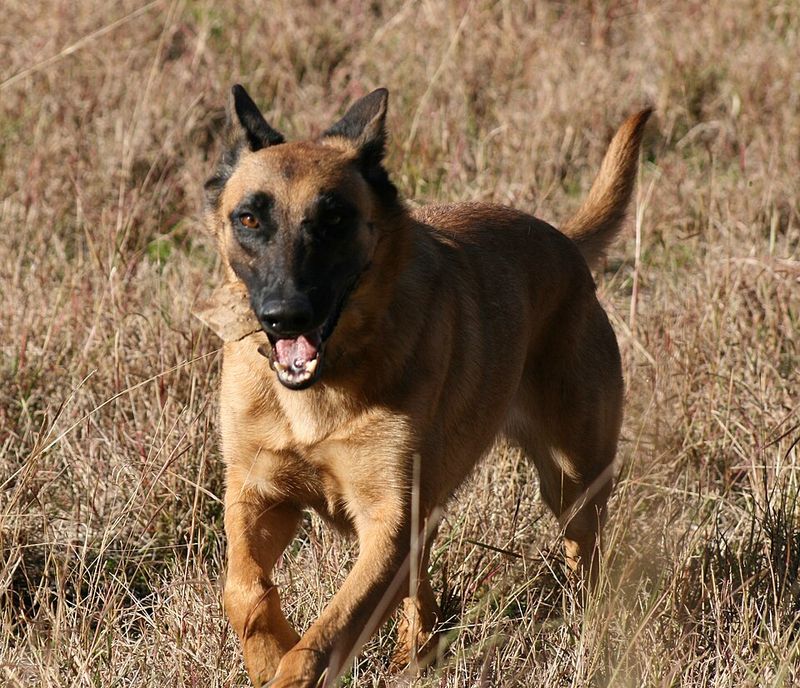
Belgian Malinois are elite athletes with razor sharp intensity. Many are returned when families discover they behave like working missiles without constant direction.
They require advanced training, substantial exercise, and structured jobs to prevent biting, nipping, or frantic pacing.
These dogs excel with experienced handlers who enjoy precision work. You will need bite safe outlets, scent tasks, and reliable decompression to balance arousal.
If you are not ready for daily training blocks and careful management, consider another breed, because a Malinois without purpose will quickly overwhelm even well meaning households. Partner with reputable trainers, plan secure containment, and dedicate real time to impulse control, so all that fire becomes precise teamwork rather than chaos that risks bites and returns later.
Akita
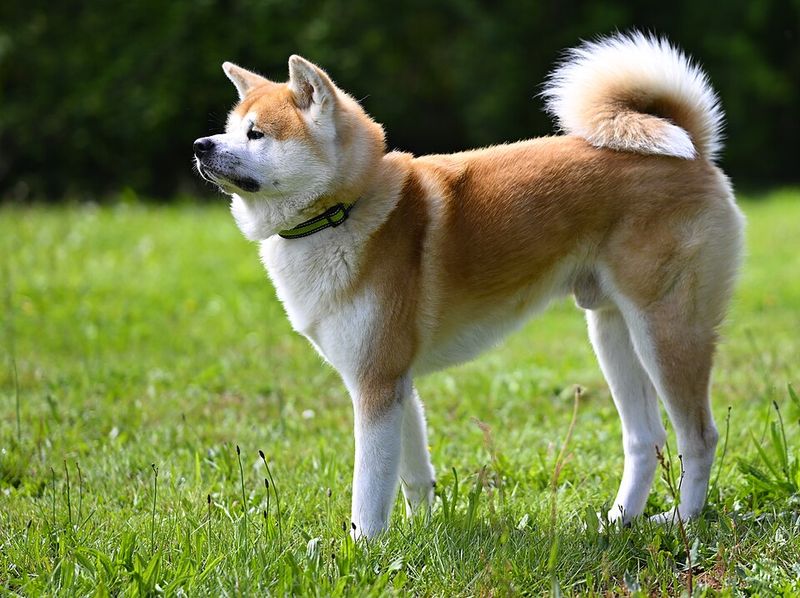
Akitas are dignified guardians with a strong independent streak. Many returns stem from underestimated size, same sex dog intolerance, and aloof temperaments that do not seek constant affection.
Early socialization and respectful training are non negotiable to prevent pushy or territorial behavior.
They bond deeply with family while remaining reserved with strangers. You will need firm boundaries, secure fencing, and slow introductions for harmony.
If you want a velcro dog, choose differently, but if you appreciate quiet loyalty and thoughtful routines, an Akita can be a steady companion in a calm, experienced home. Plan for professional guidance, reliable muzzles when appropriate, and respectful handling, and you will honor their instincts while keeping everyone safe, confident, and connected at home always.
Chow Chow
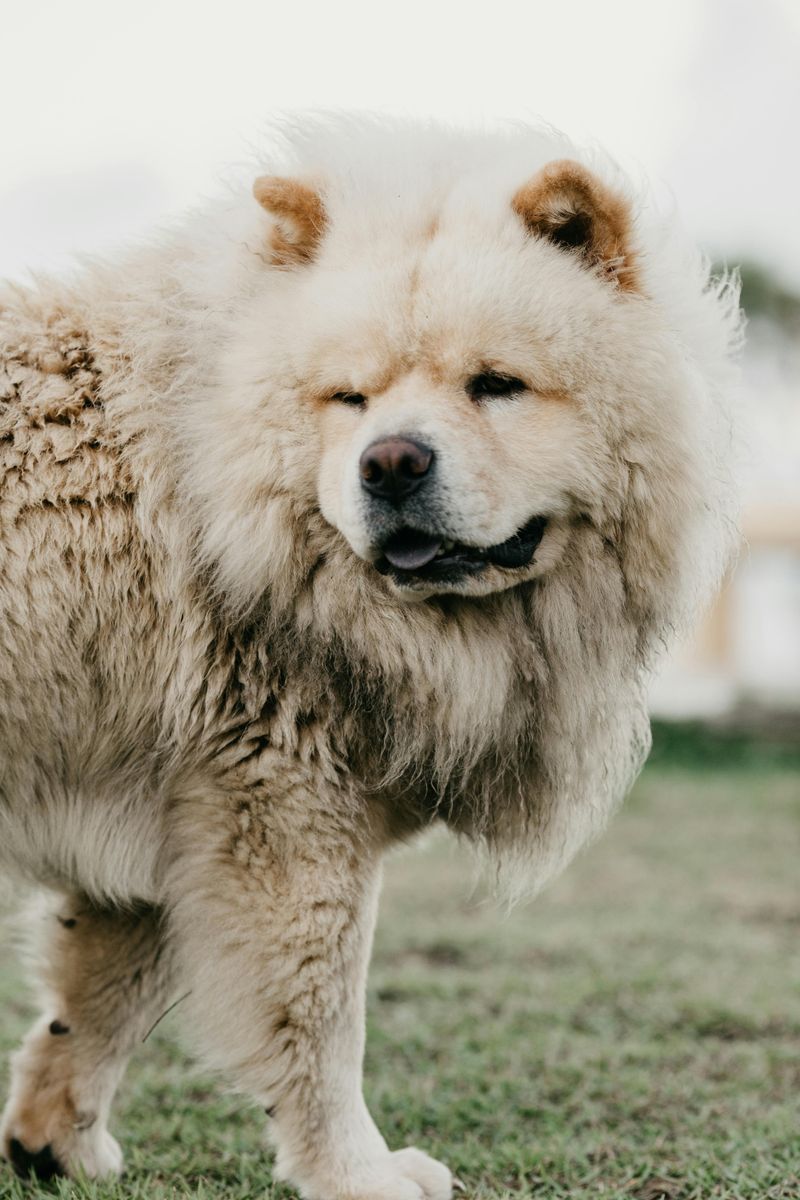
Chow Chows are striking and reserved, often compared to cats in temperament. Returns happen when families expect cuddly lap behavior instead of thoughtful distance and guardy instincts.
Their dense coat mats without diligent grooming, and heat sensitivity can limit exercise in warm climates.
They thrive with patient training, gentle handling, and predictable routines. You will need early socialization, cooperative care practice, and space for decompression.
If you respect their independence and build trust slowly, a Chow can be a devoted companion, but mismatched expectations frequently cause conflict, stress, and surrender. Schedule regular grooming, advocate at the vet, and teach calm muzzle training, so handling stays safe and low drama, protecting the bond while preventing fear based reactions and returns later.
Weimaraner
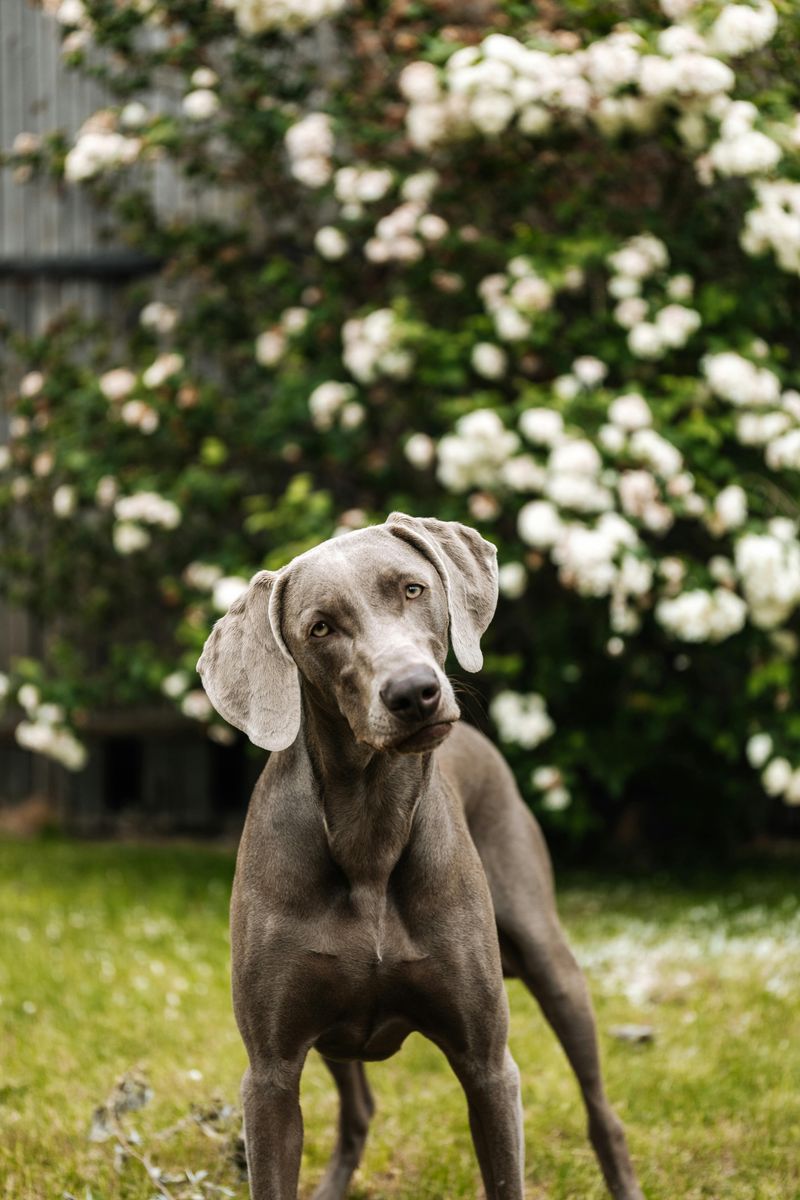
Weimaraners are velcro athletes built for endurance and partnership. Many are returned when constant companionship needs clash with busy schedules, leading to separation distress and destructive behavior.
Their prey drive and curiosity mean countersurfing, door dashing, and creative escapades without training and management.
They shine with long runs, field style games, and steady routines. You will need crate training, boredom busters, and gradual alone time practice to build confidence.
If you match their need for closeness and adventure, a Weimaraner becomes a shadow with a goofy grin, but mismatched lifestyles often spell frustration. Set expectations early, invest in recall training, and rotate enrichment, turning restless energy into partnership that sticks instead of another sad return prompted by chewed furniture again.
Cane Corso
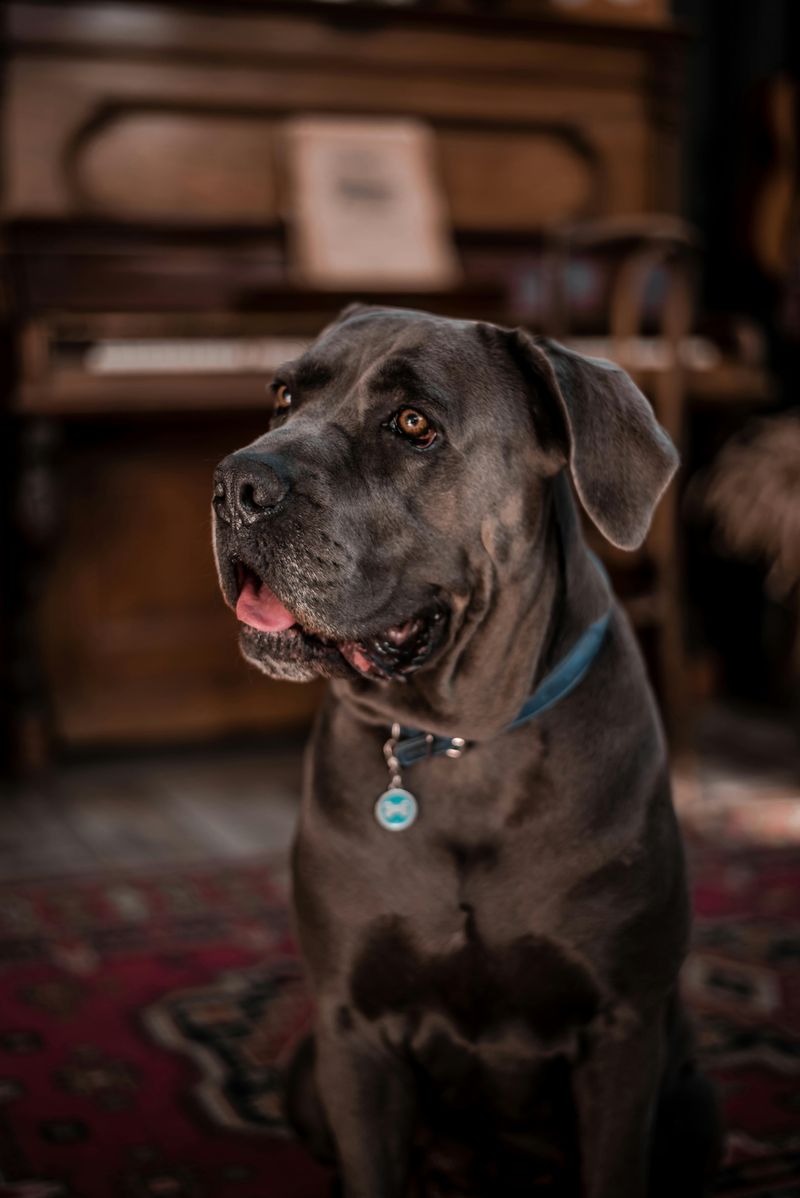
Cane Corsos are imposing guardians that demand thoughtful leadership. Returns often follow rapid growth, insufficient training, and under socialization that turns caution into reactivity.
This breed needs early guidance, strong management, and purposeful work to stay balanced and safe.
They do best with experienced owners who enjoy training and structure. You will need leash skills, secure property, and calm confidence during inevitable teenage testing.
If you commit to socialization, vet handling practice, and clear boundaries, a Cane Corso can be a steady protector and affectionate family member, but mismatched homes struggle. Prioritize insurance, professional support, and thoughtful introductions, and you will shape calm confidence that keeps neighbors comfortable and your dog welcome everywhere instead of risking preventable returns down later.