
You know your dog better than anyone, so when something feels off, it probably is. Subtle changes can be easy to dismiss until they snowball into bigger issues.
Learning the early signs gives you a head start on comfort, safety, and peace at home. Here are the surprising clues to watch for and what you can do next.
Sudden aggression toward people or other pets
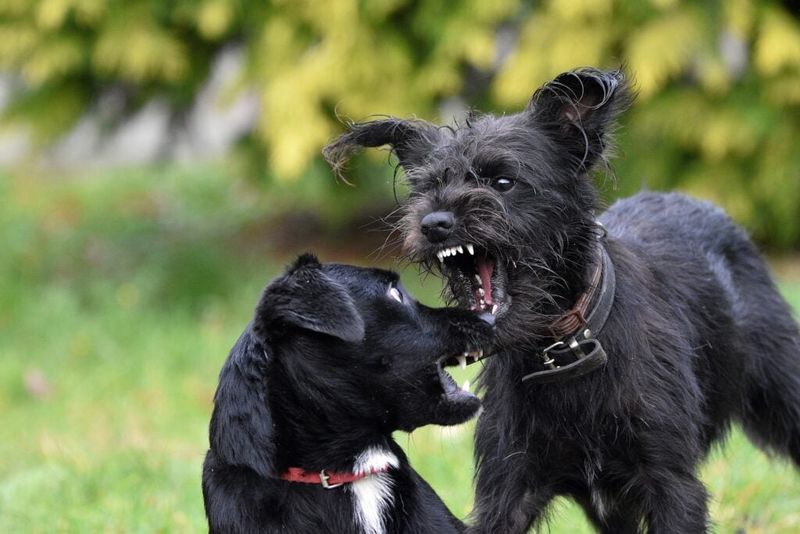
Sudden growls, snaps, or bites from a usually friendly dog signal pain, fear, or rising stress. You might notice stiff posture, hard staring, or a tight mouth right before an outburst.
These are early warnings your dog is overwhelmed and does not feel safe. Aggression is communication, and ignoring it can let problems escalate fast.
First, rule out pain with a thorough vet exam, including teeth, joints, and skin. Next, protect triggers and create distance while you gather data about patterns.
Reward calm behavior, teach reliable management cues, and avoid punishment that adds fear. A certified behavior professional can design a stepwise plan, using desensitization and counterconditioning to rebuild trust.
Safety gates, muzzles, and predictable routines keep everyone confident and secure.
Hiding far more often than usual
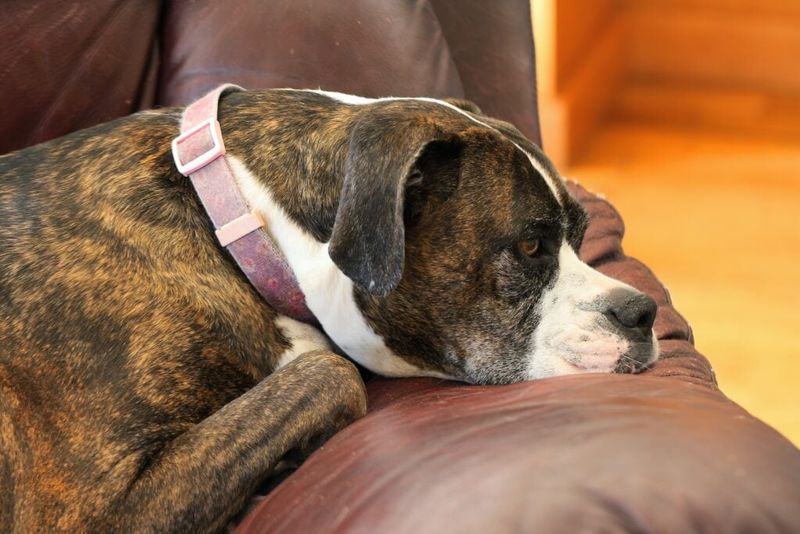
If your dog is retreating under beds, behind furniture, or into closets, it is speaking with its paws. Increased hiding often signals pain, illness, anxiety, or environmental stress.
New noises, household changes, or conflict with pets can make safe spaces feel essential. When a social dog starts avoiding family time, pay gentle attention and investigate.
Start with a vet visit to check for discomfort, digestive issues, or sensory changes. Then soften the world: add cozy dens, white noise, and predictable routines around meals and walks.
Invite, do not force, with tasty treats and calm presence near hiding spots. Gradual desensitization to triggers and confidence building games can restore curiosity.
Track patterns in a simple diary to reveal subtle, fixable triggers.
Pacing, restlessness, or inability to settle down
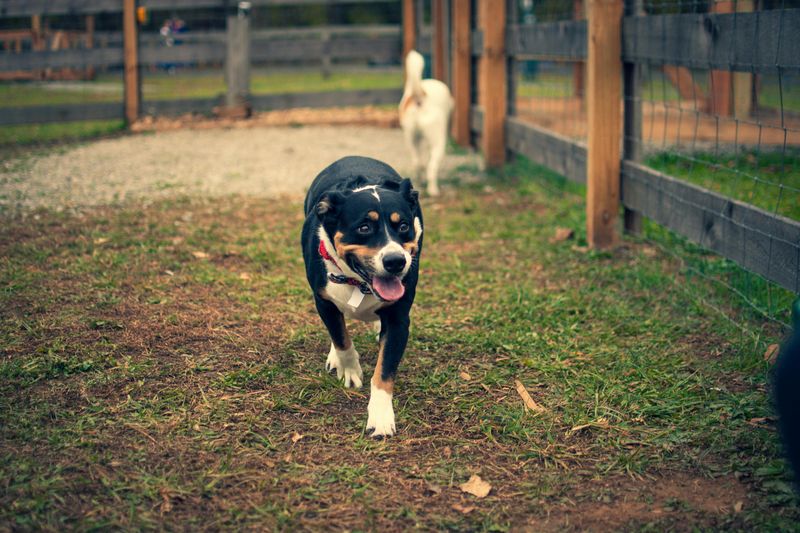
Endless circling, panting, and popping up from rests can mean your dog cannot relax. Restlessness often follows pain, untreated itch, urinary urgency, or mounting anxiety.
You may see dilated pupils, pinned ears, and refusal to lie on one side. When the body cannot settle, the brain keeps scanning for threats or discomfort.
Schedule a health check to rule out arthritis, GI upset, and thyroid shifts. Improve sleep by adding supportive bedding, cooler rooms, and a quiet evening routine.
Provide decompression walks, sniffing games, and chew sessions that drain mental steam. If nights are hardest, log timing, diet, and exercise, then ask a certified trainer about calming protocols.
Pain relief and structured calming can flip the switch back to rest.
Excessive licking, chewing, or self-soothing behaviors
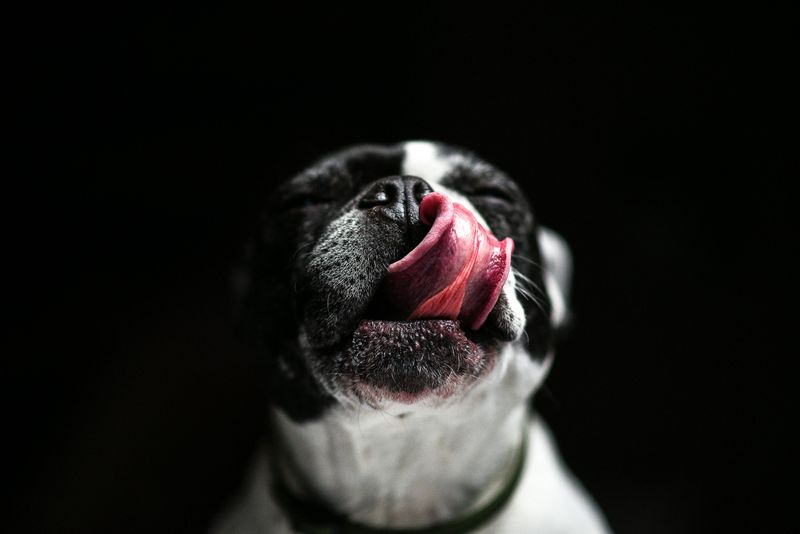
When licking turns compulsive, paws stay damp, fur stains, and skin can break down. Dogs self soothe to cope with pain, itch, boredom, or anxiety, and the habit snowballs fast.
You might hear slurping at night or notice hot spots forming. What looks like quirky grooming is often discomfort asking for help.
Partner with your vet to check allergies, fleas, pain, and GI imbalance. Add enrichment like food puzzles, sniffaris, training games, and predictable naps to reduce idle time.
Offer appropriate chews and lick mats so the brain can unwind productively. Behavior plans use gradual reinforcement shifts, blockers like booties or shirts, and stress reduction to rebuild resilience.
Track flare ups alongside weather, diet, and activity to find triggers.
Loss of interest in play, walks, or favorite activities
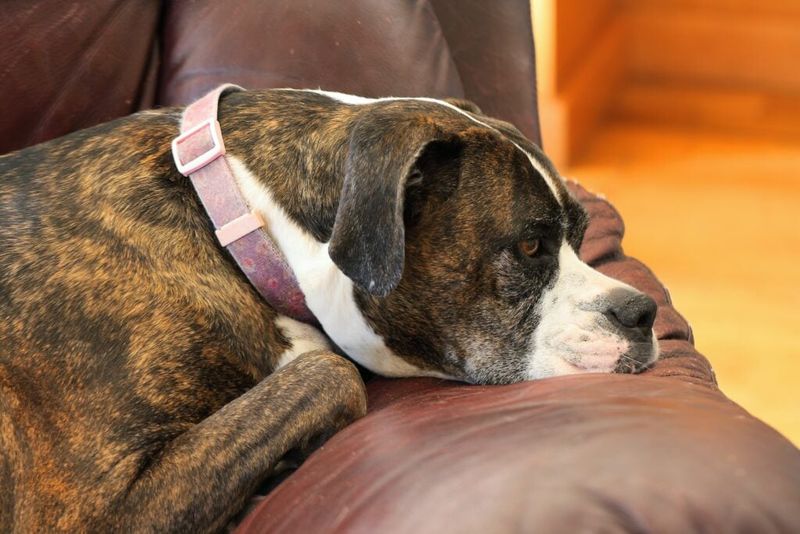
When a once bouncy buddy shrugs off toys or lags on walks, pay attention. Apathy can reflect pain, nausea, low mood, or early cognitive change.
You may also see slow greetings, less tail movement, and more time alone. Dogs rarely fake enthusiasm, so dwindling joy deserves compassionate curiosity and support.
Call your vet to screen joints, teeth, and internal health, then adjust exercise goals. Shorter, happier outings beat forced mileage and frustration.
Reignite motivation with novel scents, soft surfaces, and gentle games that feel safe. Tiny wins build momentum, and positive reinforcement helps your dog rediscover that movement, play, and you are worth choosing again.
Consider pain relief, supportive gear, and joint friendly activities like swimming.
Unusual clinginess or sudden separation distress

Shadowing you from room to room, vocal protests, and door scratching can appear out of nowhere. Sudden clinginess often follows a scare, schedule shift, illness, or aging changes.
Your dog may panic when you shower, grab keys, or step outside briefly. It is not spite, it is fear of coping alone without a clear plan.
Stabilize routines, pair departures with irresistible food, and return before worry spikes. Build tiny absences, seconds to minutes, while monitoring with a camera.
Avoid punishment, because it links your return with more fear. A veterinarian and certified trainer can coordinate meds, relaxation protocols, and gradual exposure to restore independence and calm confidence at home.
Meanwhile, enrich days with sniff walks and soothing chew sessions.
Repeated barking, whining, or vocalizing for no clear reason

When noise ramps up without an obvious trigger, your dog is telling you something matters. Chronic barking or whining often reflects pain, confusion, boredom, or environmental tension.
You might notice it spike at dusk, during meals, or when neighbors move around. The pattern is data, and listening beats shushing that misses the message.
First, address health and comfort, then enrich the day with puzzles and sniffing. Reduce window access if passersby set things off, and add white noise.
Teach a settled mat behavior, paying generously for quiet in easy steps. For persistent cases, collaborate with your vet and a certified trainer to uncover roots and build a humane plan.
Track times and triggers to guide smarter, kinder adjustments.
Confusion, staring spells, or acting disoriented
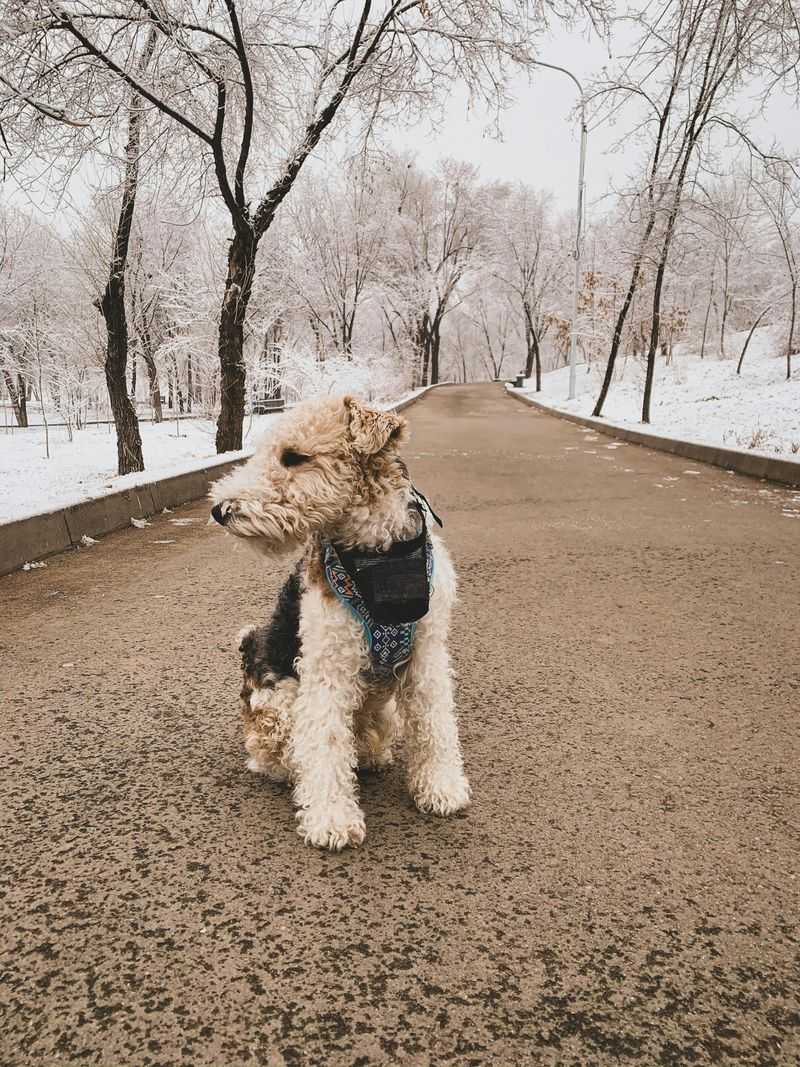
Getting stuck in corners, staring at walls, or hesitating at doorways can signal cognitive changes. Dogs may forget routines, sleep oddly, or pace at night while seeming lost.
Vision or hearing shifts compound the uncertainty and raise anxiety. These are not stubborn moments, they are signs the map in your dog’s head is fuzzier.
See your vet to screen for cognitive decline and sensory problems, then discuss supplements and meds. Simplify the home with clear paths, night lights, and non slip rugs.
Keep routines steady, add gentle brain games, and reward check ins generously. Short, calm walks and predictable caregiving help your dog feel oriented, safe, and loved through changing seasons.
Patience and reassurance make scary moments pass more easily.
House-training accidents in a previously reliable dog
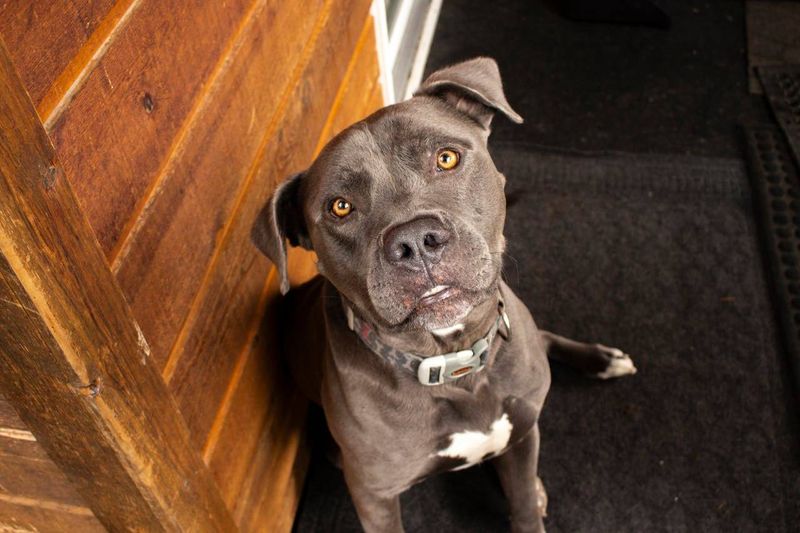
Surprise puddles or poop from a house trained dog are not moral failures. They often mean urinary infection, pain, GI upset, or a schedule mismatch.
Anxiety can also disrupt signals and timing, especially after big changes. If your dog looks guilty, remember that is stress, not proof of wrongdoing.
Head to the vet for tests, then tighten routines and frequent potty breaks. Praise outdoor success enthusiastically, and clean indoor spots with enzymatic products to erase odors.
Block previously soiled areas while you rebuild habits. Track food, water, meds, and timing, and consider crate or pen rest periods to reset reliability kindly.
Medical treatment and patient coaching usually solve setbacks faster than scolding. Stay calm and consistent to restore trust.
Guarding food, toys, or spaces more intensely than before

Resource guarding that suddenly intensifies deserves attention, not confrontation. A dog that stiffens, freezes, snarls, or snaps near food or resting spots is worried about losing access.
Pain, scarcity, or new competition can sharpen protective instincts. Trying to grab items often backfires by confirming fears that people make treasures disappear.
Trade safely with high value treats, toss snacks as you pass, and avoid cornering. Teach cues like drop and leave it with generous reinforcement when calm.
Manage the environment with feeding stations, gates, and clear dog zones. A qualified behavior pro can create a stepwise plan using desensitization and counterconditioning to change feelings about sharing.
Pain checks and fair routines reduce the urge to guard essentials.
Sleeping far more – or far less – than normal
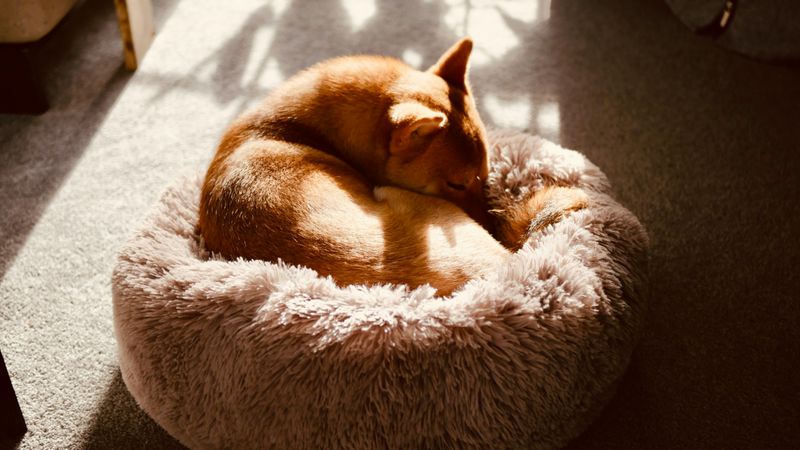
Big swings in sleep can hint at pain, illness, anxiety, or aging. Oversleeping may track with low mood or discomfort, while short nights suggest arousal or restlessness.
Notice snoring, twitching, position changes, or night wandering. Sleep is foundational health, and disruptions ripple into behavior, learning, and coping capacity.
Ask your vet about pain control, thyroid testing, and sleep environment tweaks. Support recovery with comfy beds, darker rooms, white noise, and cooler temperatures at night.
Anchor relaxing evening rituals with chews, sniffing, and quiet cuddles. Gentle daytime exercise, brain games, and consistent schedules help your dog find balanced, restorative rest again.
Track naps and wake windows to reveal patterns worth adjusting. Pain relief often normalizes rhythms quickly.
Strange repetitive habits that seem hard for your dog to stop
Spinning, fly biting, tail chasing, or fixed-route pacing can look quirky but feel compulsive. These loops often start from frustration, conflict, or arousal, then become self rewarding.
Stress hormones wire the pattern deeper over time. Interrupting without a plan risks more anxiety, so compassion and structure matter most.
Begin with medical screening to rule out seizures, pain, or dermatology issues. Increase enrichment and rest, reduce trigger stacking, and swap repetition for chew, sniff, and search games.
Teach alternative behaviors and reinforce generously before the loop spikes. With collaborative vet and trainer support, medication and behavior therapy can loosen stuck habits and return flexibility.
Safety tools like gates, visual barriers, and mats help prevent rehearsal. Keep records to measure progress.