
Some dogs are gorgeous, brilliant, and brave, yet they can push even experienced owners to their limits. If you have been tempted by a striking coat or viral trick videos, pause and look under the hood.
The breeds below demand time, structure, and smart training if you want harmony instead of headaches. Read on to learn what it really takes and whether one of these dogs fits your life.
Siberian Husky
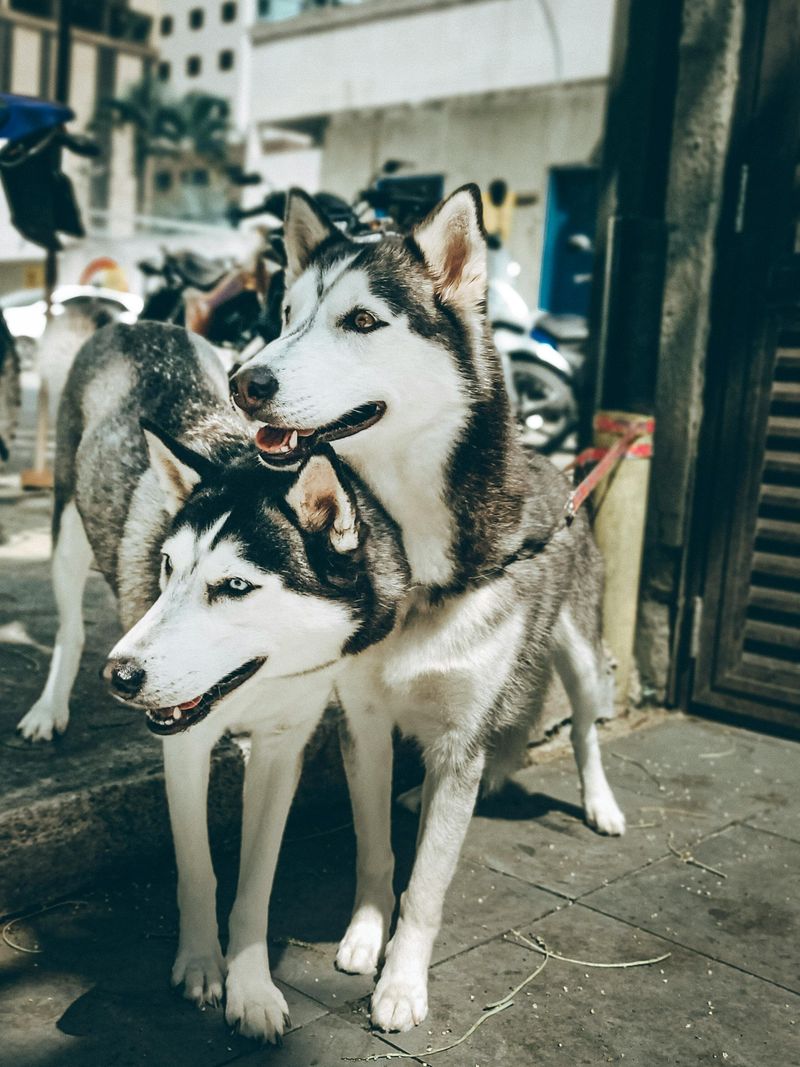
Stunning and high energy, the Siberian Husky can sweep you off your feet and run your schedule ragged. Bred to pull sleds for miles, this dog needs vigorous exercise, puzzle toys, and consistent structure.
Without that, you may see digging, escaping, and nonstop vocalizing that frustrates neighbors and surprises new owners. Coat care sheds heavily seasonally, and heat tolerance is low in warm climates.
If you love hiking and snow, you can channel that drive into skijoring or canicross and watch your bond grow. Secure fencing is essential, as many Huskies are skilled climbers and creative tunnelers.
Commit to training that rewards impulse control, practice recall with long lines, and you will get a joyful companion that truly thrives.
Belgian Malinois
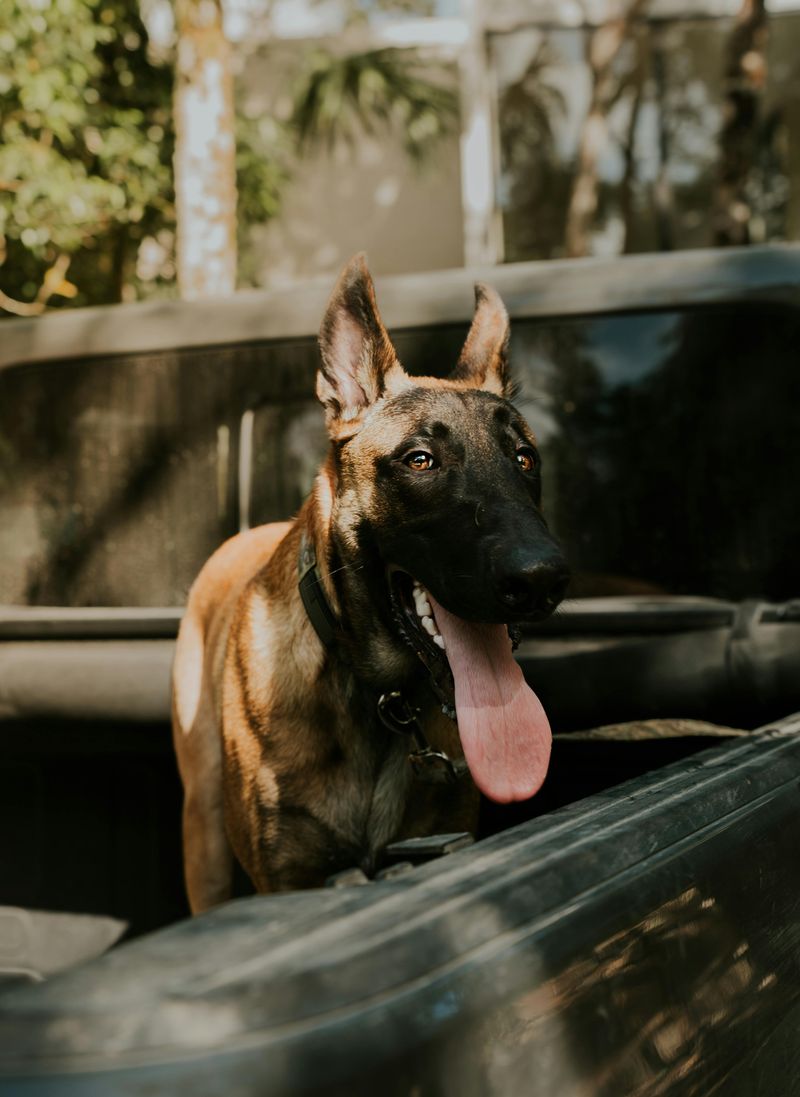
The Belgian Malinois is a working athlete that craves purpose every single day. You have likely seen them on police teams and in action films, but the movie gloss skips the relentless drive and sensitivity.
Without structured training, bite inhibition, and serious outlets, a Malinois can develop compulsive behaviors and blow past your boundaries fast.
If you enjoy precision sports like IGP, Mondioring, or agility, this dog can light up your life. Clear rules, calm handling, and rewards for stillness are just as important as high-octane play.
Expect to invest in professional coaching, rotate challenging training games, and commit to daily mental reps. With that, you gain a fiercely loyal partner who thrives on doing the job.
Border Collie
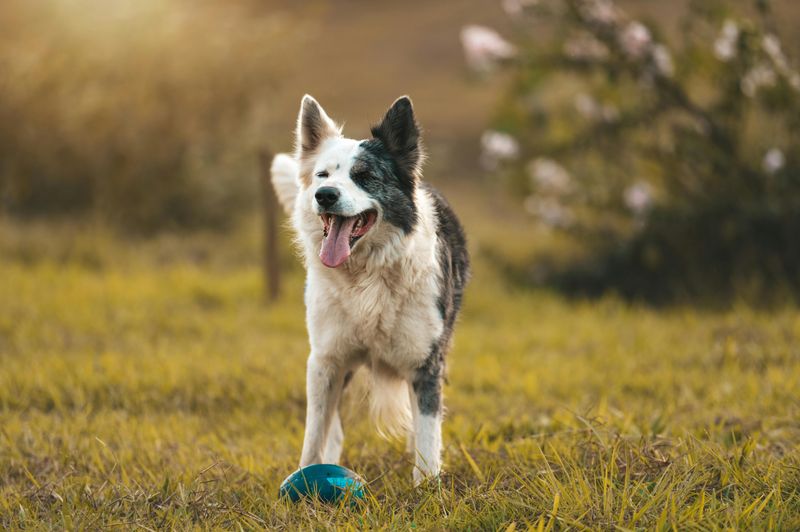
Border Collies are brilliant problem solvers who out-think you before breakfast. Bred to work livestock, they need complex jobs, technical training, and movement that taxes brain and body.
Without that, you may see herding of kids, ankle nipping, light chasing, and obsessive patterns that are tough to unwind later.
You can channel the intensity with herding lessons, agility, scent work, or advanced trick training. Keep sessions short, precise, and rewarding, with frequent decompression walks and calm mat work.
Visual triggers like bikes and joggers need early, thoughtful conditioning. If you are excited by daily training plans and measurable goals, a Border Collie can be magical.
If not, the constant mental buzz will feel overwhelming fast.
Akita
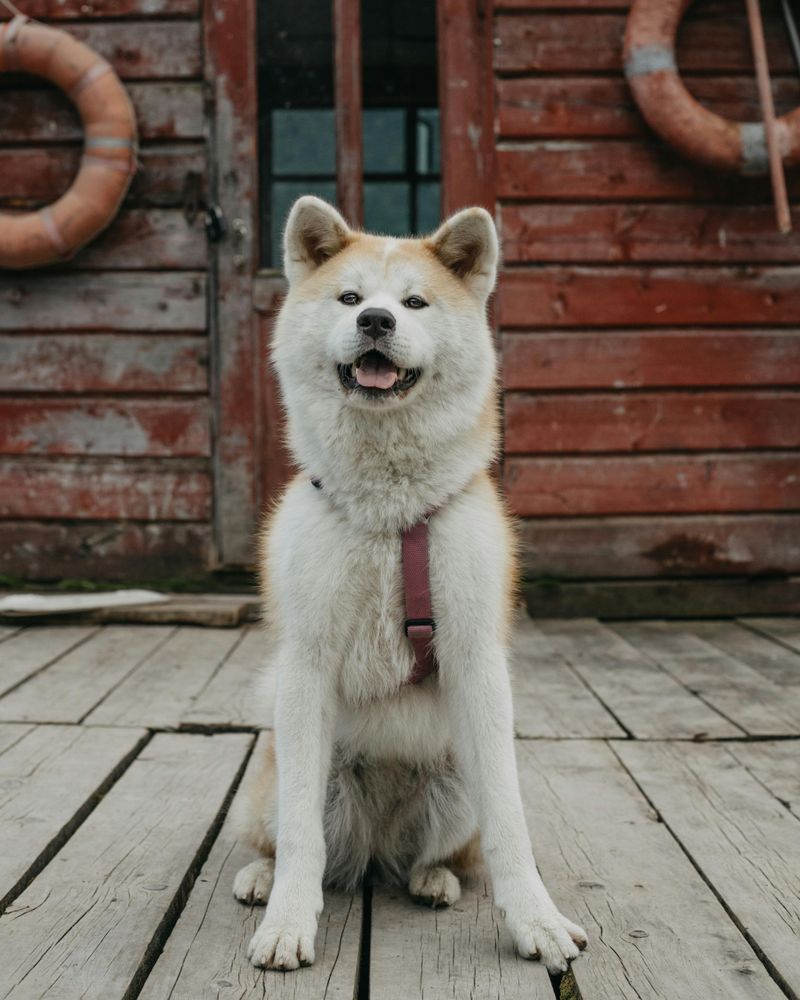
The Akita is dignified, powerful, and emotionally reserved, which can puzzle newcomers. Same-sex aggression is common, and many Akitas prefer a small, familiar circle over bustling dog parks.
They are independent thinkers who require respectful, consistent boundaries and early socialization that protects their confidence without flooding.
Focus on calm routines, low-drama introductions, and rock-solid leash skills. Reward steady behavior and neutrality toward strangers, not just flashy tricks.
Grooming is significant during seasonal blows, and urban housing needs careful planning due to size and reactivity potential. If you value a steady guardian with quiet loyalty, the Akita can be deeply rewarding.
If you want a social butterfly, consider a different match.
Chow Chow
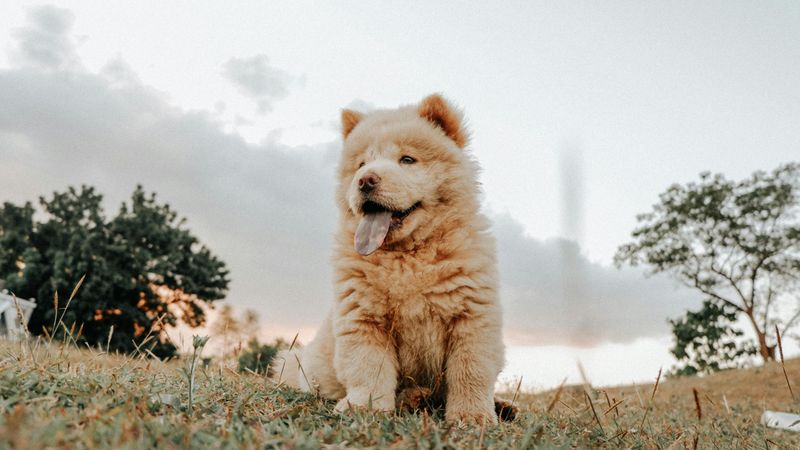
Chow Chows look like plush toys, but they carry a serious, catlike independence. They can be aloof with strangers and touch-sensitive, so grooming and vet handling need slow, positive practice from day one.
Their thick coat demands regular maintenance, and heat management is critical in warm regions.
Training should emphasize calm cooperation, voluntary consent cues, and low-pressure socialization. Build trust by rewarding approach, handling tolerance, and polite neutrality instead of forced friendliness.
Secure spaces and clear household rules prevent conflicts over resources or doorways. If you appreciate a quiet, stately companion who values routine and respect, a Chow can fit beautifully.
If you expect instant cuddles and dog-park charm, you may feel disappointed.
Jack Russell Terrier
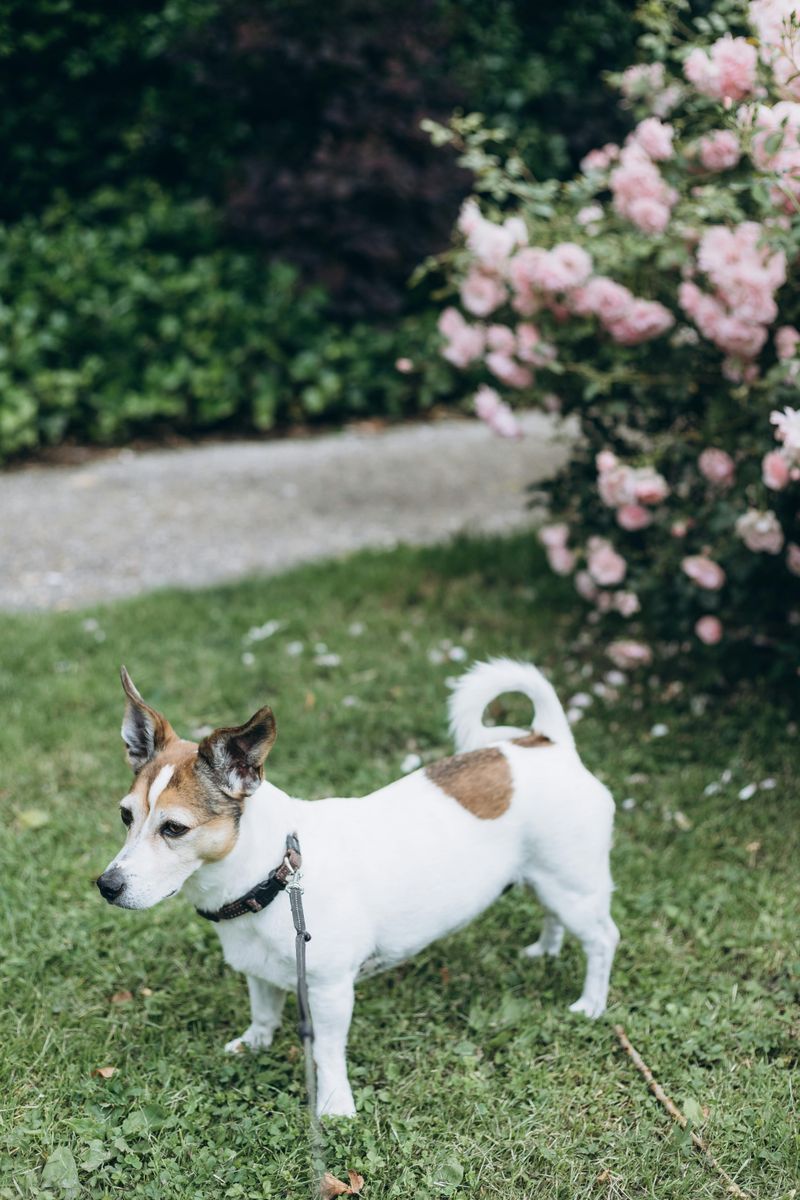
Small size, huge engine. The Jack Russell Terrier was bred to go to ground, so expect explosive energy, tenacity, and a relentless prey drive.
Without structured outlets, these dogs invent jobs, like dismantling toys, redecorating gardens, or launching from furniture to patrol windows.
Channel the spark with terrier games, nose work, trick chaining, and sprint intervals. Fence-check daily because many Jack Russells are expert diggers and opportunistic dashers.
Keep training sessions upbeat and fast, building impulse control between bursts of play. If you love a pocket rocket that lives to learn, this breed is electric.
If you want a couch companion first, consider a mellower match that will actually relax beside you.
Dalmatian
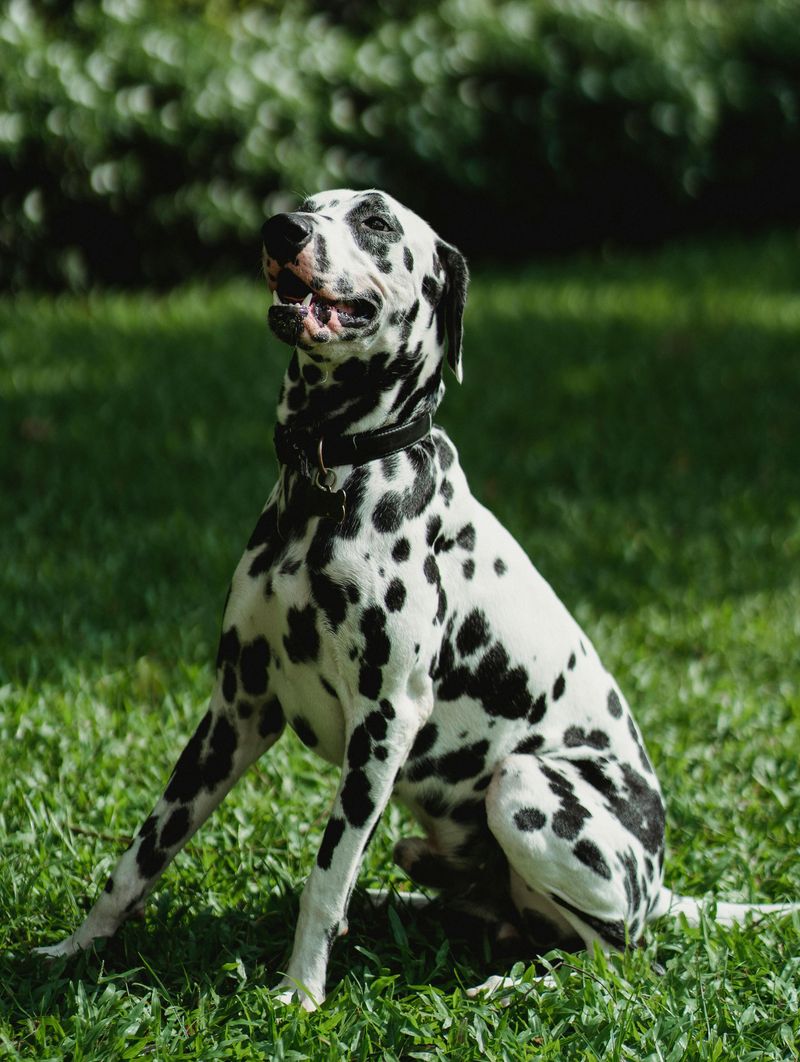
Dalmatians are athletic and social, originally bred to run with carriages for miles. That heritage means stamina, watchdog tendencies, and sensitivity to chaotic environments.
Without daily aerobic exercise and kind guidance, you may see pacing, barking, or destructive boredom behaviors that spiral.
Health considerations matter too. Many Dalmatians have unique dietary needs due to uric acid metabolism, so work closely with your vet about food and hydration.
Early exposure to varied sights and sounds builds resilience, while reward-based training sharpens manners for busy places. Long runs, structured play with compatible dogs, and scent games help meet needs.
If you enjoy an active routine and planning, a Dalmatian can truly shine with you.
Weimaraner
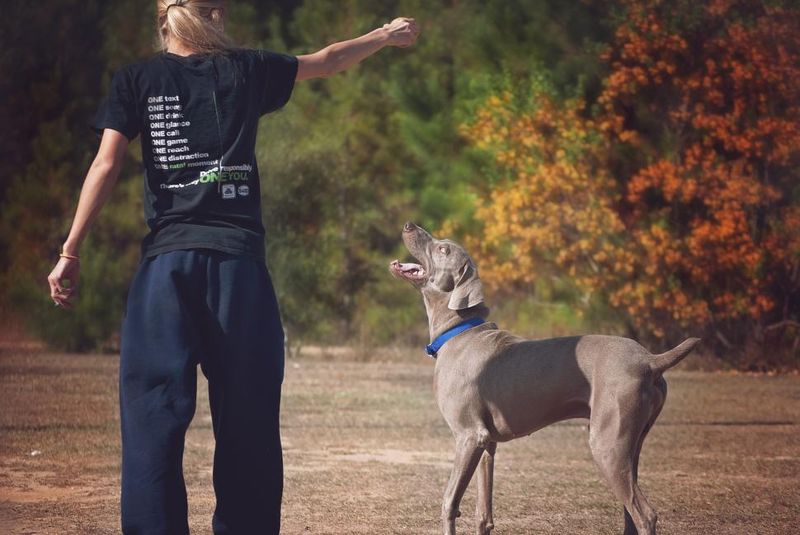
The Weimaraner is a velcro athlete who bonds intensely and hates being bored. Originally a versatile hunting dog, they need endurance work, nose tasks, and steadiness training to prevent frustration.
Left under-stimulated, they may counter surf, shred bedding, or test every boundary you forget to reinforce.
Plan for long hikes, field games, and quiet place training to build off switches. Socialize thoughtfully to reduce reactivity and teach polite greetings.
Many Weims struggle with separation, so gradually condition alone time and provide meaningful chew outlets. If you want a graceful partner for outdoor adventures and consistent training, this dog can be breathtaking.
If your schedule is unpredictable, the Weimaraner will quickly outpace your bandwidth.
Cane Corso
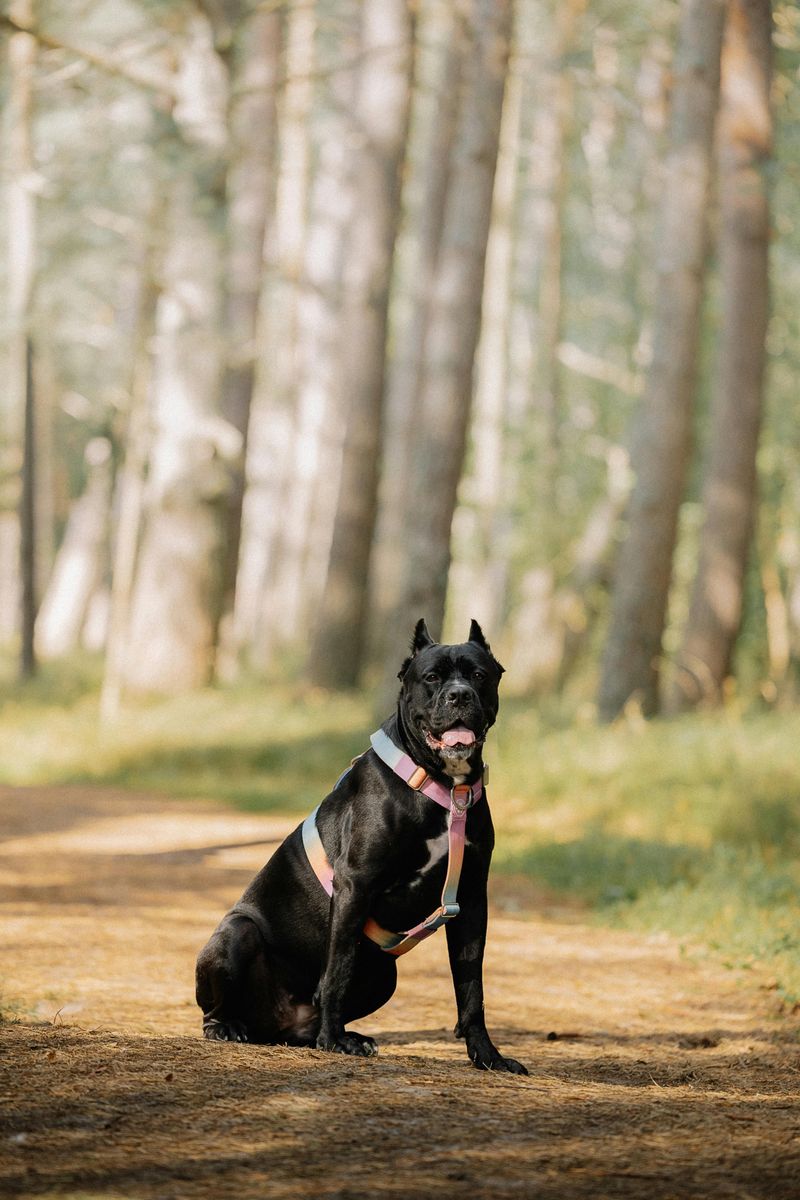
The Cane Corso is a powerful guardian that needs thoughtful leadership, not bravado. Maturity brings territorial awareness and a serious presence that can intimidate guests.
Early, careful socialization, neutrality around strangers, and reliable obedience are non-negotiable for safety and harmony.
Focus on calm leash manners, place training, and impulse control around thresholds. Reward steadiness, eye contact, and relaxed body language, while avoiding chaotic dog-park scenes.
Provide durable enrichment, strength-building exercise, and clear house rules to prevent pushiness. Work with a reputable trainer experienced in guardian breeds.
If you respect structure and consistency, a Corso offers deep loyalty and quiet confidence. If you prefer a laissez-faire approach, choose a different companion.
Alaskan Malamute
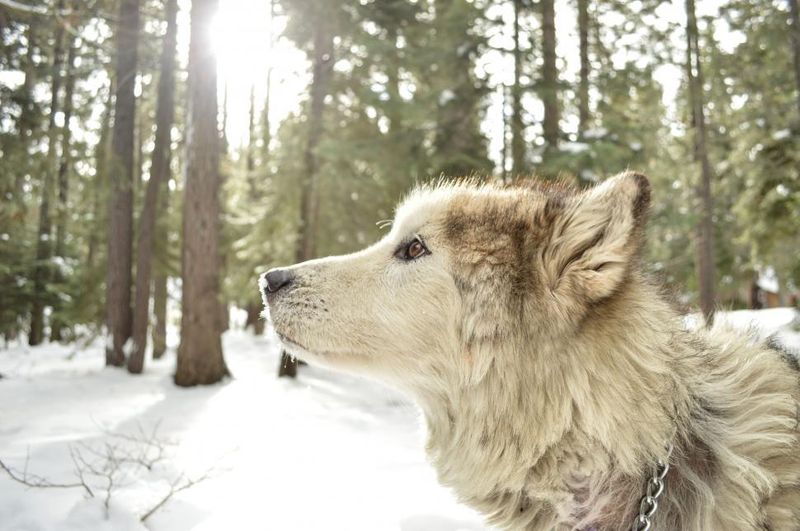
The Alaskan Malamute is a freight hauler built for strength, not speed alone. Expect big exercise needs, a booming voice, and a love of digging craters to reach cool earth.
Heat management, coat care, and secure fencing all require real effort, especially in suburban settings.
To thrive, channel pulling instincts with sledding, carting, or weight pulls, paired with calm obedience and recall on long lines. Many Malamutes are dog selective, so plan controlled introductions and avoid chaotic group play.
Rotate puzzle feeders and scent games to tire the mind. If you can provide winter adventures and consistent structure, you will unlock an affectionate, comedic giant.
If not, this powerhouse quickly becomes overwhelming.
Shiba Inu
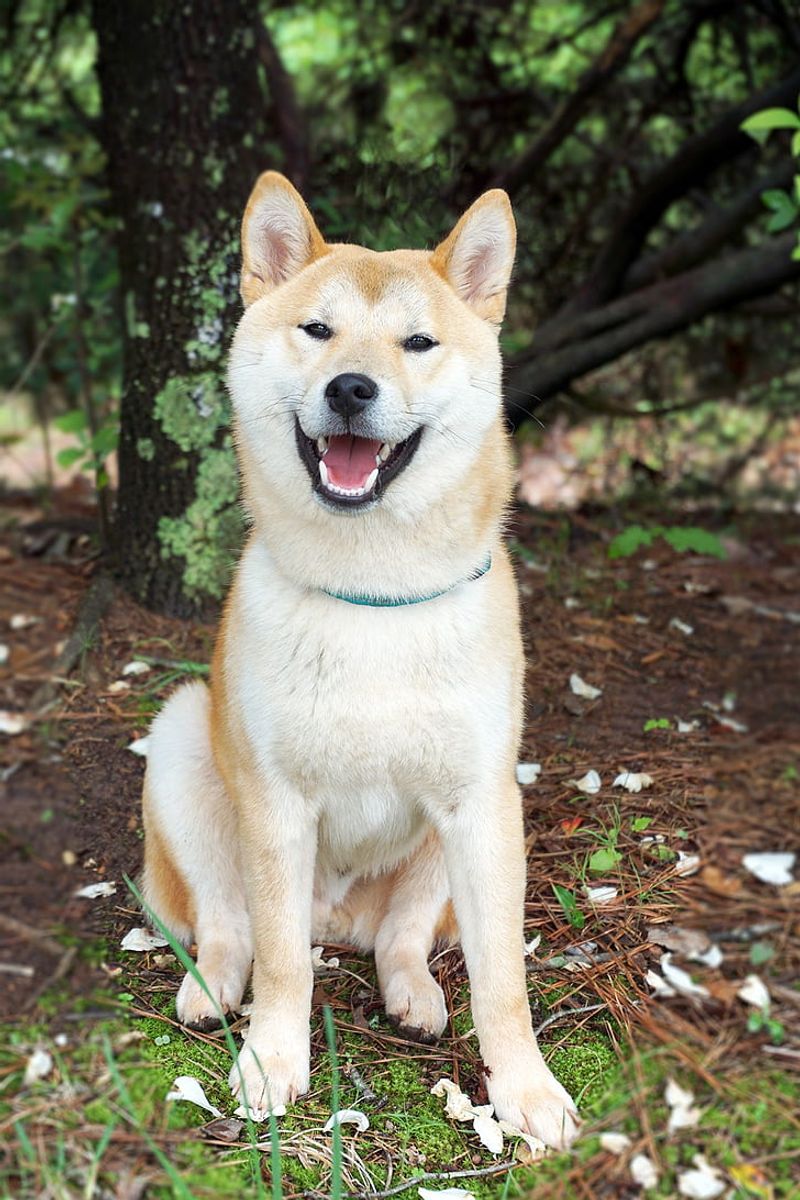
The Shiba Inu is compact, clever, and famously independent, with a voice that can hit opera notes. Many dislike rough handling and chaotic dog-park culture, preferring calm exploration and predictable routines.
House training is usually quick, but recall can be selective without careful, high-value practice.
Focus on cooperative care skills like nail trims and harnessing with consent cues. Use food, play, and novelty to build attention while respecting personal space.
Secure leashes and fenced areas prevent sudden chase of squirrels or scooters. With patient, upbeat training and fair boundaries, you get a witty companion with big personality.
If you expect constant cuddles and instant obedience, this spirited free-thinker will keep you humble.
Australian Cattle Dog
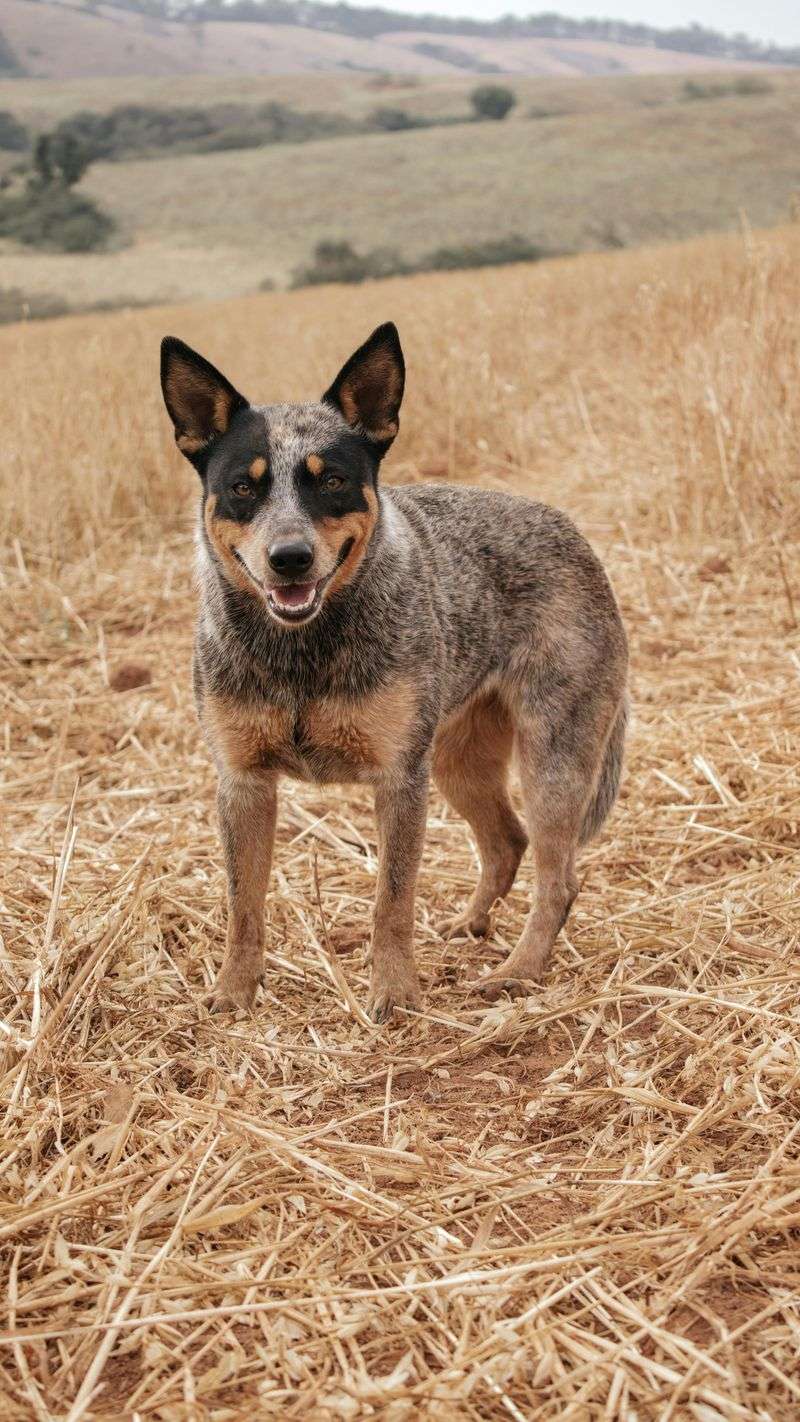
The Australian Cattle Dog is a grit-filled worker built to move cattle and make decisions under pressure. That drive shows up as relentless energy, mouthiness, and laser focus that can overwhelm unprepared homes.
Without meaningful jobs, you might see nipping at heels, car chasing, or obsessive guarding of toys and space.
Give this dog structure through obedience, herding lessons, bikejoring, or agility with impulse control. Short, technical training reps paired with decompression walks help them settle.
Teach polite greetings, reinforce releases, and rotate durable chews to reduce boredom. Consistency and fairness matter more than volume.
If you crave a tireless training partner and ranch-level stamina, this breed is incredible. If you want easygoing weekends, look elsewhere.