Some dogs are born confident, but even the bravest pup needs the right introductions to thrive. Early socialization is your secret weapon for raising a calm, adaptable companion who trusts the world.
Start thoughtfully and you can prevent fear, reactivity, and chaos before they start. Here are breeds that especially benefit from smart, early exposure and guidance.
German Shepherd
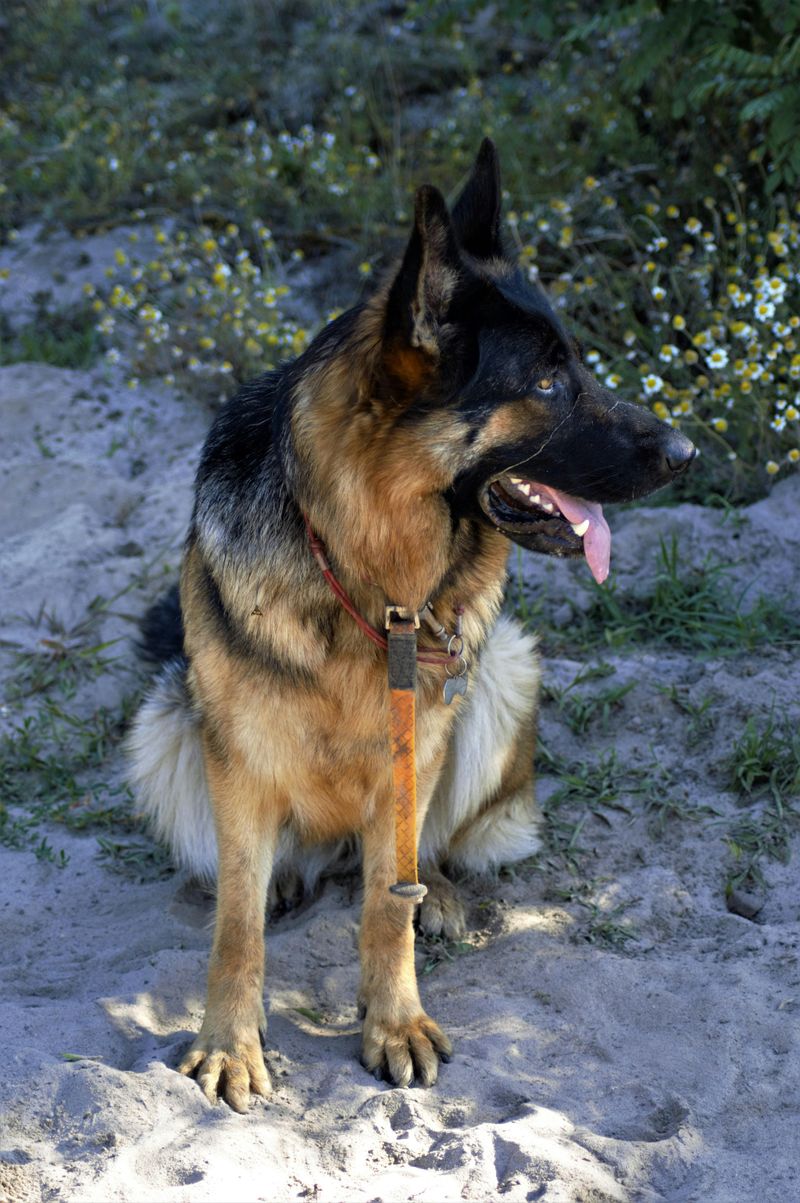
Confident yet sensitive, the German Shepherd thrives when early socialization is planned, varied, and steady. You want this clever guardian learning that strangers, vets, and sidewalks predict calm, good things.
Introduce friendly people of all ages, polite dogs, different surfaces, and novel sounds. Pair everything with treats, play, and short sessions so curiosity beats suspicion.
Teach handling for ears, paws, grooming, and muzzles. Build neutrality around cats, bikes, scooters, and delivery workers.
Balance brainy training with decompression. Practice calm on a mat, impulse control at doors, and loose leash walks.
Sign up for a well-run puppy class that screens participants. Advocate for space, skipping chaotic dog parks.
During adolescence, double down on structure, enrichment, and clear routines. A socialized Shepherd becomes stable, biddable, and versatile.
Belgian Malinois
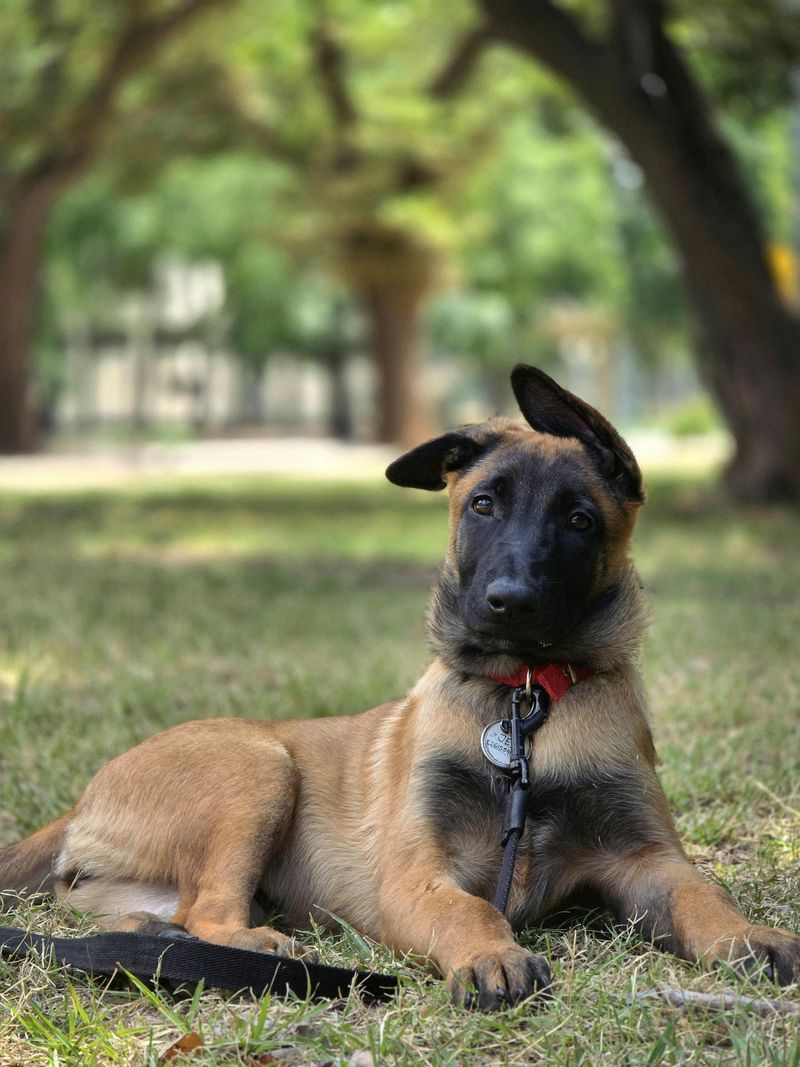
The Belgian Malinois is brilliant, driven, and incredibly observant, which means early socialization must be purposeful. You want controlled, bite sized exposures rather than chaotic free for alls.
Let your pup watch the world, then earn rewards for checking in with you. Introduce stable adult dogs and neutral people, focusing on calm engagement.
Add environmental challenges like grates, stairs, and car washes, pairing each with food and play. Practice body handling and short crate naps between outings.
Because arousal spikes fast, build off switches early. Reinforce place training, leash skills, and quiet settles in cafes or parks.
Skip rough dog parks and chase games with unfamiliar dogs. Choose well screened classes, sport foundations, and scent games.
A well socialized Malinois stays confident, channeling intensity into thoughtful work.
Rottweiler
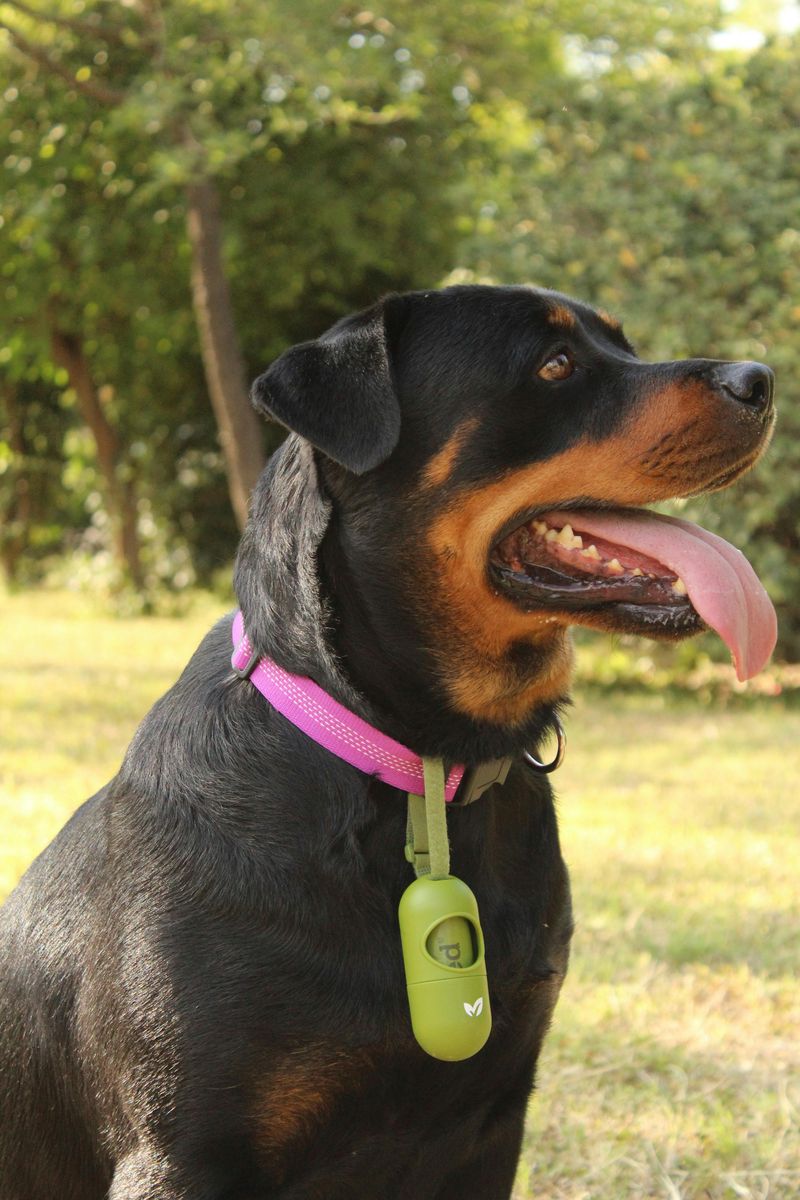
Rottweilers are loyal, thoughtful guardians that benefit from early, fair introductions to the world. Start with predictable meetups, maintaining space and rewarding soft eyes, loose bodies, and sits.
Rotate environments gently: quiet streets, pet friendly stores, and calm soccer fields. Normalize handling, vet touches, and wearing a muzzle as a trained behavior.
Use high value food and tug games to build positive associations. Expose to rolling carts, umbrellas, doorbells, and uniforms.
Emphasize neutrality over nonstop mingling. Practice stationing on a mat, polite leash manners, and impulse control around doorways.
Supervise play with well matched dogs, avoiding body slams. Enroll in a reputable puppy class that screens temperaments.
During the teenage phase, revisit basics, keep routines steady, and prioritize rest. A socialized Rottweiler becomes steady, confident, and dependable.
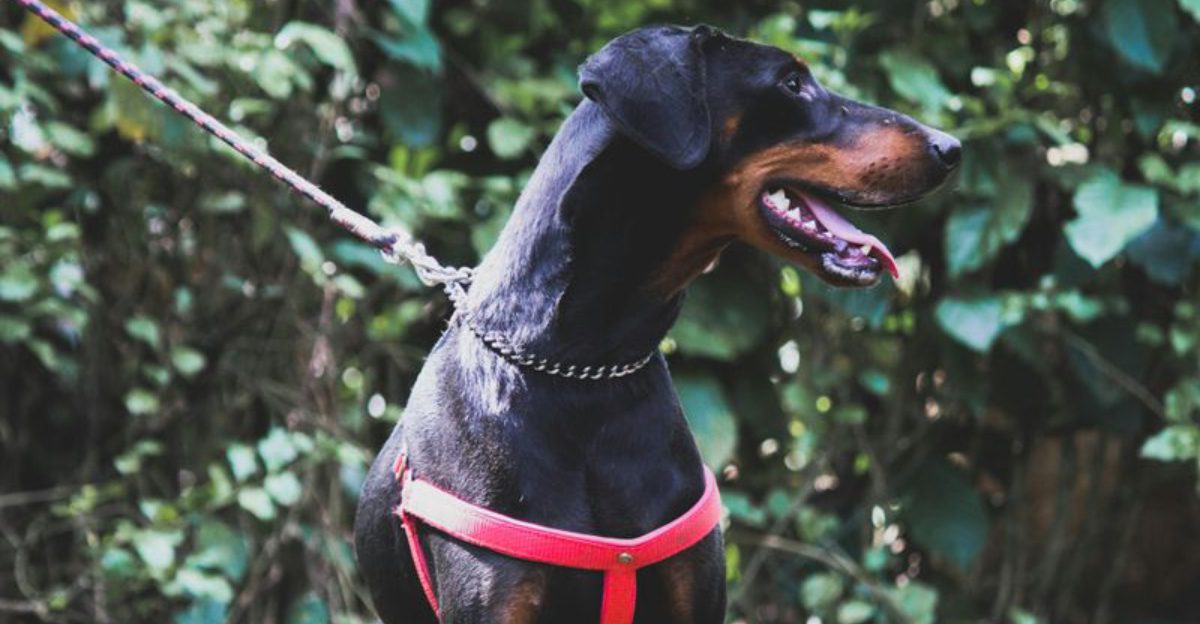
Doberman Pinscher
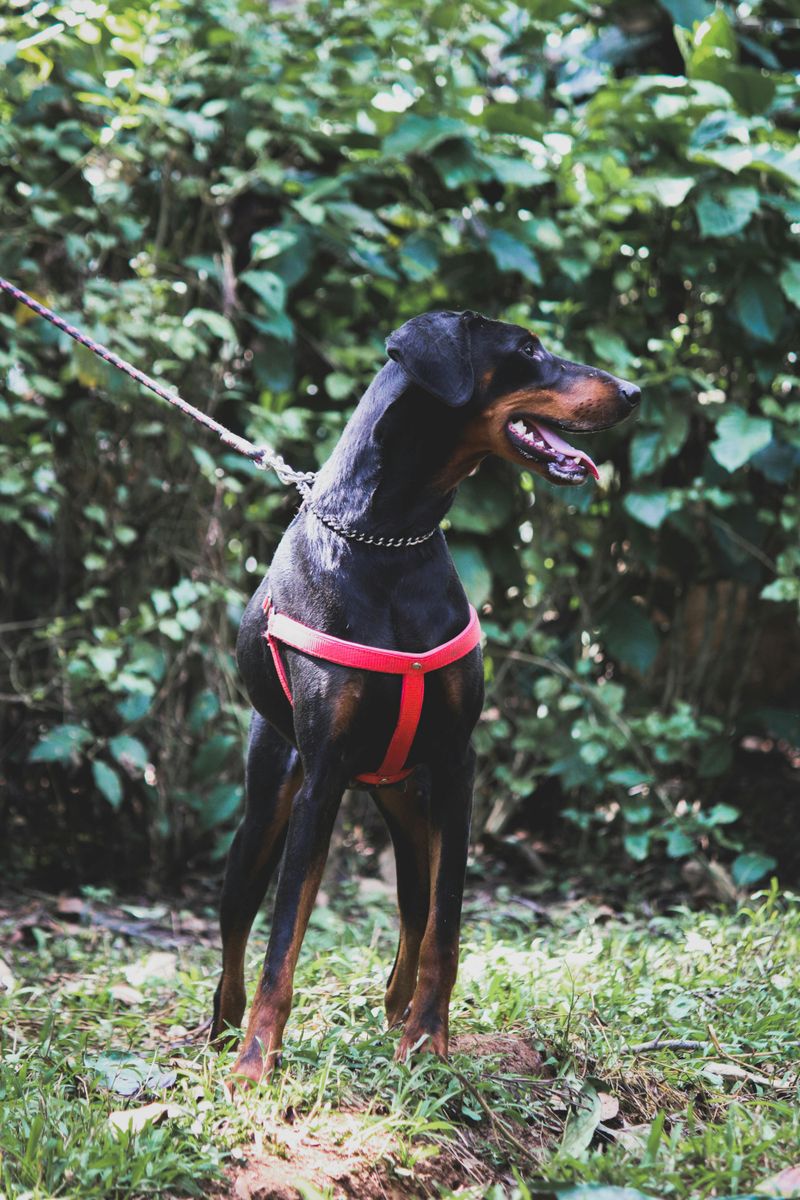
The Doberman is alert and people focused, yet can develop suspicion without early, structured exposure. Keep sessions short and upbeat, rewarding curiosity and check ins.
Introduce friendly strangers, polite dogs, and varied surfaces like gravel, rubber, and metal. Add noises gradually, from clattering dishes to traffic and skateboards.
Teach cooperative care for nails, teeth, and grooming. Reinforce crate comfort and car rides, ensuring recovery time after outings.
Focus on clarity and calm energy. Practice loose leash walking, recall, and waiting at thresholds.
Choose small, well run classes that emphasize space and consent. Skip chaotic dog parks and overwhelming meetups.
Offer sniff walks and enrichment to satisfy the sharp Doberman brain. With thoughtful socialization, you get a poised, connected partner who handles life smoothly.
Cane Corso
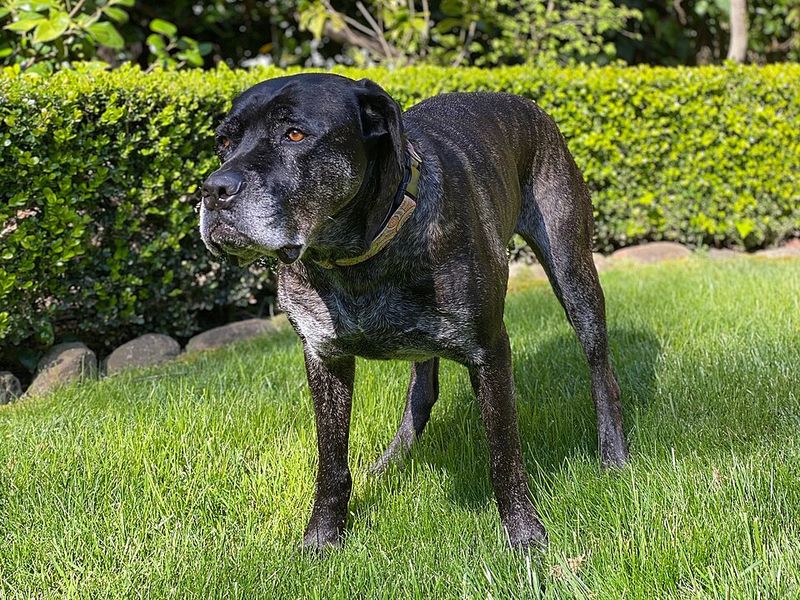
Cane Corsos are imposing yet sensitive, so early socialization should be steady, structured, and respectful. Prioritize neutrality over forced affection from strangers.
Let your pup observe first, then reward calm attention on you. Introduce vetted adult dogs and thoughtful people in low pressure settings.
Add surfaces, noises, and travel, pairing each with food and gentle play. Train cooperative care and muzzle comfort for vet visits.
Keep sessions short, with naps and decompression.
Prevent pushy behavior by reinforcing polite sits, loose leash skills, and impulse control. Avoid rowdy dog parks and chaotic greetings.
Choose experienced trainers and small classes that manage space well. Teach place training at cafes and calm public areas.
Consistency builds confidence. A well socialized Corso matures into a steady, discerning companion who reads the world wisely.
Akita
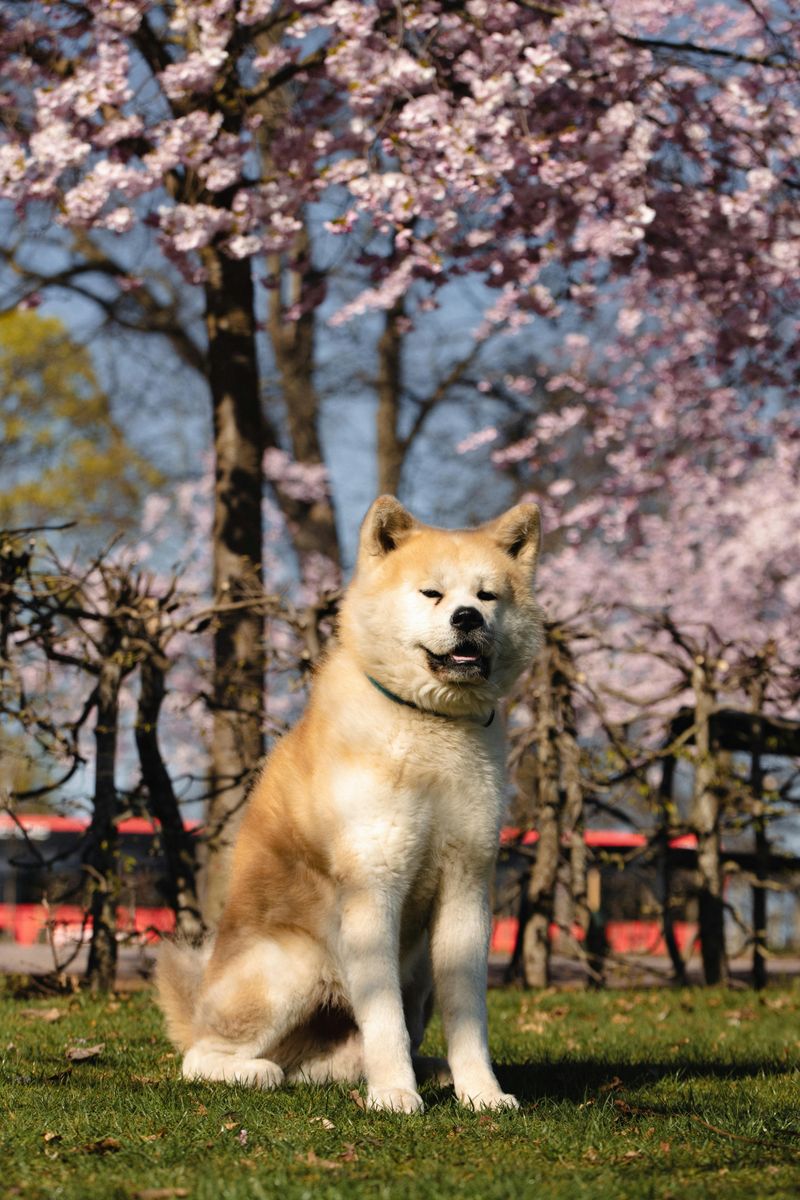
Independent and dignified, Akitas often prefer thoughtful space and slow introductions. Early socialization should emphasize neutrality, not endless petting from strangers.
Let your pup observe calmly from a distance before approaching. Reward soft eyes, relaxed posture, and brief, polite interactions.
Introduce steady adult dogs with compatible play styles, avoiding roughhousing. Practice handling for grooming, vet procedures, and muzzle training.
Pair new surfaces, elevators, and noises with high value rewards.
Structure matters. Reinforce place, leash skills, and impulse control at doors and food bowls.
Use sniff walks and mental games for fulfillment. Choose small, well managed classes that respect boundaries.
Skip chaotic dog parks and off leash free for alls. Advocate for your dog’s comfort kindly.
With patient socialization, an Akita becomes calm, confident, and beautifully composed.
Chow Chow
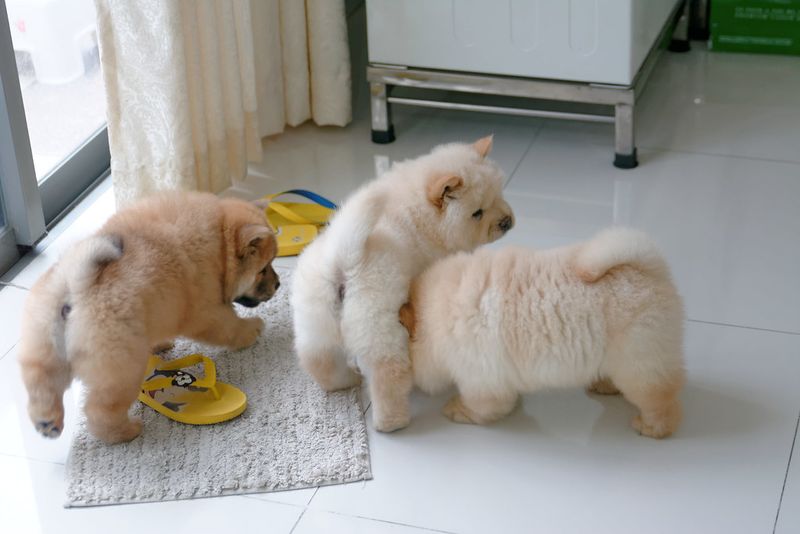
Chow Chows are reserved by nature, so early socialization should build trust and predictability. Start with brief sessions near calm people who offer treats but do not crowd.
Reward curiosity and voluntary approaches. Normalize grooming early, especially brushing, feet handling, and muzzle comfort.
Introduce surfaces, gentle city sounds, and car trips paired with food. Encourage polite dog interactions with steady, compatible partners.
Keep everything measured and respectful.
Focus on quality over quantity. Teach mat settles, leash skills, and consent cues like hand targets.
Choose small classes led by trainers who understand independence. Avoid chaotic dog parks and pushy greetings.
Provide puzzle feeders and scent games to meet mental needs. With careful exposure and advocacy, a Chow grows into a serene, confident companion who navigates life gracefully.
Siberian Husky
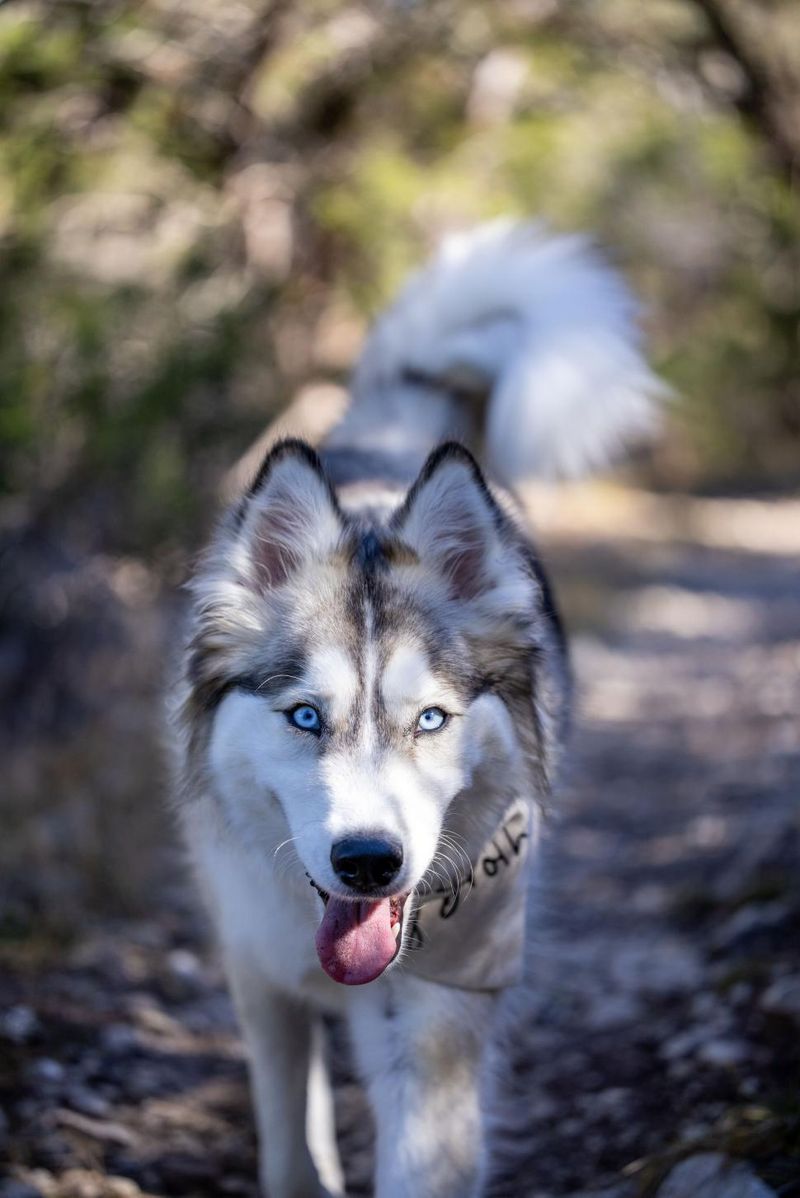
The Siberian Husky is social and energetic, yet early structure prevents rude greetings and chasing instincts. Introduce people and dogs thoughtfully, rewarding calm approaches and check ins.
Practice around bikes, runners, and wildlife scents while reinforcing focus. Add surfaces, car rides, and grooming with steady rewards.
Teach crate comfort and settle skills between adventures. Keep sessions short to avoid overstimulation, then decompress with chews and rest.
Channel energy into sniff walks, games, and basic obedience. Reinforce recalls and loose leash walking from day one.
Choose well managed puppy classes with rules for play. Skip chaotic dog parks where arousal spikes.
Prevent gate dashing using impulse control at doors. With early socialization and clear routines, your Husky becomes friendly, cooperative, and far easier to live with.
Australian Shepherd
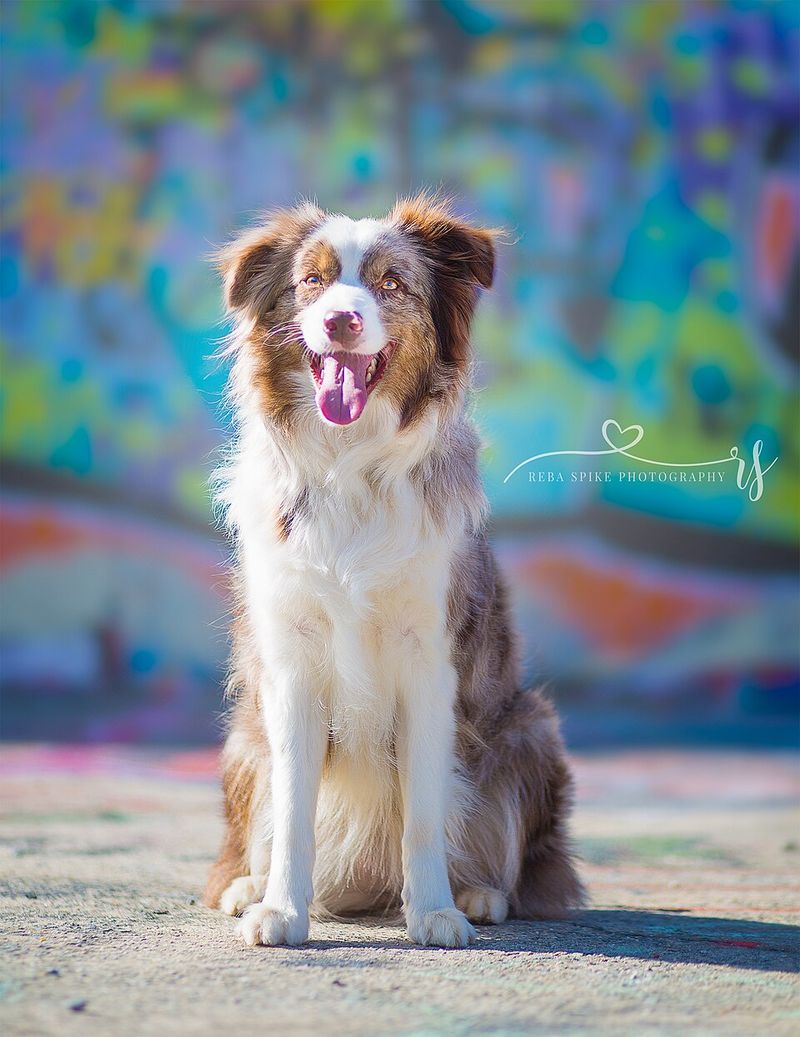
Australian Shepherds are brilliant herders who notice everything, so early socialization must shape focus and confidence. Expose your pup to people of all ages, polite dogs, and movement like strollers and scooters.
Pair exposure with food, tug, and check ins. Practice grooming, nail care, and body handling.
Rotate environments: quiet streets, pet friendly shops, and parks at off hours. Build crate comfort and car ride routine to aid recovery between outings.
Prevent herding of children, bikes, or other dogs by rewarding disengagement. Teach mat settles, loose leash walking, and impulse control.
Choose thoughtful puppy classes and sport foundations that keep arousal in check. Skip chaotic dog parks.
Provide sniffing and puzzles to satisfy that sharp brain. With early, steady exposure, Aussies grow into adaptable, cooperative teammates.
Border Collie
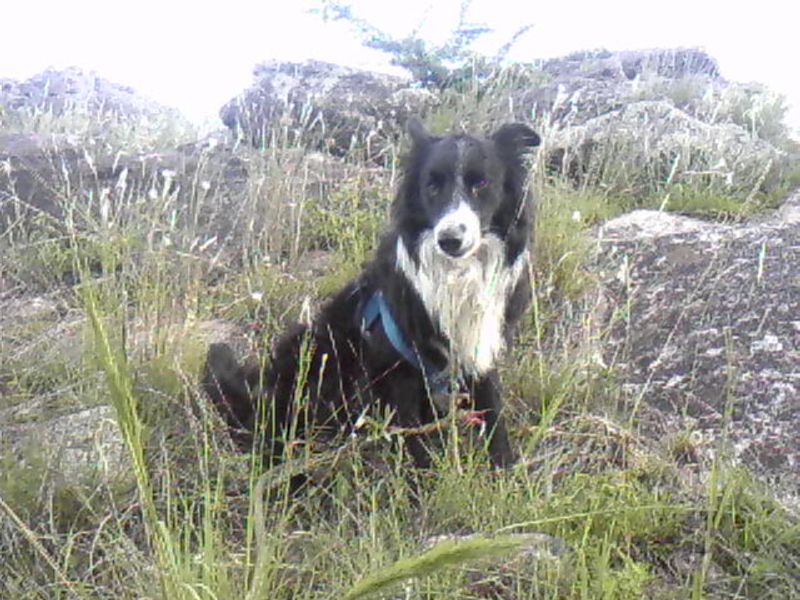
Border Collies are laser focused and motion sensitive, so socialization should prevent overarousal and fixations. Start with calm observation, rewarding check ins and relaxed posture.
Introduce friendly people and solid role model dogs. Pair exposure to balls, bikes, and running kids with food and look aways.
Teach cooperative care for grooming and vet visits. Add surfaces, noises, and travel routines, always followed by decompression.
Build impulse control and settle skills early. Practice leash walking near distractions, rewarding disengagement instead of chasing.
Enroll in small, well managed classes that value space. Avoid high chaos dog parks that amplify obsessions.
Use scent games, puzzles, and controlled fetch for enrichment. With thoughtful socialization, your Border Collie learns to process the world without spiraling, becoming balanced, biddable, and wonderfully focused.
Dalmatian
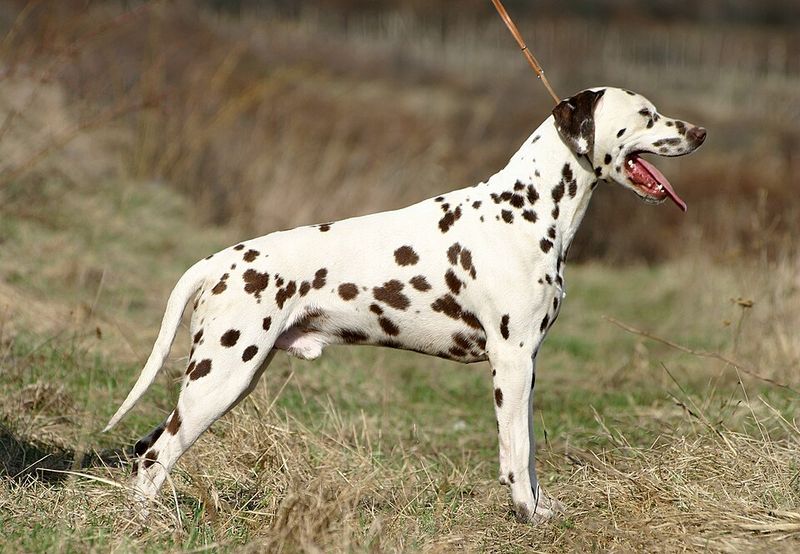
Dalmatians are athletic, social, and sometimes sensitive to noise or novelty, making structured socialization essential. Plan short, varied outings with calm people and stable dogs.
Reward voluntary approaches, soft eyes, and loose bodies. Introduce city sounds, rolling carts, and groomer tools paired with treats.
Teach cooperative care and muzzle comfort early. Rotate environments while maintaining predictable routines and naps to prevent overwhelm.
Channel energy into sniff walks, trick training, and leash manners. Practice sits for greetings and polite waiting at doors.
Choose small classes with clear rules for play and space. Skip crowded dog parks until manners are reliable.
Manage adolescence with consistency and enrichment. With respectful exposure and advocacy, a Dalmatian matures into a confident, friendly partner who handles busy life gracefully.
Weimaraner
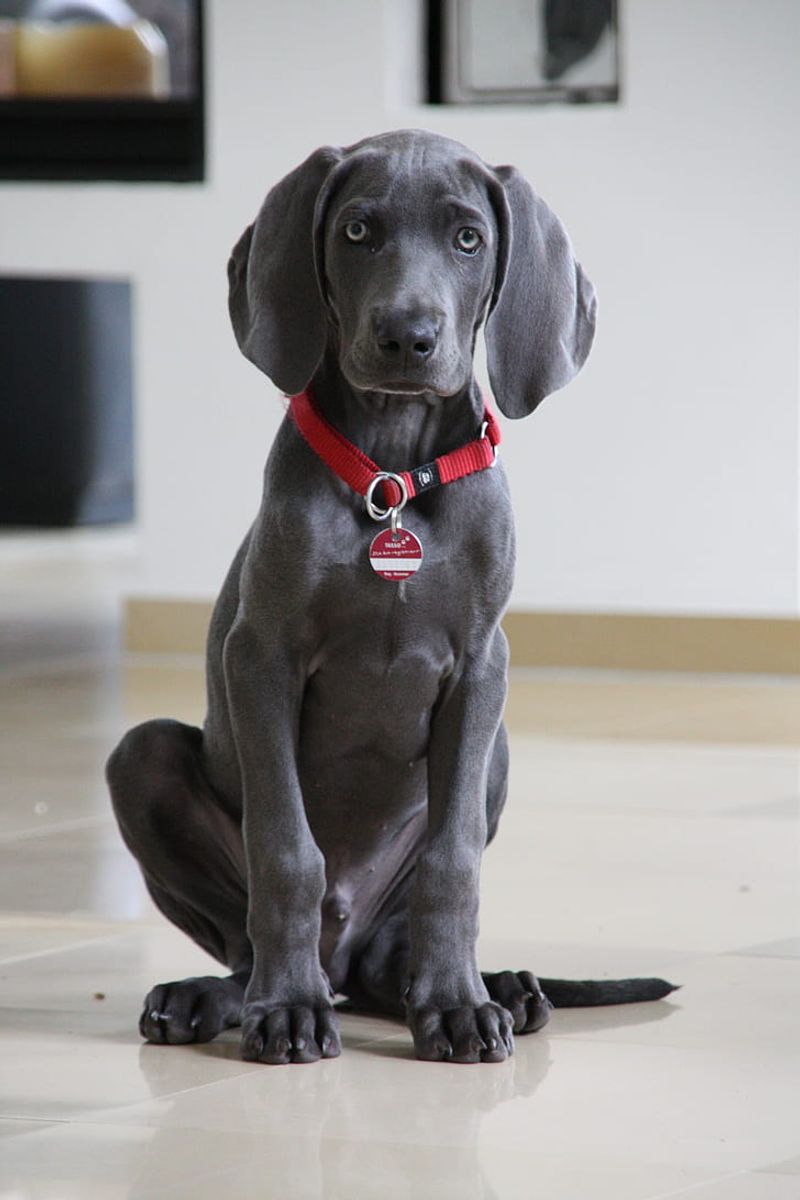
Weimaraners are sensitive, athletic companions who bond deeply, so early socialization should build independence and optimism. Start with calm observation, rewarding curiosity and attention back to you.
Add friendly people, stable dogs, and novel environments like docks, elevators, and stores. Pair every new thing with food or play.
Normalize grooming, nail care, and brief alone time to reduce separation issues. Use crate training and decompression between outings.
Teach leash skills, mat settles, and impulse control around wildlife scents. Choose small, well organized classes that manage arousal.
Skip chaotic dog parks and high pressure greetings. Offer scent games, retrieves, and structured adventures to satisfy the athletic mind.
With patient exposure and steady routines, a Weimaraner grows confident, adaptable, and delightful both at home and outdoors.