
Some dogs bloom with patience and crumble under pressure. If training feels stuck, the answer often is not firmer corrections, but kinder structure.
When you slow down and reward small wins, trust grows and skills stick. Here are ten beloved breeds that learn best when you lead with gentleness, clarity, and calm.
Border Collie
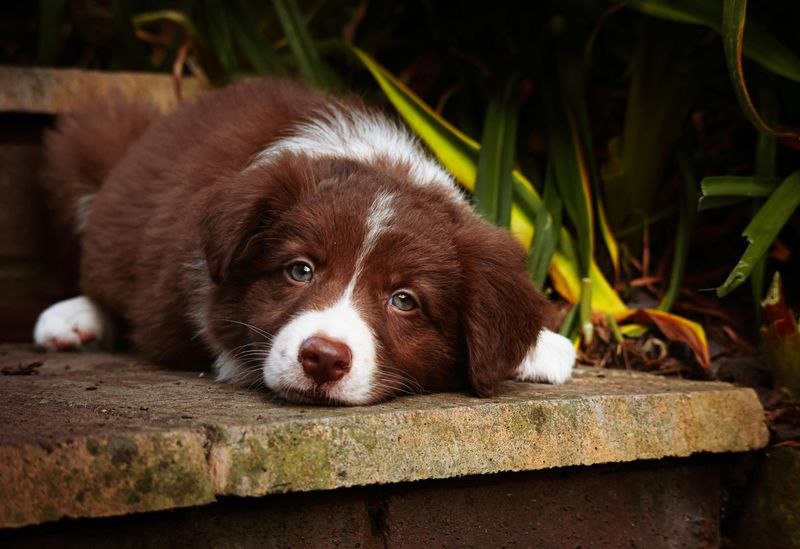
Border Collies read every breath you take, which makes them brilliant and also easily overwhelmed. High pressure corrections shut them down, because they crave clear guidance and calm repetition.
When you slow training, reward tiny wins, and keep sessions short, trust blossoms and the famous focus appears.
Offer scent games, herding style drills without force, and lots of decompression walks. Use soft markers, generous reinforcement, and predictable routines so your Collie knows what success looks like.
If frustration rises, pause before it spills over into spinning or stalking. You will see curiosity return as soon as you make the task simpler.
Patient training does not coddle this breed. It unlocks their astonishing problem solving brain.
Golden Retriever
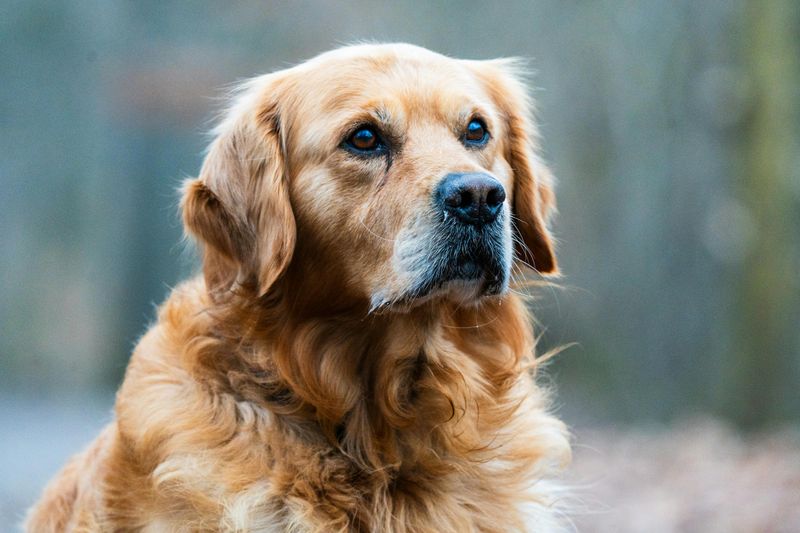
Golden Retrievers adore pleasing you, yet they feel corrections like a bruise on the heart. Harsh tone makes them hesitate, then guess, which creates sloppy habits.
Gentle clarity works best. Keep cues consistent, pay quickly, and praise like sunshine so your Golden connects effort with joy.
Balance their cheer with structure. Short training bursts, cheerful resets, and quiet breaks prevent overstimulation.
Add retrieve puzzles, scenting, and calm settle games to build confidence without pressure. If your Golden shuts down, lower criteria and celebrate the tiniest try.
You will notice the tail start wagging again. Patient methods do not spoil this dog.
They nurture a trustworthy partner who learns because it feels safe with you daily.
Labrador Retriever
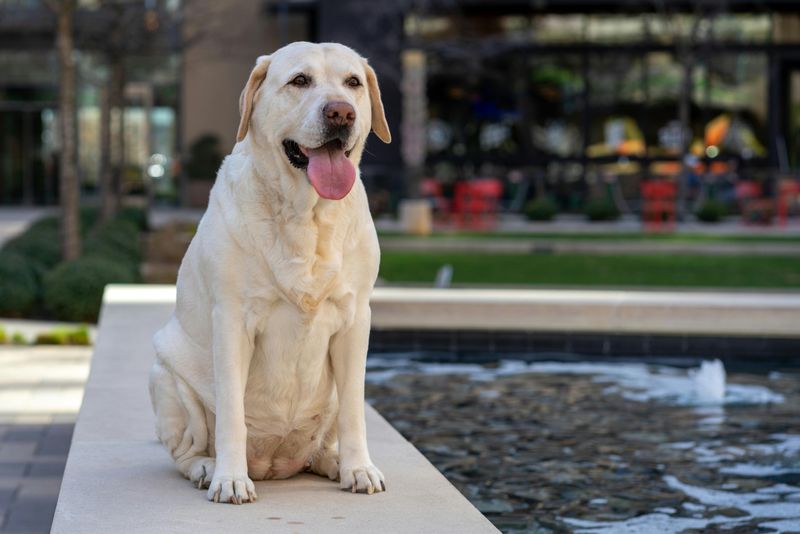
Labradors are enthusiastic problem solvers, but they can mask stress behind goofiness. Sharp scolding turns that bounce into confusion, then stubbornness.
Clear criteria, tasty rewards, and steady pacing keep their brains engaged without boiling over. Let your Lab win frequently so momentum builds.
Channel energy with retrieve chains, tug with rules, and nosework that satisfies curiosity. Keep hands gentle and voice warm, because Labs read your mood instantly.
If arousal spikes, switch to a calm behavior like mat relax, then try again. You will see softer eyes and looser wags when pressure drops.
Patient training prevents mouthiness and frantic decisions, replacing them with thoughtful choices that stick. Consistency turns eagerness into reliable skills you can trust.
Poodle
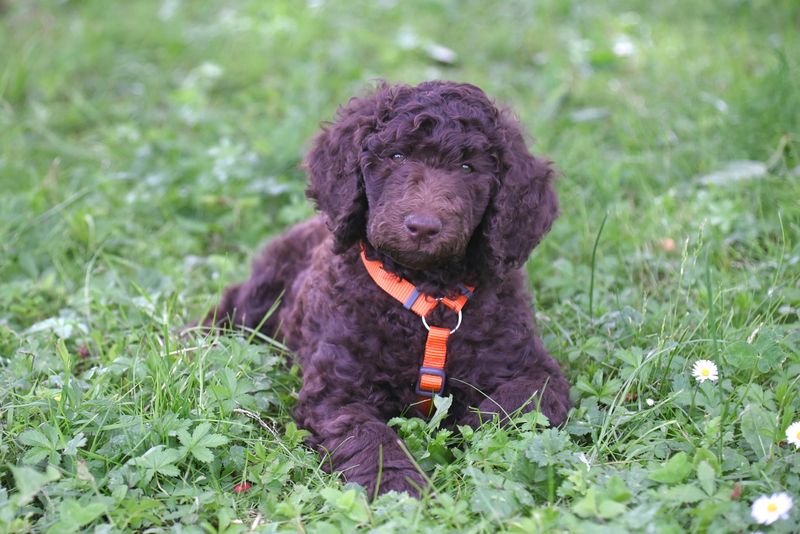
Poodles are sensitive analysts who notice every pattern you set. Barked orders feel chaotic, pushing them to overthink or freeze.
Soft structure, clear timing, and playful problem solving allow their intelligence to flow. Break tasks into tiny slices and let your Poodle rehearse success again and again.
Use shaping games, gentle handling, and quiet reinforcement to build confidence. Vary environments slowly so novelty feels safe, not startling.
If your Poodle offers frantic guessing, pause, breathe, and reset criteria. You will watch precision return the moment expectations become simple.
Keep sessions short, upbeat, and creative. Patient training protects their trust and unlocks a lifetime of elegant, joyful teamwork by your side.
Progress grows quietly when kindness leads.
Shetland Sheepdog
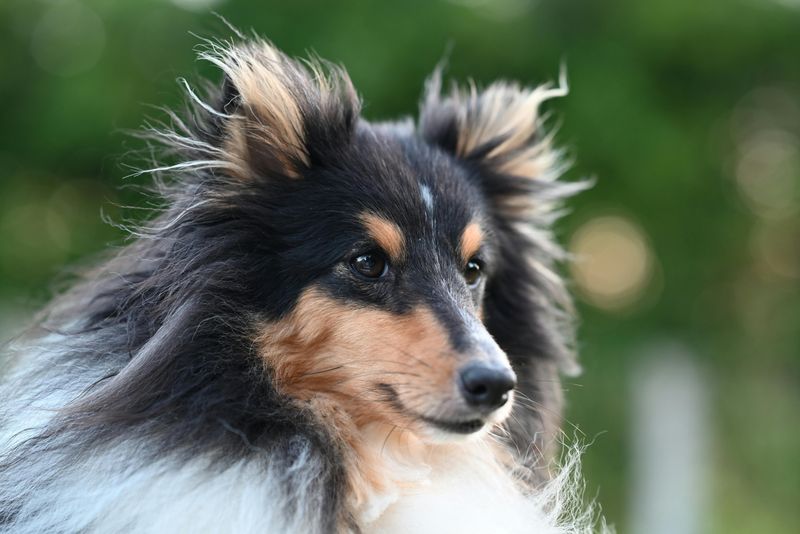
Shetland Sheepdogs are observant, sensitive, and quick to worry when voices rise. Harsh corrections can make them shrink, bark, or spin away from learning.
Gentle patterns, soft eye contact, and predictable routines help your Sheltie stay brave. Reward curiosity generously so exploration feels safe and worthwhile.
Teach skills in small rooms first, then expand confidence outdoors. Use food and play in balanced doses, and keep sessions brief.
If your Sheltie startles, pause and let the world get quiet again. You will see ears lift as soon as pressure fades.
Add trick training, nosework, and rally style games to keep minds happy. Patient coaching builds a Sheltie who trusts you and loves to try every day.
Cavalier King Charles Spaniel

Cavaliers wear their hearts on their sleeves, so stern training can feel crushing. A hurt look means learning just stopped.
Gentle reinforcement, soft voice, and clear boundaries keep this sensitive companion confident. Reward calm choices and you will see their natural sweetness shine.
Practice short sessions with cozy breaks and lots of cuddly praise. Teach polite greetings, mat settle, and confident leash skills at a friendly pace.
If your Cavalier checks out, you likely moved too fast, so rewind steps. You will notice eyes brighten as soon as success returns.
Focus on patience, routine, and kindness. That combination builds durable trust and manners that last through busy homes and travel.
Your patience becomes their courage.
Papillon
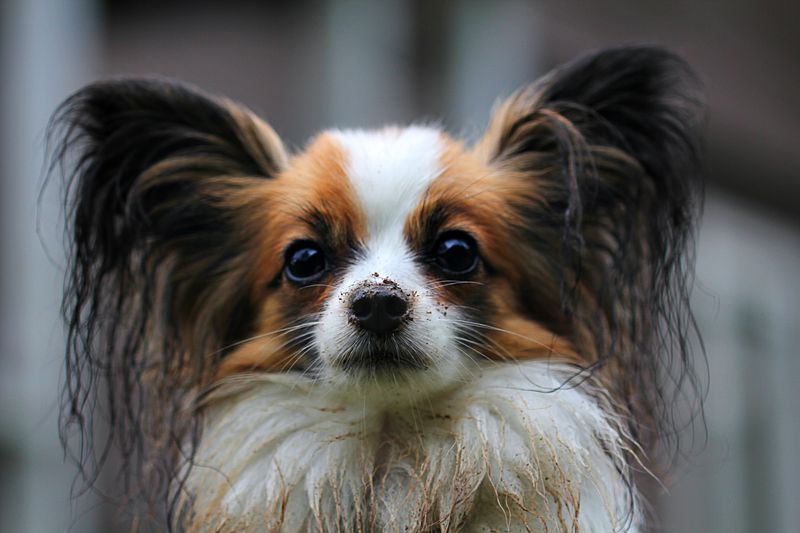
Papillons are tiny athletes with big feelings. Sharp reprimands can make them hyper or hesitant, and neither helps learning.
Use feather light handling, upbeat markers, and frequent play to keep confidence high. Shape behaviors in small steps so your Papillon understands the path to win.
Rotate games like perch pivots, micro agility, and nose targeting to burn mental fuel. Keep distractions low at first, then gradually widen the world.
If frustration pops, reset the picture and reward one easy success. You will see ears perk and the prance return.
Patient training turns sparkle into reliability without dimming joy. That is how a delicate dog becomes a sturdy partner beside you, through real life distractions everywhere.
Havanese
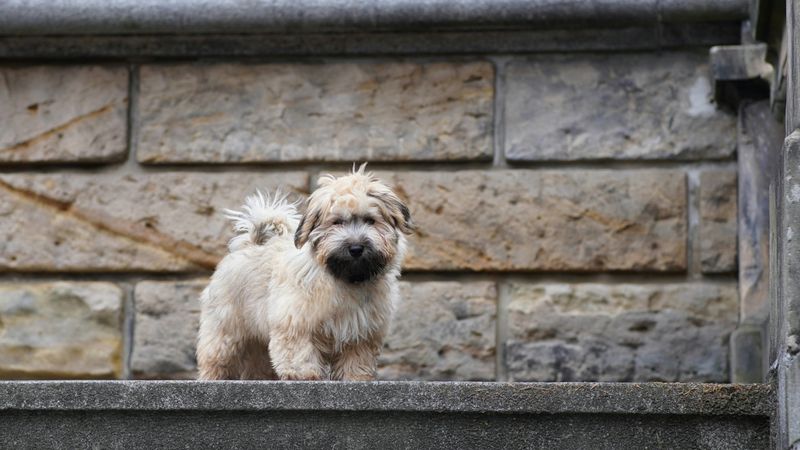
Havanese thrive on closeness and conversation, so harshness feels like a door slamming. That shock can lead to clinginess or clowning to avoid pressure.
Choose playful training with clear boundaries, and confidence grows steadily. Reward stillness and focus between bursts of fun.
Teach stationing on a mat, polite greetings, and loose leash skills in tiny steps. Keep sessions short, sprinkle snacks, and use a gentle voice your dog trusts.
If your Havanese stalls, split the task and celebrate the first good try. You will see soft eyes, relaxed shoulders, and brave curiosity.
Patient teaching builds resilience without stealing sparkle. Soon you will have a cheerful teammate who listens anywhere you go.
Even busy spaces will feel comfortable.
Australian Shepherd
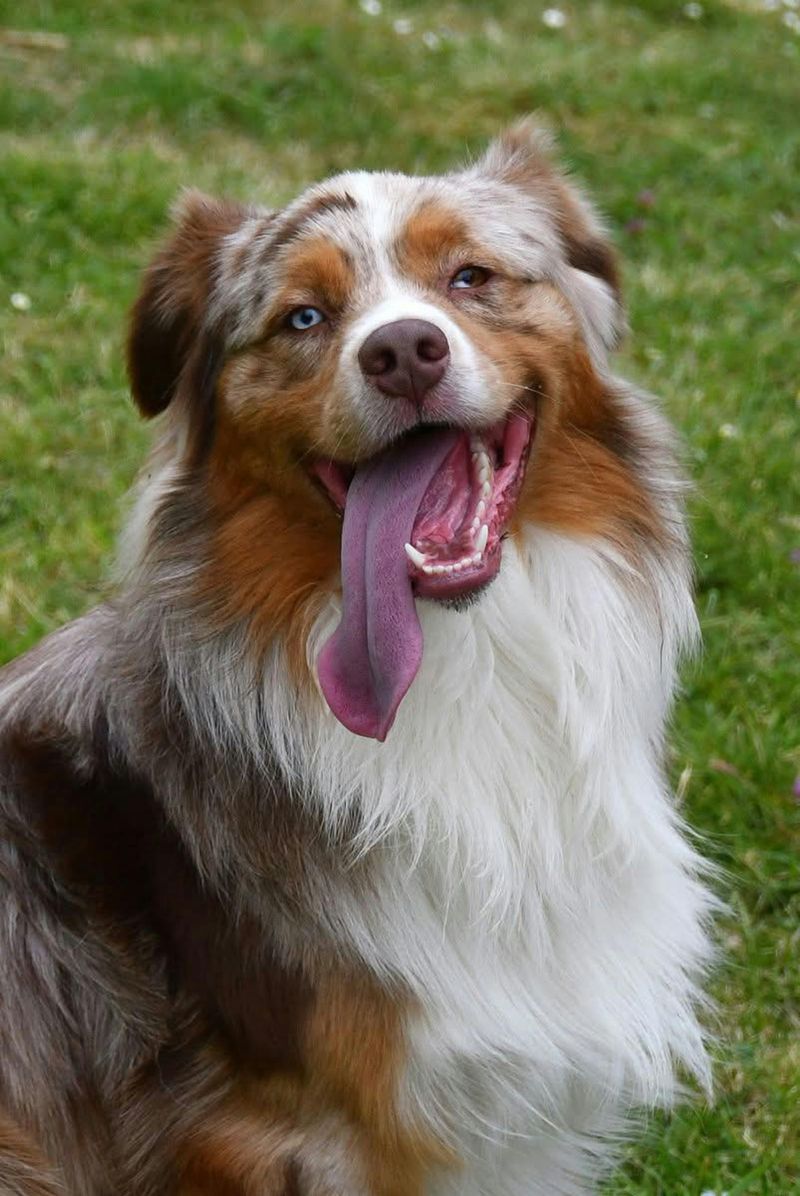
Australian Shepherds are intense workers who notice everything, including your stress. Hard corrections spike arousal, and then thinking disappears.
Clear targets, generous reinforcement, and structured outlets channel that drive into learning. Teach crisp starts and clean finishes so your Aussie knows exactly when it is right.
Mix herding inspired games, impulse control, and scentwork to satisfy brain and body. Keep sessions short, with planned breaks and decompression walks.
If your Aussie starts barking or nipping, lower criteria, breathe, and reset the picture. You will watch eyes soften as decisions get easier.
Patient coaching prevents chaos and builds durable engagement. That is how you grow a brilliant partner instead of a whirlwind.
Through consistency, everything becomes calmer.
Whippet
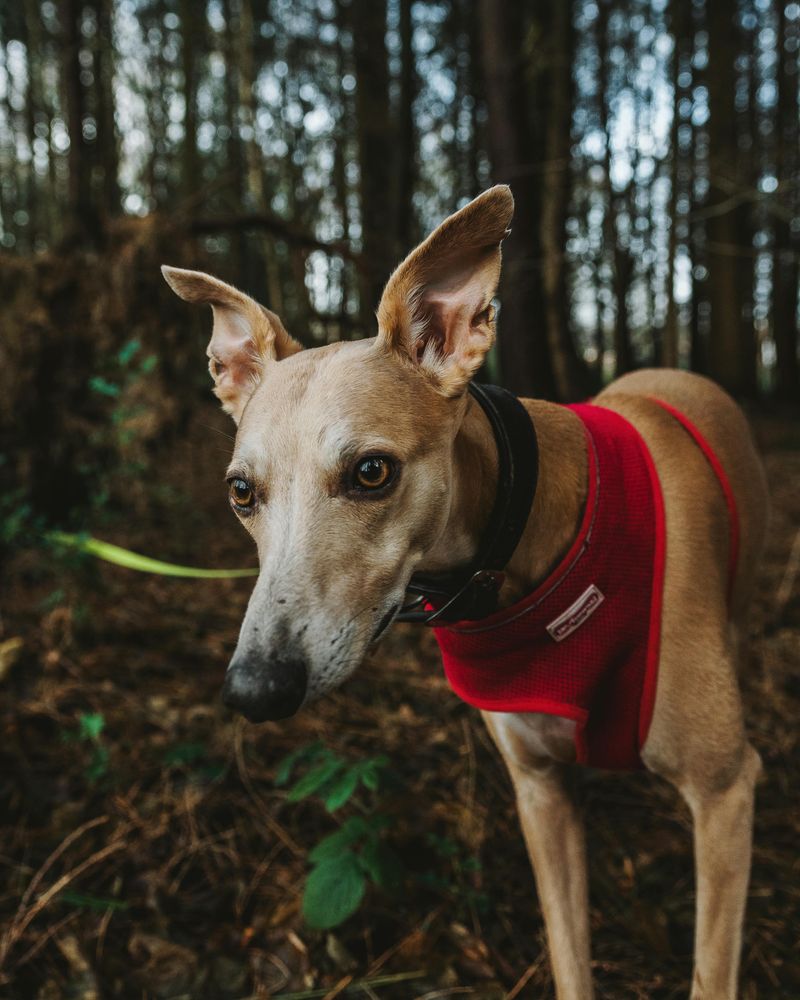
Whippets are sensitive sprinters who value comfort and quiet. Loud, sharp training quickly erodes trust, replacing curiosity with avoidance.
Gentle timing, warm praise, and thoughtful pacing keep their confidence intact. Teach behaviors on soft surfaces and in cozy spaces before adding excitement.
Use food, play, and brief sprints as balanced rewards, then invite calm rest. Keep sessions short and predictable so your Whippet knows what is next.
If startle responses appear, step back, breathe, and make the task easier. You will see tension melt and those eyes soften.
Patient guidance grows resilience without smothering their elegance. Soon you will have a graceful companion who tries gladly and relaxes beside you.
Even busy parks can feel welcoming.