
Bedtime with your dog is full of tiny clues about how they feel, what they need, and how you can help them rest better. Once you learn to read these signals, nightly routines get easier and everyone sleeps deeper.
From circling to toy rituals, each behavior has a purpose rooted in comfort and instinct. Let’s decode what your pup is saying so you can create a soothing, predictable wind down together.
Circling before lying down

Ever watch your dog circle like a tiny tornado before settling? This classic bedtime ritual is rooted in instinct, helping smooth the surface, check for threats, and align a comfortable position.
It can also release pent up energy from the day. When circling stays brief and relaxed, it usually means your dog feels safe, is temperature checking, and is preparing joints and muscles for rest.
If circling becomes excessive, restless, or paired with whining, consider pain, anxiety, or itchy skin. A supportive bed, gentle evening exercise, and a predictable routine often help.
You can guide them to a calm pre sleep pattern with soft cues. If you notice stiffness or sudden changes, schedule a vet check to rule out discomfort.
Scratching or digging at bedding
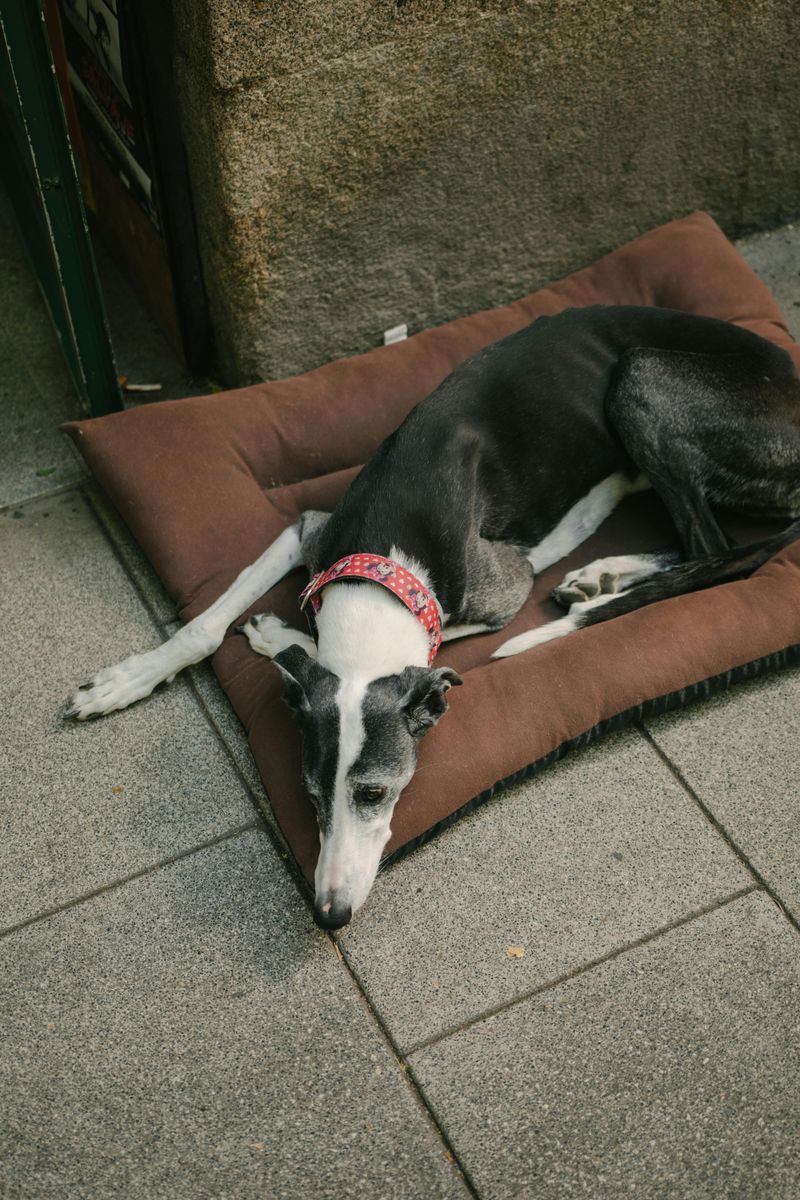
When your dog scratches or digs at the bedding, they are channeling den building instincts. Wild canines kicked leaves to create a softer, safer nest that managed temperature and moisture.
At home, that same behavior helps fluff the bed, release tension, and mark their spot with scent glands in the paws. Occasional digging before sleep is normal and reassuring, especially after a stimulating day.
Watch for torn nails, frantic pacing, or bedding destruction, which can hint at anxiety, boredom, or heat. Offer a sturdier mattress, breathable fabrics, and a designated digging blanket to spare the couch.
Calming chews and pre bed sniff walks help settle the brain. If itching or hotspots appear, talk to your vet about skin support.
Following you around

Shadowing you from room to room before bedtime often signals attachment and a need for reassurance. Dogs are social sleepers, and sticking close helps them feel protected as the house winds down.
It can also be a gentle reminder that a potty break, water refill, or last play burst would help them settle. When the following is relaxed, you are simply the anchor that tells their body it is safe to rest.
If it seems clingy, vocal, or panicked, consider separation anxiety or under exercised days. Add calming routines like dim lights, predictable cues, and a chew they only get at night.
Practice brief, positive separations. If distress persists, loop in a trainer or vet to build confidence.
Bringing a toy to bed

When your dog brings a toy to bed, they might be seeking comfort, chewing for self soothing, or inviting a short wind down game. Soft toys can act like transitional objects that signal bedtime while keeping the mouth busy.
This habit can also reflect resource security, as presenting a favorite item near you feels safe. Many dogs sleep deeper after a few minutes of quiet mouthing.
Keep toys calm, not squeaky, and rotate choices to maintain novelty without overstimulation. Offer durable, size appropriate options that do not pose choking risks.
If guarding emerges, trade up kindly and store toys after lights out. For high energy pups, pair toy time with sniffy enrichment so the brain lands softly.
Sleeping on your bed
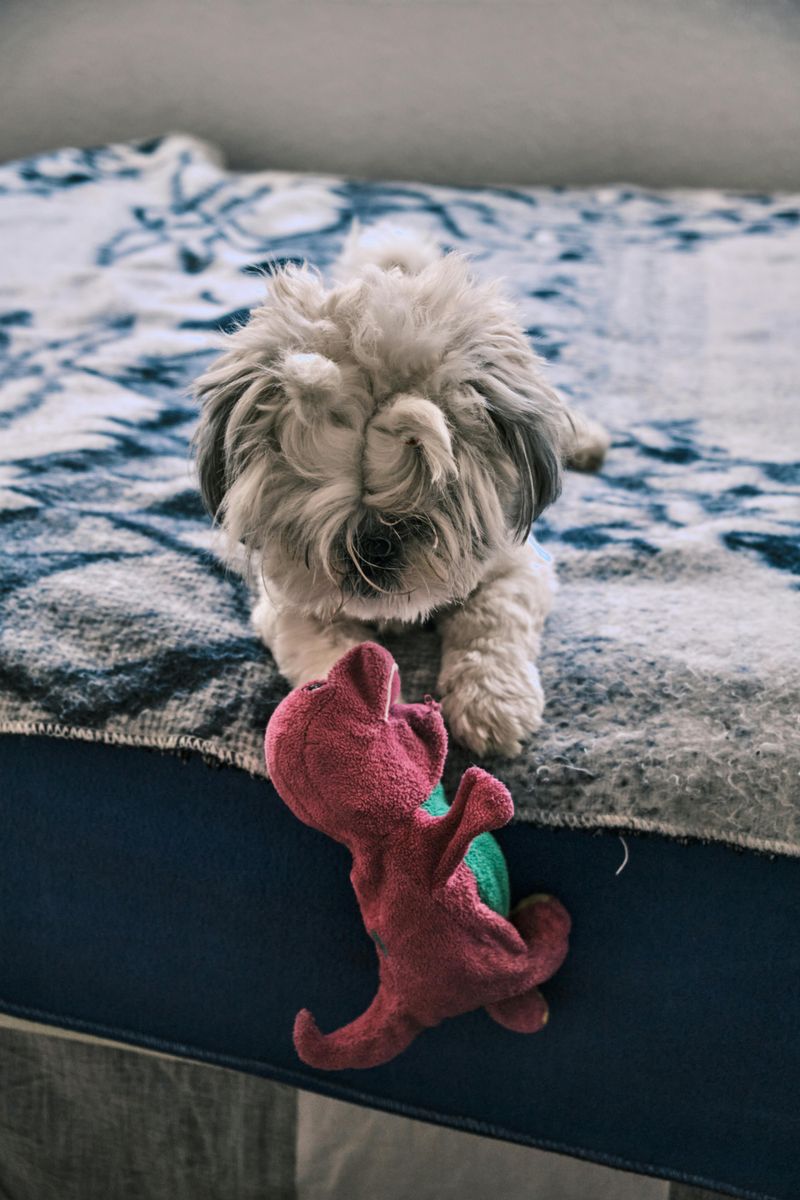
Sharing your bed can mean your dog craves closeness, warmth, and synchronized sleep rhythms. Your scent is soothing and predictable, lowering heart rate and stress as the night begins.
Many dogs choose the bed to monitor you and the room, which feels like teamwork. If everyone sleeps well and house rules are clear, there is nothing wrong with this choice.
Consider allergies, light sleepers, or space limits before making it a lasting habit. Provide a consent cue like up to invite, and an off cue to end.
Wash linens often and use a cover to manage fur. If guarding or restlessness appears, revisit boundaries kindly and offer an appealing alternative bed within petting distance tonight.
Restlessness before sleep

Restlessness before sleep usually means unmet needs are buzzing in the background. Think potty break, thirst, pain, or leftover adrenaline from late evening play.
Some dogs pace to discharge stress, especially after chaotic days or loud guests. Others are too hot or too cold and keep shifting to find comfort.
When you meet those basics, the body can finally downshift.
Build a reliable wind down: slow sniff walk, water, potty, chew, then lights low. Keep vigorous fetch earlier in the evening, and swap to licking mats or puzzle feeders near bedtime.
A white noise machine can soften neighborhood triggers. If pacing persists, log patterns and ask your vet to screen for pain, itch, or restless legs like behaviors.
Choosing the same spot

Picking the same sleep spot night after night tells you your dog values predictability and safety. Familiar smells and pressure points become a comfort map that guides relaxation.
That chosen corner might be cooler, quieter, or slightly elevated, offering a better line of sight. Routine reduces decision fatigue so the brain can power down faster, especially for sensitive pups.
Honor the preference by keeping that area clean, draft free, and consistently available. Place the bed away from door drafts and foot traffic.
If you must move it, transition gradually by shifting a little each night. Add a worn T shirt for scent comfort, and keep nighttime cues the same so confidence stays high and steady.
Curling tightly

A tight curl with the tail to the nose is a classic conserve heat position. It shields the belly and vital organs, signaling caution or a need for warmth.
Many dogs default to this pose in cooler rooms, new places, or after an overstimulating evening. You might also see it when a crate feels a bit small, prompting compact shapes.
Offer a bolstered bed or a cozy blanket they can nuzzle into for security without tension. If your home runs cold, add a safe heating pad made for pets.
Encourage stretching with gentle massages and a morning sniff walk. When curled sleep softens into a looser sprawl, take it as feedback that comfort, temperature, and confidence are improving.