
Dogs speak volumes without saying a word, especially when they feel uneasy around you. Noticing the small shifts in body language can help you repair trust and create a calmer home.
If something feels off, it probably is, and learning the signs lets you respond with kindness instead of confusion. Let’s decode what your dog has been trying to tell you so you can help them feel safe again.
Avoids eye contact
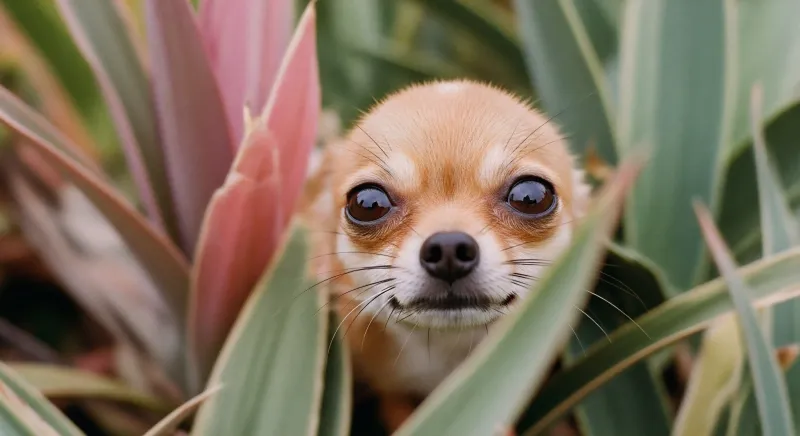
When your dog avoids eye contact, it is often a polite plea for space. Direct staring can feel threatening in dog language, so they look away to keep the peace.
You might also see head turns, soft blinks, or a lowered gaze.
Instead of insisting on eye contact, angle your body, blink slowly, and speak gently. Offer a treat from the side, then reward any brief glance to build trust.
Over time, your dog will realize your face predicts safety, not pressure, and will look to you comfortably. If they still turn away, give them room and let them choose the pace.
Consistency, patience, and predictable routines slowly transform wary glances into warm, steady focus from across the room daily.
Cowers or lowers body
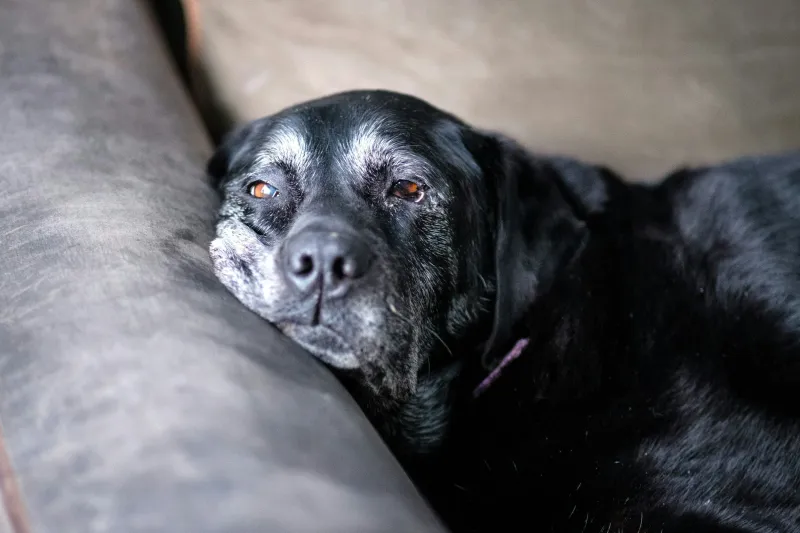
A lowered body is your dog saying, I feel small and unsure. The spine curves, knees bend, and weight shifts backward, often with a cautious step or two.
You may also notice a tucked belly, a slightly turned head, and quiet movement that avoids attention.
Respond by making yourself smaller too. Turn sideways, crouch at a distance, and speak softly while avoiding fast reaches.
Toss treats behind them so they move away from you to get them, teaching that space is respected. Over sessions, place treats closer and pair calm praise with slow movements.
This steady pattern helps your dog stand taller, knowing you will not flood them with pressure and that choice is always available.
Tucks tail between legs
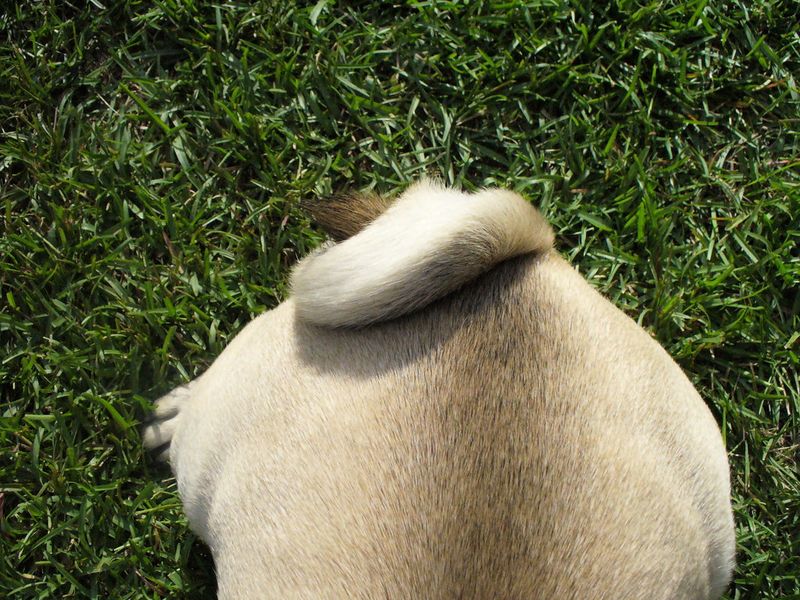
A tucked tail is a classic fear signal, like a flag quietly lowered. It protects the belly and communicates uncertainty to everyone nearby.
You might also notice the back legs drawing in, a rounded back, and movement that looks slow or hesitant.
Give your dog space and reduce intensity around whatever triggered the reaction. Lower your voice, stop looming, and create distance from noise or chaos.
Offer easy wins, like sniffing a treat trail, so confidence grows through exploration. Gradually reintroduce the environment at a comfortable pace, always allowing retreat.
The goal is to show your dog that you notice their discomfort and will guide them gently, helping the tail rise naturally as safety returns.
Hides when you approach
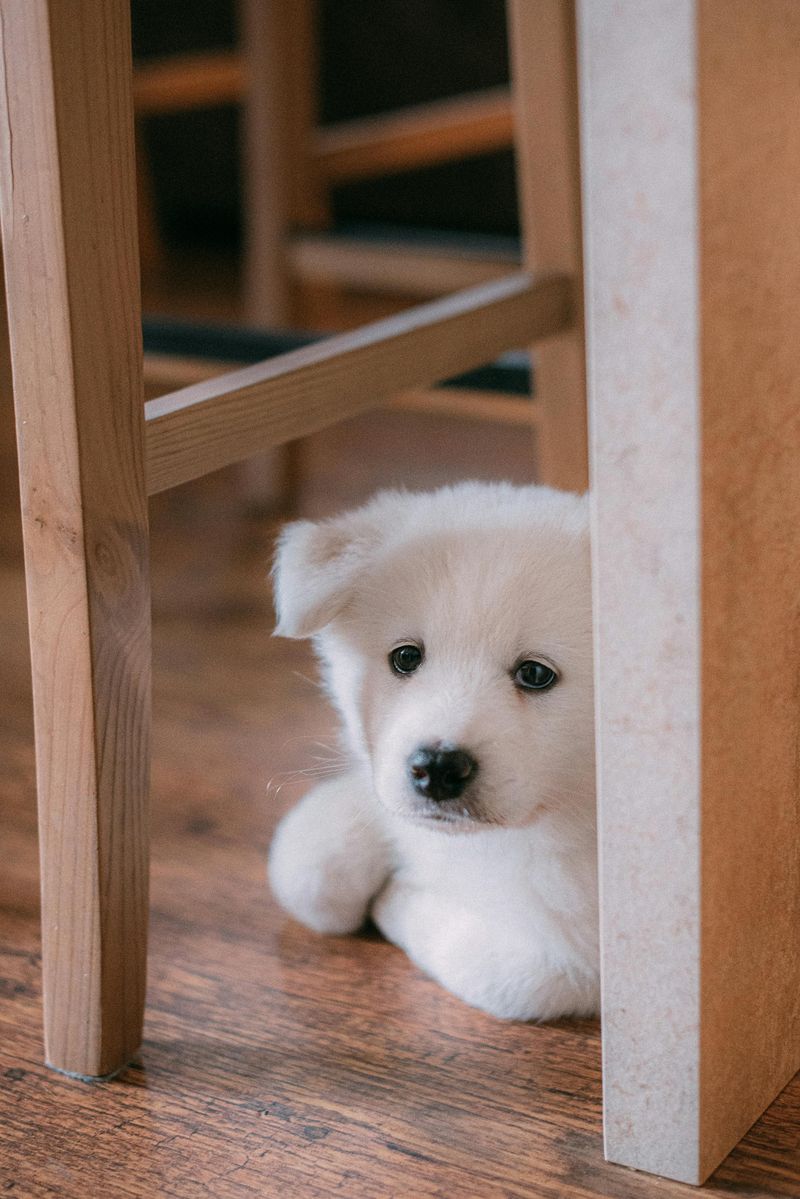
When your dog hides as you approach, they are choosing distance to feel safer. Doorways, couches, and beds become shields that reduce pressure.
You might see quick scurrying, a head peeking out, or silence that replaces their usual greeting.
Pause before following. Sit nearby at an angle, breathe slowly, and speak in a calm, warm tone.
Drop a few treats and walk away so your presence predicts good things without strings attached. Over days, shorten the distance and pair your steps with extra gentle rewards.
Respecting their retreat teaches that you will not corner them, which rebuilds trust faster than chasing ever could. Soon, curiosity starts to replace fear, and hiding becomes unnecessary.
Trembles or shakes
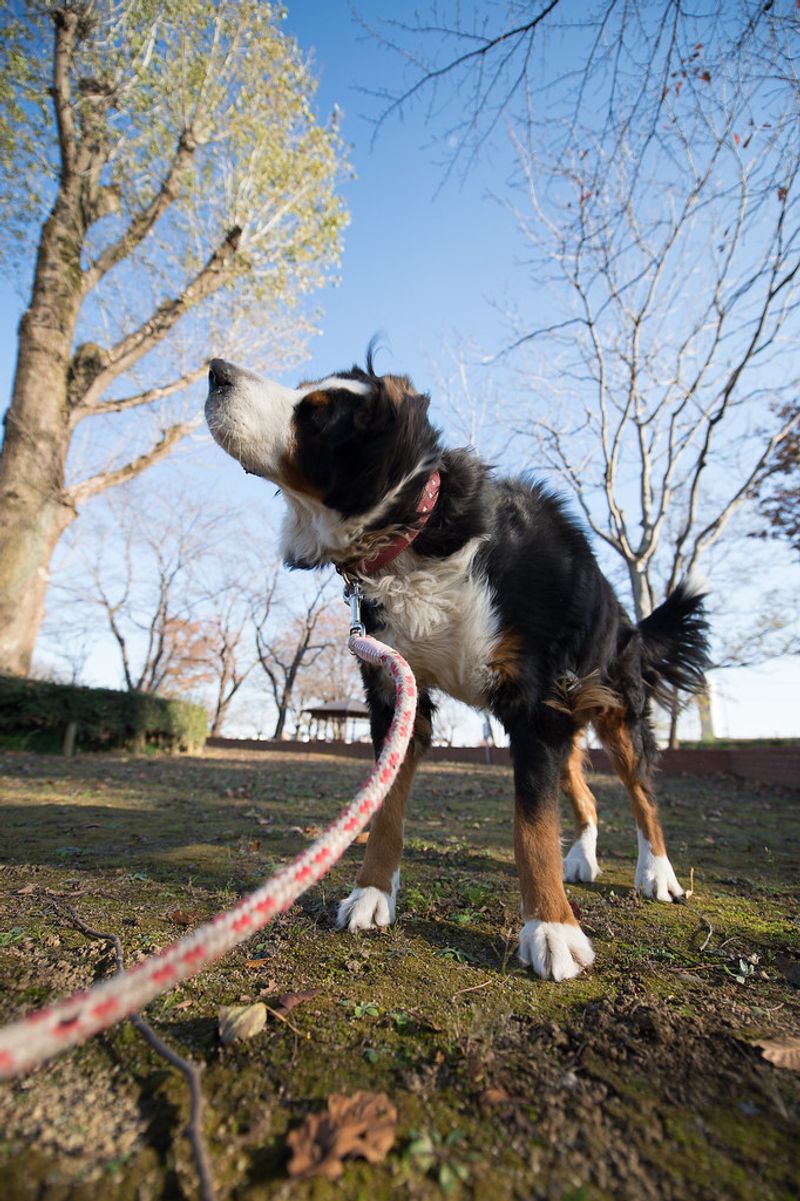
Trembling can come from fear, cold, or medical issues, but in context it often signals stress. The body quivers, paws tuck, and breathing may quicken.
Some dogs shake after a startling event or when anticipating something unpredictable.
First, rule out pain with your vet if shaking is frequent. For fear based trembling, reduce triggers and create predictable routines.
Offer a safe spot with a soft bed, familiar smells, and gentle music. Try calm touch only if your dog seeks it, not because you think they should want it.
Pair scary sounds with high value treats at a very low volume. Over time, the body learns to relax as safety becomes more reliable and consistent.
Excessive licking lips
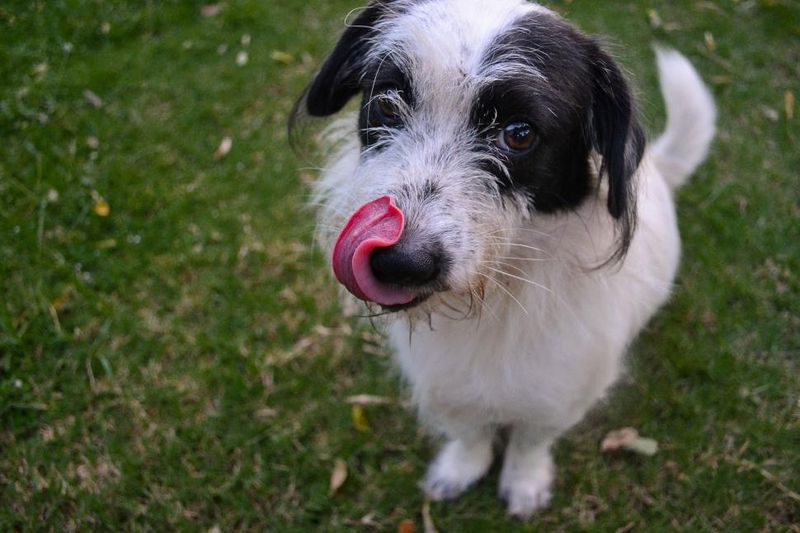
Rapid lip licks are a subtle stress signal, like a whisper saying, I am uneasy. You may spot quick tongue flicks, tight corners of the mouth, and stillness between movements.
These signs often appear during scolding, fast approaches, or unfamiliar handling.
Slow down and soften everything. Give your dog a choice to move away or approach, and reward exploratory sniffs of your hand.
If grooming or touching is the trigger, break it into tiny steps with short, easy wins. Keep sessions brief and upbeat, ending before tension spikes.
Over time, the quick licks fade as your dog learns that cooperation earns rewards, and pressure is replaced by patience, respect, and clear communication at their pace.
Yawning when not tired
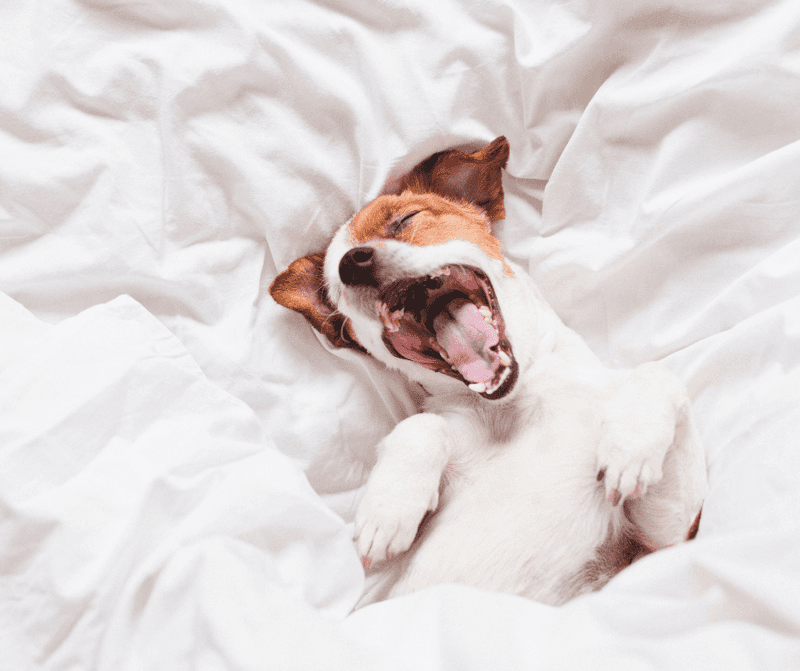
Yawning outside of sleepiness can be a calming signal, not boredom. The mouth opens wide, eyes may squint, and the body might stretch stiffly.
Dogs often do this during tense moments, like scolding, vet visits, or awkward social situations.
Lower the temperature of the moment. Ease your tone, slow your hands, and remove competing stressors like loud TV or crowding.
Introduce micro breaks where your dog can sniff, shake off, and reset. Reinforce calm behavior with gentle praise or a scatter of treats.
If yawning continues, review the routine and shrink challenges into smaller, safer slices. As predictability grows, the need for deescalation yawns fades, replaced by comfortable, relaxed engagement with you and the environment.
Freezing in place
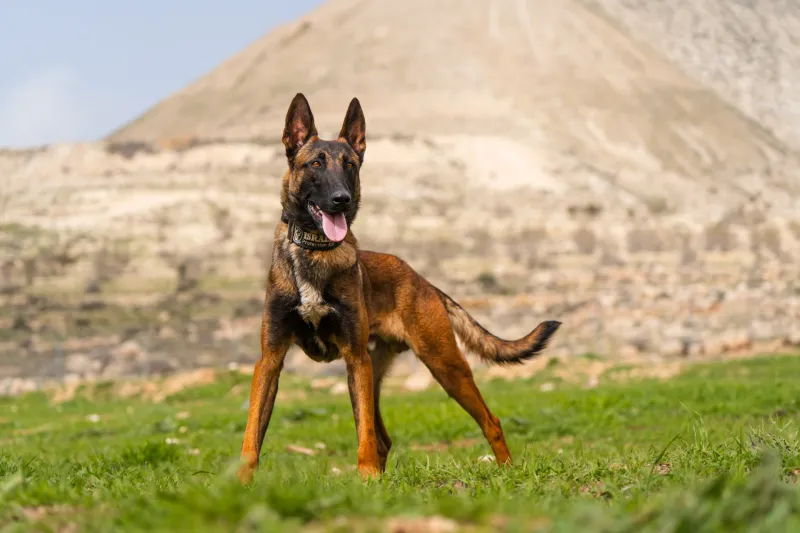
Freezing is the canine pause button, often appearing when fight, flight, or fidget options feel risky. The body stiffens, eyes widen, and breathing may go shallow.
You might notice a closed mouth, tight tail, and an intense, statue like stillness.
Do less, not more. Back away a step, turn your shoulder, and reduce your presence.
Give your dog an easy exit route and wait for a visible release, like a blink or sigh. Then invite gentle movement with a food lure on the floor, not from your hands.
Reward small shifts toward relaxation. With repetition, your dog learns that you will recognize their freeze and create immediate safety, helping motion return without fear.
Whining or soft barking
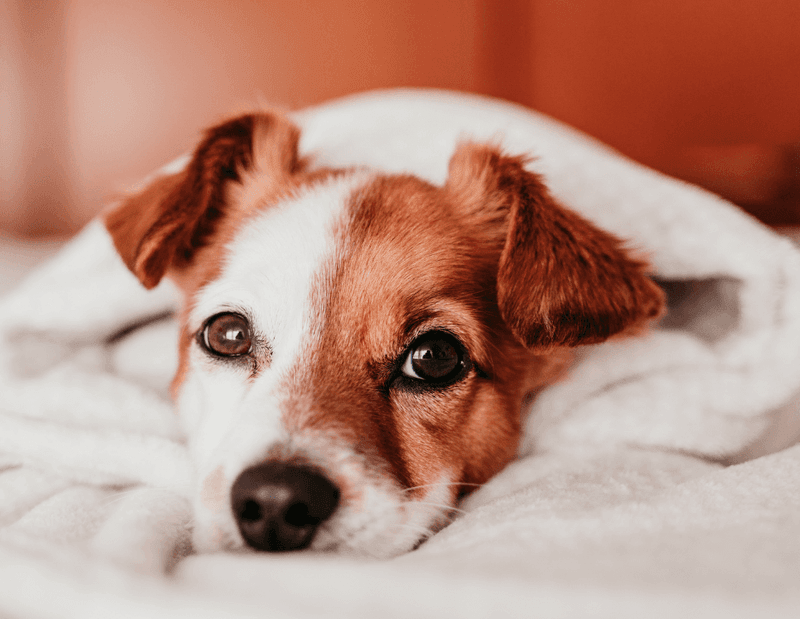
Soft vocalizing can be your dog’s way of asking for help or signaling discomfort. Whines or gentle woofs often happen when they feel torn between curiosity and fear.
You may notice pacing, brief approaches, and quick retreats that repeat.
Answer with calm clarity. Get low, invite from the side, and use a cheerful marker word before delivering a treat on the ground.
If the environment is overwhelming, step outside or increase distance until the voice softens. Avoid scolding the sound, because it is a symptom, not a misbehavior.
When you consistently listen and adjust, your dog learns to approach you with confidence, and those uncertain murmurs turn into relaxed, quiet companionship.
Ears pinned back
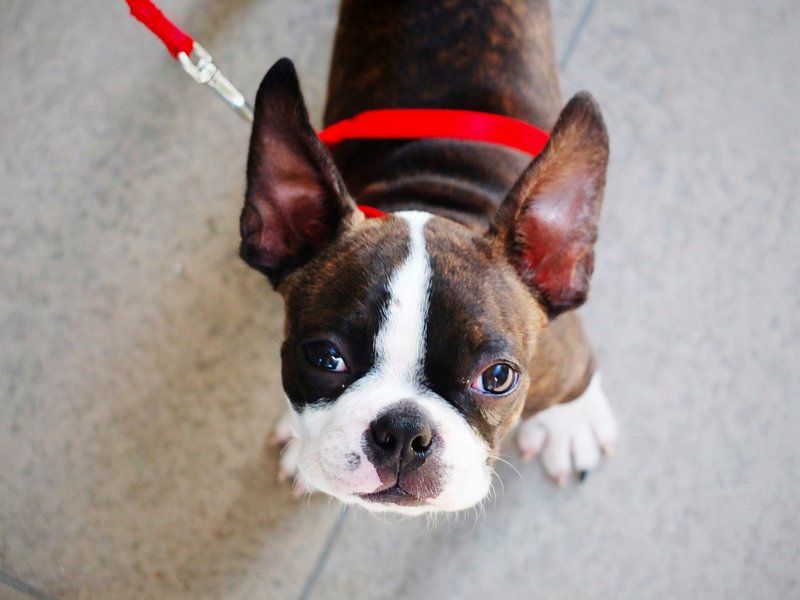
Pinned ears often mean your dog is trying to be small and nonthreatening. The base of the ears pulls back tight, sometimes paired with a low head and still body.
You might see this when voices rise, hands reach fast, or new people crowd in.
Soften the scene and your posture. Turn sideways, bend slightly, and invite with a gentle pat of the leg.
Ask others to kneel, avoid leaning, and let your dog choose if and when to approach. Reinforce curiosity with treats placed on the floor, not hovering hands.
As predictability returns, those ears drift back to a neutral set, showing that your dog trusts the moment again.
Sudden aggression
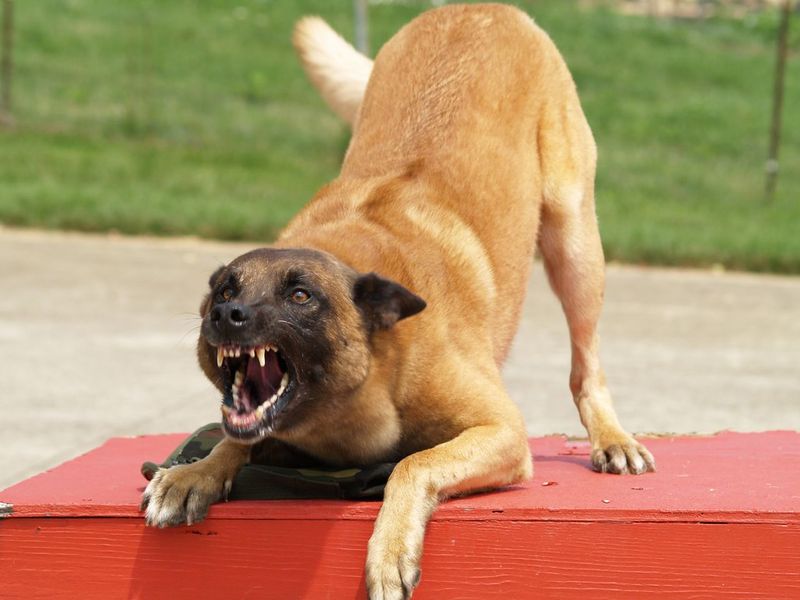
A sudden growl or snap is often fear wearing armor. Before it erupts, there are usually whispers like freezing, lip licking, or whale eye.
If those are missed, your dog may escalate to create the space they desperately need.
Treat aggression as information, not defiance. Increase distance, drop the argument, and let everyone decompress.
Work with a certified behavior professional for a tailored plan that uses desensitization and counterconditioning. Manage triggers with gates, leashes, and routines while training happens.
Reward calm choices generously. Over time, you will replace explosive moments with early recognition and supportive responses that make your dog feel safe enough to choose cooperation instead.
Refuses food

Many dogs stop eating when stress peaks. Their appetite shuts down as the nervous system shifts toward survival.
You might see sniffing and turning away, or taking food only to drop it.
Reduce pressure and make meals feel safe. Feed in a quiet room, away from foot traffic, with a comfy mat and familiar smells.
Offer softer, higher value foods and keep portions tiny at first. If your dog eats from the floor more easily, scatter a few pieces and walk away.
Consistent routines and gentle handling usually bring appetite back. If refusal persists or weight drops, consult your vet to rule out medical issues alongside behavior support.
Avoids physical contact

Shying from touch is a clear request for control and space. Your dog may flinch, lean away, or sidestep your hand, especially over the head.
Certain areas like paws, collar, or hips might be extra sensitive due to past experiences.
Switch to consent based handling. Present your hand low and to the side, then pause to see if they approach.
Pet briefly and stop, letting them nudge for more if they want it. Teach a chin rest or hand target so contact becomes predictable and rewarding.
Pair gentle touch with treats and end while it is still going well. Respecting boundaries now builds deeper trust later.
Urinates submissively
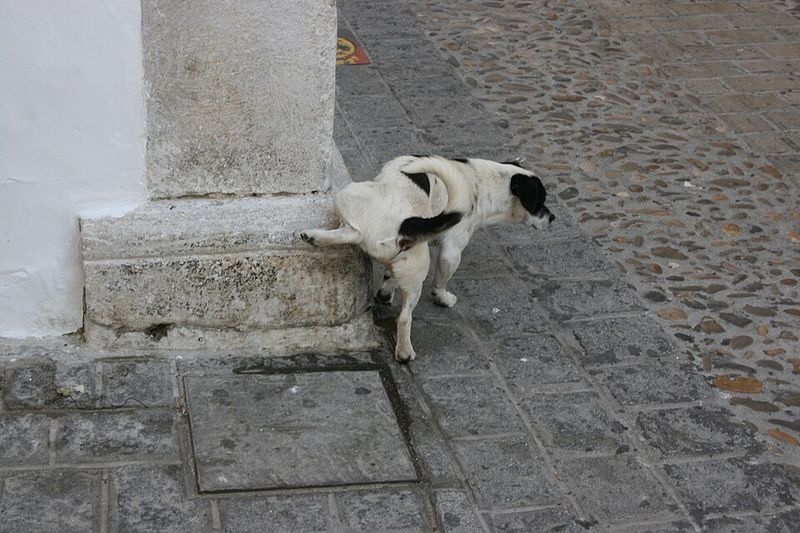
Submissive urination often happens during greetings, scolding, or sudden approaches. Your dog crouches, tucks the tail, and releases urine as a peace offering.
It is not spite. It is a reflex tied to fear or high social pressure.
Make greetings quiet and low key. Enter softly, turn sideways, and avoid bending over or reaching down immediately.
Ask guests to ignore your dog at first, then toss treats toward the side. Teach simple cues like sit that earn calm praise, not intense celebration.
Take potty breaks before visitors arrive to reduce accidents. With reduced pressure and predictable routines, the reflex fades as confidence grows.
Tries to escape
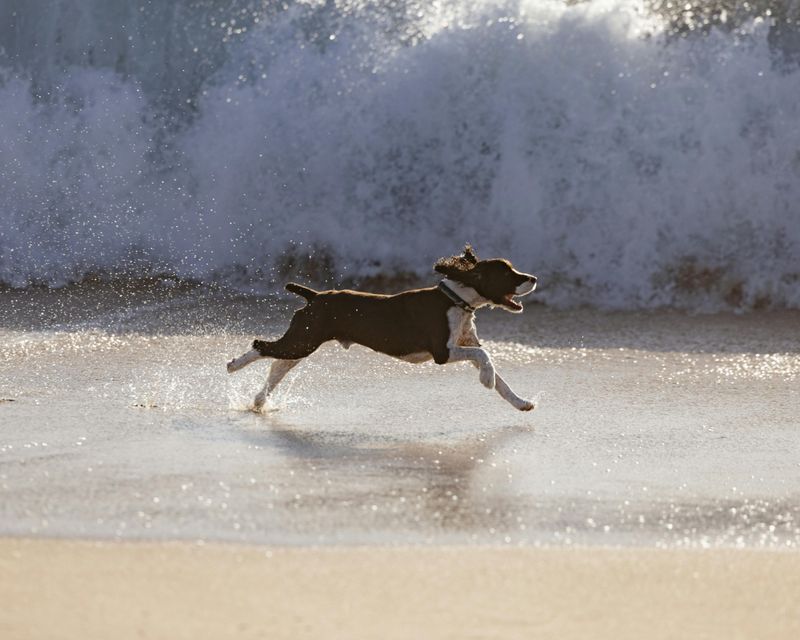
Bolting for the door or slipping a collar can be a desperate flight from stress. Watch for scanning eyes, restless pacing, and sudden surges of movement.
Triggers might include raised voices, crowded rooms, or unfamiliar handling.
Prevention comes first. Use baby gates, secure harnesses, and practice calm door routines with high value rewards.
Teach a go to mat cue that pays well when the door opens. Reduce chaos during comings and goings so the choice to stay is easier.
If your dog startles easily, add white noise and predictable schedules. As safety becomes reliable and reinforced, the urge to flee decreases, replaced by steady check-ins and confident presence by your side.