
Some dog breeds look incredible on your feed, yet they are slipping in popularity for reasons you might feel the moment daily life kicks in. Think high grooming bills, stubborn training curves, and exercise needs that outpace a busy schedule.
You want a companion, not a part-time job or a constant worry about escapes and vet surprises. Here is why fewer people are picking these once-coveted breeds, and what to consider instead.
Afghan Hound
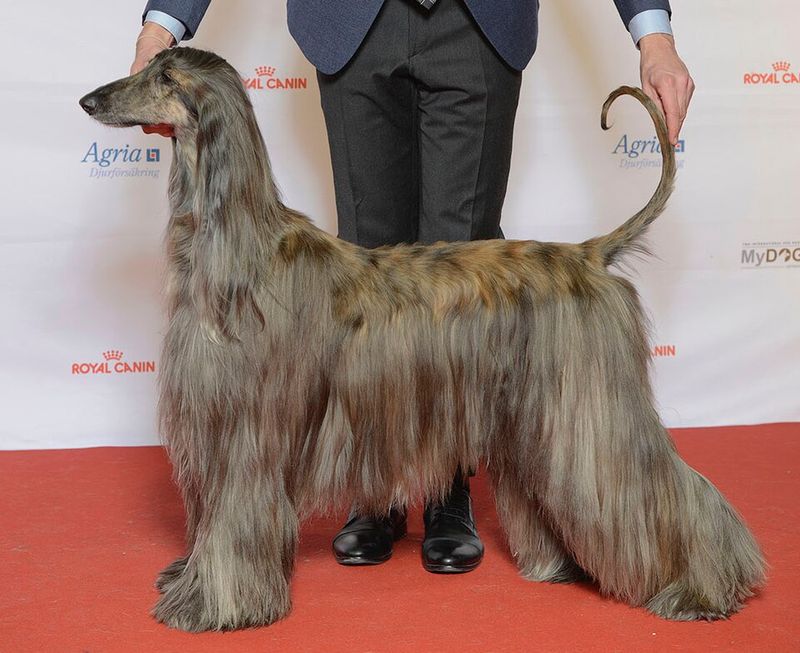
Silky, statuesque, and famously independent, the Afghan Hound is breathtaking yet tricky for everyday families. The coat needs hours of combing each week, plus professional grooming to prevent mats and breakage.
Combine that with a catlike attitude, notable prey drive, and sprinting bursts, and you get a beauty that rarely fits apartment routines.
Training can feel like negotiating, because motivation beats repetition with this breed. Off leash reliability is tough, and many owners feel stressed by the constant vigilance outdoors.
Vet costs may spike due to skin issues and injuries from zoomy play. You might love the glamour, but most people want easier maintenance and steadier biddability.
That explains why interest has cooled despite social media allure.
Chow Chow
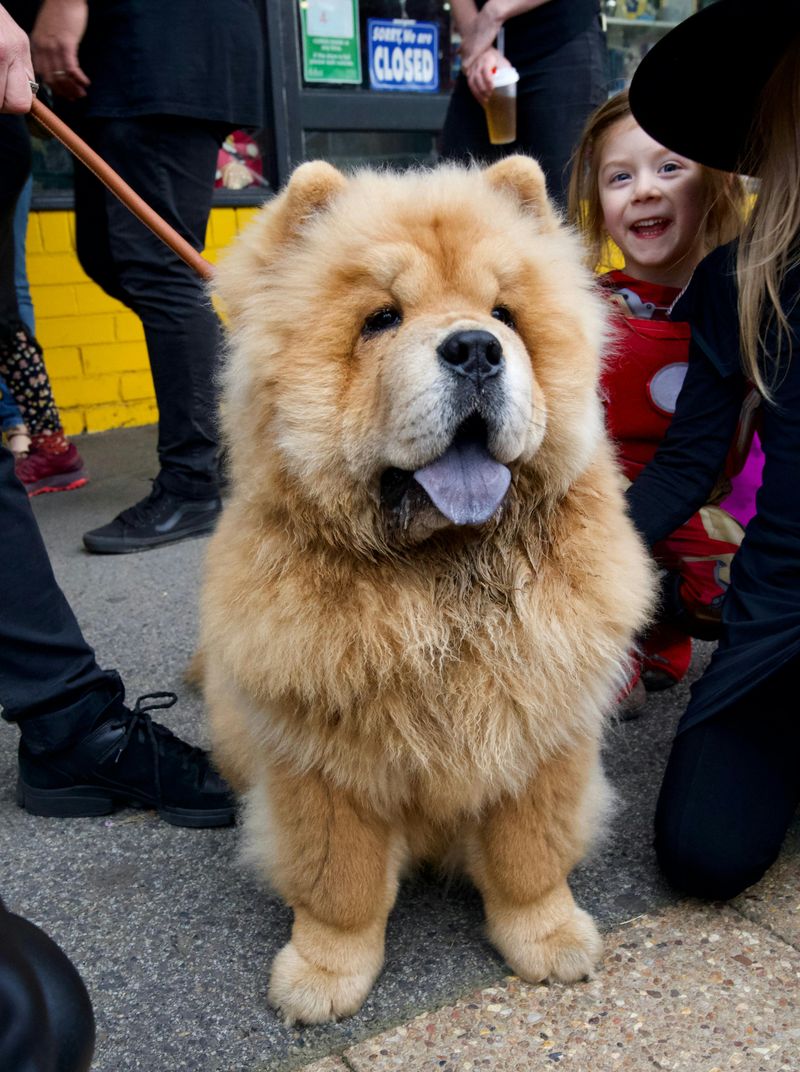
The Chow Chow carries a regal vibe and a famously aloof temperament that can feel more cat than dog. That independence charms some, but many families want warmth, flexibility, and eager-to-please energy.
Add in dense fur that sheds heavily and needs frequent brushing, and you have a breed that challenges tidy homes and tight schedules.
Guardian instincts mean socialization must be early, careful, and consistent, or reactivity may surface. They are not always tolerant of strangers, and insurance or housing rules can complicate ownership.
Heat sensitivity narrows outdoor fun in warmer climates. You may admire the teddy-bear look, yet day-to-day life asks for patience and structure.
For many modern households, that combination reduces appeal, despite the breed’s striking presence.
Basenji
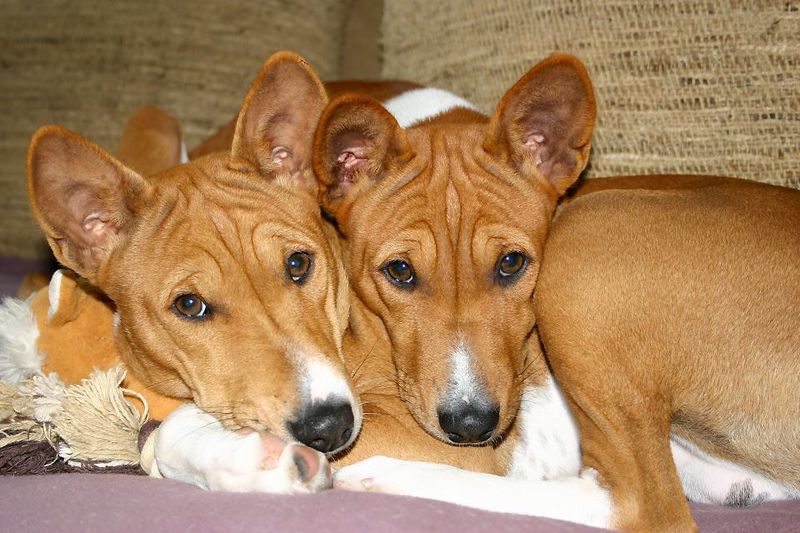
Marketed as the barkless dog, the Basenji is quiet but not low maintenance. Expect yodels, clever escapes, and a mischievous streak that laughs at repetitive drills.
This breed craves mental challenge and motion, so boredom breeds creativity that can dismantle your trash can, garden, or couch seams if you underestimate enrichment.
Independent problem solvers can feel frustrating when you want straightforward compliance. Off leash reliability is rarely safe thanks to a strong prey drive, so fenced space matters.
Grooming is easy, but energy and curiosity demand time you may not have. You will get a witty roommate rather than a people-pleasing sidekick.
That contrast steers casual owners away, even though fans cherish the Basenji’s sleek style.
Shar Pei
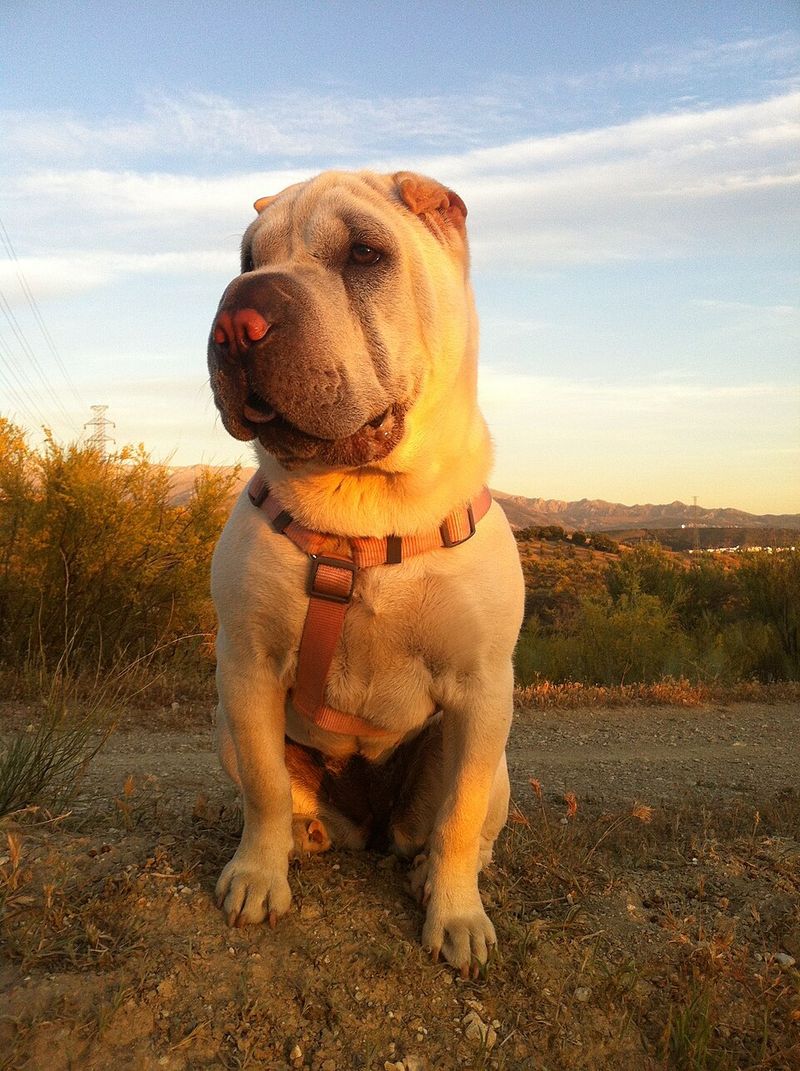
The Shar Pei’s folds and solemn eyes are unforgettable, but those wrinkles can hide skin troubles that need vigilant care. Ear issues, allergies, and entropion are not rare, bringing recurring vet visits and bills.
Add a reserved personality that needs thorough socialization, and you get a dog that asks for confident, consistent leadership.
Exercise requirements are moderate, yet heat sensitivity and thick skin can complicate outdoor plans. Training works best with calm structure and high-value rewards, not confrontation.
Some insurers flag the breed, creating headaches with rentals or coverage. Many people crave low-drama companions, so stacked responsibilities reduce interest.
Admirers remain devoted, but the average busy household often chooses breeds with friendlier vet profiles and easier public perception.
Borzoi
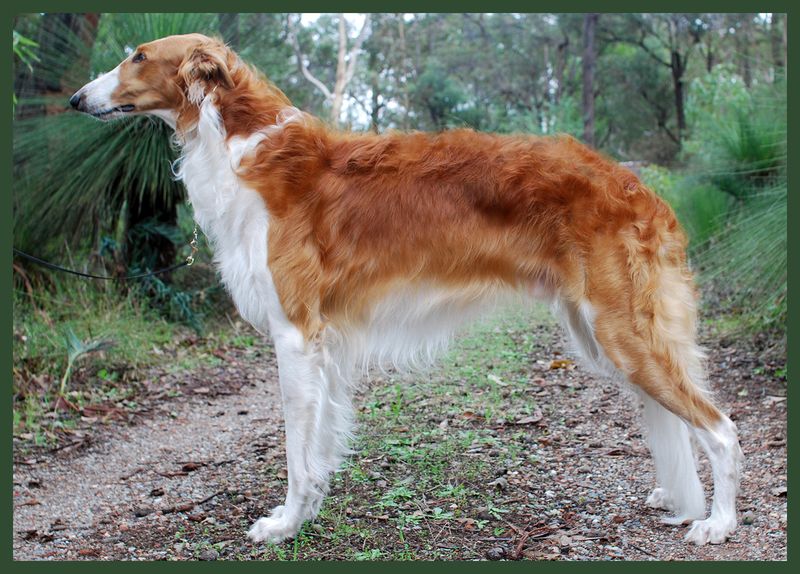
Borzoi are poetry in motion, yet life with one is not exactly poetic in small spaces. They are giant sighthounds built to chase, so off leash freedom is risky and fenced yards are must haves.
The coat looks dreamy but sheds and tangles, asking for steady brushing sessions to avoid matting.
Many are gentle housemates, but training hinges on soft, clever handling rather than blunt commands. They sprint hard, spook squirrels, and can clear fences, which raises safety concerns.
Transport, boarding, and orthopedic care cost more for a dog this size. If you prize elegance, you will swoon, but day-to-day logistics discourage casual adopters.
That reality has trimmed demand despite the breed’s cinematic presence.
Komondor
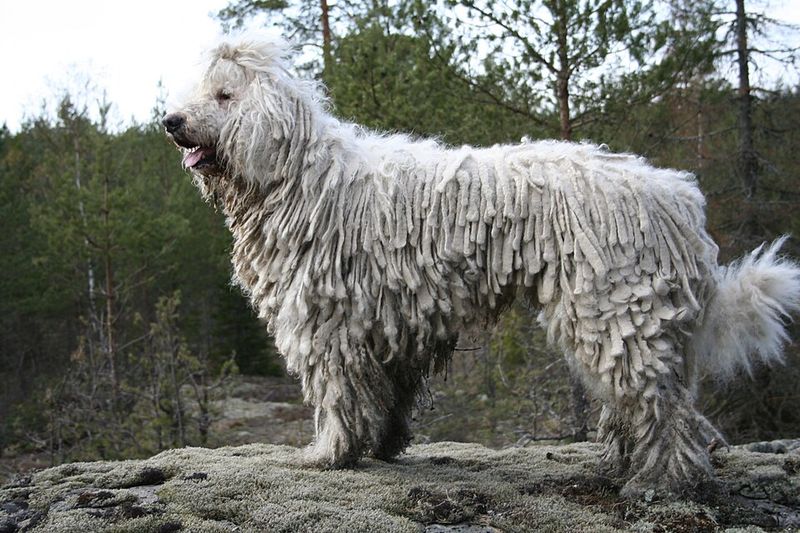
Known for its iconic cords, the Komondor is a livestock guardian first, house pet second. Those cords look legendary but trap debris, smell, and moisture without meticulous care and long drying times.
Guardianship instincts run deep, so guests, delivery drivers, and new situations require careful management and confident handling.
This breed thrives on purpose, not couch life. Exercise needs are moderate, but mental work matters more, and boredom can turn into stubbornness.
The large frame increases costs for food, flea prevention, and medical care. Urban living amplifies conflicts with elevators, grooming dryers, and constant visitors.
Admirers respect the Komondor’s nobility, yet many households choose breeds with lighter coats and more adaptable social temperaments.
Tibetan Mastiff
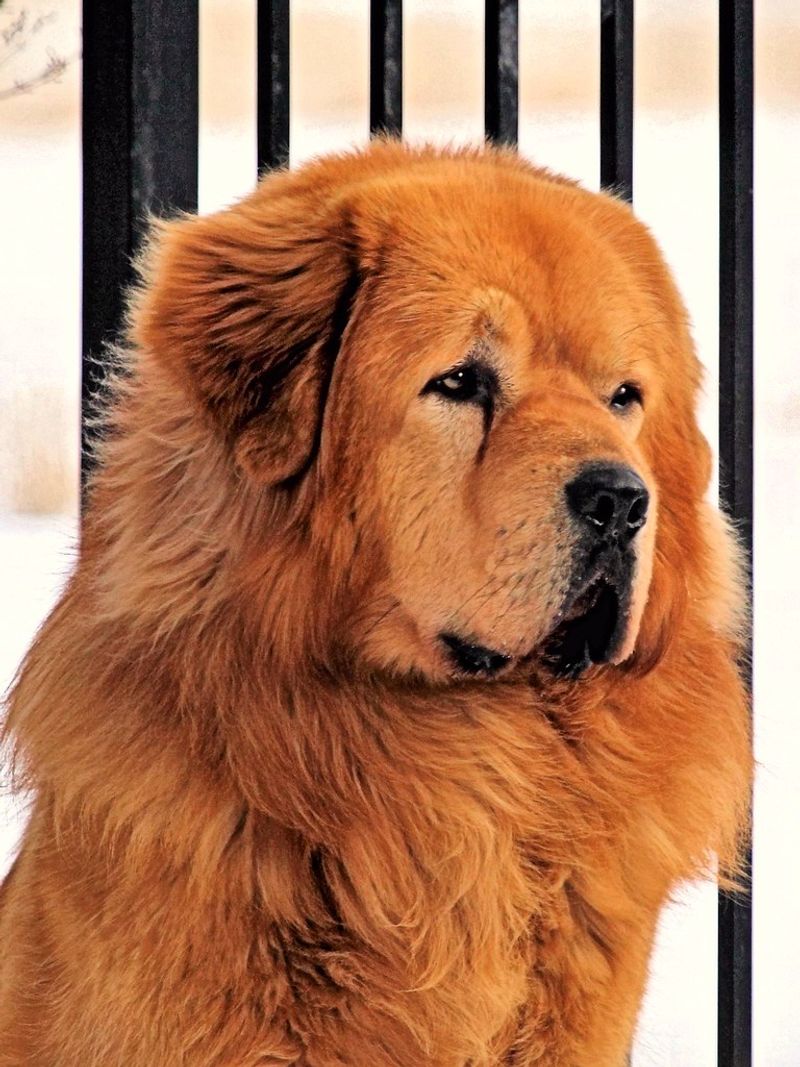
The Tibetan Mastiff radiates ancient guardian energy, which reads as independence and suspicion in suburbia. This is not a default dog park regular.
Territorial instincts, strong wills, and a night-time alerting habit can clash with neighbors and HOA rules, even when training is diligent and fair.
The coat is glorious yet seasonal shedding is intense, and drool plus fur tumbleweeds are part of the package. Vet, food, and insurance costs rise with size and breed reputation.
You need secure fencing, experienced handling, and very thoughtful socialization. Many people prefer a mellower, more biddable giant.
As a result, interest narrows to dedicated enthusiasts who understand boundaries, management, and the difference between protective confidence and problematic reactivity.
Otterhound
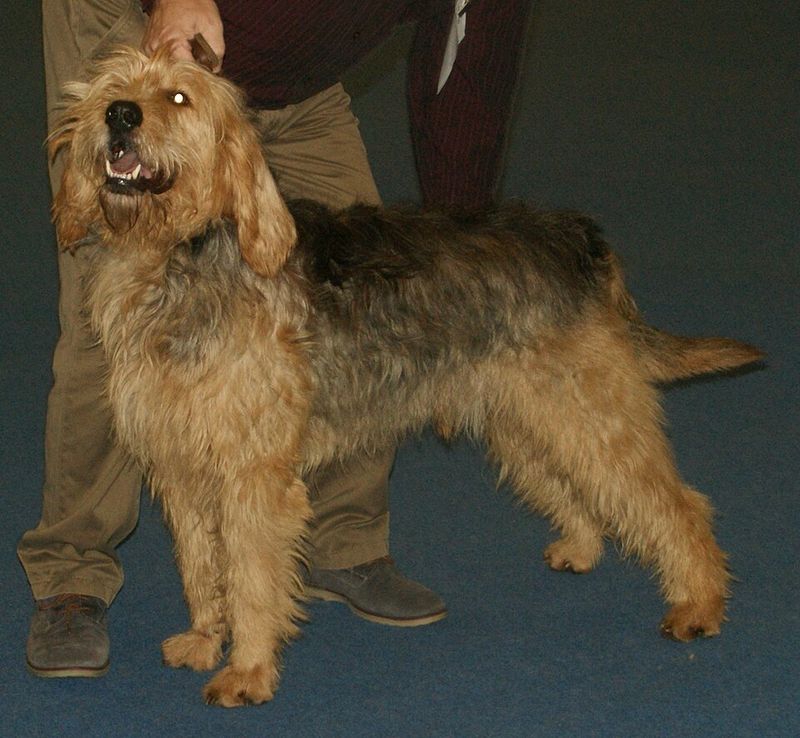
The Otterhound is rare for practical reasons. This big scenthound loves water, mud, and exuberant outdoor exploration, which means cleanup is constant.
The shaggy coat collects debris and demands regular attention to prevent matting and odor, especially after swims that the breed adores.
Exercise needs are real, and the voice is baying, not discreet. Training requires patience and creativity, since noses can override recall fantasies.
Urban apartments and sensitive neighbors often are not compatible. Add limited breeder availability and travel to meet a responsible litter, and many people pivot to simpler options.
You will get a hilarious, affectionate partner, but life logistics matter. That is why the Otterhound stays niche rather than mainstream.
Irish Wolfhound
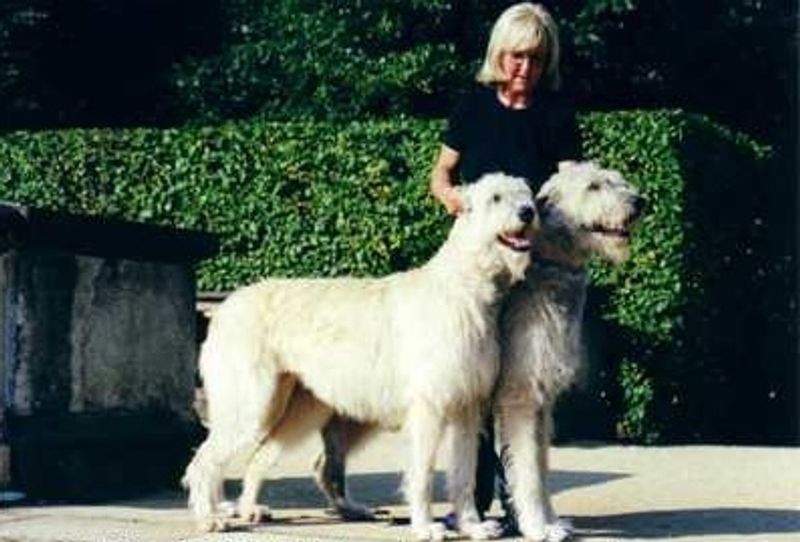
Gentle giants like the Irish Wolfhound melt hearts, but size dictates everything. Short lifespans, high food bills, and costly orthopedic care create emotional and financial strain.
Apartments feel small, cars feel smaller, and stairs become daily puzzles for joints and safety.
They are kind, yet zoomies from a dog this big can topple furniture and kids. Exercise is moderate, but space to stretch matters, and leashes must be secure.
Training is easygoing, still consistency and early socialization are key to nurture manners. Many families ultimately choose medium breeds that live longer and fit easier into travel and housing.
That pragmatic calculus lowers demand, even as these dogs remain unforgettable companions for those who can commit.
Dandie Dinmont Terrier
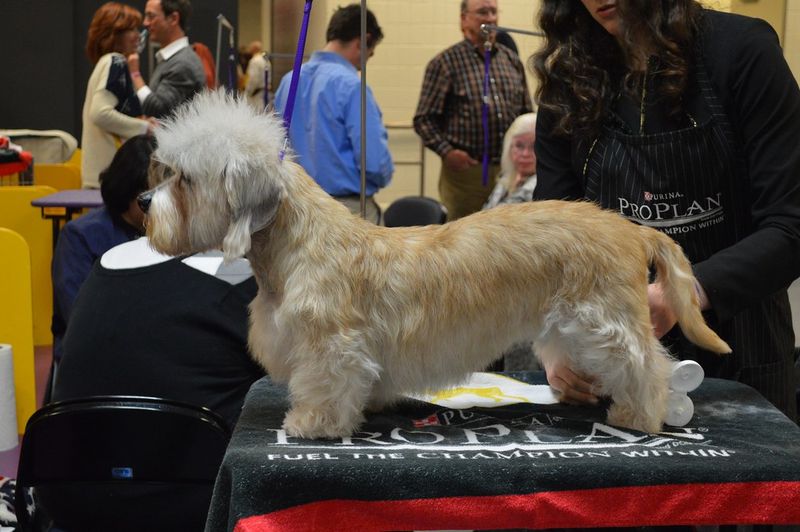
The Dandie Dinmont Terrier is quirky and endearing, yet not widely available, so first contact often requires travel and waitlists. Grooming involves hand stripping for the classic look, which takes skill or professional visits.
A low, long build can bring back concerns about stairs and jumping, especially when living in walk-up apartments.
Stubborn terrier spirit makes training lively rather than linear. Prey drive pushes them to chase, so leashes and fenced areas are wise.
Social, yes, but sometimes selective, they benefit from early, positive exposure to dogs and people. Many families prefer plug-and-play breeds with simpler coats and abundant local breeders.
That practical tilt dims interest, even though fans treasure the Dandie’s cheerful grit and unmistakable silhouette.
Skye Terrier
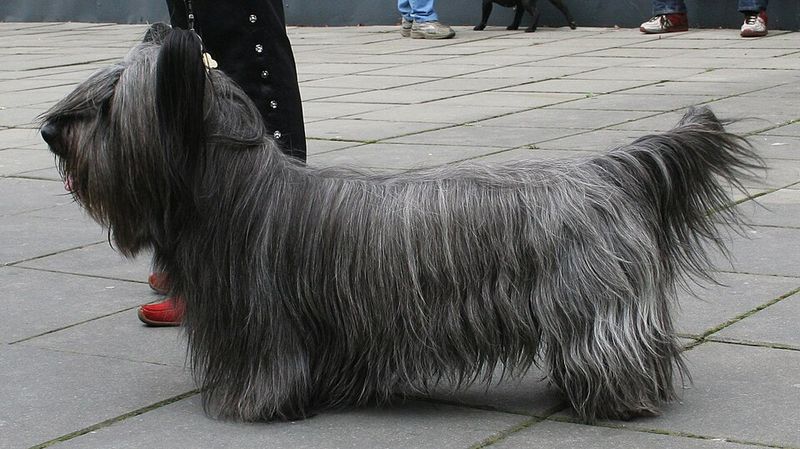
Long, glamorous coats give the Skye Terrier a storybook aura, but that beauty needs frequent brushing and careful dematting. Hand stripping or trimming for hygiene adds time and cost.
Their long backs also mean you must manage jumping and furniture access to reduce joint stress over a lifetime.
Like many terriers, independence and intensity can surprise new owners expecting a lap decoration. Early socialization is critical to prevent suspicious habits around strangers or dogs.
Space needs are modest, yet mental outlets matter, or digging and barking appear. Availability is limited, making it harder to find mentors and classes familiar with the breed.
As a result, fewer people commit, despite the Skye’s loyalty and quiet dignity.
Glen of Imaal Terrier
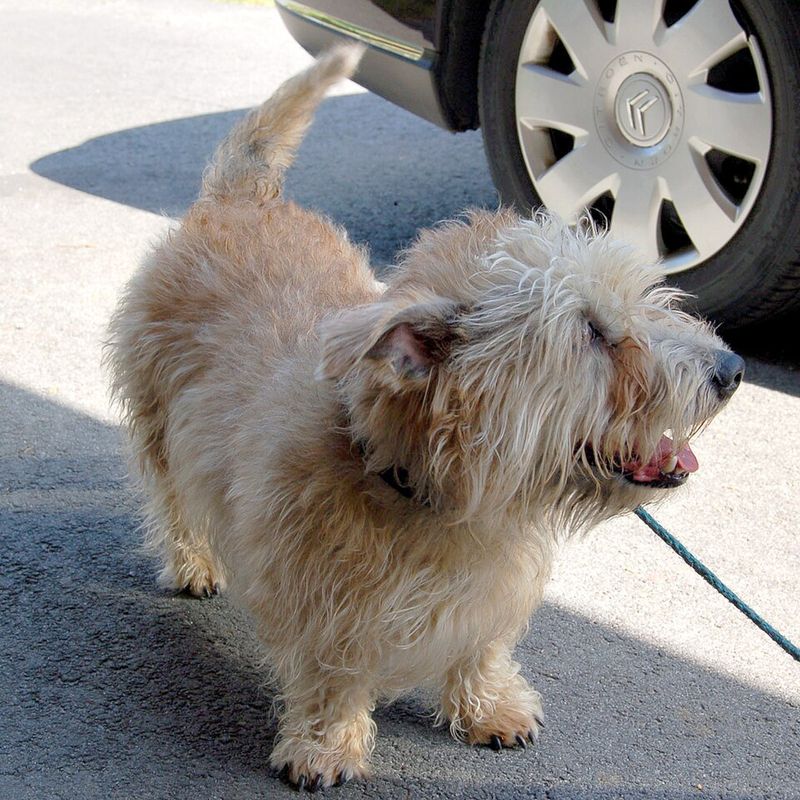
The Glen of Imaal Terrier is a cheerful worker with a heavy dose of determination. Short legs and a solid build can mislead families into thinking exercise needs are tiny, but this breed still craves engagement.
Hand stripping or careful coat maintenance is preferred to keep the harsh texture and reduce shedding.
Prey drive and digging instincts come standard, so yards need supervision and reinforcement. Training shines with games and rewards, less with nagging.
Availability remains low compared to trendier small breeds, and breeders often screen carefully for fit. Many people opt for easier-to-find companions with simpler care.
For those who commit, Glens bring heart and humor, yet scarcity and management needs keep them off most shortlists.
Norwegian Lundehund
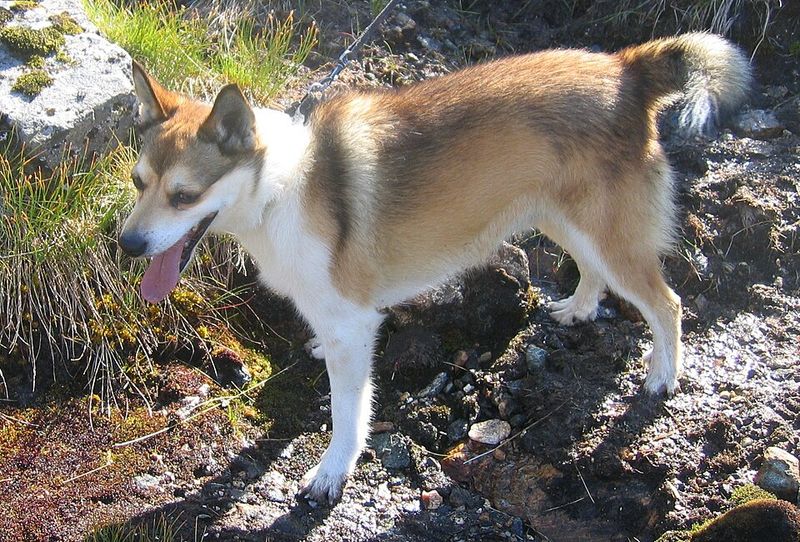
The Norwegian Lundehund is wonderfully weird, with extra toes and flexible joints built for puffin cliffs. That uniqueness comes with dietary sensitivities and a predisposition to digestive issues that demand attentive management.
They can be wary and vocal, which complicates apartment life with thin walls and strict neighbors.
Training is very possible, but independence and sensitivity mean heavy-handed methods backfire. Off leash freedom is not a good plan around wildlife.
Responsible breeders are few, and prospective owners often face waiting periods and long-distance logistics. Many people prefer a simpler health picture and broader support network.
The Lundehund remains a connoisseur’s dog, fascinating and fun, yet understandably chosen by fewer households seeking low-stress companionship.
Polish Lowland Sheepdog
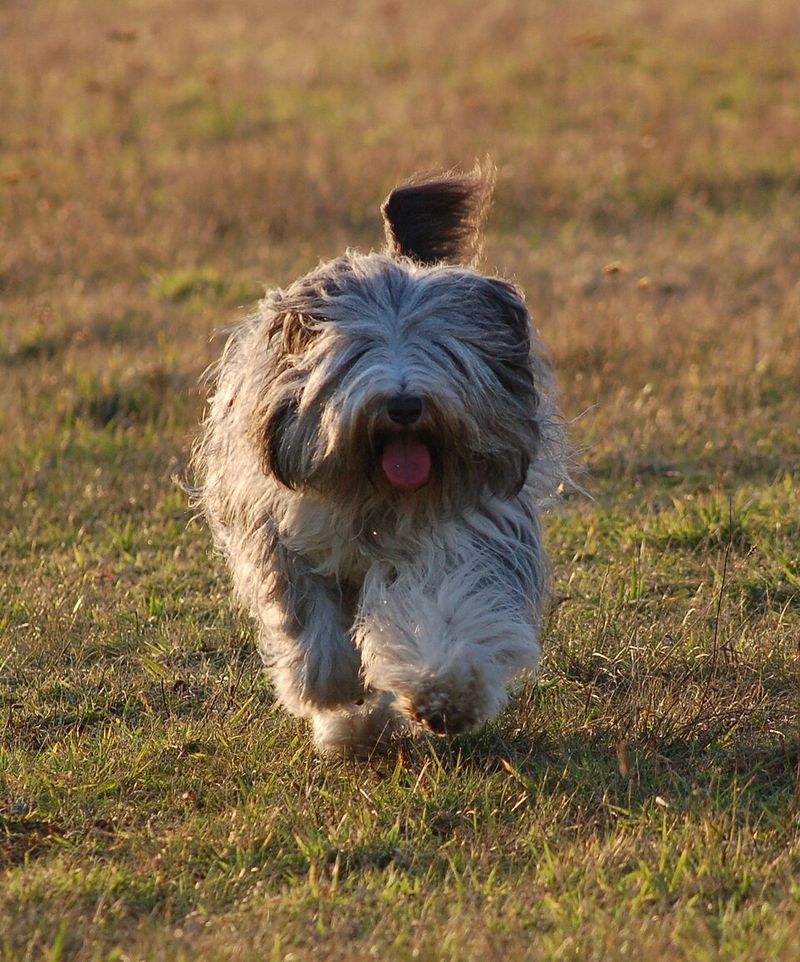
The Polish Lowland Sheepdog is an upbeat herder with a curtain of coat that hides expressive eyes. That hair is work.
Without steady brushing and trimming, mats form quickly, and debris rides home from every walk, turning cleanup into a ritual you cannot skip.
As a herding dog, it is smart, vocal, and always ready to micromanage movement, which can translate into nipping or shadowing kids. Training must channel that brain into jobs, sports, or puzzle work.
Otherwise boredom prompts barkathons and redecorating projects. Many families crave low-shed, quieter companions that do not reorganize the household.
PON fans stay loyal, but broader demand stays muted because grooming and mental exercise expectations outpace casual owner bandwidth.
Azawakh
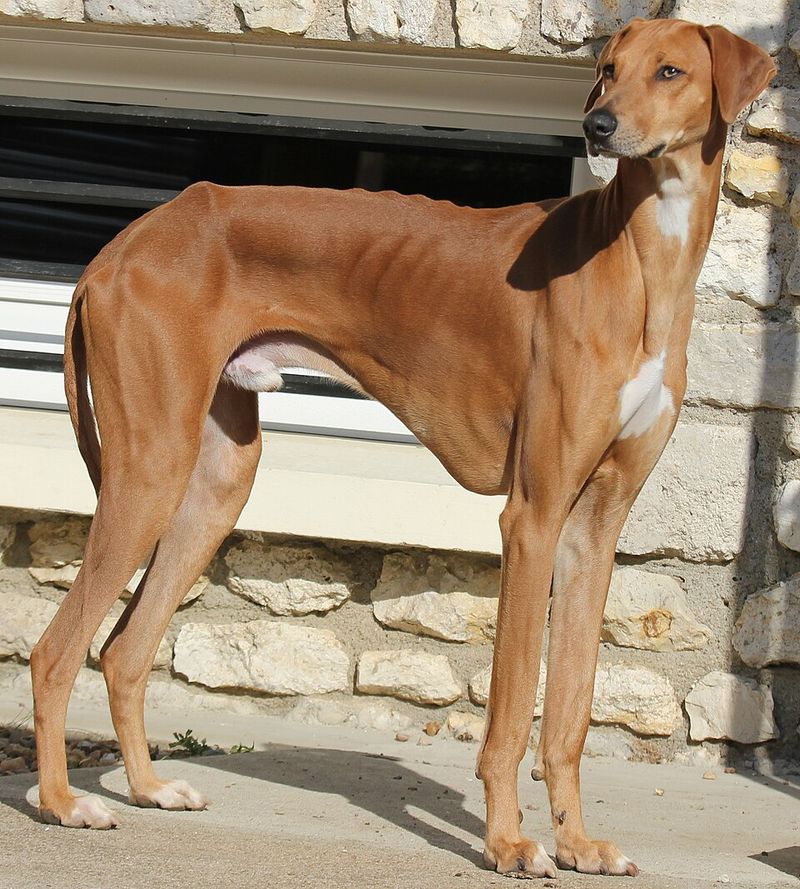
The Azawakh is a desert sighthound, elegant and sensitive, built for speed and vigilance. Aloof with strangers and deeply bonded to a few people, it can seem standoffish in busy neighborhoods.
Thin skin and low body fat make cold weather management essential, including coats, warm bedding, and careful conditioning.
Prey drive is strong, and off leash outings are not beginner friendly. Training requires nuance, patience, and trust, not pressure.
Responsible breeders are relatively rare, and transport plus screening add hurdles. Many households want a cuddlier, more forgiving temperament with simpler climate needs.
Admirers adore the Azawakh’s grace and quiet devotion, yet practical realities and lifestyle mismatch keep this striking athlete on fewer adoption lists.