
Some dogs surprise you with how calmly they handle solo time. If your schedule is unpredictable, choosing a breed with an easygoing vibe can make life smoother for both of you.
These pups nap, self-soothe, and settle when you set them up right. Let’s find the breeds that balance independence with heart, so you can step out without guilt.
Basset Hound
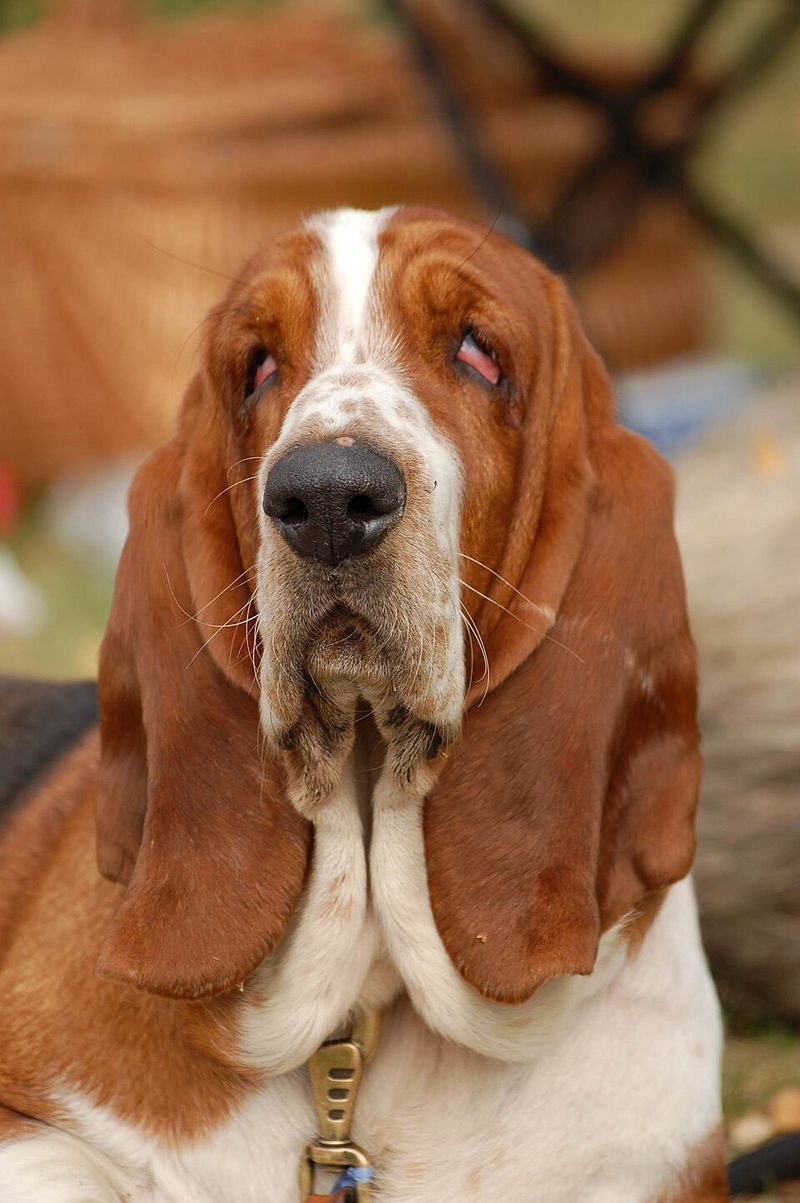
Basset Hounds are famously mellow, which helps when you have a busy schedule. Their short bursts of energy fade quickly, so they nap while you handle errands or work.
Give them a comfy bed, a chew, and a soothing playlist, and they settle nicely.
Low exercise needs do not mean low engagement. Use sniffy puzzles to satisfy that big nose, and rotate toys so boredom stays away.
If you return to drool and soulful eyes, that is just their charm. Keep potty breaks consistent, offer brief walks, and reinforce calm hellos.
With a reliable routine, your Basset learns you always come back, and confidence grows. A snuffle mat adds quiet enrichment during alone time.
Leave water and safe chews nearby.
French Bulldog
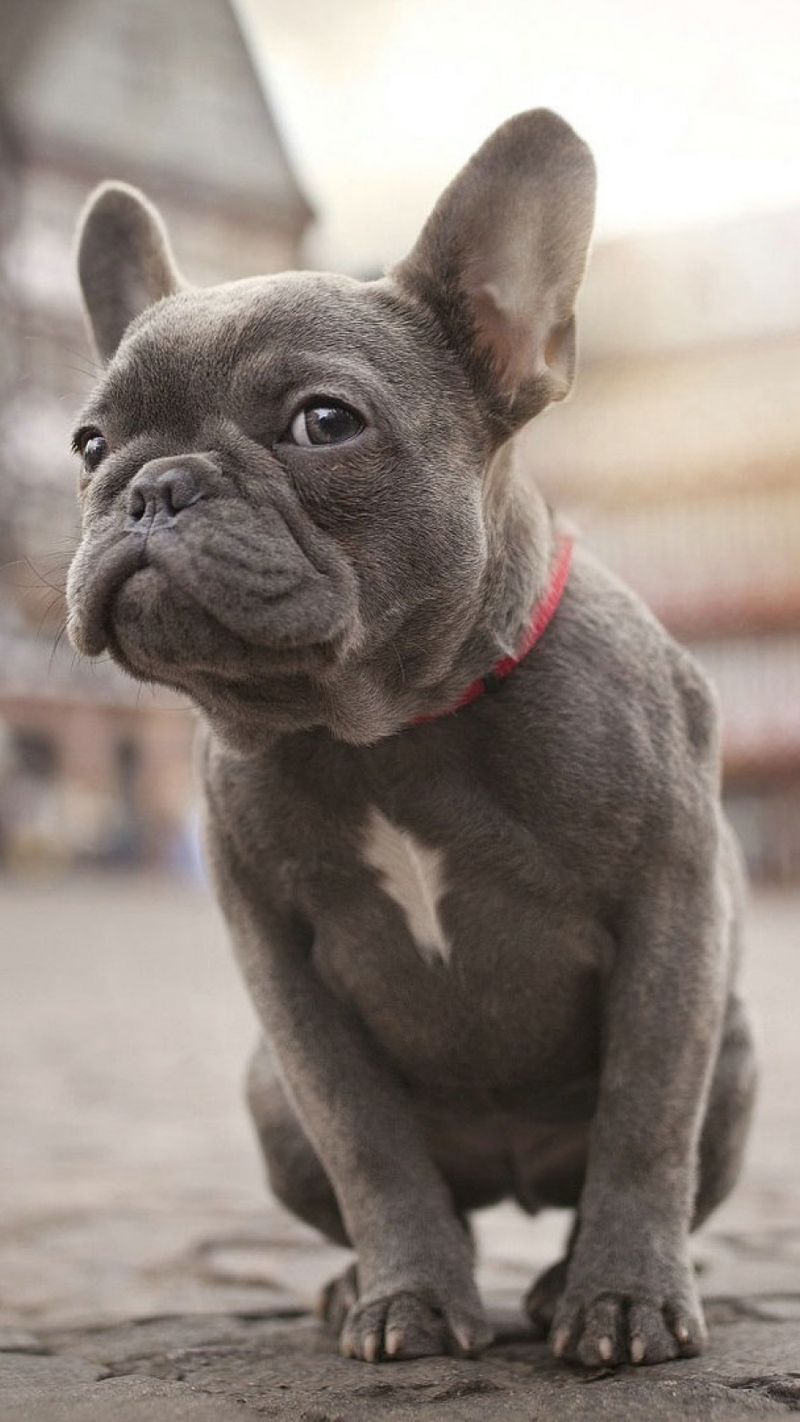
French Bulldogs crave company but manage short separations well. Their compact size and couch potato vibe suit apartments and remote work breaks.
Set up a cozy crate or pen, and you give them a den that feels secure.
Because breathing can be sensitive, keep the room cool and calm. Food puzzles and lick mats occupy that curious mind without overexertion.
Practice tiny goodbye rituals so predictability replaces worry. When you return, skip big fusses and reward relaxed manners.
A steady schedule, brief walks, and gentle play keep energy balanced. Before long, your Frenchie trusts the routine and rests peacefully.
Provide fresh water, a safe chew, and soft white noise for comfort. Window film helps reduce triggers from street sights outside.
Chow Chow
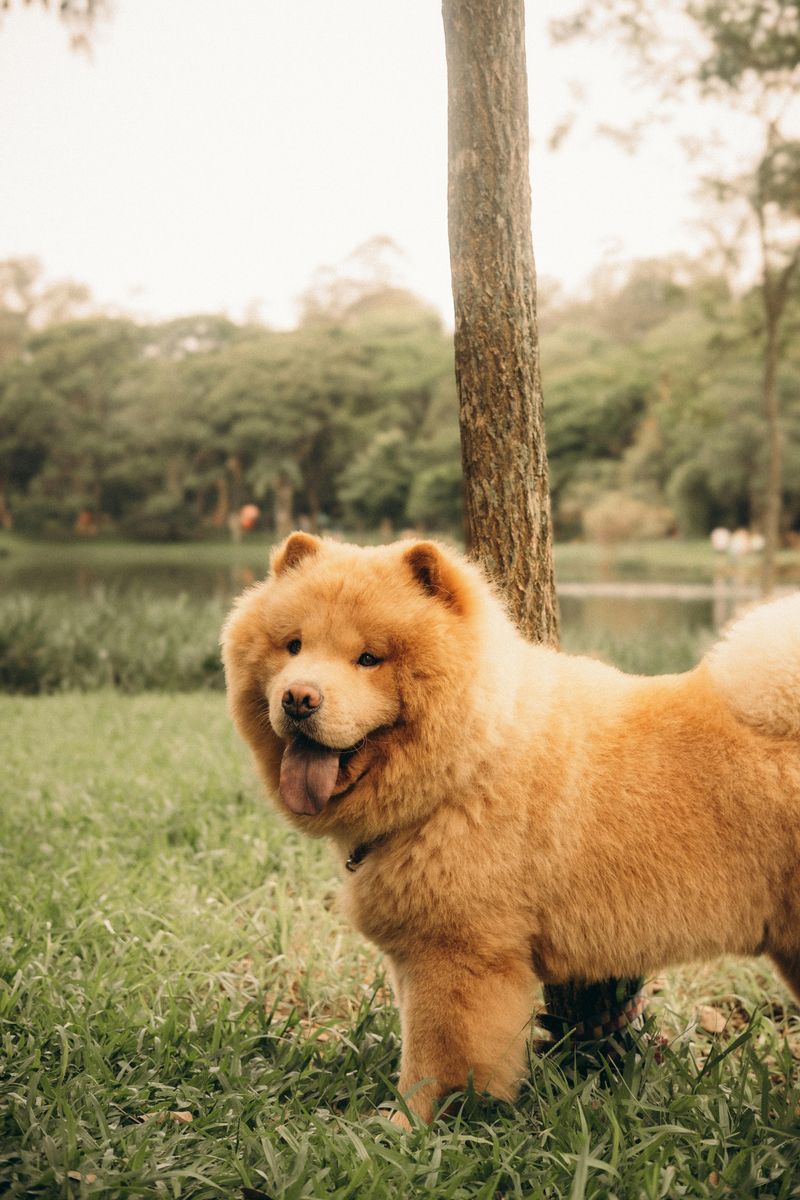
Chow Chows are famously independent, almost catlike in their routines. That self possessed nature can make solo time easier when introduced thoughtfully.
Give a defined rest zone, clear boundaries, and they relax without demanding constant attention.
They still need mental work. Rotate durable chews, frozen Kongs, and scent games to satisfy the brain.
Keep grooming regular so the coat stays comfortable while resting. Socialization and calm departures reduce protectiveness at the door.
Return quietly, reward soft behavior, and guide them to settle. With structure, the Chow learns home is safe, even when you step out.
Offer a weighted blanket alternative like a heavy quilt for soothing pressure. Blackout curtains can limit arousing sights and promote deeper naps during the day.
Shar Pei
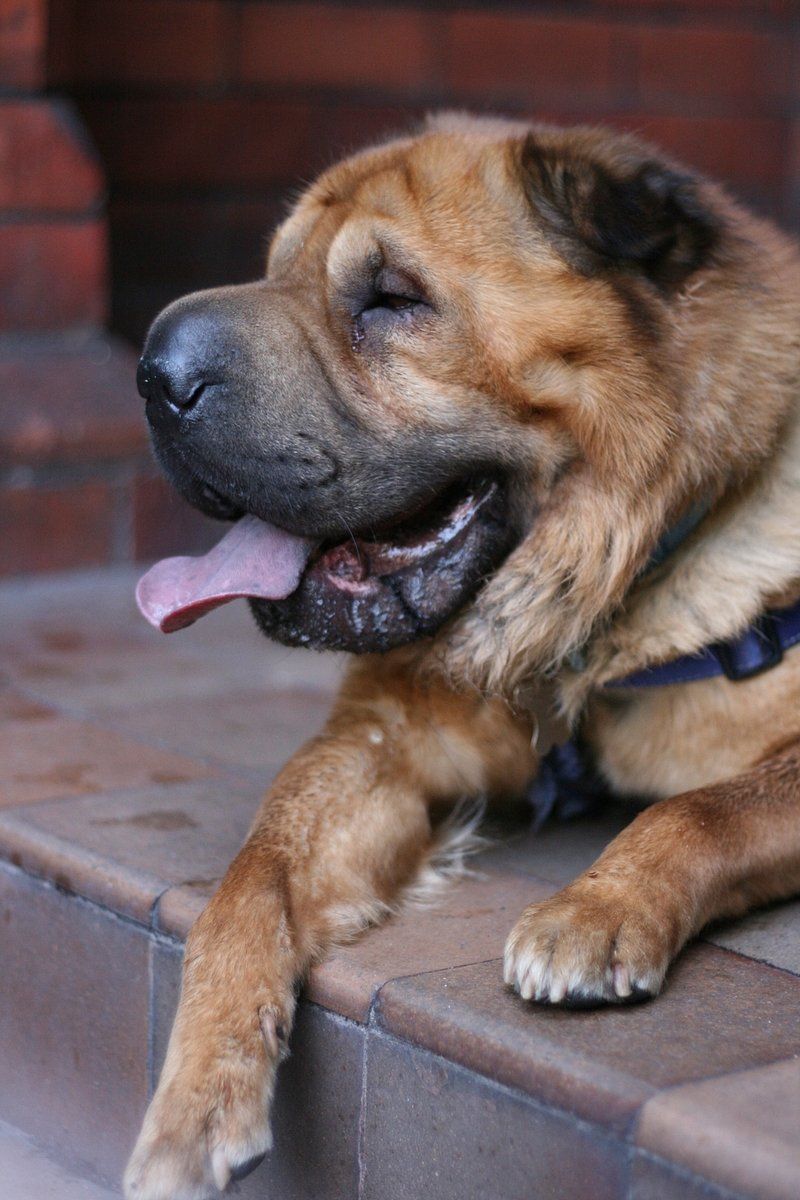
Shar Pei dogs bond deeply yet appreciate alone time when routines are clear. Their calm, deliberate movement translates to restful afternoons while you handle life.
Provide a cool spot, since skin folds prefer airflow, and you support comfort.
Mental outlets matter. Slow feeders, sniffing games, and sturdy chews help prevent pacing.
Practice short departures, increasing minutes gradually so confidence builds. Keep training low drama, with simple cues and soft praise.
Return with calm energy and guide polite greetings. Over time, your Shar Pei treats solo hours as predictable, peaceful chapters.
Use a vet approved ear cleaner and regular skin checks to avoid irritations that could disrupt rest. White noise or a fan can mask hallway sounds nicely for better sleep.
Shiba Inu
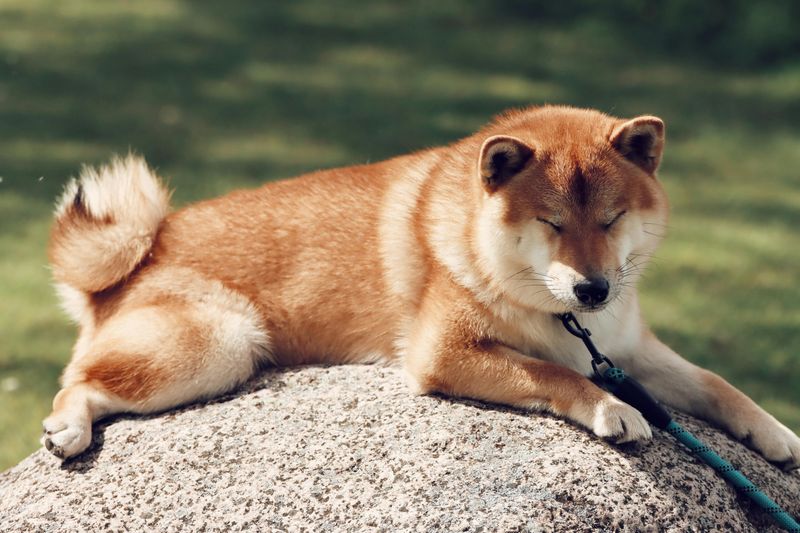
Shiba Inus are independent thinkers with tidy habits that suit alone time. They enjoy surveying their territory from a sunny perch while you tackle errands.
Provide safe windows, puzzle feeders, and a crate or bed that feels like their fortress.
Polite routines keep their foxlike confidence balanced. Practice quiet departures, avoid big reunions, and reward calm sits.
Rotate durable toys to prevent resource guarding. Regular nail trims and grooming reduce fidgeting during naps.
A morning walk and evening play session bookend the day. Consistency teaches your Shiba that solo hours are simply part of the plan.
Use a secure harness since many Shibas are expert escape artists outside. Frosted window film limits barking at passing dogs and scooters out front.
Lhasa Apso
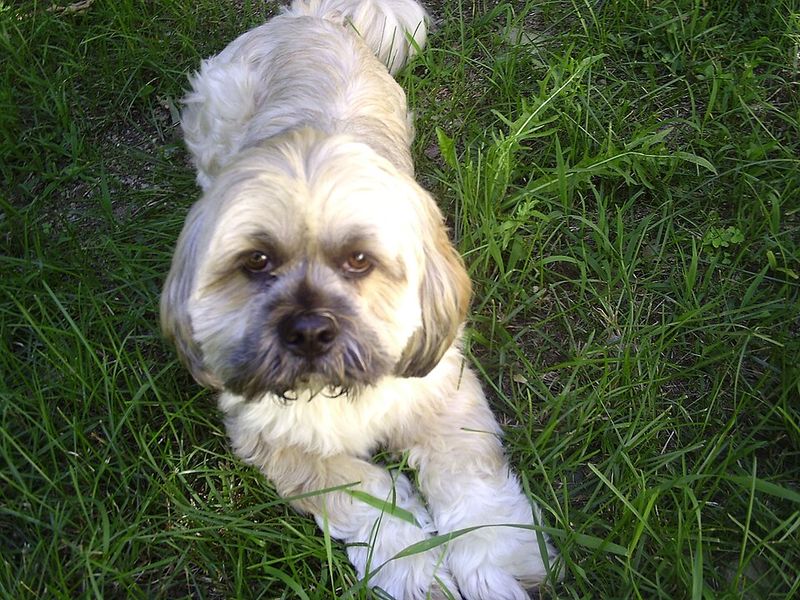
Bred as alert monastery companions, Lhasa Apsos combine independence with loyalty. That mix makes short alone periods manageable when you build rituals early.
Create a quiet corner with a mat, a water bowl, and a favorite chew.
They thrive on grooming routines that double as calming touch. Keep the coat tidy to reduce itching while resting.
Practice place training so they can relax while you move about the house. Offer food puzzles, snuffle towels, and gentle music during departures.
Avoid high drama greetings and pay for chill behavior. Soon your Lhasa naps contentedly, confident you always return.
Use baby gates to define safe zones and prevent door dashes. A lightweight cooling mat helps on warm afternoons for deeper naps too.
Boston Terrier
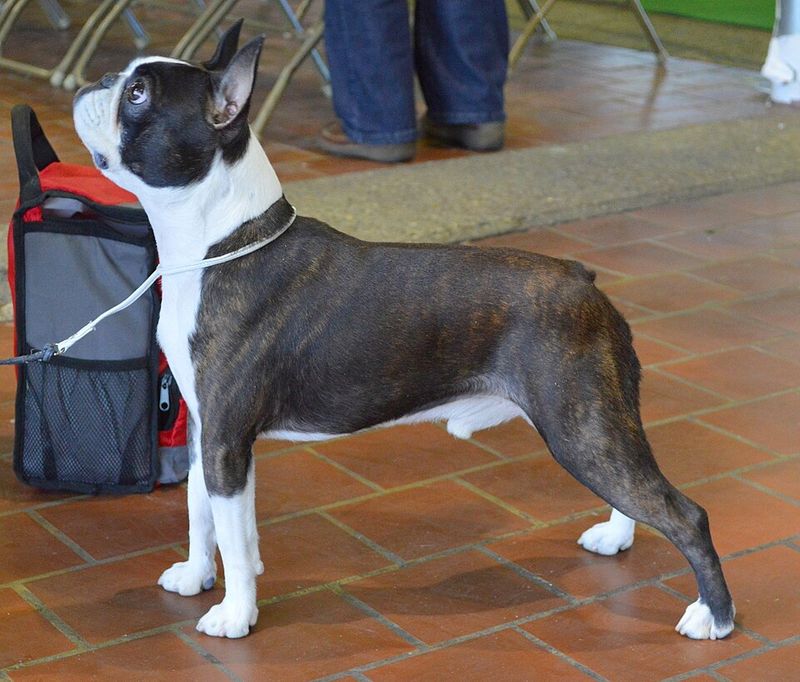
Boston Terriers are cheerful clowns with surprising off switches. Between zoomies, they love curling into a donut and chilling while you step out.
Provide breathable bedding, since short muzzles prefer cooler fabrics and steady airflow.
Keep enrichment gentle. Lick mats, frozen broth cubes, and easy puzzles soothe without heavy exertion.
Practice brief absences and reward calm check ins at your return. Skip dramatic greetings that spike arousal.
Regular walks and silly play satisfy their social side. A clear schedule teaches your Boston to nap confidently through everyday departures.
Consider a harness with front clip to reduce pulling before quiet crate time. White noise and closed curtains help block neighbor sounds and movement so their nap stays undisturbed longer today.
Miniature Schnauzer
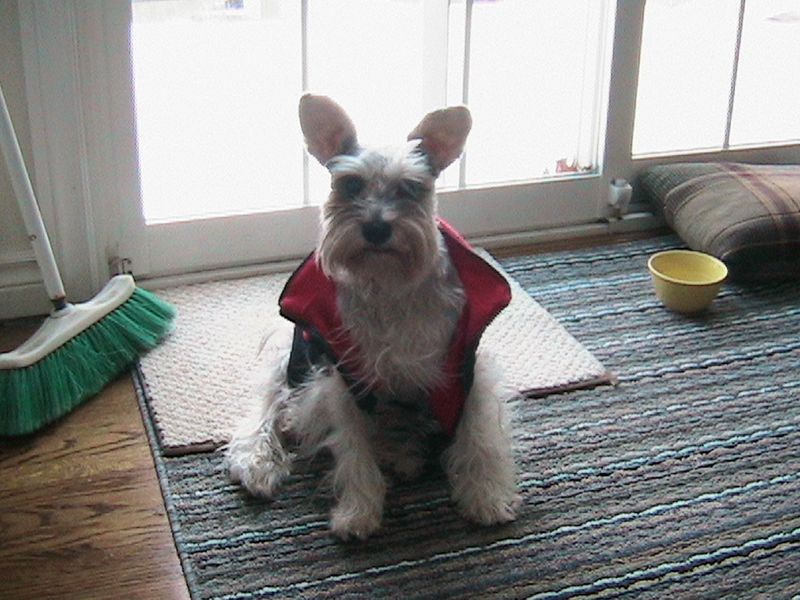
Miniature Schnauzers are bright, busy dogs who appreciate a job, even when alone. Give them safe scavenger hunts and a comfy station near a window.
Their watchdog instincts calm when you provide predictable routines and clear house rules.
Brief training before leaving helps them think, not worry. Practice scent boxes, easy obedience, and place work.
Offer sturdy chews, frozen treats, and water. Keep greetings cool and reinforce quiet behavior instead of excited bouncing.
Regular grooming avoids itchiness that disrupts naps. With structure, your Schnauzer settles in and handles solo time gracefully.
Clip the beard after meals to prevent damp discomfort while resting. Close blinds if squirrels trigger barking, or use frosted film to soften outdoor motion cues greatly today too.
Scottish Terrier
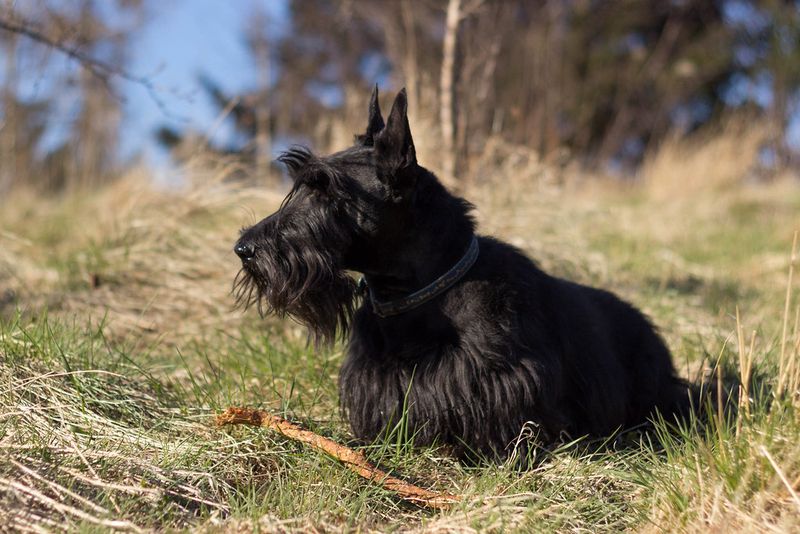
Scottish Terriers are dignified, independent, and happy to lounge between adventures. That sturdy little body loves a supportive bed while you are out.
Provide chew options, a window view, and clear expectations around door greetings.
Their strong prey drive benefits from structured outlets. Hide treats, play scent games, and use puzzle feeders before departures.
Short training refreshers engage the brain without revving energy. Keep noise low and curtains partly closed to minimize triggers.
When you return, praise calm behavior and guide polite hellos. With routine, your Scottie treats alone time like a planned intermission.
Regular brushing reduces mats that cause fidgeting during naps and crate time. A white noise machine can soften footsteps in hallways for steadier afternoon sleep indoors.
Cavalier King Charles Spaniel
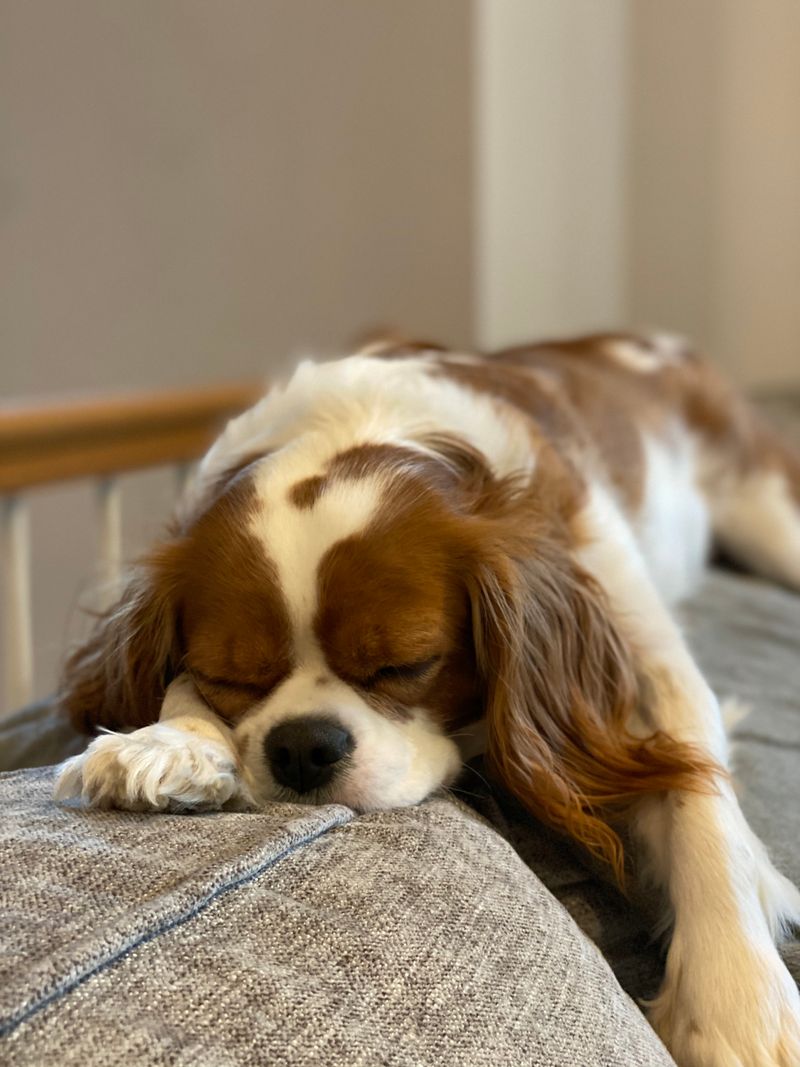
Cavaliers are affectionate shadows, yet many learn to relax solo with gentle practice. Set up a cozy bed, soft music, and a safe chew to encourage settling.
A quick sniff walk before leaving helps meet social and sensory needs.
Because some Cavaliers can worry, keep comings and goings low key. Practice place training and short absences that gradually stretch.
Lick mats, food toys, and scatter feeding keep minds engaged without heavy effort. Return quietly and reward calm eye contact.
Regular grooming keeps ears comfy for naps. With routine, your Cavalier snoozes sweetly while you tackle the day.
Use a cooling mat to prevent overheating on warm afternoons, especially for heavier coats. Close blinds to reduce bird watching excitement during departures.
Whippet
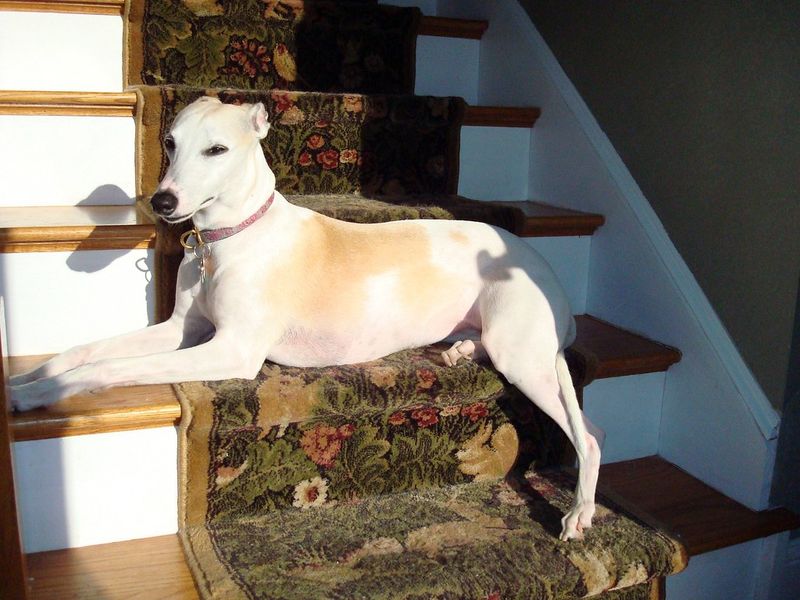
Whippets are champion nappers who adore quiet couches. After a sprint, they gladly loaf for hours while you work or shop.
Offer a warm blanket, a comfy crate, and soft background noise to create a safe den.
Because they are sensitive, keep departures smooth and low drama. Food puzzles, lick mats, and snuffle games occupy the brain without raising arousal too high.
Regular nail trims protect delicate feet from fidgety discomfort. Limit cold drafts to help muscles relax.
When you return, reward calm greetings and guide them back to rest. With routine, your Whippet treats alone time like a luxurious pause.
Sun puddles are favorite nap spots, so position beds where light lands safely. Fresh water nearby prevents restlessness thirst.
Bullmastiff
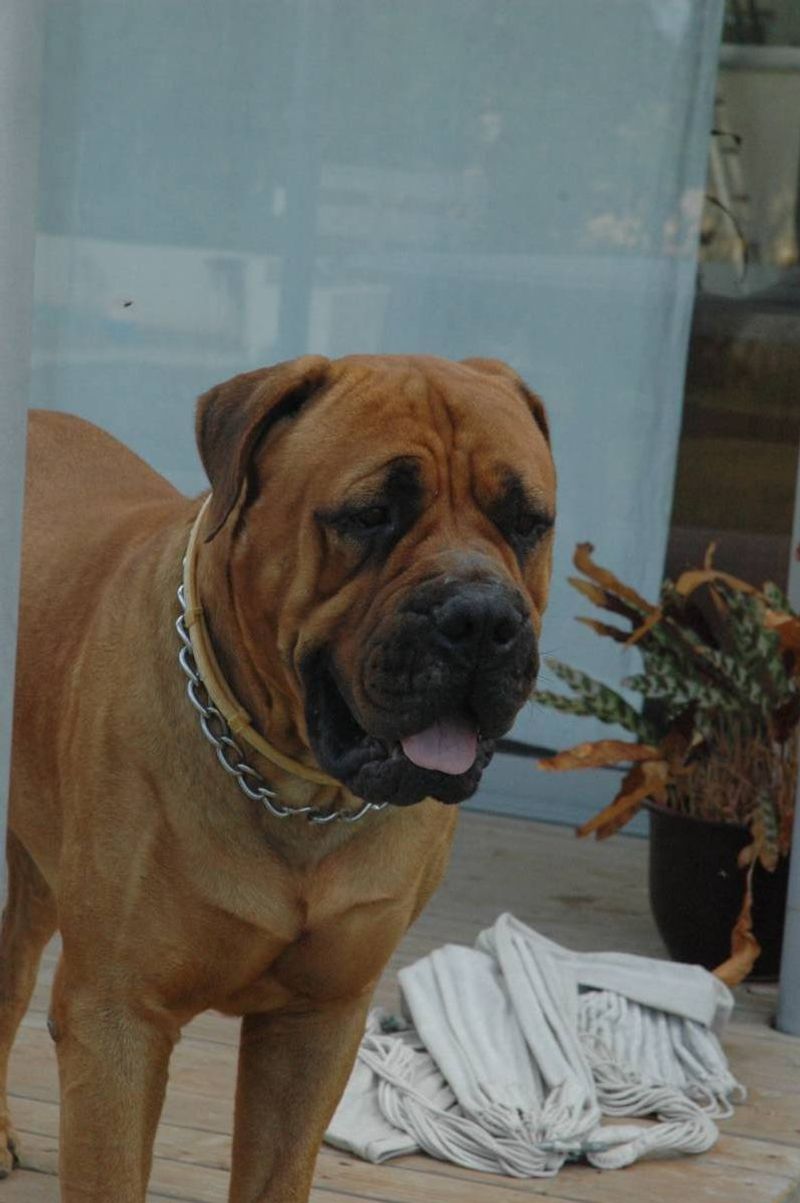
Bullmastiffs are gentle giants with a calm, watchful presence. Their low energy indoors makes solo hours surprisingly peaceful when needs are met.
Provide a supportive bed, fresh water, and a cool spot to protect joints and comfort.
Mental enrichment prevents boredom. Stuffed Kongs, slow feeders, and easy scent trails work well without overexertion.
Keep greetings serene to avoid knocking over furniture in excitement. Short training refreshers reinforce manners and confidence.
Monitor temperature carefully, since big bodies overheat. With consistent structure, your Bullmastiff understands departures are routine and naps like a pro.
Use nonslip rugs to support hips and prevent awkward scrambling when getting up. A fan or white noise can mask hallway clatter and door buzzers for steadier afternoon rest.
Dachshund
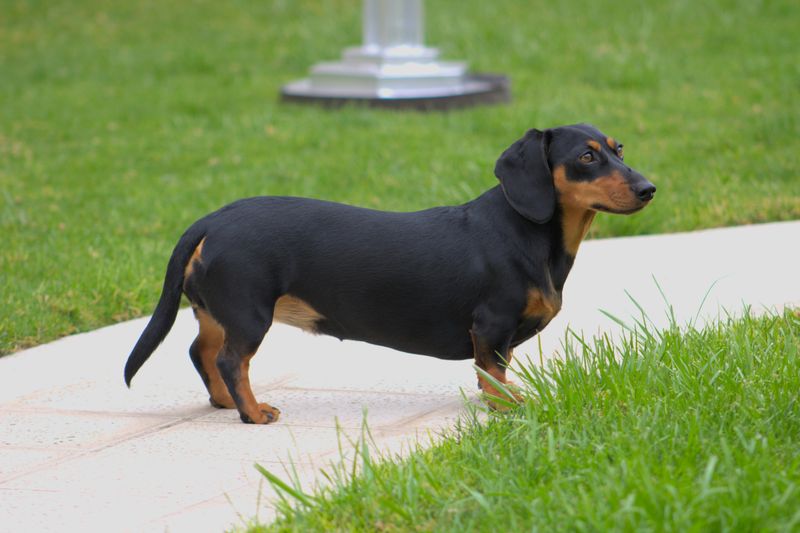
Dachshunds are spirited diggers who still enjoy burrowing naps when you head out. Their long backs appreciate supportive beds and ramps for safe movement.
Create a cozy den with blankets, chews, and calm music to encourage settling.
Because they can be vocal, manage triggers thoughtfully. Close blinds, use white noise, and practice quiet greetings.
Offer snuffle mats and hide treats to satisfy the nose. Keep jumping limited to protect the spine.
Short training sessions before leaving take the edge off. With routine, your Dachshund learns solo time is predictable and entirely okay.
Provide a warm sweater in winter so muscles relax and naps stay deep. Use puzzle feeders to slow meals and reduce restlessness afterward for calmer afternoon hours inside.
Greyhound
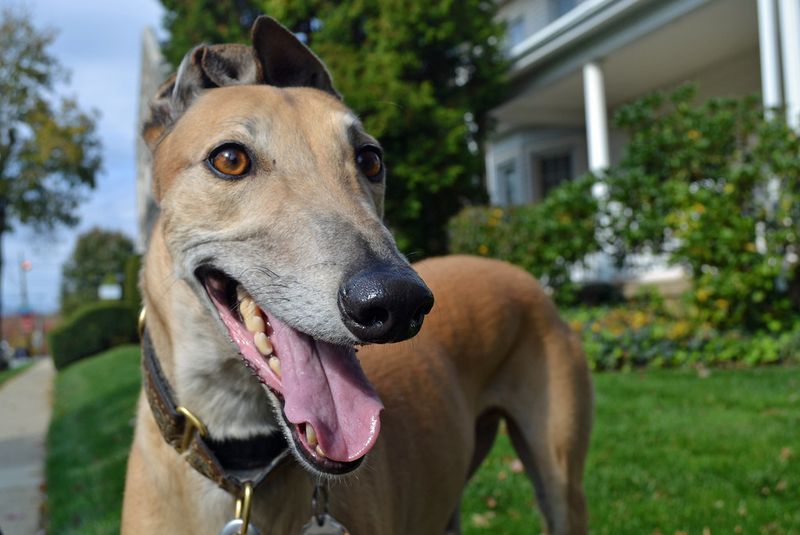
Greyhounds are gentle, quiet retirees at heart who adore long, lazy naps. After a quick burst, they collapse happily while you handle life.
Provide a cushy bed, ambient noise, and a draft free corner for muscle comfort.
Thin skin needs warmth. Offer fleece blankets, soft pajamas, and a raised bowl to reduce strain.
Practice calm exits, keep greetings muted, and reward relaxed posture. Lick mats and scatter feeding occupy minds without heavy effort.
Trim nails often for traction on floors. With routine, your Greyhound treats alone time like a spa level recharge.
Sunshine helps, but avoid overheating by closing blinds during peak hours. A white noise machine can soften elevators, sirens, and hallway chatter for longer afternoon naps today too.