
You love your dog like family, but some everyday habits can quietly chip away at their health. The tricky part is many risks look harmless, even caring.
With a few smart tweaks, you can prevent pain, stress, and costly emergencies. Let’s uncover the easy fixes that keep your best friend safer, happier, and thriving.
Overfeeding your dog

Love can look like extra scoops, but overfeeding quietly shortens your dog’s life. Excess calories lead to obesity, joint strain, heart stress, and diabetes that creep up unnoticed.
Even healthy treats add up faster than you think.
Measure meals with a cup, follow your vet’s body condition chart, and cut table scraps. If hunger seems constant, increase fiber, enrich mealtimes with slow feeders, and schedule predictable feeding windows.
Your dog will feel better, move easier, and add precious years without missing joy at the bowl.
Track weight monthly and adjust portions before problems snowball and pain starts. Ask your vet about ideal calorie targets for age, breed, and activity safely.
Small, consistent choices today prevent big, expensive health crises tomorrow.
Skipping regular vet checkups
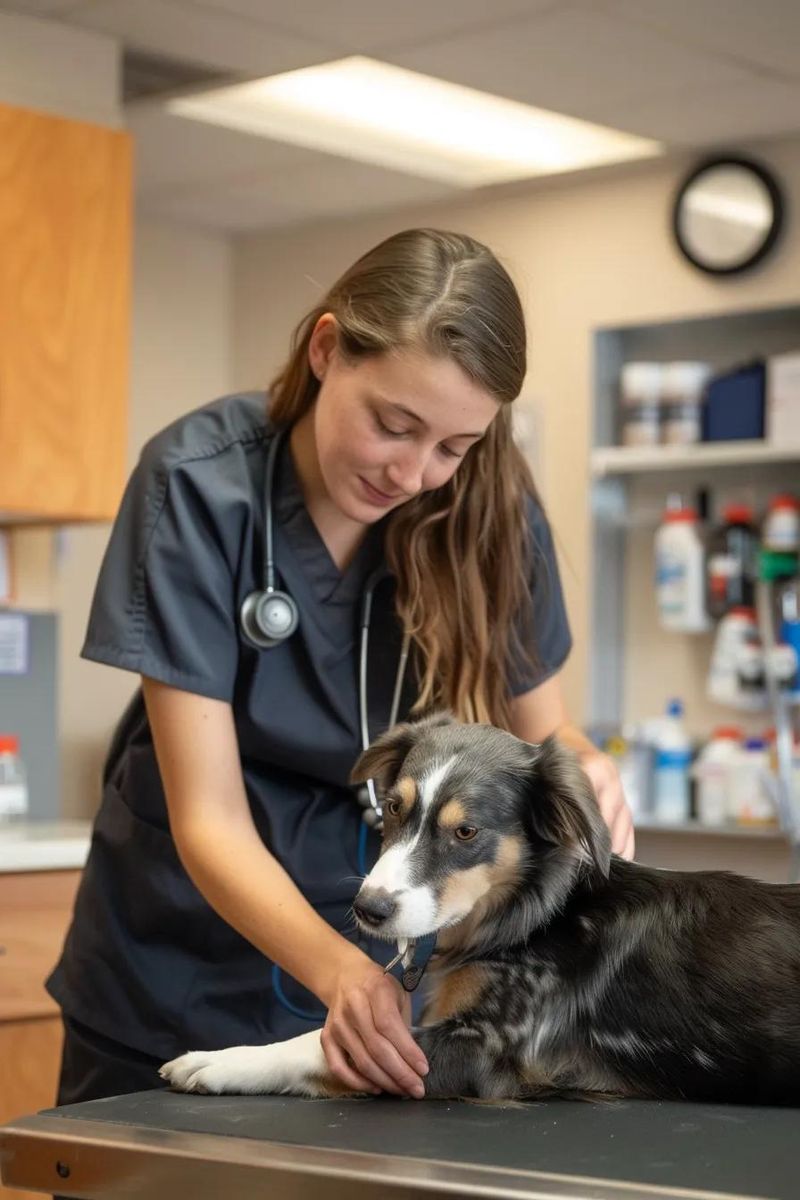
Dogs hide discomfort, so skipping wellness visits lets small issues grow into big ones. Parasites, dental disease, thyroid problems, and early arthritis often go unnoticed at home.
Routine exams catch red flags long before symptoms worry you.
Schedule annual or semiannual checkups based on age and breed risk. Keep vaccinations, heartworm tests, and fecal screens current, and review diet, weight, and activity with your vet.
Bring a list of questions and any changes you’ve noticed, even if they seem minor.
Wellness bloodwork creates a baseline that makes future changes obvious. Early treatment is cheaper, kinder, and more effective than crisis care.
Regular visits protect the dog you love and give you real peace of mind.
Lack of daily exercise
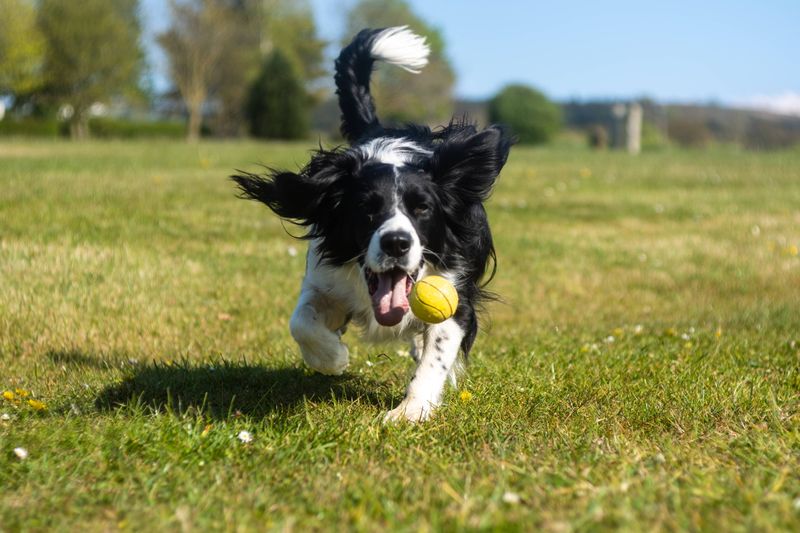
Stored energy turns into anxiety, barking, and chewing when dogs do not move enough. Extra weight, weak muscles, and poor joint support follow, making play painful later.
Regular exercise keeps hearts strong and brains calmer.
Match activities to age and breed, from scent walks and fetch to swimming and hiking. Aim for consistent daily movement with a mix of physical and sniffing time.
Short bursts beat weekend marathons that risk injury and sore paws.
Use a harness for control and comfort, carry water, and protect pads in heat. If schedules are tight, hire a walker or split sessions morning and evening.
Your dog will focus better, sleep deeper, and smile more.
Using harsh training methods
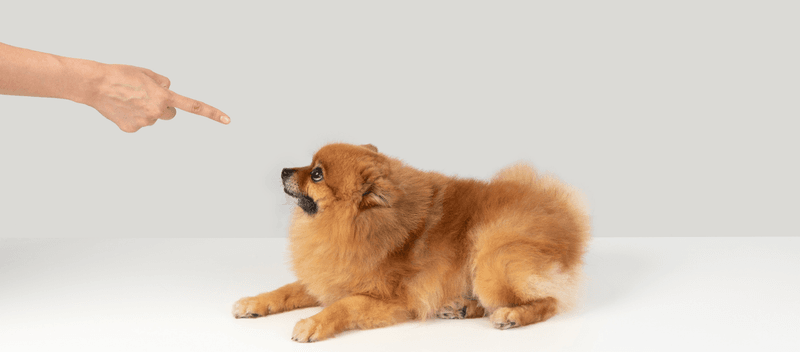
Harsh corrections, yelling, or shock tools can break trust and increase fear based behaviors. Dogs learn best when they feel safe and understand what earns rewards.
Pain may stop behavior briefly but often creates new problems later.
Switch to positive reinforcement with timing, tiny steps, and generous rewards. Mark desired actions with a clicker or yes, then pay promptly with treats or toys.
Keep sessions short, end on success, and manage the environment to prevent mistakes.
Use humane equipment like flat collars, front clip harnesses, and long lines. For reactivity or aggression, partner with a certified trainer who uses science based methods.
Kind teaching builds confidence, reliability, and a stronger bond.
Ignoring dental care
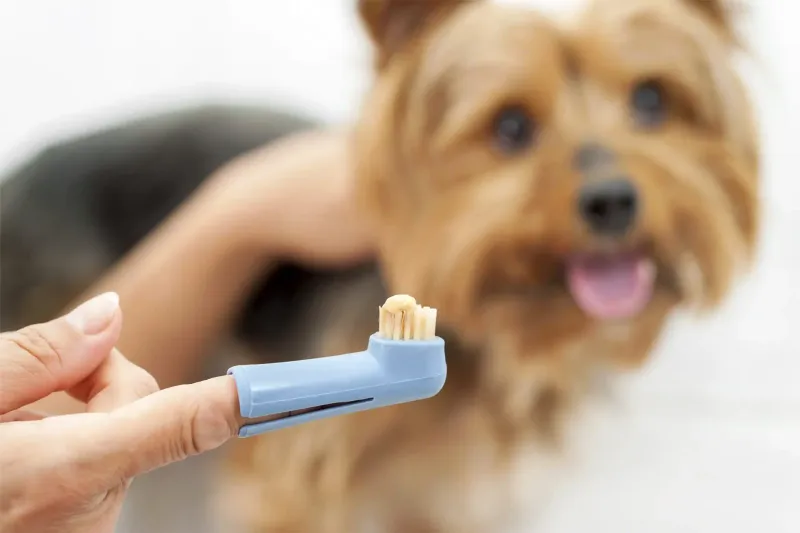
Bad breath is not normal, and gum disease hurts more than you notice. Plaque hardens into tartar, bacteria invade the bloodstream, and kidneys and heart can suffer.
Dogs often keep eating despite pain, hiding serious problems.
Brush teeth daily or several times weekly with dog safe toothpaste. Add dental chews with the VOHC seal, use water additives, and consider dental diets if recommended.
Schedule professional cleanings when your vet sees pocketing, bleeding, or calculus buildup.
Start slowly with short, rewarding sessions so brushing becomes routine. Pair the toothbrush with praise, gentle handling, and a tasty finale.
Healthy mouths mean fresher kisses, better appetite, and longer, happier years.
Feeding toxic foods
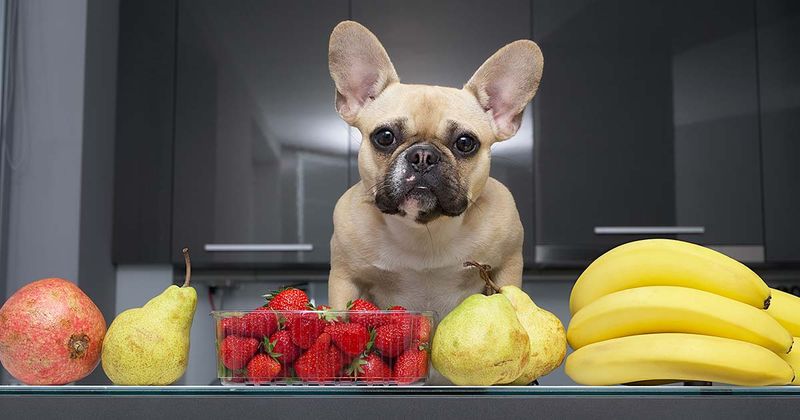
Some pantry staples are dangerous for dogs, even in small amounts. Chocolate, xylitol sweeteners, grapes and raisins, onions, garlic, alcohol, and macadamia nuts can cause emergencies.
Symptoms range from vomiting to seizures and life threatening organ failure.
Keep toxic foods sealed, off counters, and out of reach during gatherings. Teach a reliable leave it and manage guests who love to share snacks.
Read labels carefully since xylitol hides in peanut butter, mints, and syrups.
If ingestion happens, call your vet or a pet poison line immediately. Do not wait for symptoms because early action saves lives.
When in doubt, stick to vet approved treats and dog safe whole foods.
Not providing mental stimulation
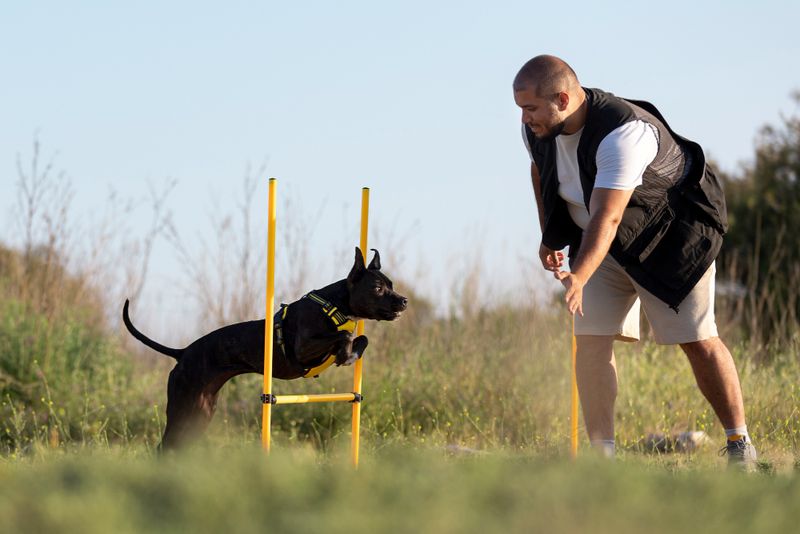
Boredom feels like stress to dogs and often shows up as barking or destruction. Mental work tires the brain and builds confidence without pounding joints.
Enrichment transforms everyday routines into satisfying challenges.
Rotate puzzle feeders, snuffle mats, scatter feeding, and simple scent games. Teach new cues, practice shaping, and hide toys around the house for supervised searches.
Short training bursts sprinkled through the day add up beautifully.
On rainy days, try cardboard box shredding stations and rolled towel treat burritos. Choose safe difficulty levels and supervise until you know your dog’s style.
A busy brain is a calmer brain, and harmony follows.
Inconsistent routines
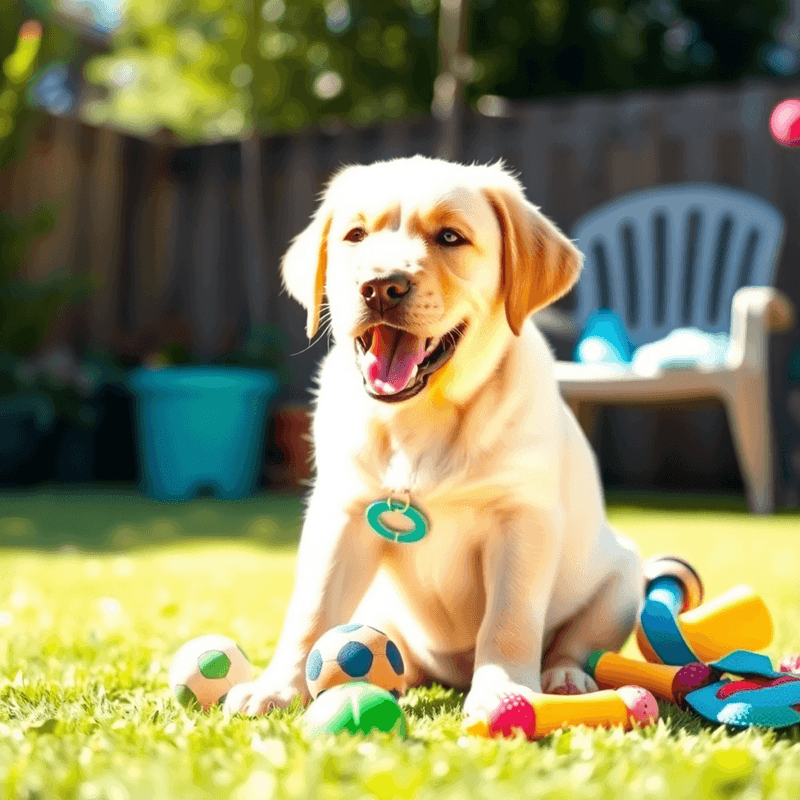
Unpredictable schedules can create anxiety, potty accidents, and restless nights. Dogs thrive on patterns that make the world feel safe and understandable.
Consistency teaches what works and reduces pushy or frantic behavior.
Keep feeding, walks, and training blocks at similar times daily. Use alarms, shared calendars, and simple cues so everyone in the home stays aligned.
When change is unavoidable, shift gradually rather than all at once.
Be consistent with rules too, like furniture access and door manners. Reward the behaviors you want every time, and prevent rehearsals of unwanted habits.
A steady rhythm helps your dog relax and meet expectations.
Leaving your dog alone too long

Long stretches alone can lead to loneliness, separation anxiety, and potty accidents. Boredom and stress fuel chewing, digging, and nonstop barking that strains neighbor relations.
Even independent dogs benefit from meaningful breaks.
Plan midday walks, trusted sitters, or reputable daycare several days a week. Offer long lasting chews, safe stuffed Kongs, and calm music to ease downtime.
Rotate activities so alone time feels predictable and less empty.
Practice short departures and returns to build confidence gradually. If anxiety signs appear, work with a trainer focused on desensitization and counterconditioning.
Your dog deserves company, comfort, and humane management when life gets busy.
Poor socialization early on
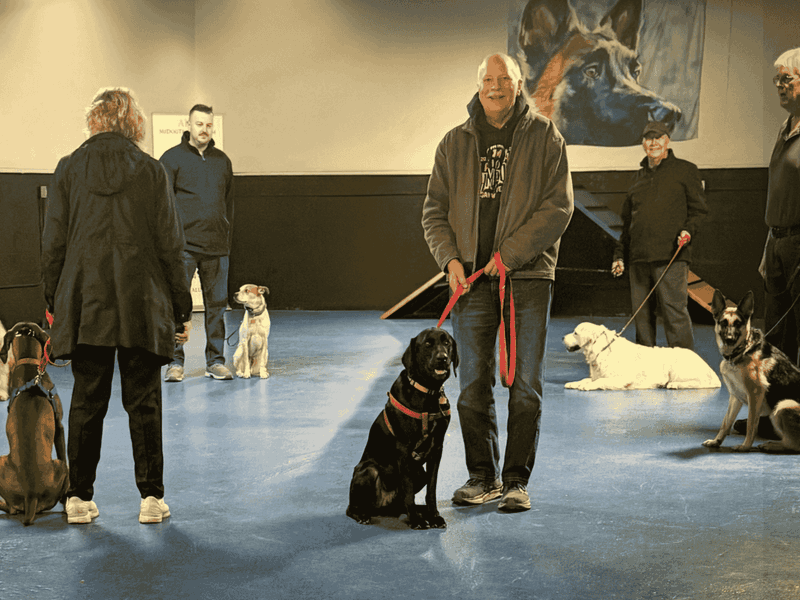
Early weeks shape lifelong confidence, so missed experiences can grow into fear. Puppies need gentle exposure to people, dogs, sounds, textures, and handling.
The goal is curiosity and recovery, not flooding or forcing.
Enroll in vetted puppy classes that require vaccines and use reward based methods. Pair every new sight and sound with treats and space to choose.
Keep sessions short, positive, and frequent to build resilient associations.
Continue socialization through adolescence when nerves often resurface. Protect your puppy from rude play and overwhelming environments with thoughtful management.
A well socialized dog handles change gracefully and enjoys more freedom.
Not grooming properly
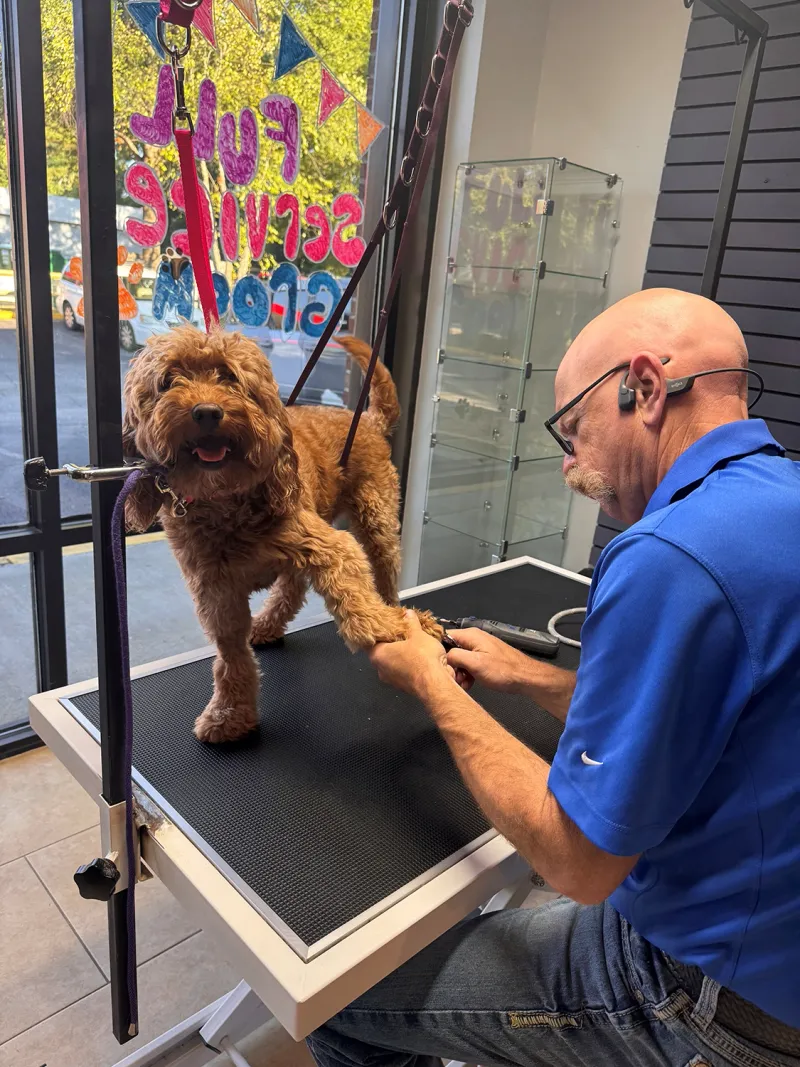
Skipping grooming invites mats, skin infections, painful nails, and ear trouble. Dirt and loose undercoat trap moisture, itching spreads, and hot spots flare quickly.
Regular care keeps skin healthy and movement comfortable.
Match tools to coat type, from slickers and rakes to combs and de shedding brushes. Trim nails before they click, clean ears as advised, and brush teeth routinely.
Bathe with dog safe shampoo and dry thoroughly to prevent irritation.
Teach cooperative care with treats, pauses, and predictable steps. Break tasks into tiny pieces and stop before frustration builds.
Clean, comfortable dogs move easier, smell better, and handle vet visits with confidence.
Ignoring subtle behavior changes

Small shifts often whisper before problems shout. A quieter greeting, sudden clinginess, stiffness after rest, or new hiding can signal pain or stress.
Ignoring these clues delays help and lets issues worsen.
Keep a simple log of appetite, energy, sleep, mobility, and mood changes. Video odd behaviors to show your vet and describe timing and triggers.
Trust your gut when something feels off, even if symptoms seem mild.
Address medical causes first, then adjust training, enrichment, or routine. Early attention can prevent spirals into anxiety or aggression.
Your careful observation is the superpower that keeps your dog safe.