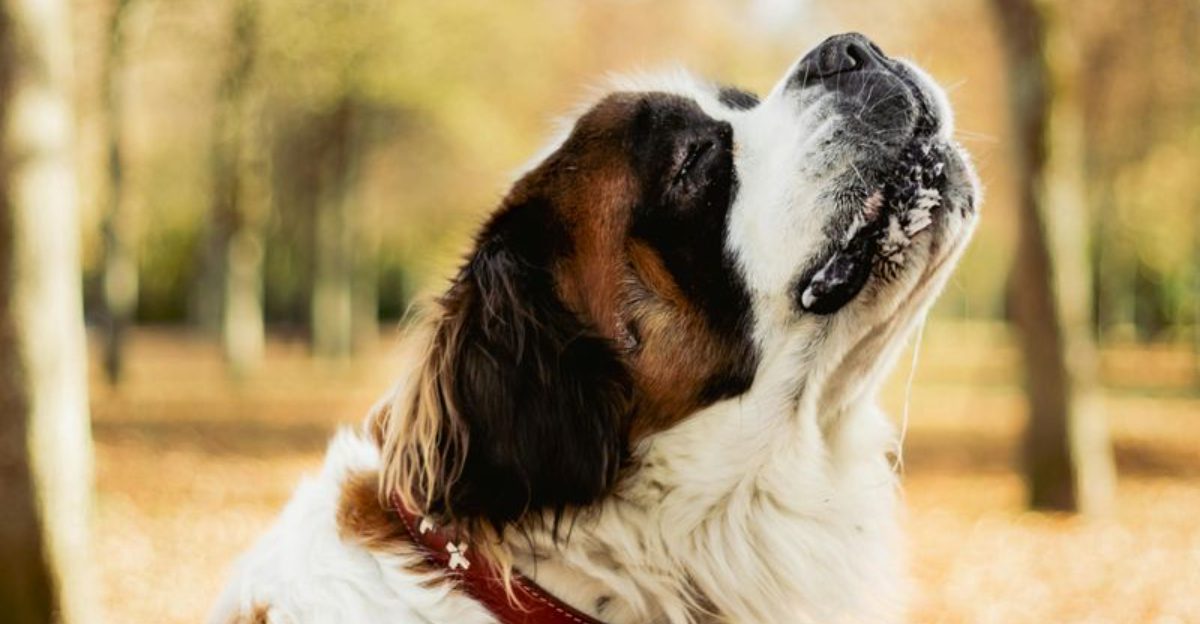
Big dogs bring even bigger love, but their time with us can be shorter than we hope. Understanding why some breeds age faster helps you make smarter choices that protect their health and happiness.
From bloat to joint strain to breed specific cancers, small changes in daily care can add meaningful months or years. If you want more good days together, start with the habits and checkups that truly matter.
Great Dane
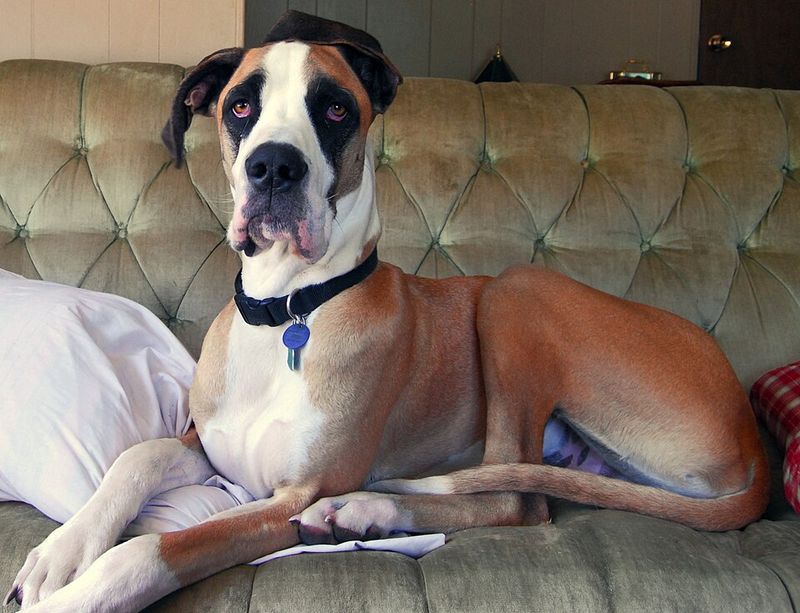
Great Danes steal hearts with horse sized charm, yet their years are often heartbreakingly few. Typical life expectancy sits around 7 to 10, shortened by rapid growth, bloat risk, and dilated cardiomyopathy.
If you love their couch potato sweetness, you must also respect how carefully their joints, chest, and heart need managing.
You can tilt odds by keeping weight lean, feeding multiple smaller meals, and using slow growth, large breed puppy nutrition. Learn bloat signs, consider a preventive gastropexy with your vet, and schedule heart screenings as they age.
Gentle daily exercise, cushy beds, joint support supplements, and reputable breeders who health test parents all matter, as does pet insurance. Your vigilance helps turn big moments into more memories.
Irish Wolfhound
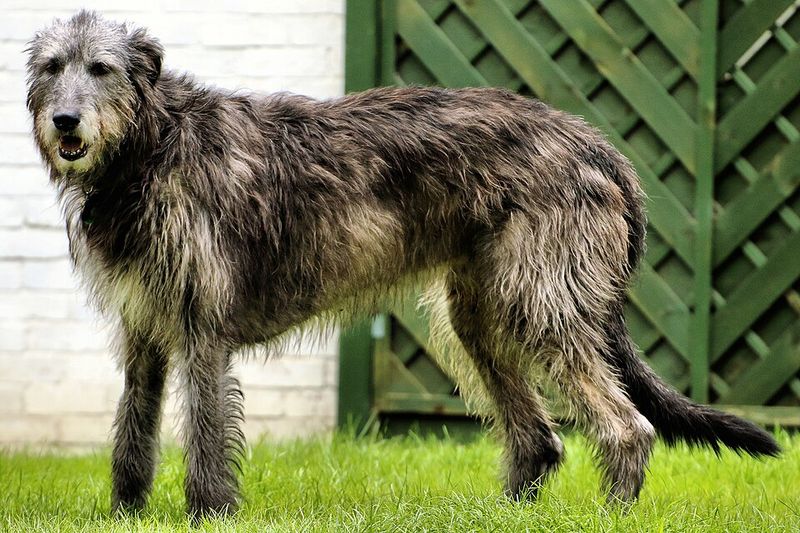
Irish Wolfhounds look timeless and noble, yet most live only 6 to 10 years. Their size taxes hearts and joints, and they carry risks for bloat, cardiomyopathy, and osteosarcoma.
If this gentle giant has your heart, plan proactively so health surprises are rarer and recoveries are kinder.
Keep growth slow with large breed puppy food, then maintain a lean adult frame to reduce orthopedic strain. Split meals, avoid heavy exercise right after eating, and ask your vet about gastropexy.
Annual echocardiograms, prompt limp checks, and baseline X rays can catch trouble earlier. Prioritize thoughtful breeders who screen parents, and build a calm, roomy home with soft traction and supportive beds.
Your steady routines help them enjoy their elegant stride longer.
Bernese Mountain Dog
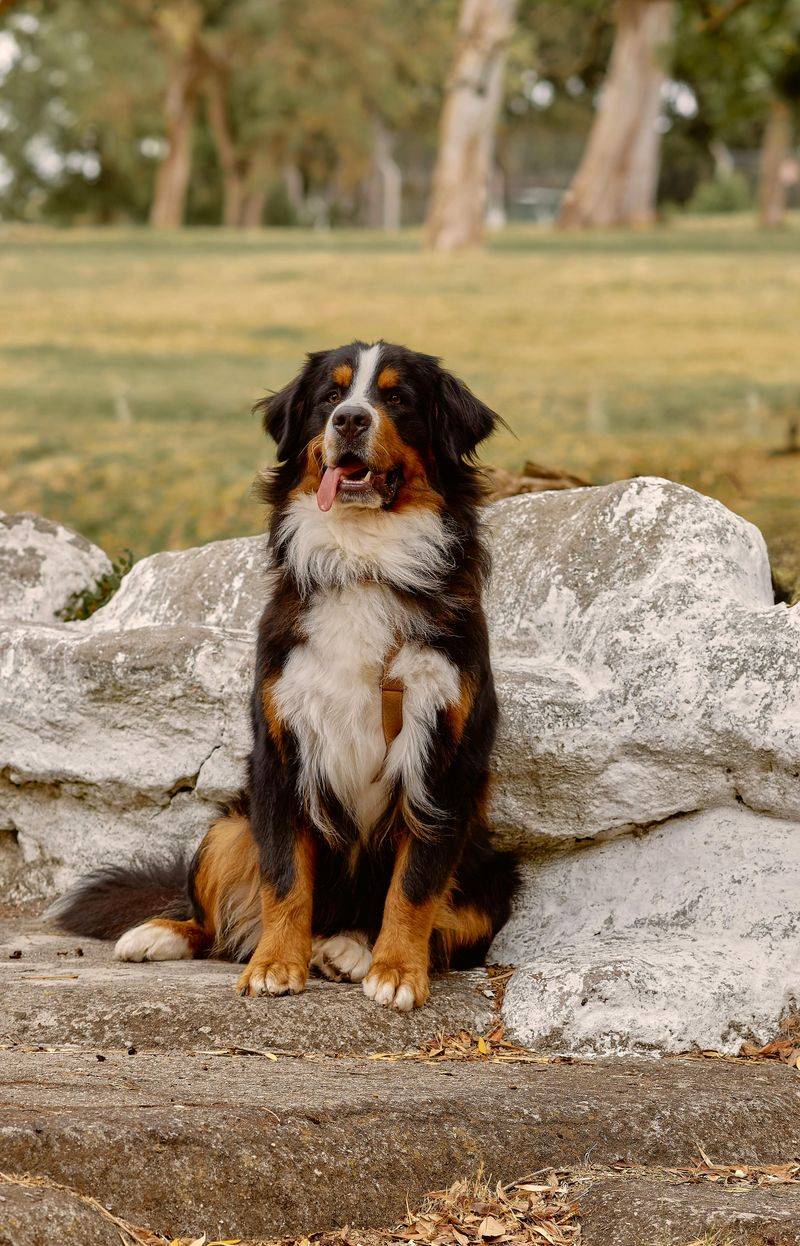
Bernese Mountain Dogs radiate kindness, but many face shorter lives, often 7 to 9 years. The breed has elevated cancer risks, especially histiocytic sarcoma, along with hip and elbow dysplasia.
If that soulful gaze wins you over, it is worth planning for vigilance, not fear, so joy stays front and center.
Keep them fit and lean to protect joints, and choose breeders who use extensive cancer and orthopedic screening. Routine wellness bloodwork, prompt evaluation of any lumps, and imaging for unexplained pain can change outcomes.
Feed high quality diets with joint support, pace exercise on soft ground, and use non slip surfaces at home. Fresh air adventures are wonderful, but rest and recovery matter too.
Early insurance helps you act fast.
Saint Bernard
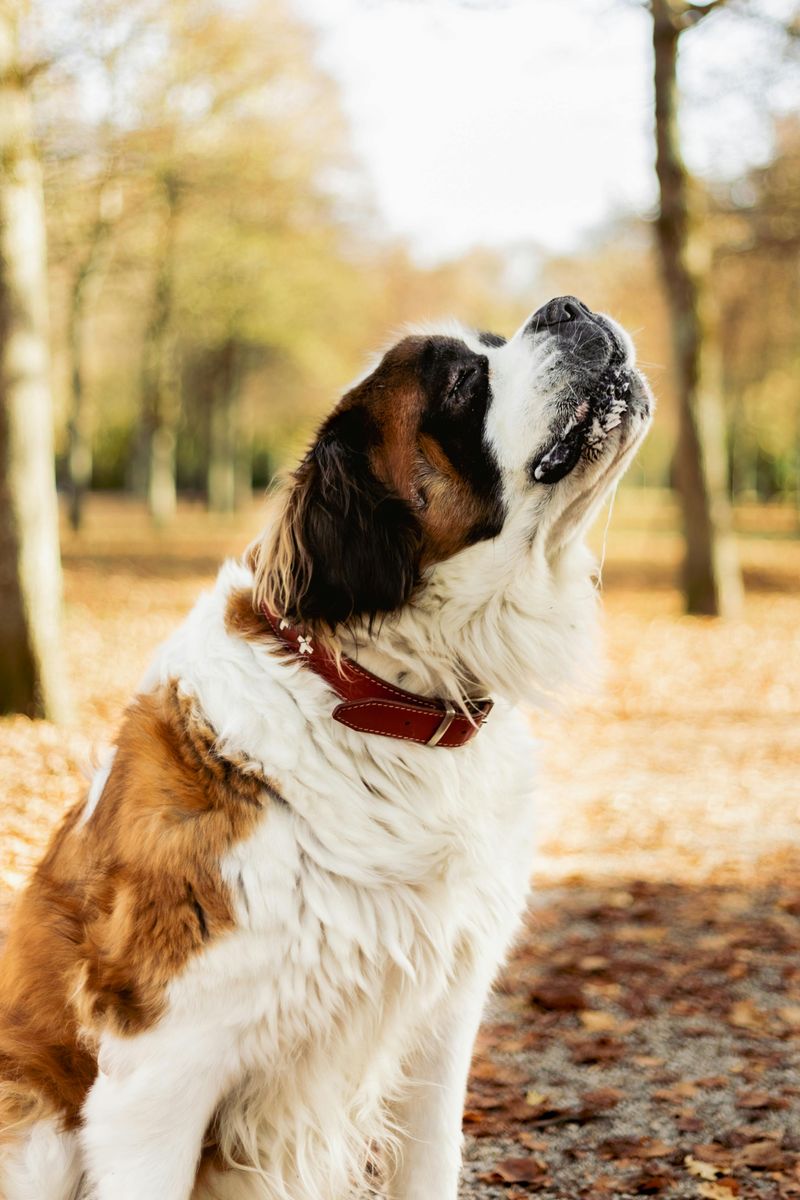
Saint Bernards are lovable snow bears whose average lifespan hovers around 8 to 10 years. Rapid growth strains hips and elbows, and their deep chests increase bloat risk.
Heat sensitivity can also sap energy or become dangerous, so you will want a lifestyle that respects cooler temps and thoughtful activity.
Keep weight conservative, feed multiple small meals, and avoid vigorous play right after eating. Ask your vet about gastropexy, hip screening, and tailored joint support.
Provide cooling mats, fans, and slow, shady walks, plus stair gates and grippy floors for stability. Regular grooming supports skin health and comfort.
Choose responsible breeders who screen for orthopedic disease and heart issues. With steady routines, you can stack the deck toward comfortable years.
Mastiff
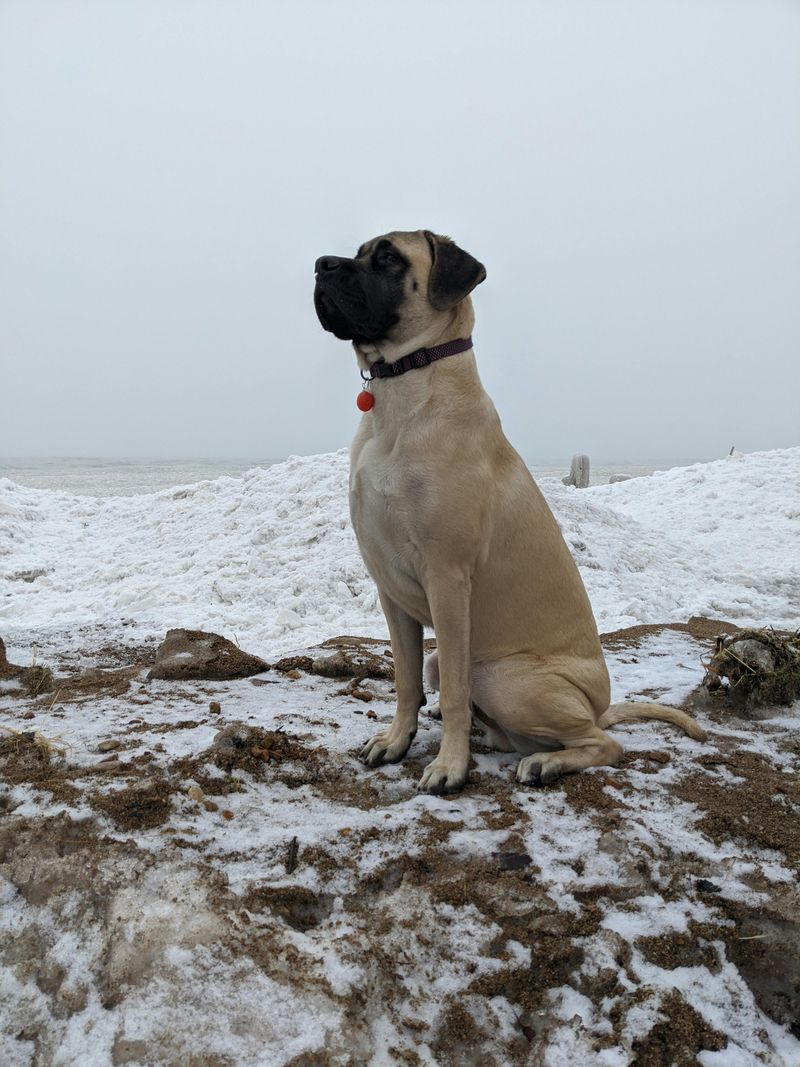
Mastiffs awe with quiet presence, yet many live 7 to 10 years. Their sheer mass challenges hearts, lungs, and joints, while deep chests raise bloat risk.
Add anesthetic sensitivity and orthopedic wear, and you have a dog that thrives with measured routines rather than weekend warrior spurts.
Keep them lean, feed controlled portions, and split meals to lower stomach load. Discuss gastropexy, heart checks, and anesthetic plans with a vet who knows giant breeds.
Use cushioned beds, ramps, and non slip floors to protect hips and elbows. Gentle daily walks beat sprints, and strength building on soft terrain can help stability.
Choose breeders who health test for cardiac and orthopedic issues. Smart pacing turns power into longevity.
Newfoundland
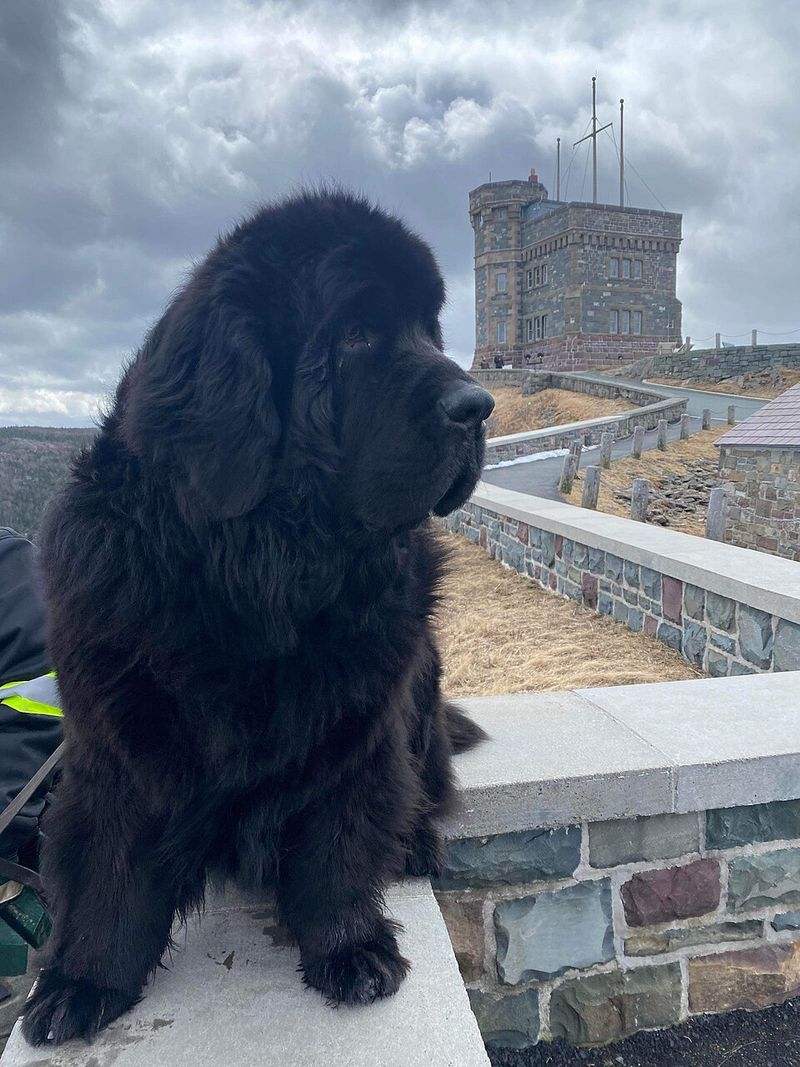
Newfoundlands are tender water lovers whose lifespans average about 8 to 10 years. Their size burdens hips and elbows, and their deep chests invite bloat risk.
Some lines face heart disease and cystinuria, making careful screening and hydration habits especially important for their long term comfort.
Keep weight trim despite that pleading gaze, and feed measured meals split through the day. Ask your vet about gastropexy, cardiac checks, and urine screening for crystals.
Prioritize swimming in safe, calm water for joint friendly exercise, then dry the coat thoroughly to protect skin. Maintain grooming to prevent matting and hotspots.
Ramps, orthopedic beds, and non slip floors reduce daily strain. With thoughtful breeders and routine checkups, these gentle giants shine longer.
Leonberger
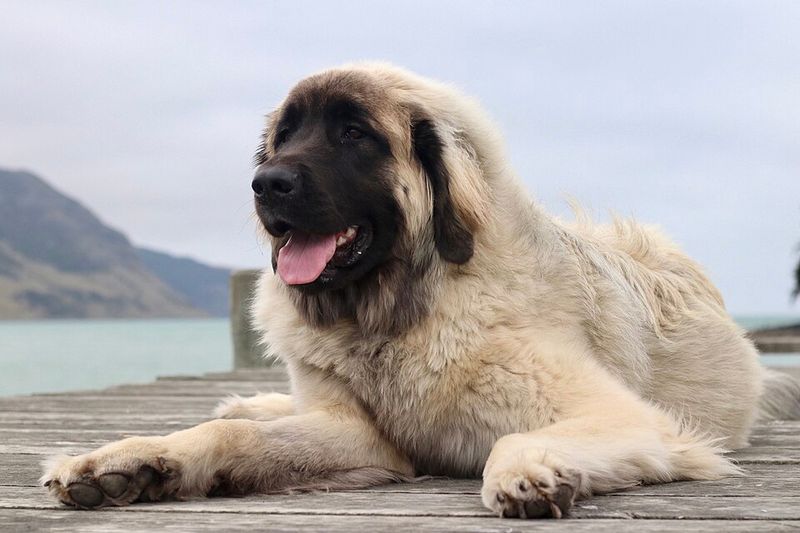
Leonbergers feel like sunshine in fur, yet many live around 8 to 10 years. The breed can face cancer, orthopedic disease, and polyneuropathy that affects gait and stamina.
Because they mature fast, slow and steady growth, plus lifelong weight control, makes a real difference you can see and feel.
Feed large breed formulations, keep exercise low impact, and build muscle with controlled hill walks or swimming. Partner with breeders who screen hips, elbows, eyes, and nerves, and with vets who track baselines yearly.
Learn bloat signs and consider gastropexy. Use wide runners and cushy beds to support movement and sleep.
Regular brushing and nail care prevent slips and strain. Your calm routines and early interventions help protect their warmhearted sparkle.
Bullmastiff
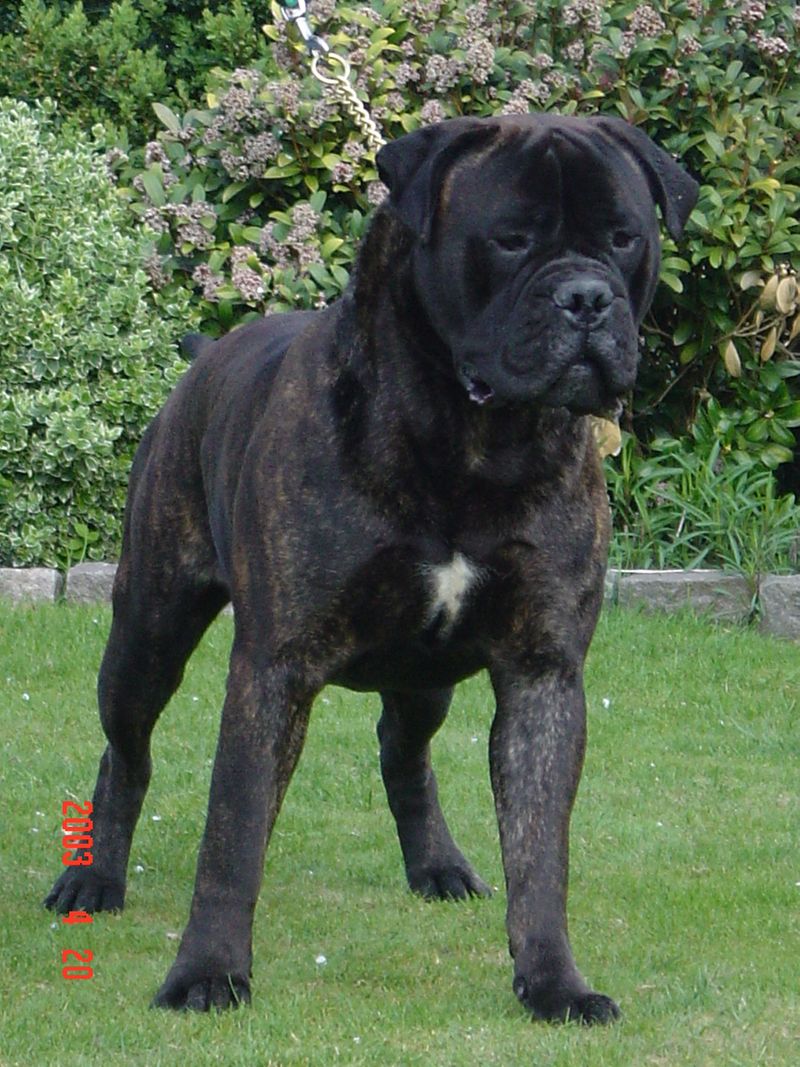
Bullmastiffs blend guardian grit with an affectionate core, yet many live 7 to 9 years. Their compact, heavy frames stress hips and elbows, and deep chests heighten bloat risk.
Some lines face cancers and heart concerns, so routine screening and conservative conditioning pay off in quieter, healthier days.
Keep body condition lean, split meals, and avoid intense exercise after eating. Ask about gastropexy, cardiac checks, and baseline imaging for joints.
Short, frequent walks on soft ground, strength drills like controlled stands, and traction mats help comfort. Choose ethical breeders who test parents and track longevity.
Prioritize positive training to keep stress low and sleep restorative. With steady habits and quick vet visits when something seems off, you add time and ease.
Dogue de Bordeaux
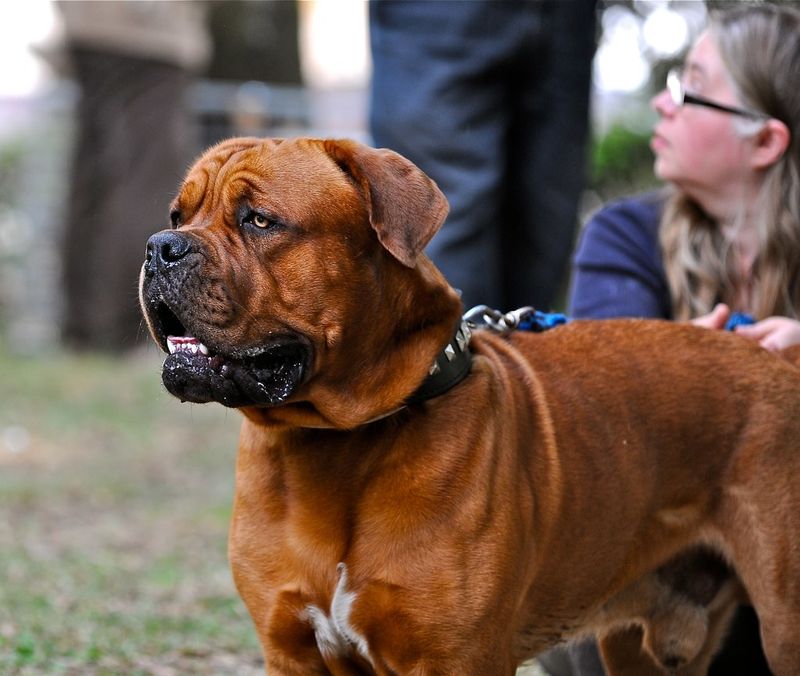
The Dogue de Bordeaux is famously sweet and famously short lived, often 5 to 8 years. Their massive heads and deep chests bring bloat risk, while cardiomyopathy, orthopedic disease, and some cancers also appear.
If you adore that expressive face, plan a lifestyle that prizes prevention, calm, and prompt care.
Keep them lean, feed measured portions split through the day, and skip rough play right after meals. Discuss gastropexy and regular heart checks with your vet.
Use ramps, cushioned beds, and grippy floors to protect joints, and consider early joint supplements. Gentle walks, sniffing games, and heat aware routines keep life comfortable.
Work with breeders who emphasize health testing and longevity. Thoughtful choices today can stretch tomorrows.
Scottish Deerhound
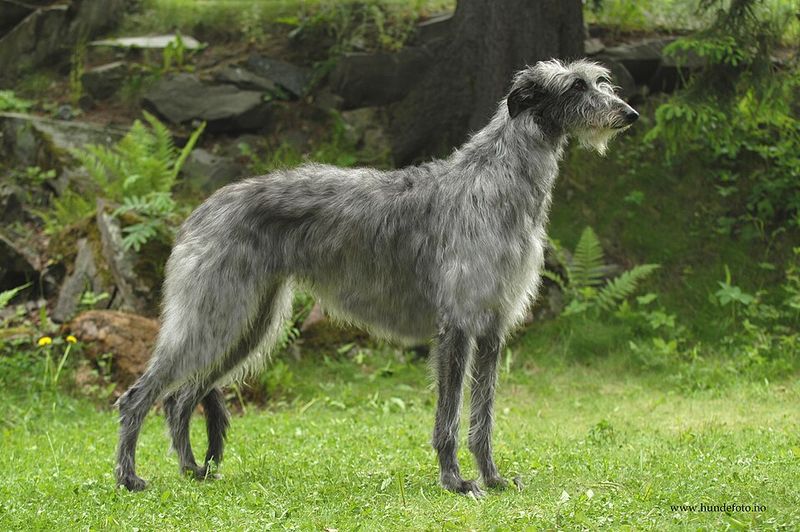
Scottish Deerhounds float like poetry, yet many live 8 to 11 years. Tall frames and deep chests add bloat risk, and osteosarcoma is a serious concern in sighthounds.
Their sensitive nature thrives on gentle handling, predictable routines, and conditioning that safeguards tendons, ligaments, and hearts.
Feed large breed diets, keep the body lean, and split meals to reduce stomach load. Learn early bloat signs and discuss gastropexy.
Schedule prompt evaluations for any persistent limp or swelling, and consider baseline imaging for peace of mind. Exercise across soft fields, mix trotting and sniffing, and cool down slowly.
Choose breeders who screen for cardiac and orthopedic issues. With patience and proactive care, you give this graceful soul more unhurried mornings.
Great Pyrenees
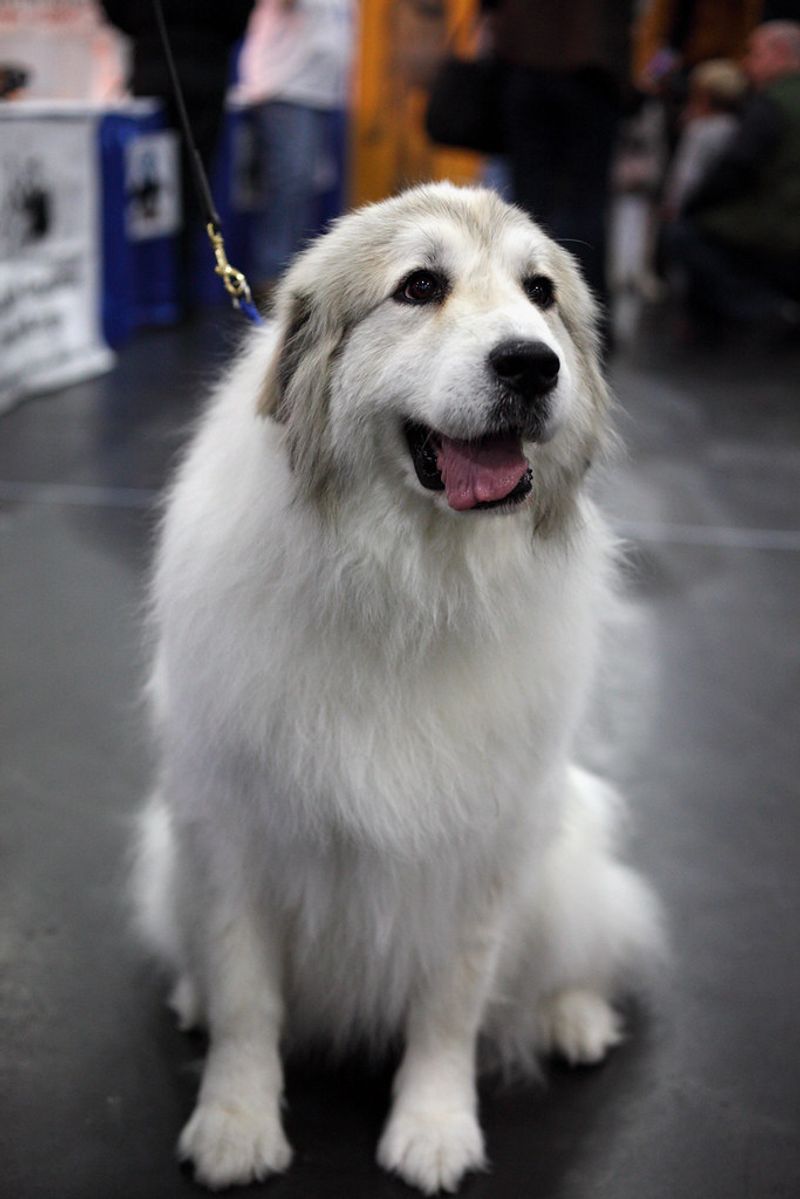
Great Pyrenees feel timeless and wise, often living about 10 to 12 years, which is modest for their size. Joint strain, bloat risk, and orthopedic disease can still shorten good years, especially with extra weight.
Guardians by nature, they do best with calm schedules and surfaces that support those big, steady paws.
Keep them trim, feed measured meals, and avoid hard sprints right after eating. Ask your vet about gastropexy, hip and elbow screening, and tailored joint support.
Provide traction runners, roomy beds, and ramps for vehicles. Gentle hikes at cool times suit their coats and minds.
Choose breeders who prioritize health testing and sound structure. With consistency and early interventions, you can savor more peaceful nights by your gentle cloud.