
Cute can be deceiving, especially when those big eyes and fluffy coats hide turbocharged needs. Many beloved breeds are brilliant, athletic, and opinionated in ways that can overwhelm unprepared owners.
If you have ever wondered why your neighbor’s gorgeous pup is always “in training,” this list will connect the dots. Read on to learn which charming dogs quietly demand serious time, structure, and know how.
Siberian Husky
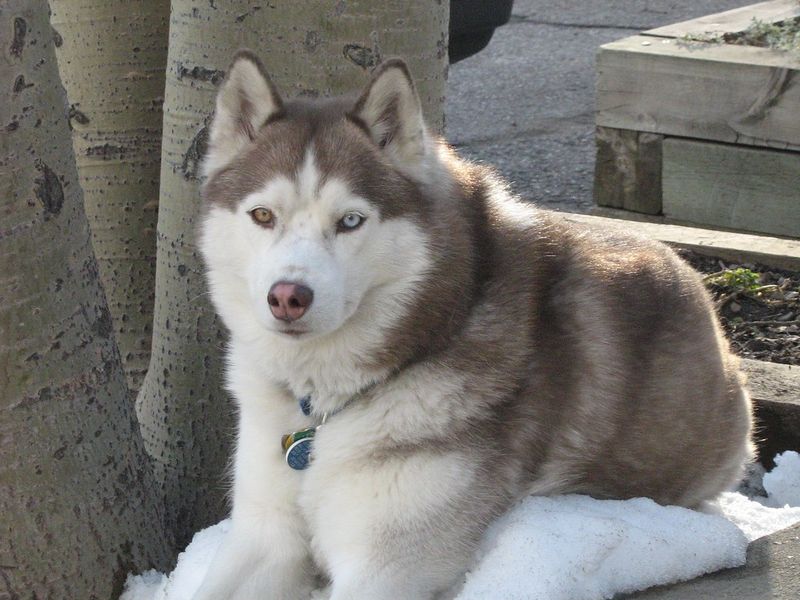
Those ice blue eyes make Huskies irresistible, but their independence can throw new owners for a loop. Bred for long endurance, they need vigorous exercise twice daily or they will invent chaos.
Escape artistry is common, with fence climbing, digging, and clever door tricks.
Training stays challenging because they are smart, stubborn, and easily bored. You must balance firm boundaries with upbeat, varied activities, including running, canicross, and puzzle games.
Without that structure, howling, resource theft, and neighbor complaints can replace the snowy daydream you pictured.
Grooming is heavier than it looks, because double coats explode during seasonal blows and overwhelm weak vacuums. Budget for professional help, secure locks, and an athletic lifestyle before bringing home that smiling sled dog.
Dalmatian
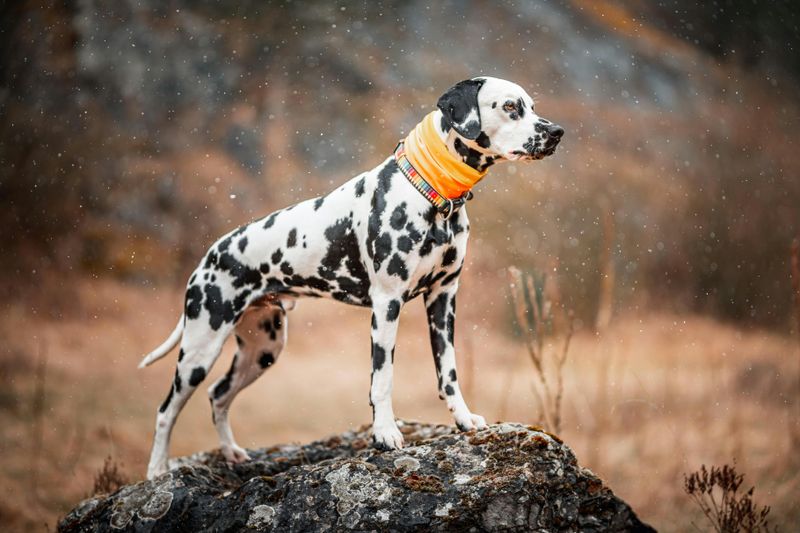
Spots steal attention, yet Dalmatians demand more structure than many families anticipate. Historically carriage guardians, they carry intense stamina and a vigilant temperament that needs daily jobs.
Without outlets, pacing, barking, and destructive nibbling creep in surprisingly fast.
Training must be clear and consistent, since softness invites selective hearing and boundary testing. Many are sensitive to rough handling, so positive methods paired with calm leadership work best.
You will also manage shedding year round despite the short coat.
Be prepared for potential uric acid issues, meaning careful diets, constant water, and regular vet oversight. Long runs, bikejoring, or advanced scent games keep that keen brain satisfied and your shoes intact.
Plan travel thoughtfully because many hotels misinterpret their energy levels.
Jack Russell Terrier
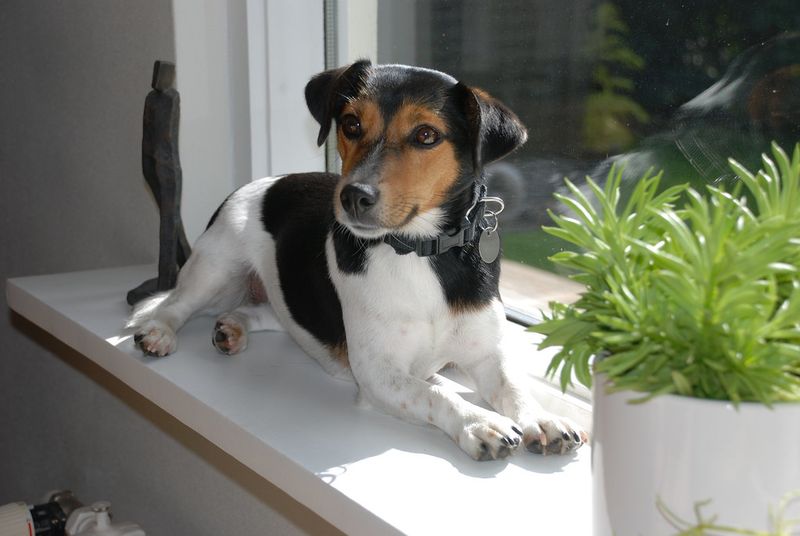
Pocket sized and hilarious, Jack Russells are turbocharged athletes in disguise. Originally bred to hunt, they chase, dig, and outthink tired humans before breakfast.
Without intense play and structured work, nuisance barking and garden remodeling appear fast.
Training feels like negotiating with a comedian who brought extra espresso. Keep sessions short, upbeat, and varied, using food, toys, and scent puzzles.
Off leash freedom is risky because prey drive can override recall instantly.
Provide secure fencing, flirt pole workouts, and trick training to channel mischief productively. Expect surprising vet bills from daredevil leaps, so manage heights and teach impulse control early.
Mental marathons beat physical ones, so rotate activities daily to keep that brilliant engine satisfied without destroying your couch cushions.
Beagle
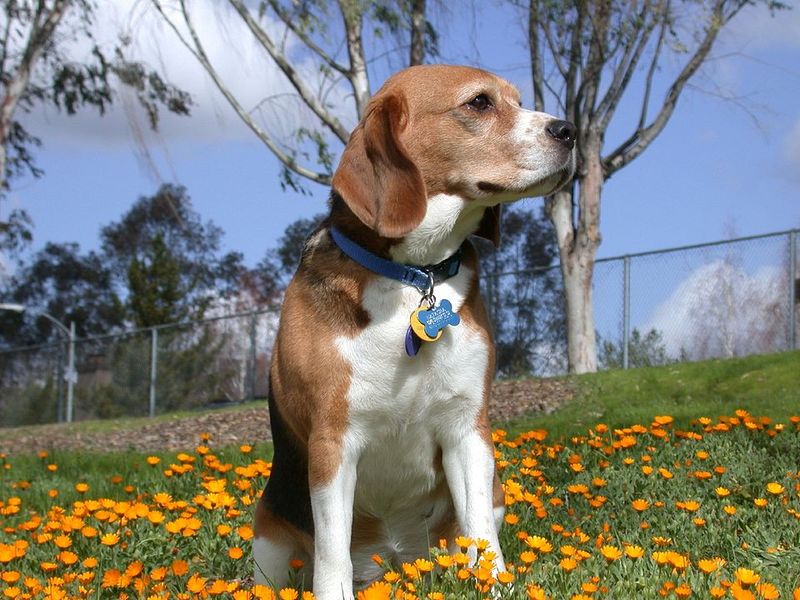
Those soulful eyes promise cuddles, but Beagles are stubborn scent professionals first. Their noses hijack walks, pulling you into hedges, snack wrappers, and mysterious alley aromas.
Left bored, they bay beautifully while neighbors text not so beautifully.
Training requires patience, high value food, and repetition because distraction levels run sky high. Off leash reliability is rare without long, careful conditioning, since wildlife smells are irresistible.
Crate training protects furniture from exploratory chewing and prevents trash raids.
Expect steady shedding and surprising appetite, so portion control truly matters. Daily tracking games, nose work classes, and group walks help satisfy their social side and superpower sniffer.
With structure and patience, that musical hound becomes a cheerful roommate who honors house rules consistently.
Border Collie
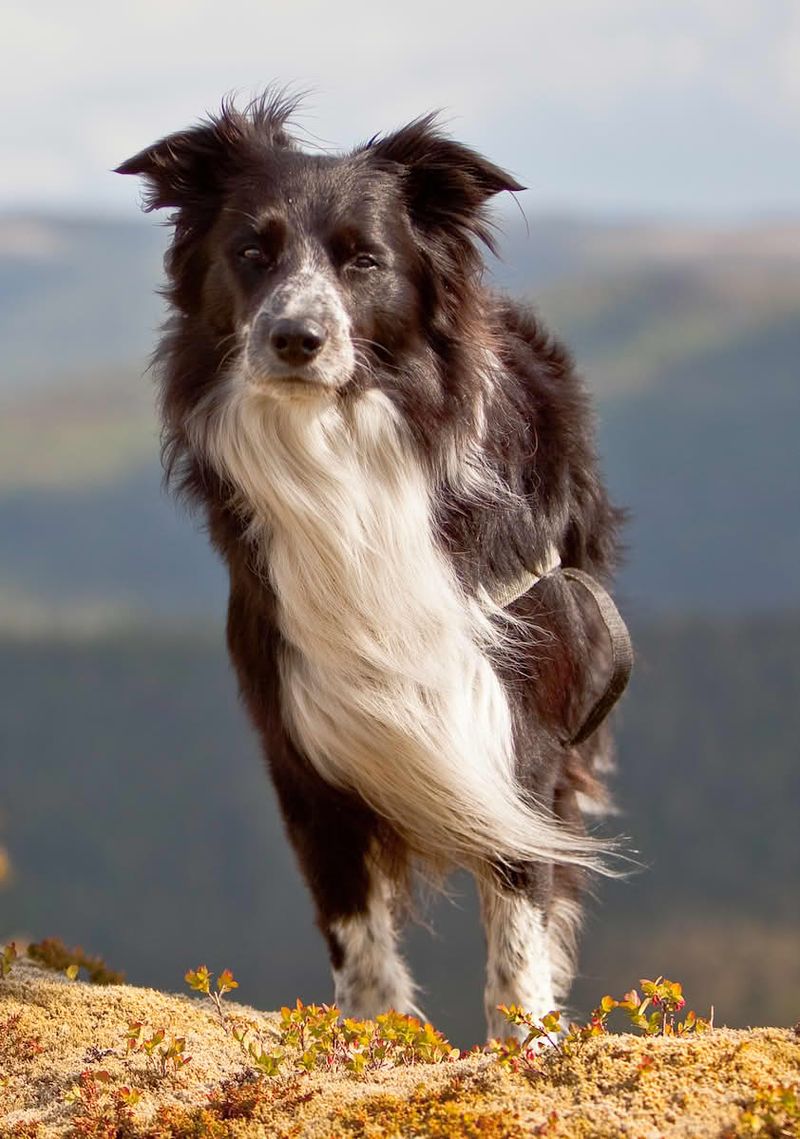
Border Collies shine like geniuses, yet brilliance brings headaches when needs are ignored. Bred to control livestock, they fixate on motion, herd children, and nip ankles without guidance.
Under stimulated dogs create jobs, including shadow chasing, wall staring, and obsessive toy rituals.
Training must stretch the mind, not just the legs, or frustration erupts. You will juggle impulse control, neutrality around movement, and boundaries between work time and off switch.
Precision sports like agility, herding trials, or obedience channel intensity constructively.
Expect noise sensitivity and environmental awareness that make city living tricky without careful desensitization. Provide thoughtful enrichment, steady routines, and frequent decompression walks to keep harmony at home.
With boundaries, their brilliance becomes breathtaking rather than exhausting for everyone.
Australian Shepherd
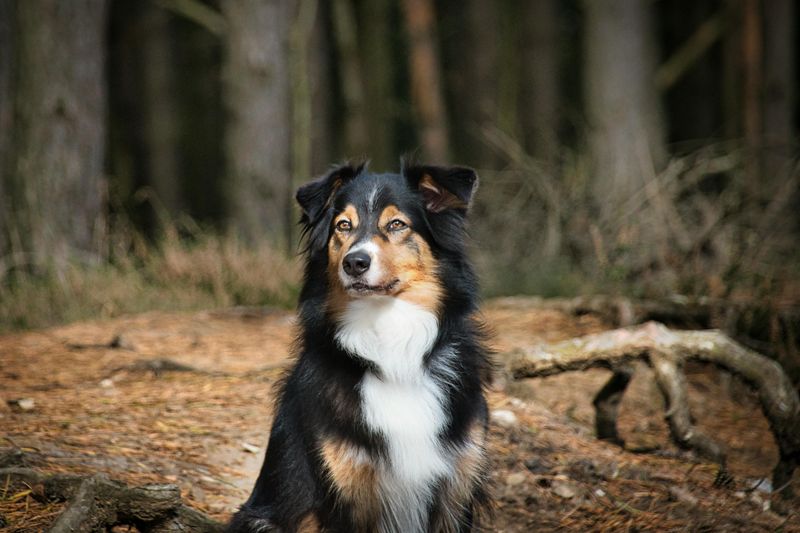
Aussies look like fluffy angels, but the engine underneath rarely idles. Herding heritage fuels constant motion, strong opinions, and a mouthy play style many misread.
Without outlets, they redecorate with excavated yards and perfectly shredded delivery boxes.
Socialization is crucial because some lines lean suspicious, vocal, and guardy about space. Training should prioritize impulse control, neutrality around dogs, and a reliable off switch.
High arousal can spiral, so plan decompression walks, sniffing, and structured downtime daily.
Grooming requires commitment, since undercoat mats quickly and burrs love feathering. Channel the spark with herding lessons, agility, rally, or hike and swim adventures.
Clear boundaries at home prevent frantic hallway patrols and create a calmer partner who can actually relax beside you daily.
Chow Chow
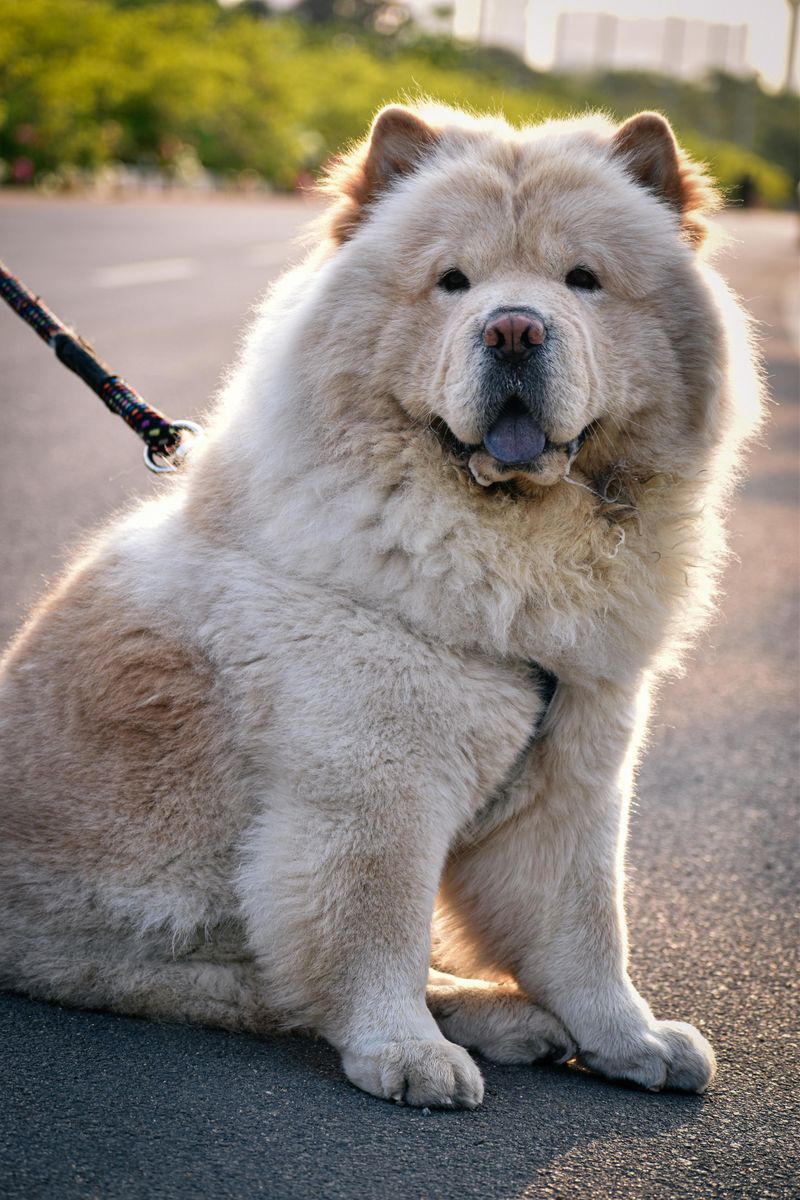
Teddy bear looks hide an aloof, independent spirit that challenges many first time owners. Historically a multipurpose guardian, the Chow prefers personal space and can be wary with strangers.
Pushy greetings invite conflict, and dog parks are usually a poor idea.
Training must be brief, fair, and dignified, since heavy handed tactics backfire. Early handling exercises matter because grooming is intensive, especially the mane and pants.
Heat sensitivity is real, so manage exercise carefully and prioritize cool surfaces.
Expect a serious watchdog voice and a homebody preference over chaotic outings. With respectful boundaries and focused socialization, you can raise a steady companion who chooses connection.
Still, expect independence, not clinginess, and celebrate small wins rather than constant cuddling each day.
Akita
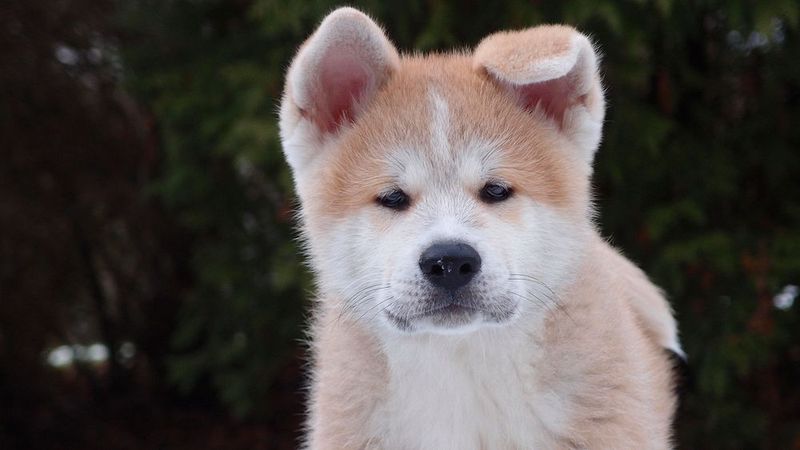
Akitas radiate quiet majesty, yet that power demands thoughtful, experienced handling. Bred as guardians and hunters, they are territorial, strong willed, and often intolerant of same sex dogs.
Maturity brings confidence surges that can surprise relaxed households.
Training must emphasize impulse control, neutrality around strangers, and rock solid obedience under pressure. Food motivation varies, so you may need creative rewards like games, scent work, or tug.
Off leash freedom is rarely wise because prey drive and independence run high.
Grooming is significant during coat blows, with fur storms and diligent vacuum sessions. Provide structure, respectful socialization, and meaningful work to keep harmony thriving at home.
This breed suits calm, confident people who prioritize safety plans and consistent routines every day.
Weimaraner
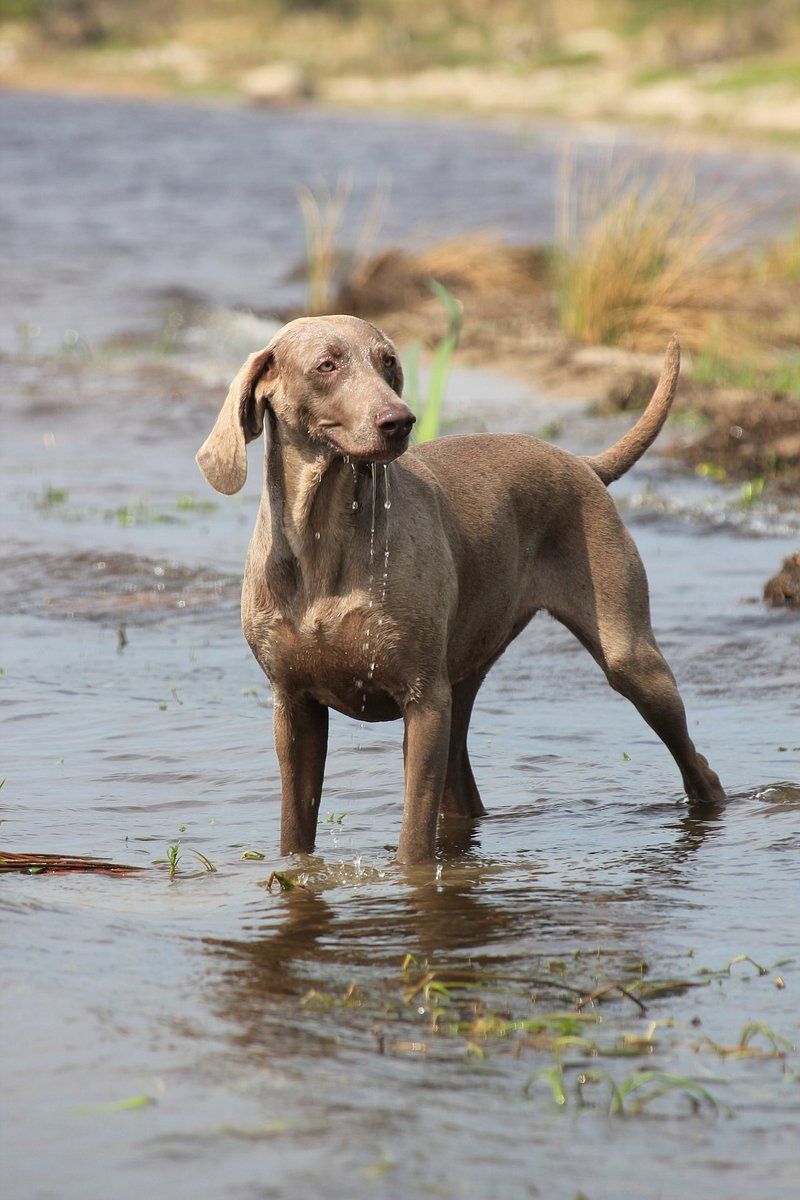
Silver sleek looks wow everyone, but Weimaraners are high octane Velcro shadows. Separation issues are common, leading to howling, door destruction, and dramatic jailbreaks.
Their prey drive rockets after squirrels, birds, and tempting neighborhood cats.
Training should build independence, tolerance for boredom, and off switch skills alongside athletic outlets. Daily long runs, tracking, or dock diving tame the restlessness better than short fetch games.
Harsh methods backfire with anxiety spikes, so keep feedback clear, upbeat, and fair.
Expect counter surfing, clinginess, and dramatic opinions when plans change unexpectedly. With patient structure and steady companionship, they become affectionate athletes who finally nap.
Crate training, chew rotations, and scatter feeding help channel nerves and protect furniture from adventurous snouts during busy times.
Shiba Inu
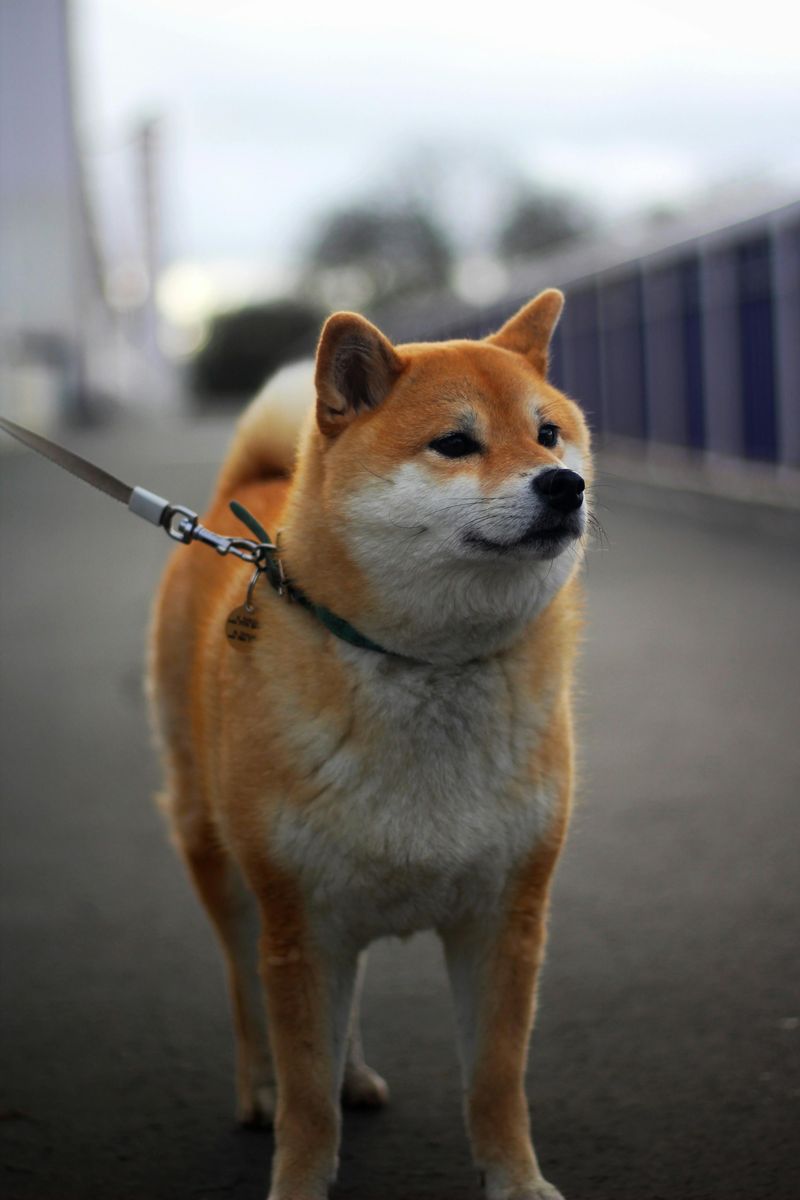
Foxy faces charm crowds, yet Shibas are catlike contrarians with turbo independence. Many dislike handling, especially nail trims and harnesses, broadcasting opera level complaints.
Off leash dreams die quickly because recall competes with birds, breezes, and personal whims.
Training works best as a respectful partnership using food, games, and limited repetition. Heavy pressure invites shutdown or rebellion, so keep sessions playful and choice driven.
Potty training and house manners often take longer than expected without vigilant management.
Shedding is monumental twice yearly, turning carpets into fluff fields overnight. Use secure gear outdoors and practice calm introductions to avoid fireworks with other dogs.
With patience and humor, you will earn brief cuddles and genuine loyalty on their terms over many months.
Belgian Malinois
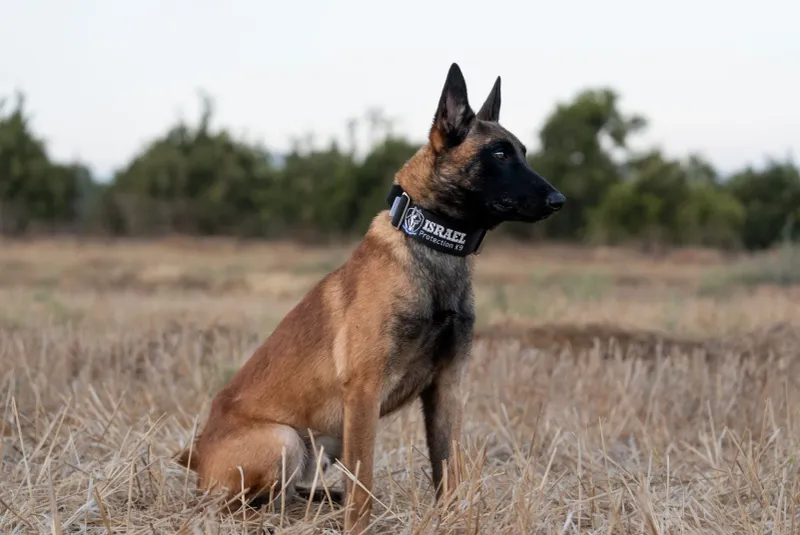
The Malinois looks like a slim shepherd, but the intensity is another universe. These dogs are work obsessed sprinters with opinions, mouthiness, and nuclear stamina.
In pet homes, they self assign security details and redesign drywall when bored.
Training must be technical, fair, and constant, blending obedience, grip outlets, and impulse control. Many struggle with reactivity, so neutrality drills and clear routines are nonnegotiable.
Weekend warrior schedules fail completely, because daily work is the price of peace.
Expect serious shedding and potential orthopedic bills from high impact antics. If you crave commitment, this partner can become breathtaking, but treat them like a sport, not furniture.
For most families, a calmer breed matches real life better and preserves sanity and safety.