
You can pour hours into training, yet some dogs still pretend they never heard you. It is not defiance as much as deep-bred instincts that hijack attention in a heartbeat.
Knowing which breeds struggle with recall helps you plan smarter, safer adventures. Let’s talk honest strategies that respect who your dog is while keeping you both confident outside.
Siberian Husky
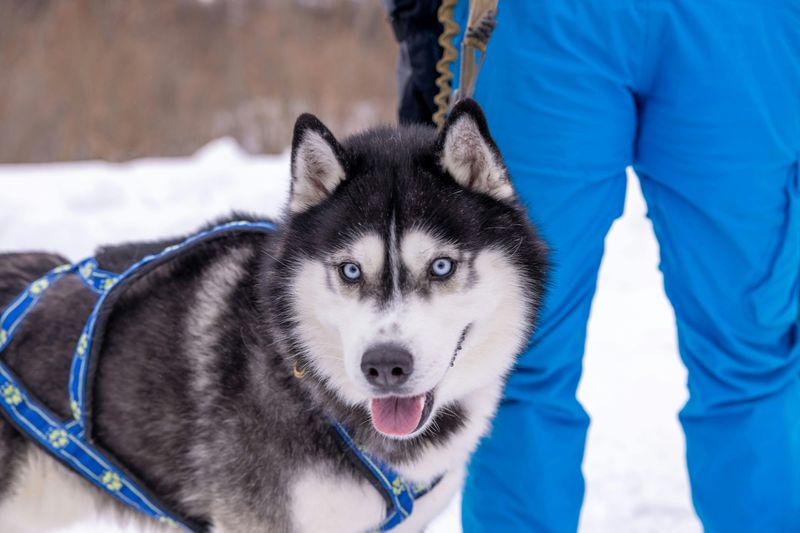
Siberian Huskies are breathtaking sprinters with independent minds, so recall can feel optional to them. Bred to run long distances, they prioritize motion, scent, and the horizon over your voice.
Even with great training, a blowing leaf or distant deer can flip their adventure switch.
Focus on management and safety first, like long lines, fenced fields, and double checking gear. Build value for returning with jackpots, chase games, and highly predictable routines that make coming back rewarding.
Practice off switch skills and settle cues at home, then generalize in steadily harder environments. You will never out-run a Husky, so plan smart routes and pick wise times to train.
Keep ID tags current and consider GPS collars for extra insurance.
Afghan Hound
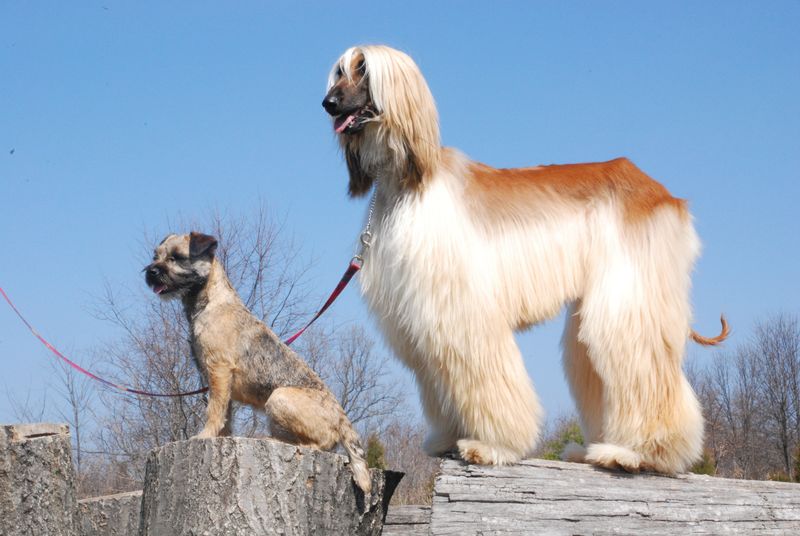
Afghan Hounds float like dancers and think like artists, which makes recall a poetic gamble. Their sighthound heritage tunes them to motion at incredible distances.
Once a silhouette moves, your voice may lose against centuries of selective breeding.
Use secure spaces and long lines to stack the odds in your favor. Make returning a lavish experience with soft treats, warm praise, and short sprints back to freedom.
Keep sessions brief, upbeat, and varied so the routine never feels boring. Teach an emergency stop and a conditioned collar grab for safety when instincts surge.
If you respect their autonomy, they reward you with magic. Just accept that management is not optional, especially near wildlife or traffic.
Basenji
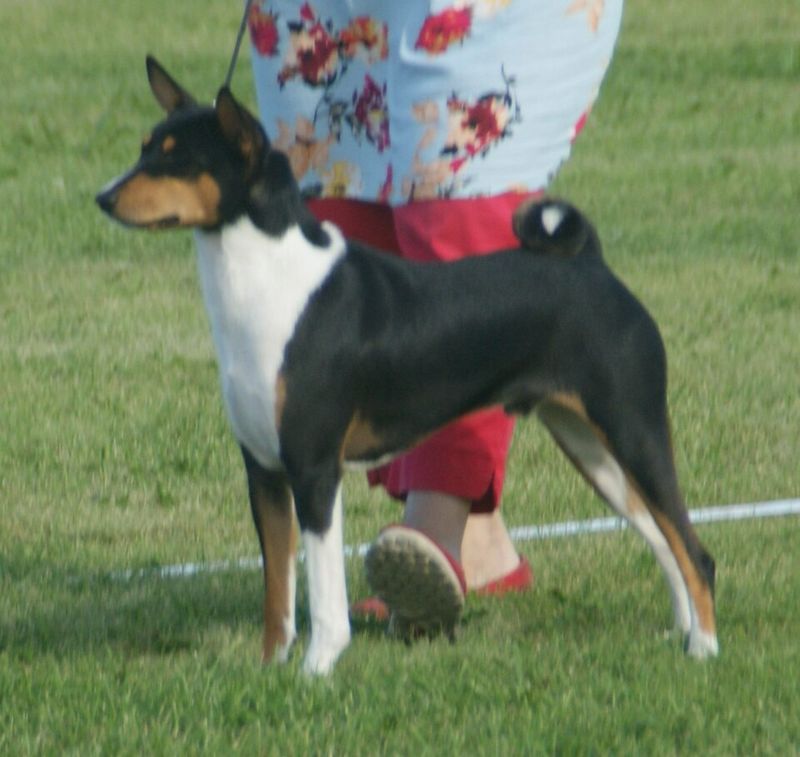
Basenjis are brilliant, catlike problem solvers who prefer negotiating over obeying. Their hunting roots and keen curiosity make recall tricky once a rustle hits the brush.
Silence is their signature, but their thoughts are loud when the world gets interesting.
Lean into games that pay generously for checking in and turning away from scent. Use movement rewards like tug, sprinting back, or permission to sniff after returning.
Keep training sessions playful, brief, and surprising, because sameness kills motivation fast. A lightweight long line gives you control without crushing independence.
Practice near mild distractions before leveling up to squirrels and alleys. Your consistency plus smart management keeps them safe while preserving that delightful Basenji spark.
Beagle
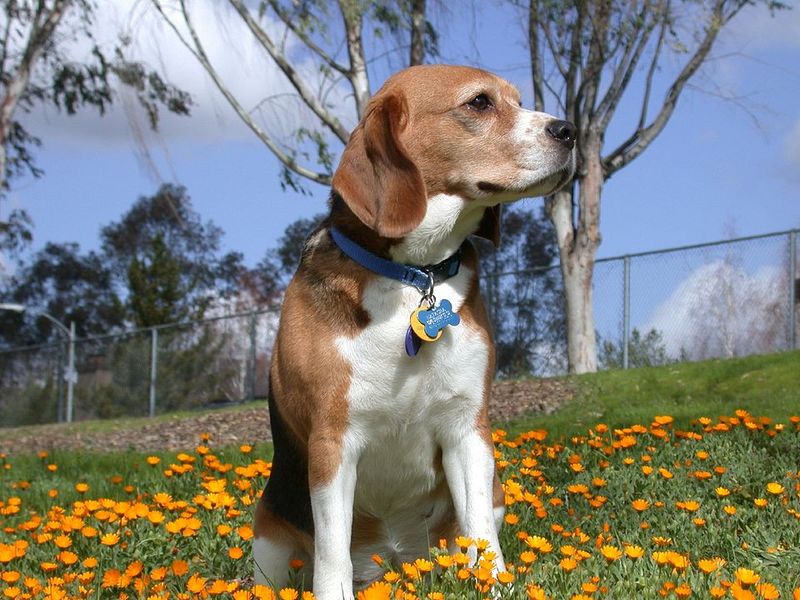
Beagles live through their noses, and a scent trail can drown out your best whistle. Once a rabbit path lights up, recall often fades behind miles of invisible perfume.
It is not stubbornness as much as a superpower doing its job.
Channel that nose with structured sniff breaks and track-like games that end at you. Pay massive jackpots when they choose you over the scent, then release them back to sniff.
That boomerang pattern teaches returning predicts more of what they love. Use long lines, bright harnesses, and quiet areas when practicing near wildlife.
Layer in a hand target and fast retreat cue for emergencies. With patience, you will get reliable enough recall for safe, happy adventures.
Dachshund
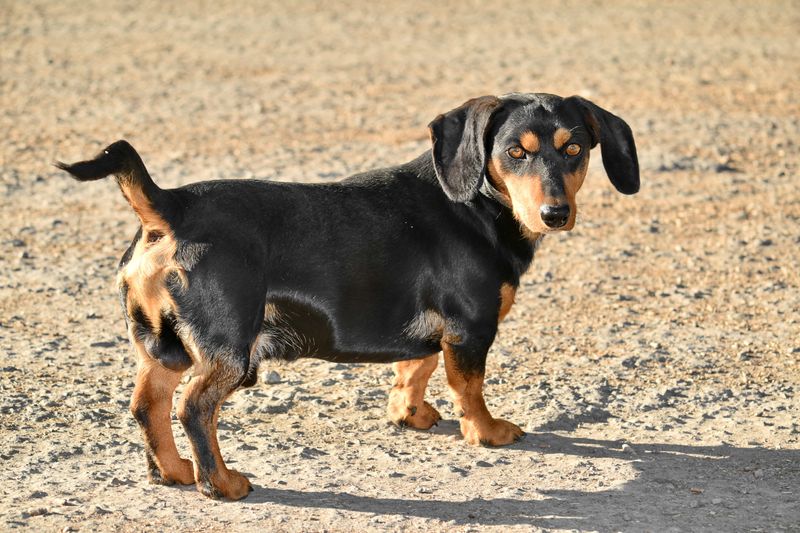
Dachshunds were built to go underground after quarry, so surfaces and edges are invitations, not barriers. When a scent drops into a hole, recall competes with instinct and gravity.
Their bold independence can feel comic until a chase heads toward danger.
Practice enthusiastic returns using tiny tunnels, boxes, and scent games that end at your feet. Reinforce with warm food, playful scratching, and quick permission to resume exploring.
Keep leashes secure near roads, and use harnesses that protect long backs. Teach a rock solid wait at doorways and curbs.
Short, frequent sessions beat marathons for this clever, opinionated breed. If you make safety routines automatic, you will enjoy that brave spirit without unnecessary scares.
Jack Russell Terrier
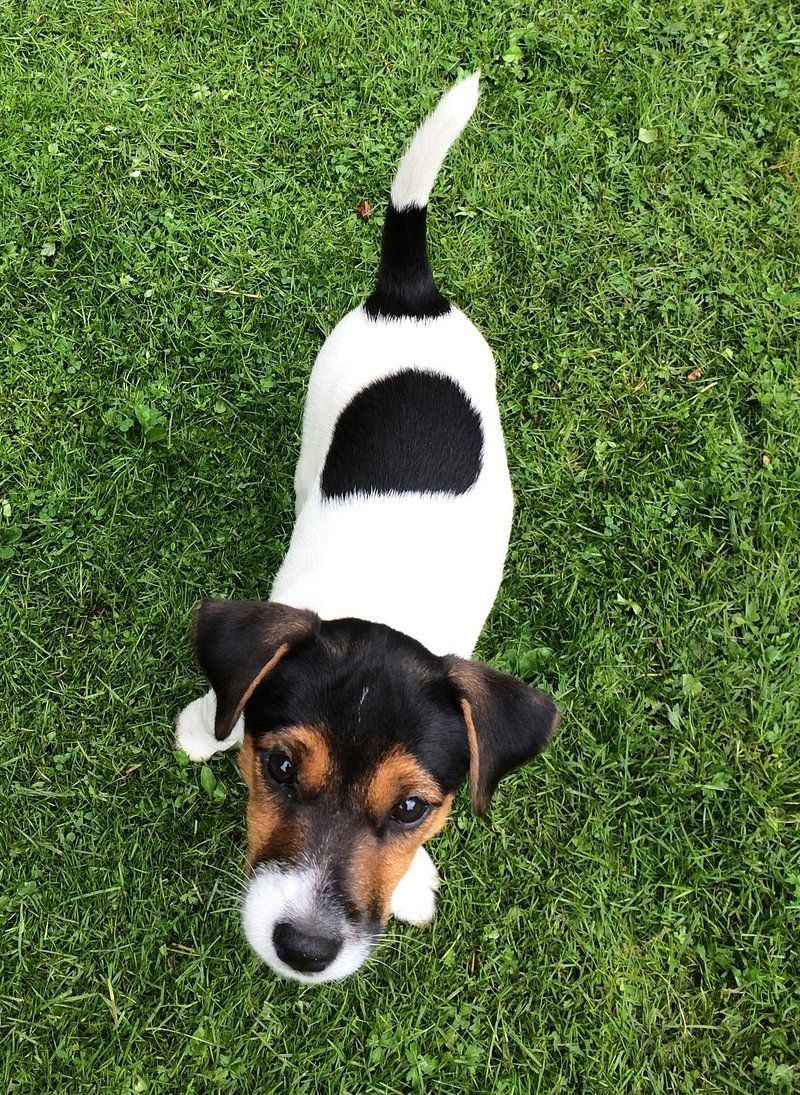
Jack Russell Terriers are turbocharged problem solvers with tunnel vision for movement. Once a squirrel zigzags, recall becomes a background ringtone.
Their tenacity is legendary, which you can harness but rarely suppress.
Burn energy with structured fetch, controlled tug, and puzzle work before practicing recall. Use high-value food tossed behind you so turning away from prey becomes reflexive.
Layer a whistle as your emergency cue, paired with life-changing rewards. Keep long lines on until you have months of consistent success.
Redirect the chase instinct into games where returning restarts the action. When you respect their drive and provide clear outlets, they gift you focused brilliance instead of selective hearing.
Alaskan Malamute
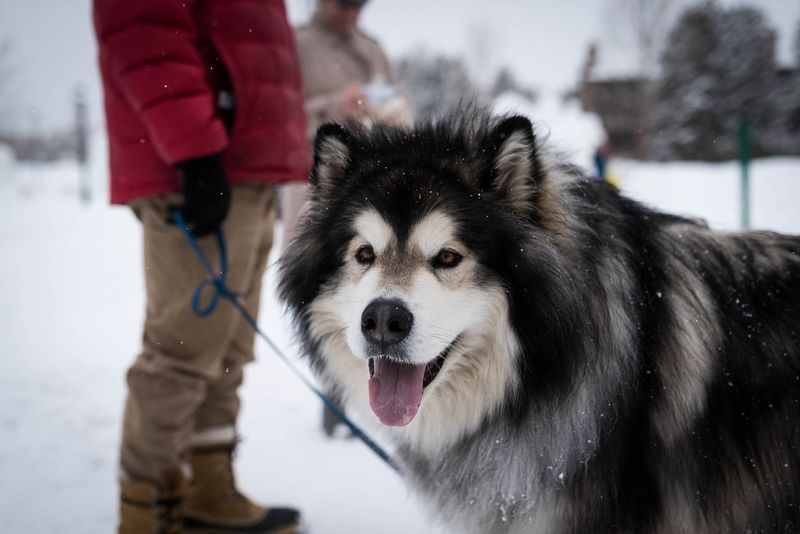
Alaskan Malamutes carry heavy-duty drive and a love for the open trail. Their independent spirit and strength can turn recall into a tug-of-war with instincts.
When snow crunches and wind sings, your voice may feel very small.
Prioritize rock solid management, like double clipping, long lines, and reliable gates. Reinforce check-ins with meaty rewards and warm praise, then release back to movement.
Practice cooperative harnessing and a cue that predicts incredible play. Build recall indoors, then in fenced spaces, before tackling snowy fields.
Keep sessions short in cold weather, and mind paw care and hydration. Goals are safety and responsiveness, not perfection.
With consistent structure, you can enjoy their power without losing control.
Shiba Inu
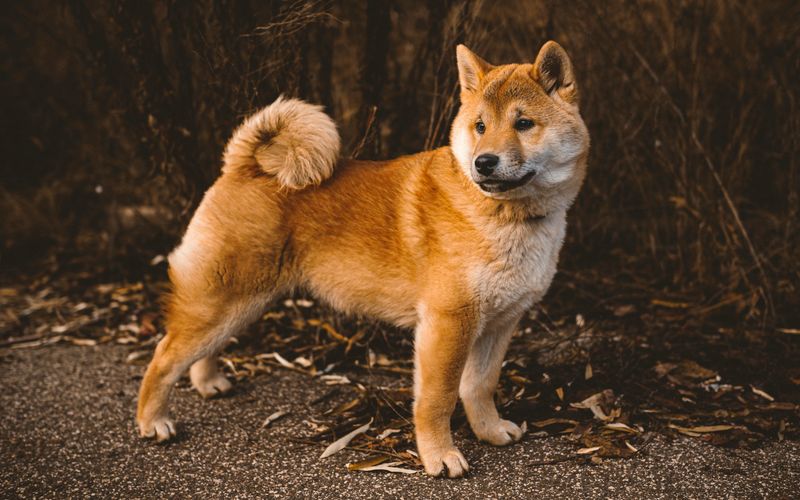
Shiba Inus are charming minimalists who value choice and independence. If recall feels optional, it is because they are unconvinced the offer beats their plan.
When instincts nudge them toward exploration, negotiation works better than pressure.
Trade up with irresistible snacks, then give permission to resume the fun. Build automatic check-ins by changing direction often and paying for eye contact.
Add a conditioned collar grab and a jackpot whistle for emergencies. Use long lines in new places and avoid rehearsing failures off leash.
Calm, consistent leadership keeps the relationship cooperative instead of combative. With thoughtful structure, your Shiba will choose you more often, even when curiosity hums.
Chow Chow
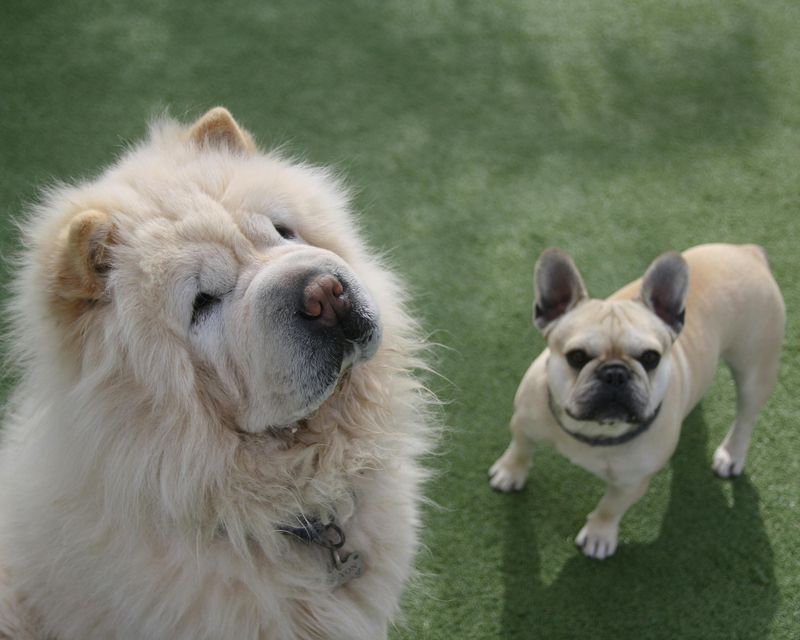
Chow Chows carry a dignified reserve and evaluate requests before acting. Recall can feel beneath their priorities unless you make it truly worthwhile.
They are loyal yet self-possessed, which means pressure backfires quickly.
Use quiet, confident handling and skip repetitive nagging. Pay generously for returning, then end with brief freedom so cooperation predicts autonomy.
Teach a station mat and a settle cue to build impulse control calmly. Practice in low-distraction spaces before venturing to bustling parks.
Keep equipment comfortable and secure, and monitor heat due to that plush coat. When you respect their boundaries and reinforce choice, reliability grows.
The goal is partnership, not cheerleading a reluctantly noble lion-dog.
Borzoi
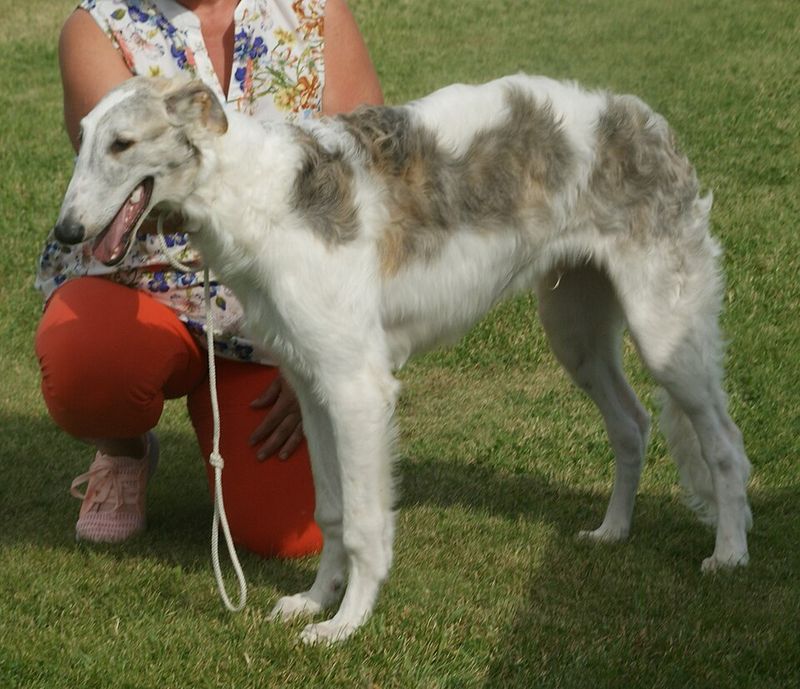
Borzoi are poetry in motion, built to spot and chase from astonishing distances. When prey triggers the chase circuit, recall struggles to compete.
It is biology, not mischief, steering that elegant body forward.
Train a powerful whistle recall paired with huge rewards and quick release. Use long lines and spacious, fenced fields where they can safely fly.
Practice check-ins during calm moments so habits form before excitement spikes. Add a reliable stop cue and reinforce orientation turns at a distance.
Keep sessions short, upbeat, and end while you are winning. Respect the sighthound need to run, and you will see better cooperation when it counts.
Saluki
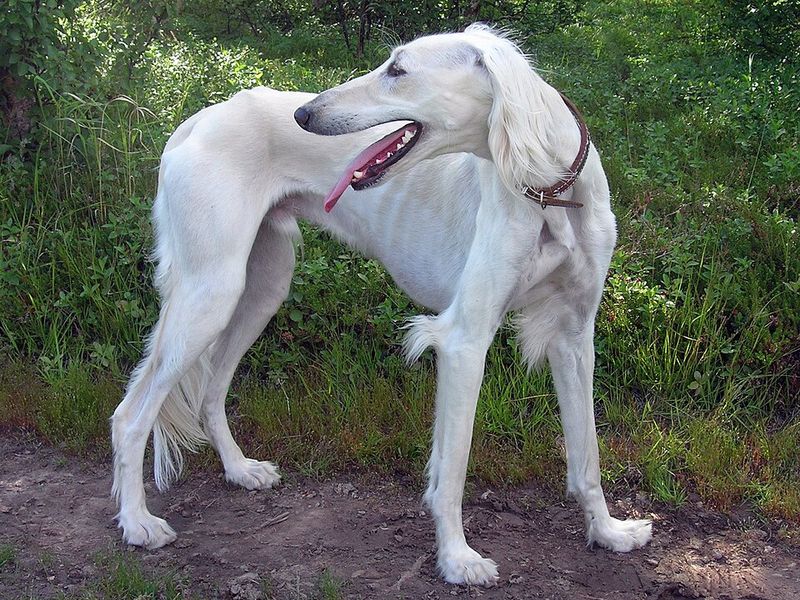
Salukis blend serenity with sudden rocket bursts. A flicker on the horizon can mute recall instantly.
They are thoughtful companions who still answer to ancient, windborne instincts.
Build value for returning with soft, high-fat rewards and freedom as the ultimate prize. Use direction changes and chase-back games where you run away playfully.
Practice in enclosed spaces, then graduate to quiet, open areas with long lines. Condition a whistle and a collar grab for true emergencies.
Keep training calm, brief, and predictable, because pushy energy shuts them down. Respect their need to move, and you will earn attentive moments when you ask.
Whippet
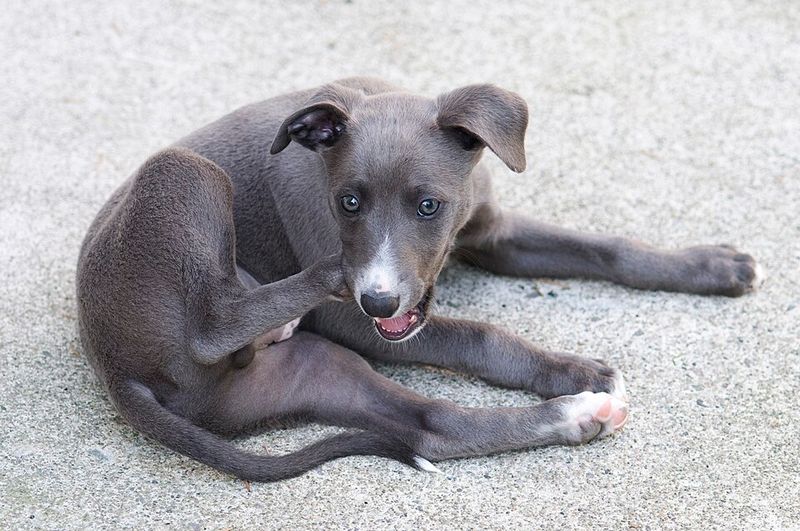
Whippets are gentle rockets that accelerate faster than your thoughts. Once they lock onto moving targets, recall lags behind momentum.
Their sensitivity means harsh corrections break trust quickly.
Use soft voices, quick jackpots, and chase-back games that reward turning on a dime. Practice fast releases after returns so coming back predicts more sprinting.
A warm coat and good surface choices protect muscles during training. Layer in a whistle and reinforced hand target for emergencies.
Keep long lines attached until reliability shines through months of success. With playful structure and empathy, your Whippet will surprise you with beautiful check-ins even near excitement.
Scottish Terrier
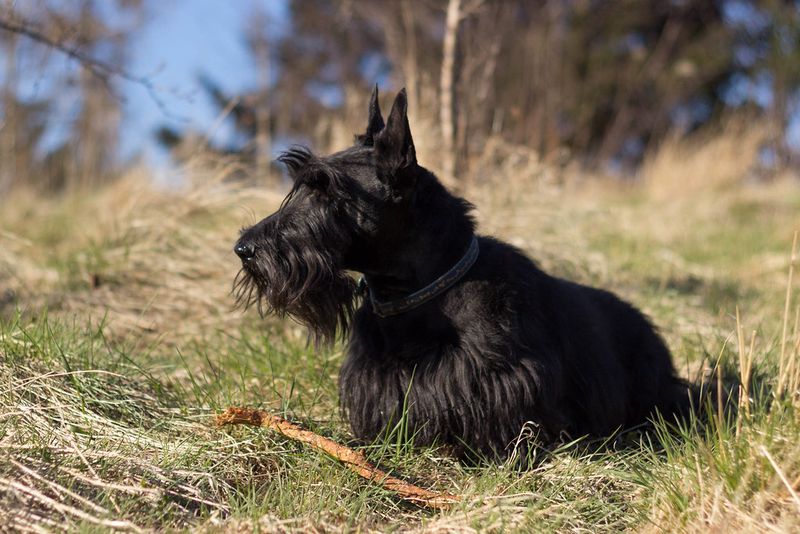
Scottish Terriers are bold, nose-driven and duty bound to investigate. When a scent hooks them, recall competes with a mission report.
Their independence is charming until it pulls toward trouble.
Teach enthusiastic returns using hide-and-seek, food scatters, and permission to resume sniffing. Reinforce a wait at thresholds and curbs for everyday safety.
Keep sessions short, focused, and sprinkled through daily walks. Use sturdy harnesses and long lines near busy areas.
Add a whistle cue and big payouts for choosing you over rodents. With clear structure and rewarding choices, your Scottie becomes responsive without losing that fearless heart.