
Some dogs look like the ultimate roommates until the weekday grind begins. The reality of early alarms, deliveries at the door, and neighbors who value quiet can flip expectations fast.
Before you bring home that picture perfect pup, it helps to know where routines tend to wobble. Here are breeds that dazzle on paper but often make everyday structure a serious project.
Siberian Husky
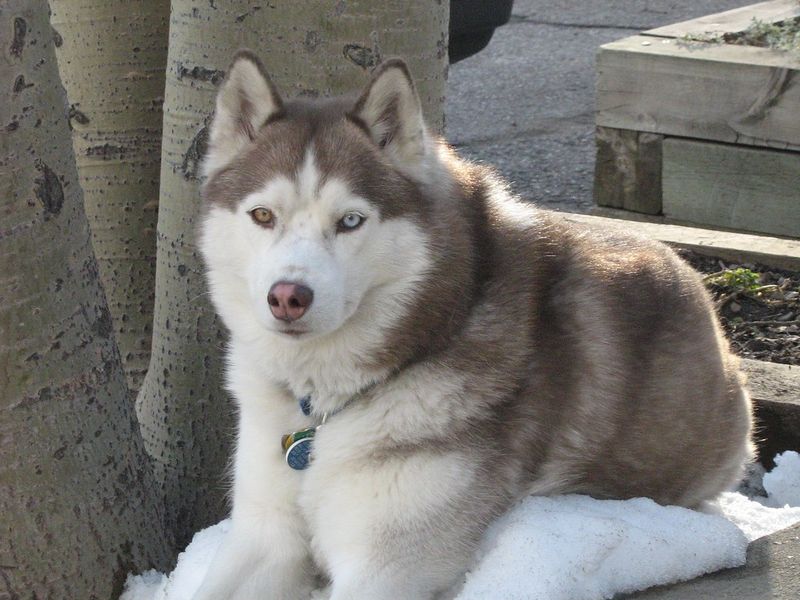
Siberian Huskies look like adventure buddies who handle anything, but daily routines can unravel fast. Their energy is sky high, so a quick walk rarely cuts it.
Without serious exercise and puzzle time, you may meet shredded cushions, jailbreak attempts, and nonstop yodeling that rattles neighbors.
They are clever, independent, and motivated by fun rather than pleasing you, which complicates training and recalls. Grooming also surprises people.
The coat explodes twice a year, filling vacuums and clothing, and the undercoat traps dirt that follows you around the house. Add cat level curiosity, a prey drive, and talent for slipping collars, and you get chaos during door greetings or deliveries.
Amazing dogs, yes, but predictable nine to five housemates, not really.
Dalmatian
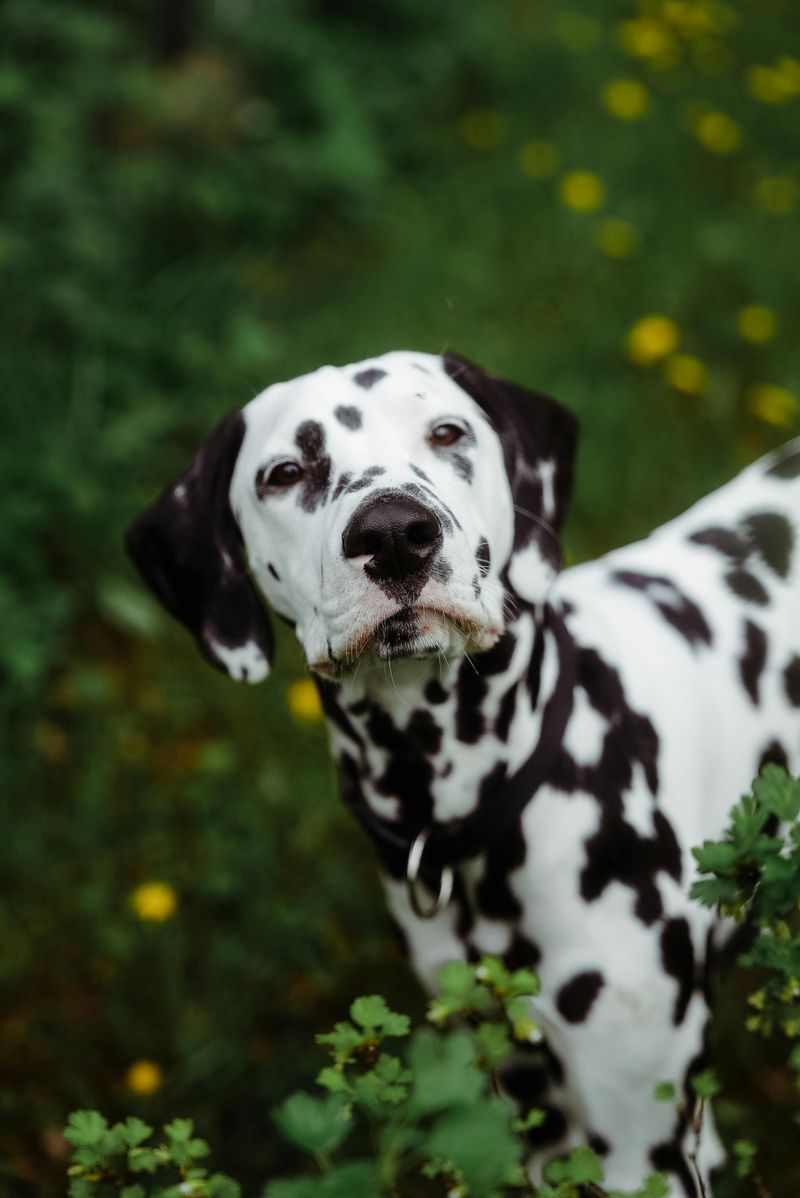
Dalmatians look sleek, athletic, and ready to jog beside you, yet home life can be bumpy. Their stamina is formidable, which means boredom arrives fast without structured jobs.
Then you get pacing, shadow chasing, and barky responses to every hallway sound or passing bike outside.
Training needs creativity and patience because sensitivity runs high. Harsh corrections backfire, but leniency invites pushy behavior around doors and couches.
Shedding shocks many new owners, too, since those tiny white hairs weave into fabrics and refuse to leave. Add a guarding streak, strong startle reactions, and frequent zoomies in narrow spaces, and simple routines like quiet evenings or polite greetings become tricky.
Provide outlets and boundaries, or your schedule may feel permanently off balance.
Belgian Malinois
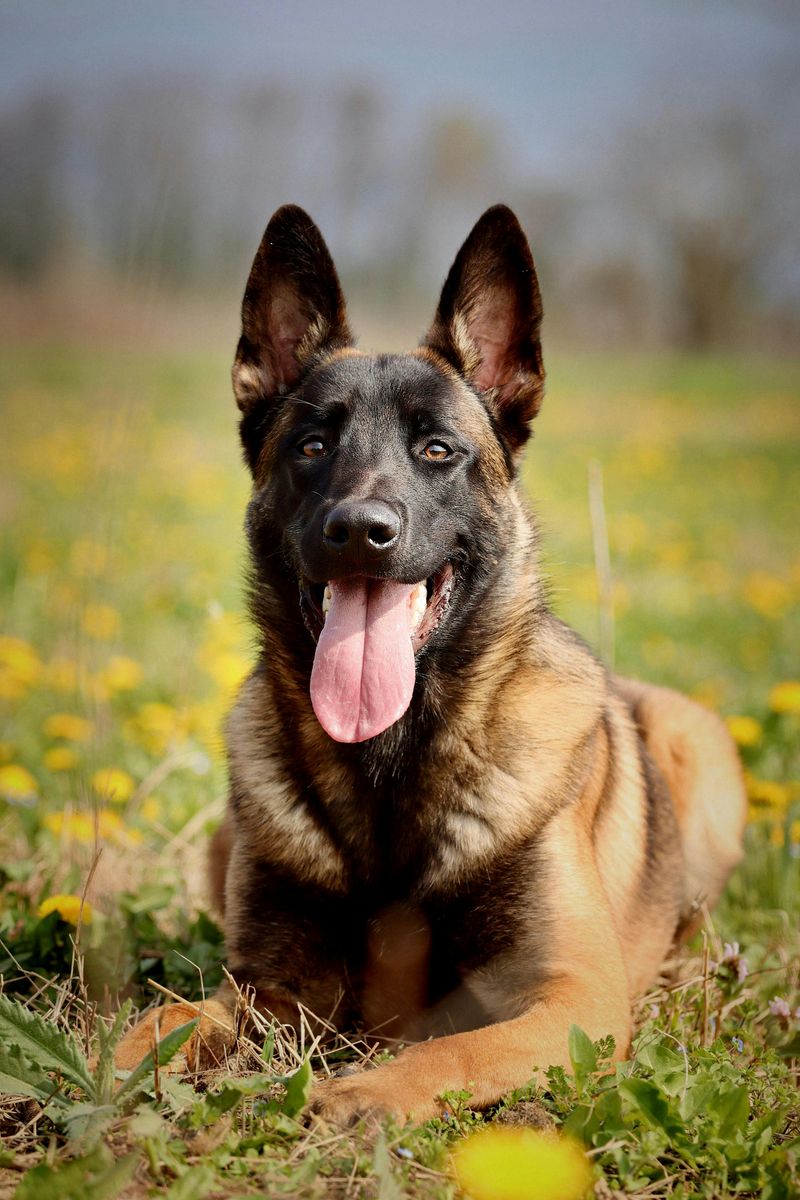
Belgian Malinois excel on paper with brains, intensity, and work ethic, yet average households struggle. These dogs crave purpose all day, not a weekend hike.
Without tasks, you will see light switch reactivity, patio digging, redirected nipping, and laser focus on motion that disrupts chores.
Training is thrilling but relentless. They learn in minutes and then raise the difficulty on you, demanding clearer handling and faster reinforcement.
Under exercised Malinois rehearse chaos during doorbells, vacuuming, or kids running down halls. Shedding is heavy, and their athletic jumps can clear fences or countertops.
If you love structure, you might keep up, but most homes cannot. Admirable partners for sports or service, yes, but tough roommates for casual routines.
Chow Chow
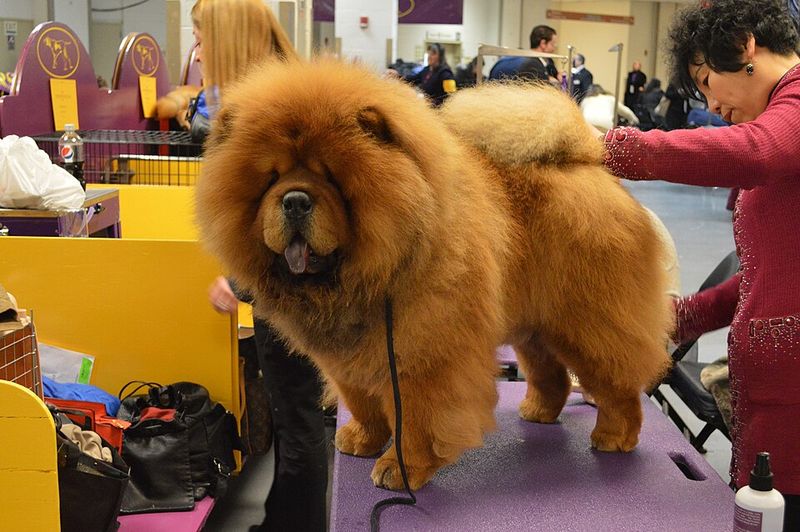
Chow Chows look like living teddy bears, yet their daily habits feel more catlike than canine. They value personal space and can be aloof with guests, which complicates frequent visitors.
Handling feet, brushing mats, or wiping paws may trigger stubborn protests that stretch simple grooming into battles.
Training requires quiet consistency and early socialization. Loud corrections or chaotic households raise defensiveness and make door routines stressful.
The thick coat blows seasonally and tracks dust everywhere, demanding dedicated brushing and vacuum time. Heat sensitivity shortens walks, so pent up energy can surface as pacing or grumbling when schedules shift.
Add strong guarding instincts and selective hearing, and polite leash manners take effort. Wonderful companions for calm homes, challenging in busy apartments.
Afghan Hound
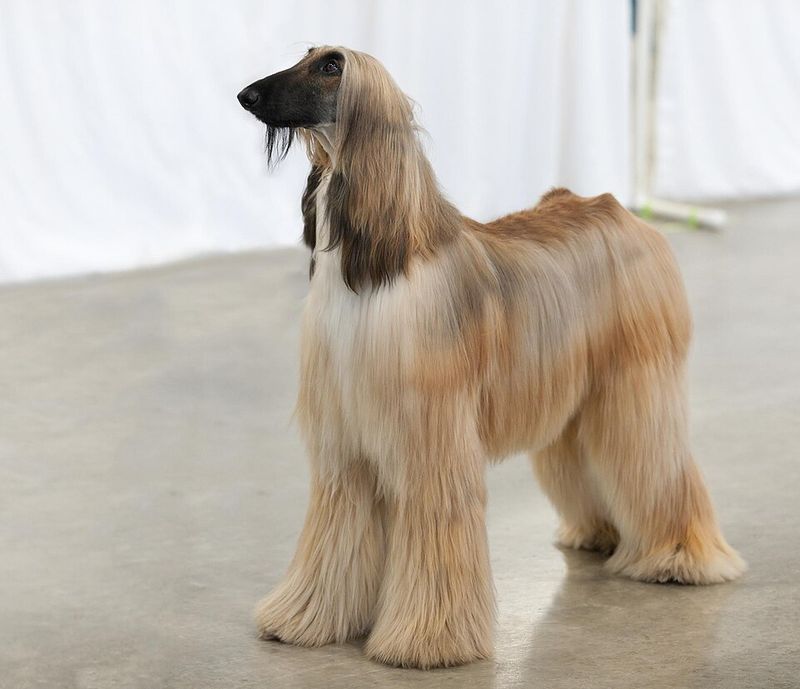
Afghan Hounds are runway models with incredible grace, but everyday living catches you off guard. That flowing coat demands hours of brushing and careful bathing, or tangles snowball into painful mats.
Add a sighthound brain and independent streak, and recalls or off leash play become strategic puzzles.
They are gentle indoors, yet sudden bursts of speed launch when anything moves outside. Window management and secure fencing matter.
House routines wobble because training must be short, upbeat, and repeated without nagging. Many dislike rain, slick floors, or early alarms, which slows down morning walks.
Their height raids counters with ease, too. You will adore the elegance, but expect to plan schedules around grooming, safe sprints, and calmly ignoring that royal level stubbornness.
Basenji
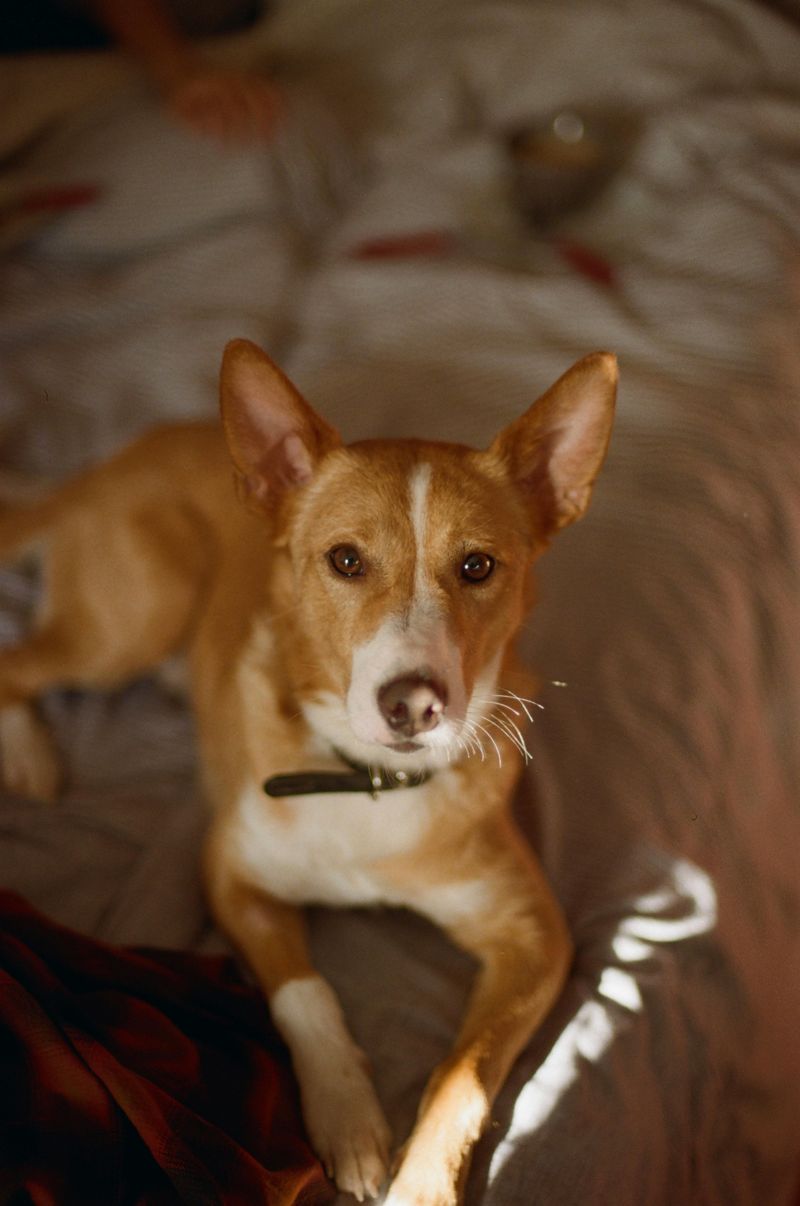
Basenjis seem neat and low odor, a tidy fit for apartments, yet routines can still wobble. They rarely bark, but the yodels and screams travel through walls impressively.
Independent minds and catlike curiosity fuel counter surfing, toilet paper artistry, and nimble escapes during half opened doors.
Exercise must mix sprints and brain games. Without it, you will see shredding, theft of socks, and obsessive window patrols for squirrels.
House training can take longer than expected because some dislike wet grass or cold mornings. Recall is optional unless you have fenced space.
Grooming is easy, yes, but boredom is relentless. Keep humor ready, manage entrances carefully, and expect to proof trash cans, laundry rooms, and any routine that assumes a predictable, eager to please dog.
Alaskan Malamute
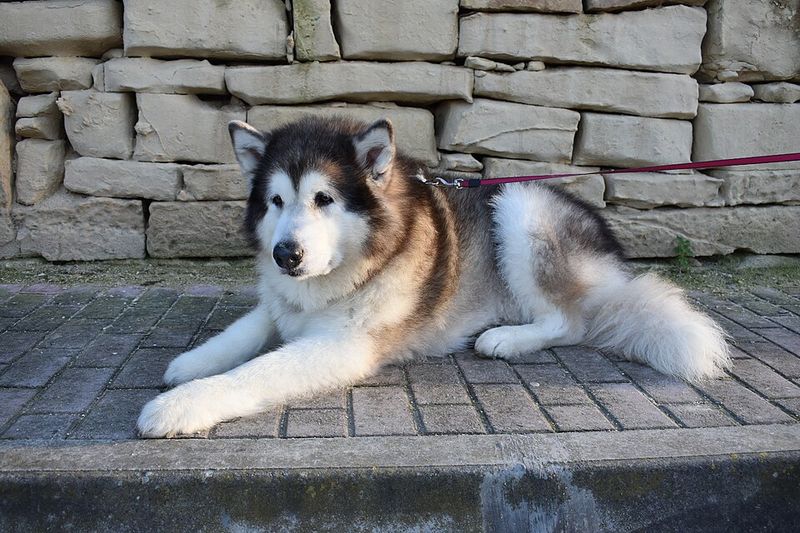
Alaskan Malamutes radiate strength and friendliness, but day to day structure can buckle. Their voices are operatic, with wooing conversations that erupt during deliveries or quiet hours.
Exercise needs are massive, and without weight pulling, hikes, or cart games, they invent jobs like landscaping your yard.
They are affectionate yet stubborn, so training requires calm repetition and top notch food rewards. The coat is blizzard level, shedding in drifts that defeat lint rollers and vacuum filters.
Heat limits outings, which means indoor restlessness on sunny afternoons. Resource guarding around food or bones appears in some lines, demanding management.
Doors and fences are suggestions to a motivated Malamute. Plan for secure containment, structured outlets, and patient manners work before expecting smooth household routines.
Jack Russell Terrier
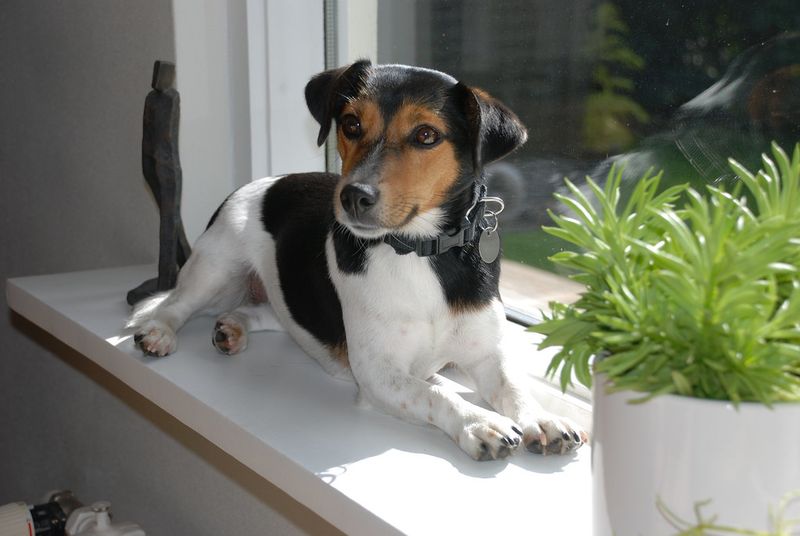
Jack Russell Terriers are tiny athletes with brave hearts, which reads perfectly on paper. In practice, that power packs into a spring loaded household companion.
Without daily fetch, scent games, and training drills, they dig couch corners, alert bark at leaf sounds, and reorganize your laundry.
They learn quickly but ask hard questions. If your cues wobble, they sprint into creative mischief and double down.
Prey drive turns walks into zigzag sprints after birds and squirrels. Their vertical jump reaches counters, shelves, and sometimes open windows.
Grooming is easy, yet shedding persists. Add selective hearing and a self employed attitude, and routines like quiet coffee, smooth deliveries, or calm crate time can falter.
Give structure, laugh often, and lock the treat drawer.
Australian Cattle Dog
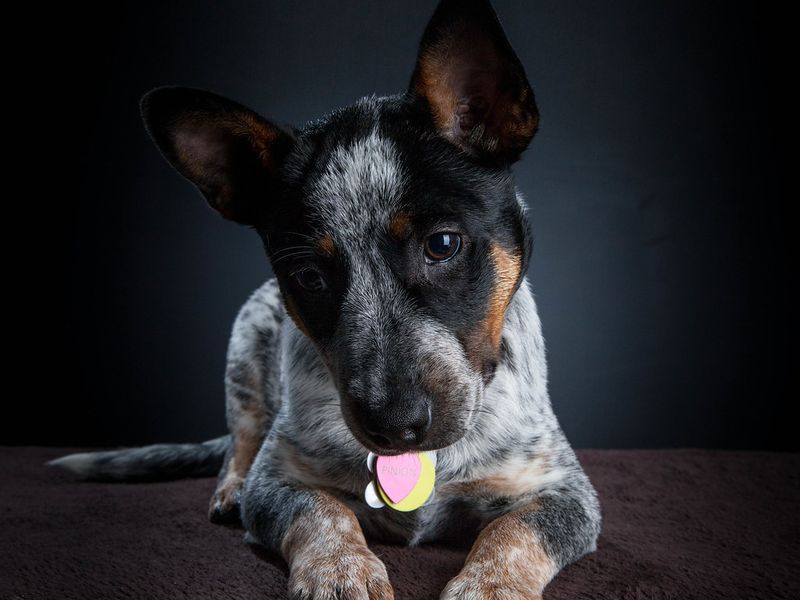
Australian Cattle Dogs shine in catalogs as tough, brilliant workers, but household predictability is another story. They are motion sensitive and heeling bred, so ankles and children require coaching and careful management.
Without outlets, you will notice heel nips, hallway herding, and patrols that harass vacuum cleaners and scooters.
Training is rewarding yet demanding. They crave clarity, fair corrections, and real jobs.
Apartment life often clashes due to noise reactivity and intense energy bursts. The coat sheds heavily despite minimal grooming needs.
Socialization is critical because suspicion toward strangers can linger without positive exposures. Expect to schedule structured exercise before calm cuddles.
Skip it, and evenings flip into fence running, window guarding, and restless pacing that ignores your carefully planned bedtime.
Shiba Inu
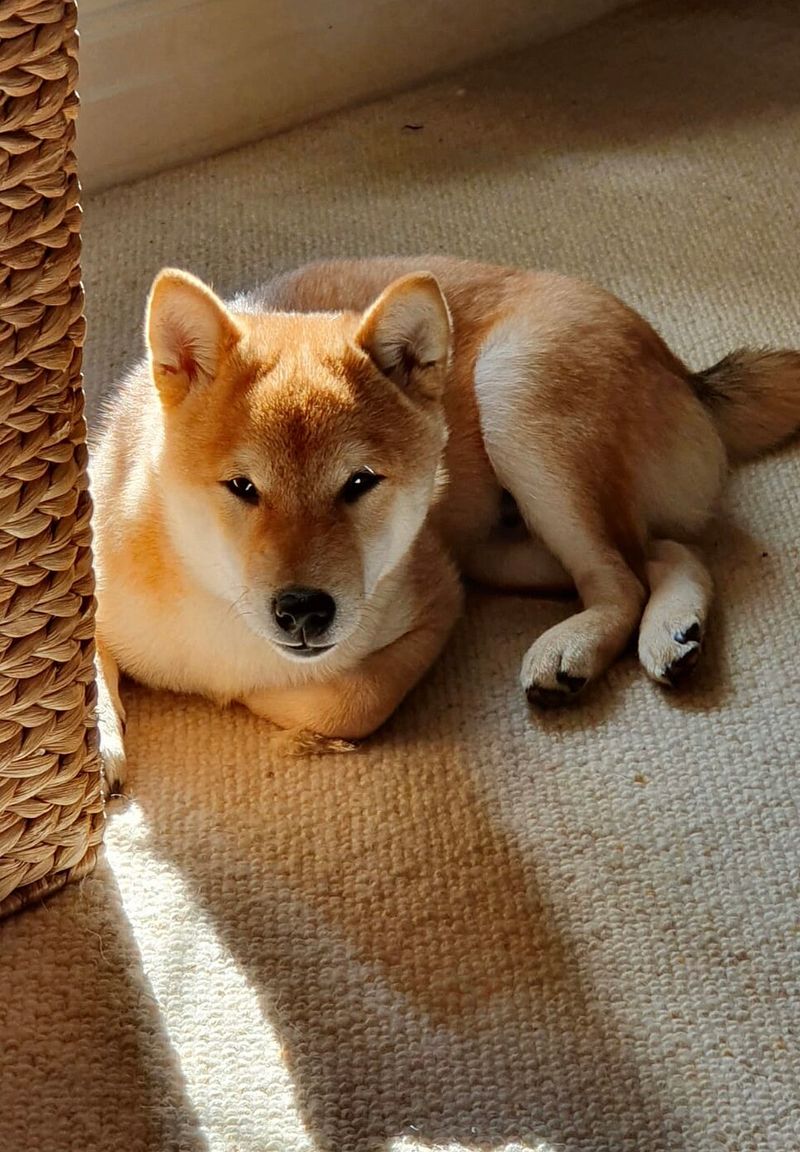
Shiba Inus look flawless online, tidy and foxlike, but daily life proves spicier. They value independence and can resent handling, which slows nail trims and ear checks.
Sudden Shiba screams startle neighbors when frustrations appear, and zoomies ignite precisely when you need quiet focus.
Training succeeds with humor, patience, and high value treats. Forceful approaches backfire, and recalls outdoors are unreliable without fenced areas.
Shedding is epic twice yearly, covering floors and jackets in floating tufts. Many dislike rain or puddles, delaying bathroom breaks until inconvenient moments.
Add door darting, a strong prey drive, and clever counter strategies, and home routines wobble. Embrace management with gates and leashes, plus daily play, and you will keep harmony without dimming that signature spirit.
Border Collie
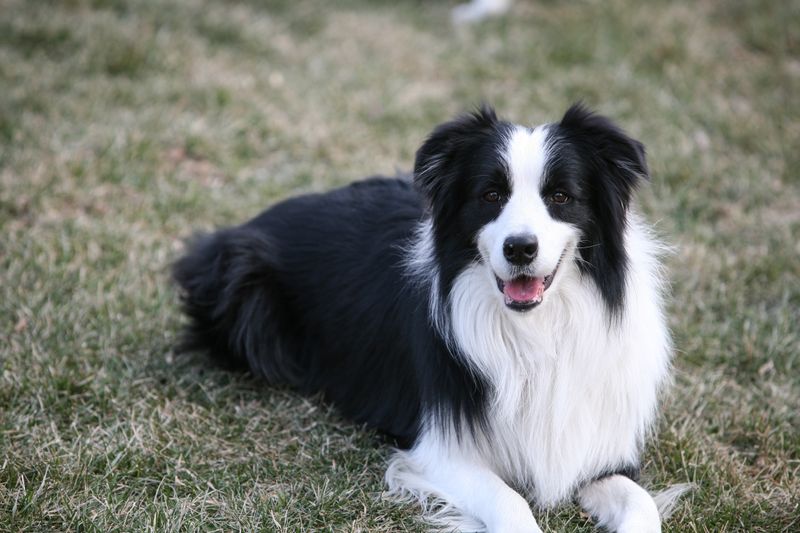
Border Collies impress everyone with genius level focus, yet ordinary homes often feel overwhelmed. These dogs read micro movements and anticipate routines, then demand more responsibility.
Without structured training and jobs, you get hallway herding, twitchy light chasing, and insistence that every chore becomes a team project.
Mental exercise matters as much as sprints. Skip it, and you will see repetitive behaviors, vocal protests, and creative destruction.
Their sensitivity means noise, arguments, or rushed mornings can derail the day. They excel with calm direction and predictable schedules, which many busy families lack.
Grooming is moderate, but shedding still floats across floors. Wonderful partners for sports and farms, yes, but constant managers at home unless you plan outlets as faithfully as grocery runs.
Weimaraner
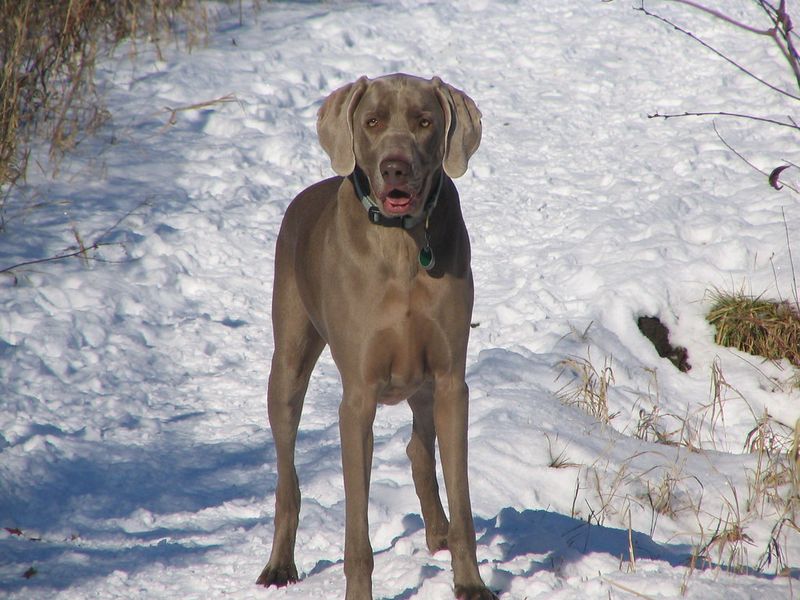
Weimaraners promise sleek athleticism and devotion, yet practical routines can get messy. They bond intensely and struggle with alone time, so crying, door scratching, or crate protests may interrupt work calls.
Energy pours out sideways without long runs and training, flipping calm evenings into panting, pacing, and toy dissection.
They are smart but sensitive, which makes fairness and timing crucial. Harsh methods create shutdowns, while inconsistency sparks stubborn pushback.
The short coat still sheds, and drool strings appear after water bowls or workouts. Many counter surf, open fridges, and investigate trash with surgical focus.
Expect to supervise doorways and practice place training daily. Provide enrichment, or your schedule will orbit their needs like tides, pulling you off routine again and again.
Akita
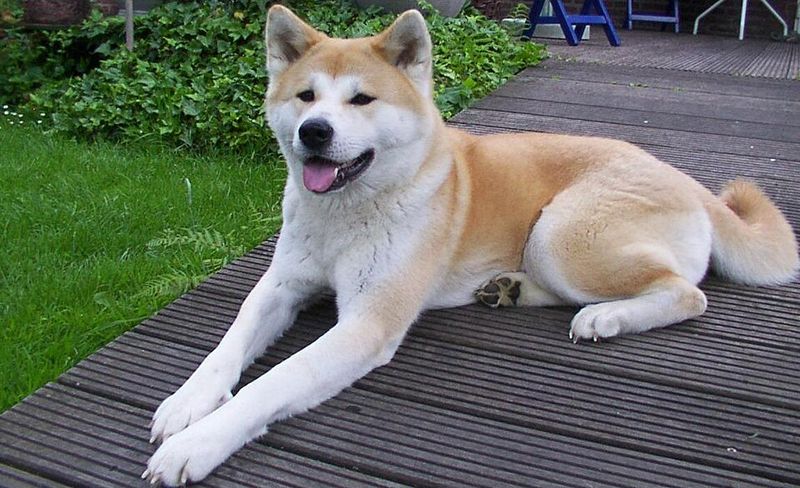
Akitas project quiet confidence and beauty, but domestic routines demand respect and planning. They are selective with dog friends and can guard resources, so mealtimes and doorways require management.
Independent thinking slows recalls, and their size makes small mistakes feel big inside hallways or elevators.
Training should be calm, consistent, and fair. Rough handling damages trust and increases resistance.
Shedding arrives in seasonal blizzards that bury rugs and vents. Heat tolerance is limited, complicating daytime walks.
Add a strong guarding instinct and suspicion of pushy strangers, and deliveries or repair visits get tense. With clear routines and early socialization, harmony is possible.
Without that structure, an Akita often runs the household schedule while you scramble to keep pace.
Saluki
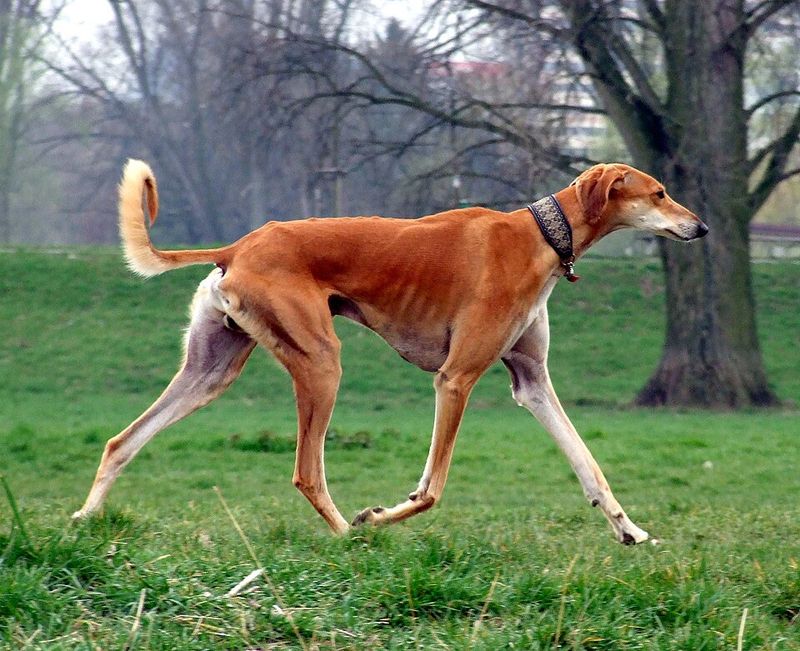
Salukis glide like desert wind, which sounds dreamy until you plan daily logistics. Their sighthound instincts are intense, so open doors and unsecured yards become launch pads.
Quiet at home, yes, but they can explode into chase mode if a leaf skitters, unraveling calm mornings or evenings.
They accept training, yet independence and soft sensitivity mean harshness backfires. Motivation must be thoughtful and novel.
Many dislike rain, cold, or coarse flooring, adding delays to potty breaks or bedtime. The coat seems easy, but burrs and foxtails cling after runs.
Fences need height, and leashes must be reliable. With careful management, life works beautifully, but routines always orbit sprint windows, prey distractions, and protecting those elegant legs from reckless household commotion.