
Living with both dogs and cats can feel like juggling personalities, routines, and moods. The good news is that some breeds are naturally tuned to feline body language and thrive in mixed-pet homes.
Choose the right companion, guide introductions, and you will see cooperation bloom faster than you think. Here are the breeds that make harmony feel effortless.
Golden Retriever
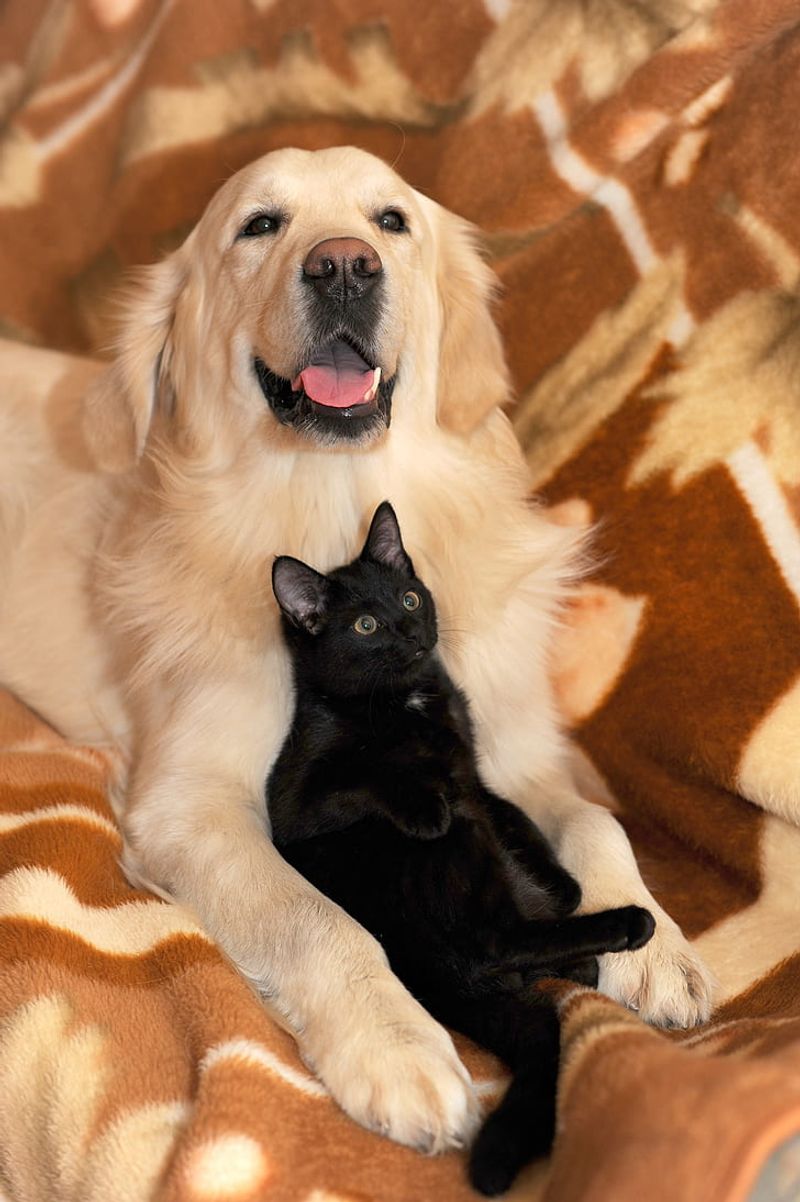
Golden Retrievers are famously gentle, which makes introducing them to cats feel surprisingly easy. Their eager to please nature means they read the room and soften their approach when a feline sets boundaries.
With consistent routines, you will notice patient sniffing, relaxed tails, and lots of de-escalation behavior.
Give your Golden structured exercise and mental games so curiosity never tips into chaos. Supervise first meetings, reward calm eye contact, and let the cat control proximity.
Over time, many Goldens nap near litter box areas without bothering anything, content simply to belong. If a chase starts, redirect with cues and a toy.
Their affectionate hearts and stable temperaments create a warm bridge between species at home. Peace feels wonderfully ordinary everyday.
Labrador Retriever
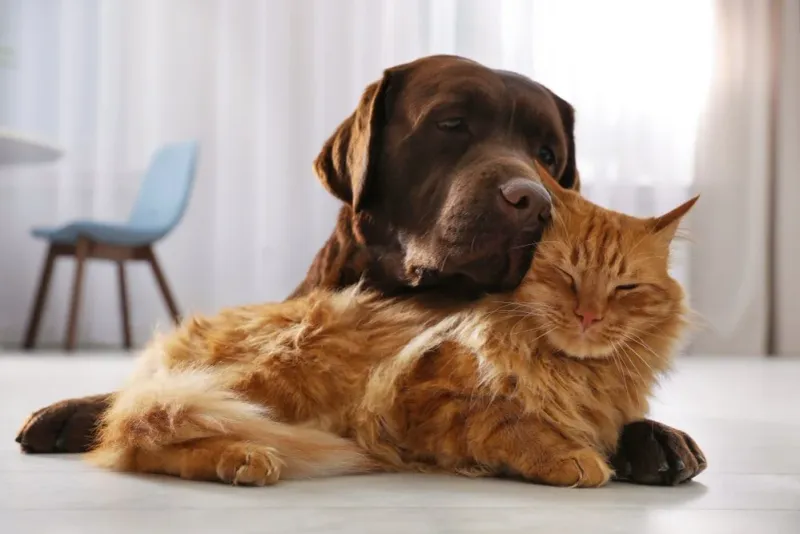
Labradors bring a friendly, steady presence that reassures cautious cats. Their sociable nature rarely turns pushy if you outlet their energy with walks and training games.
Because Labs love food, you can pair calm behavior with treats, helping both pets associate each other with good things.
Start behind a baby gate, swap bedding for scent, then allow short, calm visits. Keep toys separate at first to avoid resource guarding and teach an easy leave it cue.
Many Labs become gentle hall monitors, escorting themselves past the cat without fuss. When curiosity spikes, redirect with a sit and watch me.
Their balanced temperament and trainability make Labradors dependable peacekeepers in multi species households.
Beagle
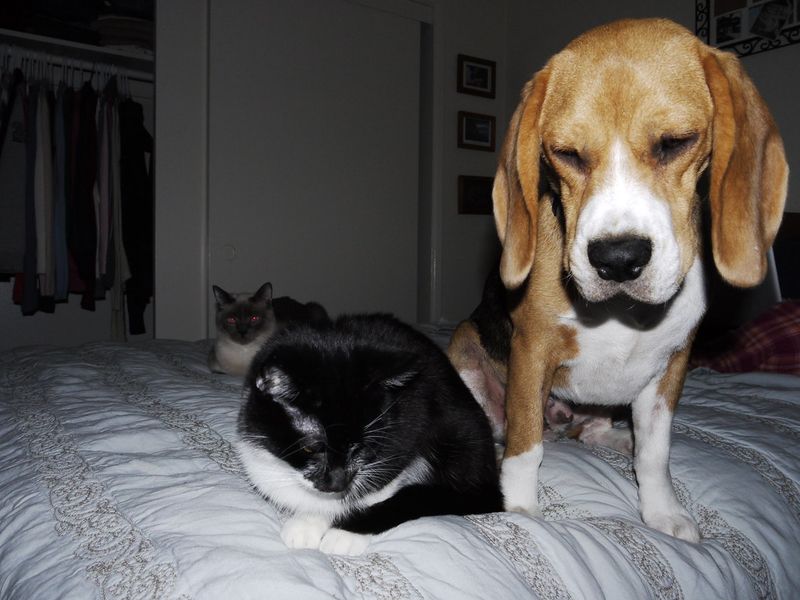
Beagles are curious scent hounds, so patient introductions are essential when a cat is involved. Their nose leads the adventure, which can look intense, yet with structure it turns into polite sniff-and-move-on manners.
Daily exercise and nose work keep energy productive and reduce chase impulses.
Use leashed greetings, scatter-feed sniffing games, and reward moments of stillness near the cat. Provide high perches so your feline can supervise without pressure.
Over time, a beagle’s musical voice quiets around indoor cats, especially when reinforced for calm check-ins. If excitement rises, call away, reset with a search game, and praise generously.
With boundaries and enrichment, Beagles become affectionate roommates, sharing sunbeams rather than sprint lines.
Cavalier King Charles Spaniel
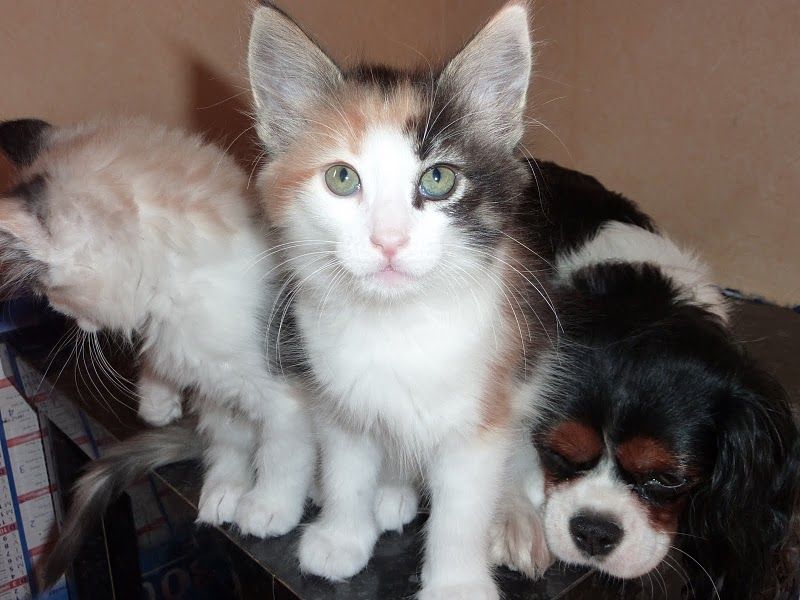
Cavaliers are soft-hearted companions who often mirror a cat’s calm routine. They thrive on close contact and rarely bulldoze personal space, which helps nervous felines feel safe.
Their moderate energy paired with a tender temperament makes slow, sweet introductions especially successful.
Begin with scent swapping, then brief, supervised visits on neutral turf like a hallway. Reward the Cavalier for turning away from the cat and settling on a mat.
Keep interactions short and end on quiet wins. Provide alone time for everyone so affection does not become competition.
With consistent kindness, Cavaliers form easy friendships, happily sharing blankets, window gazes, and afternoon naps while respecting feline veto power.
Basset Hound
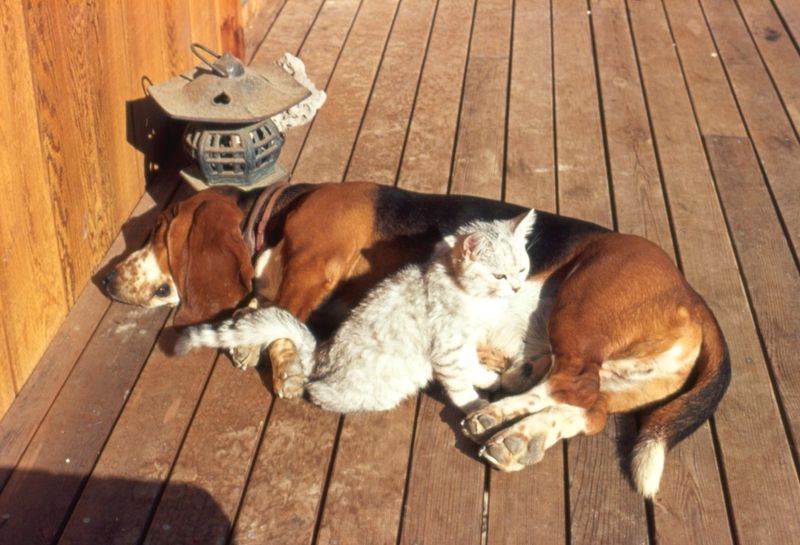
Basset Hounds bring a slow-and-steady vibe that many cats appreciate. Their laid back attitude and low center of gravity make interactions feel unthreatening.
Although they are scent-driven, proper enrichment channels curiosity into sniffing carpets and puzzle toys, not pestering whiskered roommates.
Introduce gradually with baby gates, then practice calm coexisting sessions. Reward the Basset for flopping on a mat while the cat moves about freely.
Because Bassets can be stubborn, keep training short, cheerful, and treat-forward. Offer vertical spaces for the cat and comfy parking spots for the hound.
With patience, Bassets become mellow companions, content to nap while the cat patrols. Harmony grows from predictable routines, gentle redirection, and plenty of shared sunshine.
Poodle
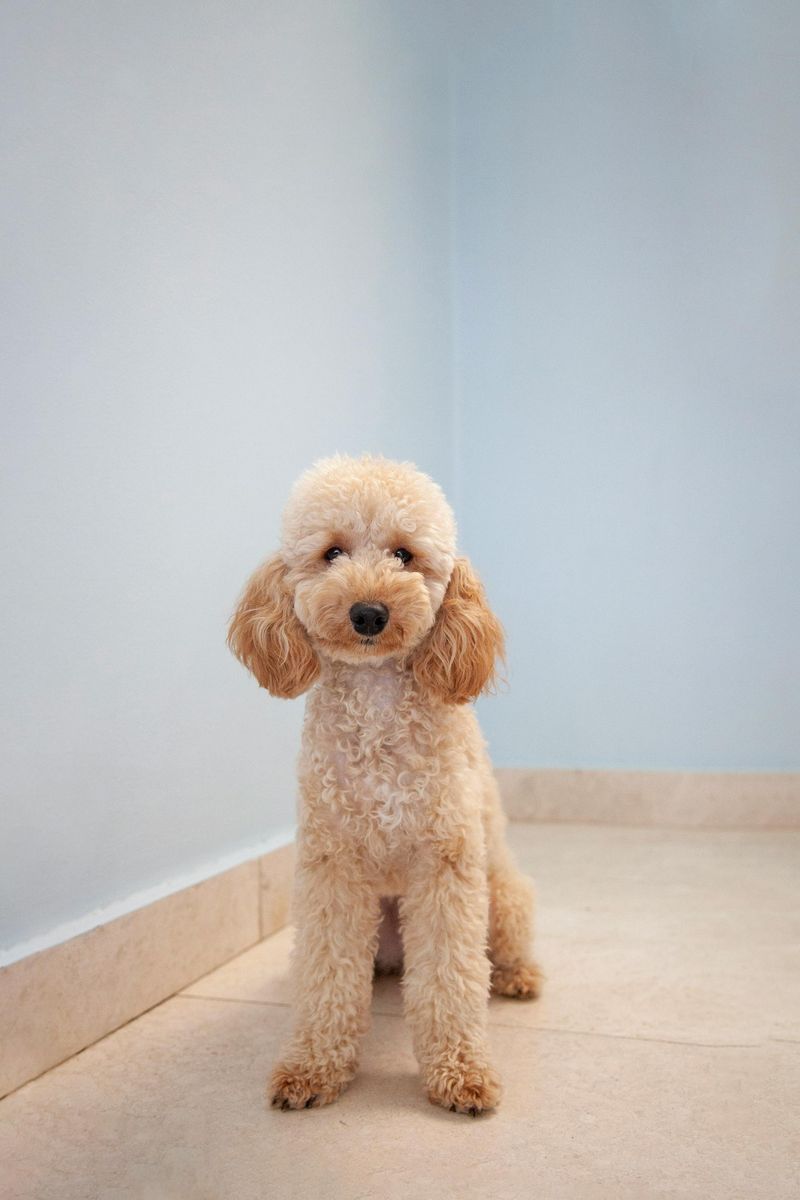
Poodles are bright problem solvers who quickly learn feline etiquette. Their intelligence makes it simple to shape polite behaviors like settling, leaving, and quiet watching.
Whether toy, miniature, or standard, energy is best routed into training games and thoughtful exercise to prevent zoomy curiosity.
Start with parallel routines behind a gate, then reward nose to tail calmness during brief meetings. Teach a go to place cue so the poodle can relax while the cat explores.
Rotate enrichment like snuffle mats and lick mats to lower arousal. If interest spikes, interrupt softly and redirect to a learned task.
With structure and empathy, Poodles become respectful housemates, offering companionship without crowding a cat’s personal world.
Collie
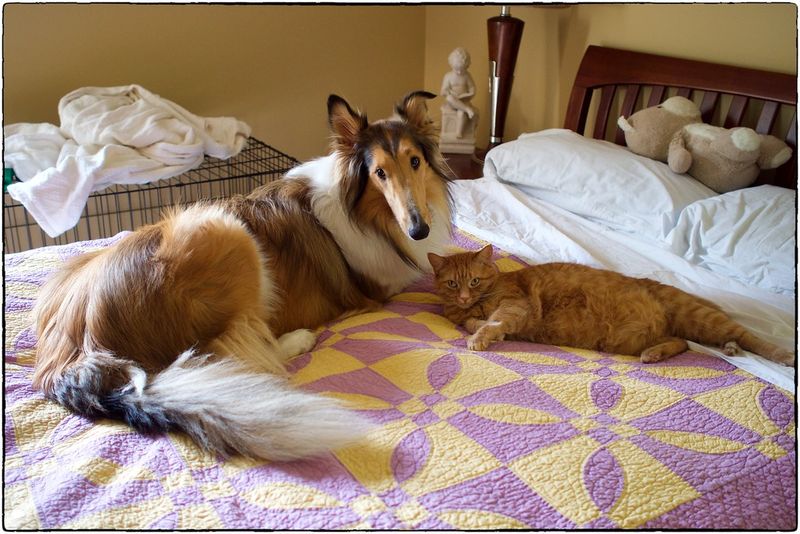
Collies are sensitive, people oriented herders who often read subtle signals well, including feline ones. Their watchful nature can look intense, so channel it into structured tasks like place work and quiet observation.
With mental stimulation and gentle guidance, Collies choose composure over micromanaging.
Begin with leashed proximity, reward soft eyes and loose bodies, and avoid long staring. Offer the cat escape routes and elevated shelves to control space.
Teach the Collie that calm earns access while excitability pauses the interaction. Consistency wins with this thoughtful breed.
Over weeks, many Collies nap within sight of the cat, offering companionship without herding. Their grace, responsiveness, and empathy help knit a peaceful household rhythm.
Papillon
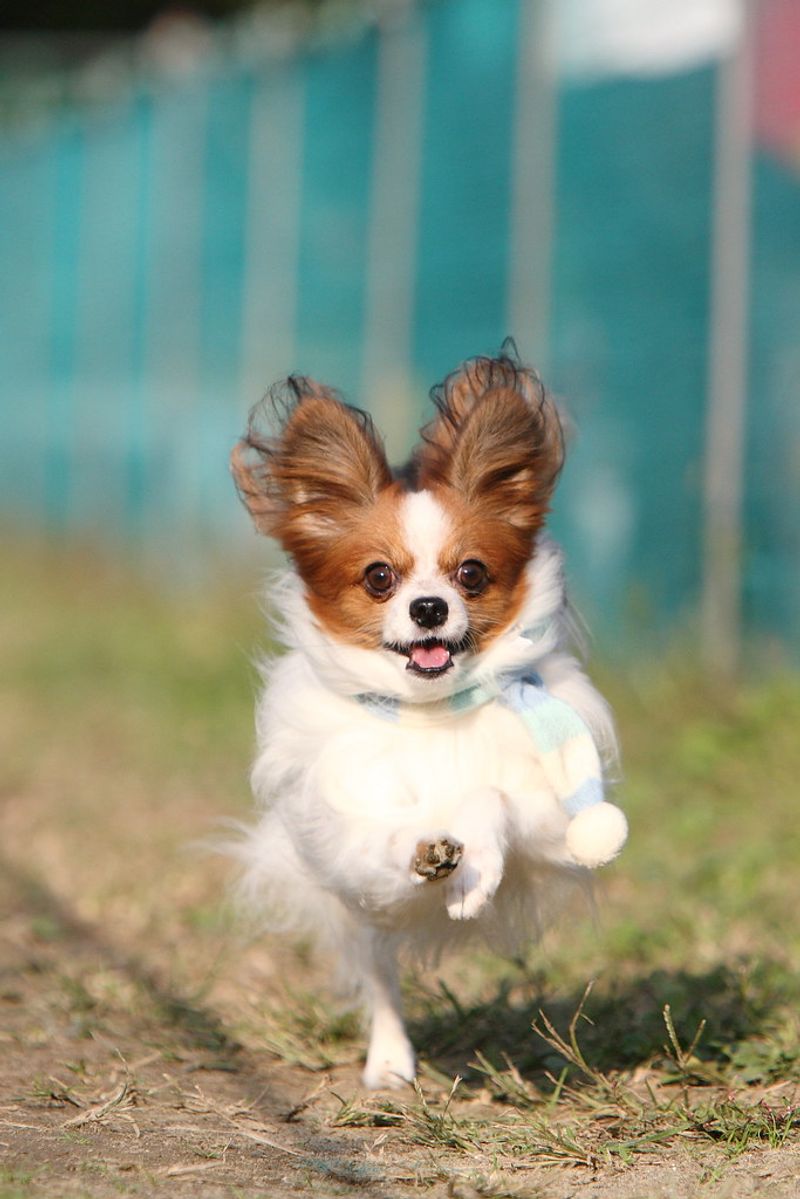
Papillons are tiny, clever charmers with big-listening ears and thoughtful eyes. Their size helps them feel nonthreatening to cats, and their brains make training a joy.
Keep excitement balanced with brief play and frequent rest so curiosity never becomes a chase.
Introduce through barriers first, rewarding the Papillon for ignoring movement and holding a relaxed sit. Provide high cat perches and snuggly Papillon beds to discourage turf wars.
Rotate toys so resources stay interesting and separate. When the butterfly dog wants to investigate, cue a place and pay generously.
Over time, Papillons and cats often share sunlit windowsills, each respecting the other’s bubble. Sweet manners and smart routines make cohabiting feel delightfully effortless.
Shetland Sheepdog
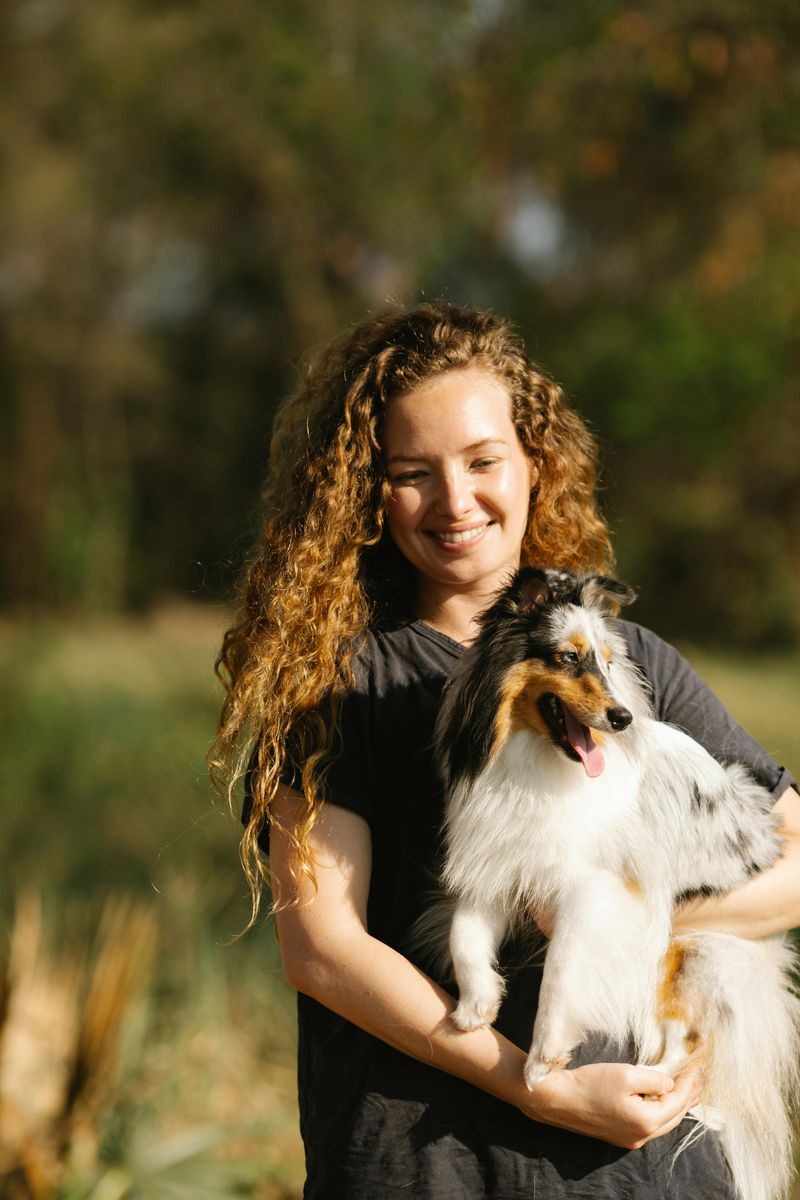
Shetland Sheepdogs are attentive, biddable herders who excel at structured routines. Their alertness can tip into watchfulness, so teach them how to relax around feline movement.
With clear expectations and daily brain work, Shelties become gentle neighbors, not hall monitors.
Use baby gates, short sessions, and treat calm glances at the cat. Practice mat settles, hand targets, and quiet recalls to redirect interest kindly.
Offer the cat vertical highways and private rooms. Keep play separate until both pets choose neutrality.
As confidence grows, Shelties often rest nearby, content simply to be part of the scene. Their loyalty and sensitivity, guided well, create a respectful friendship that feels easy to maintain day after day.
Boxer
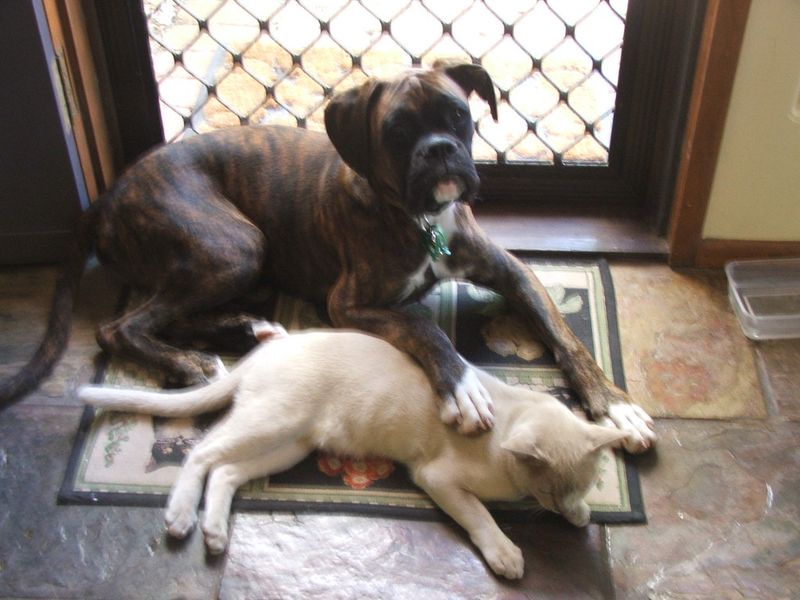
Boxers are playful athletes with affectionate, clownish spirits, and that enthusiasm needs direction around cats. When exercise boxes are checked, their sweetness shines and impulse control improves dramatically.
Expect wiggly curiosity at first, then shape it into calm check-ins and relaxed body language.
Start with structured walks, flirt pole play, and training before introductions so energy is low. Reward stillness while the cat moves and teach a solid place cue.
Keep sessions brief, end on wins, and give both pets safe retreats. If arousal rises, pause and reset later.
With patience, Boxers become gentle housemates who prefer cuddles over chase. Their goofy hearts, when guided, blend beautifully with feline confidence.
Maltese
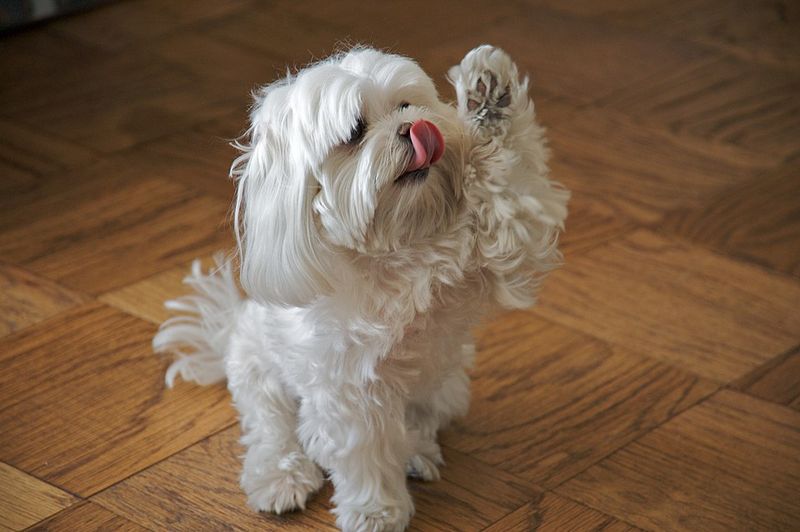
Maltese dogs are affectionate lap companions who prize quiet closeness, not rough play. Their small size and adaptable nature help cats feel unpressured.
With gentle routines and positive reinforcement, a Maltese quickly learns to coexist with dignity and charm.
Begin with calm parallel time across a baby gate, pairing treats with the cat’s presence. Reward the Maltese for settling on a designated blanket while the cat explores.
Maintain grooming and enrichment so boredom does not invite mischief. Provide hideaways and high spots for the cat to choose distance.
Over time, the Maltese typically naps within paw’s reach, content and respectful. Their tender temperament and patient manners make shared spaces peaceful and pleasantly predictable.