
Some dogs whisper their feelings before they ever raise their voice. If your pup seems off lately, small signals can reveal big emotions.
Learn the subtle body language that says I am done, I need space, or something hurts. Catch these early and you can step in with empathy, safety, and smarter training.
Avoiding eye contact
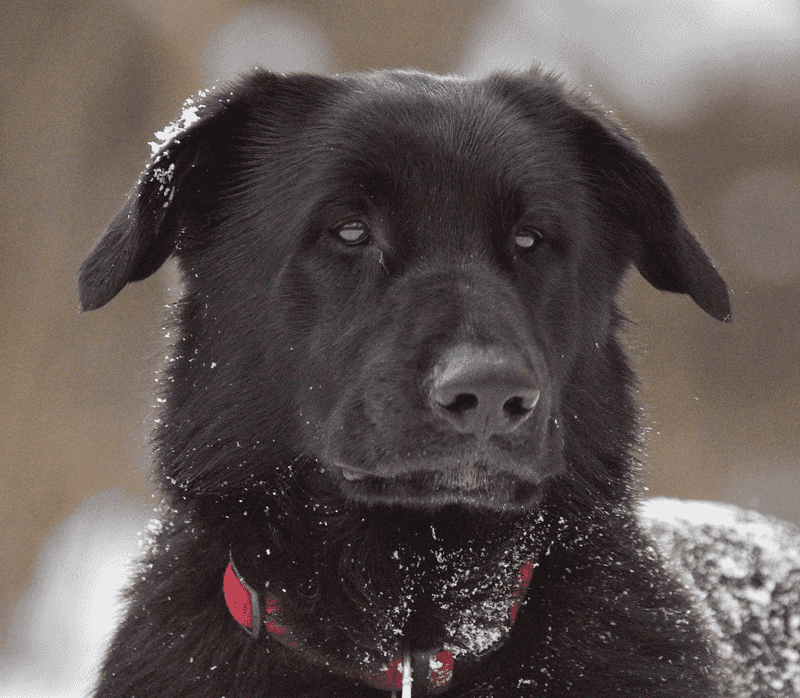
When your dog suddenly avoids your gaze, it is usually not shyness. It is a polite canine way of saying please give me space.
You might notice a quick head turn, squinted eyes, or a fixed stare at the floor. In busy rooms, they may position their body so your eyes cannot meet.
Treat this as a yellow light. Pause petting, soften your voice, and turn your own shoulders slightly away.
Offer a slow blink or a gentle side approach if you must interact. If the dog relaxes and reengages, praise calmly.
If they continue avoiding, create distance and give them a quiet break. Over time, this respect builds trust and reduces future stress during tricky situations for your dog.
Excessive yawning

Yawning is not always about sleepiness. Dogs yawn repeatedly when they feel tense, overwhelmed, or stuck in an uncomfortable moment.
You might see a wide jaw stretch with tongue curling, followed by lip smacking and averted eyes. It often appears during vet visits, crowded walks, nail trims, or awkward greetings.
Treat yawns like a pressure valve signal. Slow the pace, add space, and offer a simple sniffing break.
Ask for an easy cue, then reward calmly to restore confidence. If yawning continues despite changes, evaluate triggers like pain, heat, or conflicting cues.
Your patience here can prevent escalation into growling or snapping. Track frequency in a journal so patterns appear and training choices become clearer over the next few weeks.
Lip licking without food
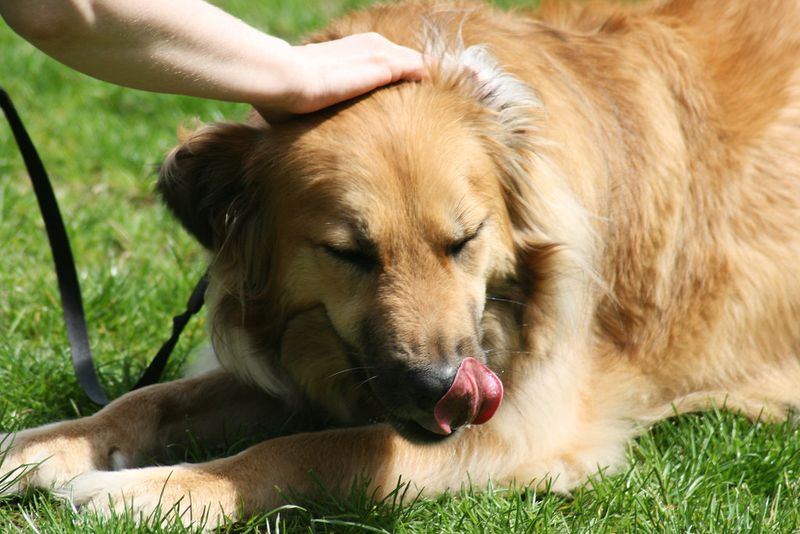
When no treats are around, quick lip licks often mean stress. It is a tiny, fast gesture that says I am uneasy with this.
You may notice it during photos, hugging, reaching over the head, or while a stranger leans close. Paired with pinned ears or a still body, it is a clear warning.
Pause the interaction and breathe. Turn sideways, lower the intensity, and let your dog sniff or step away.
Reward any voluntary return with a soft voice and gentle touch. If lip licking continues, check for nausea, dental issues, or tight collars.
A vet rule out plus kinder handling can change everything. Document triggers on walks and at home to guide future training choices kindly and predict.
Turning away or walking off

Turning the head or walking away is not rudeness. It is a polite boundary that says enough for now.
You might see it during rough play, endless petting, or when kids hover. Body language often shifts to slow movement, lowered tail, and a soft shake off after creating distance.
Honor the message immediately. Stop the activity, give space, and invite a choice to rejoin later.
Offer a sniff mat, water break, or quiet bed as an alternative. If walking away increases over days, reassess routines, pain, and training balance.
Respect today usually prevents tomorrow’s meltdown and protects your relationship. Track times, locations, and people involved so you can spot patterns and plan kinder interactions that match your dog’s comfort level.
Growling or snapping
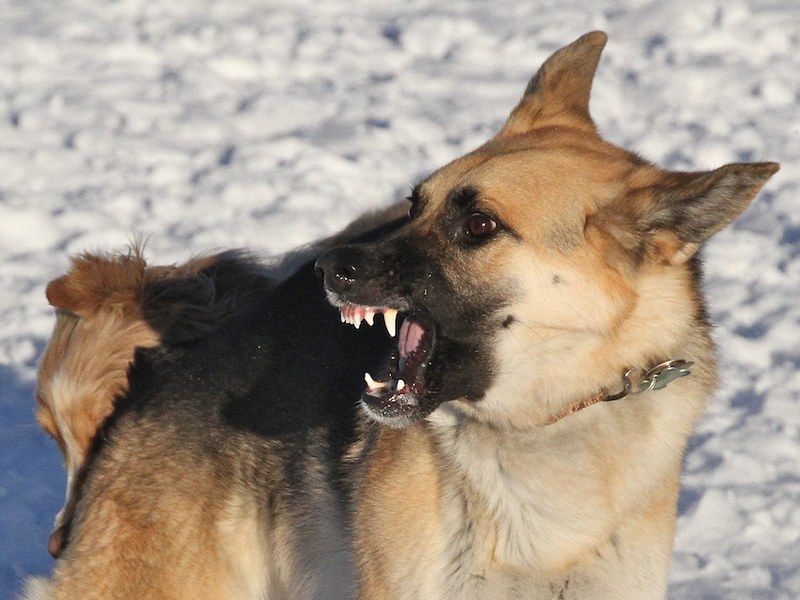
Growling is communication, not defiance. It is the smoke alarm telling you something is wrong.
Snapping without contact is another boundary, often after earlier signs were ignored. Common triggers include guarding resources, pain, tight hugs, or strangers crowding personal space during greetings.
Do not punish the warning. Increase distance, remove the trigger, and consult a credentialed trainer for a plan.
Teach consent cues, muzzle training, and cooperative care to rebuild safety. Schedule a vet exam to rule out pain.
Listening now keeps everyone safe and shows your dog that communication works. Record context, intensity, and recovery time after each episode to measure progress and prevent surprises.
Share notes with your veterinary team and trainer to coordinate support effectively together smoothly.
Loss of interest in play
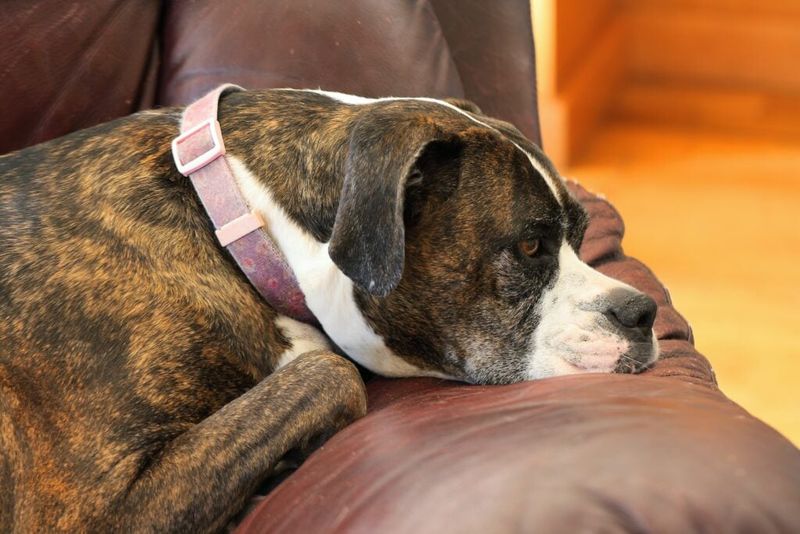
A dog who suddenly quits playing is telling you the vibe changed. Maybe the game turned too rough, the surface is slippery, or the toy routine feels stale.
You could also be seeing pain, overheating, or simple mental fatigue after a busy day. Watch for slowed responses, droopy ears, and disengagement.
Shift to calmer choices. Offer a sniff walk, food puzzle, or gentle massage and water.
Keep sessions short, end on a win, and rotate toys to protect motivation. If interest drops across days, schedule a vet check and rest.
Listening to that quiet no keeps play safe, fun, and sustainable. Track play length, surfaces, weather, and toys used to reveal patterns and guide kinder choices for your unique dog.
Hiding more than usual

When a normally social dog starts hiding, pay attention. Retreating under beds, behind furniture, or into closets often signals stress, illness, or fear.
You might notice it after visitors arrive, noises spike, or routines change suddenly. The body may look tucked, eyes darting, and movements slow or frozen.
Do not drag them out. Lower the household intensity, create safe zones, and use calming routines like sniffing and chewing.
Visit your vet if hiding persists, especially with appetite, bathroom, or mobility changes. Reinforce brave choices with quiet praise and treats.
Patience today can restore curiosity and comfort tomorrow. Log times, sounds, and people present so triggers become clear and solutions feel compassionate for your dog’s specific needs and living environment today.
Sudden stubborn behavior
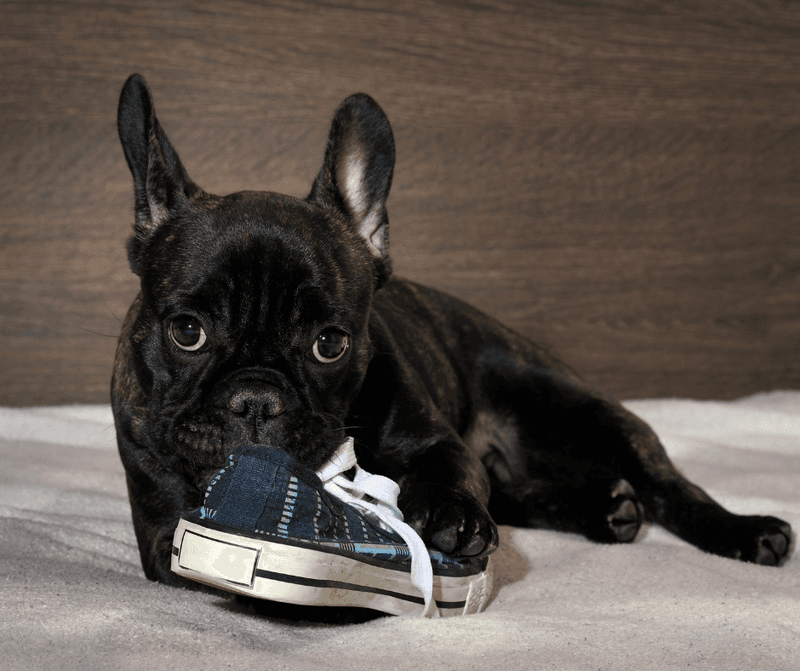
A dog that plants their feet or refuses cues is not being spiteful. Stubborn moments often signal confusion, pain, fear, or competing motivations.
Maybe the surface is hot, the cue history is weak, or distractions feel overwhelming. Look for whale eye, slow motion sits, lip licks, and tension in the leash.
Respond with clarity and kindness. Simplify the task, increase distance from triggers, and use higher value rewards.
Split difficult skills into tiny steps, then build momentum. If refusal appears suddenly in a trained dog, call your vet and rule out pain.
Better communication turns stubborn moments into teachable victories. Document context, cue words, and reinforcement timing to troubleshoot patterns and celebrate progress consistently over several practice sessions each week.
Changes in appetite
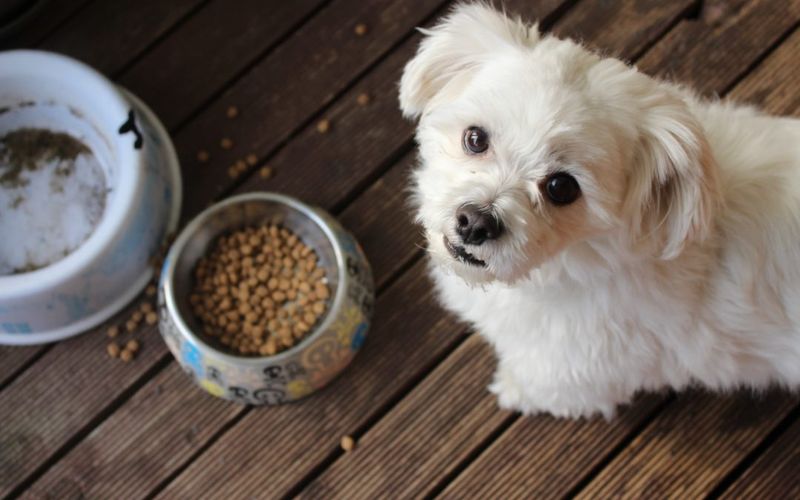
A sudden appetite shift can reveal stress or illness. Skipping meals, slow eating, or guarding the bowl deserves attention.
You might also see drooling, smacking, or leaving food to check the room. Big schedule changes, heat, travel, or new medications can nudge appetite in surprising directions.
Respond thoughtfully, not forcefully. Offer quiet feeding spaces, fresh water, and predictable routines.
Track portions, stool quality, and energy during the week. If appetite change lasts more than a day or two, contact your vet.
Catching patterns early protects health and helps you adjust exercise, training, and mealtimes wisely. Note stressors like guests, fireworks, or conflicts with pets that might suppress appetite temporarily, then share details with your veterinary team for targeted support plans.
Destructive behavior

Chewed couches and shredded pillows are not revenge. Destruction often signals boredom, anxiety, teething, or unmet exercise needs.
You may also find patterns around departures, deliveries, or changes in your work hours. Watch for panting, pacing, and door scratching that point toward separation related stress.
Meet needs proactively. Add structured play, sniff walks, training games, and food puzzles to fill the tank.
Puppy proof rooms, rotate chew options, and practice short absences with calm returns. If destruction centers on exits, consult a separation anxiety specialist and your vet.
Replacing frustration with fulfilling routines changes everything. Track times, locations, items targeted, and stress levels to tailor prevention and reinforcement plans that fit your dog’s age, breed, and daily schedule best overall.
Restlessness or pacing

When a dog cannot settle, something is off. Pacing, frequent position changes, and sighing hint at discomfort, stress, or unmet needs.
It can show up before storms, during family arguments, or at night when pain flares. The eyes may look wide, ears scan, and breathing speeds slightly.
Run through a kind checklist. Offer water, a potty break, a sniff walk, and gentle decompression time.
Provide a cozy rest spot and relieve pressure from busy rooms. Track episodes and speak with your vet if pacing persists.
Early support can reveal hidden issues and guide better daily rhythms together. Note time of day, weather, household tension, and diet changes to spot patterns quickly, then adjust routines to reduce strain and improve comfort.