
Some dogs are happiest when they have you all to themselves, and they are not shy about saying so. If you have ever felt gentle nudges, intense stares, or a full-on lap takeover, you might be living with a breed that hates splitting your affection.
Knowing which pups crave one-on-one time helps you plan training, routines, and family dynamics. Let’s explore the breeds that want your heart on a dedicated channel.
Chihuahua
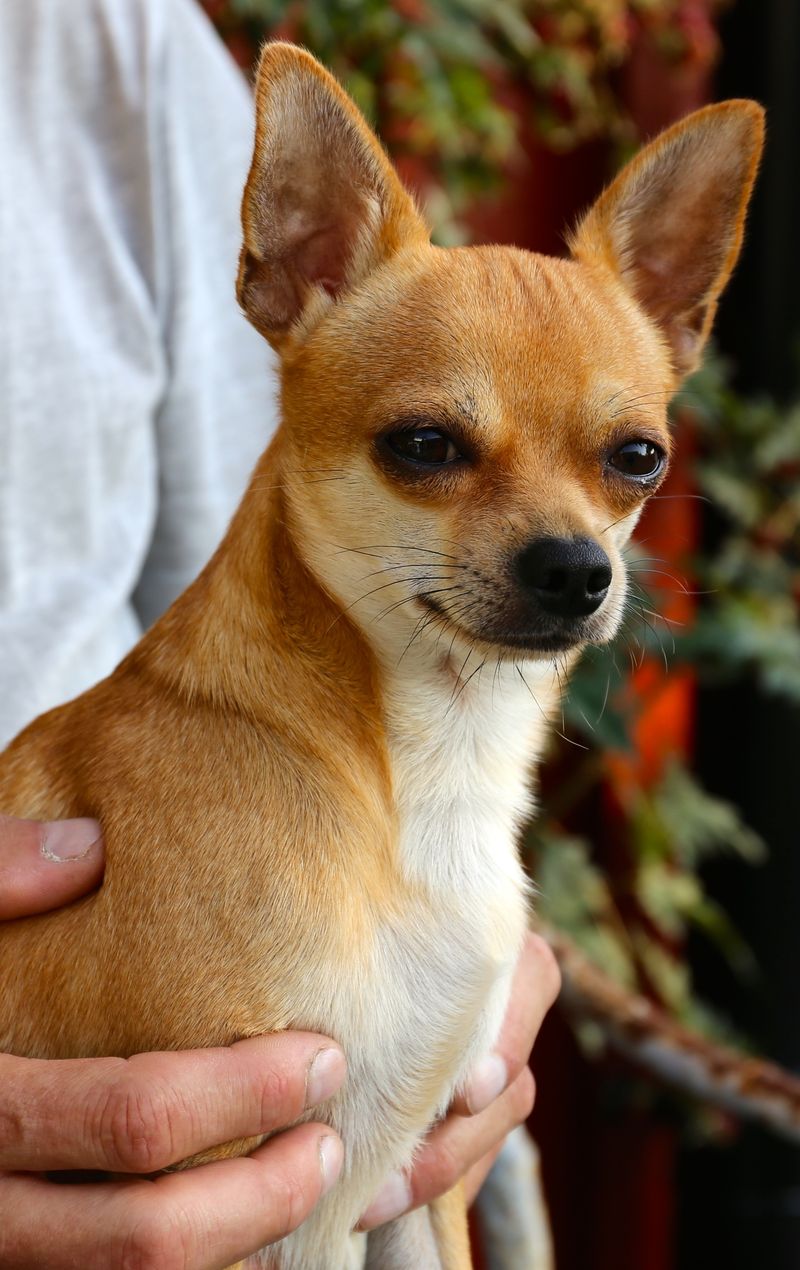
Chihuahuas are tiny, but their devotion feels larger than life. They often choose one favorite person and guard that bond like precious treasure.
If you split focus, expect bold protests, spirited barking, and an insistent climb into your lap.
Consistency calms their possessive streak. Short training sessions, structured cuddle time, and clear boundaries can help them share without losing confidence.
Socialize early so new people do not feel like rivals for your affection, and reward polite behavior.
Daily mental games keep their busy brains satisfied, which reduces clinginess. You will be surprised how much independence a confident Chihuahua can show when needs are met.
Still, they will remind you who owns your heart.
Dachshund

Dachshunds were bred to hunt in close partnership, which fuels their intense loyalty. They adore being your shadow and may object loudly when your attention wanders.
Expect side-eye, strategic nudging, and dramatic sighs when you text instead of playing.
They thrive with jobs. Nosework games, puzzle feeders, and mini obedience drills channel their clever minds and lower jealousy.
Teach a solid place command so they can settle while you interact with others.
With visitors, reward calm behavior and provide a chew station to occupy that busy brain. Fair rules apply to cuddle time and furniture privileges.
When you give a Dachshund predictable connection, they return it with fierce love and fearless humor.
Shih Tzu
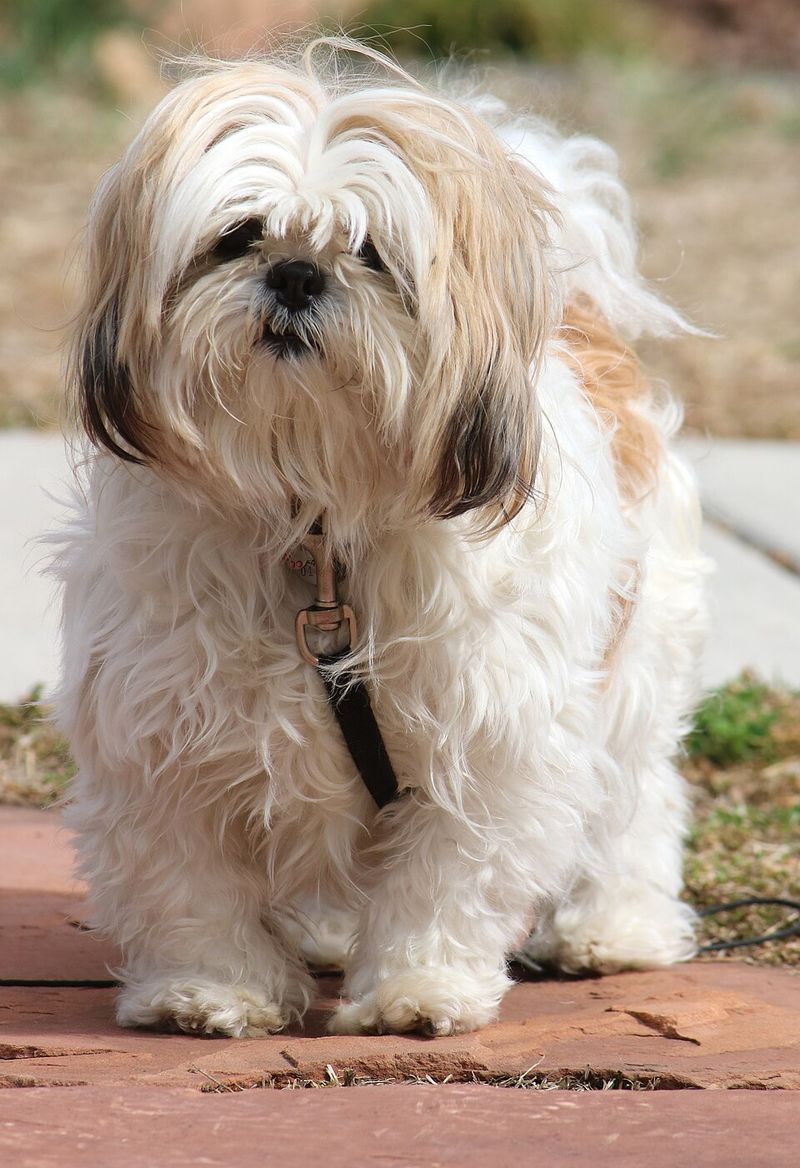
Shih Tzus were bred as lap companions, and they take that heritage seriously. They crave calm closeness, following you from room to room like a polite cloud.
When attention is divided, they may paw gently or wedge between you and a laptop.
Routine settles their hearts. Schedule cuddle breaks, brief play spurts, and grooming rituals that double as bonding.
Teach polite wait cues so affection is predictable rather than demanded.
Socialize early with different people, noises, and handling so sharing you feels safe. Use treat scatter games when visitors arrive to redirect focus.
When their emotional cup is full, a Shih Tzu becomes a serene, funny roommate who cherishes your presence without constant drama.
Lhasa Apso

Lhasa Apsos are independent yet deeply attached to their chosen person. Historically guardians of monasteries, they notice everything, especially where your attention lands.
If you dote on someone else, they might park themselves between you and the scene like a velvet bouncer.
Calm leadership helps. Short, confident training sessions communicate that attention comes through manners.
Teach solid place and stay commands to reduce hovering and door-duty intensity.
Rotate enrichment toys and scent games to prevent fixation on you alone. Invite friends to offer treats during visits so sharing becomes rewarding.
With respect for their dignity and clear routines, a Lhasa Apso transforms from jealous gatekeeper to composed companion who still prefers your undivided focus.
Pekingese
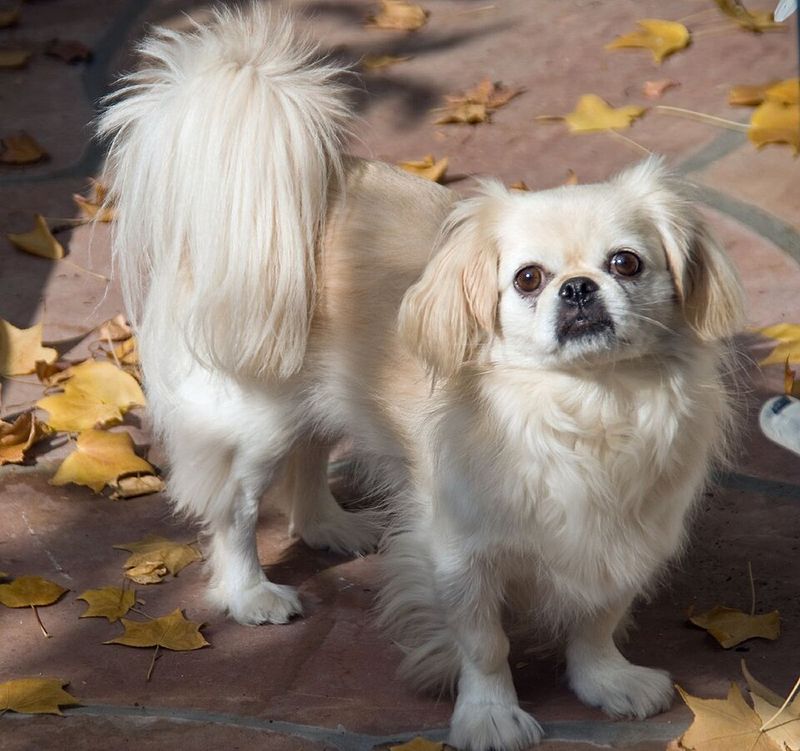
Pekingese carry royal vibes and expect VIP access to your lap. Their confidence can look like stubbornness when your attention strays.
They will plant themselves exactly where you are looking and blink slowly like, remember me.
They excel with gentle structure. Keep training kind but consistent, pairing cues with tasty rewards and calm praise.
Limit pedestal moments by reinforcing polite waiting before cuddles.
Because they are prone to overheating, plan short, engaging play indoors. Use mat training to create a VIP lounge that is not always your knees.
When their need for closeness is honored with boundaries, a Pekingese becomes a witty, adorable roommate who shares selectively but loves deeply.
Akita
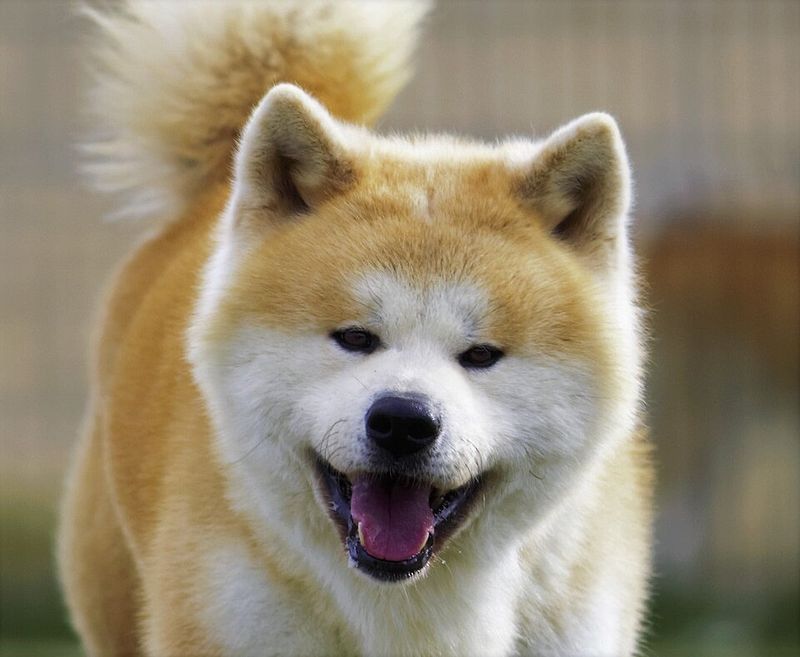
Akitas bond intensely and can be reserved with outsiders, which amplifies their dislike for divided attention. They prefer clear roles, structure, and loyalty.
If you cuddle a new dog first, expect a quiet, weighty stare that says, noted.
Early, thorough socialization is essential. Reward neutrality around guests and other pets, and practice impulse control with leave it and place.
Strong leadership never means harshness, only consistent boundaries and mental work.
Engage them with tracking games, obedience drills, and purposeful walks. Give daily one-on-one time so they do not guard your presence.
With respect and training, an Akita becomes a steadfast guardian who shares on your terms, not jealousy’s.
Chow Chow
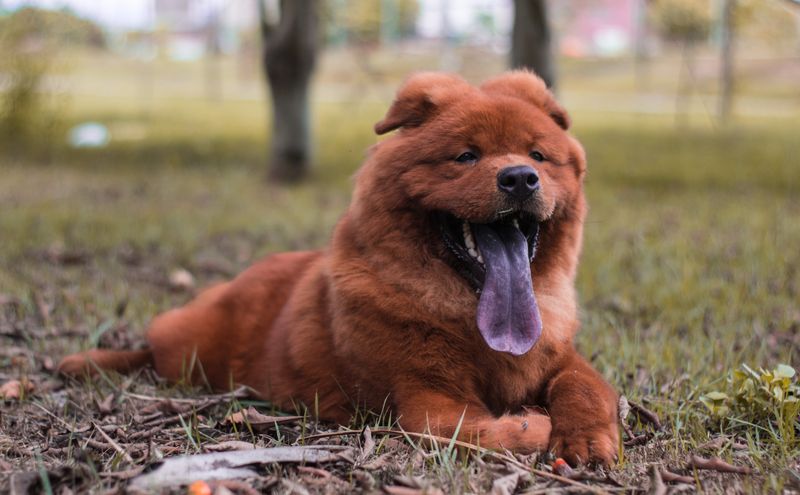
Chow Chows are famously independent yet fiercely loyal to their chosen family. They do not gush, but they notice exactly where you invest attention.
When you fuss over another pet, a Chow might withdraw or quietly wedge closer, claiming space without drama.
Respect their boundaries. Gentle, consistent training and predictable routines build trust, reducing possessiveness.
Socialize widely so sharing you becomes normal instead of threatening.
Provide brain work like scent games, platform training, and calm leash walks that emphasize teamwork. Reinforce polite check-ins and relaxed body language around visitors.
A well-managed Chow gives regal companionship, preferring your focused time and offering devotion in return, with no need for noisy jealousy when needs are met.
Doberman Pinscher
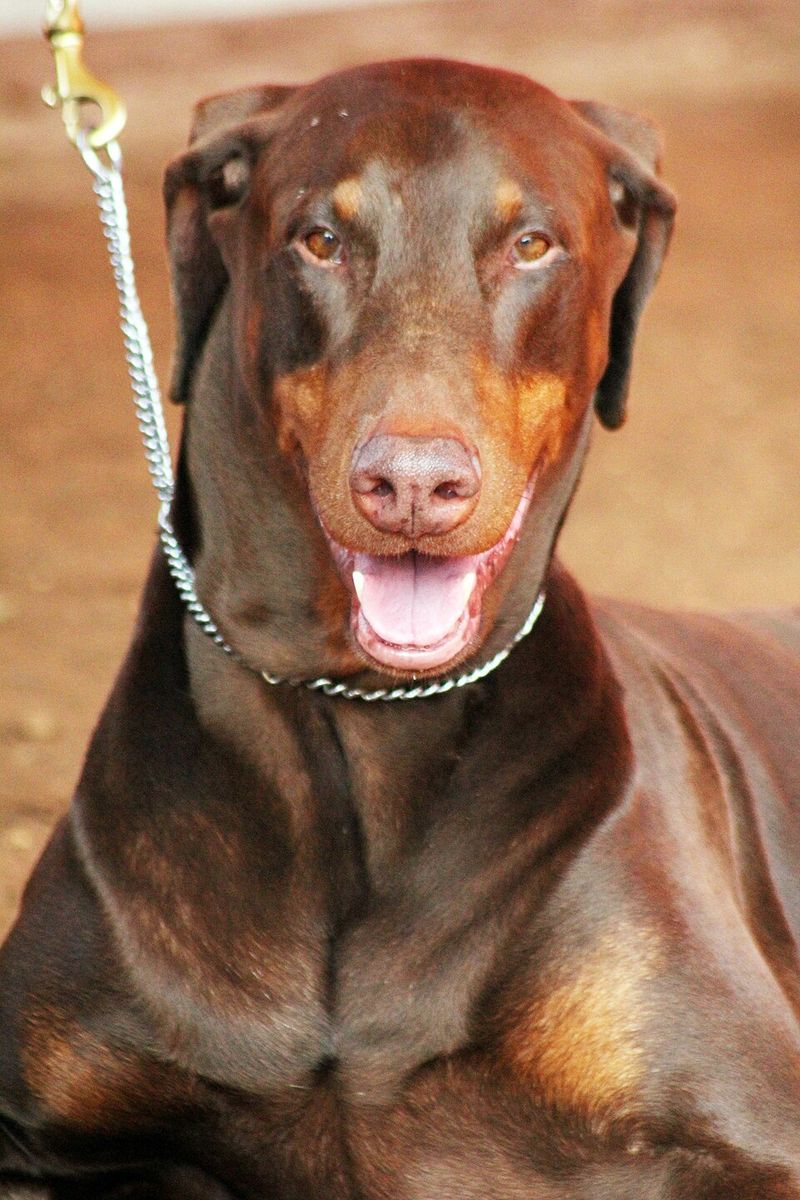
Dobermans are velcro by design, bred for close personal protection and partnership. They watch you like a mission briefing and notice when your attention drifts.
If another dog cuts the line, expect a strategic lean or a targeted nuzzle.
They thrive on jobs. Structured obedience, heeling patterns, and scent detection channel that razor focus.
Teach clear release cues and reward independence, not just proximity.
Rotate enrichment and practice calm place work while you greet guests. Balanced exercise curbs restless energy that fuels jealousy.
With daily training dates and affectionate boundaries, a Doberman becomes your elegant shadow, content to share when asked because they trust that their turn always arrives.
German Shepherd
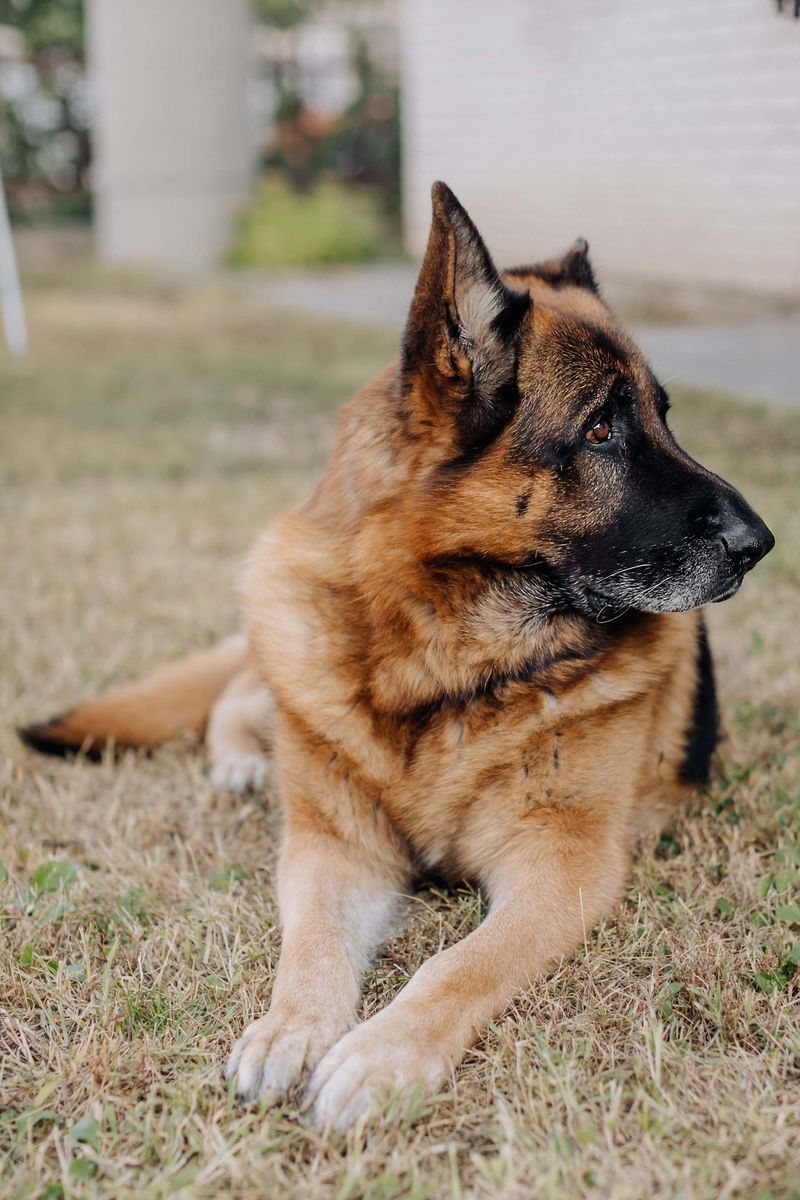
German Shepherds idolize purpose and look to you for direction. That loyalty can spill into possessiveness if attention feels scarce.
When another pet monopolizes you, they might herd, block, or stare, asking to rejoin the team.
Clarity fixes a lot. Train reliable place, out, and recall so they can relax off duty.
Provide tracking, obedience circuits, and controlled play that satisfy working instincts without fueling clinginess.
Socialize early with varied people and dogs, pairing neutrality with rewards. Schedule one-on-one training dates so they never doubt their spot.
A well-guided Shepherd shares gracefully because structure promises future connection, letting that legendary devotion shine without jealous guarding.
Rottweiler
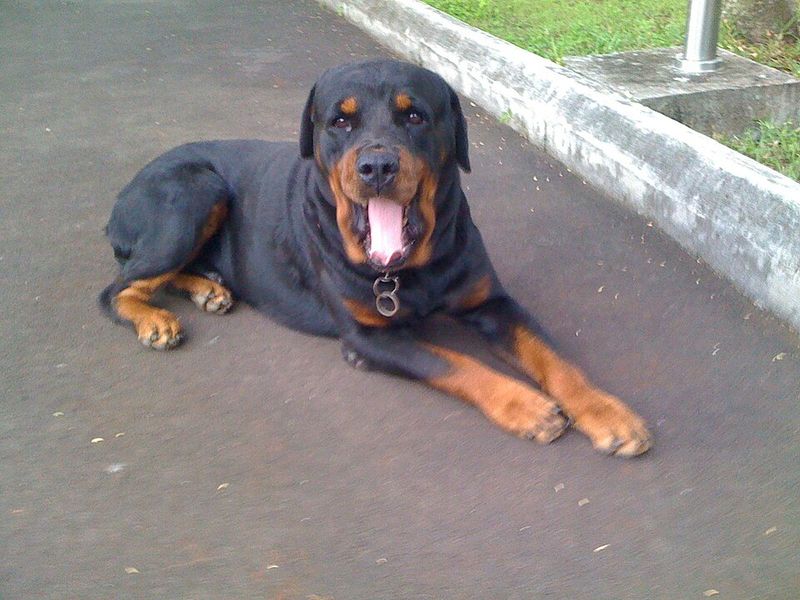
Rottweilers love close partnership and can be sensitive when attention shifts. They do not always make noise about it, but their presence grows heavier, like a quiet claim.
If boundaries blur, they may body-block or park their head under your hand.
Leadership matters. Teach impulse control, place, and leave it, then praise relaxed choices generously.
Balanced exercise and task-based training help them share without guarding you.
Host structured greetings with guests and reinforce neutrality around other pets. Give daily affection on your terms and celebrate calm waiting.
When guided consistently, a Rottweiler channels devotion into steadiness, confident they do not need to compete for your focus because connection is always coming.
Australian Shepherd
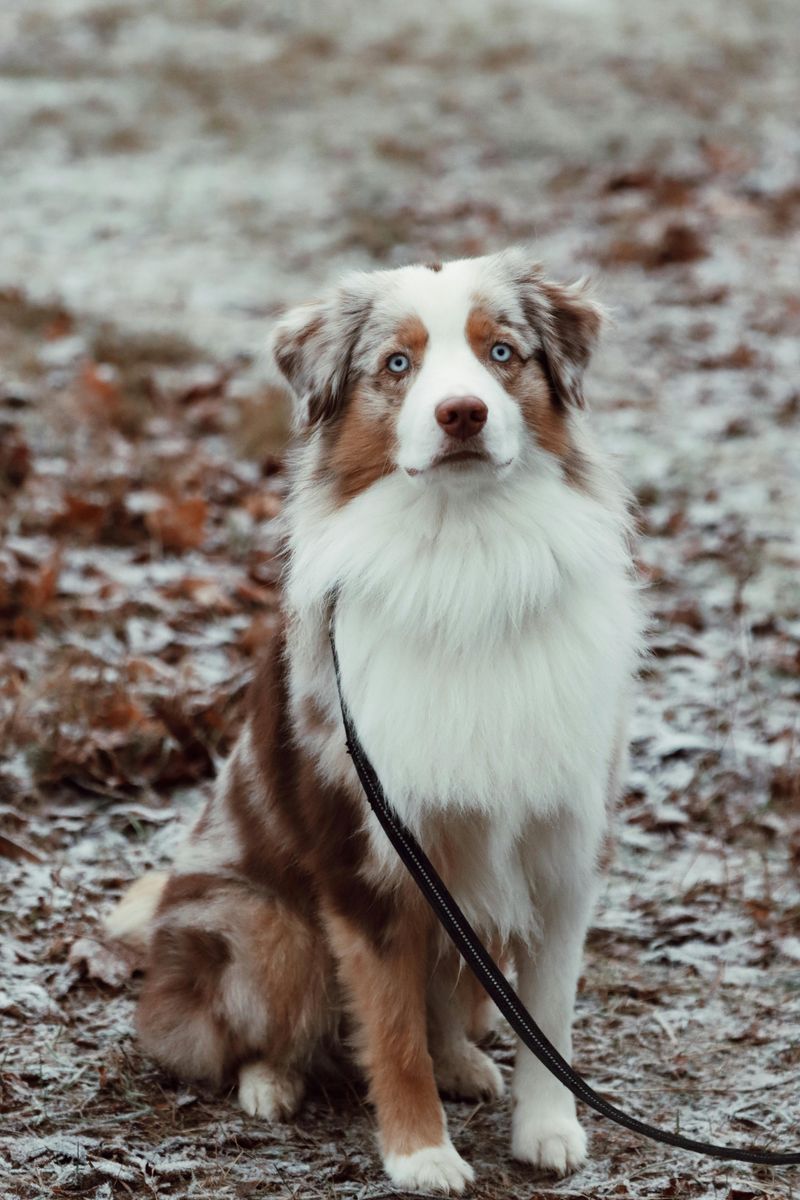
Australian Shepherds live for engagement and read you like a book. When ignored, they invent jobs, often herding you back into focus.
If your attention strays to another pet, expect nose boops, spins, or a perfectly timed drop of a toy.
Channel that brain. Trick training, agility, and scentwork keep them satisfied and less clingy.
Teach settle on a mat so they can decompress while you chat or work.
Rotate enrichment and schedule daily one-on-one training dates. Reward independent play as much as eye contact.
With structure and outlets, an Aussie learns that sharing your attention does not mean losing it, turning fiery focus into flexible, joyful teamwork.
Belgian Malinois
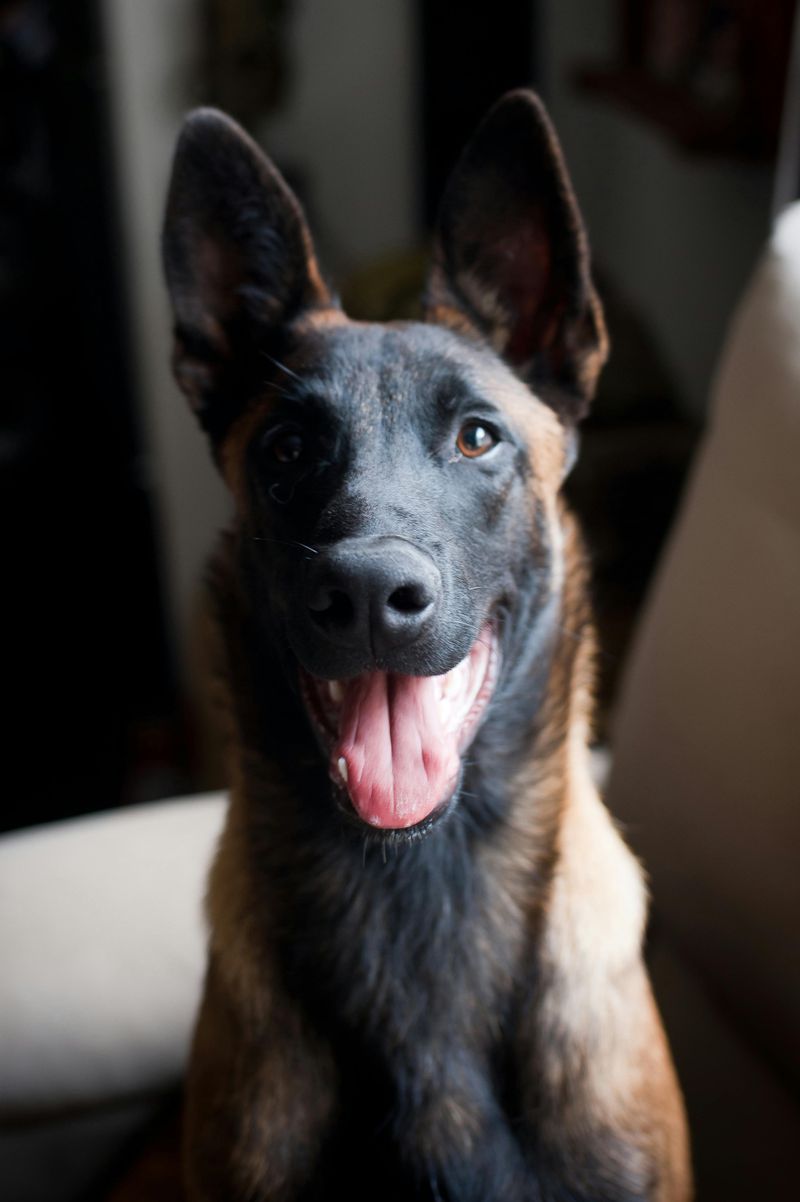
Belgian Malinois are intensity personified. They are wired to work at your side and notice every competing stimulus.
If another dog gets your praise, a Mal may wedge in, stare hard, or power-lean, asking for their assignment back.
Precision keeps them balanced. Daily obedience, targeting, and impulse-control drills give clear outlets.
Build a rock-solid place command and reinforce off-switch behaviors after exercise.
Socialize thoughtfully and pay for neutrality with high-value rewards. Rotate high-challenge tasks like scent puzzles or retrieving patterns.
When you promise reliable, structured engagement, a Malinois can share without spiraling, transforming relentless drive into respectful partnership that trusts your attention will return.